

The Healing Power of Anatolian Herbs
In Türkiye, tea is more than a drink—it's a way of life. While çay (black tea) is the nation's default, a parallel tradition of herbal infusions, known as bitki çayı, thrives in village teahouses, markets, and homes. These infusions, made from wild-harvested herbs like kekik (thyme), adaçayı (sage), and ıhlamur (linden), are cherished for their medicinal properties and soothing warmth. From the mountains of the Black Sea to the steppes of Central Anatolia, Turks have foraged these plants for centuries, passing down knowledge of their benefits.
This guide invites you to explore Türkiye's herbal heritage. We'll delve into the most common herbs, their health uses, and how to buy quality dried plants. You'll also learn how to brew and enjoy them like a local, embracing the gentle hospitality that accompanies every cup. Whether you're a traveler seeking natural remedies or a tea enthusiast, Anatolia's mountain teas offer a path to wellness and connection.
Kekik: The Mountain Thyme of Anatolia
Kekik, or wild thyme, is perhaps the most iconic herb in Turkish cuisine and folk medicine. It grows abundantly on sunny slopes, especially in the Aegean and Mediterranean regions. The plant's tiny leaves pack a potent, aromatic punch, thanks to thymol, a compound with strong antimicrobial and antioxidant effects. In villages, kekik tea is a first line of defense against colds, coughs, and digestive issues.
To brew kekik tea, locals steep a teaspoon of dried herb in hot water for 5–7 minutes. The resulting infusion is pale green with a peppery, slightly bitter taste. It's often sweetened with honey—especially the pine honey from Muğla—to balance the flavor. Beyond tea, kekik is used as a seasoning for grilled meats and salads, but as a drink, it's a soothing remedy for sore throats and upset stomachs.
When buying kekik, look for vibrant green leaves with a strong scent. Avoid packages with excessive stems or dust, as these indicate old or low-quality stock. In Turkish markets, you'll find kekik in spice shops (aktar) and open-air bazaars, often sold in bulk. For the best quality, visit a local aktar who sources from nearby mountains—they'll gladly share brewing tips and health advice.
Adaçayı: Sage for Clarity and Calm
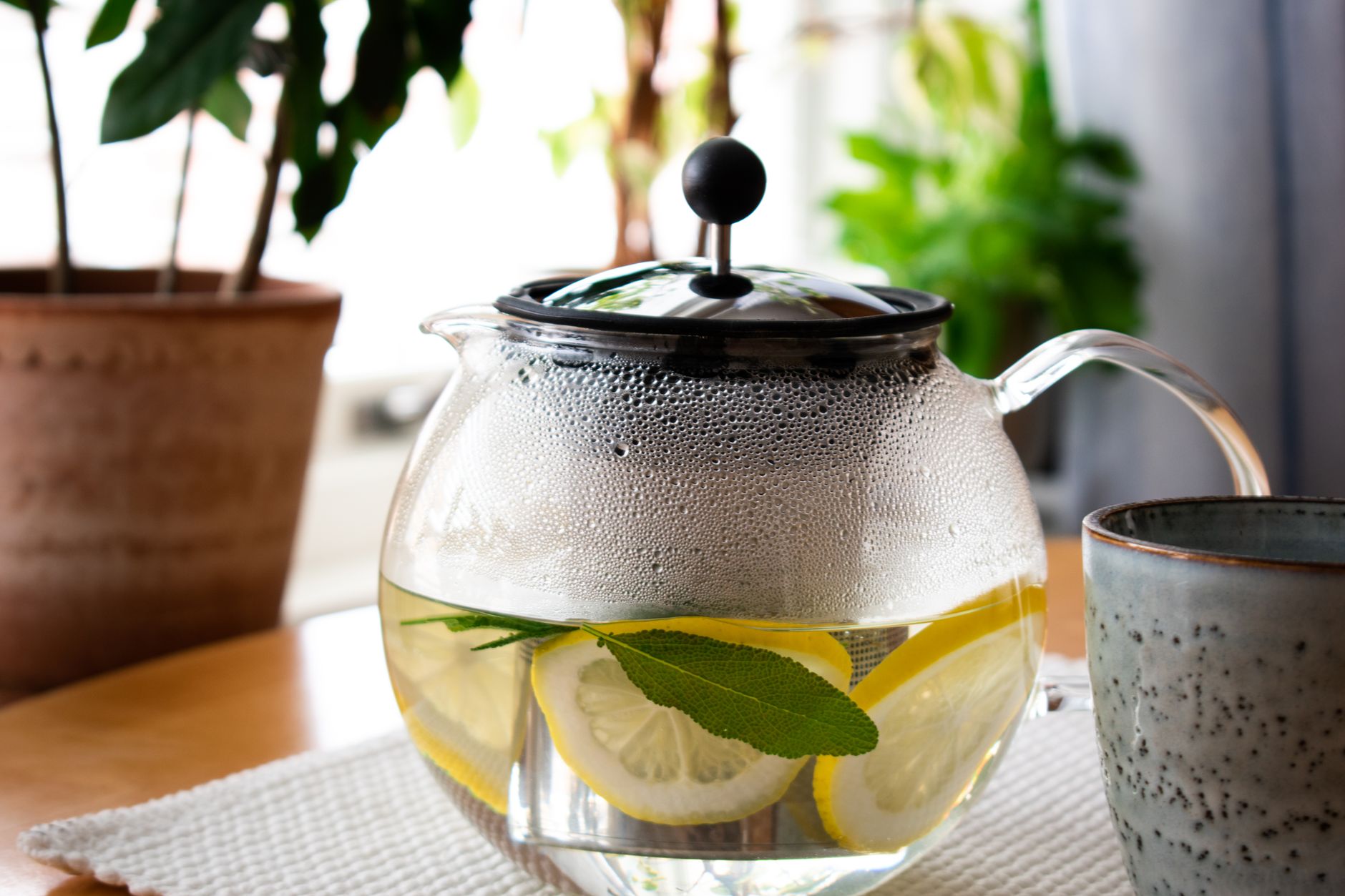
Adaçayı, or sage, is another cornerstone of Turkish herbalism. Its name, meaning 'island tea,' hints at its Mediterranean origins, but it grows wild across Anatolia. Sage is revered for its cleansing properties: it's used as a gargle for mouth and throat infections, a tea for memory and focus, and even burned as incense to purify spaces. The herb's leaves contain rosmarinic acid and other antioxidants that combat inflammation and soothe the nervous system.
In Turkish teahouses, adaçayı is often served after meals to aid digestion. The tea has a warm, slightly astringent flavor with notes of eucalyptus and mint. It's typically brewed by pouring hot—not boiling—water over dried leaves to preserve delicate oils. Some locals add a cinnamon stick or a few cloves for extra warmth. For a refreshing summer drink, adaçayı is sometimes chilled and served with lemon.
Quality sage should have whole, silvery-green leaves with a potent aroma. Avoid brown or crumbly leaves, which lose their potency. In Türkiye, you'll find excellent sage in the markets of Istanbul's Eminönü or the herb bazaars of Gaziantep. When foraging, note that wild sage is protected in some areas—always harvest responsibly or buy from certified sellers.
Ihlamur: The Soothing Linden Flower
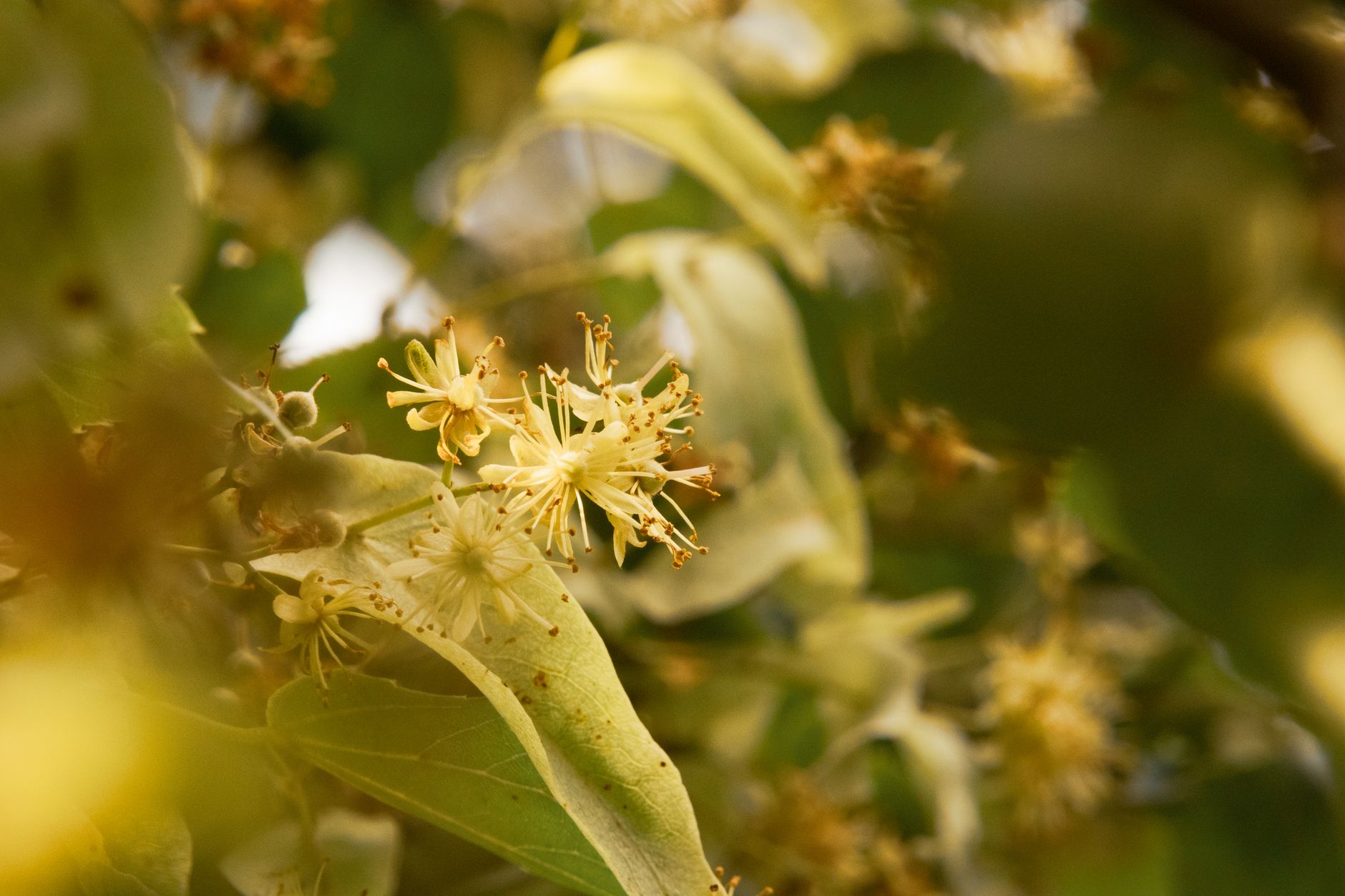
Ihlamur, or linden, is the quintessential Turkish winter tea. Made from the dried flowers and bracts of the linden tree, it has a delicate, honey-like sweetness and a calming effect. In Anatolian villages, ıhlamur is the go-to remedy for colds, flu, and anxiety. Its anti-inflammatory and diaphoretic properties help lower fevers and promote relaxation, making it a gentle sedative for both children and adults.
The linden tree blooms in early summer, filling the air with a heady fragrance. Locals harvest the flowers by hand, drying them in shaded, airy spaces to preserve their volatile oils. The dried blossoms are then stored in cotton bags for year-round use. To brew, steep a handful of flowers in hot water for 10 minutes; the tea turns a golden hue and releases a comforting aroma.
When purchasing ıhlamur, choose packages with whole flowers and pale green bracts, avoiding those with brown spots or excessive stems. In Istanbul's Spice Bazaar, you'll find vendors selling premium ıhlamur from the Black Sea region. For a truly local experience, sip ıhlamur in a village teahouse, where it's served in tulip-shaped glasses with a side of honey.
Other Notable Herbs: Nane, Rezene, and Kuşburnu
Beyond the big three, Türkiye boasts a wealth of other herbal infusions. Nane (mint) is a cooling digestive aid, often combined with lemon and served after heavy meals. Rezene (fennel) seeds make a sweet, licorice-like tea that combats bloating and colic in infants. Kuşburnu (rosehip) is a vitamin C powerhouse, brewed from the bright red berries of wild roses; it's tart and fruity, a popular winter tonic.
Another favorite is papatya (chamomile), used for its calming and sleep-inducing effects. In the Aegean, you'll find dağ çayı (mountain tea), a generic term for various wild herbs like sideritis, which makes a refreshing, earthy brew. Each region has its own specialty: the Black Sea is famous for its purple basil (mor fesleğen) tea, while the southeast favors zahter (a blend of thyme, sesame, and sumac).
Exploring these herbs is a journey through Anatolia's microclimates. At local markets, don't hesitate to ask vendors for recommendations—they'll often let you smell and taste before buying. For a deep dive, visit an aktar in a city like Konya or Şanlıurfa, where walls are lined with jars of dried herbs, each with a story.
Buying Quality Herbs: A Practical Guide
Purchasing herbs in Türkiye can be a delightful sensory experience, but it requires a discerning eye. Here are key tips:
- Look for color and aroma: Quality dried herbs retain vibrant colors and strong scents. Avoid faded, dusty, or musty-smelling products.
- Check for wholeness: Leaves and flowers should be mostly intact. Excessive stems, twigs, or powder suggest lower quality.
- Buy from trusted sources: Aktars (herbalists) and spice bazaars are reliable, but supermarkets also carry reputable brands. For organic options, look for certifications.
- Ask about origin: Vendors often know where herbs were harvested. Local, wild-crafted herbs are often superior to imported ones.
- Store properly: Keep dried herbs in airtight containers away from light and heat. Use within a year for best potency.
In tourist areas, be wary of overpriced, pre-packaged teas. Instead, visit a local market like Istanbul's Kadıköy or Izmir's Kemeraltı for authentic deals. Many vendors offer vacuum-sealed bags, perfect for traveling. If you're foraging, ensure you have permission and knowledge—some wild plants are protected or easily confused with toxic species.
How to Enjoy Herbal Teas Like a Local
In Türkiye, drinking herbal tea is a ritual of hospitality. Here's how to embrace it:
- Use the right glass: Traditional tulip-shaped glasses (ince belli bardak) showcase the tea's color and allow you to hold it without burning your fingers.
- Brew gently: Most herbal teas are steeped, not boiled. Use freshly boiled water cooled slightly (about 80–90°C) to avoid bitterness.
- Sweeten naturally: Honey or dried fruit (like figs) are common sweeteners. Sugar is used, but less frequently for herbal teas.
- Serve with a smile: Offer tea to guests as a gesture of welcome. In teahouses, it's common to share a pot while chatting.
- Pair with snacks: Herbal teas are often enjoyed with light biscuits, nuts, or dried fruit, enhancing the social experience.
To truly immerse yourself, visit a village teahouse in regions like the Taurus Mountains or the Black Sea highlands. There, you'll sip tea brewed over an open fire, surrounded by locals who will gladly share stories of the herbs and their uses. It's a gentle, health-focused tradition that embodies Anatolian hospitality.
Wellness and Tradition: The Anatolian Way
Türkiye's herbal tea culture is more than a health trend—it's a living tradition rooted in nature and community. From the first sip of kekik when you feel a cold coming, to the calming embrace of ıhlamur before bed, these infusions connect you to the land and its people. As you explore markets and teahouses, you'll discover that wellness here is holistic: it's about slowing down, sharing stories, and nurturing both body and soul.
So, whether you're purchasing herbs to take home or simply enjoying a cup in a rustic teahouse, let the wisdom of Anatolia guide you. Embrace the gentle hospitality, the aromatic flavors, and the timeless remedies that have soothed generations. In Türkiye, every cup of mountain tea is an invitation to well-being and connection.
Thinking about a trip to Turkey?
Share your contact details and a vetted local expert will follow up with a plan built around you — free, no obligation.