

Why Overnight Travel Is Turkey's Best-Kept Secret
Turkey is enormous. The distance from Istanbul to Cappadocia is roughly 730 kilometres, and Istanbul to the Black Sea coast or the far east can stretch past 1,000. Daytime buses on these routes eat up precious sightseeing hours, and domestic flights — while fast — add airport transfers, security queues and baggage fees that can double your costs. Overnight coaches and sleeper trains solve this elegantly: you board in the evening, sleep while the country rolls by, and step off in a new city ready for breakfast.
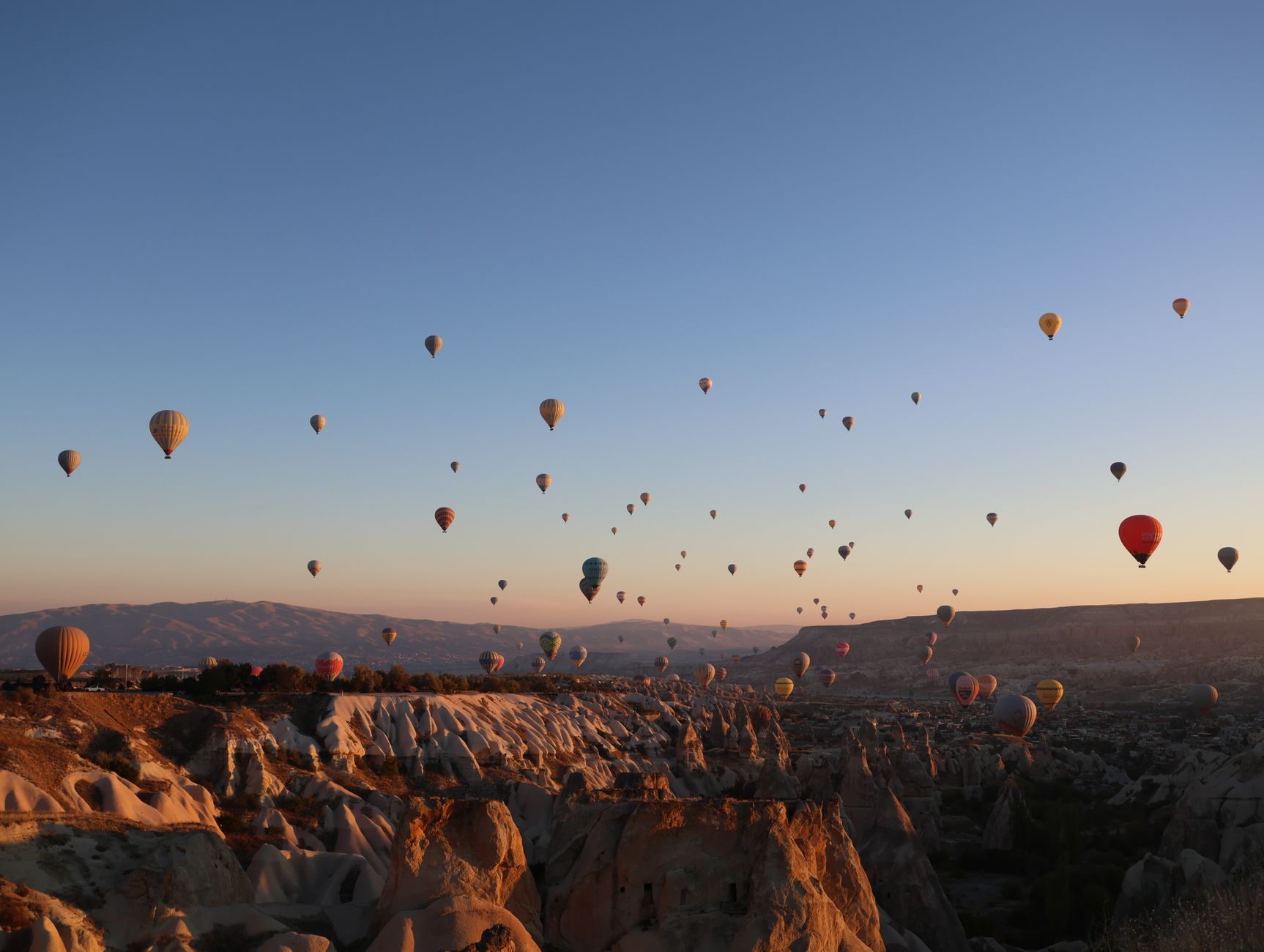
In a single night you effectively gain a full day of exploration. Instead of losing six to ten daylight hours on the road, you wake up in Göreme as balloons rise over the fairy chimneys, or in Trabzon with the Black Sea mist still clinging to the hills. For budget-conscious travellers, the savings are substantial — you skip a hotel night entirely, and a comfortable reclining seat often costs less than a mid-range room.
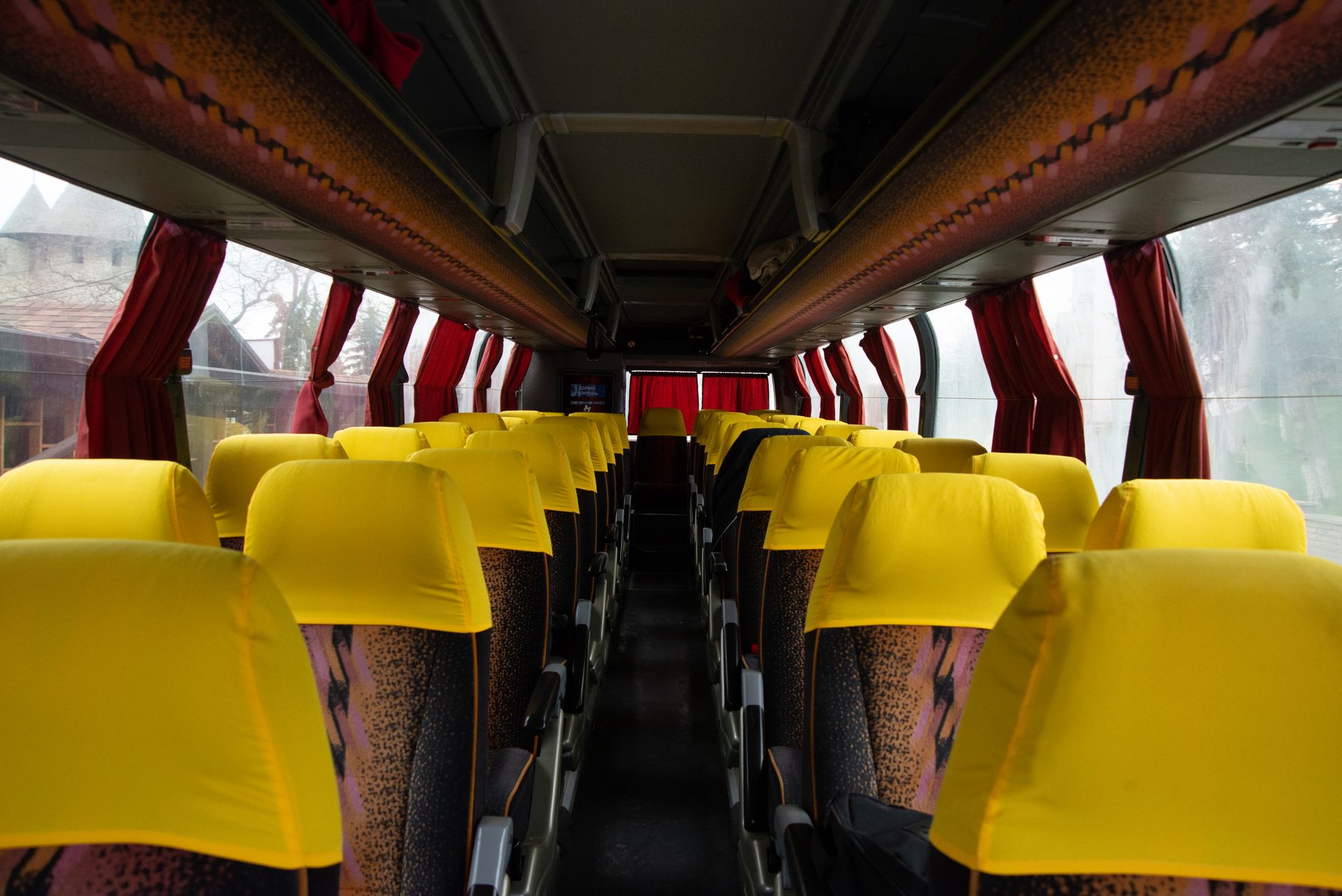
Modern Turkish intercity buses are nothing like the cramped, rattling coaches some visitors imagine. The major operators run fleets of late-model Mercedes, Neoplan and Temsa vehicles with wide reclining seats, personal entertainment screens, USB charging, Wi-Fi and air conditioning. Attendants move down the aisle with tea, coffee, water and snacks. It is, genuinely, one of the most civilised ways to cross a continent-sized country.
The Romance of Waking Up to Anatolia
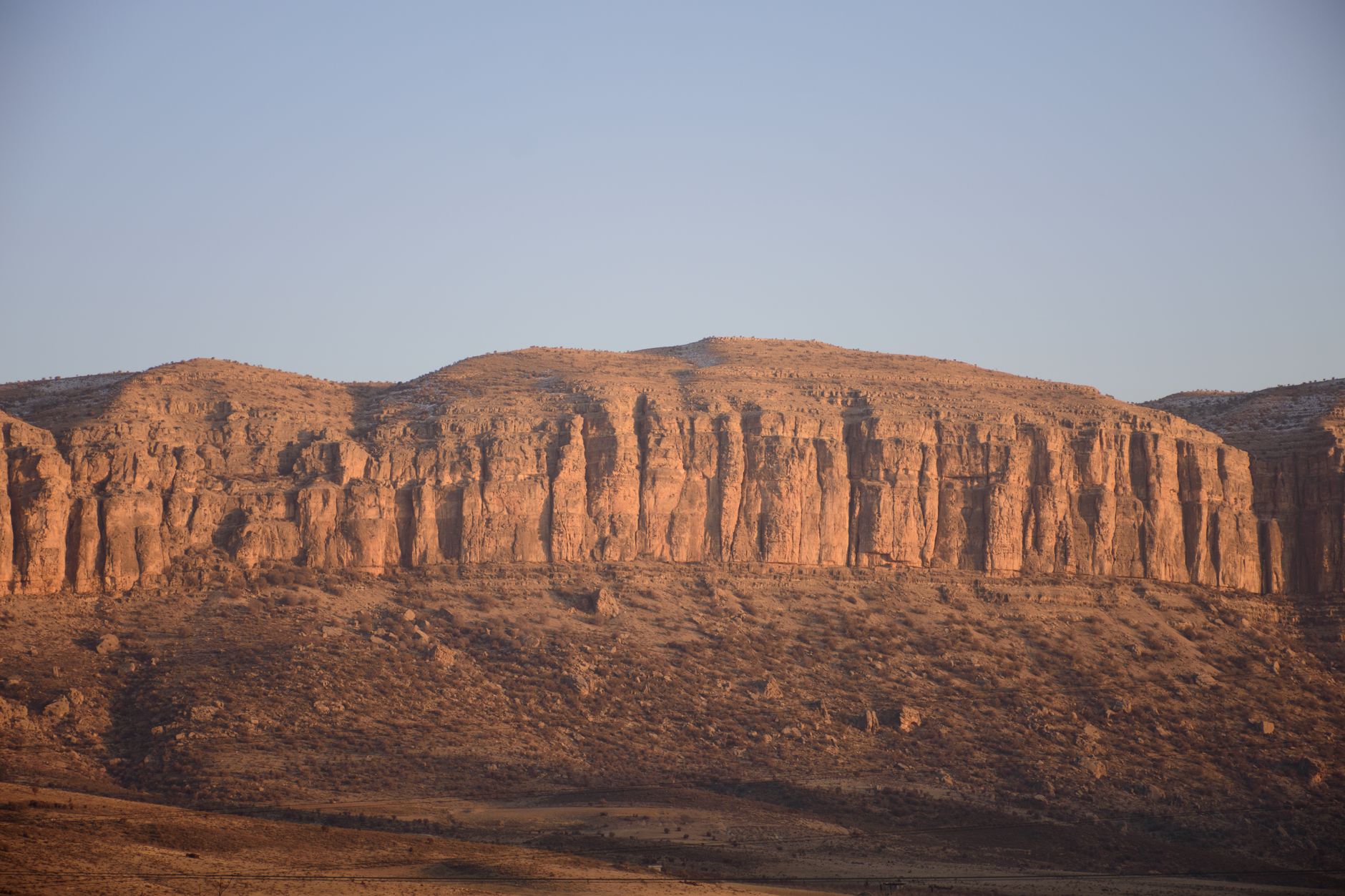
There is a particular magic to overnight travel that no flight can replicate. You fall asleep somewhere ordinary — a bustling otogar on the edge of Istanbul, perhaps — and somewhere in the small hours the world outside your window transforms. Dawn over the Anatolian plateau is a slow revelation: flat wheat plains give way to sculpted rock valleys, then to pine-covered mountains, then to the shimmering blue of the Aegean.
Push the curtain aside at 5:30am somewhere between Kayseri and Nevşehir and you may catch shepherds already moving their flocks across frost-white fields, minarets rising from a village below, and the first pink light catching the snow on Mount Erciyes. On the Black Sea route, you wake to tea gardens clinging to impossibly steep green hillsides and the smell of rain. On the Mediterranean run toward Antalya, the Taurus Mountains open into a sudden panorama of turquoise coast.
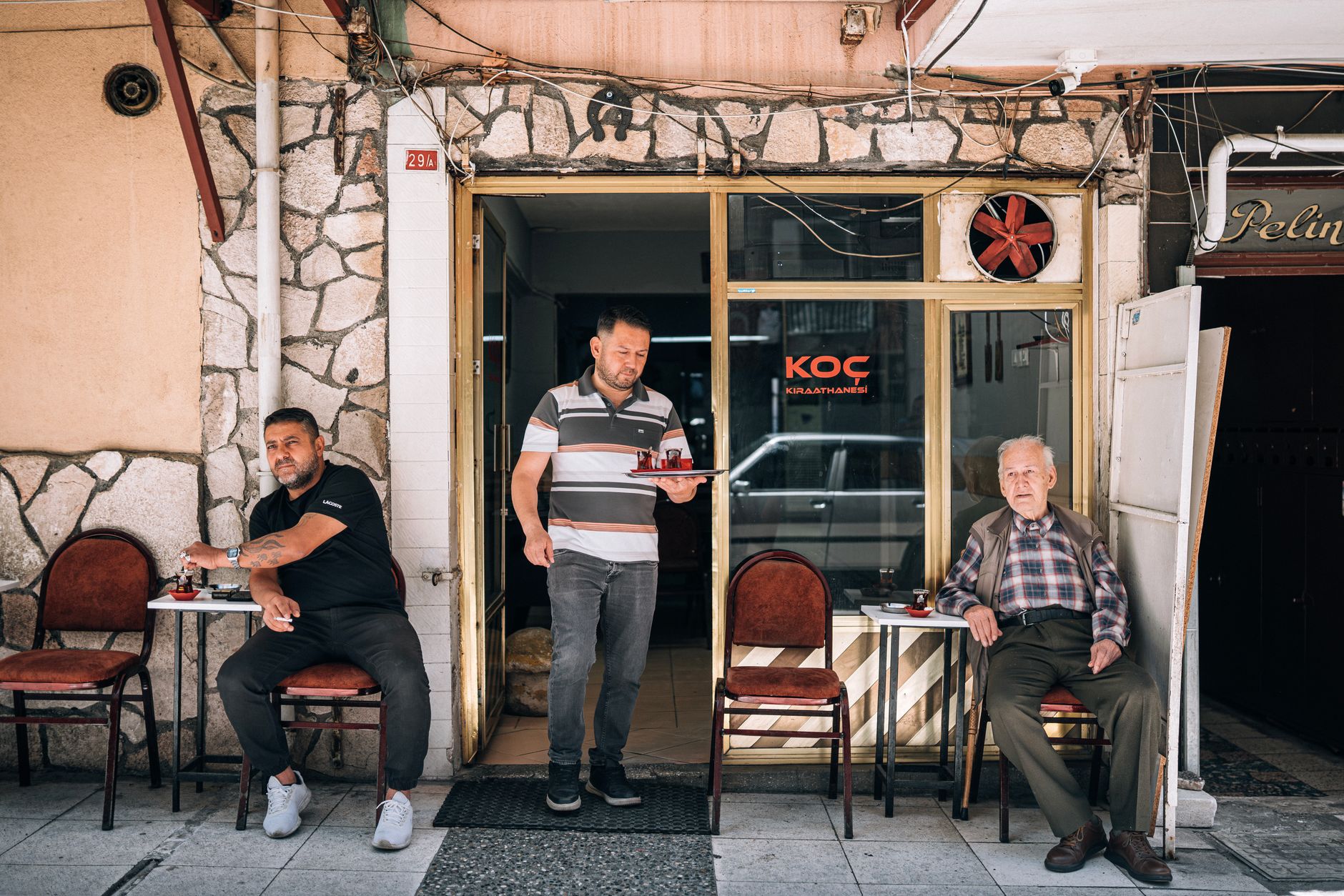
Because night buses make frequent rest stops, you also get small, unscripted glimpses of Turkish life. A roadside tesis (service station) at 2am serves lentil soup, gözleme and strong çay to lorry drivers and night-shift workers. It is a slice of the country that most tourists never see — and it costs you nothing but a few lira for soup.
Choosing Your Seat, Your Operator and Your Route
Not all seats on a Turkish bus are equal, and a little planning makes the difference between a restorative night and a stiff, grumpy morning. Here is how to choose wisely.
- Solo travellers: Book a single seat on the window side. On 2+1 layout buses (two seats on one side, one on the other), the single side offers more privacy and elbow room; it is the premium choice.
- Couples: The 2+2 layout is fine, but a 2+1 bus gives you a shared pair with a clear aisle and a quieter cabin.
- Avoid the back row: Seats over the rear axle bounce the most on rough roads.
- Avoid the front row if you are light-sensitive: Headlights and the driver's cabin light can disturb sleep.
- Mid-cabin window seats are the sweet spot: less road noise, less engine vibration, and a view when you wake.
- Sleeper trains (such as the Ankara–Kars Doğu Express or the Istanbul–Ankara routes) offer private berths for one or two, with bedding, power outlets and a washbasin. Book these far in advance — they sell out weeks ahead in high season.
Major operators include Metro Turizm, Pamukkale, Kamil Koç, Ulusoy and Süha. Generally, the bigger brands have newer fleets and more reliable schedules. For trains, use TCDD Taşımacılık's official site or app. Compare departure times carefully: some "night" buses leave at 8pm and arrive at 4am, which is less restful than a 10pm departure arriving at 7am.
How to Book Tickets Like a Local
Booking in advance is easy, but the systems reward a bit of know-how. Online platforms such as obilet.com and the operators' own websites let you search by route, compare prices and reserve a specific seat from a seat map. You will need your passport number for the booking, and you should carry the passport on the day of travel.
For popular summer routes — Istanbul to Cappadocia, Izmir to Fethiye, Istanbul to the Black Sea — book at least three to seven days ahead, and longer for sleeper trains or holiday weekends. Ramazan Bayramı, Kurban Bayramı and the summer school holidays fill buses fast. If you are booking on the day, head to the otogar early; there is almost always a ticket office with availability on secondary routes.
At the otogar, look for the operator's own desk rather than touts. Staff will print your ticket, and many operators run free shuttle minibuses (servis) from central city points to the terminal — ask at your hotel or check the operator's site.
Tip: Save a screenshot of your ticket and your seat number. Ticket inspectors scan QR codes at the gate, and mobile coverage can be patchy in the terminal.
What to Expect On Board: Tea, Attendants and a Rolling Hotel
Settle into your seat and the ritual begins. The attendant, often called the muavin, walks the aisle with a trolley of tea, coffee, water and packaged snacks. Hot drinks are usually free or cost a token amount. On better lines you will find a small personal screen with films and music, a reading light, a footrest and a blanket on request. The cabin lights dim after the first hour, and most passengers settle down with headphones, an eye mask and a thin pillow.
Every few hours the bus pulls into a large tesis for a 15–30 minute break. This is your chance to stretch, use a clean restroom, buy soup, gözleme or simit, and refill your water bottle. The driver and attendant switch shifts on long routes, and the attendant will announce stops — though announcements are in Turkish, so it helps to note the time your stop is expected or ask the attendant to wake you.
Temperature is the most common complaint. Air conditioning can be fierce near the vents and stuffy at the back, so dress in layers and pack a light scarf or pashmina. Earplugs and an eye mask transform the experience. A small neck pillow, though it looks silly, saves your spine on a 12-hour run. Power outlets are usually available, but bring a power bank as a backup.
Arriving Refreshed: Practical Tips for the Morning After
You can step off a night bus genuinely rested if you prepare intelligently. Eat a light dinner before boarding rather than a heavy one, avoid excess caffeine after 6pm, and skip alcohol — it disturbs sleep and dehydrates you at altitude. A large bottle of water, a toothbrush and a fresh T-shirt in your daypack make an enormous difference.
Wear loose, comfortable clothing and slip-on shoes. Bring a sleep kit: eye mask, earplugs, neck pillow, and perhaps melatonin if you use it. Keep valuables in a small bag under your seat or in your lap rather than in the overhead compartment. Set an alarm for 30 minutes before your expected arrival so you can wake gradually, freshen up at the final rest stop, and gather your belongings.
On arrival, resist the urge to sprint into sightseeing. Find a café, order a Turkish breakfast or a strong coffee, and take 30 minutes to orient yourself. Many hotels will store your luggage before check-in, letting you start exploring immediately. A quick shower — even at a public hamam or a day-use hotel room — resets your body clock beautifully.
A Sample Overnight Itinerary: Istanbul to Cappadocia and Beyond
Imagine departing Istanbul's Esenler or Dudullu otogar at 21:30 on a comfortable 2+1 coach. You watch the lights of the Bosphorus fade, eat a light dinner, and sleep through the night as the bus climbs onto the Anatolian plateau. At 5:00am the attendant gently wakes you near Nevşehir. You step out into cool, clean air as the first balloons lift over Göreme's fairy chimneys — a full day ahead of you, with no flight, no hotel night lost, and a story to tell.
From Cappadocia you can continue by night bus to Antalya, Mersin or the far east, stringing together a grand tour of Turkey with nothing but reclining seats and tea. Or take the legendary Doğu Express from Ankara to Kars, a 24-hour sleeper train that crosses high plateaus and canyons in spectacular style, arriving near the ruins of Ani.
Overnight travel in Turkey is not simply a way to save money — it is a way of seeing the country that daytime flights cannot offer. You trade a hotel room for a window onto Anatolia, and you wake up each morning somewhere new. Bring a good eye mask, say yes to the tea, and let the road do the rest.
Thinking about a trip to Turkey?
Share your contact details and a vetted local expert will follow up with a plan built around you — free, no obligation.