

Introduction: The Civic Heart of Ottoman Water Architecture
In the Ottoman world, water was not merely a utility—it was a sacred trust, a symbol of purity, and a medium of civic generosity. Across Türkiye, from the grand squares of Istanbul to the quiet alleys of Anatolian towns, ornate fountains known as çeşme, sebil, and selsebil stand as silent witnesses to a centuries-old tradition of public charity. These structures were endowed by sultans, viziers, and wealthy citizens as waqf (pious foundations), ensuring that travelers, students, and the poor could drink freely. Today, they offer a delightful urban treasure hunt for visitors willing to look beyond the obvious monuments.
This guide invites you to walk in the footsteps of Ottoman philanthropists. We'll explore the differences between these water structures, trace their history, and suggest walking routes in Istanbul, Bursa, and selected Anatolian towns. Along the way, you'll learn how to appreciate their craftsmanship and how to use modern drinking fountains that continue this tradition of public hydration.
“The most meritorious of alms is to give water to the thirsty.” — A saying attributed to the Prophet Muhammad, often inscribed on Ottoman fountains.
Whether you're a history enthusiast, an architecture lover, or simply a curious traveler, this walking guide will transform your perception of Türkiye's streets. Each fountain is a story, each spout a gift.
Çeşme, Sebil, Selsebil: Understanding the Terminology
Before we set out, it's essential to distinguish between the three main types of Ottoman water structures. A çeşme is a public fountain, typically a wall-mounted or free-standing structure with one or more taps, providing water for drinking and ablution. These are ubiquitous, from humble neighborhood corners to grand monumental facades. The word itself comes from the Persian cheshm, meaning “eye” or “spring.”
A sebil is a larger, often architecturally elaborate kiosk where water—sometimes mixed with fruit syrup or rosewater—was distributed free of charge by an attendant. Sebils were frequently attached to mosques, madrasas, or tombs, and their ornate grilled windows allowed passersby to receive a cup of water without entering. They represent a higher level of endowment, often funded by royalty.
The selsebil is a rarer, more poetic form: a fountain that mimics a natural cascade, with water flowing over a series of carved steps or channels. The term is also used for the small, decorative water features found in palace gardens and courtyards, such as those in Topkapı Palace. While less common in public streets, selsebils showcase the Ottoman love for combining utility with aesthetic delight.
All three share a common purpose: to provide clean water as a charitable act. Their inscriptions often record the donor's name, the date, and a prayer for the soul of the founder. This fusion of philanthropy, faith, and art is what makes them so captivating.
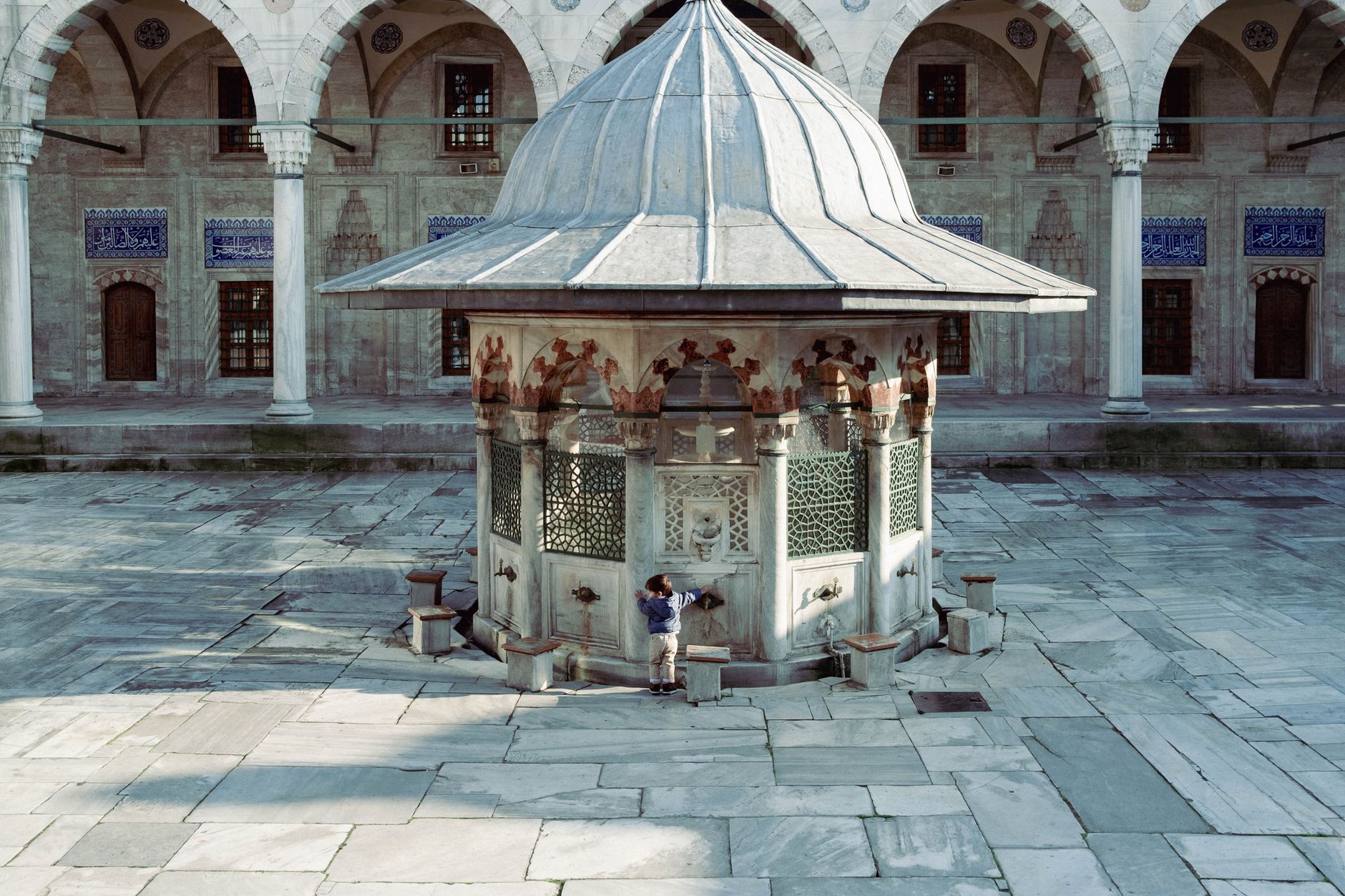
Historical Context: The Charitable Tradition Behind Ottoman Fountains
The Ottoman enthusiasm for building fountains stemmed from Islamic teachings on charity (sadaqah) and the concept of waqf, a perpetual endowment. Donors would dedicate revenue from shops, lands, or baths to maintain these fountains, ensuring water flowed long after their death. This system created a network of public services—fountains, soup kitchens, hospitals, and libraries—that formed the backbone of Ottoman urban life.
Sultans competed in generosity. Sultan Süleyman the Magnificent commissioned numerous fountains, including the grand Sebil of Süleyman near the Süleymaniye Mosque. Kösem Sultan, a powerful queen mother, built the ornate Kösem Sultan Sebil in Üsküdar. Even lesser officials and wealthy merchants left their mark, so that almost every neighborhood had at least one çeşme.
Fountains were also practical. They provided water for ritual ablution before prayer, for cooking, and for cleaning. In a time before piped water reached homes, public fountains were lifelines. They were strategically placed at intersections, mosque courtyards, and market squares, turning the city into a web of hydration points.
The craftsmanship was exquisite. Ottoman fountains featured marble carved with floral motifs, calligraphic inscriptions, and intricate muqarnas (stalactite) hoods. Some were adorned with tiles from İznik, others with gilded metal grilles. The water itself was often praised in poetry for its sweetness and purity.
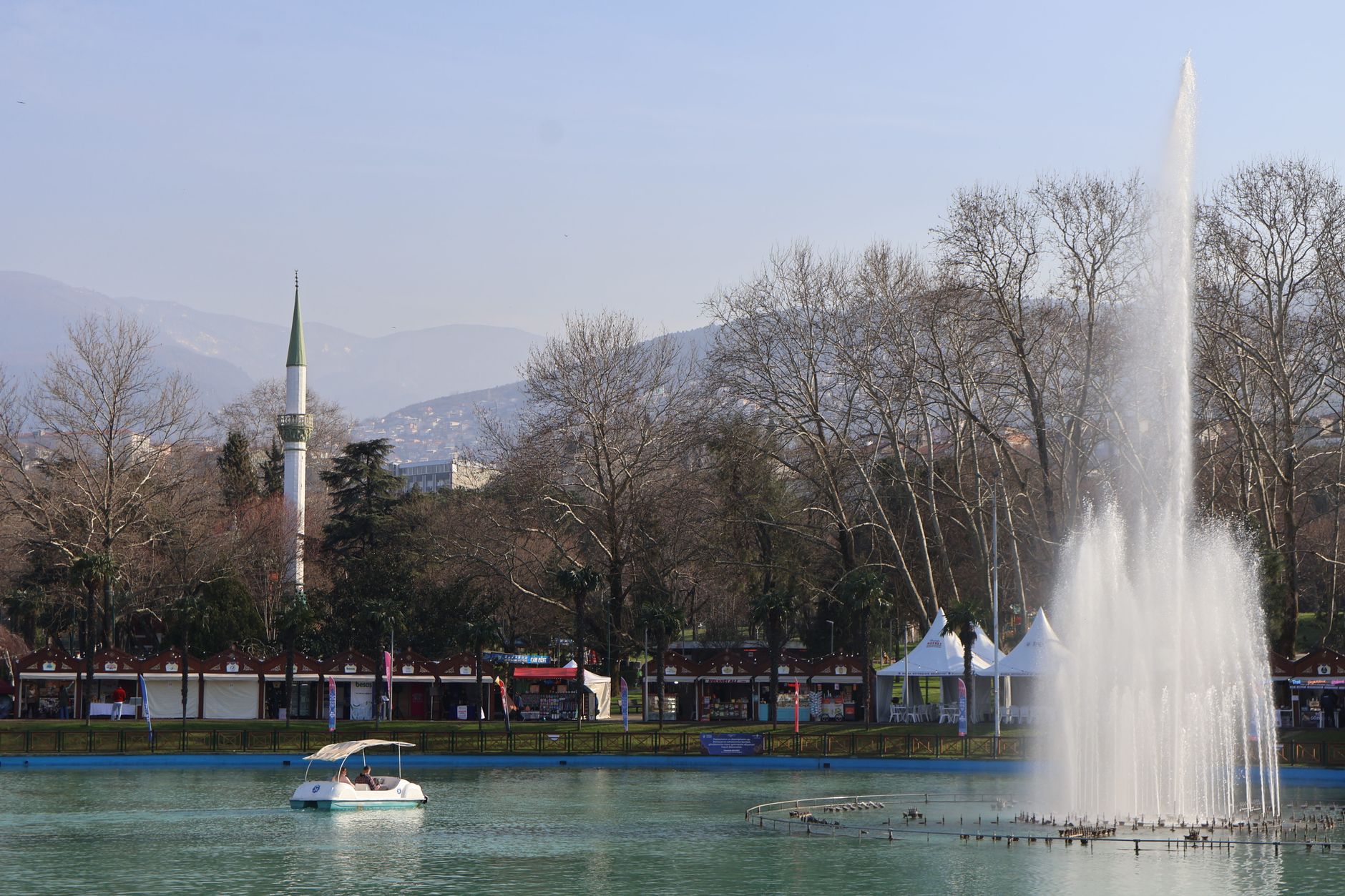
Walking Route 1: Istanbul's Historic Peninsula
Begin your treasure hunt in the heart of old Istanbul. Start at Sultanahmet Square, where the Fountain of Ahmed III (built 1728) stands as a masterpiece of the Tulip Period. Its rococo curves, wide eaves, and calligraphic panels are a photographer's dream. From there, walk down to Cağaloğlu and seek the III. Ahmed Çeşmesi on the corner, then continue to the Sebil of Koca Sinan Paşa near the Grand Bazaar.
Head toward Eminönü and the Yeni Mosque, where the Sebil of Hatice Turhan Sultan (1663) sits at the corner of the mosque complex. Its bronze grilles and tiled interior are stunning. Cross to Üsküdar by ferry and visit the Kösem Sultan Sebil (1640) near the Çinili Mosque, then the Ahmed III Fountain in Üsküdar Square. End at the Sebil of Mehmed Ağa near the Atik Valide Mosque.
This route takes about half a day on foot, with ferry connections. Along the way, notice how fountains are integrated into the urban fabric—often at corners, beside mosque walls, or in small squares. Carry a water bottle to sample from modern çeşmes, but remember that historic ones are no longer potable.
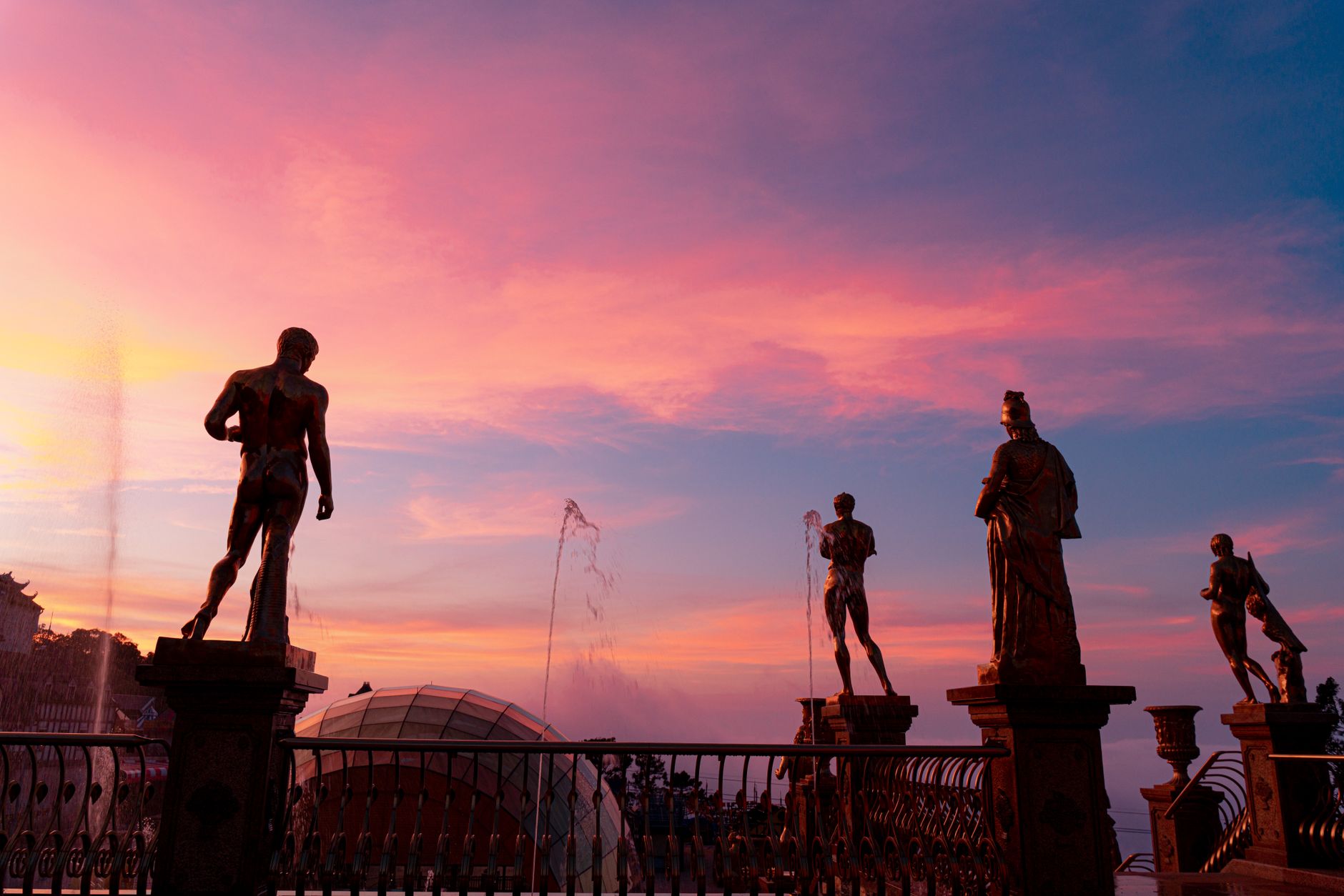
Walking Route 2: Bursa, the First Ottoman Capital
Bursa, the cradle of the Ottoman Empire, is rich in early fountains. Start at Cumalıkızık, a preserved Ottoman village with several çeşmes in its cobbled lanes. Then head to the city center and the Muradiye Complex, where the Muradiye Çeşmesi and the Sebil of Murad II (15th century) showcase early Ottoman stonework. Continue to the Ulu Cami (Grand Mosque) and its surrounding fountains, including the Şadırvan (ablution fountain) in the courtyard.
Walk uphill to Tophane and the Orhan Gazi Çeşmesi, then to the Emir Sultan Mosque, where a selsebil-like water channel runs through the garden. End at the Yeşil Türbe and the Yeşil Cami, whose courtyard fountain is a serene spot. Bursa's fountains often feature Byzantine spolia (reused stones) and are set against lush greenery, reflecting the city's nickname “Yeşil Bursa” (Green Bursa).
Allow a full day for this walk, with stops for kestane şekeri (candied chestnuts) and İskender kebap. The route is hilly but rewarding.
Walking Route 3: Anatolian Towns – Konya, Kayseri, and Amasya
In Konya, the Seljuk capital, fountains blend Seljuk and Ottoman styles. Visit the Alaeddin Hill and its selsebil, then the İnce Minare Medresesi with its adjacent çeşme. The Mevlana Museum area has several ornate fountains, including the Sebil of Sadreddin Konevi. In Kayseri, the Hunat Hatun Complex features a 13th-century çeşme, and the Gesi Bağları area has traditional fountains. Amasya, along the Yeşilırmak River, boasts the Yalıboyu Evleri with fountains carved into the rock and the Burmalı Minare Camii çeşme.
These towns offer a quieter treasure hunt, where you can often have a fountain all to yourself. Look for inscriptions in Arabic script and local stone—seldom marble, often tufa or basalt. The charitable tradition thrived here too, funded by local notables and guilds.
Combine these visits with a road trip or train journey. Each town has a distinct fountain personality: Konya's are mystical, Kayseri's are sturdy, Amasya's are romantic.
Practical Tips: Using Modern Drinking Fountains and Respecting Etiquette
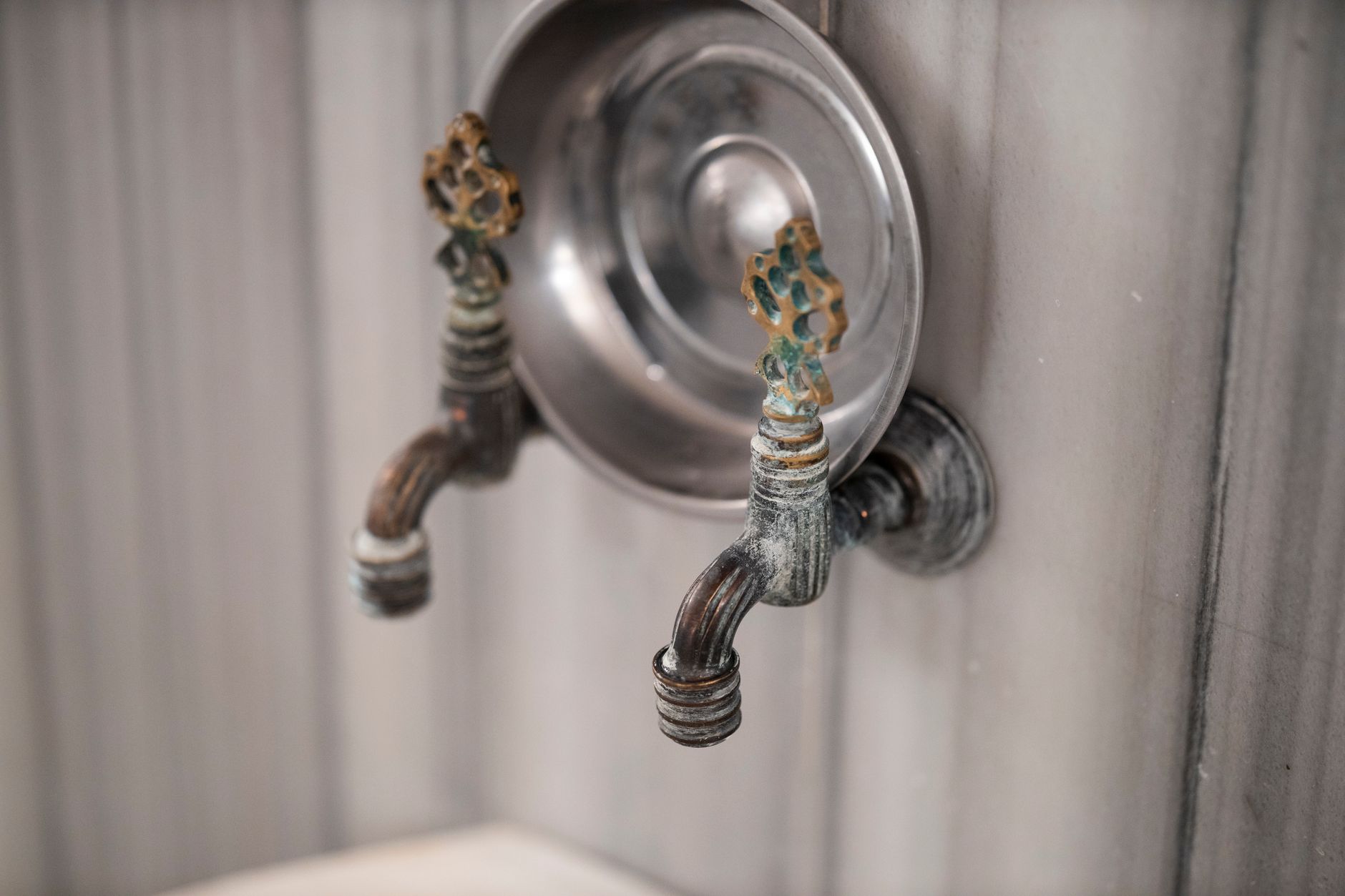
Today, Türkiye has an extensive network of modern drinking fountains, often in parks, squares, and along boulevards. These are safe to drink from, but always look for a sign saying içme suyu (drinking water). Historic fountains are usually not potable and should be admired, not sampled. When using a modern çeşme, press the button or turn the tap gently, and let the water run a moment before drinking.
Etiquette: It's customary to offer water to others before drinking yourself. If you see a line, wait your turn. Do not wash hands or feet in drinking fountains; use designated ablution taps. Keep the area clean. Many fountains have a small stone ledge for placing cups—use it rather than putting your mouth directly under the spout if that's the local custom.
Carry a refillable bottle and a small towel. In summer, fountains are lifelines. In winter, some may be turned off to prevent freezing. Learn a few Turkish phrases: “Su” (water), “İçme suyu” (drinking water), “Çeşme nerede?” (Where is the fountain?).
Respect the heritage: don't climb on historic fountains, don't litter, and don't deface inscriptions. If you see a fountain in disrepair, consider noting its location and informing local authorities or a heritage organization.
Conclusion: A Legacy of Generosity
Türkiye's Ottoman fountains are more than architectural relics; they are reminders of a society that valued public welfare and aesthetic beauty. Each çeşme, sebil, and selsebil tells a story of a donor who wanted to leave the world a little more hydrated, a little more humane. As you walk these routes, you become part of that continuum—a traveler who notices, appreciates, and perhaps even contributes to the preservation of this heritage.
So pack your walking shoes, a water bottle, and a sense of curiosity. The fountains of Türkiye are waiting to quench your thirst for history and delight.
Thinking about a trip to Turkey?
Share your contact details and a vetted local expert will follow up with a plan built around you — free, no obligation.