

Why Türkiye Welcomes Senior Travelers with Open Arms
Türkiye is a country where respect for elders is woven into the fabric of daily life. You'll notice it in small gestures: a younger person offering their seat on a crowded tram, a shopkeeper insisting you take a chair while you wait, or a waiter bringing an extra cushion for your back. This deep-seated courtesy, combined with modern accessibility improvements and a relaxed Mediterranean pace, makes Türkiye an outstanding destination for senior travelers.
From the moment you arrive, you'll find that patience and warmth are the default. Whether you're exploring the flat, shaded courtyards of Istanbul's mosques or strolling along the palm-lined promenades of Antalya, the emphasis is on comfort rather than rushing. Many museums now offer wheelchair access, elevators, and benches at regular intervals, and thermal towns provide therapeutic hot springs that have been soothing travelers for centuries.
In this guide, we'll share practical tips on pacing, seating, and hiring drivers, plus recommend gentle itineraries and comfortable stays that allow you to soak in Türkiye's beauty without exhaustion. We'll also highlight the genuine kindness you'll encounter—a hallmark of Turkish hospitality that turns a good trip into an unforgettable one.
Embrace a Gentle Pace: Itineraries Designed for Comfort
Senior-friendly travel in Türkiye means savoring fewer sights in greater depth. Instead of cramming five attractions into a day, aim for two or three with ample time for rest. Start your mornings slowly—perhaps with a leisurely breakfast at your hotel—and plan activities for the cooler hours before and after the midday heat.
Consider basing yourself in one area for several days to minimize packing and transit. For example, spend four nights in Istanbul's Sultanahmet district, where many of the top sights are within walking distance or a short taxi ride. Then move to a coastal town like Kuşadası or Fethiye for a week of seaside relaxation. Our curated itineraries include options specifically designed for mature travelers, with built-in rest periods and flexible schedules.
A sample gentle day in Istanbul might include a morning visit to the Topkapı Palace (using the shuttle from the entrance to the courtyard), a long lunch at a garden restaurant, and an afternoon boat ride on the Bosphorus where you can sit back and enjoy the views. Avoid scheduling back-to-back guided tours; instead, allow time for a nap or a quiet coffee break.
Accessible Museums and Cultural Sites
Türkiye's major museums have made significant strides in accessibility. The Istanbul Archaeological Museums and the Museum of Turkish and Islamic Arts both have elevators and ramps, and many offer wheelchairs on loan. The Topkapı Palace has a designated accessible route, though some cobblestones can be uneven—sturdy shoes are advised.
In Ankara, the Museum of Anatolian Civilizations is fully wheelchair accessible and provides seating throughout. The Ephesus Archaeological Site has a paved main path that is manageable for those with moderate mobility, and electric carts can be hired at the entrance to transport you to key points. Always check official websites or call ahead to confirm current facilities, as improvements are ongoing.
Many sites offer discounted entry for seniors (typically 65+), though you'll need to show your passport. The Müzekart is a great value for multiple museum visits, but note that it's not available for foreign seniors at the reduced rate—still, it often pays for itself after a few visits. For detailed accessibility info, see our travel tools section.
Relaxing Stays: Thermal Towns and Coastal Promenades
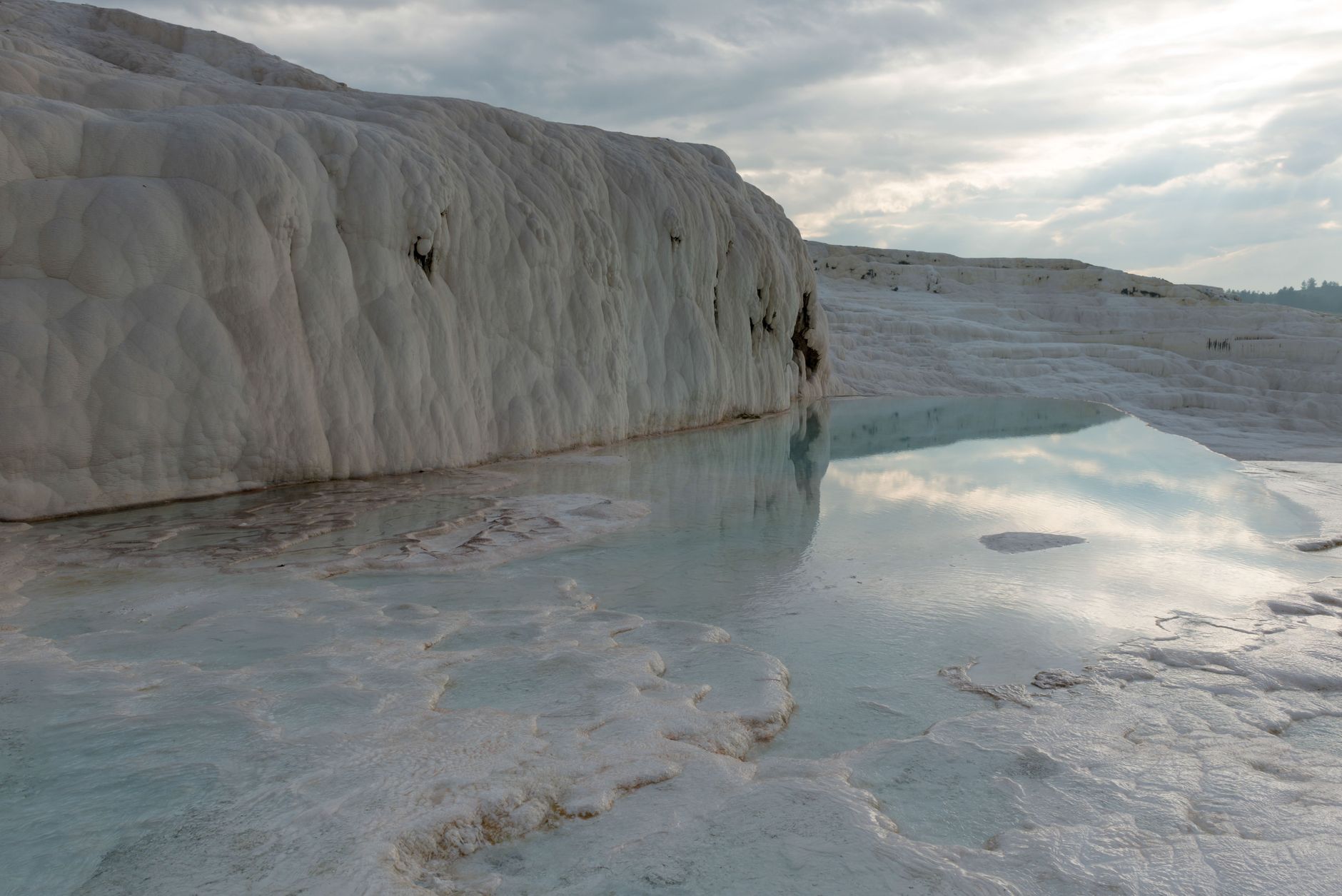
Türkiye is blessed with numerous thermal springs, and a stay in a thermal town can be both rejuvenating and gentle on the body. Pamukkale, famous for its white travertine terraces, also has hot springs rich in minerals; many hotels here offer thermal pools and spa treatments. Yalova, near Istanbul, is another popular thermal destination with modern facilities and easy accessibility.
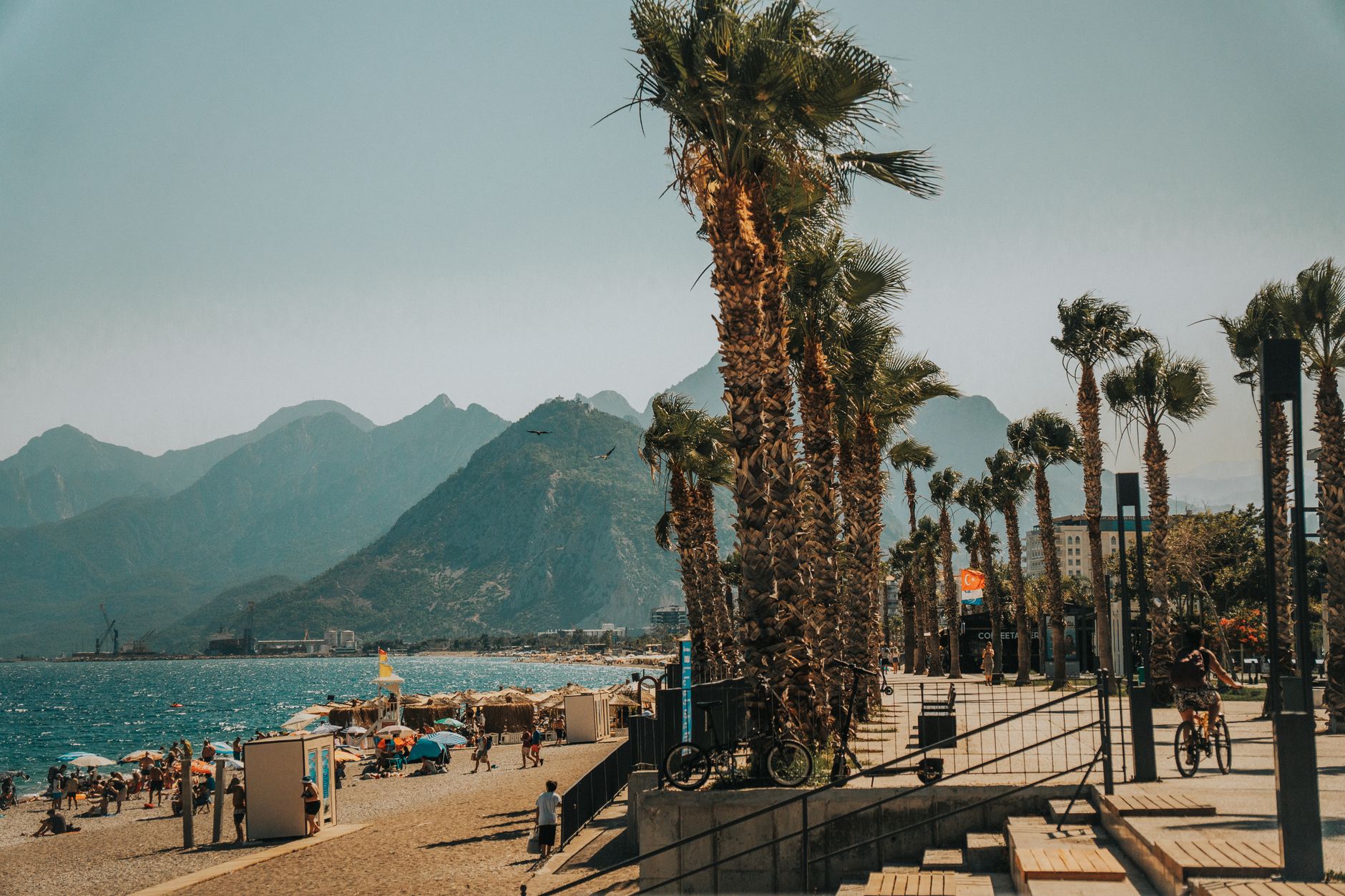
For coastal relaxation, consider the Antalya promenade, a flat, paved walkway that stretches for kilometers along the Mediterranean, with plenty of benches and cafes. İzmir's Kordon is similarly level and perfect for leisurely strolls. These areas are ideal for those who prefer to avoid stairs and uneven terrain. Our destinations guide highlights towns with gentle walking options and comfortable hotels.
When choosing accommodation, look for hotels that offer ground-floor rooms, grab bars in bathrooms, and elevators. Many resorts in Antalya and Bodrum cater specifically to older guests with amenities like shuttle services to the beach and on-site medical staff. Boutique cave hotels in Cappadocia can be charming but often involve steep stairs—if mobility is a concern, opt for a hotel with a lift and accessible rooms.
Practical Tips: Pacing, Seating, and Hiring Drivers
Pacing is key. Drink plenty of water, especially in summer, and avoid the midday sun. Plan outdoor activities for early morning or late afternoon. Carry a lightweight folding stool if you like—it can be a lifesaver when you need to rest during a walking tour. And don't hesitate to ask for a chair; Turks are incredibly accommodating.
Seating is plentiful in cities: parks, squares, and promenades are lined with benches. Mosques often have shaded courtyards with benches, and cafes are everywhere. On public transport, priority seating is clearly marked, and younger passengers will quickly offer their seats. For long-distance travel, consider first-class train tickets or domestic flights to reduce fatigue.
Hiring a private driver can transform your trip. For around $100–150 per day, you can have a comfortable car and a knowledgeable driver who will pick you up at your hotel, wait while you explore, and avoid the stress of navigating unfamiliar roads. This is especially useful for day trips to sites like Ephesus or Pamukkale. Your hotel can arrange a reputable driver, or you can book through agencies. For more tips, see our FAQ.
Cultural Etiquette: Respect for Elders and Everyday Kindness
In Türkiye, elders are treated with great deference. You may be addressed as "amca" (uncle) or "teyze" (aunt) by younger people—terms of endearment and respect. When entering a home or a shop, you might be offered the most comfortable seat. Accept these gestures with a smile; they are genuine expressions of hospitality.
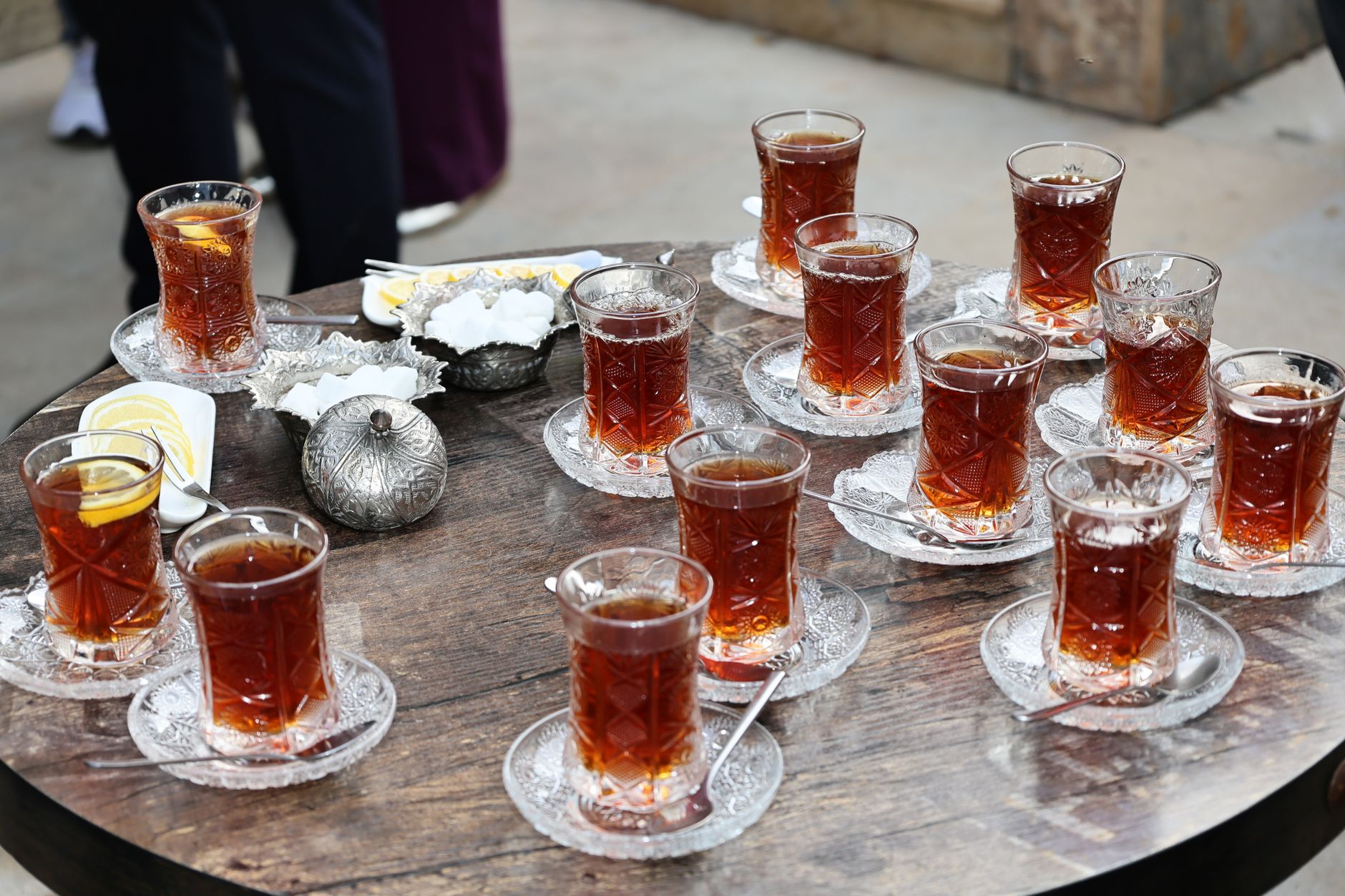
If you need assistance, don't hesitate to ask. Turks are famously helpful and will often go out of their way to guide you. Many will walk you to your destination rather than just point. This kindness extends to restaurants, where waiters may bring extra bread or tea without charge, and to public spaces, where strangers might offer to carry your bag up stairs.
Learning a few words of Turkish—"teşekkür ederim" (thank you), "merhaba" (hello), "lütfen" (please)—will be warmly received. Even a simple smile and nod can bridge any language gap. For more on cultural norms, see our guides section.
Health and Safety: Preparedness for Peace of Mind
Türkiye has modern hospitals and pharmacies (eczane) in major cities and resort areas. Pharmacists are helpful and can advise on minor ailments. Bring an adequate supply of your medications in original packaging, along with a doctor's letter. Travel insurance that covers medical evacuation is recommended.
Tap water is generally safe in cities, but bottled water is widely available. Be cautious with street food if you have a sensitive stomach; stick to busy stalls with high turnover. In summer, protect yourself from the sun with a hat, sunglasses, and sunscreen. Many hotels and museums have air-conditioned rest areas where you can cool down.
For emergency assistance, dial 112. The Turkish government's trust and safety page provides more details on staying healthy. Also, consider packing a small first-aid kit and a list of your medications in case you need to see a doctor.
Sample Gentle Itineraries
Here are two relaxed itineraries that prioritize comfort and accessibility:
7-Day Istanbul and Bursa: Days 1-4 in Istanbul—stay in Sultanahmet, visit Topkapı Palace, Hagia Sophia, and the Blue Mosque at a leisurely pace, with a Bosphorus cruise. Day 5: take a ferry to Bursa (or a comfortable bus), stay in a thermal hotel. Day 6: explore Bursa's Grand Mosque and Koza Han, then relax in the thermal baths. Day 7: return to Istanbul.
10-Day Antalya and Pamukkale: Days 1-4 in Antalya—enjoy the beach park, old town (Kaleiçi) with its flat streets, and a boat trip to Düden Waterfalls. Day 5: hire a driver to Pamukkale (about 3 hours), stay overnight. Day 6: explore the travertines and Hierapolis, then soak in the thermal pools. Day 7: drive to Kuşadası (or return to Antalya). Days 8-10: relax in Kuşadası, visit Ephesus with an electric cart. For more ideas, see our routes page.
Remember, these are suggestions—feel free to adjust based on your energy levels. The goal is to enjoy Türkiye's treasures without wearing yourself out.
Conclusion
Türkiye is a treasure trove for senior travelers, offering a blend of ancient wonders, therapeutic hot springs, and coastal beauty—all served with a generous helping of respect and kindness. By pacing yourself, choosing comfortable accommodations, and leveraging services like private drivers, you can experience the country's rich culture and landscapes without stress. So pack your bags, bring your sense of curiosity, and let Türkiye's warm hospitality embrace you. For more personalized advice, connect with our local experts, who can tailor an itinerary to your needs. And when you're ready to plan, our trip planner is here to help.
Thinking about a trip to Turkey?
Share your contact details and a vetted local expert will follow up with a plan built around you — free, no obligation.