

Why Türkiye Is a Crafter's Paradise
There is a particular magic in stepping off a noisy Turkish street and into a fabric shop that smells of raw cotton, dye and a little bit of history. Türkiye has been a crossroads of textile production for millennia — from the silk roads of Bursa to the cotton fields of the Aegean, this land has clothed empires. Today, that legacy lives on in bustling bazaars and hidden fabric streets where you can still buy silk, wool and cotton by the meter, often directly from the families who have traded in them for generations.
For crafters, quilters, sewists and textile lovers, Türkiye is a joyful treasure hunt. You will find hand-loomed linens, shimmering ipek (silk), thick yün (wool) and crisp pamuk (cotton) at prices that make Western fabric stores weep. And you will be welcomed with çay (tea), a stool, and a shopkeeper genuinely delighted that you appreciate their craft.
This guide follows a crafter's trail from the grand bazaars of Istanbul through the silk city of Bursa and down to Denizli, the towel and robe capital of the world. Along the way, we'll share practical tips on buying by the meter, shipping your haul home, and navigating the friendliest fabric streets in the country.
Istanbul: The Grand Bazaar and Beyond
Istanbul is where most textile adventures begin, and the Grand Bazaar (Kapalıçarşı) is the obvious first stop. But here's the insider tip: skip the touristy scarf stalls near the main gates and head instead to the quieter lanes around Halıcılar Caddesi and Yağlıkçılar Caddesi, where you'll find fabric merchants selling everything from printed cottons to heavy upholstery brocades. The bazaar is a maze, so let yourself get a little lost — that's where the best finds hide.
For a more focused fabric hunt, head to Kadırga and the streets around Gedikpaşa, historically the heart of Istanbul's textile trade. Here, wholesale shops sell ribbons, buttons, lace and bolts of fabric at very reasonable prices, and many will happily cut small quantities for a crafter. The nearby Sahaflar Çarşısı area is also worth a wander for trims and notions.
On the European side, don't miss Nişantaşı and Osmanbey, where fabric shops cater to designers and tailors. Osmanbey, in particular, is packed with shops selling suiting, silk and high-quality wool — perfect if you're looking for something a little more refined. And for a truly local experience, visit the Kadıköy market on the Asian side, where fabric stalls mix with spice sellers and fishmongers in a wonderfully chaotic symphony of daily life.
"In Istanbul, every lane is a lesson in textile history — and every shopkeeper a potential teacher. Bring a translator app, a smile, and a willingness to drink at least three cups of tea."
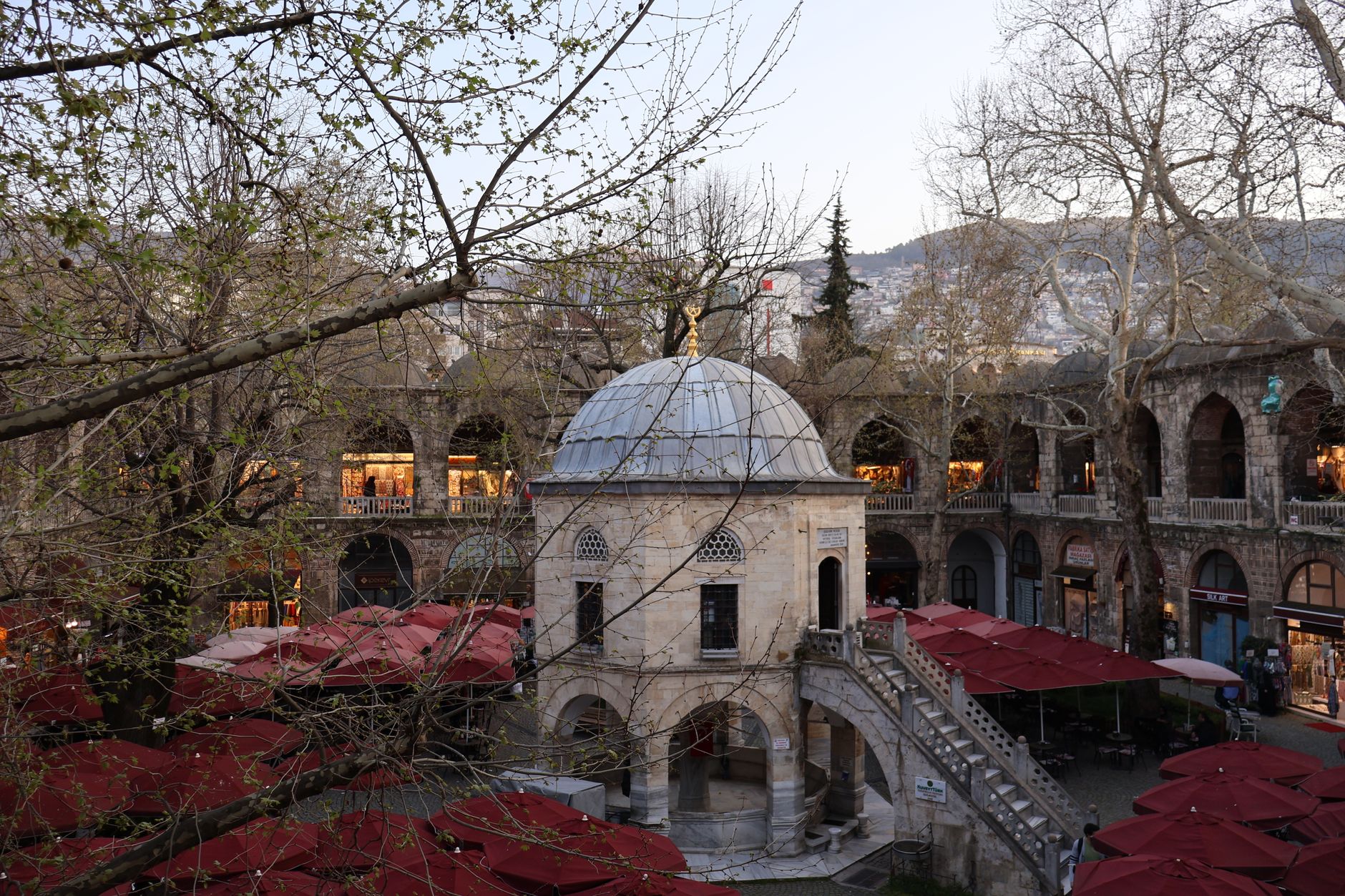
Bursa: The City of Silk
If Istanbul is the grand bazaar of fabrics, Bursa is the soul. This was the Ottoman Empire's silk capital, and it still produces some of the finest silk in the world. The Koza Han (Silk Cocoon Caravanserai), built in 1491, is the beating heart of Bursa's silk trade. Its courtyard is lined with small shops selling silk scarves, bolts of silk fabric and silk cocoons — and the upper floor is where you'll find wholesalers willing to sell by the meter.
Just around the corner is Uzun Çarşı (the Long Bazaar), a covered market where you can find silk, cotton and wool fabrics alongside traditional Bursa towels. The atmosphere is warm and welcoming, and prices are often better than in Istanbul. Many shops here are family-run, and the owners take pride in explaining the difference between saf ipek (pure silk) and blends.
For a deeper dive, visit the Bursa Textile Market (Bursa Kumaş Pazarı), a more local affair where fabrics are sold in bulk and by the meter. It's less touristy, so bring your best bargaining smile and a little Turkish — "Ne kadar?" (How much?) and "Metresi kaç lira?" (How much per meter?) will get you far.
Don't leave Bursa without visiting a silk workshop. The Umurbey Silk Production Center and nearby ateliers offer demonstrations of silk reeling and weaving, giving you a newfound appreciation for every meter you buy.
Denizli: Cotton, Towels and the Famous Buldan Cloth
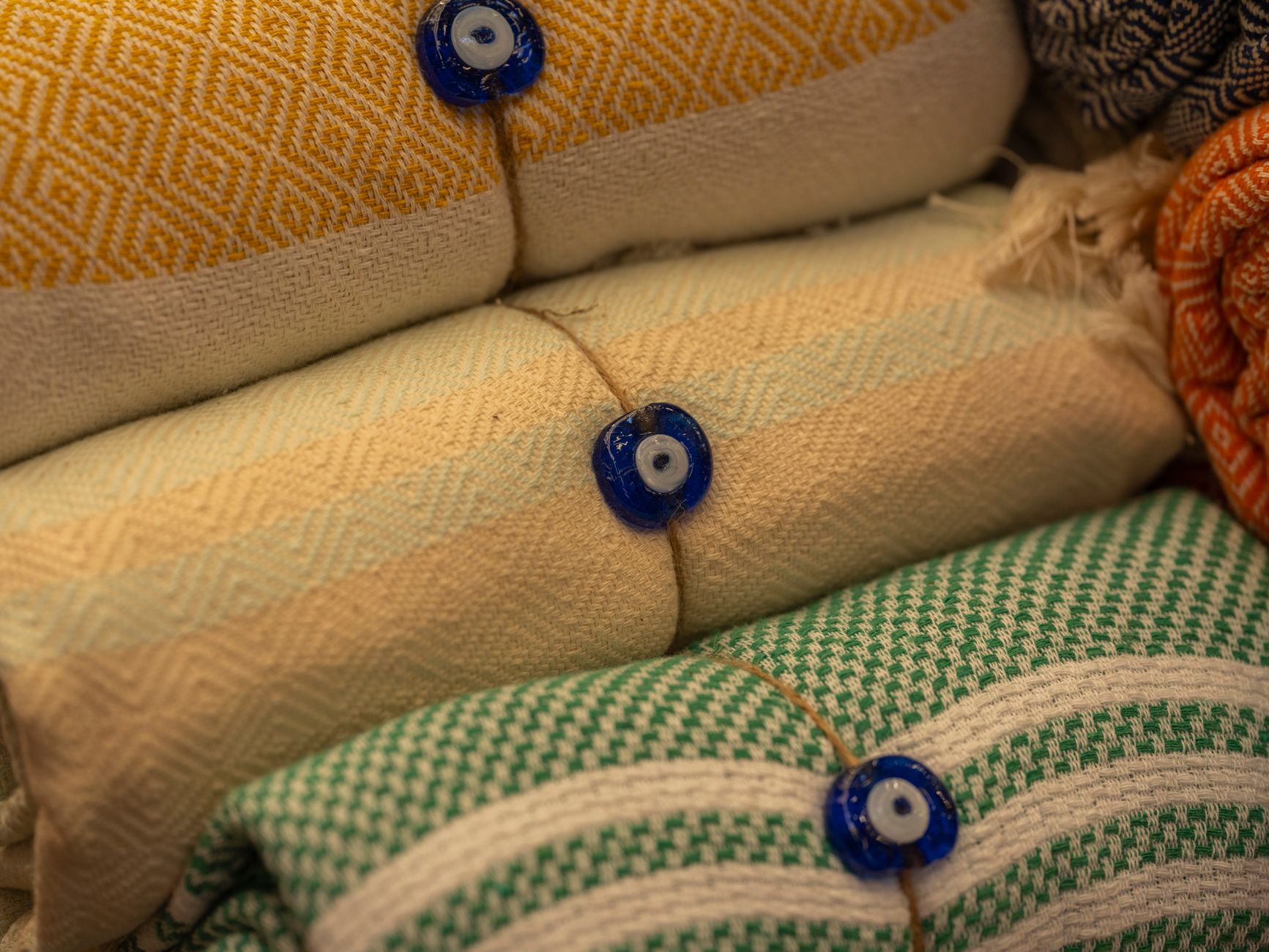
Denizli, in the Aegean region, is Turkey's undisputed capital of cotton and home textiles. It's where the famous Denizli towels and bornoz (bathrobes) come from, and the region's Buldan district is renowned for its hand-woven cotton fabrics, known as Buldan bezi. This is a crafter's dream: lightweight, breathable cotton in natural tones and subtle stripes, perfect for summer garments, quilts and home textiles.
Start at the Denizli Textile Bazaar (Denizli Kumaş Pazarı), where you can buy bolts of cotton, linen-cotton blends and traditional peştemal (hamam towels) by the meter. The market is large but well-organized, and many vendors speak enough English to help you find what you need. Prices are among the most competitive in Turkey — this is where locals shop, not tourists.
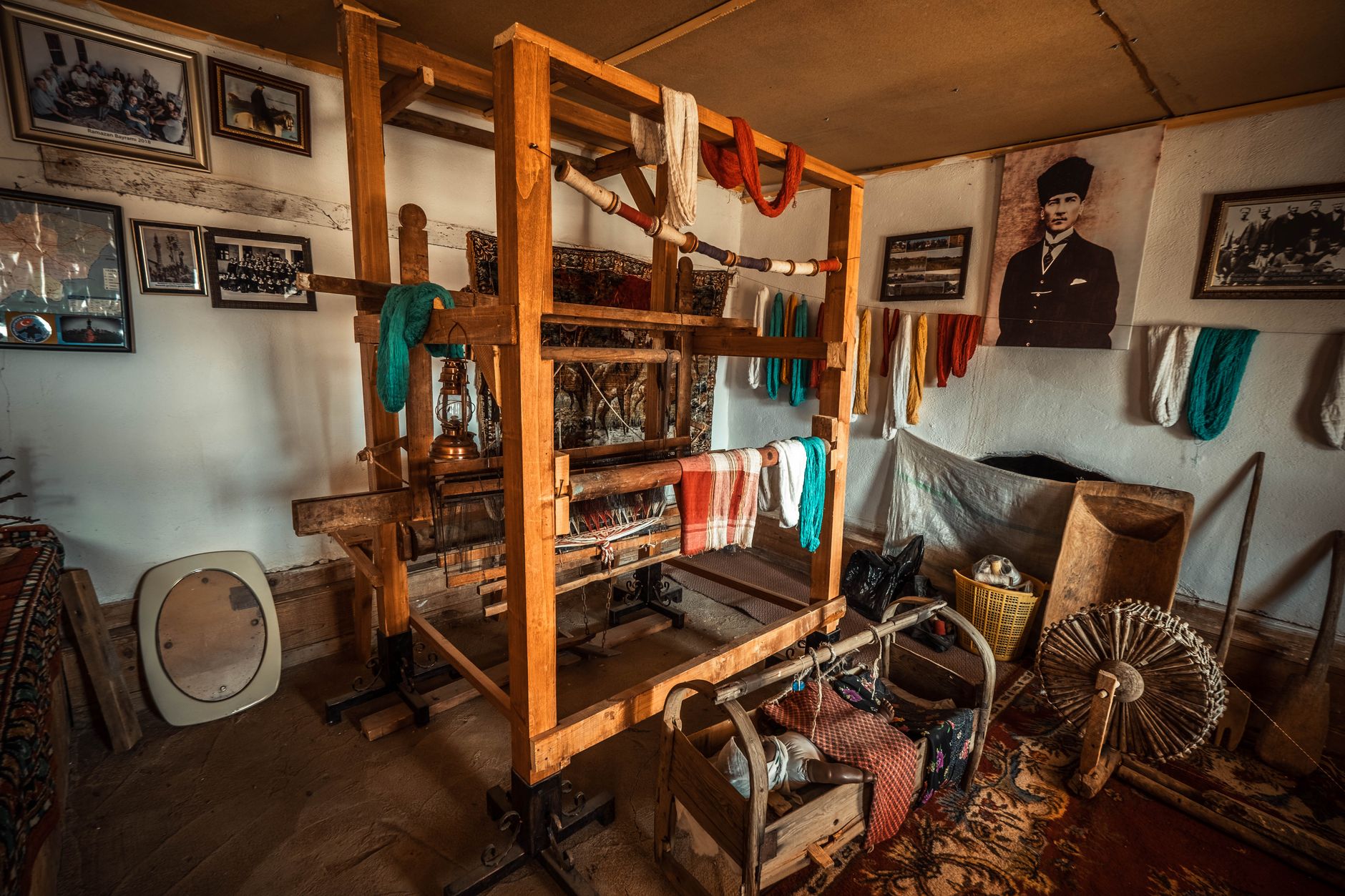
For an even more authentic experience, make the short trip to Buldan, a small town about 45 minutes from Denizli city center. Here, weaving is still a cottage industry, with many families working on hand looms in their homes. You can visit workshops, watch the weaving process, and buy directly from the makers. The Buldan Belediyesi (municipality) even runs a weaving center where you can see traditional techniques in action.
Denizli is also a great place to stock up on cotton yarn and threads. The Denizli Sanayi Bölgesi (industrial zone) has wholesale suppliers, but for small quantities, stick to the bazaar and local shops.
How to Buy Fabric by the Meter: Tips and Etiquette
Buying fabric in Türkiye is a social experience. Here's how to make it smooth and joyful:
- Know your measurements: Turkish fabric is sold by the metre (meter). One meter is about 1.09 yards. Bring a conversion chart or use your phone.
- Ask for the price per meter: Say "Metresi ne kadar?" or simply "Metre kaç para?" Most shopkeepers will write the price on a calculator — a universal language.
- Bargaining is expected — but be respectful: Start with a friendly smile and a counter-offer of about 70-80% of the asking price. If you buy multiple meters, ask for a discount ("İndirim yapar mısınız?").
- Check the width: Fabrics often come in different widths (usually 140-150 cm for apparel, wider for home textiles). Ask "Eni kaç?" (What's the width?).
- Feel the fabric: Don't be shy — touch it, drape it, hold it to the light. Shopkeepers expect it and will help you compare qualities.
- Cash is king: While credit cards are widely accepted in bigger shops, smaller vendors prefer cash (nakit) and may offer a better price. Turkish lira is best; some shops accept euros or dollars but at unfavorable rates.
Most importantly, take your time. Enjoy the tea, the conversation, the stories. This is not a transaction; it's a cultural exchange. You'll often leave with not just fabric but a new friend and a recommendation for a hidden shop down the street.
Shipping Your Treasures Home
One of the biggest concerns for crafters is getting a suitcase full of fabric home without excess baggage fees. Here are your options:
- Check with your airline: Many international carriers allow one or two checked bags up to 23 kg each. Fabric is heavy, so weigh your suitcase before heading to the airport. Consider wearing your heaviest clothes on the plane.
- Use a shipping service: Turkish PTT (post office) offers international shipping by sea or air. Sea shipping is cheaper but slow (6-8 weeks); air is faster but pricier. You can also use private couriers like DHL, UPS or Aras Kargo, which have offices in major cities.
- Ask the shop to ship: Many larger fabric shops in Istanbul and Denizli can arrange shipping for you, especially if you buy in bulk. Ask "Kargo yapıyor musunuz?" (Do you ship?).
- Vacuum bags are your friend: Pack fabric in vacuum-sealed bags to save space and protect from moisture. Bring a few from home.
- Customs: Be aware of your home country's customs limits. Generally, personal-use fabric is fine, but large quantities may attract duties. Keep receipts.
If you're shipping from Denizli, the local PTT office is efficient and used to sending textile goods. For peace of mind, consider insuring your package.
Navigating the Bazaars: Practical Tips for Visitors
Turkish bazaars can be overwhelming, but with a few strategies, you'll navigate them like a pro:
- Go early: Bazaars open around 8:30-9:00 AM. Early morning is quieter, shopkeepers are fresher, and you'll get more attention.
- Avoid Sundays: Many shops in the Grand Bazaar and smaller markets are closed on Sundays. Check local holidays, too — during Ramazan Bayramı and Kurban Bayramı, many shops close for several days.
- Dress comfortably: Wear comfortable shoes, carry a light bag, and dress modestly if you plan to visit mosques or conservative areas. A scarf is handy.
- Learn a few Turkish phrases: Merhaba (Hello), Teşekkür ederim (Thank you), Ne kadar? (How much?), İndirim? (Discount?). A little effort goes a long way.
- Keep small bills: Having 50, 100 and 200 TL notes makes transactions easier. ATMs are plentiful in cities.
- Stay hydrated: Tea is offered constantly, but also carry water. Bazaars can get hot and crowded.
- Be cautious with touts: In very touristy areas, some men may approach you offering to guide you to a "special" shop. It's usually a commission scheme. Politely decline and trust your own instincts.
- Take photos respectfully: Ask before photographing people or shops. A smile and a gesture usually suffice.
Finally, remember that the joy of the hunt is part of the experience. Getting lost in the labyrinth of the Grand Bazaar or the winding streets of Buldan is not a failure — it's the adventure. Every wrong turn leads to another discovery.
A Trail of Threads: Celebrating Turkish Craftsmanship
Türkiye's textile traditions are not just about commerce; they are about culture, identity and hospitality. When you buy a piece of silk in Bursa or a hand-woven cotton in Buldan, you are not just taking home a souvenir — you are supporting a craft that has been passed down through generations. You are also participating in a centuries-old ritual of exchange that has made this land a crossroads of civilizations.
The warmth you'll encounter in these shops — the tea, the stories, the laughter over a shared love of fabric — is as valuable as the textiles themselves. Turkish shopkeepers take genuine pride in their goods and delight in sharing their knowledge. Ask questions, listen, and let the experience unfold.
So pack an extra suitcase (or two), bring your measurements, and set off on your own crafter's treasure hunt. From the grand bazaars of Istanbul to the silk cocoon caravanserai of Bursa and the cotton fields of Denizli, Türkiye awaits with open arms, endless meters of beautiful fabric, and a warm "Hoş geldiniz!" (Welcome!) that will make you feel at home.
Happy crafting — and happy travels.
Thinking about a trip to Turkey?
Share your contact details and a vetted local expert will follow up with a plan built around you — free, no obligation.