

As the first snowflakes dust the minarets and pine forests of Anatolia, something magical happens in Türkiye's thermal spa towns. Steam rises from ancient stone pools, the air smells of sulphur and pine, and the contrast of hot mineral water against crisp winter air creates a sensation that has drawn travellers to these springs for thousands of years. From the Ottoman grandeur of Bursa to the remote, otherworldly pools of Kangal, winter is arguably the finest season to experience Türkiye's thermal heritage.
In this guide, we'll explore four standout destinations — Bursa, Yalova, Afyonkarahisar and Kangal — each with its own character, health traditions and comfortable places to stay. We'll cover the wellness benefits of soaking in winter, what to pack, how to book, and how to pair your spa time with nearby cultural and natural sights. Consider this your invitation to slow down, breathe deeply and let the warm waters work their quiet magic.
Why Winter Is the Best Time for a Turkish Thermal Escape
There's a reason locals flock to hamams and kaplıcas (thermal springs) when temperatures drop. The experience of soaking in water that hovers between 36°C and 42°C while snow falls gently around you is profoundly soothing. The cold air cools your face and shoulders while the mineral-rich water warms your core, creating a natural contrast therapy that improves circulation and leaves you feeling both energised and deeply relaxed.
Winter also means fewer crowds. During summer, popular springs like those in Yalova can feel busy; in January and February, you'll often have more space to float, linger and truly unwind. Accommodation rates are generally lower outside holidays, and the surrounding landscapes — snow-dusted mountains, misty valleys, quiet Ottoman villages — take on a serene, almost cinematic beauty.
Finally, thermal waters are traditionally believed to be most beneficial in the cooler months, when the body craves warmth and restoration. Whether you're seeking relief from muscle tension, joint stiffness or simply the stresses of modern life, a winter soak offers a gentle, natural reset.
Bursa: Ottoman Elegance and Legendary Springs
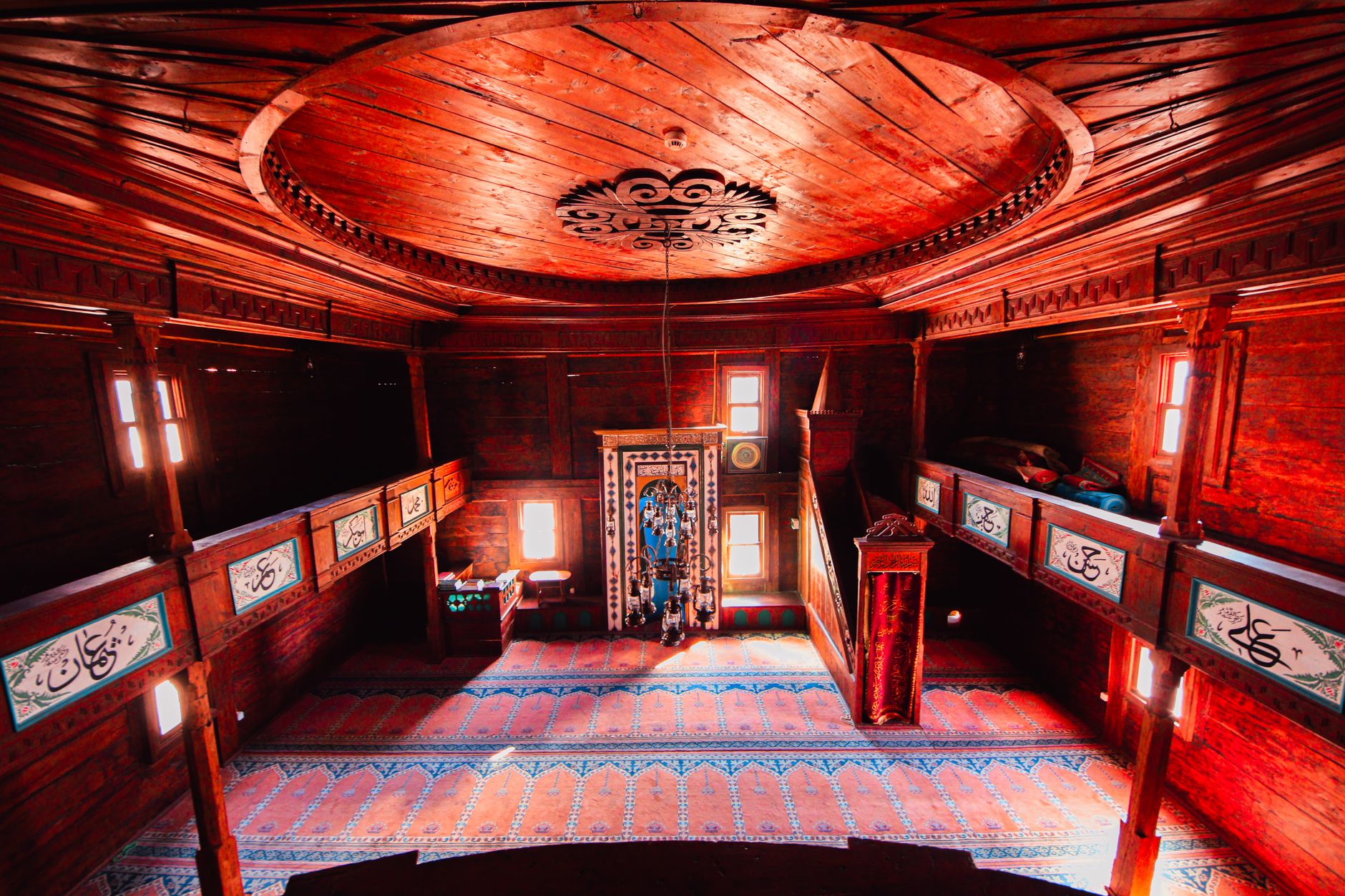
Bursa, the first capital of the Ottoman Empire, sits at the foot of Uludağ mountain and has been a spa destination since Roman times. The city's Çekirge district is the heart of its thermal culture, home to historic hamams and modern spa hotels fed by mineral-rich springs. The most famous is the Eski Kaplıca, a 14th-century hamam built by Sultan Murat I, where you can bathe beneath ancient domes with light streaming through star-shaped openings.
In winter, Bursa becomes a tale of two temperatures. Down in the city, steam curls from the baths and the aroma of roasted chestnuts fills the air. Up on Uludağ, just a cable car ride away, snow blankets Turkey's premier ski resort. This makes Bursa uniquely suited to a dual winter holiday: ski or snowboard in the morning, then descend to soak in a hot spring by late afternoon. Few places in the world offer such a seamless blend of alpine sport and thermal relaxation.
Beyond the baths, don't miss the Grand Mosque (Ulu Cami), the vibrant Koza Han bazaar for silk and scarves, and the pretty village of Cumalıkızık with its colourful Ottoman houses. A winter walk through these historic streets, followed by a long soak, is the essence of a Bursa escape.
Where to Stay in Bursa
Çekirge is lined with thermal hotels ranging from modest to luxurious. Many offer in-room thermal water, private hamam suites and full spa menus. For a classic experience, choose a hotel with its own historic hamam; for families, look for resorts with indoor pools and children's facilities. Booking directly with the hotel often yields better rates and flexible cancellation in winter.
Yalova: A Relaxing Retreat by the Sea of Marmara
Just a short ferry ride from Istanbul, Yalova is a favourite weekend getaway for city dwellers seeking a quick thermal fix. The town of Termal, nestled in green hills about 15 kilometres from the coast, is renowned for its hot springs, which have been used since Byzantine times. The water here is rich in sulphur and is traditionally recommended for skin conditions, rheumatism and fatigue.
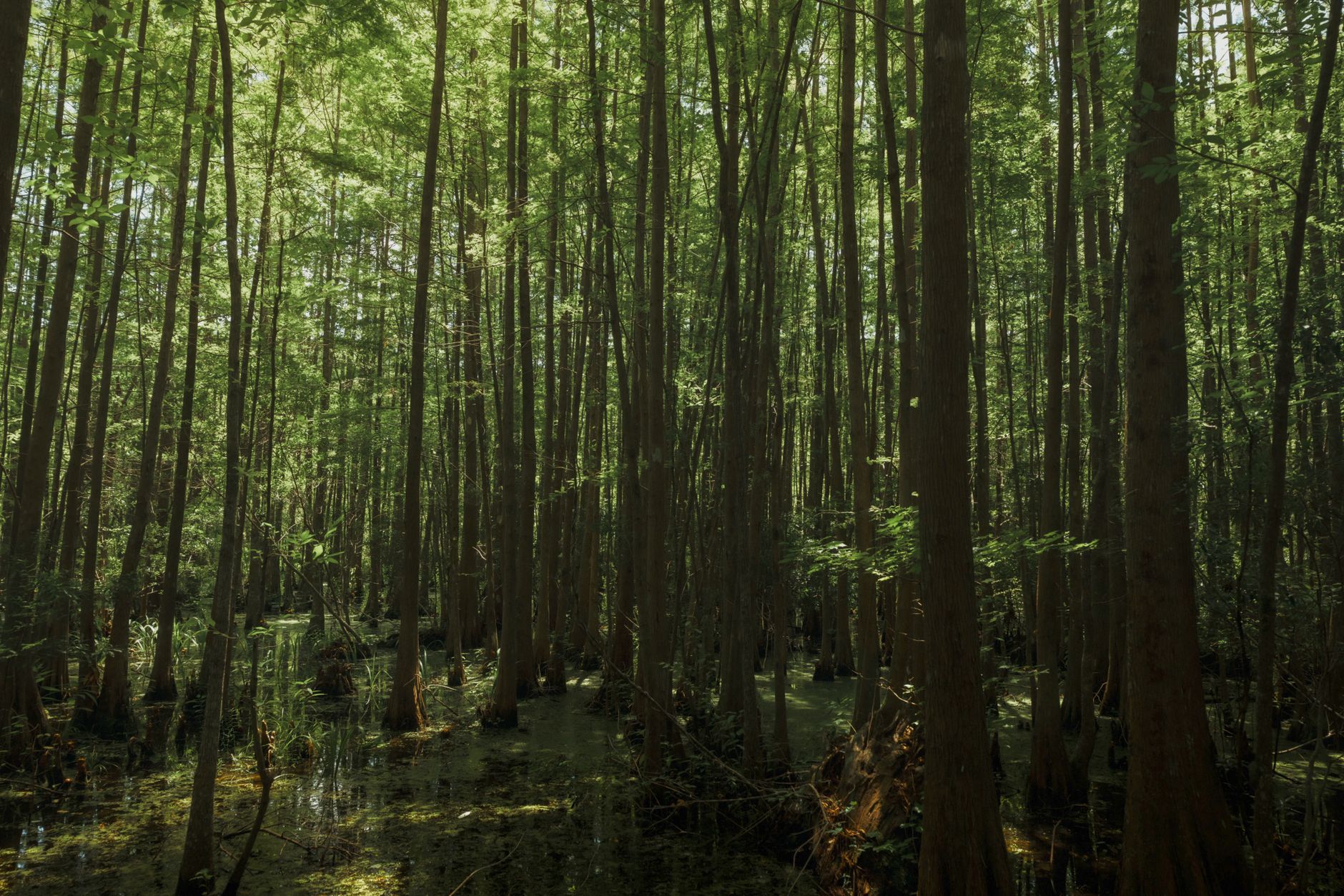
Winter in Yalova is mild compared to inland Anatolia, but the surrounding forests often catch a dusting of snow, creating a lovely contrast with the steaming outdoor pools. The historic Termal hamam, with its marble basins and domed ceilings, offers a wonderfully atmospheric soak. Many modern spa hotels in the area also feature outdoor thermal pools, so you can experience the joy of snowflakes melting on your skin while you're immersed in warmth.
Yalova is also easy to combine with Istanbul. You can leave the city in the morning, enjoy a long thermal soak and a leisurely lunch, and be back by evening. For a more restful experience, stay overnight and take a stroll through the quiet streets of Termal, breathing in the fresh, pine-scented air.
Practical Tips for Yalova
- Ferries from Istanbul's Yenikapı or Pendik take around 1–1.5 hours; book in advance on weekends.
- Bring your own towel and slippers if you plan to visit public hamams; spa hotels usually provide them.
- Combine your visit with a walk to the nearby Dipsiz Lake or the Karaca Arboretum.
Afyonkarahisar: Where Thermal Waters Meet Gastronomy
Afyonkarahisar, often shortened to Afyon, is a city of contrasts: a dramatic rock fortress rising above the plain, a rich culinary tradition famous for sucuk (spiced sausage) and kaymak (clotted cream), and some of the finest thermal springs in Türkiye. The region's waters are particularly high in minerals and are said to be beneficial for digestive ailments, skin problems and stress-related conditions.
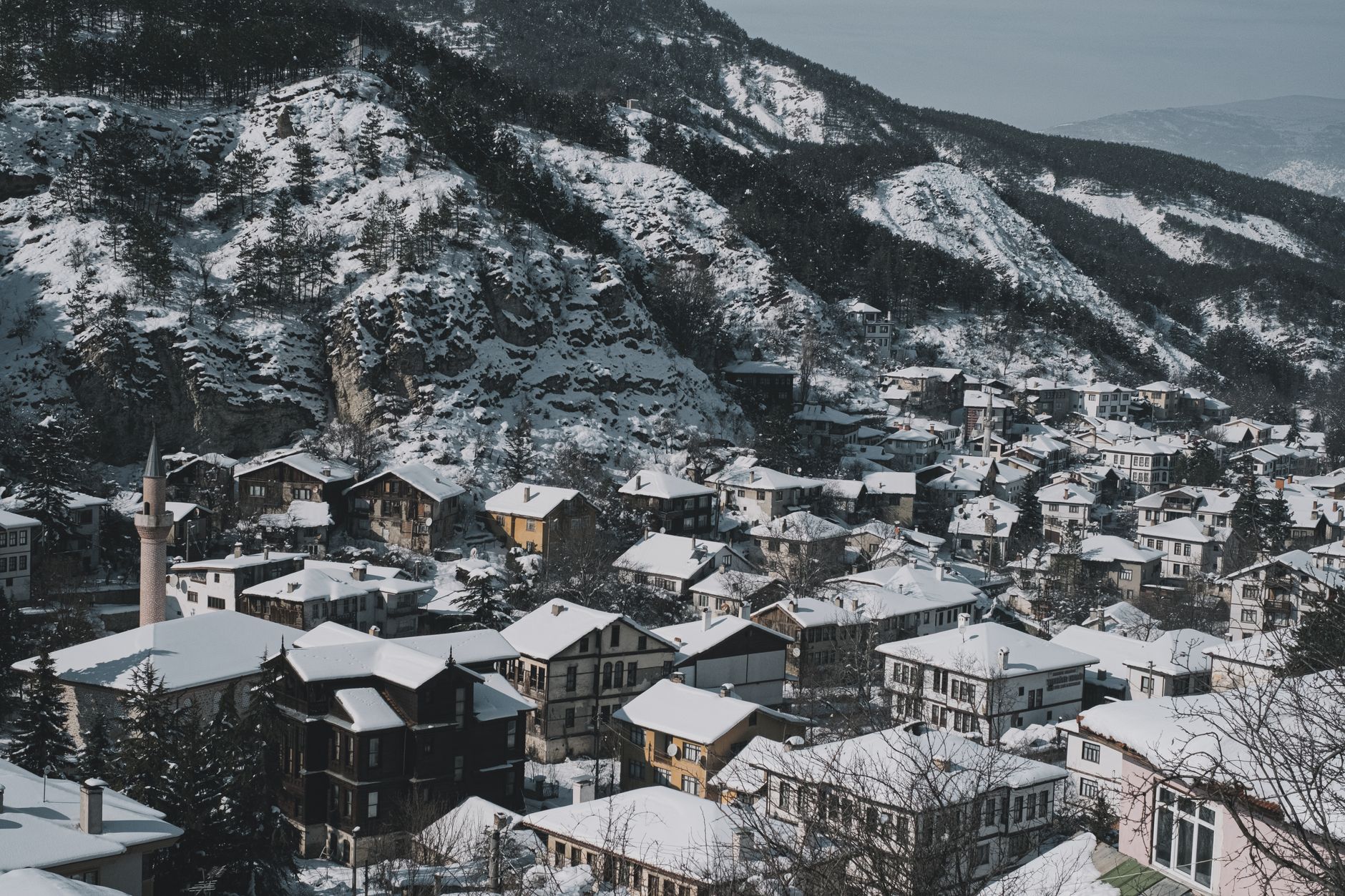
The main thermal area is Gazlıgöl, about 25 kilometres from the city centre, where modern spa resorts offer extensive wellness facilities. In winter, the surrounding hills may be capped with snow while you float in a warm outdoor pool, watching steam rise into the cold air. Many resorts here offer doctor-supervised detox and wellness programmes, combining thermal bathing with healthy cuisine and gentle exercise.
Afyon is also a wonderful place to explore in winter. Visit the Afyonkarahisar Castle for panoramic views, wander through the old bazaar, and taste the local delicacies. The nearby Phrygian Valley, with its ancient rock-cut monuments, is hauntingly beautiful under a light layer of snow. After a day of sightseeing, returning to a hot thermal pool is pure bliss.
Wellness and Health in Afyon
Many Afyon spa hotels offer treatments such as mud wraps, physiotherapy and hydrotherapy. The thermal water is typically around 40°C and is rich in bicarbonate, calcium and magnesium. If you're seeking a structured wellness retreat, this is one of the best places in Türkiye to combine medical guidance with relaxation.
Kangal: Remote, Rustic and Remarkably Rejuvenating
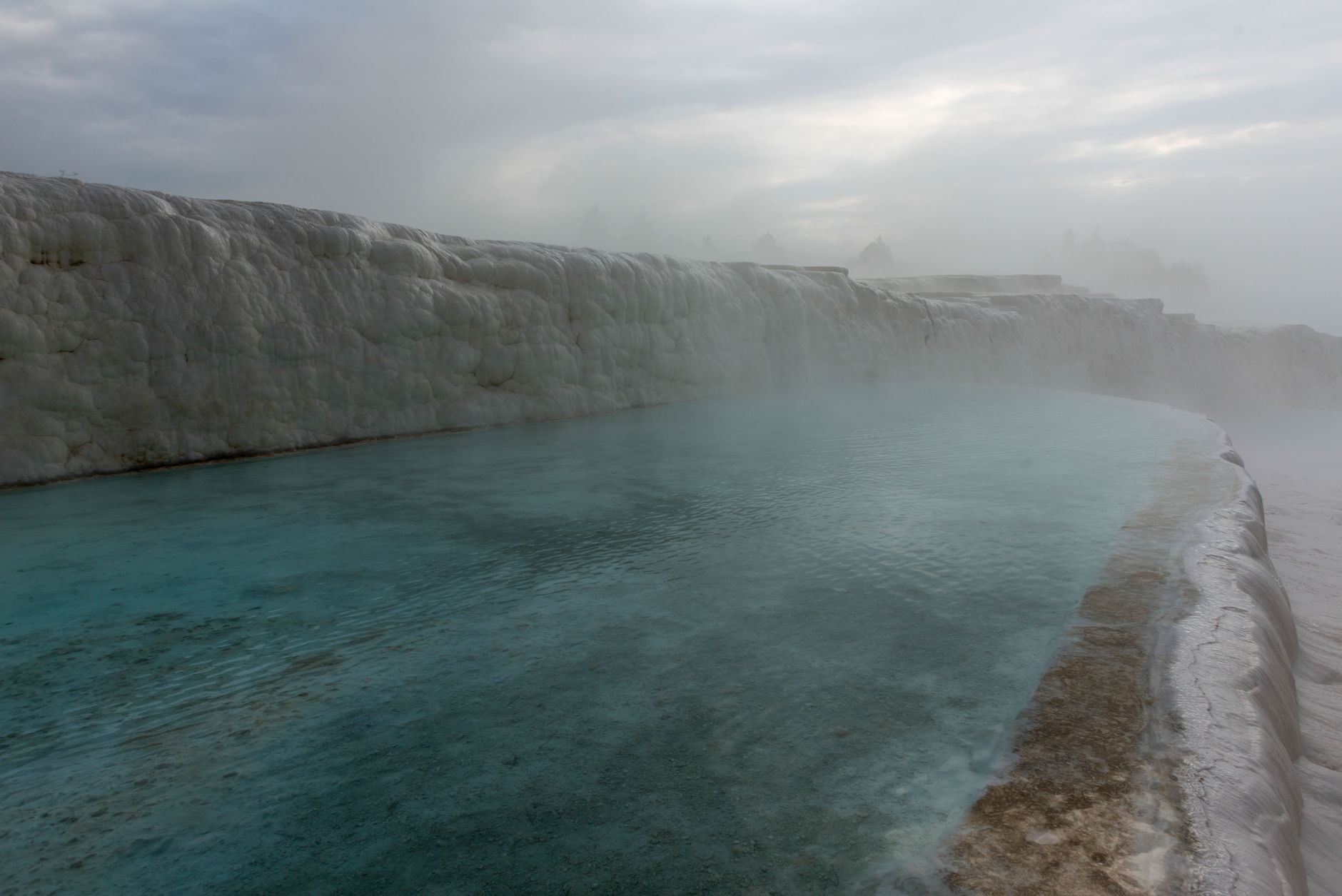
Far to the east in Sivas province, Kangal is a name most travellers associate with the famous shepherd dogs. But it's also home to one of Türkiye's most unusual thermal experiences: the Kangal Balıklı Kaplıca, or fish spa, where tiny doctor fish nibble away dead skin while you soak. The water here is naturally warm (around 35–36°C) and rich in selenium, and the fish are said to help with psoriasis and other skin conditions.
Kangal is remote, and winter here is genuinely cold, with snow often blanketing the surrounding steppe. That's precisely what makes a soak so rewarding. The contrast between the icy air and the warm, mineral-rich pool is exhilarating, and the silence of the landscape adds to the sense of retreat. Accommodation is simple but comfortable, with modest hotels and guesthouses near the spring. This is not a luxury destination; it's an authentic, off-the-beaten-path experience for those seeking genuine therapeutic benefits and a story to tell.
Getting to Kangal requires some planning — usually a flight to Sivas or Kayseri, followed by a drive. But for intrepid spa lovers, the journey is part of the adventure. The reward is a uniquely Turkish thermal tradition, far from the crowds and beautifully serene in winter.
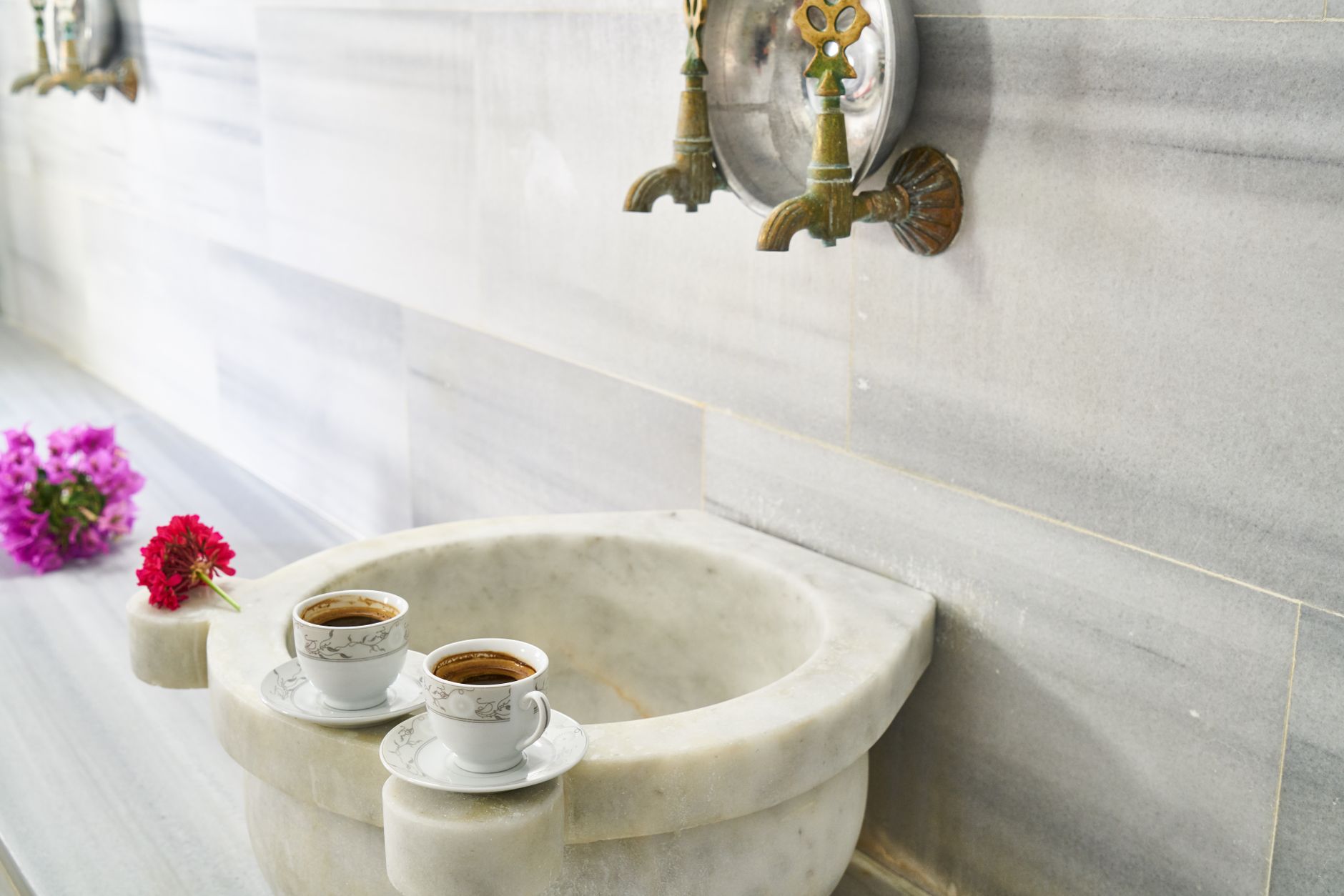
Health Benefits of Winter Thermal Soaking
Thermal bathing has been valued for centuries for its therapeutic effects. The warm, mineral-rich water helps relax muscles, improve blood circulation and ease joint pain. In winter, the contrast between hot water and cold air can boost the immune system and improve mood, countering the effects of shorter, darker days.
Many Turkish springs contain sulphur, selenium, bicarbonate and other minerals believed to benefit skin conditions such as psoriasis and eczema. While individual results vary, the combination of warmth, buoyancy and mineral absorption makes thermal soaking a gentle, natural complement to other treatments. Always consult your doctor if you have underlying health conditions, and remember to hydrate well and limit each soak to 15–20 minutes, especially in very hot water.
Beyond the physical, there's a mental health benefit to the ritual itself: stepping away from screens, breathing steam, and letting your mind quiet. In Türkiye, this is part of a long tradition of hammam culture, where bathing is as much about social connection and relaxation as it is about cleanliness.
What to Bring for a Winter Soak
- Swimwear (dark colours are better for mineral water), plus a spare set.
- A warm robe or towel to wrap up in as soon as you leave the pool.
- Flip-flops or water shoes for slippery marble surfaces.
- A water bottle to stay hydrated; avoid alcohol before soaking.
- Waterproof bag for wet items, and a hat and gloves for the walk back to your room.
- Your own toiletries if you have sensitive skin; some hamams provide soap and shampoo.
How to Combine Spa Time with Nearby Sights
One of the joys of a thermal holiday in Türkiye is that it pairs beautifully with culture and nature. In Bursa, alternate spa days with visits to Ottoman monuments, the silk bazaar and Uludağ's snowy slopes. In Yalova, take a break from the pools to explore the quiet coastline and forest trails. In Afyon, mix wellness with gastronomy tours and trips to the Phrygian Valley. And in Kangal, embrace the remote steppe landscape and the simple rhythm of village life.
Winter travel in Türkiye is generally safe and comfortable, but do check road conditions if you're driving, as mountain routes can be icy. Public transport between major towns is reliable, and many spa hotels offer shuttle services from bus stations or airports. Booking a few nights in each destination allows you to slow down and truly absorb the experience, rather than rushing from one spring to the next.
For a truly memorable trip, consider a multi-stop itinerary: start in Bursa or Yalova for easy access from Istanbul, then travel to Afyon for a deeper wellness retreat, and if you're adventurous, continue to Kangal for a unique finale. Each destination offers its own flavour of warmth, and together they showcase the breadth of Türkiye's thermal heritage.
Booking Advice and When to Go
Winter (December to February) is ideal for thermal travel: cool air, fewer crowds and often lower rates. The exception is the New Year and school holidays, when domestic tourism peaks — book well in advance if travelling then. For the best combination of snow and comfortable soaking, late January and February are excellent choices in Bursa and Afyon. Yalova is milder and pleasant throughout winter. Kangal can be very cold, so pack accordingly.
When booking, look for hotels with genuine thermal water (ask if the pools are fed by natural springs), and check whether spa access is included in your rate. Many Turkish thermal hotels offer half-board or full-board packages, which can be excellent value. Don't be afraid to contact hotels directly via email or phone — smaller establishments often respond quickly and can arrange airport transfers or special requests.
Finally, respect local customs. In public hamams, you may be asked to wear a swimsuit or wrap, and some traditional baths are single-sex or have separate hours. A little research beforehand ensures a smooth, respectful experience. With a spirit of openness and a willingness to relax, your winter thermal journey through Türkiye will leave you warm, revitalised and already planning your return.
Thinking about a trip to Turkey?
Share your contact details and a vetted local expert will follow up with a plan built around you — free, no obligation.