

Discover the Soul of Türkiye Through Its Handicrafts
Türkiye is a treasure chest of handmade wonders, where centuries-old techniques are still passed down from master to apprentice. From the intricate knots of Hereke carpets to the vibrant glazes of İznik ceramics, each craft tells a story of Anatolian heritage. As a traveler, you have the unique chance to meet the artisans, watch them at work, and take home a piece of this living culture. This guide will help you navigate the world of Turkish handicrafts with respect, curiosity, and confidence—no haggling combat required.
Shopping for handicrafts here is not just a transaction; it's a cultural exchange. When you buy directly from a workshop or a reputable gallery, you support families and keep ancient traditions alive. So let's explore the finest crafts Türkiye has to offer and learn how to appreciate their true value.
Hereke and Kula Carpets: Knots of Legacy
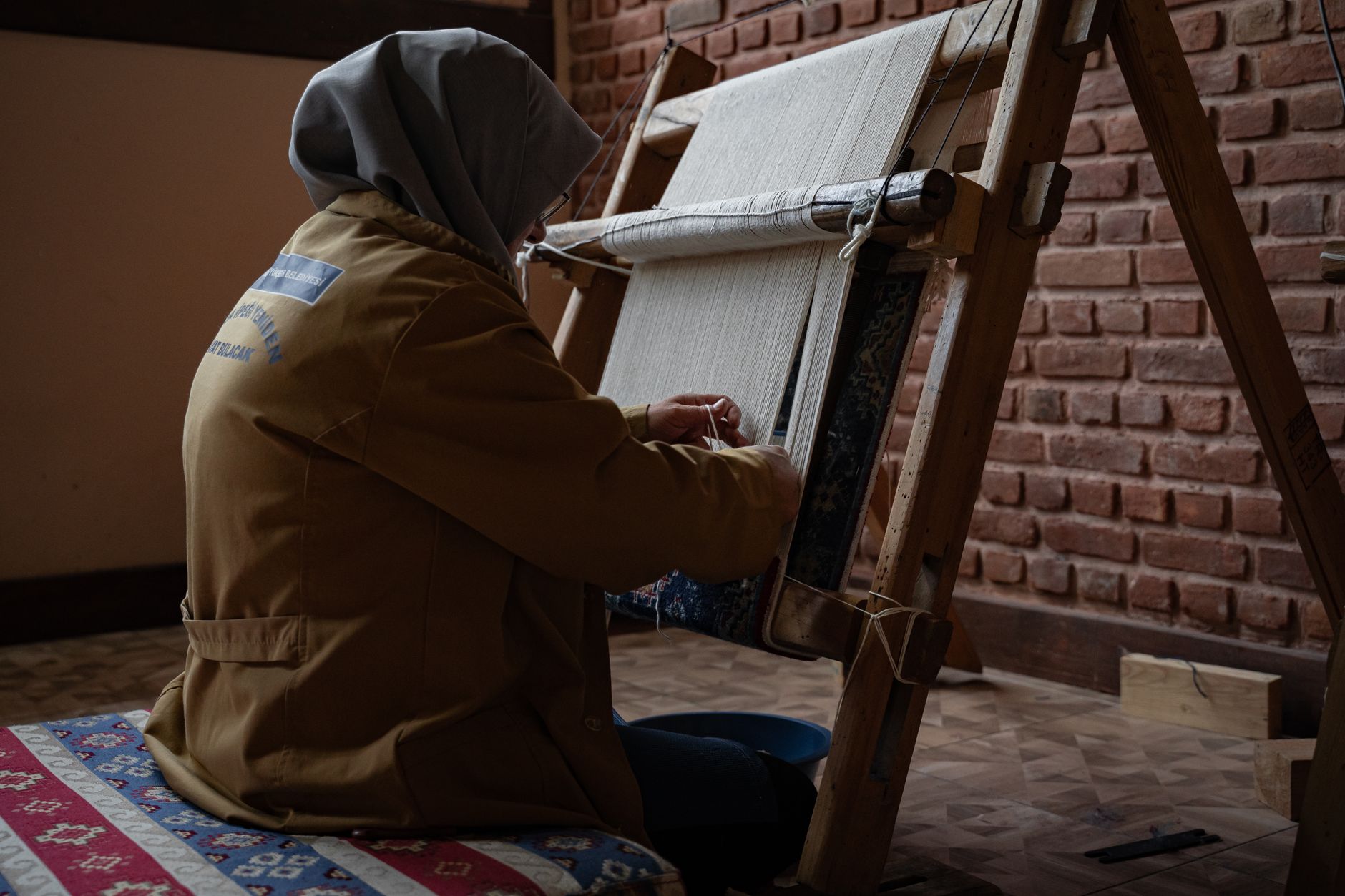
Turkish carpets are world-renowned for their artistry and durability. Two names stand out: Hereke and Kula. Hereke carpets, woven in the town of Hereke near Istanbul, are often made of silk or fine wool and are known for their tight knots (up to 1 million per square meter) and elaborate floral or medallion designs. They were historically produced for Ottoman palaces, and today they remain a symbol of luxury. Kula carpets, on the other hand, come from the Kula region in western Anatolia and are prized for their geometric patterns, earthy colors, and thicker, more rustic weave—perfect for a warm, traditional look.
When evaluating a carpet, look at the knot density: a higher count means more detail and often higher value. Check the back—it should be nearly as neat as the front, without excessive glue or loose threads. Natural dyes (from plants, insects, and minerals) are preferred over synthetic ones; they age gracefully. Fair prices vary widely: a small Kula carpet (1x1.5 meters) might range from $200 to $800, while a fine Hereke silk carpet can start at $1,000 and go up to tens of thousands for large, master-level pieces. Always ask about the origin, the weaver, and the materials—reputable sellers will gladly share.
To see carpets being made, visit the Hereke Carpet Workshop in Hereke (easily accessible from Istanbul) or the Kula Carpet Weaving Center in Kula, Manisa. Many workshops offer demonstrations and welcome respectful observers. Remember, these are not tourist traps but places of genuine craftsmanship—ask before taking photos and always show appreciation for the artisan's time.
İznik Ceramics: The Art of Glazed Beauty
İznik ceramics, with their iconic blue, turquoise, and coral red patterns, are among the most recognizable Turkish crafts. Originating in the town of İznik (ancient Nicaea) during the Ottoman era, these tiles and vessels adorned mosques and palaces. Today, skilled artisans in İznik and Kütahya keep the tradition alive, using quartz-rich clay and hand-painted designs under a transparent glaze. The result is a durable, food-safe ceramic that is both decorative and functional.
Quality is in the details: hand-painted pieces have slight variations in line thickness and color depth, while printed or decal versions look too uniform. Look for a smooth, glossy glaze without bubbles or cracks. The best pieces are signed by the artist. Prices range from $20 for a small tile or bowl to several hundred dollars for large platters or vases. In İznik, a hand-painted 30 cm plate might cost $80–$150, while a large charger could be $300–$600.
Visit the İznik Foundation or the İznik Art Gallery to watch artisans at work. In Kütahya, the Kütahya Ceramic Museum and surrounding workshops offer similar experiences. Many studios allow you to try your hand at painting a tile—a fun, family-friendly activity. Shipping is usually available; ask for professional packing to ensure safe transport.
Gaziantep Copper: Hammered Elegance
In the southeastern city of Gaziantep, copper smithing is a centuries-old tradition. Artisans hammer sheets of copper into exquisite trays, pitchers, bowls, and coffee pots, often decorating them with intricate engravings and repoussé work. The craft flourished during the Ottoman period, and today, the Coppersmiths' Bazaar (Bakırcılar Çarşısı) in Gaziantep is a living museum where you can hear the rhythmic tap-tap of hammers echoing through the alleys.
To judge quality, examine the thickness of the copper—it should feel substantial, not flimsy. Hand-hammered pieces have a slightly uneven surface and a warm patina, while machine-pressed items are perfectly smooth but lack character. Traditional pieces are often lined with tin (kalay) for food safety; ask if the item is tinned. Prices are surprisingly affordable: a small hand-hammered bowl might be $15–$30, a medium tray $40–$80, and a large decorative platter $100–$200. Custom engraving may add a modest fee.
In Gaziantep, you can watch coppersmiths at work in the bazaar, and many will happily demonstrate their techniques. The Gaziantep Copper Museum also offers insights into the history. For a broader experience, visit the Copper Bazaar in Istanbul's Grand Bazaar, but expect higher prices due to the tourist location. Buying directly from Gaziantep ensures authenticity and supports local artisans.
Denizli Textiles: Home of Turkish Towels and Robes
Denizli, in southwestern Türkiye, is the country's textile heartland. It is famous for its high-quality peshtemal (traditional Turkish towels), bathrobes, and home textiles. These products are woven from premium cotton, linen, or bamboo, and are known for their absorbency, quick-drying nature, and lightweight feel. The tradition dates back to the Ottoman era, when Denizli was a center for weaving.
When shopping for textiles, feel the fabric—it should be soft yet sturdy. Check the edges for neat stitching and the weave for tightness. Natural fibers are preferable; they become softer with each wash. Peshtemals are versatile: use them as towels, sarongs, or throws. Prices vary: a single peshtemal ranges from $10 to $30, while a set of four might be $40–$80. Bathrobes can cost $30–$70. Denizli is also known for its buldan fabric, a loosely woven cotton cloth used in clothing.
Visit the Denizli Textile Workshops or the Buldan Weaving Workshop to see looms in action. Many factories offer outlet stores where you can buy directly at wholesale prices. Shipping is easy—textiles are light and compact, making them perfect souvenirs.
How to Tell Quality and Pay a Fair Price
Across all crafts, a few universal principles apply. First, materials matter: silk, fine wool, hand-painted ceramics, thick copper, and natural fibers are hallmarks of quality. Second, technique: hand-made items show slight irregularities and are often signed or stamped. Third, provenance: ask where and by whom the item was made. A genuine Hereke carpet comes with a certificate; İznik ceramics from the İznik Foundation bear a mark.
Fair prices reflect the skill and time invested. As a rough guide: small ceramics $20–$50; hand-hammered copper bowls $15–$30; peshtemals $10–$30; Kula carpets $200–$800; Hereke silk carpets $1,000+. Don't be afraid to ask for a small discount, but do so politely—haggling is acceptable in bazaars but not in fixed-price galleries. Remember, you're paying for art, not just an object.
To avoid fakes, buy from reputable workshops, government-certified stores, or directly from artisans. Avoid street vendors selling "antiques" of dubious origin. If a deal seems too good to be true, it probably is.
Shipping and Bringing Your Treasures Home
Most workshops and galleries offer shipping services, especially for large items like carpets. For carpets, professional packing and international shipping can cost $50–$200 depending on size and destination. Ceramics and copper should be bubble-wrapped and boxed; many shops provide this free or for a small fee. Textiles are easy to pack in your luggage.
When shipping, ask for tracking and insurance. Alternatively, you can carry smaller items with you. Be aware of customs regulations in your home country—handmade goods are usually exempt from duty up to a certain value, but check before you buy.
For a hassle-free experience, consider using a trusted courier service recommended by the shop. Many artisans have years of experience shipping worldwide and will ensure your purchase arrives safely.
Workshops and Cultural Etiquette
Visiting workshops is a highlight of any craft-focused trip. In İznik, the İznik Foundation offers tours and demonstrations. In Gaziantep, the Coppersmiths' Bazaar is open daily. In Denizli, the Buldan Weaving Workshop welcomes visitors. In Kula, the Kula Carpet Weaving Center provides insights into traditional weaving.
When you visit, dress modestly, ask permission before taking photos, and show genuine interest. A simple "merhaba" (hello) and a smile go a long way. If you're invited for tea, accept—it's a gesture of hospitality. Remember, your visit supports these artisans and helps preserve their crafts for future generations.
By approaching shopping as cultural exchange, you'll not only bring home beautiful treasures but also cherished memories of the people who made them. Türkiye's handicrafts are more than souvenirs; they are the living soul of Anatolia.
Thinking about a trip to Turkey?
Share your contact details and a vetted local expert will follow up with a plan built around you — free, no obligation.