

Why Türkiye Is a Treasure Hunter's Paradise
Few countries offer the sheer density and diversity of antiques and curios as Türkiye. Positioned at the crossroads of civilizations—Hittite, Greek, Roman, Byzantine, Seljuk, and Ottoman—its soil has yielded centuries of objects, and its bustling cities brim with markets where these items find new homes. For visitors, browsing a Turkish flea market is not just shopping; it's a tactile journey through history, a chance to handle copper urns, hand-knotted kilims, and calligraphy pens that once told stories in ink.
What makes Türkiye's markets so thrilling is the mix of the mundane and the magnificent. You might sift through a pile of vintage postcards one moment and uncover a 19th-century Ottoman silver belt buckle the next. The experience is sensory: the scent of strong tea mingling with dust, the call of "Buyurun!" (welcome, come in) from shopkeepers, and the clink of glassware as you rummage. It's a living, breathing bazaar culture that has evolved over centuries but remains refreshingly authentic.
This guide focuses on the most rewarding antique and flea markets for visitors, primarily in Istanbul and Izmir, but with tips applicable across the country. We'll cover how to navigate, how to haggle respectfully, what to look for, and how to get your treasures home. Whether you're a serious collector or a casual souvenir hunter, Türkiye's markets promise adventure—and maybe a little dust on your shoes.
Istanbul's Antique Districts: Horhor and Çukurcuma
Istanbul is the beating heart of Türkiye's antiques trade, and two neighborhoods stand out: Horhor and Çukurcuma. Horhor, in the Fatih district, is a warren of multi-story han (commercial buildings) packed with dealers selling everything from Ottoman-era manuscripts to Art Deco furniture. It's less touristy than the Grand Bazaar and offers a more serious antiquing experience. Start at Horhor Caddesi, where you'll find shops like Horhor Antikacılar Çarşısı, and wander into the courtyards where smaller stalls hide behind unassuming doors.
Çukurcuma, in Beyoğlu, is the more bohemian cousin. Its narrow streets are lined with vintage boutiques, antique shops, and ateliers. Here you'll find mid-century Turkish ceramics, old photographs, and quirky curios like brass door knockers and Ottoman-era coffee grinders. The vibe is relaxed, and many shop owners speak some English, making it easier for first-timers. Don't miss the side streets off Faik Pasha Caddesi, where hidden gems await.
For a true flea market experience, head to Feriköy on Sundays. This sprawling open-air market in Şişli is where locals come to sell everything from second-hand clothing to antique trinkets. It's less curated than Horhor but more affordable and unpredictable. Arrive early (by 8 AM) for the best picks, and bring small bills—many vendors don't accept cards.
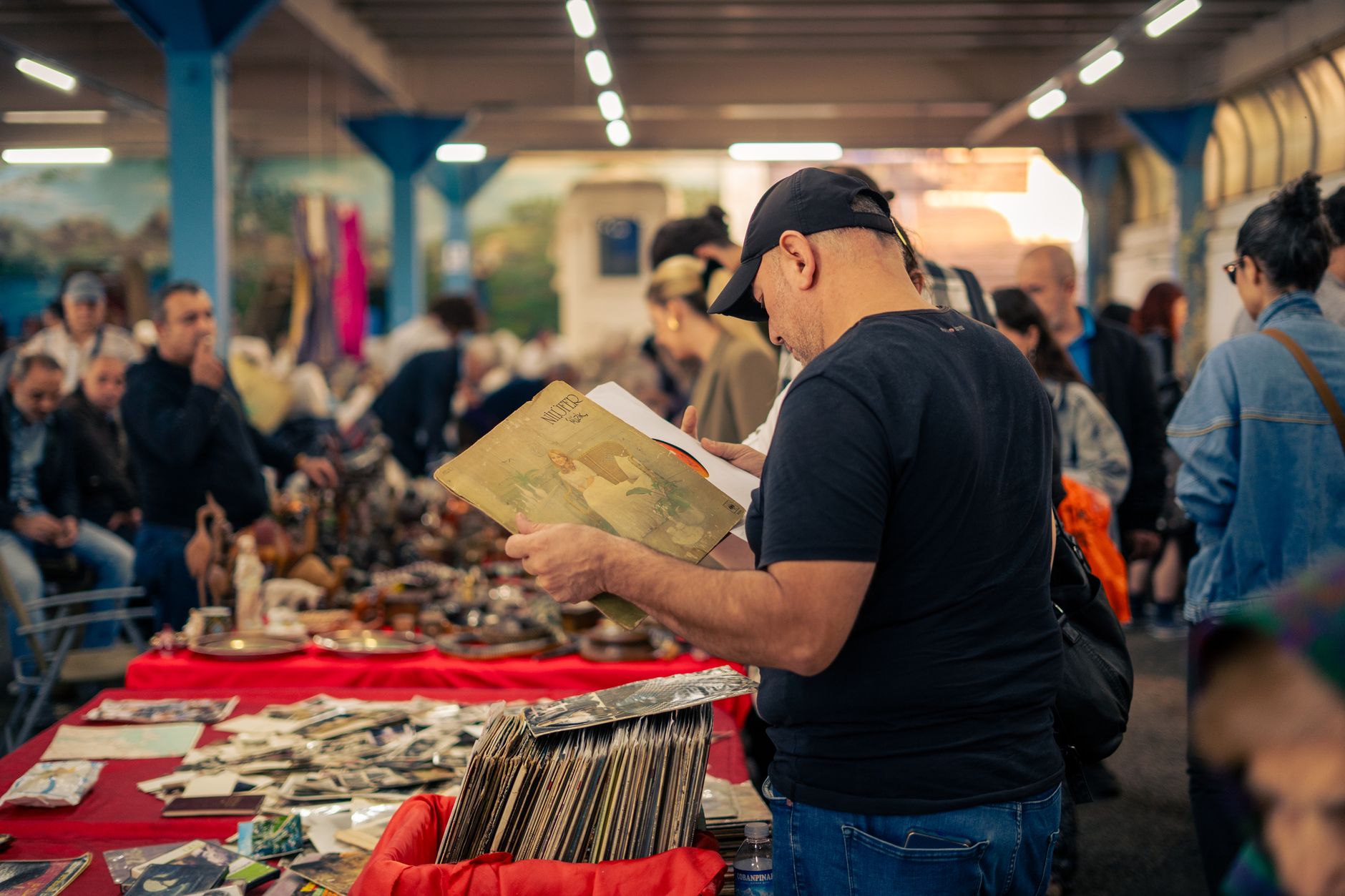
Feriköy Flea Market: A Sunday Ritual
The Feriköy Antique and Flea Market is an institution. Every Sunday, the neighborhood transforms into a labyrinth of stalls offering a dizzying array of goods: vintage jewelry, old Turkish movie posters, Soviet-era cameras, hand-embroidered textiles, and endless piles of bric-a-brac. It's where dealers hunt for underpriced treasures to resell in their shops, so you're competing with pros. But that's part of the fun—it sharpens your eye.
What should you look for? Keep an eye out for Ottoman copperware, especially coffee pots (cezve) and basins, which are often hand-hammered and age beautifully. Also, vintage textiles—suzani embroidery, kilim fragments, and lace—can be stunning. Old photographs and postcards offer a glimpse into Istanbul's past and make lightweight, meaningful souvenirs. And don't overlook the small stuff: brass padlocks, keychains, and glass evil eye beads (nazar boncuğu) that might be older than they appear.
The market is also a great place to practice your haggling. Prices are rarely fixed, and a friendly smile goes a long way. Start by asking "Ne kadar?" (How much?) and then offer about half. If the seller counters, you can meet somewhere in the middle. Remember, it's a game—keep it light and respectful. If you're not interested, a polite "Teşekkürler" (thank you) and moving on is perfectly acceptable.
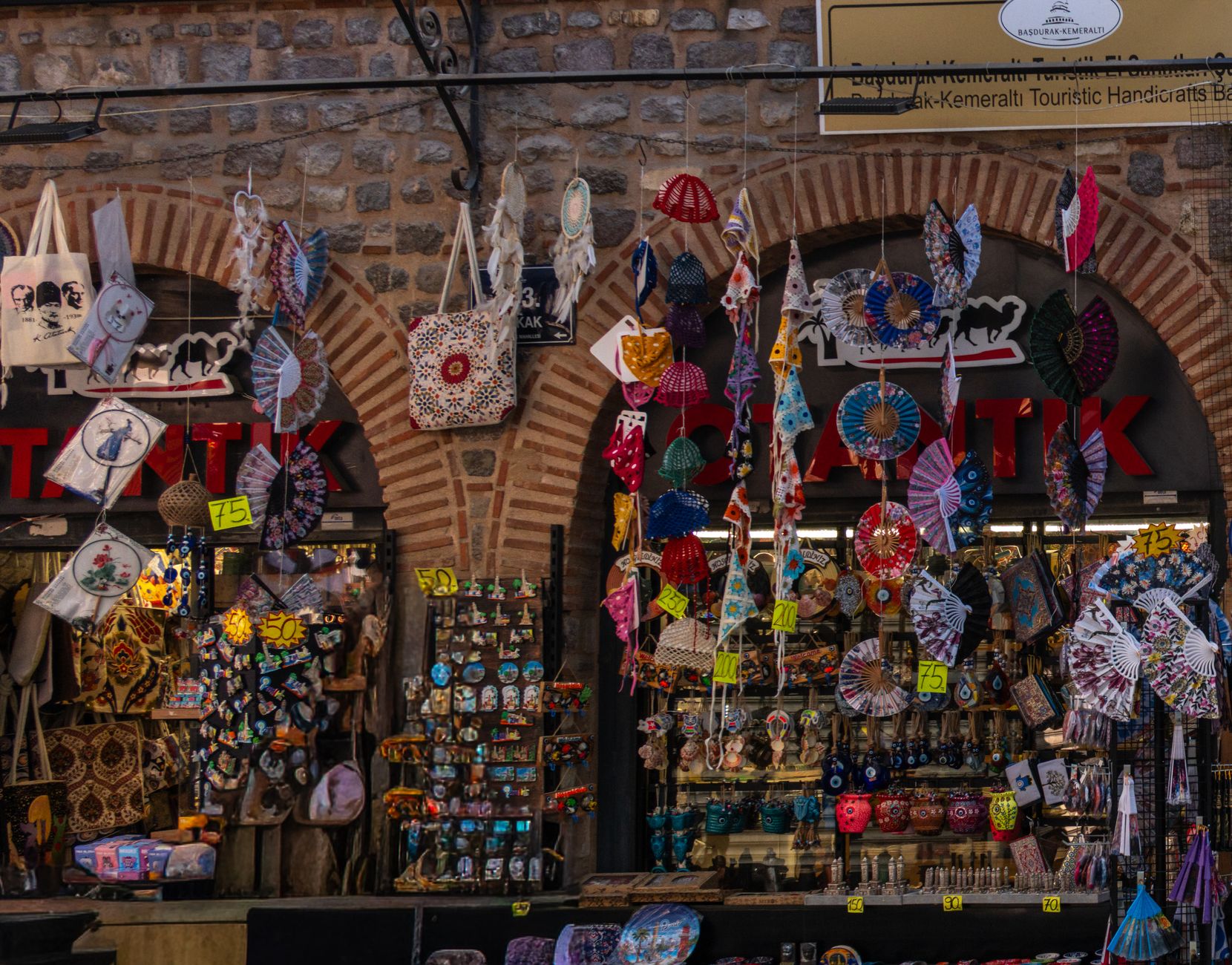
Izmir's Kemeraltı: A Bazaar of Surprises
Izmir's Kemeraltı Bazaar is one of the largest and oldest in the world, a sprawling maze of streets and passages that has been a trading hub since the 17th century. While it's not exclusively an antique market, it has numerous antique shops, especially around the Antikacılar Çarşısı (Antique Dealers' Bazaar) within the bazaar complex. Here you can find Greek and Levantine antiques, Ottoman-era jewelry, old Izmir postcards, and vintage ceramics.
Kemeraltı is also known for its hidden corners. Venture off the main drags into the Havra Sokağı (Synagogue Street) area, where historic synagogues and old shops mix. The bazaar is a living community, so be respectful of locals going about their day. It's easy to get lost, but that's part of the charm—just note a landmark like the Hisar Mosque to orient yourself.
Beyond Kemeraltı, Izmir hosts a weekly flea market in the Alsancak district on Sundays. It's smaller than Feriköy but offers a friendly, local vibe with a mix of antiques, vintage clothing, and handmade crafts. Prices are generally lower than Istanbul, making it a great place to score deals on bulkier items like old copper pots or wooden chests.
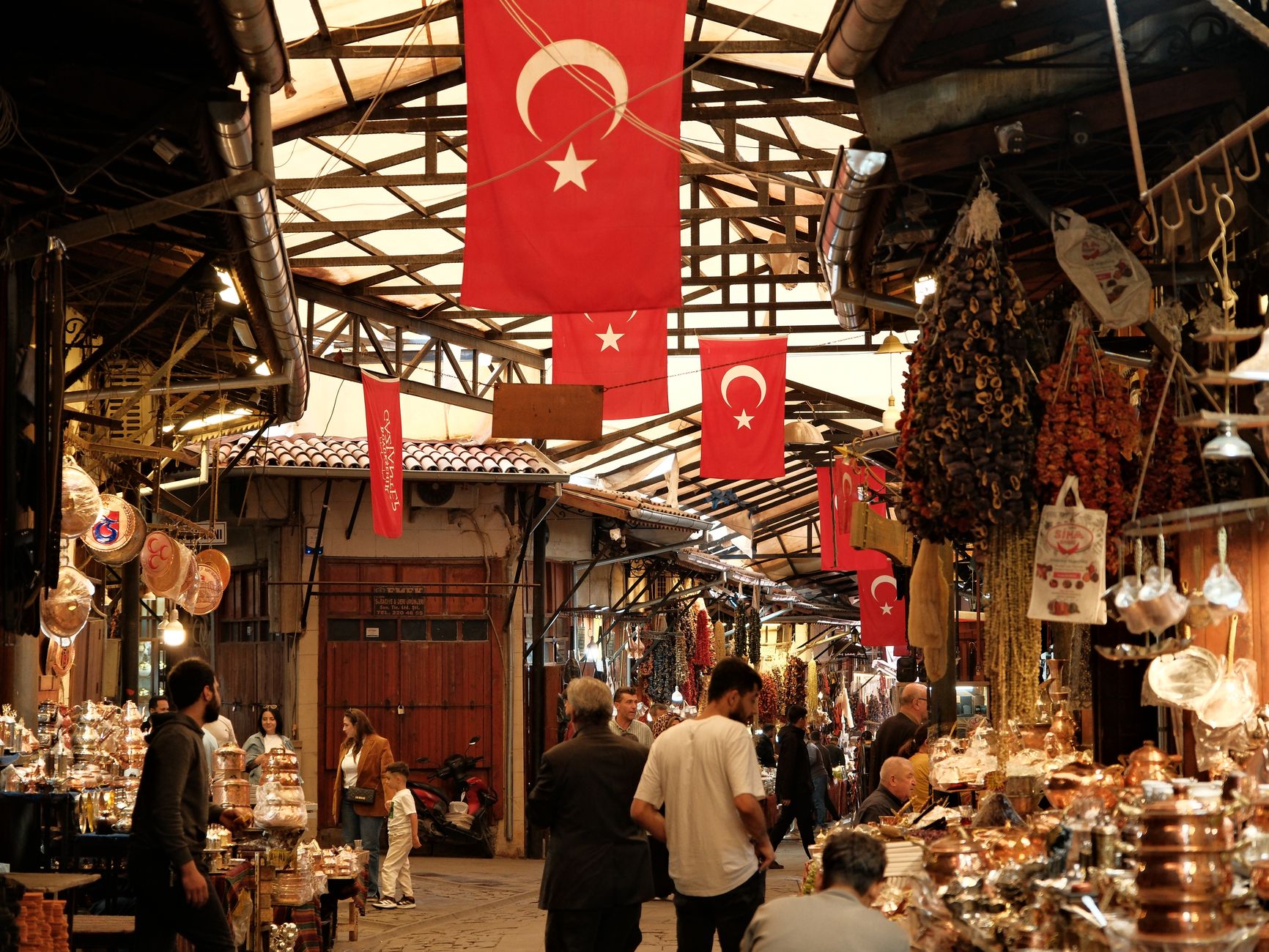
Haggling Like a Local: Etiquette and Tips
Haggling in Türkiye is an art form, not a confrontation. It's expected in flea markets and antique shops, but always approach it with respect and good humor. Here are some key tips:
- Do your research: Before you start, get a sense of fair prices by browsing a few stalls. For antiques, condition and age matter, so ask questions.
- Build rapport: Start with a greeting—"Merhaba" (hello)—and a compliment on their wares. Sellers appreciate genuine interest.
- Never insult the item: Don't point out flaws to lower the price; instead, focus on what you love about it and what you can afford.
- Start low but reasonable: Offering 50% of the asking price is common, but if the item is already fairly priced, don't lowball. A fair offer shows respect.
- Walk away if needed: If you can't agree, thank them and leave. Sometimes they'll call you back with a better price; if not, it wasn't meant to be.
- Cash is king: Many vendors prefer cash and may offer a discount for it. Small bills are essential.
Remember, haggling is a conversation, not a battle. A successful deal ends with both parties feeling good—and often a shared glass of tea.
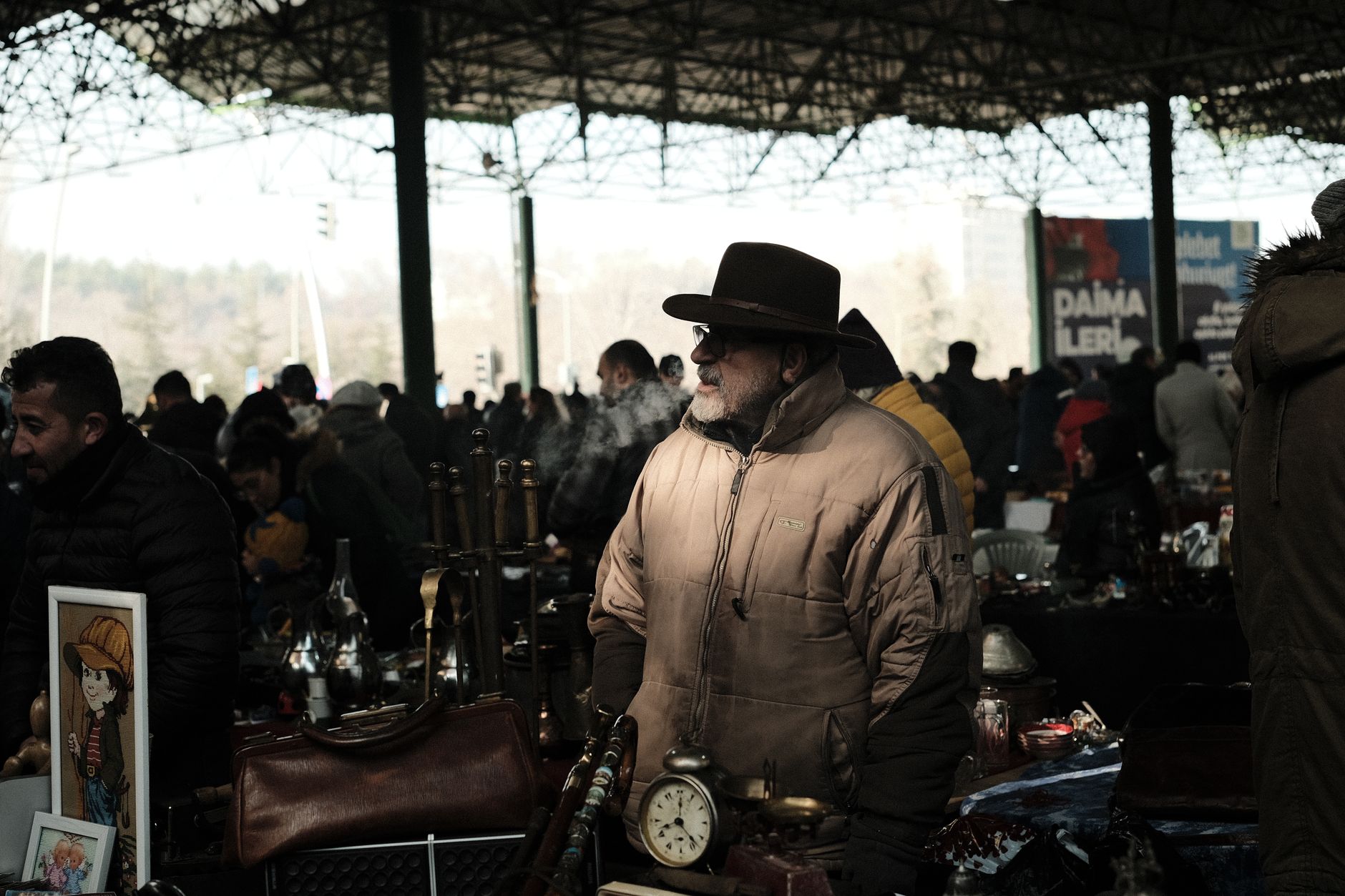
What to Look For: From Copper to Calligraphy
Türkiye's markets are rich with specific categories of collectibles. Here's what to keep an eye out for:
- Ottoman copperware: Hand-hammered pots, pans, and coffee sets. Look for intricate engravings and a warm patina. These are often functional and make stunning decor.
- Kilims and textiles: Handwoven rugs, suzani embroideries, and silk brocades. Check for signs of age (fading, repairs) and authenticity (natural dyes, hand-spun wool).
- Ceramics: Çanakkale and Kütahya tiles and plates. Vintage pieces may have cracks or chips, which can add character but affect value.
- Jewelry: Silver and gold Ottoman-style pieces, often set with turquoise or coral. Be cautious of reproductions; ask about provenance.
- Calligraphy and manuscripts: Old Qurans, calligraphy panels, and Ottoman-era documents. These are delicate and may have export restrictions—check before buying.
- Militaria and coins: Ottoman medals, old coins, and military items. Authenticity is key; buy from reputable dealers.
Always ask about the history of an item. Sellers are often proud to share stories, and it adds to the experience. If you're unsure, take a photo and research later—but know that coveted pieces can disappear quickly.
Shipping Your Treasures Home
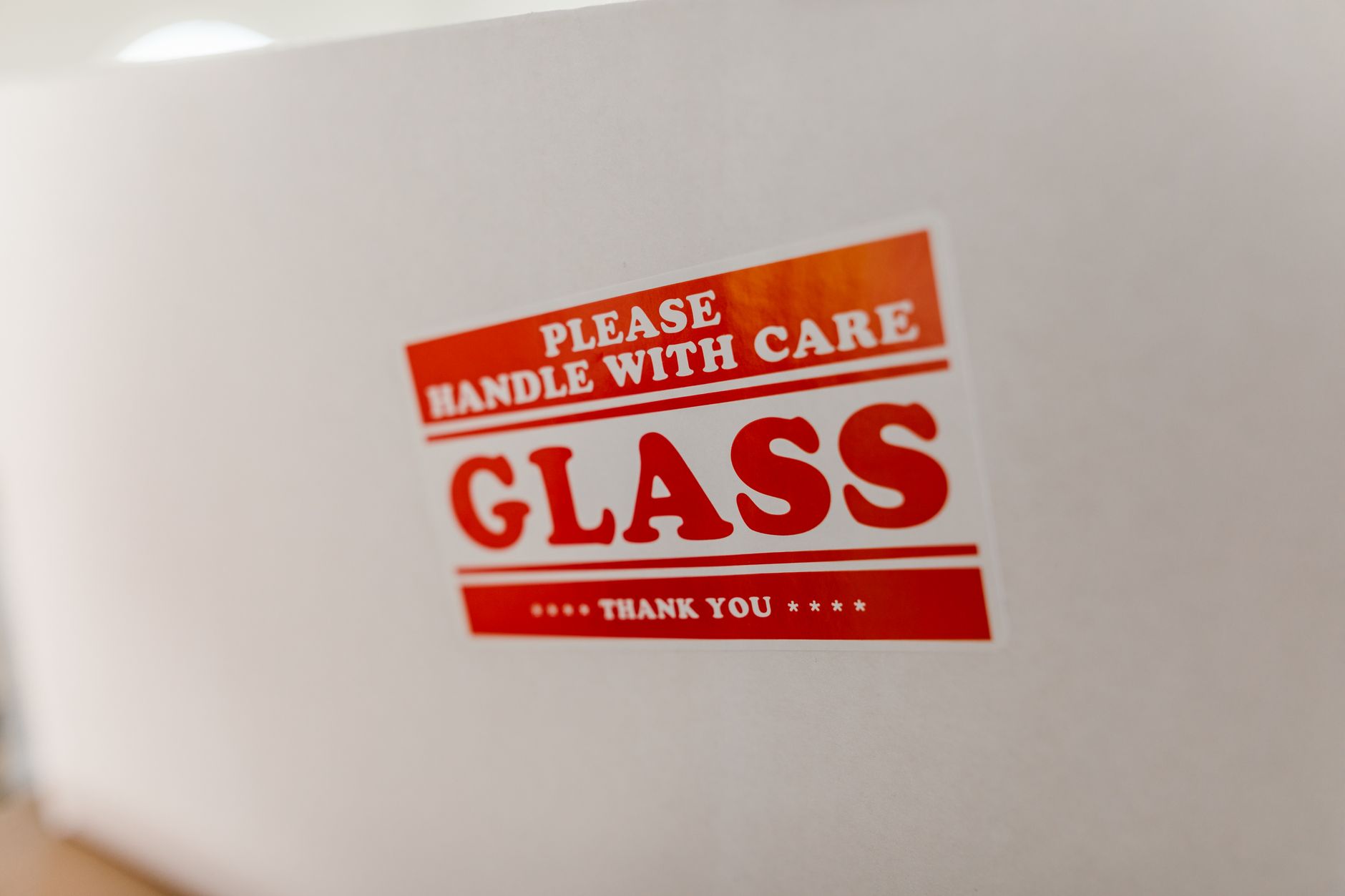
Once you've snagged that perfect kilim or copper pot, you'll need to get it home. Here's how:
For small items: Pack them in your checked luggage, wrapped in clothing for protection. If you're worried about customs, keep receipts handy. Most countries allow personal souvenirs up to a certain value.
For larger items: Many antique shops offer shipping services, especially in Istanbul. They'll pack professionally and arrange air or sea freight. Get a quote and tracking number. Alternatively, use a reputable international courier like DHL or UPS, but be aware of customs duties in your home country.
Customs and restrictions: Türkiye has strict laws about exporting antiquities. Items over 100 years old may require an export permit from the Ministry of Culture and Tourism. Reputable dealers will guide you, but always ask for documentation. Never buy archaeological artifacts or items of cultural significance without proper paperwork—it's illegal and unethical.
Insurance: For valuable purchases, consider insuring your shipment. It's a small price for peace of mind.
Final Tips for a Rewarding Hunt
Treasure hunting in Türkiye is about more than just buying things—it's about connecting with a culture that values craftsmanship and history. Here are a few final tips:
- Learn a few Turkish phrases: "Günaydın" (good morning), "Teşekkür ederim" (thank you), and "Ne kadar?" (how much?) go a long way.
- Bring a tote bag and cash: You'll need both. Small bills and coins are essential for flea markets.
- Be respectful: Ask before taking photos of people or stalls. Many sellers are happy to oblige if you ask politely.
- Take your time: The best finds often appear after you've wandered for hours. Enjoy the process.
- Stay hydrated: Markets can be hot and crowded. Carry water and take breaks for tea.
Whether you're in Istanbul's Horhor, Feriköy, or Izmir's Kemeraltı, you'll find that the thrill of the hunt is matched only by the warmth of the people you meet. Happy hunting—and may your suitcase be filled with stories.
Thinking about a trip to Turkey?
Share your contact details and a vetted local expert will follow up with a plan built around you — free, no obligation.