

For the bookish traveler, Türkiye is a paradise of literary treasures. The Ottoman Empire, spanning over six centuries, was not only a military and political powerhouse but also a civilization deeply devoted to learning, calligraphy, and the preservation of knowledge. Its libraries, many of which survive as museums today, are architectural gems housing thousands of manuscripts on theology, science, literature, and law. This guide takes you on a treasure trail through Türkiye's most significant Ottoman-era libraries and manuscript museums, offering practical advice on when to visit, where to take a reading break, and how to make the most of your pilgrimage into the world of the written word.
Istanbul: The Heart of Ottoman Bibliophilia
Istanbul, the imperial capital, was the epicenter of Ottoman intellectual life. Its libraries were often part of larger mosque complexes (külliye), where scholars gathered to study and debate. Today, several of these libraries operate as museums or specialized research centers, welcoming visitors who wish to marvel at illuminated Qur'ans, imperial decrees, and rare scientific treatises.
Topkapı Palace Library (Ahmed III Library): Within the hallowed walls of Topkapı Palace, the Ahmed III Library (built in 1719) is a stunning example of Ottoman Rococo style. The reading room, with its tiled walls and stained-glass windows, once housed the sultan's personal collection. Today, it displays rotating exhibits of manuscripts, including maps and calligraphic masterpieces. The library is included in the palace ticket, and photography is generally allowed without flash. Visit early in the morning to avoid crowds, then take a break at the nearby Konyalı Restaurant, which offers a serene terrace overlooking the Bosphorus—perfect for jotting down notes over Turkish coffee.
Süleymaniye Manuscript Library: Just adjacent to the majestic Süleymaniye Mosque, this library was established in 1918 but incorporates manuscripts from earlier Ottoman libraries. It holds over 70,000 volumes and is an active research library. While access to the reading rooms is restricted to scholars, the library frequently hosts exhibitions in its entrance hall. Check the schedule in advance. After your visit, walk down to the Süleymaniye neighborhood, where historic coffeehouses like Eminönü Kahvecisi serve thick Turkish coffee amid views of the Golden Horn—ideal for reflecting on what you've seen.
Beyazıt State Library: Located in Beyazıt Square, this library was founded in 1884 and is one of the oldest state libraries in Türkiye. Its collection includes rare Ottoman periodicals and manuscripts. The reading room is open to the public, and you can request to view specific items with advance permission. Photography is not allowed inside the reading room, but the exterior and courtyard are photogenic. Nearby, the historic Beyazıt Çınaraltı café offers a shady spot under ancient plane trees—a favorite of students and book lovers.
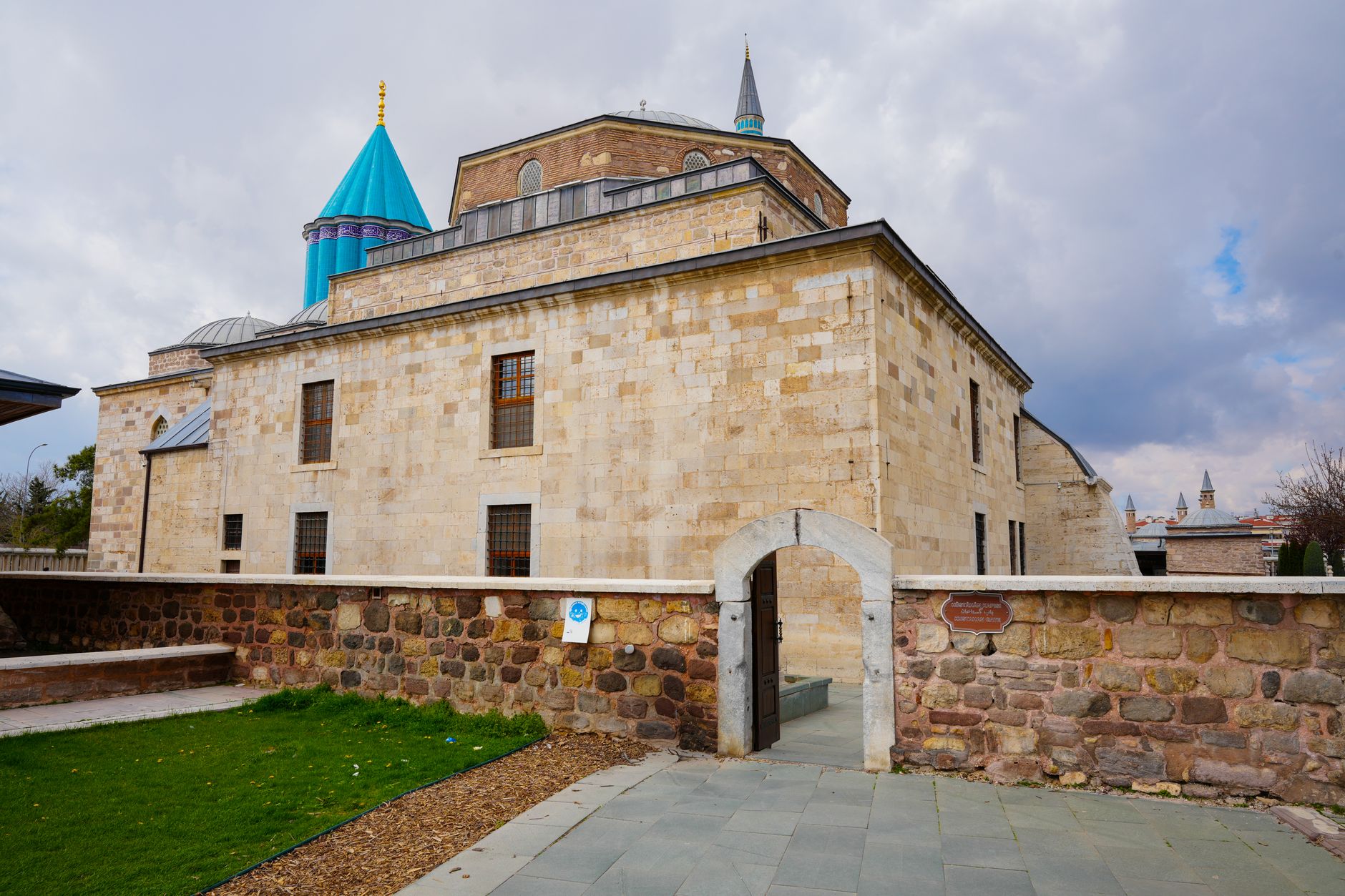
Konya: Where Spirituality Meets Scholarship
Konya, the home of the Mevlevi Sufi order, is a city steeped in mysticism and learning. The Mevlana Museum, formerly the lodge of Rumi, houses a remarkable manuscript collection that reflects the order's intellectual pursuits.
Mevlana Museum Manuscript Library: The museum's library contains over 4,000 manuscripts, including rare copies of Rumi's Masnavi and other Sufi texts. The museum itself is a pilgrimage site, so expect crowds. Visit on a weekday morning for a quieter experience. Photography is allowed in most areas but not in the room where Rumi's tomb lies. Afterward, relax at one of the traditional cafés near the museum, such as Konya Kahve Evi, where you can sip tea and read selections from Rumi's poetry.
Yusuf Ağa Manuscript Library: This library, founded in 1795, is a hidden gem in Konya. It holds over 20,000 manuscripts, with strengths in Islamic jurisprudence, astronomy, and mathematics. The library is open to researchers and visitors by appointment. Guided tours can be arranged through the Konya Directorate of Culture and Tourism. The reading room itself is a work of art, with wooden shelves and ornate ceilings. Photography is permitted for personal use. For a break, head to Mevlana Kültür Merkezi café, which offers a quiet garden setting.
Konya Manuscript Museum (Konya Yazma Eserler Müzesi): Housed in a restored medrese, this museum displays a rotating selection of manuscripts from the region. It's an excellent introduction to Ottoman calligraphy and book arts. The museum is small but well-curated. Visit in the late afternoon when the light through the stained-glass windows is spectacular. The nearby Konya Mutfağı restaurant serves traditional dishes—a hearty lunch before an afternoon of exploration.
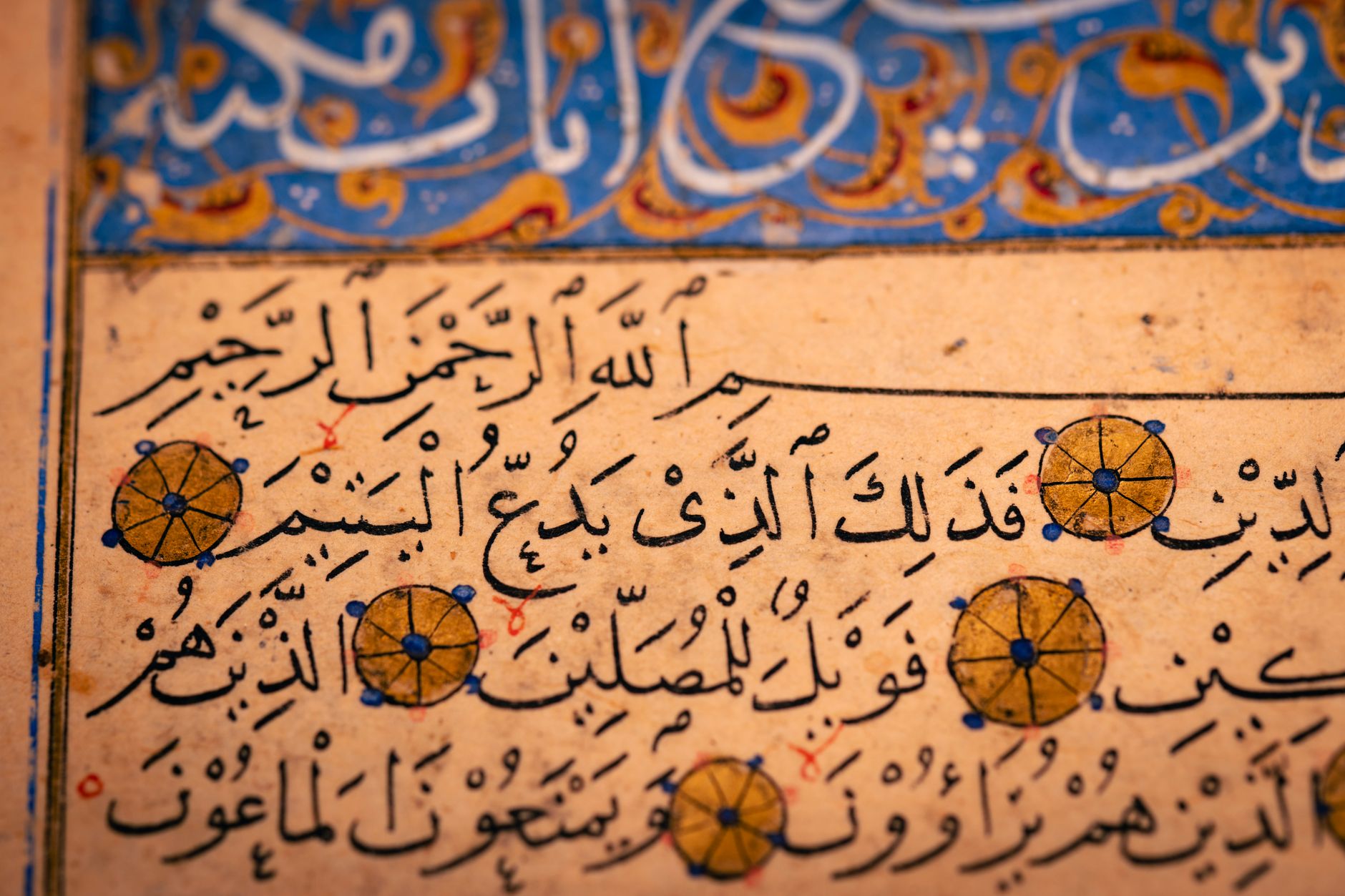
Other Ottoman Libraries Worth the Journey
Beyond Istanbul and Konya, several other cities boast important Ottoman libraries that are open to visitors.
Edirne: Selimiye Mosque Library: The library within the Selimiye complex, designed by the master architect Mimar Sinan, contains a collection of manuscripts and early printed books. The mosque itself is a UNESCO World Heritage Site. The library is open during mosque visiting hours, but access to the collection is limited. Photography is allowed in the courtyard. After your visit, enjoy a coffee at Edirne Kahvecisi near the mosque.
Bursa: Orhan Gazi Library: Bursa, the first Ottoman capital, is home to the Orhan Gazi Library (built in 1354), one of the oldest Ottoman libraries. It houses manuscripts on theology and law. The library is part of a larger complex including a mosque and madrasa. It's open to the public, and photography is allowed. Take a break at Kebapçı İskender—the birthplace of the famous dish—or a quieter café like Setbaşı Kahvesi.
Manisa: Muradiye Library: This 18th-century library in Manisa is a lesser-known treasure. It holds over 5,000 manuscripts, including works on medicine and astronomy. Visits are by appointment. The reading room is a peaceful haven. Afterward, explore the nearby Muradiye Mosque and enjoy a coffee at Manisa Kahve Dünyası.
Practical Tips for Visiting Ottoman Libraries and Manuscript Museums
Visiting Times: Most libraries and manuscript museums are open Tuesday to Sunday, typically from 9:00 to 17:00. Some close for lunch between 12:00 and 13:30. Research libraries often have shorter hours and require appointments. Always check official websites or call ahead, as hours can change seasonally or due to conservation work.
Access and Guided Tours: While some libraries are fully open to the public, others restrict access to the reading rooms. Guided tours are often available for groups and can provide valuable context. In Istanbul, the Süleymaniye Manuscript Library offers periodic guided tours in English; book through the Turkish Ministry of Culture and Tourism website. In Konya, the Mevlana Museum offers audio guides in multiple languages. For specialized libraries, a letter of introduction from a university or research institution may be required.
Photography: Policies vary. As a rule, photography without flash is allowed in museum exhibition areas but not in reading rooms where manuscripts are being consulted. Always look for posted signs or ask staff. Some libraries allow photography for personal use only; commercial photography requires permission.
Etiquette: Remember that many of these libraries are active religious or scholarly sites. Dress modestly, speak softly, and avoid touching manuscripts or display cases. When in doubt, ask before taking photos.
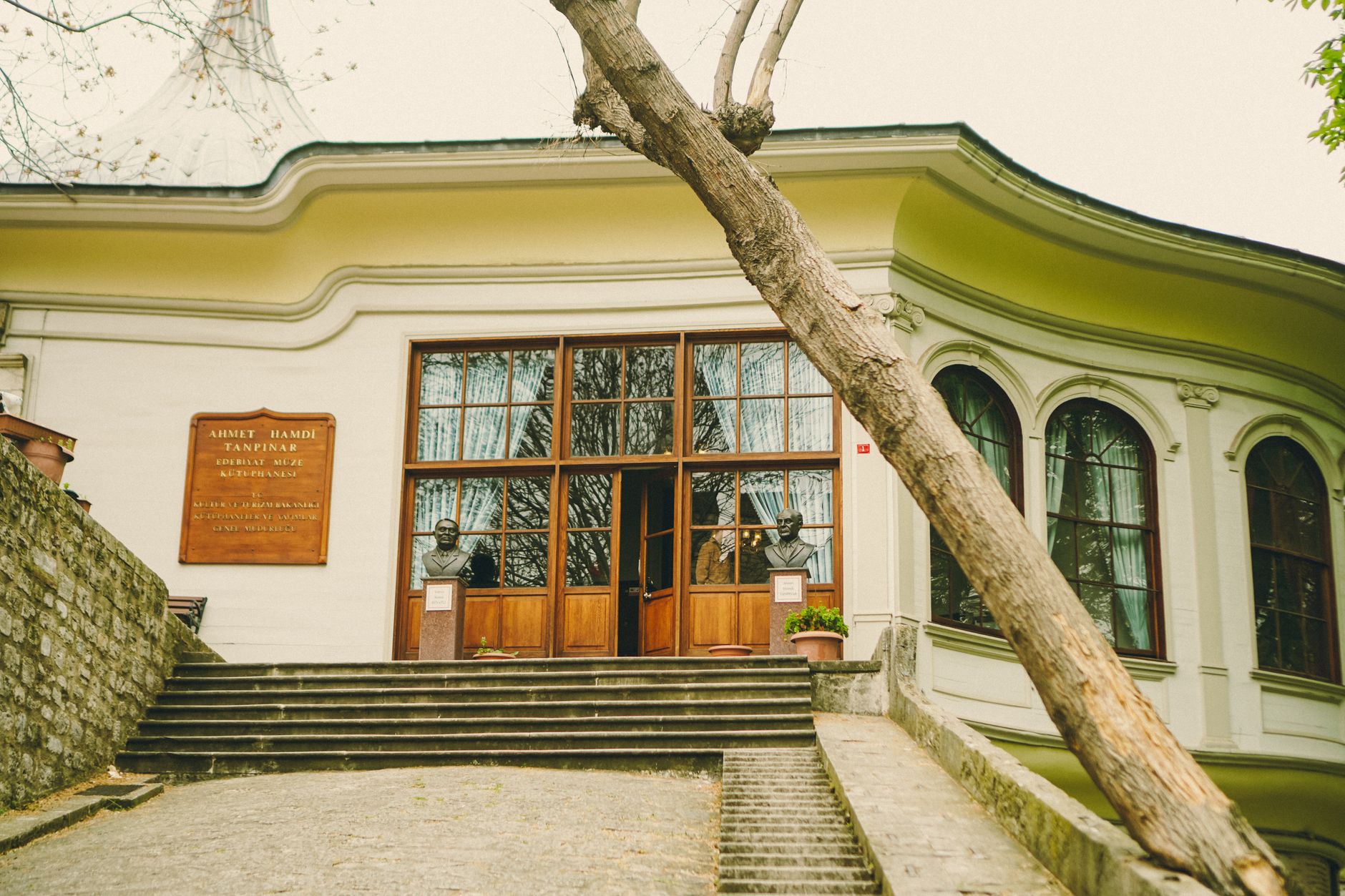
Coffeehouses and Reading Breaks: Where to Pause and Ponder
No bookish trail is complete without cozy spots to read and reflect. Türkiye's coffeehouse culture is legendary, and many historic cafés are located near these libraries.
Istanbul: Kronotrop in Cihangir is a favorite among intellectuals, with excellent coffee and a lending library. Mandabatmaz in Beyoğlu serves some of the thickest Turkish coffee in the city, perfect for a quick pick-me-up. Nar Lokantası near the Süleymaniye Mosque offers a quiet courtyard.
Konya: Konya Kahve Evi near the Mevlana Museum serves traditional Turkish coffee and hosts poetry readings. Gül Bahçesi is a garden café ideal for reading.
Bursa: Setbaşı Kahvesi is a historic café where you can enjoy a book alongside your tea. Kafe Pi is a modern alternative with comfortable seating.
Edirne: Edirne Kahvecisi near the Selimiye Mosque offers a peaceful atmosphere and views of the mosque.
Preservation Efforts and the Future of Ottoman Manuscripts
Türkiye has made significant strides in preserving its manuscript heritage. The Ministry of Culture and Tourism oversees digitization projects, making many manuscripts available online through the Yazmalar portal. Institutions like the Süleymaniye Manuscript Library are at the forefront of conservation, using climate-controlled storage and restoration techniques.
Visitors can contribute to these efforts by respecting the collections and supporting the libraries through donations or by purchasing reproductions. Many museums have gift shops selling facsimiles and art books.
As you travel this trail, you're not just sightseeing; you're participating in a centuries-old tradition of valuing the written word. The Ottomans believed that a book was a treasure, and by visiting these libraries, you honor that legacy.
“A book is a garden, an orchard, a storehouse, a party, a company by the way, a counselor, a multitude of counselors.” — This Ottoman proverb captures the essence of why these libraries matter.
So pack your reading glasses, a notebook, and a sense of wonder. Türkiye's Ottoman-era libraries await, ready to transport you to a time when knowledge was the ultimate luxury.
Thinking about a trip to Turkey?
Share your contact details and a vetted local expert will follow up with a plan built around you — free, no obligation.