
The Sensual Pleasure of a Turkish Breakfast in the Vineyard
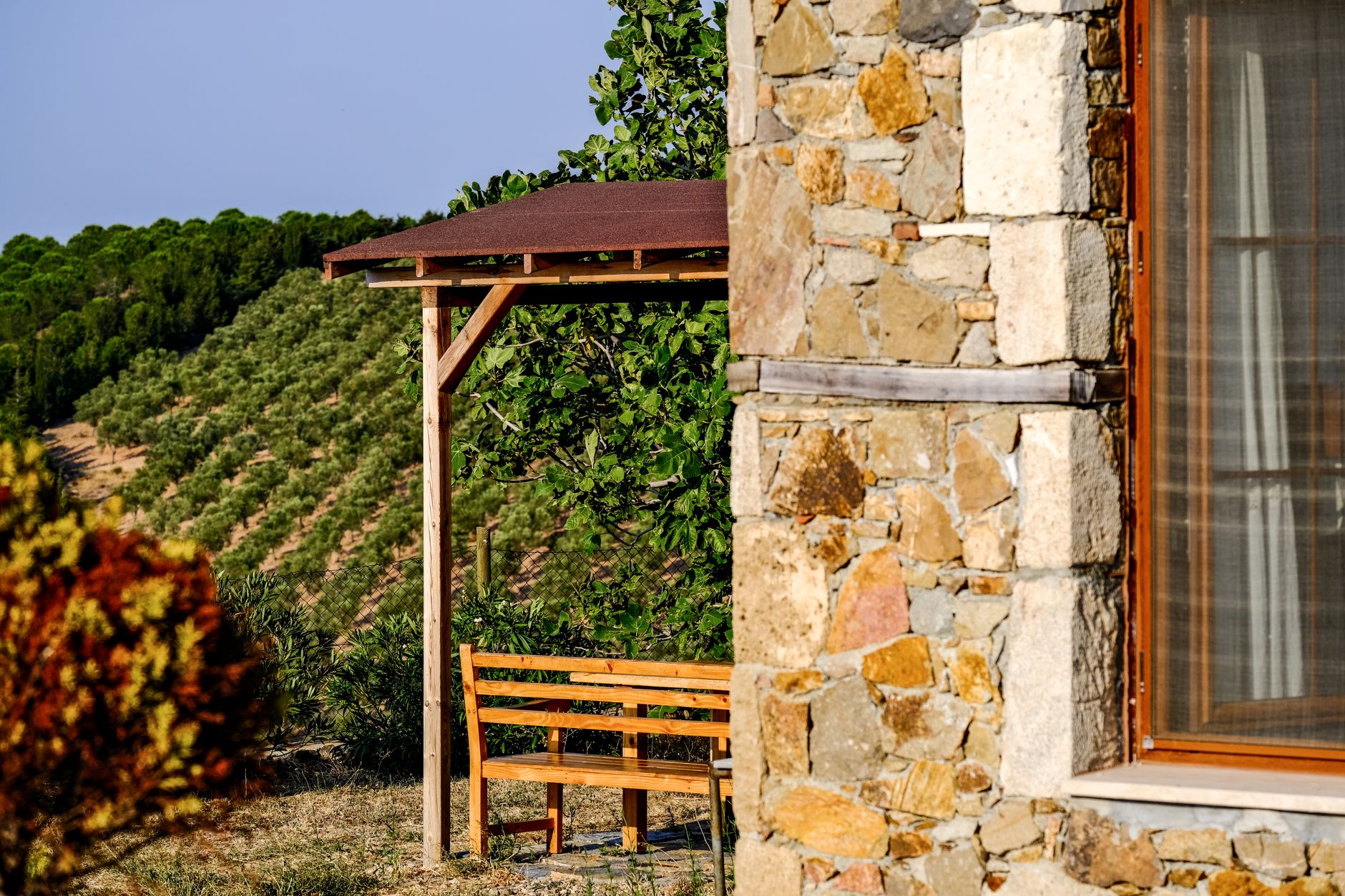
Imagine the first light of day filtering through grape leaves, casting dappled shadows on a long wooden table. The air is cool and carries the faint sweetness of ripening fruit. Around you, the vineyard stretches in neat rows, its leaves rustling softly in the morning breeze. This is the setting for one of Türkiye's most cherished rituals: a leisurely village breakfast, or kahvaltı, enjoyed outdoors among the vines or olive groves. It is not merely a meal; it is an experience that engages all the senses and celebrates the abundance of the land.
As you settle onto a cushioned bench or a simple wooden stool, the table is already laden with small plates—mezeler—each offering a different taste and texture. There are bowls of creamy white cheese, glistening with olive oil; plates of ruby-red tomatoes and crisp cucumbers; bunches of fresh herbs like parsley and mint; and a stack of warm, sesame-crusted bread. The aroma of brewing tea mingles with the scent of wild thyme and earth. The first sip of çay, served in a tulip-shaped glass, is hot and strong, cutting through the richness of the food.
This is a breakfast that unfolds slowly, over hours, as conversation flows and the sun climbs higher. It is a celebration of village cooking—generous, seasonal, and deeply connected to the surrounding landscape. Whether you are in the Aegean hills, the olive groves of the south, or the vineyards of Thrace, a vineyard breakfast is an invitation to savor the simple pleasures of life.
Regions Where Vineyard Breakfasts Flourish
Türkiye's vineyard breakfast tradition is most common in regions where agriculture and tourism intertwine. The Aegean coast, particularly around İzmir, is a hotspot. In the villages of Urla, Seferihisar, and Çeşme, local producers open their vineyards and olive groves to visitors, offering breakfasts that showcase their own produce: homemade jams, cheeses, and olives. The nearby island of Bozcaada, accessible by ferry, is famous for its vineyards and hosts several vineyard breakfast experiences during the grape season.
In the Marmara region, the area around Tekirdağ and Şarköy is known for its vineyards and wineries. Some estates here offer breakfast spreads paired with their wines, though the focus remains on the food. The Thracian vineyards, with their rolling hills and sunflower fields, provide a picturesque backdrop for a morning meal. Further south, the olive groves of the Aegean and Mediterranean coasts—around Ayvalık, Assos, and Kaş—also host similar breakfasts, often combining olive oil tasting with the meal.
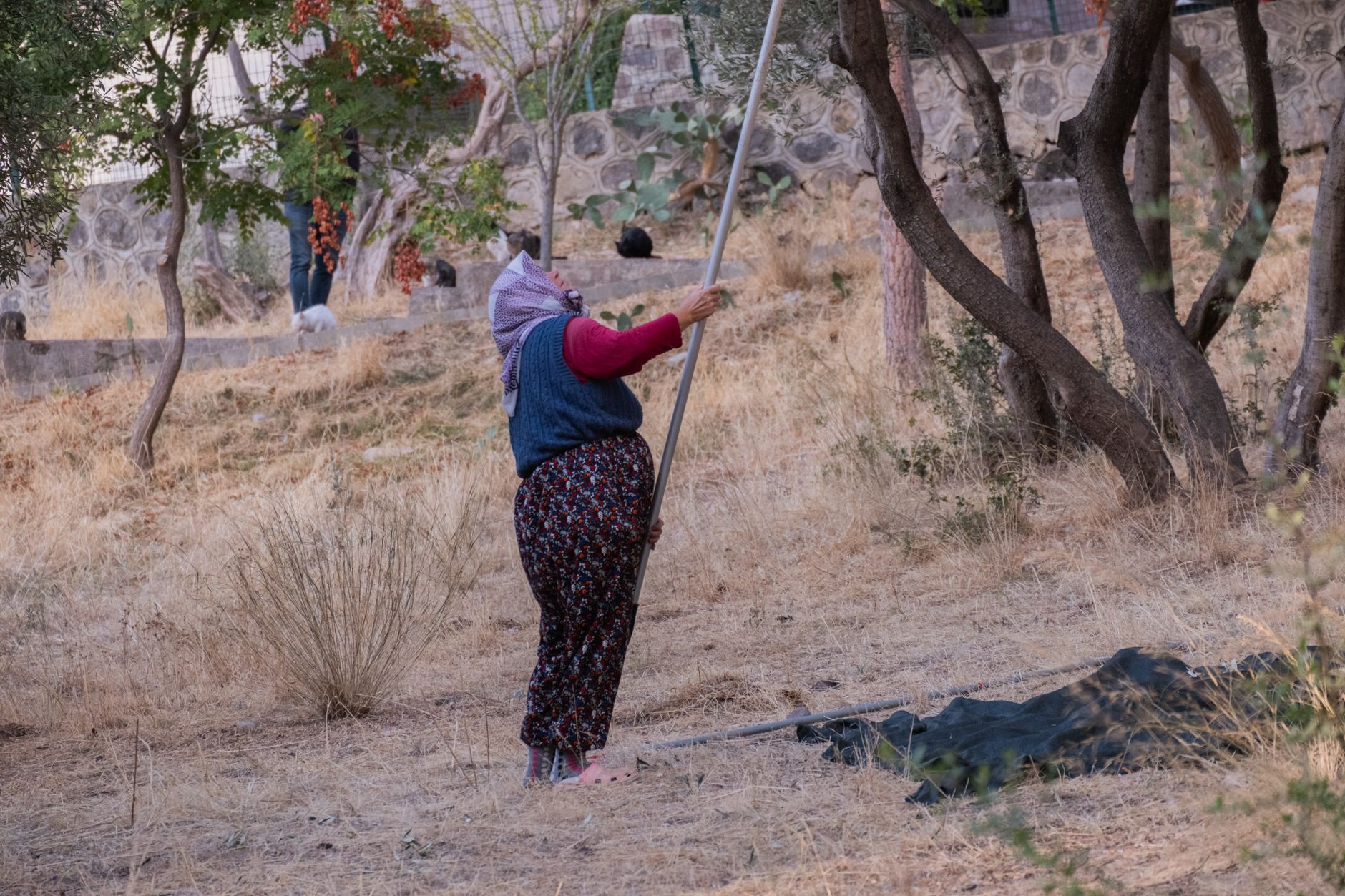
Central Anatolia's Cappadocia region, while not a vineyard area per se, has many village breakfasts served in garden settings that evoke the same spirit. However, for the authentic vineyard experience, the Aegean and Marmara regions are your best bets. The timing of your visit matters: vineyard breakfasts are most common from late spring to early autumn, when the vines are leafy and the produce is at its peak. During harvest season (August to October), you might even be invited to participate in grape picking before sitting down to eat.
The Spread: What to Expect on the Table
A traditional Turkish breakfast is a feast for the eyes as well as the palate. The table will be covered with an array of small dishes, often numbering a dozen or more. Expect a variety of cheeses, from beyaz peynir (white cheese similar to feta) to kaşar (a yellow, aged cheese). There will be olives—green and black—marinated in olive oil and herbs. Fresh vegetables are essential: tomatoes, cucumbers, green peppers, and radishes, all simply prepared to highlight their natural flavors.
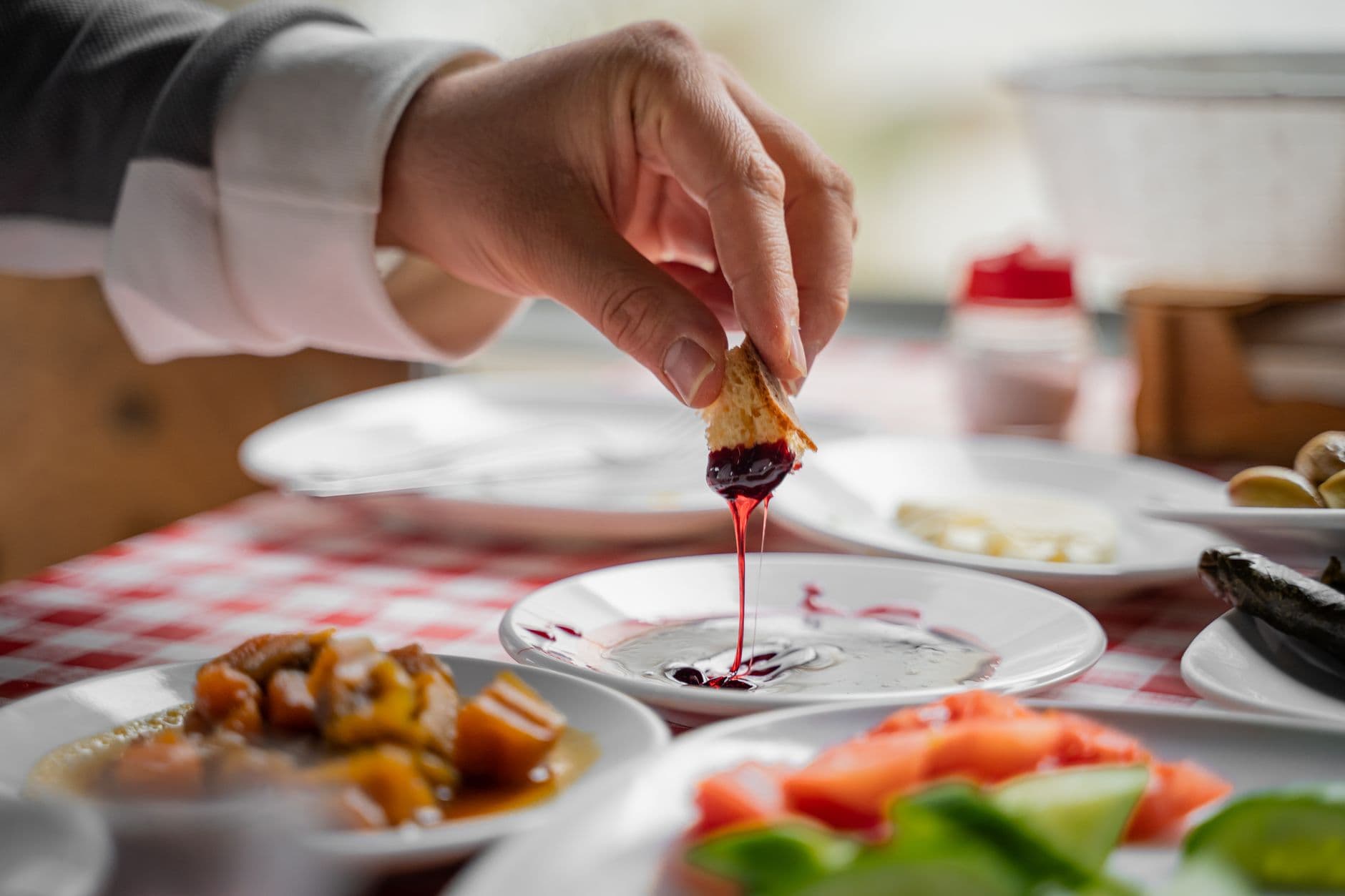
Eggs are a staple, often served as menemen (scrambled with tomatoes and peppers) or simply boiled. Sucuk (spicy sausage) and pastırma (cured beef) add a savory note. Bread is plentiful, usually a village loaf with a crunchy crust and soft interior, perfect for scooping up cheese and jam. And then there are the sweets: homemade jams made from sour cherries, figs, or rose petals; honeycomb dripping with honey; and perhaps a plate of fresh fruit.
No Turkish breakfast is complete without tea. It is served continuously in small glasses, strong and dark, with sugar cubes on the side. Some establishments also offer Turkish coffee after the meal. In vineyard settings, you might find local specialties: grape syrup (pekmez) or vine leaf wraps (sarma) made from the vineyard's own leaves. The emphasis is on homemade, seasonal, and local—many ingredients come from the garden just steps away.
Booking Your Vineyard Breakfast: Practical Tips
While some vineyard breakfasts are informal affairs in village homes, many are organized by farms, wineries, or boutique hotels and require booking in advance. A good place to start is by asking your accommodation—especially if you are staying in a rural guesthouse or boutique hotel in the region. They often have partnerships with local producers. Alternatively, you can search online for "vineyard breakfast" or "bağ kahvaltısı" in the area you plan to visit. Websites like Airbnb Experiences and local tour operators sometimes list such activities.
When booking, confirm what is included and whether transportation is provided. Some farms are remote and not easily accessible by public transport, so you may need to arrange a taxi or join a tour. Prices vary widely, from modest village meals to more elaborate spreads with wine tasting, but typically range from 100 to 300 Turkish lira per person. It's also wise to ask about dietary restrictions—vegetarian options are plentiful, but vegans may need to request modifications.
For a more structured experience, consider visiting during a local festival or harvest event. The Bozcaada Grape Harvest Festival in August, for example, often includes vineyard breakfasts as part of the program. If you're interested in combining breakfast with wine tasting, look for wineries that offer both. And don't be afraid to ask questions—Turks are generally warm and hospitable, and they take pride in their culinary traditions.

Transport and Timing: Getting There and When to Go
Most vineyard breakfast destinations are in rural areas, so having a car gives you the most flexibility. If you're relying on public transport, buses run to major towns, but you'll need a taxi or a pre-arranged transfer to reach the vineyards. In the Aegean region, dolmuş (shared minibuses) serve many villages, but schedules can be infrequent, especially on weekends. Renting a car from İzmir or Bodrum airports is a convenient option and allows you to explore at your own pace.
Timing is crucial for the best experience. Arrive early—around 9 or 10 am—to enjoy the cool morning air and the soft light. Breakfast typically lasts two to three hours, so plan your day accordingly. The ideal months are May, June, September, and October, when the weather is pleasant and the vineyards are either in bloom or heavy with fruit. July and August can be very hot, especially in the Aegean, so if you visit then, opt for a shaded spot and start as early as possible.
Keep in mind that many vineyard breakfasts are seasonal and may only be available during harvest or on weekends. Always call ahead to confirm. Also, consider the grape harvest season from August to October, when you might witness the bustling activity of picking and pressing—a fascinating cultural experience that adds depth to your breakfast.
Etiquette and Enjoying the Experience
Turkish breakfast is a communal affair, and it's customary to share dishes and engage in lively conversation. Don't be shy about trying everything—it's considered polite to taste a bit of each offering. When tea is poured, it's a sign of hospitality; accept it with a smile. If you're invited to a local home, bringing a small gift like sweets or fruit is appreciated. Dress comfortably and casually; vineyard settings are informal.
Remember that this is a slow meal. There's no rush; in fact, lingering is part of the pleasure. Take time to savor the flavors, admire the view, and chat with your hosts. Many vineyard owners are happy to share stories about their land and production methods. After breakfast, you might be offered a walk through the vines or a tour of the winery—a perfect way to digest.
Finally, be mindful of the environment. Vineyards are agricultural spaces, so avoid littering and respect the plants. If you're visiting during harvest, ask before picking grapes. And if you enjoy the experience, consider buying some of the products—olive oil, jam, or wine—to take home as a delicious souvenir.
For more inspiration on Turkish culinary traditions and practical travel advice, explore our guides and destinations pages. If you're planning a trip that includes a vineyard breakfast, our trip planner can help you organize the details. And don't forget to check the best time to visit for seasonal tips.
Thinking about a trip to Turkey?
Share your contact details and a vetted local expert will follow up with a plan built around you — free, no obligation.