
Why the Turkish Kahvehane Is the Friendliest Room in Town
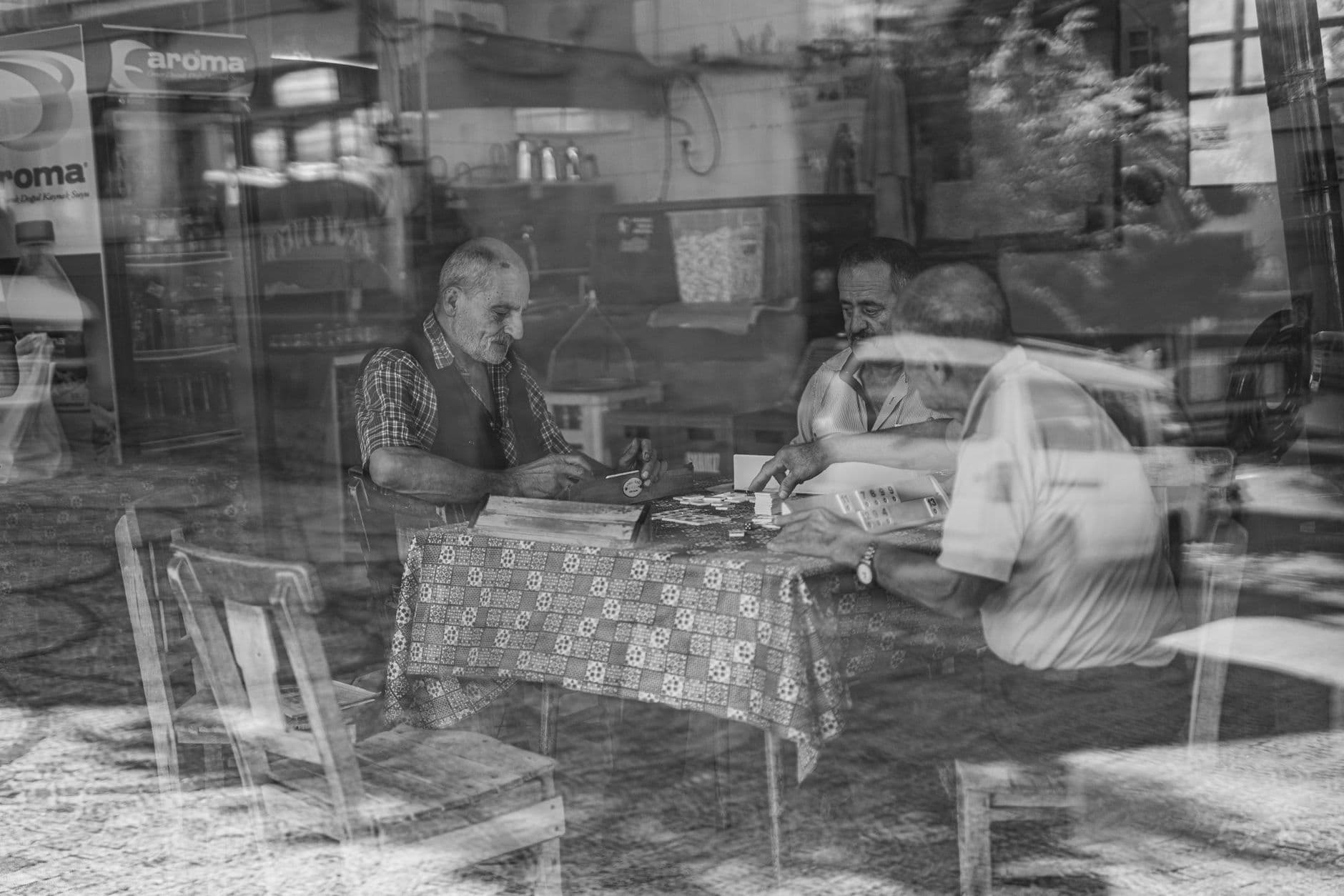
Step into a Turkish kahvehane and you are stepping into the living room of the neighbourhood. These modest coffeehouses — usually a handful of small tables spilling onto a pavement, a few plastic chairs, a stove or a tea urn humming in the corner — are where men (and increasingly women and mixed groups in the bigger cities) gather to pass the time, catch up on local news and, above all, play games. The clatter you hear before you even see the door is the unmistakable soundtrack of Türkiye: the rattle of dice on a wooden backgammon board, the crisp click of okey tiles being shuffled, the tinkle of tiny spoons against tea glasses.
What makes the kahvehane such a delight for travellers is not the décor — there usually isn't any — but the sociability. Turks are famously generous hosts, and a coffeehouse is where that generosity is at its most casual and unforced. Nobody will perform a ceremony for you. Instead, someone will simply pull out a chair, shout an order for tea, and within minutes you'll be watching a game, being asked where you're from, and quite possibly being invited to roll the dice yourself.
The kahvehane occupies a special place in Turkish social life that goes back centuries, to the Ottoman coffeehouses of Istanbul where poets, merchants and gossips gathered. Today the tradition survives in a hundred small variations — the village kahvehane, the student çay bahçesi (tea garden), the kıraathane where people read newspapers and play cards. All of them share the same spirit: a place to sit, sip, talk and play, with no expectation that you'll leave quickly. For a traveller, spending an hour in one of these rooms is often more memorable than any monument. If you're building an itinerary around slow, local experiences, our guides and routes pair beautifully with an afternoon of tea-house hopping.
Breaking the Ice: How to Be Invited In (and Accept Gracefully)
You do not need an introduction to enter a tea house. That said, there is a small etiquette to doing it well. Walk in, make eye contact, and say "Merhaba" or "Selamlar" with a smile. If the place is busy, wait to be waved to a free seat rather than choosing one yourself. Once seated, order a çay (tea) — it's the universal entry ticket, usually a fraction of the price of a coffee anywhere in Europe — and settle in. Nobody will rush you, and nobody will ask you to leave.
The invitation to play almost always comes naturally. A player will catch you watching, grin, and gesture at the board with a raised eyebrow — the international sign for "your turn." The graceful response is a small nod and a smile, plus a phrase like "Memnun olurum" ("I'd be glad to"). If you're genuinely unsure of the rules, say so cheerfully: "Bilmiyorum, öğretir misiniz?" — "I don't know, will you teach me?" Few sentences will endear you more quickly. Turks love explaining their games, and you'll usually find three people offering advice at once, even if only one of them is actually right.
Some practical pointers go a long way. Always accept the tea that arrives unrequested — refusing outright can feel like rejecting the hospitality itself, so just take the glass and sip. When it's your turn to pay, expect a friendly scuffle; Turks take genuine pride in paying for a guest, and it's fine to let them, then offer next time. A small thank-you — "Çok teşekkür ederim" — and a compliment on the tea or the game will seal the encounter. If you'd like to read more about the warm side of Turkish culture before you go, our blog and about page are good places to start.
"Bir çay içelim mi?" — "Shall we have a tea?" In Türkiye this is rarely about tea. It's an invitation to sit down, stay a while, and become part of the table.
Tavla: The Ancient Game That Opens Every Door
Tavla — Turkish backgammon — is the king of the kahvehane. The boards are everywhere: painted onto tabletops, folded into briefcases, carved inlaid wood in cafés that fancy themselves a little more upmarket. The rules are essentially those of international backgammon, played on a board with 24 points, 15 checkers per player and two dice. Each player moves from their starting quadrant around the board and bears off their checkers first to win. If you already know backgammon, you can sit down almost anywhere and play immediately; the Turkish game differs only in minor dialect details such as starting moves.
What distinguishes tavla in Türkiye is the ritual around it. Games are played with rapid-fire speed, punctuated by the slap of checkers, the rattle of the dice cup and cheerful groans at a bad roll. Players tend to play a series — often to five games — and the loser makes the tea or the next round. Tavla is also a natural conversation machine: the board pauses every few minutes so someone can tell you where they are from, who their son married, why the local football team is doomed this season. You will learn more about Turkish life over a tavla board than from a dozen museums.
If you're a beginner, don't apologise for it. Ask your opponent to explain the setup — "Nasıl oynanır?" ("How is it played?") — and let them coach you. Expect to be told which move to make by everyone within earshot, and enjoy it. One lovely thing to know is that tavla has deep roots in the region; carved boards are found among Ottoman antiquities, and the game's ancestors are ancient. For travellers heading to the southeast and beyond, pairing a visit to historic sites with a tea-house afternoon gives you both the great monuments and the small human moments — our destinations section can help you choose where to base yourself.
Okey: The Click-Clack Game That Turns Strangers Into Teammates
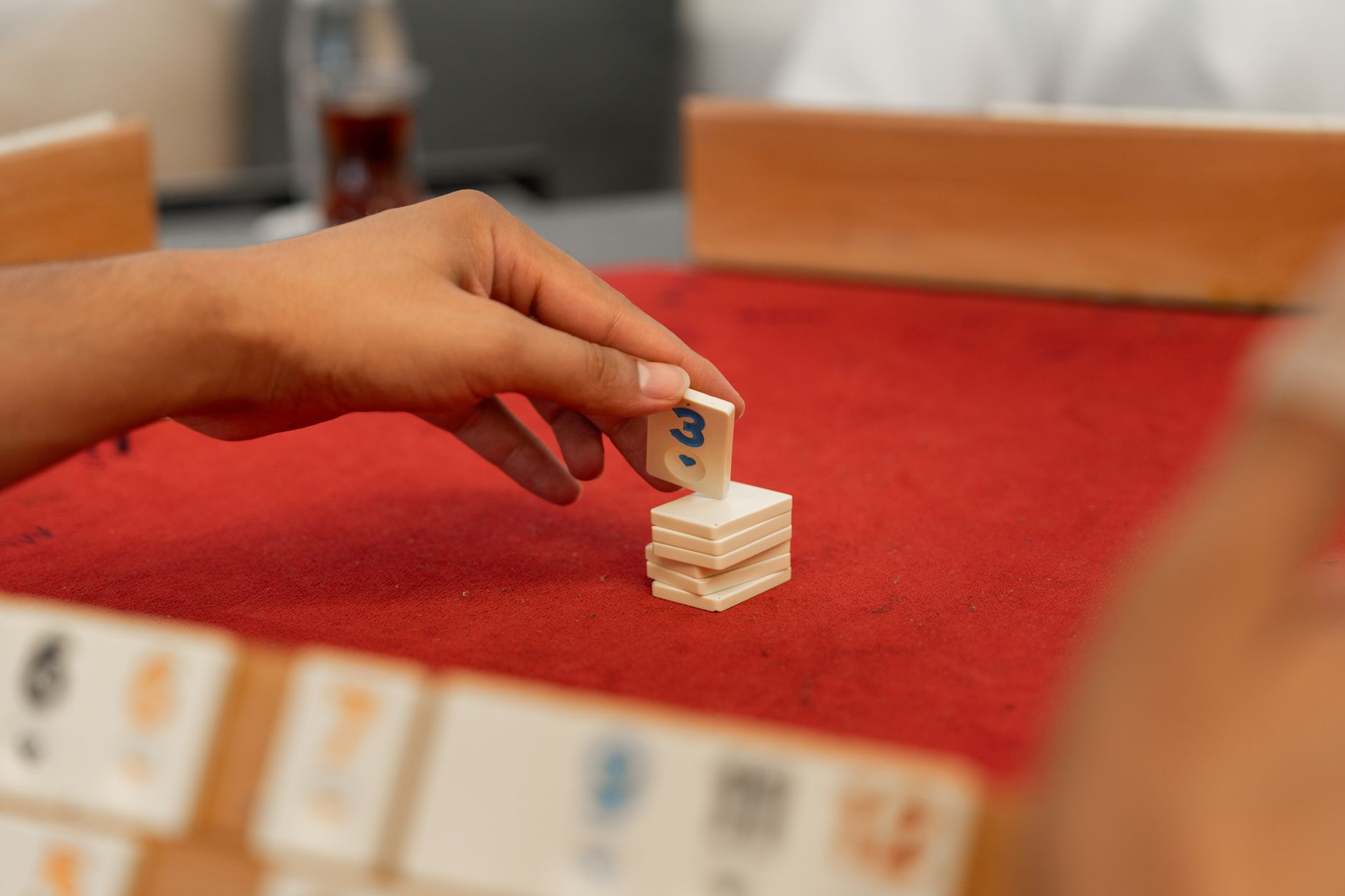
If tavla is the elder statesman of the kahvehane, okey is the noisy, social life of the party. Okey is played with 106 small rectangular tiles — numbered in four colours, plus jokers — on a wooden rack called an ıstaka. Each player draws a hand and tries to form matching sets and runs, then discards a tile each turn. The aim is to complete your hand and be the first to lay it down. It looks a little like rummy, and the basic rules are learnable in ten minutes; the tactics take longer, which is exactly why a game can last a whole afternoon.
The real pleasure of okey is its rhythm. The tiles are shuffled with a wonderful clatter, dealt with a flourish, and the game proceeds to a continuous soundtrack of clicks and snaps. Okey is traditionally played by four people in pairs, so if you're invited you may be handed a partner you've never met and expected to chat away in whatever Turkish you can muster. It is also the game you're most likely to find mixed groups playing, especially in tea gardens and modern cafés in cities like Istanbul, Izmir and Antalya. If you've seen Turks on a summer evening gathered around a table with a plate of sunflower seeds and a stack of tiles, that's okey.
Beginners should ask their partner to show them the basic goal — "Amaç ne?" ("What's the aim?") — and then simply follow along. Mistakes are met with laughter, not scorn. A useful phrase when you're unsure is "Biraz yardım eder misiniz?" — "Could you help me a little?" You'll find that okey is less a competition than a way of holding a conversation for two hours. When you're ready to plan a trip that leaves room for exactly this kind of slow afternoon, our planner makes it easy to build breathing space into your days.
Beyond the Board: Tea Gardens, Coffee, Nargile and Other Pleasures
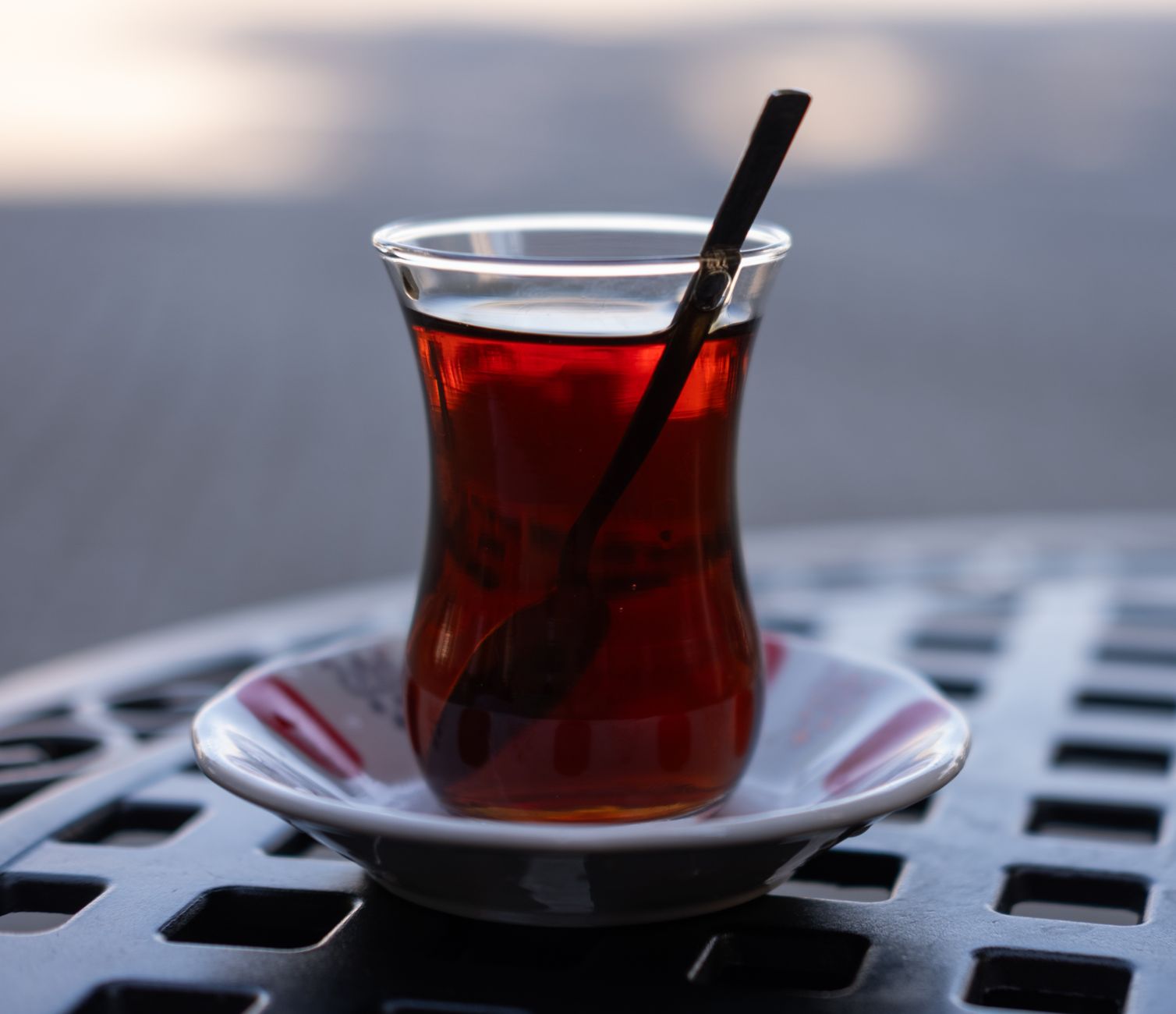
A çay bahçesi — tea garden — is the kahvehane's leafy cousin, often shaded by plane trees or set beside a view, and it's where families, students, couples and retirees all mix. Here the pace is even gentler. Tea arrives in tall tulip-shaped glasses on little saucers, sometimes with sugar cubes on the side. Ordering is simple: just say "Çay" and glasses will keep arriving, refilled until you signal you've had enough by resting your spoon across the top of the glass. In many tea houses the tea is brewed double-strength and diluted with hot water at the table, which is why it always tastes so good.
The kahvehane has an older sibling, too: Turkish coffee. A kahve is brewed in a copper cezve, served with a glass of water and often a piece of lokum, and the grounds left in the cup are famously read for fortunes. If you're offered a cup and someone peers into the grounds, smile and let them invent a future for you — it's a lovely, harmless tradition. Some coffeehouses in larger cities also serve nargile (water pipe) alongside games and tea, though these tend to be more commercial and tourist-facing.
Bear in mind that tea houses take many forms. The traditional local kahvehane is still mostly male, so read the room; if you're a woman travelling alone and feel unsure, look for a çay bahçesi or a café, which are thoroughly mixed. Everywhere, the currency of welcome is the same: sit, smile, order tea, and be curious. Do check local price norms — tea is inexpensive almost everywhere outside the most touristed squares — and carry small change. For timing your visit so you can enjoy long outdoor tea afternoons rather than rainy indoor ones, our best-time guide is a handy companion.
Where to Find Welcoming Tea Houses Across Türkiye
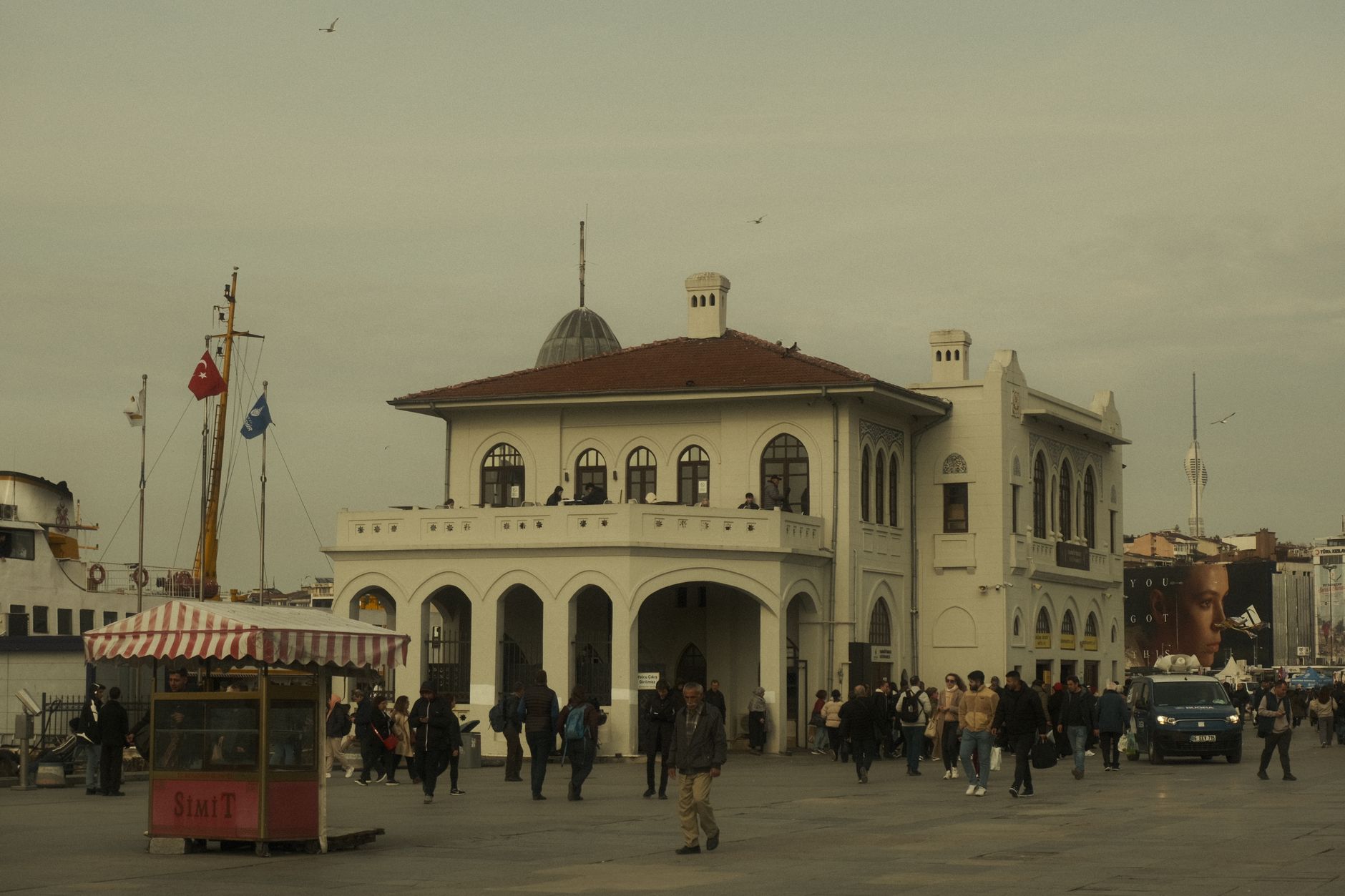
In Istanbul, head away from the main tourist drags to the neighbourhood tea houses of Kadıköy and Balat, where locals play okey into the evening, or to the tea gardens along the Bosphorus where you can combine a glass of çay with a ferry-watching afternoon. In Ankara, the older quarters around the citadel have honest corner kahvehanes, and students bring a lively okey scene to the cafés near the universities. Izmir's seafront tea gardens are relaxed and mixed, with tavla boards on almost every table.
Smaller towns are often even better. In Antalya's old town, in Trabzon's tea houses near the bazaar, in the southeastern cities around Gaziantep and Mardin, and in the Aegean hill towns, the games are played in exactly the same spirit, with less of a tourist gloss and more curiosity about you. Village kahvehanes are the most generous of all: sit down, and you may be offered tea, then sunflower seeds, then possibly lunch, and quite possibly a game of okey with the local champion.
The best strategy is simply to follow the sound of dice and clicking tiles. Look for a cluster of small tables on a side street, a tea urn steaming in the doorway and a group of people laughing over a board. If you're planning a longer loop through the country, our itineraries and travel tools help you find such places without over-scheduling your days. And remember: the point of a Turkish tea house is not to win. It's to sit long enough that, just for an afternoon, you stop being a visitor.
Play Well, Be Generous, and Say Yes to the Second Glass
If you take one thing from Türkiye's coffeehouse culture, let it be this: sociability here is easy, warm and uncomplicated. You don't need to speak fluent Turkish, know every rule or be a brilliant backgammon player. You need to sit down, accept a glass of tea, laugh at your own dice rolls and let people teach you. In return you'll get hours of company, a dozen half-understood stories and likely an invitation to return tomorrow.
A few final courtesies will keep everything friendly. Compliment the tea house and the game rather than criticising anything. Don't refuse food or tea outright — take a little. If you lose, shake hands and say "Tebrikler" ("Congratulations"); if you win, don't gloat. Ask permission before photographing people, and put the phone away during a game — the board is the point. Within a day or two you'll have favourite tables and familiar faces, which is the truest souvenir a traveller can carry home.
For more context on Turkish customs and everyday life, browse our local experts and our FAQ, where we answer the practical questions travellers ask most often. Then find a tea house, order a çay, and see who invites you to play.
Thinking about a trip to Turkey?
Share your contact details and a vetted local expert will follow up with a plan built around you — free, no obligation.