

Introduction: The Peştemal and the Turkish Bath Tradition
Step into any traditional Turkish hamam and you will immediately notice the rectangular cotton cloths wrapped around bathers' waists or draped over shoulders. These are peştemal (also spelled pestemal), the original Turkish bath towel. Woven from cotton, linen, or silk, they are thin, quick-drying, and highly absorbent—perfect for the steamy environment of a hamam. But beyond their practical use, peştemal represent centuries of weaving heritage, with towns like Denizli, Buldan, and Tire standing as proud craft centers.
In this guide, we explore the history, production, and cultural significance of peştemal and other hamam textiles. We'll take you to the weaving towns where looms still clack, show you how to choose a quality piece, and explain why these textiles make meaningful souvenirs. Whether you're a textile enthusiast or simply looking for an authentic Turkish experience, this heritage trail will deepen your appreciation for a craft that has clothed bodies and adorned rituals for generations.
The History and Significance of Peştemal
The peştemal has its roots in the Ottoman era, where hamams were not just places for bathing but also important social hubs. Everyone from sultans to commoners visited hamams, and the peştemal became a symbol of modesty, hygiene, and status. The finest examples were woven with silk and gold threads for the elite, while everyday versions were made from durable cotton.
Over time, the peştemal evolved into a versatile textile. It served as a bath towel, a loincloth, a head wrap, and even a shawl. In rural Anatolia, women used peştemal as aprons or baby carriers. The cloth's flat weave and fringed edges made it lightweight and portable—ideal for a nomadic lifestyle. Today, the peştemal is enjoying a revival as a chic beach cover-up, scarf, or throw, appreciated for its artisanal beauty and sustainability.
Beyond the hamam, peştemal play a role in life-cycle events. In some regions, a bride might receive a peştemal as part of her trousseau, and a mother would wrap her newborn in one. These customs highlight how deeply woven the textile is into Turkish culture.
Weaving Towns: Denizli, Buldan, and Tire
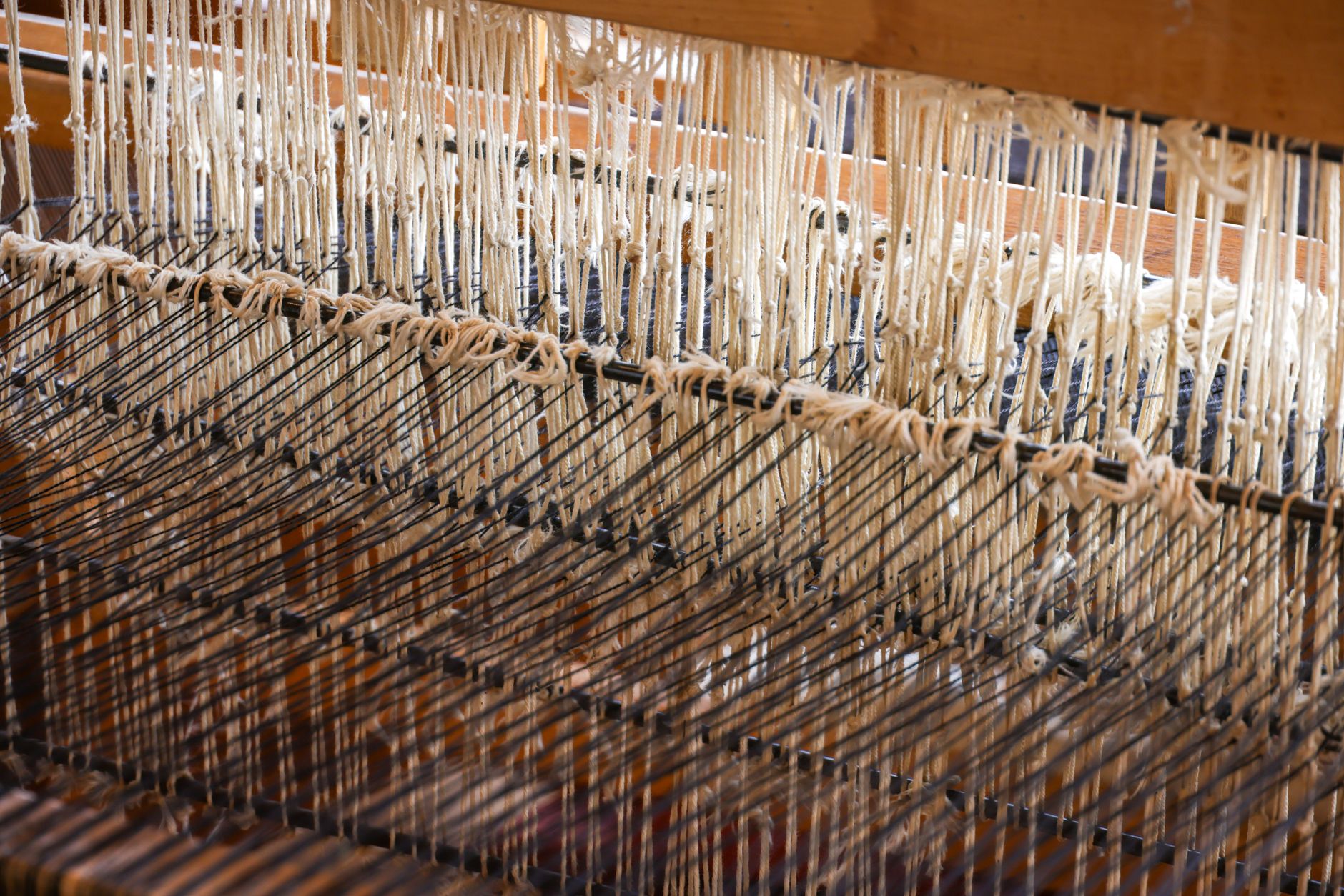
To truly understand peştemal, you must visit the towns where they are made. Denizli, in the Aegean region, is renowned for its cotton production and home to many weaving ateliers. The nearby town of Buldan is especially famous for its traditional handlooms, producing fine cotton fabrics with distinctive patterns. Buldan's weavers have passed down their skills for generations, and the town even hosts a textile festival each year.
Another gem is Tire, near Izmir, known for its vibrant market and traditional crafts. Tire's weavers specialize in colorful peştemal and other hamam textiles, often using natural dyes. In these towns, you can still hear the rhythmic beat of wooden looms, especially in family-run workshops that have resisted industrialization.
These centers are not just production sites; they are living museums. Many workshops welcome visitors to observe the weaving process, from spinning thread to finishing fringes. By visiting, you support local artisans and gain insight into a dying art—as machine-made imitations flood the market, the handmade peştemal stands as a testament to human skill and patience.
Where to See Looms and Experience Weaving
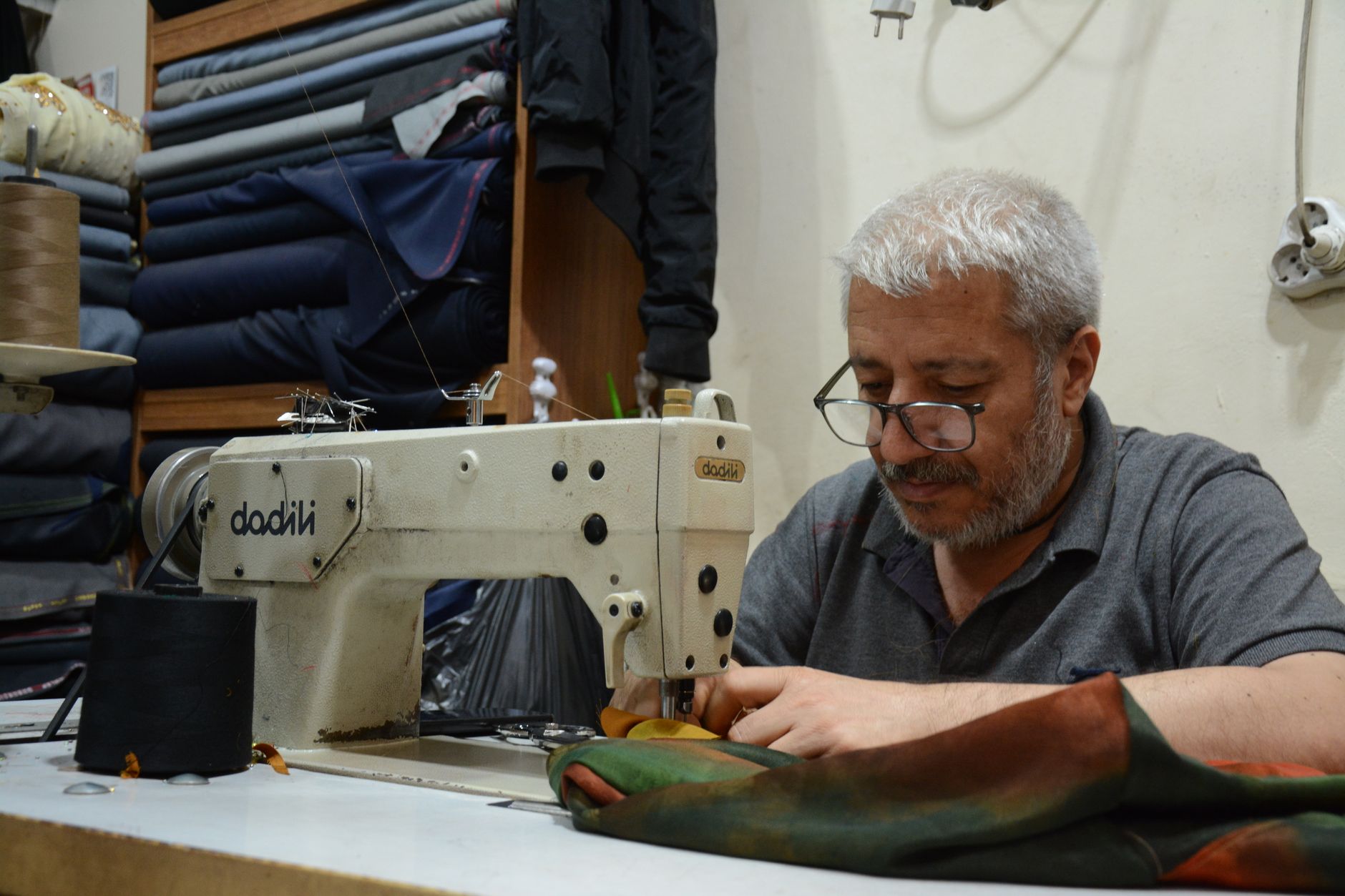
If you're eager to see peştemal being made, plan a visit to one of these weaving towns. In Buldan, you can tour the Buldan Belediyesi Dokuma Atölyesi (municipal weaving workshop) and watch artisans at work. Many small workshops along the main street also open their doors to curious travelers. In Denizli, the Pamukkale area is close, so you can combine textile tourism with the famous travertines. Look for cooperatives that offer demonstrations and workshops.
In Tire, the weekly market (held on Tuesdays) is a feast for the senses, with stalls selling peştemal, scarves, and other textiles. Some vendors will even show you how they tie the fringes by hand. For a more structured experience, consider joining a textile tour from Izmir or Istanbul, which often include visits to ateliers and meetings with master weavers.
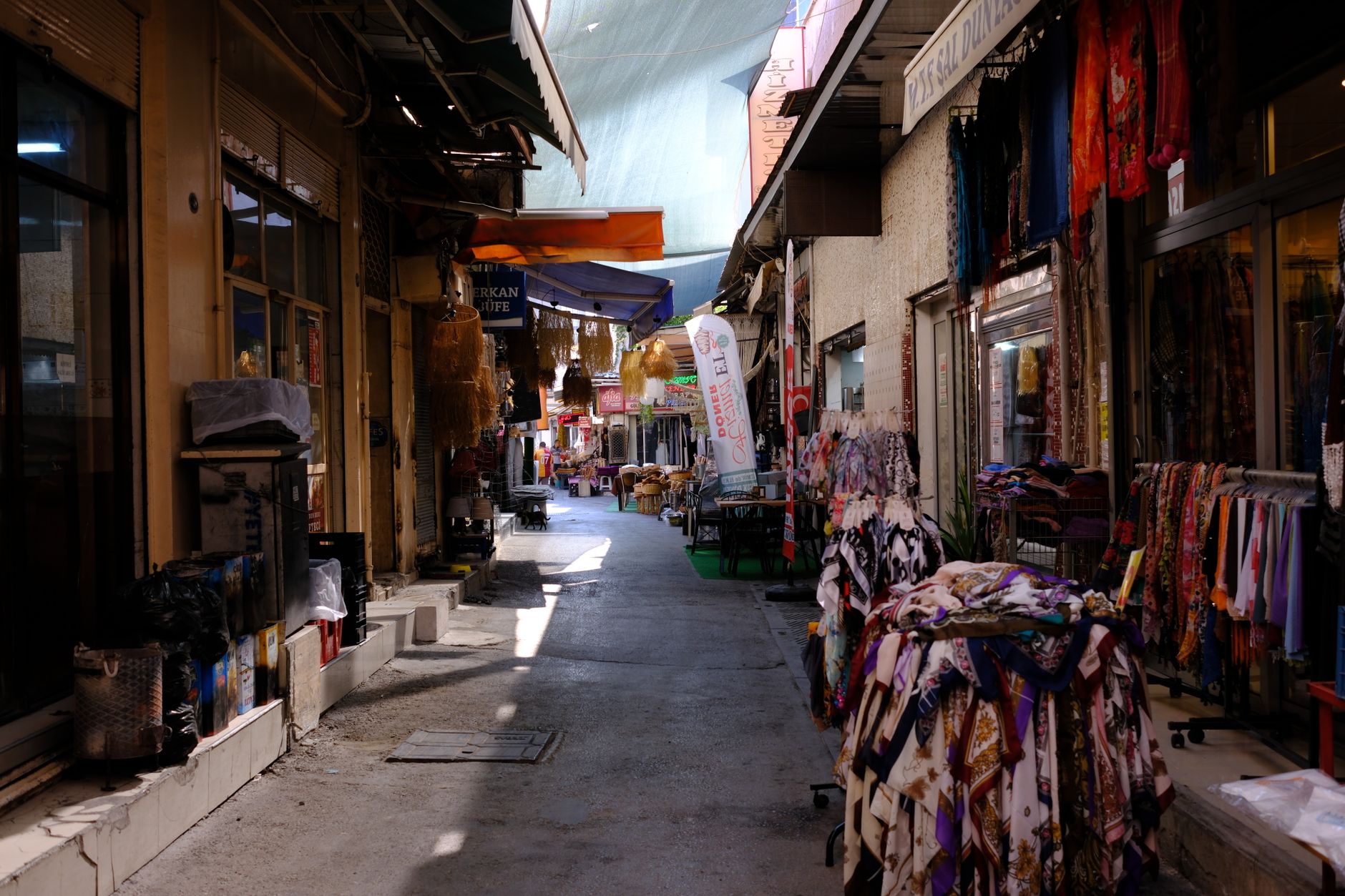
Don't forget Istanbul itself: the Grand Bazaar and the Arasta Bazaar near the Blue Mosque have shops specializing in hamam textiles, though prices are higher than in the source towns. For a deeper dive, the Museum of Turkish and Islamic Arts occasionally exhibits historical peştemal.
How to Choose a Quality Peştemal
Not all peştemal are created equal. When shopping, first feel the fabric. A good peştemal should be soft yet substantial, not flimsy. Look for 100% cotton or a cotton-linen blend; silk peştemal are luxurious but rare and expensive. Check the weave: it should be tight and even, with no loose threads or skipped stitches. Handwoven pieces often have slight irregularities, which are a sign of authenticity.
Examine the fringes. Hand-knotted fringes are a mark of quality; machine-made fringes are often glued or sewn. Also, inquire about the dye. Natural dyes (like indigo, madder root, or walnut husk) may fade gradually but are environmentally friendly and have a unique depth of color. Synthetic dyes are more colorfast but less traditional.
Size matters too: standard peştemal are about 90 cm by 170 cm, but sizes vary. For beach use, a larger size is better; for hamam, a standard size suffices. Finally, ask about care: handwoven cotton may shrink slightly, so wash in cold water and air dry.

Peştemal as Souvenirs: Practicality and Beauty
A peştemal is an ideal souvenir: it's lightweight, packable, and useful. Unlike typical tourist trinkets, it carries cultural meaning and supports traditional crafts. You can use it as a bath towel, a picnic blanket, a tablecloth, a scarf, or a wall hanging. Its versatility makes it a gift that recipients will actually use.
When buying, consider the story behind it. A peştemal from Buldan or Tire comes with a heritage; you can share that with friends. Prices range from 100 TL for simple machine-made versions to 1000 TL or more for fine handwoven pieces. Buy directly from weavers or reputable shops to ensure authenticity. Many workshops also sell online, but nothing beats selecting your own in person.
Remember that peştemal are not the only hamam textile worth bringing home. Hamam towels (often called havlu) with looped pile are also traditional, as are kiraç (exfoliating cloths) and kese (scrubbing mitts). Together, they create a complete hamam experience at home.
Conclusion: Weaving a Connection to Turkish Heritage
Türkiye's peştemal and hamam textiles are more than cloth; they are woven narratives of history, geography, and human ingenuity. By traveling to weaving towns like Denizli, Buldan, and Tire, you witness the loom's rhythm and the artisan's dedication. By choosing a quality piece, you bring home a functional work of art that supports a dying craft.
Whether you're soaking in a hamam or lounging on a beach, a peştemal connects you to centuries of Turkish tradition. So next time you visit Türkiye, make time for a textile trail. Let the softness of handwoven cotton and the beauty of natural dyes enrich your journey—and your home.
Thinking about a trip to Turkey?
Share your contact details and a vetted local expert will follow up with a plan built around you — free, no obligation.