

A Vision That Belongs to Travelers, Not Spreadsheets
Türkiye has entered one of the most optimistic chapters in its tourism story. Visitor numbers have climbed year after year, and rather than resting on that success, the country has turned it into a long-term commitment: a tourism vision that runs toward 2027 with confidence, ambition and a clear focus on quality. The goal is not simply to count more arrivals, but to make every arrival a better experience — for the family discovering Istanbul for the first time, the hiker following the Lycian Way, and the food lover who came for breakfast in Van and stayed a week.
That shift matters to you as a traveler. Rising visitor numbers create revenue, and revenue is being reinvested in the things you actually notice: airport terminals that flow, museums with modern interpretation, restored archaeological sites, expanded cycling lanes, cleaner beaches and more multilingual staff. The 2027 vision treats tourism as national infrastructure and national pride at once — a statement to the world that Türkiye intends to be counted among the great travel destinations of this century, not just the crowded ones.
For planners of Turkish holidays, the practical translation is simple: the country is upgrading right now. Some of the best improvements will be in place within your next trip window, and knowing where investment is landing lets you choose itineraries that benefit from it. This guide walks through what the vision means on the ground and how to build a trip that takes advantage of it.
Better Airports, Better Arrivals
First impressions are being engineered with unusual care. Istanbul Airport, one of the largest in the world, is maturing into a genuine hub of hospitality, while regional airports from Antalya and İzmir to Bodrum, Nevşehir and Trabzon have seen capacity expansions, refreshed terminals and improved ground connections. New and expanded routes from European, Gulf, Central Asian and North American cities mean more travelers can reach secondary destinations without routing everything through Istanbul — a quiet revolution for anyone who wants to combine, say, Gaziantep's cuisine with the Mesopotamian south.
Domestic connectivity is improving too. High-speed rail has transformed the Ankara–Eskişehir–Istanbul corridor into a comfortable alternative to flying, and further rail investment continues to shape how travelers move between the interior and the coast. For visitors, that means fewer wasted hours and more time at the table, in the bazaar or on the trail. When you plan, check rail options alongside flights — the experience is often calmer and the scenery is part of the trip.
The takeaway is to book flights earlier than you might for other destinations, especially for peak spring and autumn weeks, because improved connectivity is drawing new demand alongside it. Use the planning tools on our travel tools page to compare arrival points, and remember that a slightly less famous gateway can be the smarter choice.
Museums, Sites and the Archaeology Boom
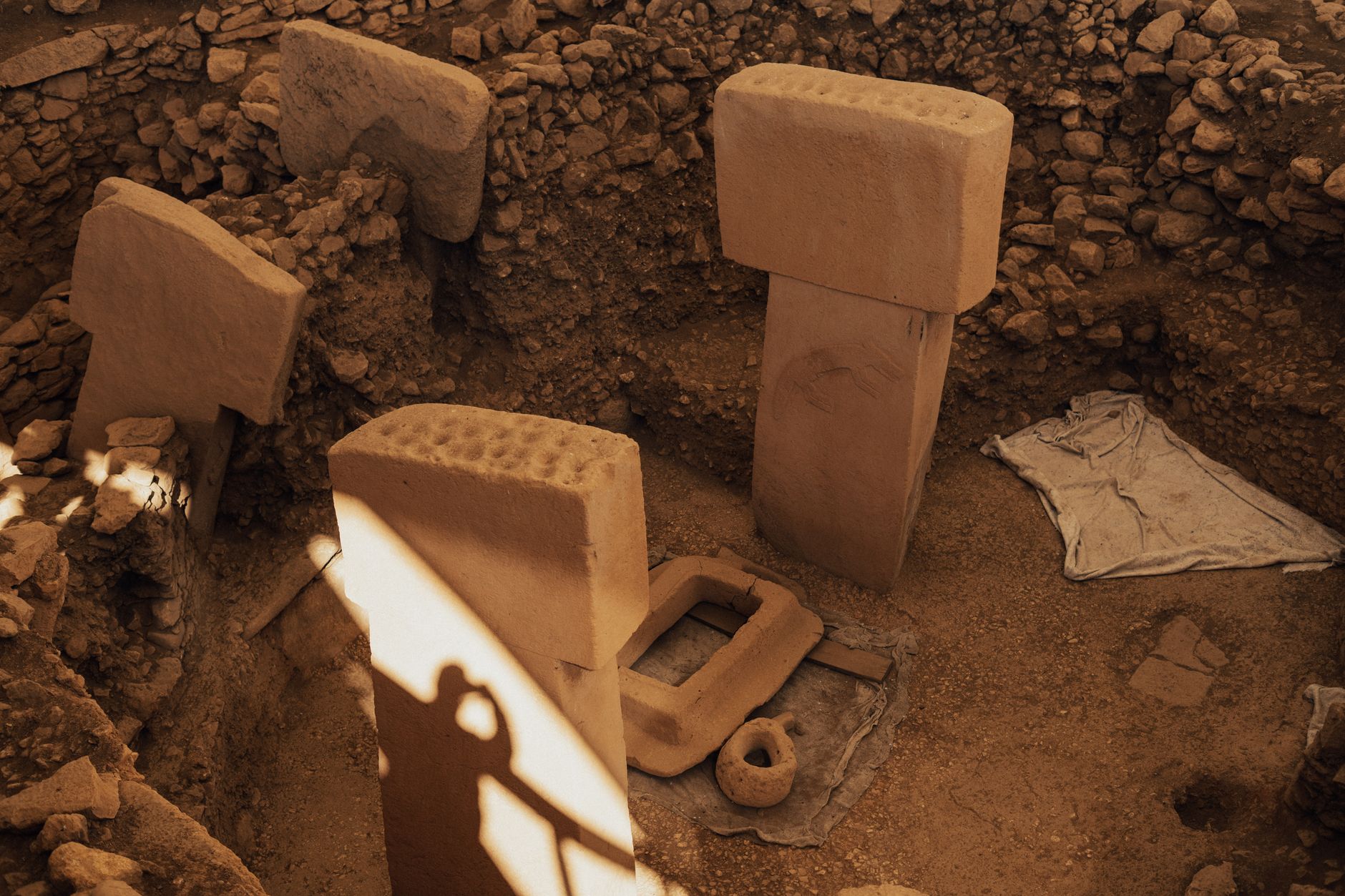
Some of the most visible fruits of Türkiye's tourism confidence are cultural. The country is in the middle of an extraordinary era of excavation, restoration and museum-building. New galleries and visitor centers have opened at major sites, from the Neolithic wonders of Şanlıurfa to the classical cities of the Aegean, and ambitious projects continue at Göbeklitepe, Ephesus, Aphrodisias, Hierapolis and beyond. The trend is toward immersive, well-signposted experiences: shaded walkways, digital interpretation, accessible paths and cafes that let you linger rather than rush.
This is where rising visitor numbers translate most directly into a better trip for you. Ticket revenue and government investment are being channeled into conservation and presentation, meaning that sites once visited with a guidebook and imagination now come with context and comfort. It also means more evening openings, more combined tickets and more curated routes for travelers who want depth over a checklist.
Practical advice: book museum tickets and guided entries in advance during high season, and check opening days carefully — restoration work sometimes closes individual structures. Our destination guides flag the sites where new visitor infrastructure has recently opened, and our best-time guide helps you match site visits to quieter months. Build in one or two "slow culture" days per week; the investment in these places rewards unhurried attention.
Coast, Trails and a Greener Kind of Growth
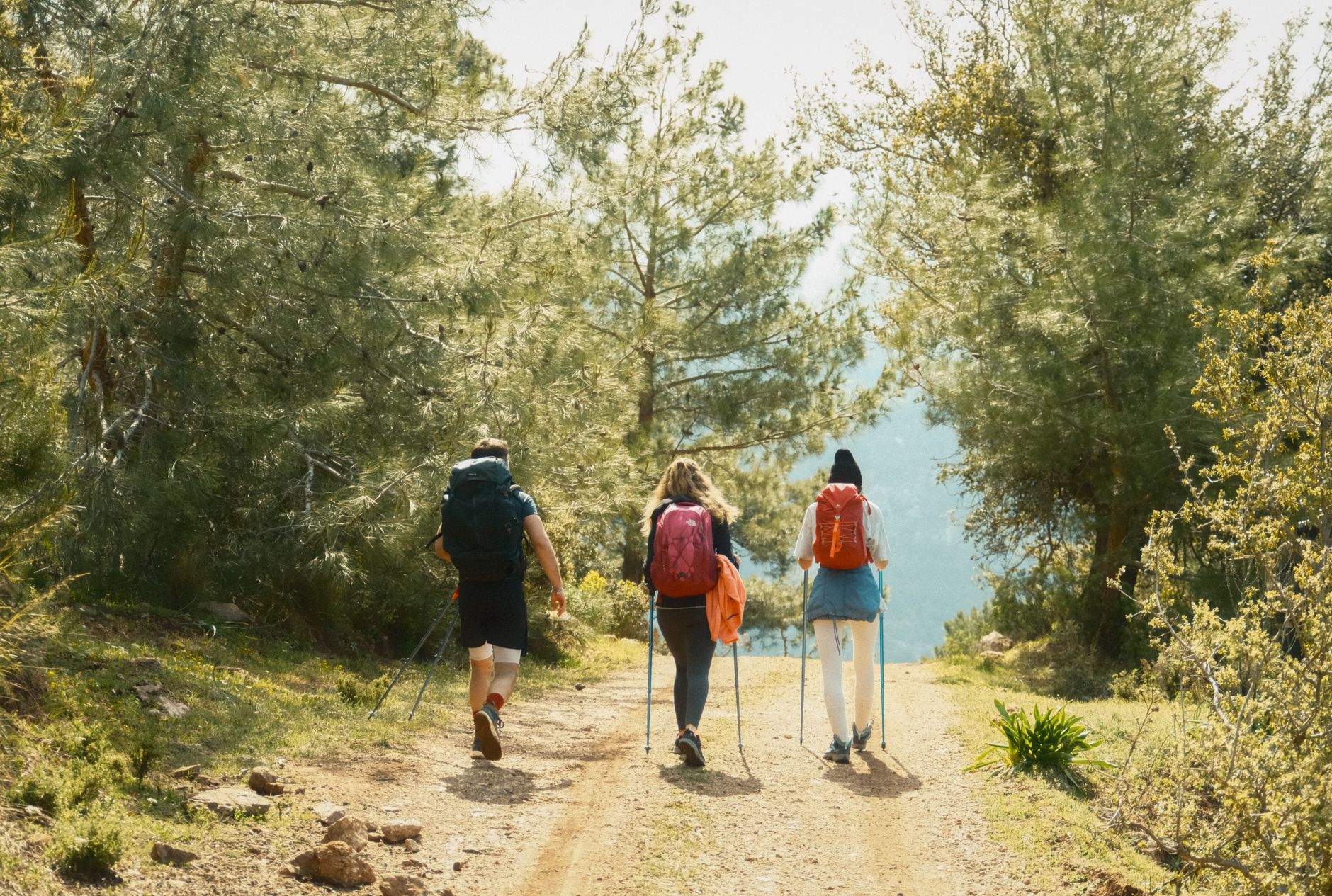
Türkiye's coastal tourism is maturing from sun-and-sand volume toward quality and sustainability. The Blue Flag program for beaches is well established, marinas are being upgraded, and the Turkish Riviera — from Çeşme and Bodrum to Fethiye, Kaş and Antalya — is investing in promenades, cycling paths and waterfront landscaping. Along the Lycian Way and the Carian Trail, signage, waymarking and village guesthouses have improved thanks to sustained public and private support, making long-distance walking more accessible than ever.
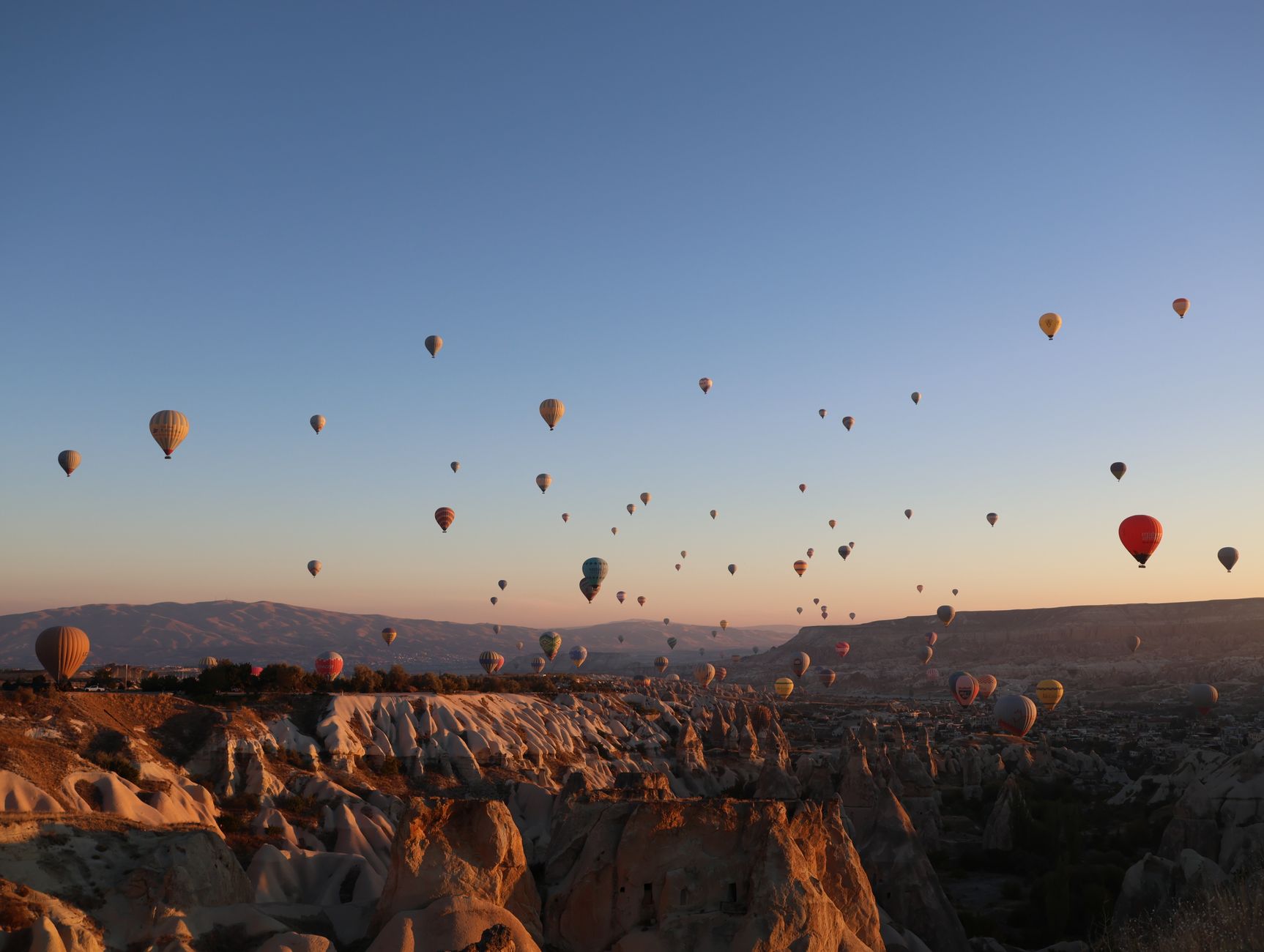
Nature tourism is a deliberate pillar of the 2027 vision. National parks such as Kaçkar Mountains, Köprülü Canyon and Mount Nemrut are seeing better visitor facilities, while birdwatching, diving, paragliding and river sports are being promoted with clearer standards. For travelers, this means you can confidently plan an active trip — sea kayaking over Kekova's sunken ruins, hiking the Kaçkar highlands, ballooning over Cappadocia — with better safety infrastructure and more reliable operators behind it.
Book adventure activities and eco-lodges early, particularly in spring and early autumn when conditions are ideal and demand is strongest. If you want a route that mixes coast and trail, our routes section has ideas you can adapt, and the itineraries show how to pace a two-week trip without exhausting yourself.
Food, Cities and the Rise of Emerging Destinations
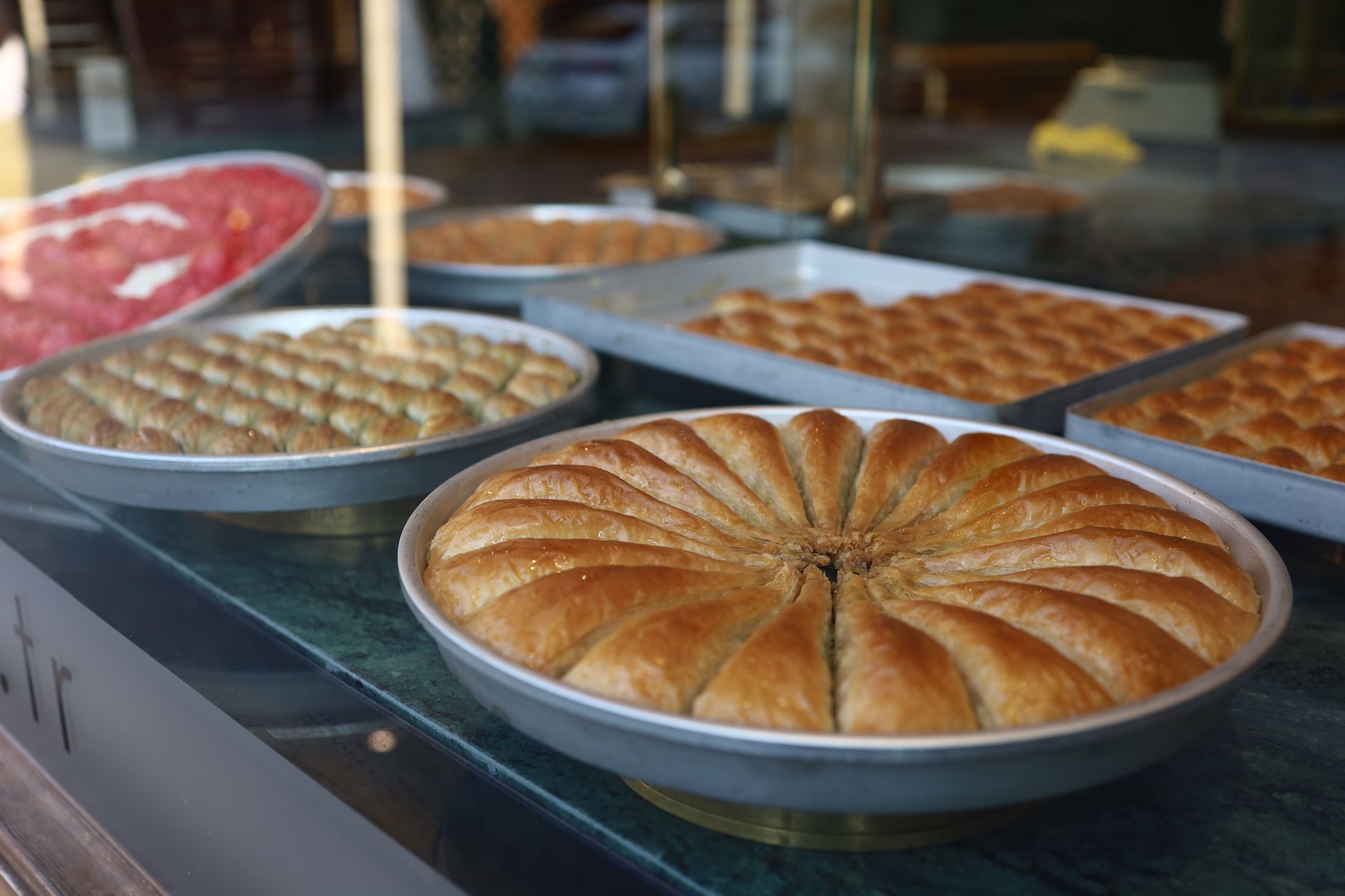
One of the most exciting consequences of Türkiye's tourism growth is the spotlight moving beyond the big three of Istanbul, Cappadocia and Antalya. Gastronomy is a national flagship: Gaziantep's cuisine is UNESCO-recognized, and cities like Hatay, Adana, İzmir, Mardin and Trabzon are drawing travelers who plan around breakfast, kebabs, olives, tea and street food. Investment follows appetite, and you'll find restored hans turned into cafes, new food markets and better-trained hospitality staff across the country.
Urban tourism is diversifying too. Istanbul continues to add museums, waterfront promenades and cultural venues, while Ankara, İzmir, Bursa, Konya and Diyarbakır are polishing their historic cores and cultural calendars. For travelers, that means the classic highlights are busier than ever, but the alternatives are genuinely excellent — and often cheaper, calmer and more welcoming.
Our advice is to build one emerging destination into every trip. Spend two nights in Gaziantep instead of a single lunch stop; add Mardin's stone streets to a Mesopotamian loop; trade one Istanbul day for a Bursa day trip. Explore the destinations hub to see what fits your route, and lean on our local experts when you want a hand-built food itinerary.
Service Standards, Language and the Digital Traveler
Rising numbers have pushed Turkish hospitality toward professionalization. Guide licensing, hotel classification, safety certifications for adventure operators and multilingual signage have all improved, and English — plus German, Russian and Arabic in key regions — is increasingly common in visitor-facing roles. Digital services have advanced quickly: e-tickets, mobile museum passes, ride-hailing in major cities, contactless payment nearly everywhere and reliable eSIM coverage even in smaller towns.
For you, this means a trip that feels smoother without losing its character. You can pay by card at a village cafe, book a hot-air balloon slot online, and follow a trail with a mapping app. Still, carry some cash for markets and rural stops, keep a printed copy of key reservations, and learn a few Turkish phrases — they are warmly received everywhere.
Good preparation is now the real differentiator between a good trip and a great one. Use the trip planner to structure your days, check our FAQ for the practical questions travelers ask most, and see how we work if you want assurance about the recommendations you're following.
How to Travel Well in a Boom Year
The most important practical takeaway is timing. More visitors mean that the best hotels, guides, balloon slots and boutique cave rooms sell out earlier each year. Book accommodation and signature experiences three to six months ahead for spring and autumn, and even earlier for holidays and festival periods. Travel in the shoulder months — late April to June and September to early November — for the best combination of weather, value and breathing room.
Second, spread out. Türkiye's 2027 vision is explicitly about distributing tourism beyond the overcrowded icons, and the rewards for following that lead are real: quieter ruins, warmer welcomes and better prices. Third, expect evolution. Some sites and roads will be under improvement — that is the sign of investment at work — so check current conditions before you go and treat a closed gallery as an invitation to return.
Finally, enjoy the confidence of the moment. Türkiye is investing in the traveler's experience with seriousness and pride, from airport terminals to mountain trails, from museum lighting to breakfast menus. Plan thoughtfully, book deliberately and let the country's ambition work in your favor. When you're ready to shape the trip, start with our sample itineraries, browse the gallery for inspiration, and reach out through contact — the best of Türkiye is getting better, and it is waiting for you.
Thinking about a trip to Turkey?
Share your contact details and a vetted local expert will follow up with a plan built around you — free, no obligation.