

Why Türkiye Is Becoming a Leader in Accessible Travel
Türkiye has long captivated travelers with its layered history, dramatic landscapes, and warm hospitality. In recent years, the country has also made impressive strides in making those wonders reachable for people with mobility needs. From the cobblestone lanes of Istanbul to the ancient marble streets of Ephesus, accessibility is no longer an afterthought — it is increasingly part of the national tourism strategy.
This progress reflects both a legal framework and a cultural shift. Turkish law now requires many public buildings, museums, and transport hubs to meet accessibility standards, and municipal governments in major cities have invested in ramps, elevators, and tactile guidance. Just as importantly, the Turkish concept of misafirperverlik — a deep-rooted tradition of welcoming guests — means that travelers with disabilities often find staff and locals eager to help.
That said, accessibility in Türkiye is uneven. A five-star resort in Antalya may be fully step-free, while a boutique cave hotel in Cappadocia could have narrow passages. This guide will help you navigate that landscape with confidence, highlighting wheelchair-friendly routes, hotels, and heritage sites that genuinely work — and offering practical tips for planning a smooth, enjoyable trip.
"Türkiye is not just opening doors; it is opening hearts and minds to the idea that travel is for everyone."
Istanbul: A Metropolis Learning to Roll
Istanbul can feel overwhelming, but its accessible infrastructure is improving rapidly. The Istanbulkart works on all public transport, and many metro stations — especially on newer lines like the M7 and M9 — are equipped with elevators and tactile paving. The T1 tram line, which links Sultanahmet, Topkapı, and Kabataş, is a lifeline for wheelchair users: low-floor vehicles and level boarding at most stops make it possible to reach the Old City's major sights without a car.
Topkapı Palace has made notable upgrades, including ramps into several courtyards and an accessible route through the Harem section (though some narrow doorways remain challenging). The Istanbul Archaeological Museums offer wheelchair access to most galleries, and the Museum of Turkish and Islamic Arts near the Hippodrome has an elevator and step-free entry. The Basilica Cistern, once difficult to visit, now provides an accessible entrance and a designated route over its atmospheric walkways.
For a classic Istanbul experience, take an accessible ferry across the Bosphorus — most piers have ramps, and the views from the deck are unforgettable. The Istanbul Metropolitan Municipality also runs a free accessible transport service, and many taxis are now wheelchair-friendly, though it's best to book in advance through your hotel.
When choosing a hotel, look for properties in Şişli, Beşiktaş, or the Levent business district, where modern hotels offer roll-in showers, grab bars, and wide doorways. The historic peninsula has charming options too, but always confirm the specifics: a "wheelchair accessible" room in a restored Ottoman mansion may still have a threshold or two.
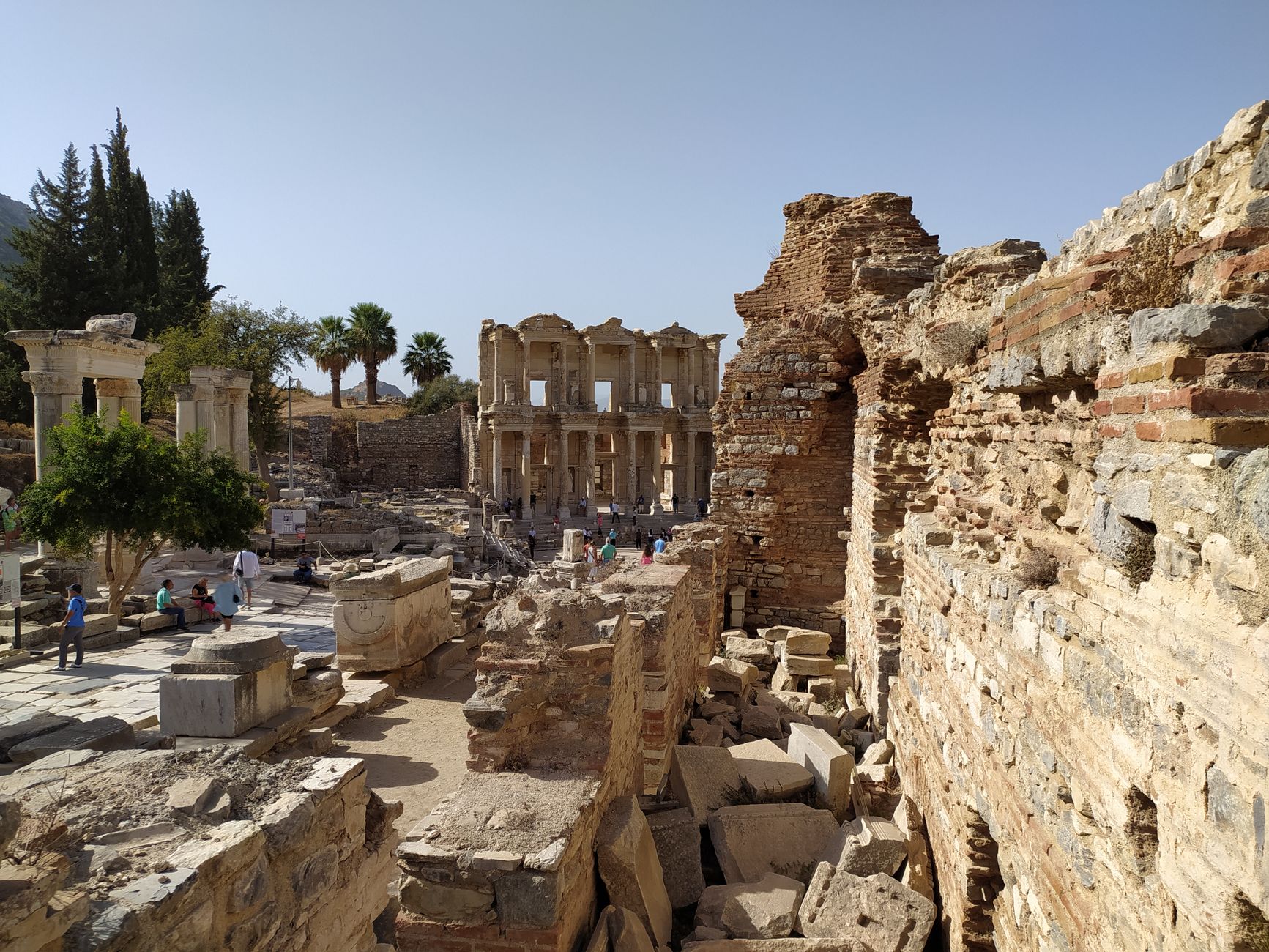
Ephesus and the Aegean: Ancient Wonders, Modern Access
Ephesus is one of the Mediterranean's best-preserved ancient cities, and it has become surprisingly wheelchair-friendly. The main visitor route now includes a paved, gently sloping path that allows wheelchair users to experience the Library of Celsus, the Great Theatre (viewed from a platform), and the Terrace Houses via an elevator. The site's management has installed accessible toilets and reserved parking near the entrances.
Nearby Selçuk makes a comfortable base, with several hotels offering accessible rooms. The Ephesus Museum in Selçuk is fully step-free and houses the site's most precious artifacts, including the statue of Artemis. From Selçuk, it's easy to reach the House of the Virgin Mary, which has a ramp and a smooth path to the chapel.
Further south, the Aegean resorts of Kuşadası and Bodrum are increasingly accessible. Bodrum Castle and the Museum of Underwater Archaeology have partial wheelchair access — the lower courtyards are navigable, though the towers are not. The Bodrum Peninsula's beach clubs often provide beach wheelchairs on request, and the marina area is flat and easy to roll along.
For a truly memorable day, consider a gulet cruise from Bodrum or Marmaris. Many operators now have boats with ramps and spacious decks, allowing wheelchair users to swim in quiet bays using a floating wheelchair or with assistance from the crew.
Antalya and the Turquoise Coast: Resorts That Welcome Everyone
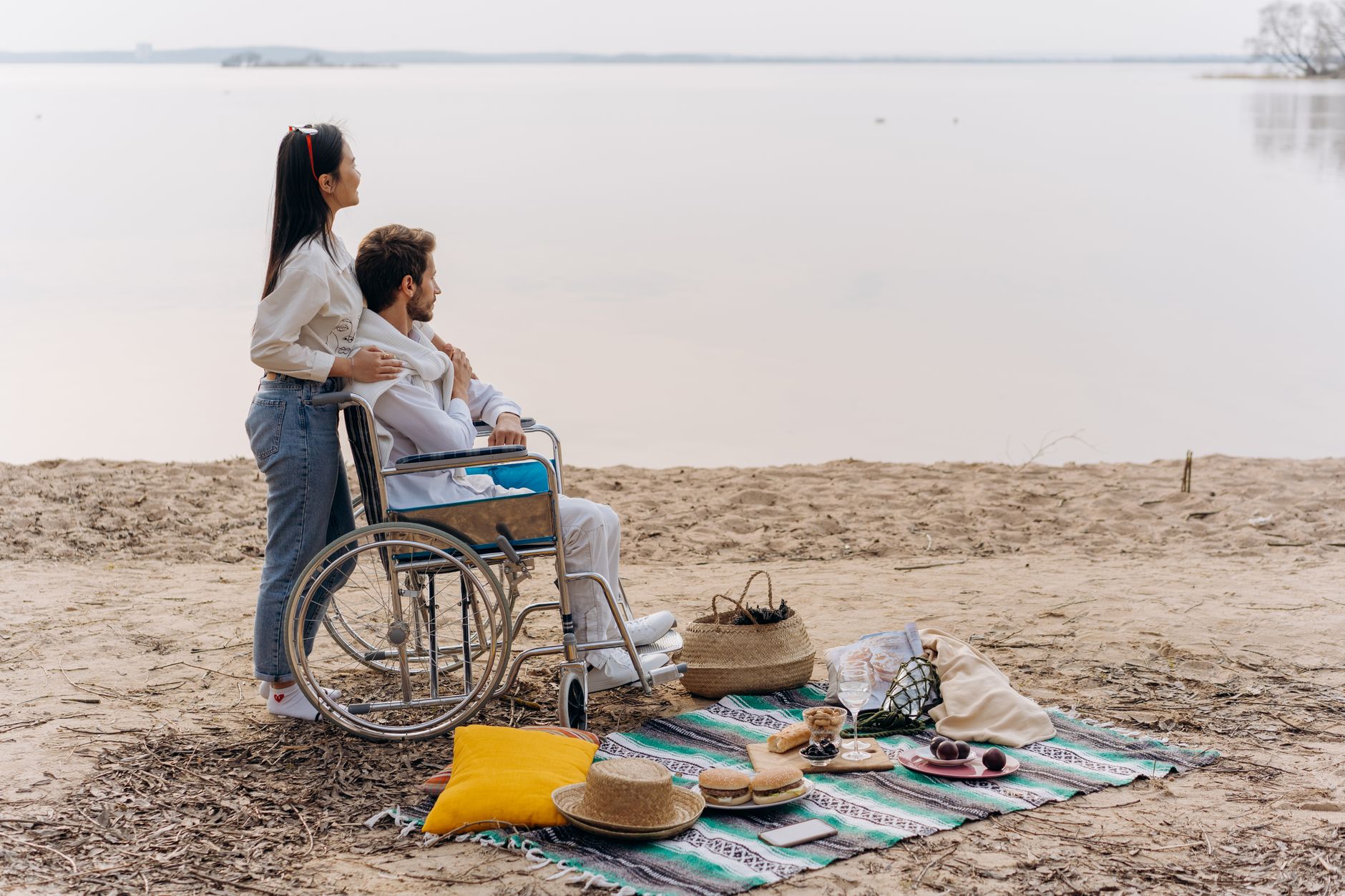
Antalya has embraced accessible tourism more than almost any other Turkish destination. The city's award-winning beach park, Konyaaltı Beach, features a dedicated accessible beach with ramps, floating wheelchairs, and trained staff. The Antalya Museum, home to one of Türkiye's finest collections of Roman statues, is fully wheelchair accessible with elevators and wide galleries.
Kaleiçi, the old town, is trickier: its narrow alleys and uneven stones can be tough. However, the panoramic elevator near the marina connects the harbor level to the upper park, offering spectacular views without stairs. Many of the larger resorts along the coast — from Lara Beach to Belek — are designed with accessibility in mind, offering roll-in showers, pool hoists, and even accessible water slides.
Beyond Antalya, the Lycian Way may not be wheelchair-friendly, but the coastal towns of Kaş and Kalkan have accessible waterfront promenades and boutique hotels with ground-floor rooms. The ancient city of Phaselis, between Antalya and Kemer, has a paved path through its ruins and accessible toilets.
Travelers rave about the region's willingness to accommodate: one visitor noted that hotel staff in Belek arranged a private accessible van to take them to the ancient theatre of Aspendos, where a new wheelchair route now leads to the lower tiers.

Cappadocia and Beyond: Adapting the Unconventional
Cappadocia's fairy chimneys and cave dwellings present unique challenges, but creative solutions are emerging. The Göreme Open-Air Museum has a paved main path that allows wheelchair users to view several rock-cut churches from the outside; some interiors remain inaccessible due to narrow entrances. However, the nearby Zelve Open-Air Museum has a smoother route, and the Devrent Valley is viewable from a wheelchair-accessible viewpoint.
Hot air balloon rides are possible for some travelers with mobility needs — operators like Butterfly Balloons offer baskets with a door that opens, allowing a wheelchair user to transfer into the basket with assistance. It's essential to discuss your specific needs well in advance.
Cave hotels are iconic, but not all are accessible. A growing number in Ürgüp and Uçhisar now offer ground-floor rooms with widened doors and roll-in showers. Always ask for photos and measurements — "cave room" can mean many things.
For those heading east, the city of Gaziantep has an accessible Zeugma Mosaic Museum, and the ancient site of Göbekli Tepe near Şanlıurfa now has a wheelchair-friendly visitor center and paths around the oldest temple in the world.
Practical Planning: Hotels, Guides, and Transport Assistance
Hotels: Major international chains (Hilton, Marriott, Radisson) in Istanbul, Ankara, Izmir, and Antalya reliably offer accessible rooms with roll-in showers, grab bars, and visual alarms. Boutique and cave hotels vary widely; request a detailed accessibility statement and, if possible, a video tour. Websites like Booking.com allow you to filter for "wheelchair accessible" properties, but always confirm directly with the hotel.
Guides: Hiring a knowledgeable guide can transform your trip. Look for agencies that specialize in accessible travel, such as Accessible Turkey or Travel for All. Many certified guides have experience with wheelchair users and can arrange routes that avoid stairs, cobblestones, and steep inclines. They can also liaise with sites to arrange special access, like elevators or ramps that aren't always advertised.
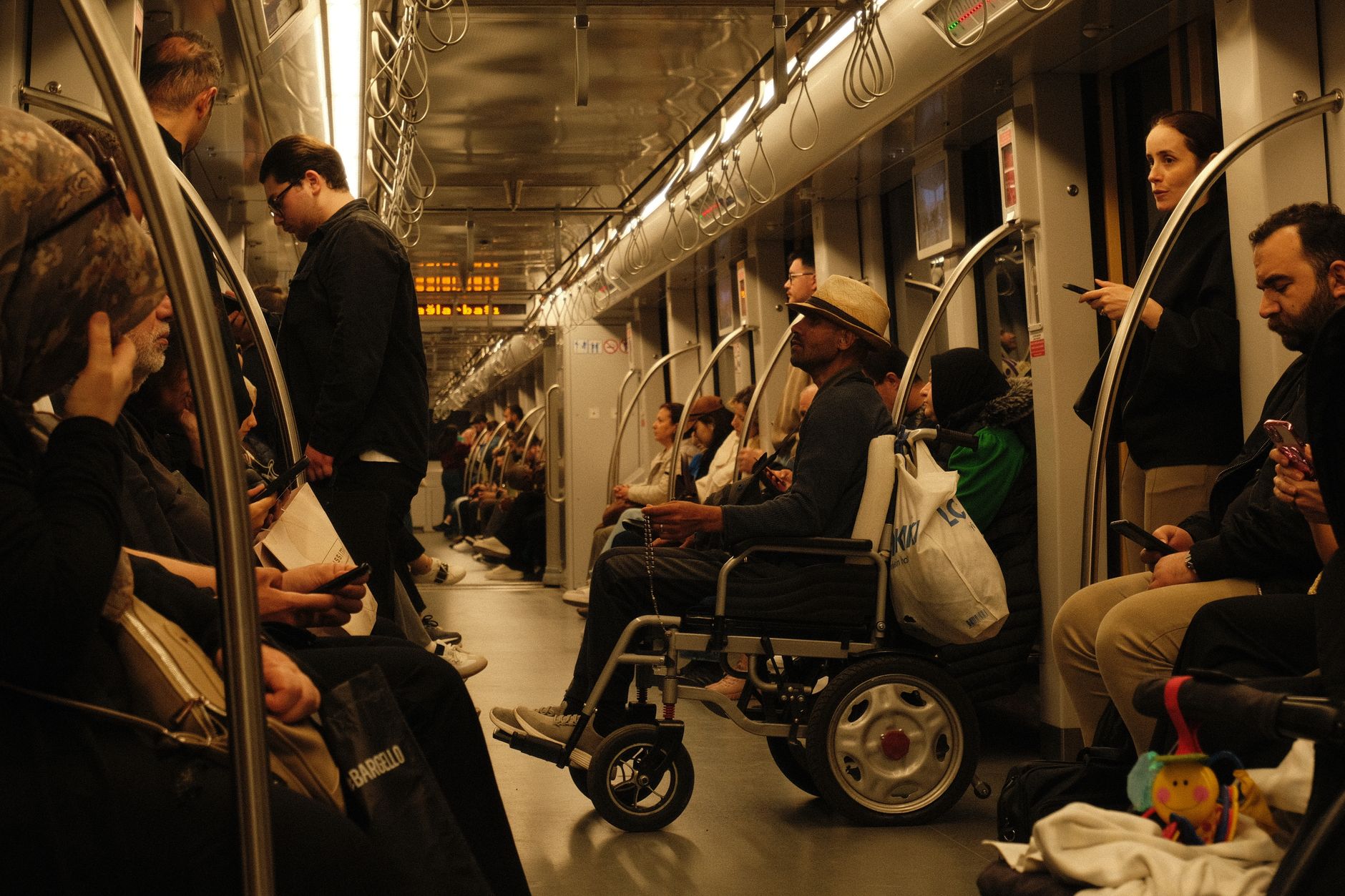
Transport: Turkey's high-speed trains (YHT) between Istanbul, Ankara, Konya, and Eskişehir are wheelchair accessible with designated spaces and assistance at stations — book at least 24 hours ahead. Domestic flights on Turkish Airlines and Pegasus offer wheelchair assistance, though you should request it when booking. For ground transport, accessible taxis and minivans are available in major cities; your hotel can usually arrange one. Car rental with hand controls is possible through specialized companies in Istanbul and Antalya.
Insurance and documentation: Travel insurance that covers pre-existing conditions and mobility equipment is wise. Carry a doctor's note for any medications and a card in Turkish explaining your needs — most pharmacists and doctors speak some English, but it helps.
Embracing the Journey: Tips for a Smooth and Joyful Trip
Travel in Türkiye with a wheelchair or mobility aid is not just possible — it can be deeply rewarding. The key is preparation and flexibility. Learn a few Turkish phrases: "Asansör var mı?" (Is there an elevator?) and "Tekerlekli sandalye erişimi var mı?" (Is there wheelchair access?) will endear you to locals and get you accurate answers.
Expect occasional obstacles: a missing ramp, a cobblestone stretch, or a taxi that isn't accessible. But also expect kindness. Turks are famously helpful, and a request for assistance is rarely met with anything but a genuine desire to help. Many travelers report that their most memorable moments came from spontaneous acts of hospitality.
Finally, consider traveling in the shoulder seasons (April–May, September–October) to avoid crowds and extreme heat, which can make navigating sites more tiring. With thoughtful planning and a spirit of adventure, Türkiye's treasures — from Istanbul's skyline to Ephesus's marble streets — are waiting to be discovered by every traveler.
Thinking about a trip to Turkey?
Share your contact details and a vetted local expert will follow up with a plan built around you — free, no obligation.