

Along Türkiye's Aegean coast, where the scent of wild thyme mingles with salt air, olive trees have been cultivated for millennia. This is the land of liquid gold—olive oil so integral to Turkish cuisine and culture that it's woven into myths, rituals, and daily life. From the ancient presses of Acıbadem villages to the family groves that still dot the hillsides, the Aegean olive heritage is a living tradition waiting to be explored. Join us as we journey through the olive-growing heartland, where restored stone presses tell stories of empires, and autumn harvests invite travelers to partake in an age-old ritual.
The Ancient Roots of Olive Cultivation in the Aegean
Olives have grown in Anatolia for over 6,000 years. The Aegean region, with its Mediterranean climate—hot, dry summers and mild, wet winters—provides the perfect conditions for Olea europaea. Ancient Greeks, Romans, Byzantines, and Ottomans all prized Aegean olive oil, using it for cooking, lighting, and as a sacred anointing oil. The region's terraced groves, many still tended by the same families for generations, are a testament to this enduring bond.
In places like Karaburun, Ayvalık, and the Bodrum Peninsula, you'll find some of the oldest olive trees in the country—gnarled giants that have stood for centuries. These trees are not just agricultural assets; they are cultural monuments. The ancient city of Klazomenai (near modern Urla) boasts a reconstructed olive press dating back to the 6th century BC, one of the earliest known in the world. It's a powerful reminder that the olive oil in your salad today connects you directly to antiquity.
Beyond the coast, inland villages like Acıbadem—whose name means "almond" in Turkish—often sit amidst olive groves, their economies and traditions built around the harvest. Here, the rhythm of life still follows the olive: pruning in spring, harvesting in autumn, and pressing in winter. Visiting these villages offers a rare glimpse into a way of life that has remained largely unchanged for centuries.
Restored Ancient Presses: Where History Meets Modern Craft
Across the Aegean, passionate artisans and local cooperatives have restored ancient olive presses, turning them into living museums and boutique production facilities. In Urla, the Klazomenai Olive Oil Museum features a fully reconstructed Roman-era press, where you can see how stone mills and woven baskets were used to extract oil. Nearby, modern producers like Hiç and Urla Şarapçılık combine traditional methods with contemporary technology to create award-winning oils.
On the Bodrum Peninsula, the Kızılağaç and Ortakent areas are home to restored presses that date back to the Ottoman era. At Etrim, a small village near Bodrum, you can visit a family-run press where the same granite millstone has been turning for over 200 years. The owners still use cold-pressing techniques, preserving the oil's delicate flavors and high polyphenol content.
Further north, the Ayvalık region—famous for its high-quality oil—offers tours of historic presses on Cunda Island and in the Küçükköy area. Many of these presses are part of agritourism initiatives, where visitors can watch the pressing process, taste fresh oil, and even participate in the harvest. The experience is both educational and deeply sensory: the hum of the mill, the aroma of crushed olives, and the golden stream of oil that emerges are unforgettable.
"In the Aegean, olive oil is not just a product—it's a heritage passed down through generations, a symbol of peace, health, and hospitality." — Local proverb
Acıbadem Villages: Hidden Gems of Olive Country
The name Acıbadem (literally "bitter almond") is common in Türkiye, but the Acıbadem villages of the Aegean are particularly special. Unlike the bustling district in Istanbul, these rural settlements are serene enclaves where olive and almond trees grow side by side. One notable example is Acıbadem near Karaburun, a village perched on a hillside overlooking the Aegean Sea. Here, narrow streets wind past stone houses, and the air is thick with the scent of olive blossoms in spring.
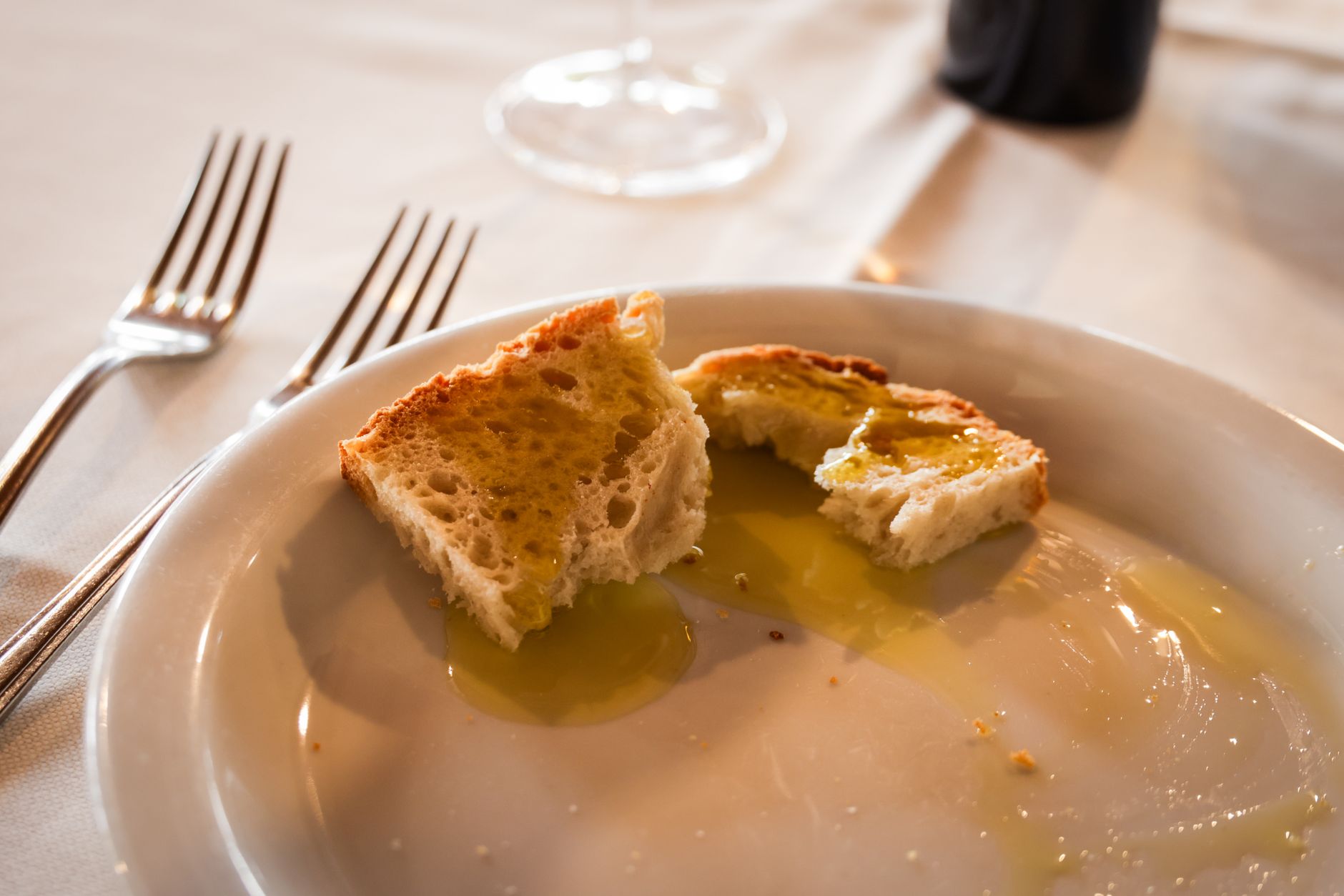
In these villages, olive oil is more than a commodity; it's the backbone of the local diet and economy. Families often own small groves, harvesting by hand and pressing their olives at the village cooperative. Visitors are welcomed with open arms—and with glasses of fresh oil for dipping bread. The hospitality is genuine, rooted in a culture that values sharing the bounty of the land.
Another gem is Acıbadem in the Milas area, close to the ancient city of Mylasa. Surrounded by ancient olive trees, some over a thousand years old, this village offers a peek into traditional Aegean life. You can stay in restored stone houses, join a family for breakfast (where olive oil, olives, and local cheeses feature prominently), and learn about the sustainable practices that have kept these groves thriving for centuries.
Exploring these villages is best done by car, as public transport is limited. The roads wind through stunning landscapes, so take your time and stop often—each turn reveals another postcard-perfect view of olive terraces and the sparkling sea.
Autumn Harvest: Joining the Olive Picking Experience
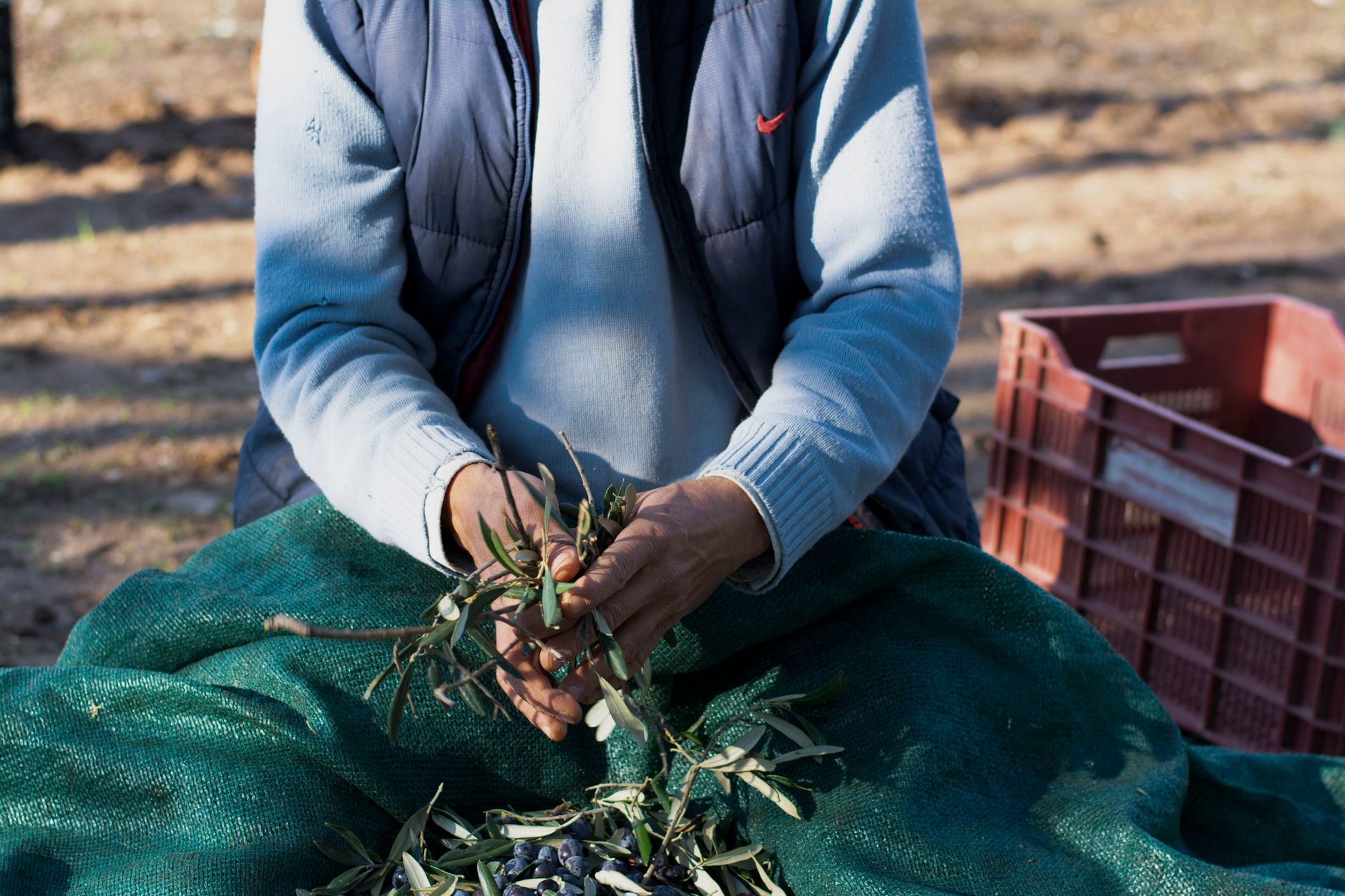
The olive harvest in the Aegean typically runs from late October to December, depending on the region and variety. This is the best time to visit if you want to participate in the hasat (harvest). Many farms and agritourism businesses offer harvest experiences where you can pick olives alongside local workers, learn about the different varieties (such as Memecik, Ayvalık, and Gemlik), and understand the importance of timing for oil quality.
The harvest is a communal affair. Families and neighbors gather early in the morning, spreading nets under the trees and gently combing the branches to release the fruit. The olives are then transported to the press the same day to ensure freshness. As a visitor, you'll be welcomed to join in—no prior experience needed. Many tours include a traditional lunch in the grove, featuring dishes cooked with the new season's oil.
To make the most of your harvest experience, book in advance through platforms like Airbnb Experiences or directly with farms such as Kök Ege in Urla or Oleatrium in Ayvalık. Some offer multi-day packages that include accommodation, meals, and tours of ancient presses. Wear comfortable clothing, sturdy shoes, and a hat; bring a water bottle and sunscreen. The work is rewarding but can be physically demanding, so pace yourself and enjoy the camaraderie.
After the picking, the pressing is a spectacle not to be missed. Watching the olives being crushed and the oil separated is a fascinating process. Many presses welcome visitors during the harvest, and you can often buy fresh oil directly from the producer—a far cry from the mass-produced bottles in supermarkets.
Tasting Fresh Olive Oil: A Sensory Journey
Tasting fresh olive oil is an art. In the Aegean, professional tasters use a tulip-shaped glass to evaluate the oil's aroma, flavor, and mouthfeel. The best oils are cold-pressed (or first cold press), meaning they are extracted at temperatures below 27°C (80°F) to preserve their delicate compounds. You'll notice terms like erken hasat (early harvest), which yields a peppery, robust oil high in antioxidants, and olgun hasat (late harvest), which is milder and more buttery.
When tasting, follow these steps: pour a small amount into a glass, warm it with your hand, and inhale deeply. Then take a small sip, letting it roll over your tongue before swallowing. A good oil will have a balance of fruitiness, bitterness, and pungency—the latter often felt as a tickle in the throat. This pungency is a sign of fresh polyphenols, which are beneficial for health.
Many olive oil farms in the Aegean offer guided tastings. In Ayvalık, the Adatepe Olive Oil Museum (near Küçükkuyu) provides a comprehensive tasting experience, showcasing oils from different microclimates. In Urla, Hiç Olive Oil offers tastings paired with local cheeses and wines. These sessions often include a discussion of food pairings: early harvest oils are perfect for salads, grilled vegetables, and fish, while late harvest oils are ideal for baking and dressings.
Don't forget to buy a bottle (or two) to take home. Look for dark glass bottles, which protect the oil from light, and check the harvest date—fresh is best. Many producers now offer vacuum-sealed bags or small cans for easy transport.
The Cultural Significance of Olive Oil in Turkish Cuisine and Daily Life
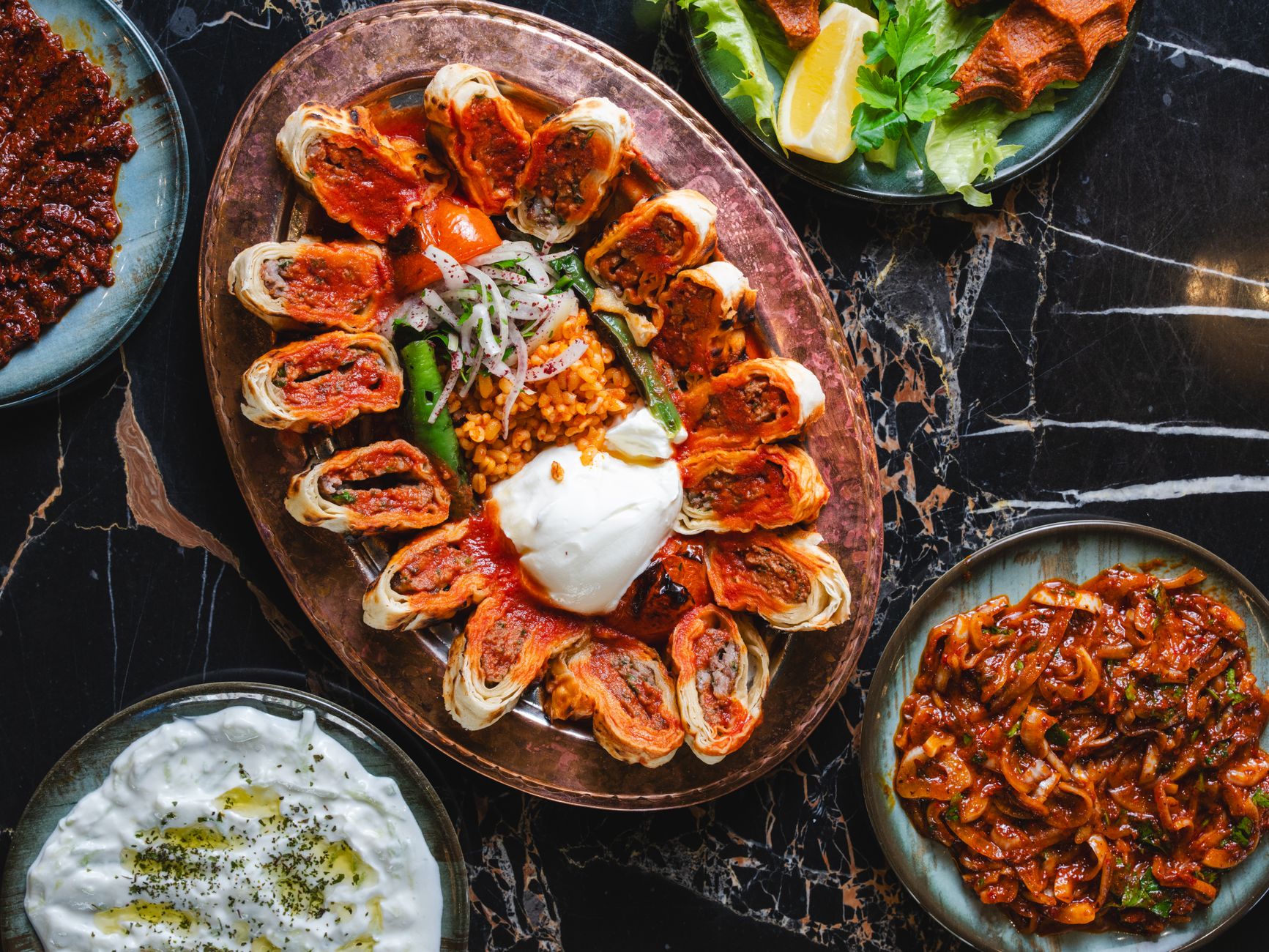
In Turkish culture, olive oil is more than a cooking ingredient; it's a symbol of peace, fertility, and prosperity. The phrase zeytinyağlı refers to a whole category of dishes—vegetables cooked in olive oil and served at room temperature. These include zeytinyağlı fasulye (green beans), zeytinyağlı enginar (artichokes), and yaprak sarma (stuffed vine leaves). Olive oil is also used in pastries, salads, and even desserts.
Beyond the kitchen, olive oil plays a role in rituals and celebrations. In some villages, newborns are anointed with olive oil for protection, and at weddings, olive oil is offered to guests as a blessing. The olive branch is a universal symbol of peace, and in Türkiye, it's often used in wreaths and decorations during festivals.
The health benefits of olive oil are widely celebrated. The Mediterranean diet, rich in olive oil, is linked to longevity and reduced risk of heart disease. In the Aegean, you'll often hear locals attribute their good health to daily consumption of zeytinyağı—a spoonful in the morning is a common practice.
As you travel through the region, you'll notice that olive oil is a source of pride. Producers speak passionately about their trees, their methods, and the unique characteristics of their oil. This pride is well-founded: Turkish olive oils have won numerous international awards, and the Aegean is increasingly recognized as a top destination for olive oil tourism.
Practical Tips for Your Olive Oil Journey
Best time to visit: For the harvest, plan your trip between late October and early December. Spring (April–May) is also lovely, with wildflowers and mild weather, but the harvest is the most immersive experience.
Getting there: Fly into İzmir Adnan Menderes Airport (ADB) or Bodrum-Milas Airport (BJV), then rent a car to explore the villages and groves. Public transport exists but is limited in rural areas.
Where to stay: Consider boutique hotels or guesthouses in Urla, Ayvalık, or Bodrum. Many farms offer farm-stay accommodations, allowing you to fully immerse in village life.
What to pack: Comfortable walking shoes, sun protection, a hat, and a reusable water bottle. If you're joining the harvest, bring work gloves and clothes you don't mind getting dirty.
Language: While English is spoken in tourist areas, learning a few Turkish phrases (like merhaba for hello and teşekkürler for thanks) will endear you to locals.
Etiquette: Always ask before entering groves or joining harvest activities. Respect the land and the people—this is their livelihood and heritage. When tasting, don't dip bread directly into the communal oil; instead, pour a small amount onto your plate.
Buying oil: Look for zeytinyağı with a harvest date and origin. Avoid clear bottles. If you're flying, pack bottles in checked luggage, well-wrapped.
With these tips, you're ready to embark on a journey that will deepen your appreciation for Türkiye's agricultural pride and the liquid gold that has shaped Aegean civilization for millennia.
Thinking about a trip to Turkey?
Share your contact details and a vetted local expert will follow up with a plan built around you — free, no obligation.