

Why Türkiye's Mountain Lodges Deserve a Place on Your Summer Itinerary
Türkiye is famous for its coastlines, but the country's interior is stitched together by mountain ranges — the Pontic chain in the north, the Taurus in the south, the highlands of the east and the gentler ranges of the west. For hikers and slow travellers, these highlands hold a quietly remarkable network of simple lodges, trekking huts and family-run guesthouses that offer something the coast rarely does: cool nights, clean air and genuine mountain hospitality at very reasonable prices.
An alpine-style summer hut in Türkiye is not a Swiss chalet with a spa. It is far humbler — a stone or timber building at 1,500–2,500 metres, often run by a village family or a trekking association, with dormitory beds or simple double rooms, a wood stove for the evening chill, and a shared table where the day's hiking gets discussed over a pot of tea. What it lacks in polish it makes up for in character and value. Many lodges charge modest nightly rates, and home-cooked meals are often included or priced separately for a fraction of what you would pay in a resort.
The appeal is especially strong in summer. While the lowlands and coast swelter through 35°C afternoons, highland lodges sit in pine-scented air at comfortable temperatures, with streams running cold and mornings that call for a light fleece. It is the kind of summer break that recharges rather than depletes you — and one that costs far less than the equivalent stay in the Alps.
What to Expect From a Turkish Mountain Lodge or Hut
The word “hut” covers a wide spectrum here. At the simplest end are trekking-association huts and shepherd's cottages converted into basic accommodation: bunk beds, wool blankets, a communal washroom and meals cooked on a single stove. At the other end are village guesthouses in highland settlements — family homes with a handful of tidy rooms, en-suite facilities more often than not, and a dining room where the hostess serves whatever the garden and the larder provide.
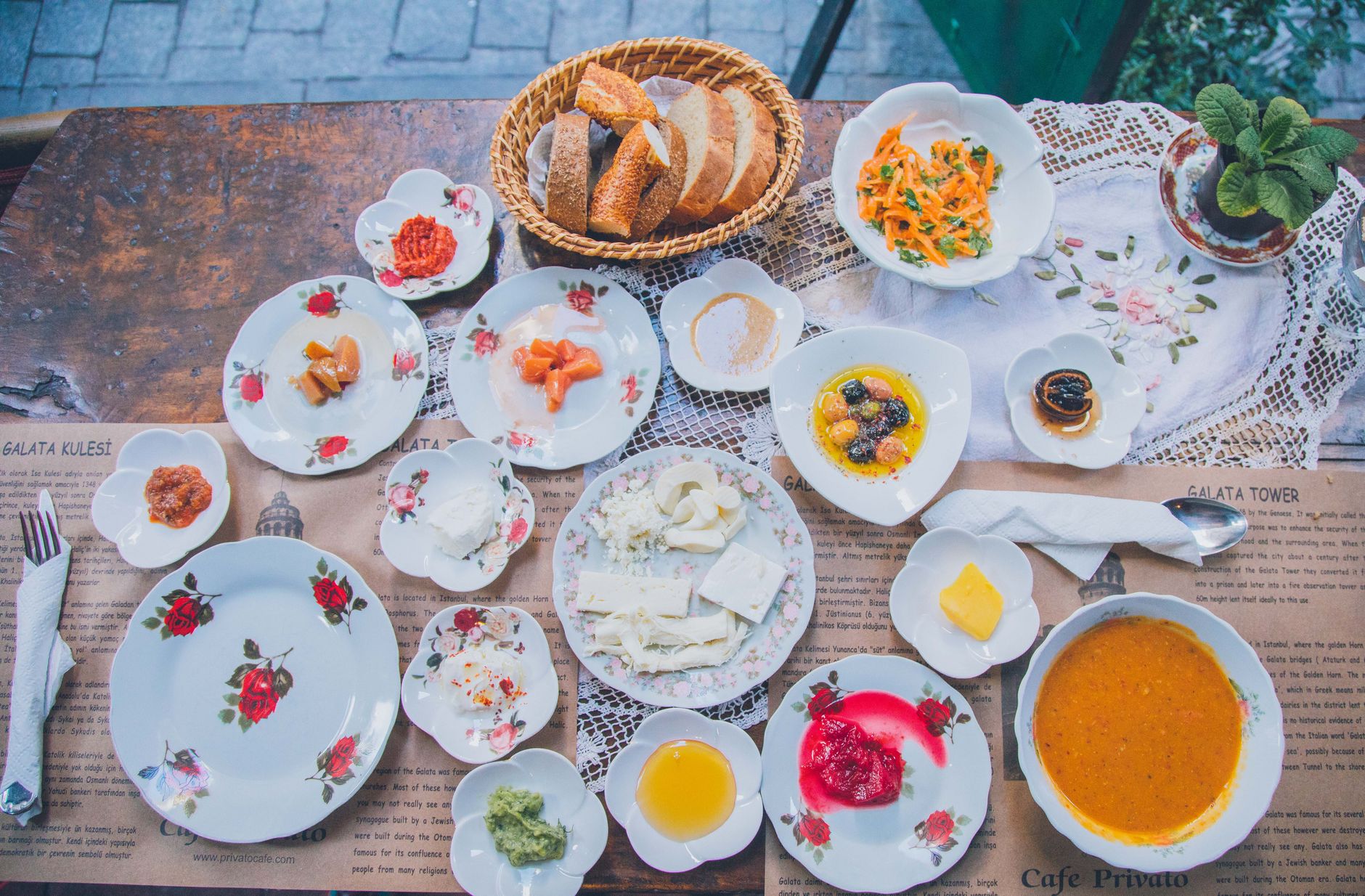
Expect a shared-table culture. Breakfast usually means village bread, local cheese, olives, honey, eggs from the garden and endless çay. Dinner is likely a hearty soup, a stew or bean dish, rice pilaf, and seasonal vegetables, sometimes with grilled meat for guests who request it. Vegetarians are generally well looked after if they say so in advance. Coffee culture in the mountains is different; tea is the ritual, and refusing a second glass is nearly impossible.
Rooms are simple but warm in spirit. Heating comes from wood stoves or, in newer lodges, central heating. Hot water may be solar-powered, so showers are best taken in the evening. Wi-Fi is often available in common areas but unreliable, and mobile coverage can vanish in the valleys. Treat that as part of the experience. The best mountain lodges know exactly why guests came, and they protect the quiet rather than fill it.
“We came for the walking, but we stayed for the table,” a German trekker told her host in a Pontic village. “Three nights became six because the food and the evening conversation were better than any hotel.”
Choosing Your Trekking Base: Mountain Regions for Lodge Stays
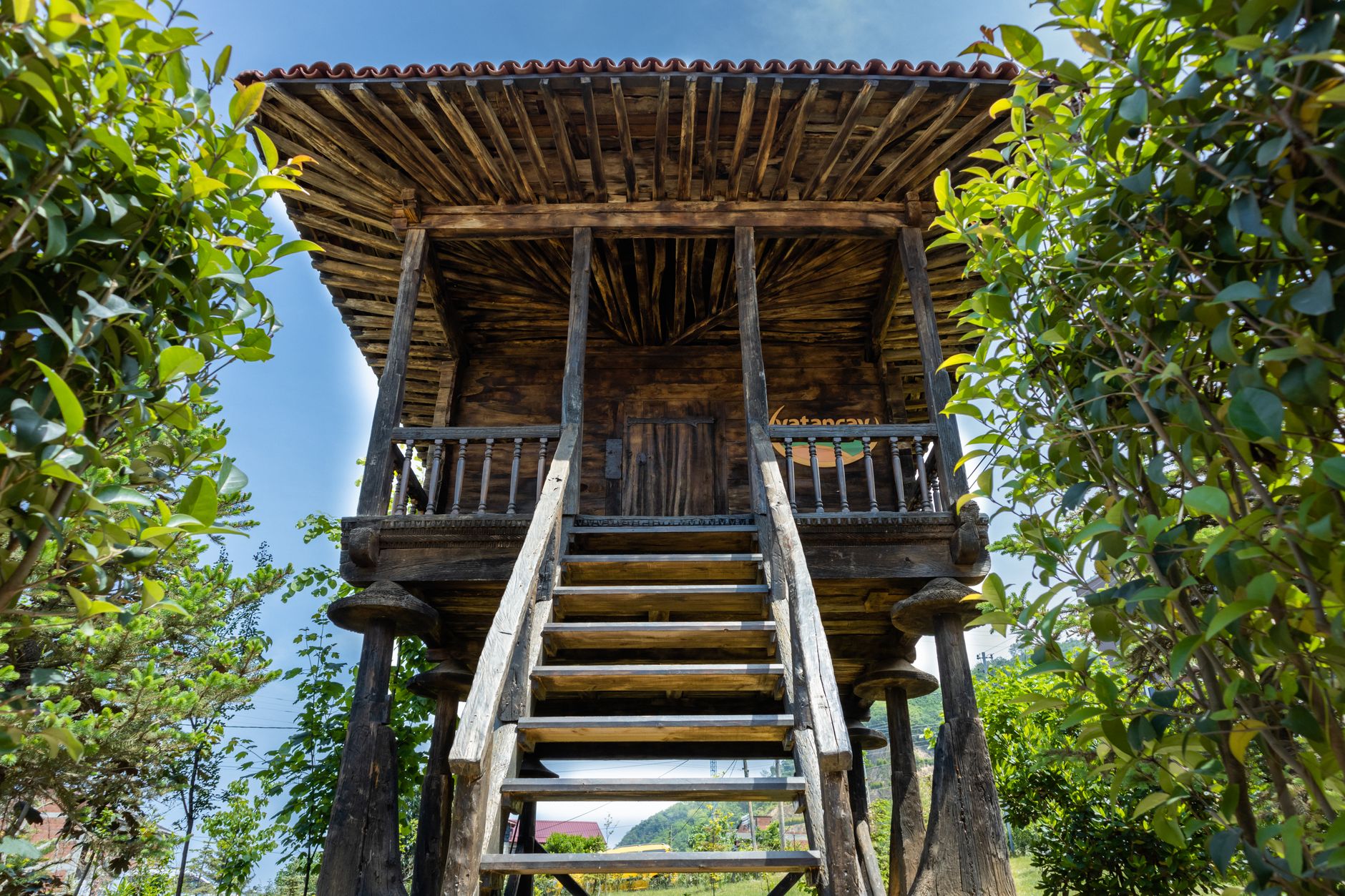
The northern Pontic Mountains are the classic choice for a summer lodge base. Villages such as Ayder, Pokut, Sal and Gito sit at altitude within reach of high pasture trails, and many families there let rooms or run small guesthouses. The area combines lush green valleys, waterfalls and high ridge walks, all with the cool, misty atmosphere that makes summer walking comfortable.
In the Taurus range, the areas around the Kaçkar highlands and the Aladağlar offer a more rugged, alpine feel. Here you find trekking-associated huts used as staging points for multi-day routes, plus a growing number of village lodges that cater to walkers wanting a comfortable base rather than a tent. The Taurus demands a little more fitness and planning, but rewards with big scenery and few other visitors.
Further east, the highlands around Munzur and the remote valleys of the far northeast offer some of the wildest hut-to-hut terrain in the country, generally with quite basic facilities and the warmest of welcomes. Closer to the western and central interior, the mountains around Kazdağı and the highlands of the Bolu region give easier access from Istanbul and Ankara, with family lodges well suited to first-time mountain-stay travellers or those travelling with older children.
For inspiration on pairing a mountain base with the rest of a Turkish trip, browse our destinations pages and the sample journeys in our itineraries section, which show how highland stays slot into wider routes.
How to Book Simple Huts and Village Lodges
Booking culture varies. Larger, more established lodges and trekking huts often take reservations by phone or email, and a few now appear on major booking platforms. But many of the best small family lodges are still booked by word of mouth, through trekking agencies, or simply by calling the village. The practical route is to start with a tourist information office or a licensed trekking operator in the nearest town, who can vouch for you and arrange the booking.
When you book, ask clear questions: Is the price per person or per room? Are meals included? Is there hot water and what powers it? Are there single rooms or only dormitories? Is there a stove, and is firewood provided? How many other guests will share the bathroom? A short phone call saves a lot of speculation. In smaller lodges a deposit is rarely required, but a reconfirmation a day or two before arrival is appreciated.
For huts on popular long-distance routes, book as early as you can in July and August, when domestic walkers and European trekkers overlap. Weekends fill quickly with Turkish families escaping the heat, so aim for midweek if you want quiet. It is normal to pay in cash, so carry enough lira for the stay and any extras. If you prefer to have the logistics handled and the route planned around comfortable lodges, our trip planner can help you shape the itinerary.
What to Pack for a Summer Mountain Hut Stay
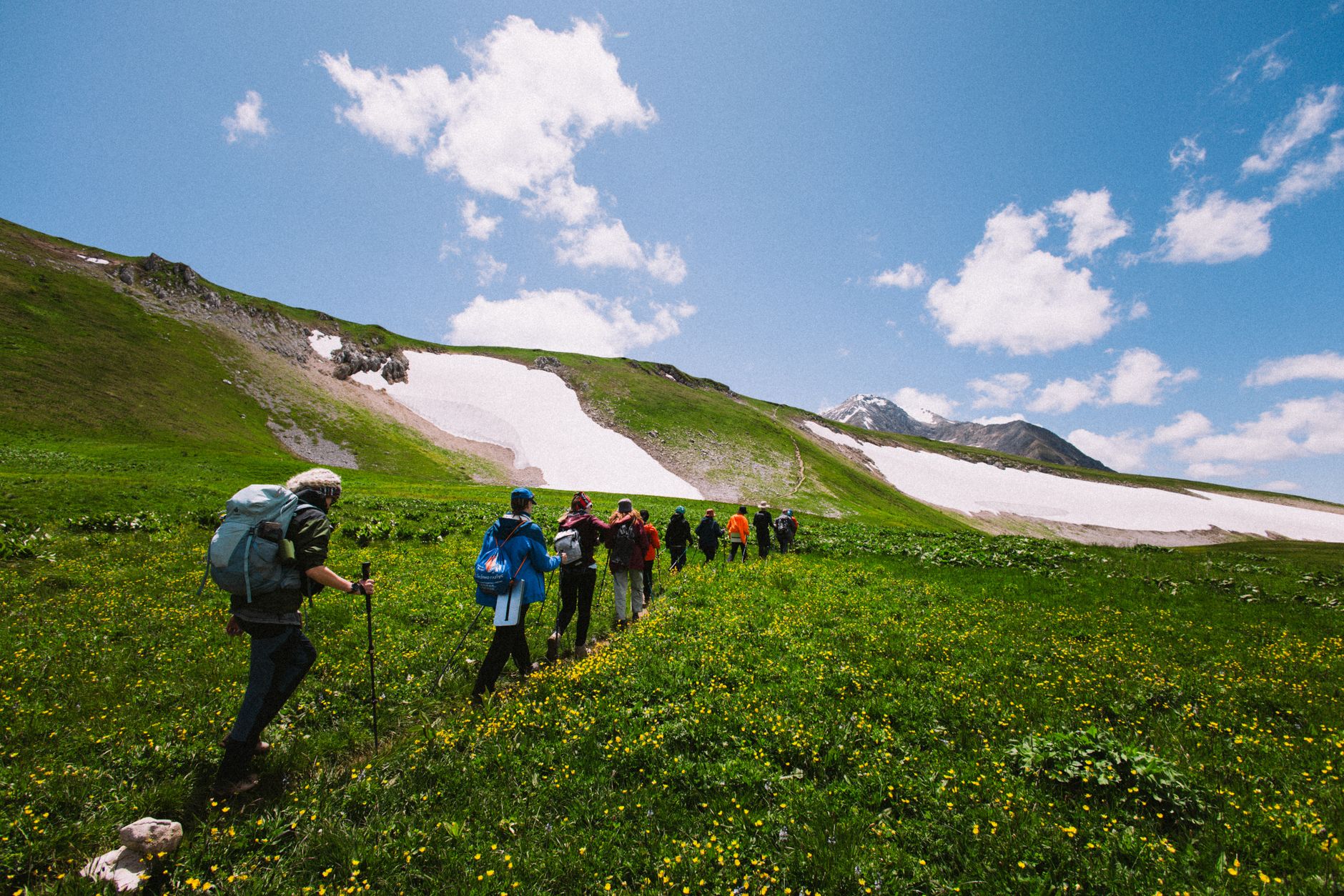
Mountain weather is not coastal weather, and the altitude difference between the valley and the lodge can be startling. Pack for three seasons in one day: a warm mid-layer, a light down or synthetic jacket for evenings, a waterproof shell, quick-drying trousers and sturdy walking shoes or boots. A hat and sunglasses matter as much as a fleece. Nights at 2,000 metres can drop to single figures even in August.
For the hut itself, bring a head torch, a basic first-aid kit, a refillable water bottle (spring water is often available and delicious), and a small towel. Some huts have shared slippers or expect shoes to be left at the door, so warm socks are useful. A sleeping bag liner is worth its weight if you are staying in dormitories, and earplugs help when the room is full.
- Layers: base layer, fleece, insulated jacket, rain shell
- Footwear: broken-in walking boots plus light hut shoes or thick socks
- Small daypack, head torch, power bank, refillable bottle
- Personal first aid, any medication, sun protection
- Cash in lira, a small notebook, and a phrasebook or offline translation app
Do not overpack. Hut-to-hut walking usually means carrying everything, and a 10–12 kg pack keeps the days enjoyable. Leave the drone and the heavy camera kit at home unless you have a specific plan; solar power is precious and charging points are shared.
Highland Hospitality, Comfort and Local Etiquette
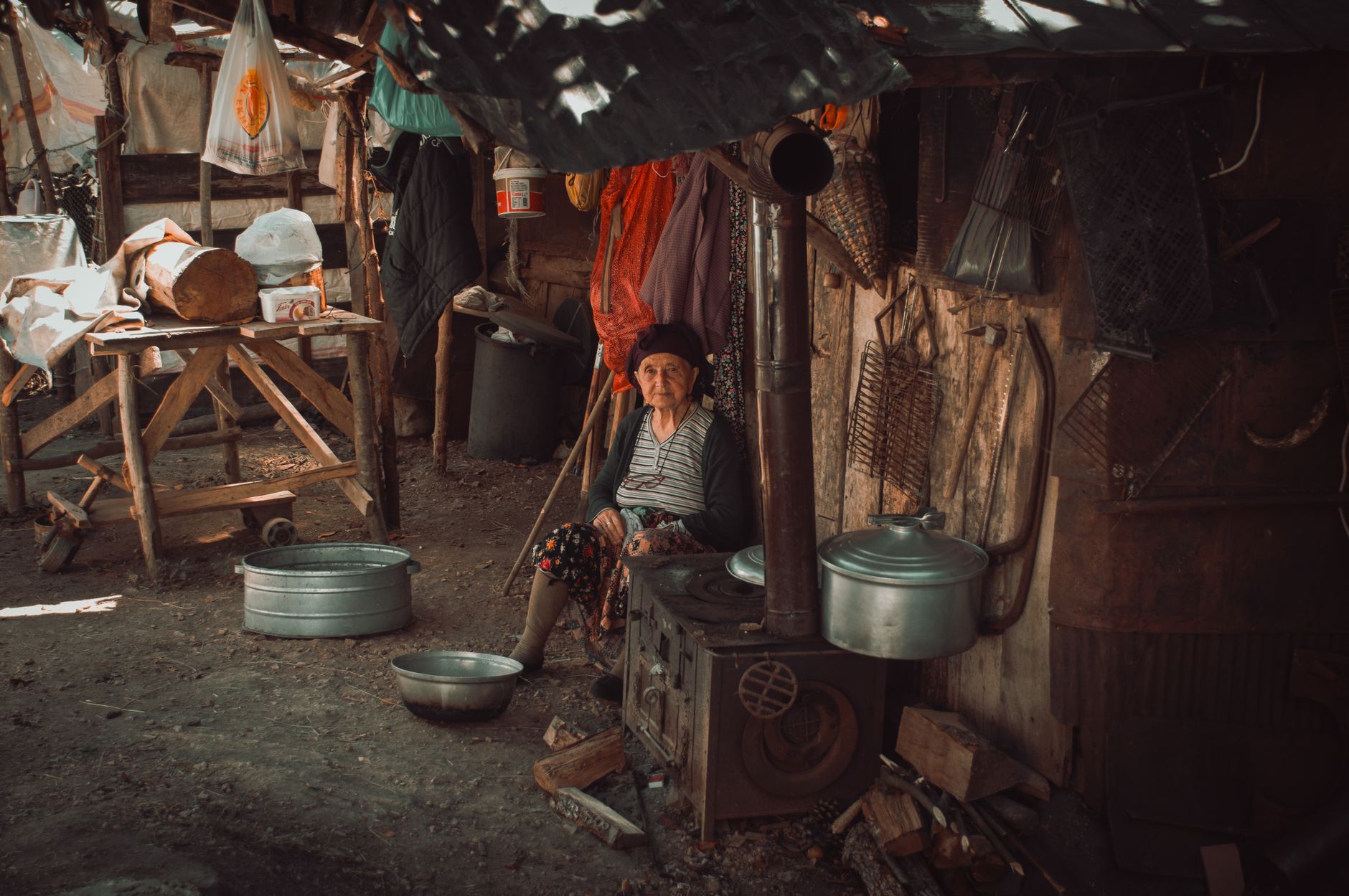
The hospitality is the reason many travellers return. A mountain lodge host will often greet you with tea before you have even put down your bag, ask where you have walked from, and insist you eat more than you planned. Hospitality here is genuine, but it comes with expectations: greet elders first, accept tea when offered, remove shoes indoors, and ask before photographing people. Learning a few words of Turkish goes a long way and is always appreciated.
Comfort in a mountain lodge is quiet rather than luxurious. Think wool blankets, a crackling stove, a balcony with a view down the valley, and the smell of bread baking. Bring a book, a head torch and a willingness to slow down. If you want a private room, say so when booking; families often reserve their best room for guests and can find another for themselves.
The season for comfortable lodge stays generally runs from late May to early October, with July and August the most reliable for high passes and long days. Spring brings wildflowers and waterfalls; autumn brings clearer skies and golden light. Our best-time guide explains the seasonal trade-offs in more detail, and the travel tools section is a handy place to compare transport and weather at a glance.
Finally, tip modestly and directly, respect local routines around prayer and meal times, and ask before joining a family's evening. Mountain lodge life in Türkiye rewards curiosity and courtesy in equal measure — and sends most guests home rested, well fed and already planning a return.
Thinking about a trip to Turkey?
Share your contact details and a vetted local expert will follow up with a plan built around you — free, no obligation.