

Ülke Genelinde Hoş Geldiniz: A Culinary Haven for Every Diet
Türkiye has long been celebrated for its warm hospitality and diverse cuisine, but for travelers with dietary restrictions, it's a revelation. The Turkish phrase "Her damak zevkine uygun"—meaning "suitable for every taste"—isn't just a saying; it's a way of life. From the bustling streets of Istanbul to the tranquil coastlines of Antalya, you'll find an abundance of dairy-free and gluten-free options that don't compromise on flavor or tradition.
In recent years, Türkiye has embraced modern dietary needs with enthusiasm. Specialty cafés in major cities now offer almond, soy, oat, and even hazelnut milks, while traditional dishes naturally cater to gluten-free and vegan diets. This guide will navigate you through the country's alternative milk scene, highlight safe and scrumptious regional dishes, and equip you with practical phrases to communicate your needs. Get ready to indulge in a culinary journey where everyone is welcomed at the table.
The Rise of Alternative Milks: From Badem Sütü to Yulaf Sütü
While cow's milk remains a staple in traditional Turkish cuisine, the demand for plant-based alternatives has soared. In Istanbul's hip neighborhoods like Karaköy, Beşiktaş, and Kadıköy, you'll find trendy cafés serving lattes with badem sütü (almond milk), soya sütü (soy milk), yulaf sütü (oat milk), and fındık sütü (hazelnut milk). These aren't just for vegans; many locals prefer them for health or environmental reasons.
Major grocery chains like Migros, CarrefourSA, and Macrocenter stock a variety of plant milks, often in the health food section. Look for brands like Alpro, Oatly, and local producers such as Badem. In smaller towns, you might not find them in every corner store, but natural food shops (aktar) and pharmacies often carry them. Don't hesitate to ask—Turkish shopkeepers are generally helpful and will point you in the right direction.
For coffee lovers, ordering a sütlü kahve (coffee with milk) can be customized with your preferred milk. The phrase "Badem sütlü latte, lütfen" (Almond milk latte, please) will serve you well. In tea houses, dairy-free options are limited, but you can always enjoy çay (tea) without milk, as it's traditionally served plain.

Naturally Gluten-Free Turkish Delights: Safe and Savory
Turkish cuisine is a treasure trove for gluten-free travelers, thanks to its emphasis on fresh vegetables, legumes, and grilled meats. Many classic dishes are inherently gluten-free, but cross-contamination can be a concern in kitchens that handle ekmek (bread) and bulgur (cracked wheat). Always communicate your needs clearly.
Here are some safe bets:
- Kebabs: Şiş kebap (skewered meat), Adana kebap (spicy minced meat), and Urfa kebap (mild minced meat) are typically gluten-free when served without bread. Ask for ekmeksiz (without bread) and confirm that no bulgur is mixed in.
- Mezes: Many cold appetizers like hummus, haydari (yogurt with garlic and herbs), muhammara (red pepper and walnut dip), and zeytinyağlı yaprak sarma (stuffed grape leaves) are gluten-free and often vegan. However, haydari contains yogurt, so it's not dairy-free.
- Grilled Fish and Meat: Balık ızgara (grilled fish) and et ızgara (grilled meat) are usually prepared simply with olive oil, lemon, and spices—no gluten. Pair with a fresh salad like çoban salata (shepherd's salad) for a wholesome meal.
- Vegetable Dishes: Zeytinyağlı (cooked with olive oil) dishes such as türlü (mixed vegetables), fasulye (green beans), and enginar (artichoke) are gluten-free and often dairy-free. They're a staple in Turkish home cooking and restaurants.
For breakfast, the traditional kahvaltı spread includes many gluten-free options: olives, tomatoes, cucumbers, boiled eggs, beyaz peynir (white cheese—not dairy-free, but you can skip it), and menemen (scrambled eggs with tomatoes and peppers). Avoid bread and börek (pastry).
Dairy-Free Dining: Navigating Milk, Yogurt, and Cheese
Dairy is integral to Turkish cuisine—yogurt accompanies many dishes, and cheese appears in everything from breakfast to desserts. But fear not: with a little knowledge, you can enjoy dairy-free versions of your favorite foods. The key is to ask for dishes sütsüz (without milk) or yoğurtsuz (without yogurt).
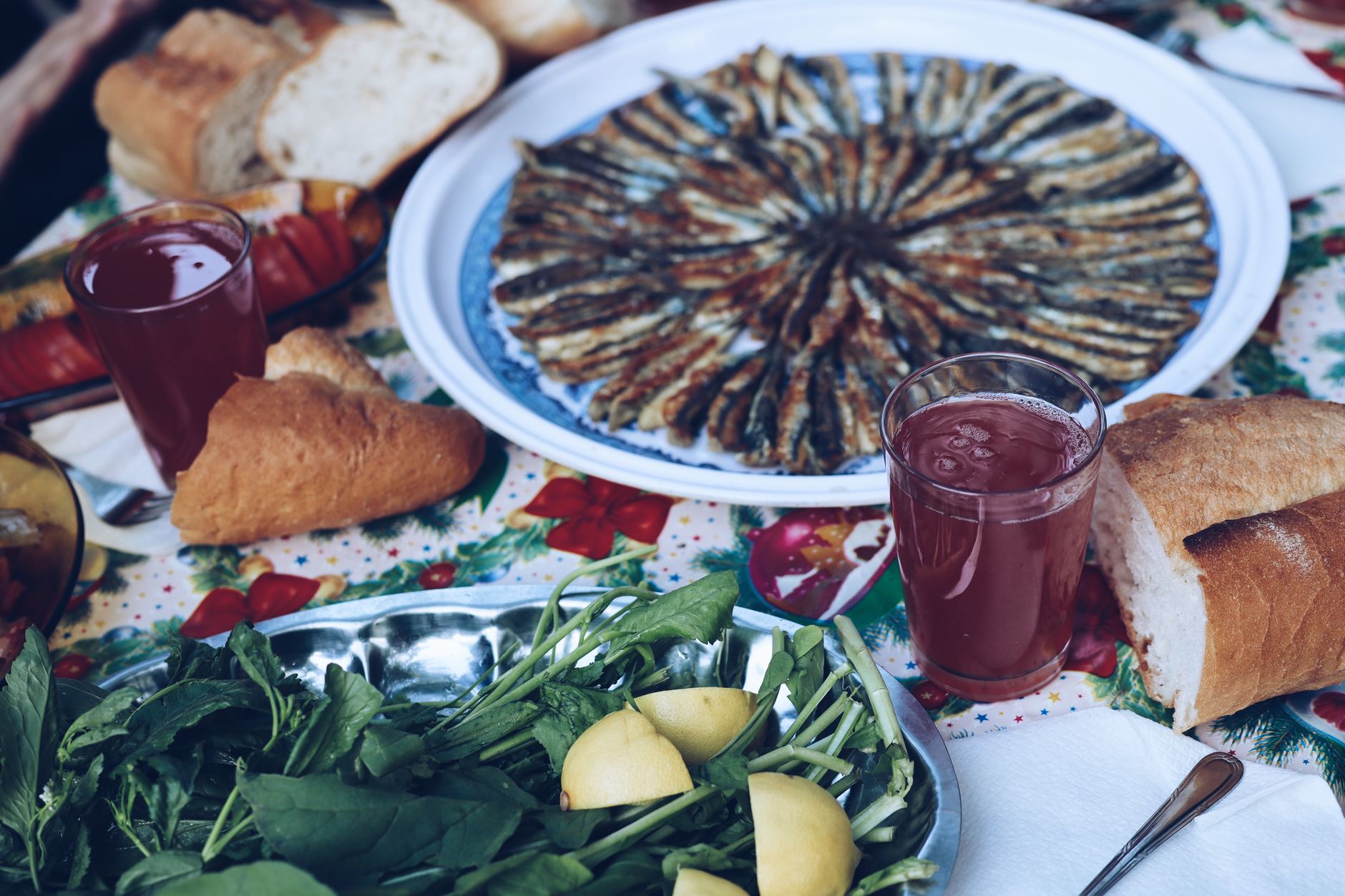
Plant-based yogurt is increasingly available in supermarkets, and some restaurants in big cities offer soy yogurt. However, traditional dishes like cacık (yogurt with cucumber) and ayran (yogurt drink) are off-limits. Instead, opt for şalgam (turnip juice), a tangy, dairy-free beverage from the Adana region, or fresh fruit juices.
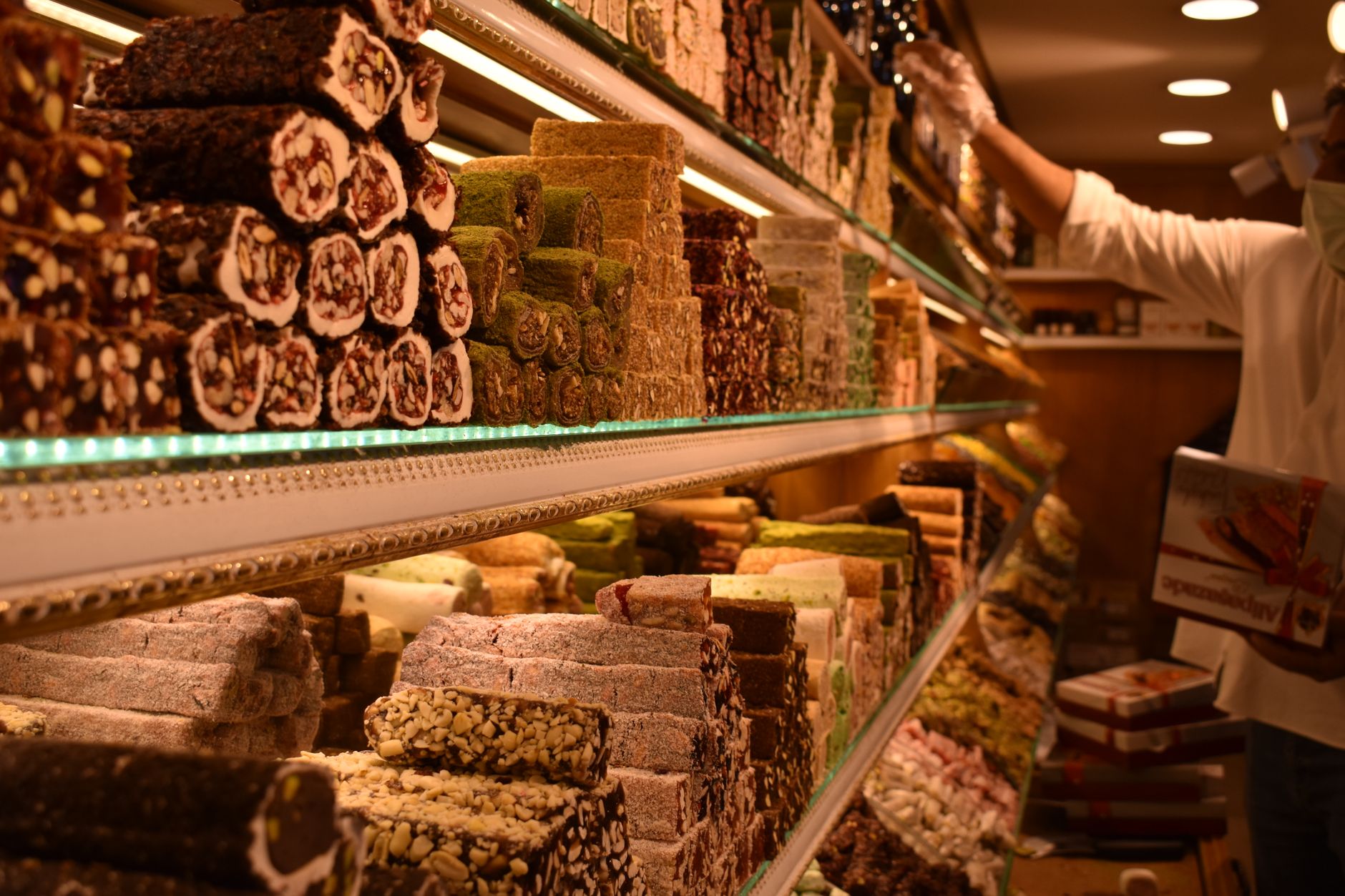
For dessert, many Turkish sweets are dairy-free by nature: baklava (made with nuts and syrup, but contains gluten in the pastry), lokum (Turkish delight), and helva (sesame paste sweet). Sorbet-like dondurma (ice cream) often contains milk, but you can find fruit-based sorbet in some shops. Always ask about ingredients—"Süt ürünleri var mı?" (Are there dairy products?) is a useful phrase.
Practical Phrases for Explaining Dietary Needs
Communication is key to a stress-free dining experience. While many Turks speak some English, especially in tourist areas, learning a few phrases in Turkish shows respect and ensures clarity. Here are essential sentences:
- "Süt ürünlerine alerjim var." – I am allergic to dairy products.
- "Gluten içeren yemek yiyemem." – I cannot eat food containing gluten.
- "Vejetaryenim / Veganım." – I am vegetarian / vegan.
- "Bu yemekte süt, yoğurt veya peynir var mı?" – Does this dish contain milk, yogurt, or cheese?
- "Bu yemekte un veya bulgur var mı?" – Does this dish contain flour or bulgur?
- "Lütfen sütsüz / yoğurtsuz / ekmeksiz hazırlayabilir misiniz?" – Can you please prepare it without milk / yogurt / bread?
It's also helpful to carry a written card in Turkish explaining your dietary restrictions, as translation apps can sometimes miss nuances. Many restaurants are accommodating, but in smaller establishments, it's wise to double-check ingredients. For more tips on navigating Turkish cuisine, see our guides section.
Regional Specialties: A Journey Through Gluten-Free and Dairy-Free Delights
Türkiye's regions offer distinct flavors, and each has something for every diet. In the Aegean, olive oil-based dishes reign supreme. Try zeytinyağlı enginar (artichoke with olive oil) or deniz börülcesi (samphire)—both naturally gluten-free and dairy-free. The Black Sea region is famous for its hamsi (anchovies), often grilled or fried in cornmeal (gluten-free if not mixed with wheat flour). Ask for mısır unlu hamsi (anchovies with cornmeal) and confirm no wheat is used.
In the Southeast, the cuisine is meat-centric and spicy. İçli köfte (stuffed meatballs) are usually made with bulgur (not gluten-free), but you can find gluten-free versions with rice in some places. Çiğ köfte (raw meatball) is typically vegan and gluten-free when made with fine bulgur—but bulgur contains gluten, so avoid it if you're sensitive. Instead, enjoy kuzu tandır (slow-roasted lamb) with rice pilaf.
For a sweet finale, the Aegean offers incir uyutması (fig dessert) made with figs, sugar, and sometimes milk—ask for a dairy-free version. In Istanbul, seek out vegan lokum and dairy-free dondurma at specialty shops. For more regional insights, explore our destinations page.
Safe and Delicious: A Sample Gluten-Free, Dairy-Free Day in Istanbul
Start your day at a café in Karaköy with a menemen (without cheese) and a soy milk latte. For lunch, head to a lokanta (traditional eatery) and order ızgara tavuk (grilled chicken) with pilav (rice pilaf) and çoban salata. Confirm that the pilav is made with rice, not bulgur. In the afternoon, enjoy a fresh pomegranate juice and some lokum (check for gluten-free varieties).
Dinner at a kebab restaurant: order Adana kebap without bread, with grilled vegetables and ezme (spicy tomato dip). For dessert, try kabak tatlısı (pumpkin dessert) made with sugar and walnuts—no dairy or gluten. End the night with a cup of Turkish tea.
With a little planning, you can savor Türkiye's culinary wonders without compromising your dietary needs. The key is to communicate clearly, choose naturally safe dishes, and embrace the country's accommodating spirit. For personalized itinerary planning, visit our planner.
Thinking about a trip to Turkey?
Share your contact details and a vetted local expert will follow up with a plan built around you — free, no obligation.