

Introduction: The Civilizations That Water Built
Water is the quiet protagonist of Türkiye's history. From the Hittites to the Ottomans, every great power that ruled Anatolia understood a simple truth: control water, and you control life. The Romans built aqueducts that still slice through modern skylines. The Byzantines expanded and maintained them to keep Constantinople alive. The Ottomans, inheriting this hydraulic legacy, added their own elegant su kemerleri (water arches) to feed fountains, hamams, and palace gardens.
Today, Türkiye is an open-air museum of hydraulic engineering. You can walk beneath the Aqueduct of Valens in the heart of Istanbul, stand before the perfectly proportioned arches of Aspendos near Antalya, and trace Ottoman water lines through the forests of Belgrade and Belgrade Forest. This guide celebrates these marvels and shows you how to experience them—practically, photographically, and with deep admiration for the layered genius of Anatolia.
Whether you're a history buff, an engineering enthusiast, or simply a curious traveler, these monuments offer a rare chance to touch the past. They are not dusty ruins; they are living infrastructure that shaped cities and still inspire awe. Let's dive in.
The Aqueduct of Valens: Istanbul's Enduring Spine
No aqueduct in Türkiye is more iconic than the Aqueduct of Valens (Bozdoğan Kemeri), a monumental Roman structure that spans the valley between Istanbul's third and fourth hills. Completed in 368 AD under Emperor Valens, it was the linchpin of Constantinople's water supply, channeling water from the springs of Thrace over 250 kilometers into the city's heart. For centuries, it quenched the thirst of a metropolis of half a million people.
What makes Valens extraordinary is not just its size—originally over 970 meters long and up to 29 meters high—but its integration into the living city. Today, Atatürk Boulevard passes directly beneath its arches, and the aqueduct serves as a beloved landmark where locals jog, tourists snap photos, and cats sun themselves on ancient stones. It's a masterpiece of Roman engineering that never became obsolete; the Ottomans repaired it, and it remained in use until the 19th century.
Walking along the aqueduct's base, you can appreciate the precision of its construction. The arches are perfectly semicircular, built from Roman brick and stone, and the gradient was calculated to maintain a gentle, constant flow. It's a testament to the surveyors and masons who, without modern instruments, achieved tolerances that still impress engineers today. For the traveler, it's a free, always-open monument that beautifully frames Istanbul's chaotic beauty.
Practical tips: Visit in the early morning or late afternoon for soft light and fewer crowds. The best photo spot is from the intersection of Atatürk Boulevard and Şehzadebaşı Caddesi, where you can capture the aqueduct with the modern tram passing beneath. Combine your visit with the nearby Şehzade Mosque, a masterpiece by Mimar Sinan, and the Istanbul Metropolitan Municipality area. The aqueduct is easily reached by tram (Laleli-Üniversite stop) or a short walk from the Grand Bazaar.
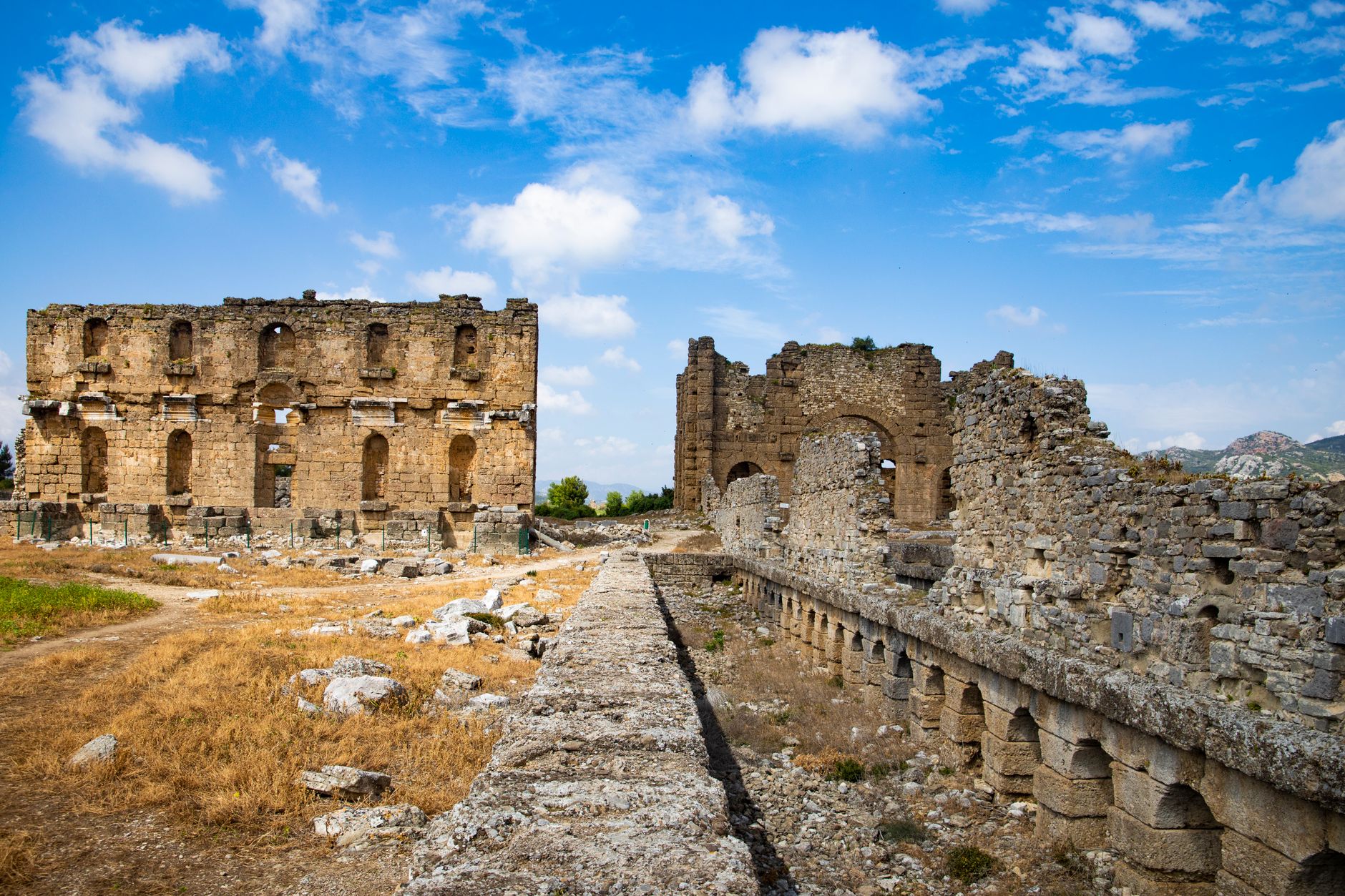
Aspendos Aqueduct: Roman Engineering Perfected
While the Aqueduct of Valens is woven into Istanbul's urban fabric, the Aspendos Aqueduct near Antalya stands as a pristine example of Roman hydraulic engineering in a dramatic rural setting. Built in the 2nd century AD, this 15-kilometer-long system brought water from the slopes of the Taurus Mountains to the wealthy city of Aspendos, famous for its incomparable theater. The aqueduct's most striking feature is its inverted siphon, a sophisticated mechanism that used pressure to carry water across a valley, a technique that required precise calculation and robust construction.
The surviving section, with its tall, slender piers and elegant arches, is among the best-preserved in the Mediterranean. Unlike many aqueducts that were quarried for stone, Aspendos' aqueduct remained largely intact because it was admired and protected. Walking among its arches, you can almost hear the rush of water that once flowed to fountains, baths, and the city's elite. It's a humbling experience to stand where Roman engineers solved a problem that would challenge modern planners.
The site is conveniently located just 3 kilometers from the Aspendos Theater, allowing you to combine two wonders in one trip. The theater itself is the best-preserved Roman theater in the world, still hosting performances. Together, they offer a full day of Roman grandeur. The aqueduct is less crowded than the theater, so you can often have it to yourself, especially on weekdays.
Practical tips: Rent a car or join a tour from Antalya (about 45 km east). Wear sturdy shoes, as the terrain around the aqueduct is uneven. Bring water—ironically, the site has little shade. For photography, the best angles are from the adjacent fields, where you can frame the arches against the Taurus Mountains. Late afternoon light turns the stone golden. Combine with a visit to the Aspendos Theater and the nearby Köprülü Canyon for a full day of ancient wonders and natural beauty.
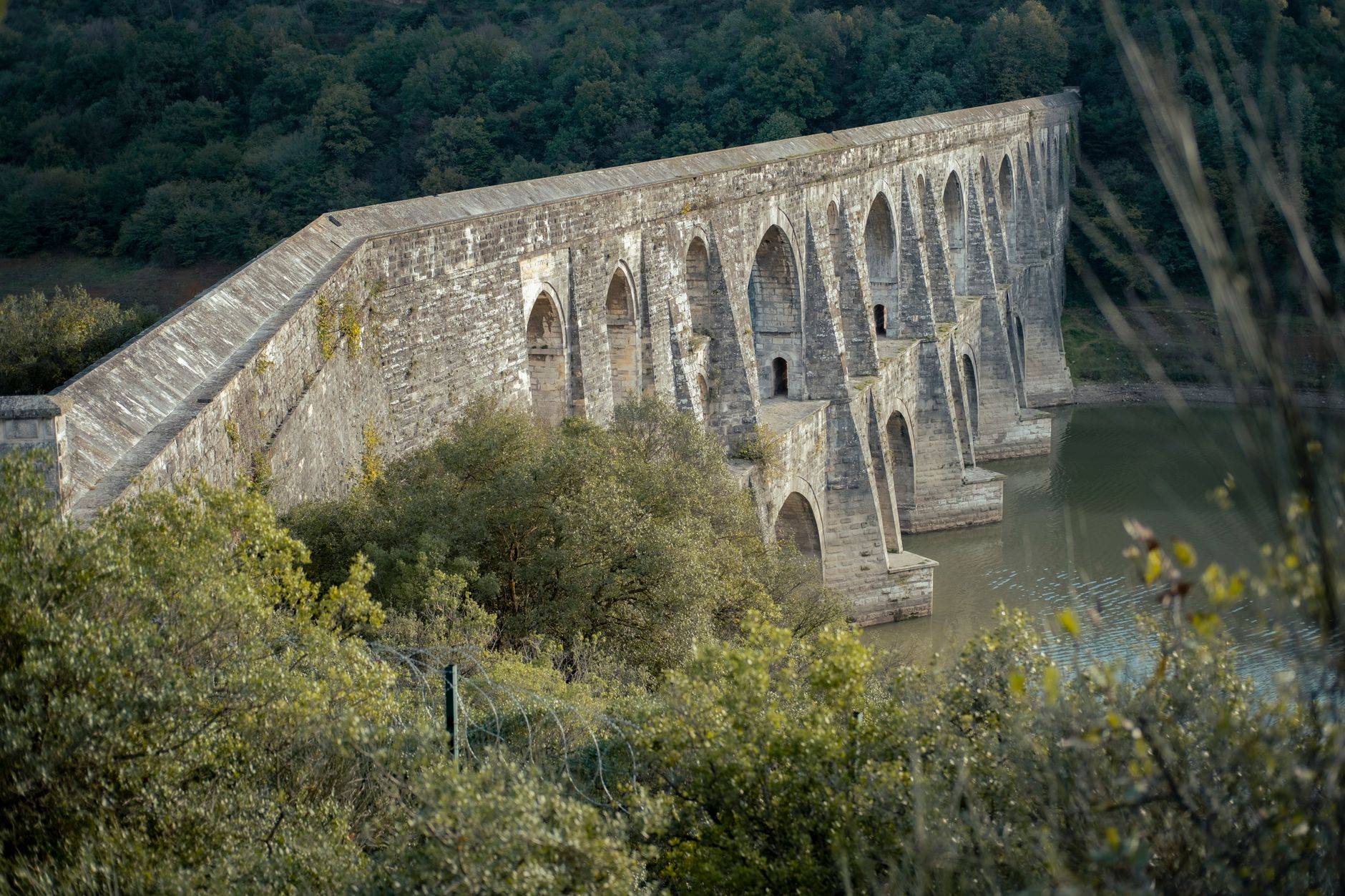
Ottoman Water Arches: The Legacy of Süleyman and Sinan
The Ottomans didn't just inherit Roman and Byzantine water systems—they perfected them. Under Sultan Süleyman the Magnificent and his chief architect Mimar Sinan, Istanbul saw a new wave of aqueduct construction to meet the growing city's needs. The most famous is the Kırkçeşme Water Supply System, a vast network that included aqueducts, tunnels, and distribution chambers. Its centerpiece, the Uzunkemer (Long Aqueduct) in the Belgrade Forest, is a breathtaking 711-meter-long structure that gracefully spans a valley.
Sinan's approach was both practical and aesthetic. He understood that water arches could be beautiful as well as functional. The Mağlova Aqueduct, also in the Belgrade Forest, is considered his masterpiece—a single, soaring arch that combines Roman engineering with Ottoman elegance. It was so well-built that it still functions today, a testament to the durability of Ottoman masonry. These aqueducts were part of a larger system that brought water from the forests north of Istanbul to the city's fountains, hamams, and palaces, including the Topkapı Palace.
Visiting these Ottoman water arches is a journey into the green heart of Istanbul. The Belgrade Forest, named after the Serbian city where Süleyman's army camped, is a lush escape from the urban hustle. Here, you can hike or drive between aqueducts, picnicking beside streams that still flow. The contrast between the ancient stone and the vibrant forest is magical, especially in spring when wildflowers bloom.
Practical tips: The Belgrade Forest is about 20 km north of Istanbul; rent a car or take a bus from Hacıosman Metro Station. The aqueducts are free to visit and open year-round. Wear comfortable walking shoes and bring a picnic. The best photo spots are from the valley floors, looking up at the arches, or from the ridges for panoramic views. Combine with a visit to the Atatürk Arboretum or the Bahçeköy area for a full day in nature. For history enthusiasts, the Kırkçeşme Water Supply System is a must—you can still see the original inscription stones.
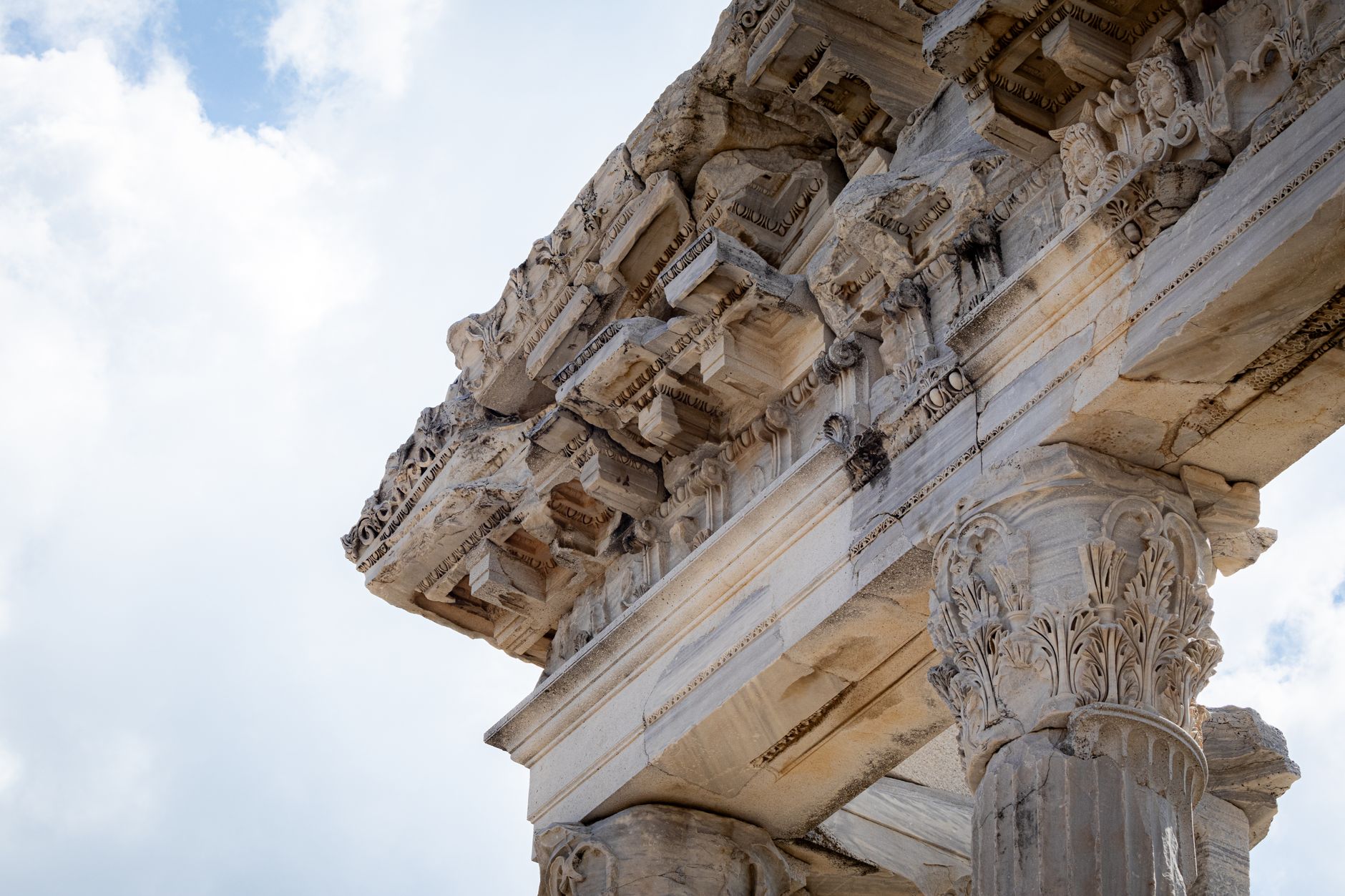
Other Hydraulic Marvels: From Pergamon to Şanlıurfa
Türkiye's hydraulic heritage extends far beyond Istanbul and Aspendos. In the ancient city of Pergamon (modern Bergama), you can see the remains of one of the most pressurized water systems of antiquity. The Romans built a 3-kilometer-long aqueduct and a series of tunnels to supply the acropolis, using inverted siphons to overcome steep terrain. The Pergamon Aqueduct is a marvel of engineering, with its massive stone blocks still bearing the marks of their makers.
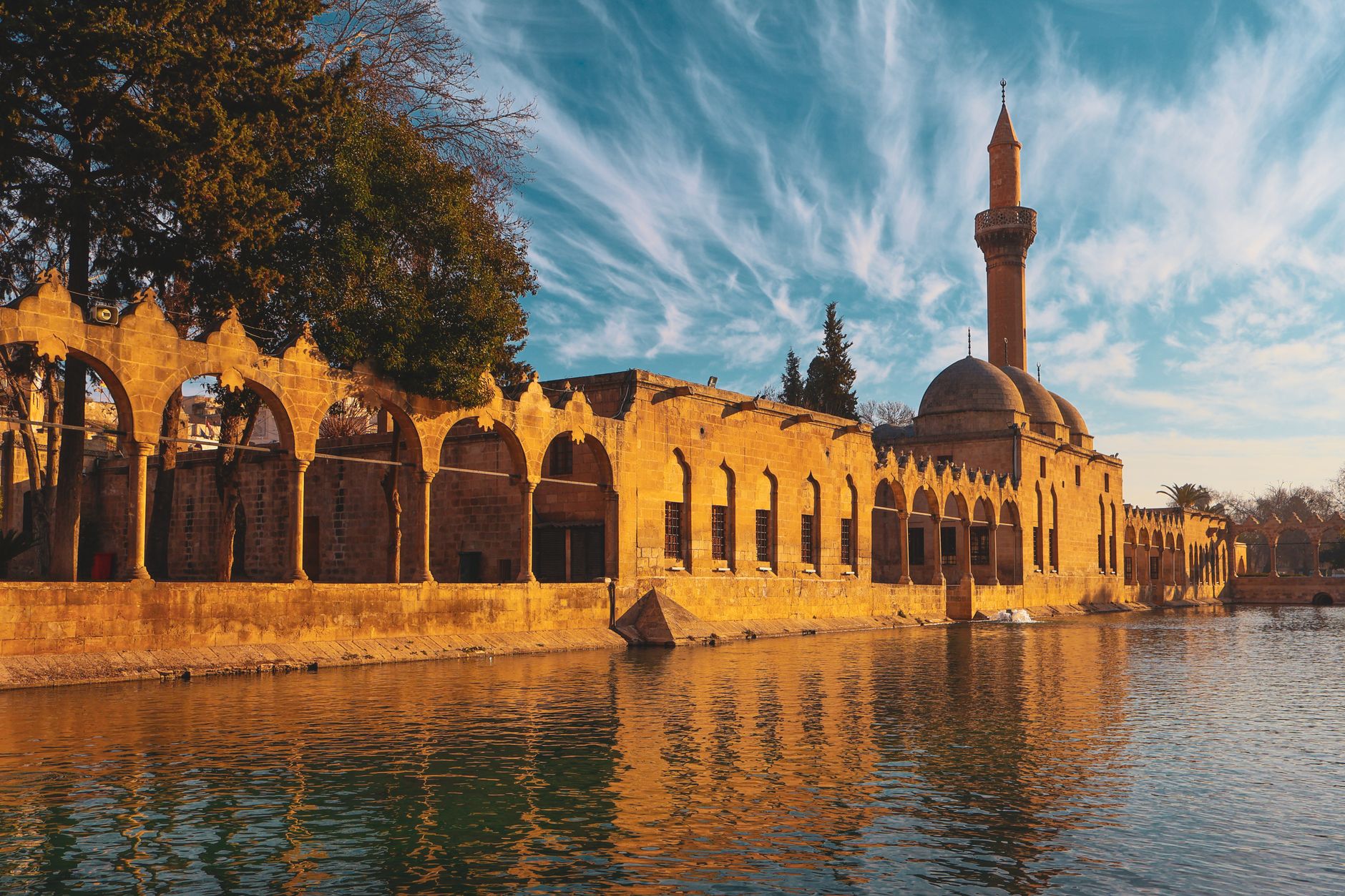
In the southeast, the city of Şanlıurfa (ancient Edessa) is known for its sacred pools and water systems. The Balıklıgöl (Fish Lake) and the nearby Ayn Zeliha pool are fed by channels that date back to antiquity. The Ottomans later added fountains and water arches, creating a serene oasis in the heart of the city. It's a place where water is not just a utility but a spiritual element, revered by locals and travelers alike.
Another gem is the Aqueduct of Olba near Silifke, a Roman structure that once carried water to the ancient city of Diocaesarea. It's less visited but offers a raw, unspoiled experience. Similarly, the Lamas Aqueduct near Mersin stands as a lonely sentinel in the countryside, its arches framing the Mediterranean landscape. These sites remind us that Roman engineering was not confined to major cities; it was a tool of empire, bringing civilization to every corner.
Practical tips: These sites are best explored by car, as public transport is limited. Pergamon is a day trip from Izmir; Şanlıurfa is accessible by flight or bus from Istanbul. For Olba and Lamas, base yourself in Mersin or Silifke. Always check local opening hours, as some sites are unguarded. Bring a torch for tunnels and wear sturdy footwear. Photography is allowed, but be respectful of any ongoing excavations.
How to Plan Your Aqueduct Adventure
To truly appreciate Türkiye's water engineering marvels, consider a themed itinerary that spans regions. Start in Istanbul with the Aqueduct of Valens and the Ottoman aqueducts of the Belgrade Forest. Then fly to Antalya for Aspendos and the Roman aqueducts of the south. Continue to Izmir for Pergamon, and if time permits, head east to Şanlıurfa for its sacred waters. This route covers Roman, Byzantine, and Ottoman achievements, giving you a comprehensive view of hydraulic history.
Spring (April-May) and autumn (September-October) are the best seasons for exploring, with mild temperatures and fewer crowds. Summer can be scorching, especially in the south, so plan outdoor visits for early morning or late afternoon. Winter is mild in Istanbul and Antalya but can be chilly in the highlands. Always carry water, sunscreen, and a hat.
For photography, golden hour is your friend. The warm light brings out the texture of ancient stone and casts dramatic shadows through arches. A wide-angle lens is ideal for capturing the scale of aqueducts, while a telephoto can isolate details. Don't forget a tripod for low-light shots in tunnels or at dusk. And always look for reflections—water, if present, doubles the beauty.
Finally, remember that these structures are fragile. Climbing on them is dangerous and forbidden. Stay on designated paths, and help preserve them for future generations. By visiting, you're not just seeing history—you're supporting its conservation.
Nearby Attractions and Combining Sites
Each aqueduct is surrounded by other wonders. In Istanbul, pair the Aqueduct of Valens with the Süleymaniye Mosque, another Sinan masterpiece, and the Grand Bazaar. For the Belgrade Forest aqueducts, combine with a trip to the Black Sea beaches at Kilyos or the Sadberk Hanım Museum. In Antalya, Aspendos pairs perfectly with the Side Museum and the Manavgat Waterfall. Pergamon is close to the Asklepion and the Red Basilica. Şanlıurfa offers the Göbeklitepe, the world's oldest temple, just a short drive away.
These combinations turn a niche interest into a rich cultural journey. You'll not only see aqueducts but also theaters, mosques, bazaars, and natural wonders. Türkiye's layered heritage means that every site has a story, and water is often the thread that connects them. So pack your bags, charge your camera, and set out to explore the genius of Roman, Byzantine, and Ottoman engineers. The aqueducts are waiting.
Thinking about a trip to Turkey?
Share your contact details and a vetted local expert will follow up with a plan built around you — free, no obligation.