

Introduction: Walking in the Footsteps of Silk Road Merchants
Imagine stepping onto a path worn smooth by centuries of camel caravans, where the scent of spices once mingled with the dust of the road. Türkiye's ancient caravan routes, the lifelines of the historic Silk Road, are now welcoming a new generation of explorers: modern walkers and drivers who seek adventure, culture, and connection. From the bustling bazaars of Konya to the rugged highlands of Erzurum, these routes offer a unique blend of history, hospitality, and breathtaking landscapes.
In 2026, with improved infrastructure and a growing network of heritage trails, following the Silk Road on foot or by car is more accessible than ever. Whether you're a seasoned trekker or a casual wanderer, the caravanserai towns of Anatolia promise an uplifting journey through time. This guide will lead you through the essential stops, practical tips, and the warm-hearted people who keep this heritage alive.
Konya: The Spiritual Heart of the Silk Road
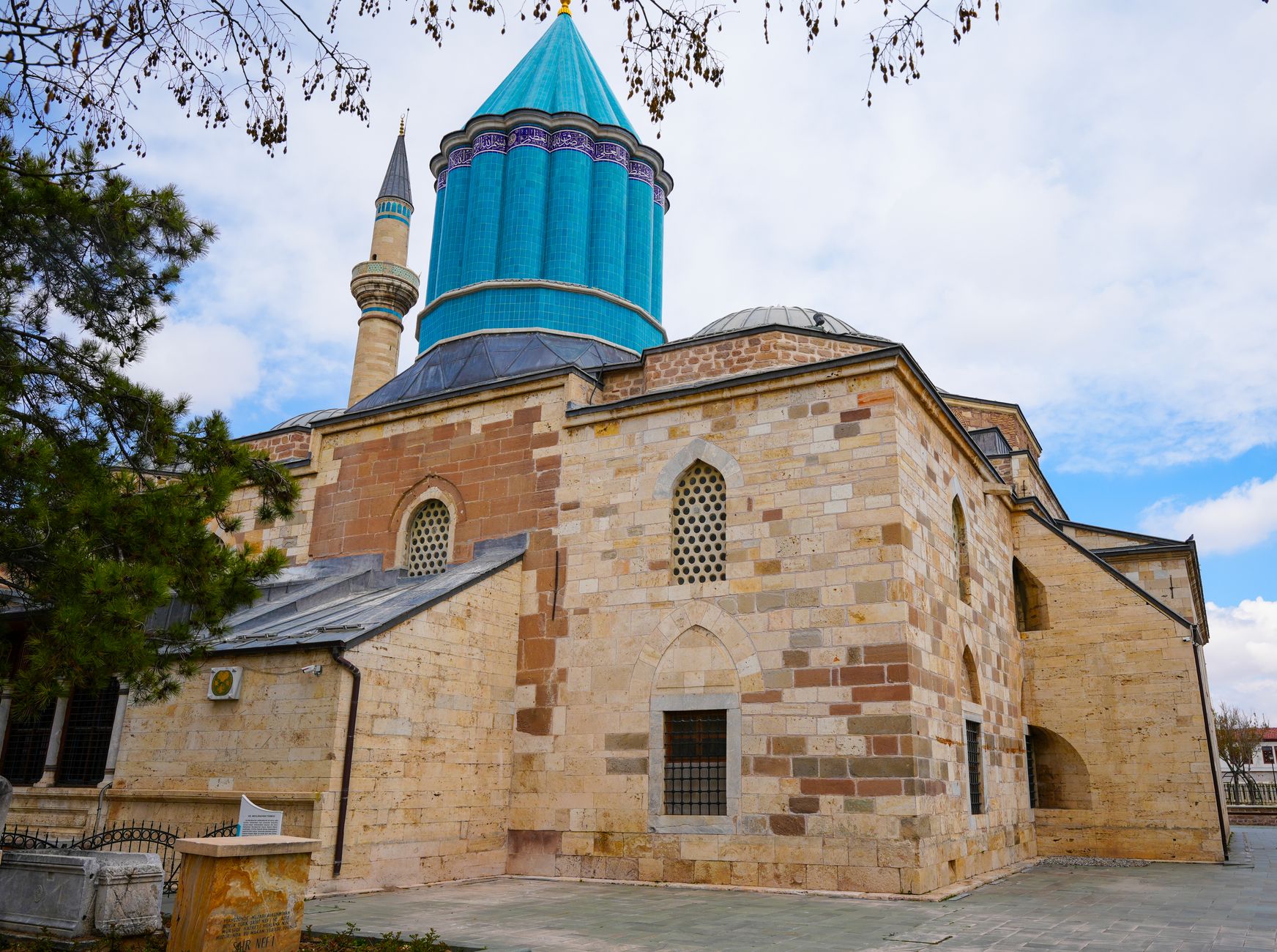
Konya, once the capital of the Seljuk Sultanate of Rum, is a natural starting point for any Silk Road adventure. This city, known for the whirling dervishes and the tomb of Rumi, was a major caravan stop where merchants rested and traded. Today, you can wander through the bustling bazaar, visit the magnificent Selimiye Mosque, and explore the Karatay Medrese, a 13th-century theological school with stunning tilework.
For walkers, the city offers a gentle introduction to the route. The Konya section of the Silk Road is well-marked, with paths leading out towards the ancient caravanserais of the surrounding plains. A highlight is the Sultanhanı Caravanserai, about 100 km east of Konya, one of the largest and best-preserved in Türkiye. Built in 1229, it served as a fortified rest stop for caravans, with a mosque, bathhouse, and sleeping quarters. Walking its stone corridors, you can almost hear the echoes of merchants haggling over silk and spices.
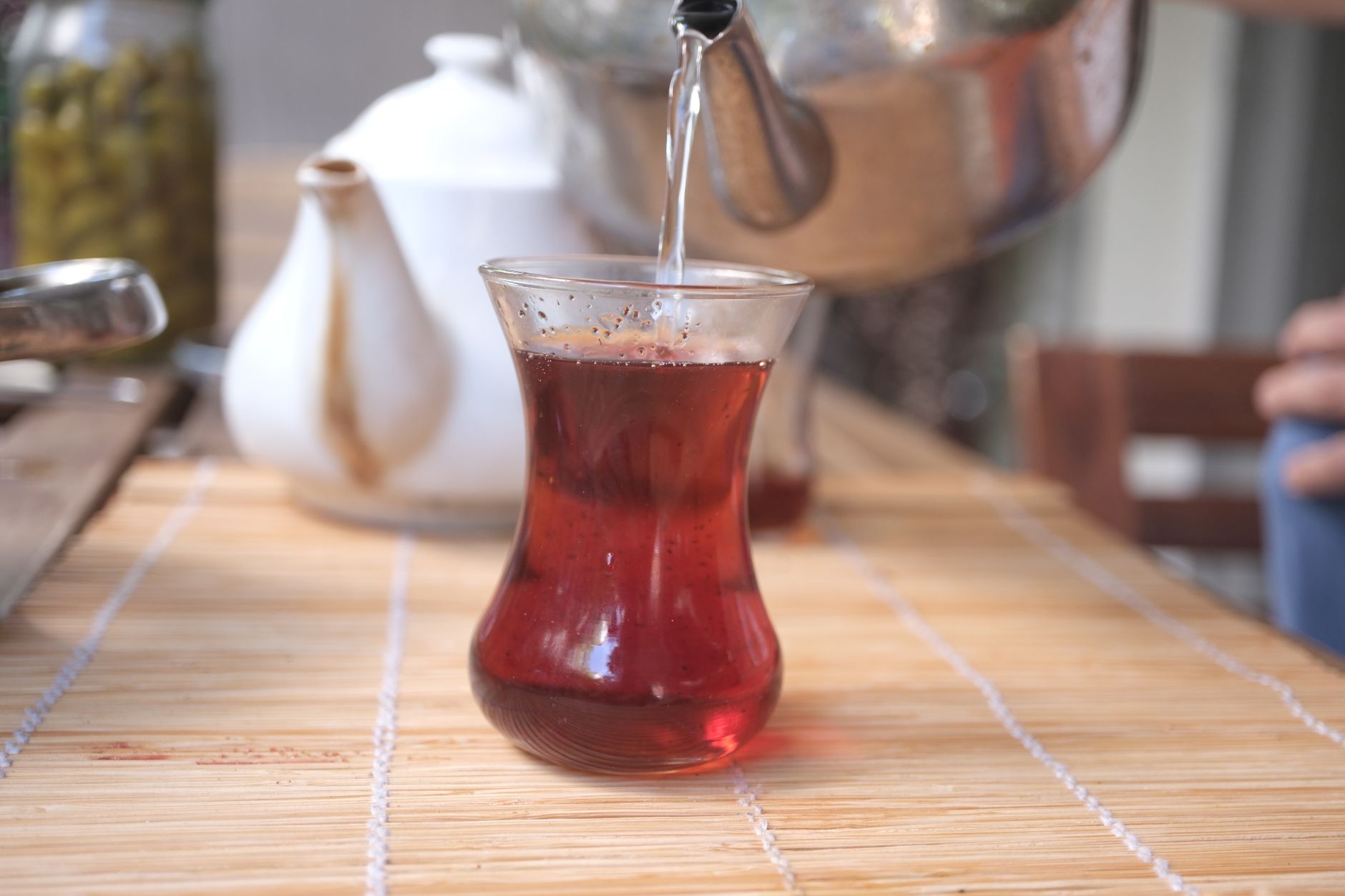
Accommodation in Konya ranges from boutique hotels in restored Ottoman houses to comfortable modern inns. For an authentic experience, stay at a traditional han (inn) converted into a guesthouse, where you can enjoy local cuisine like fırın kebab and etli ekmek. The people of Konya are famously hospitable; don't be surprised if a shopkeeper invites you for çay (tea) and shares stories of the road.
Aksaray and the Caravanserai Trail
Heading east from Konya, the landscape opens into the vast plains of Aksaray, a province dotted with caravanserais that once formed a chain of safe havens for travelers. The most famous is the Ağzıkara Han, a 13th-century Seljuk caravanserai that rivals Sultanhanı in size and beauty. Its intricately carved portal and serene courtyard offer a perfect spot for reflection.
Aksaray itself is a friendly town with a rich history. Visit the Aksaray Museum to see artifacts from the Silk Road era, then stroll through the old quarter where Ottoman-era houses still stand. The local market is a feast for the senses, with fresh produce, handicrafts, and the unmistakable aroma of Turkish coffee.
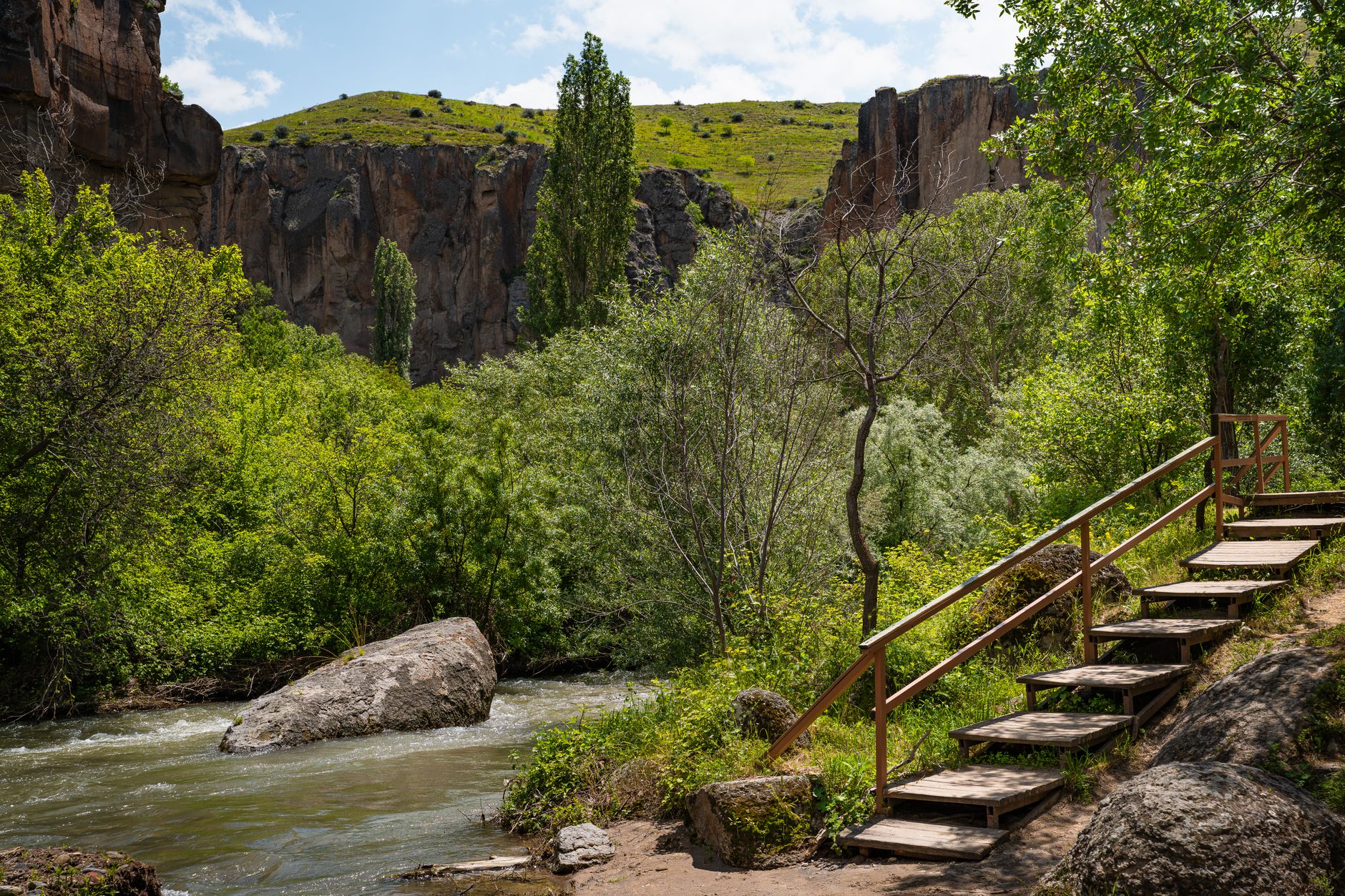
For walkers, the route from Aksaray to the nearby Ihlara Valley is a must. This 16-km canyon, carved by the Melendiz River, is a hiker's paradise with rock-cut churches, underground cities, and lush greenery. The valley was a refuge for early Christians and later a resting place for caravans. Walking here, you'll encounter shepherds, friendly villagers, and perhaps a tea garden where you can rest your feet.
Accommodation in Aksaray includes cozy guesthouses and a few boutique hotels. The best time to visit is spring (April-May) or autumn (September-October), when temperatures are mild and the plains are carpeted with wildflowers. Summer can be hot, so start your walks early and carry plenty of water.
Erzurum: The High Plateau Gateway to the East
Continuing east, the route climbs to Erzurum, a city perched at 1,900 meters on the Anatolian plateau. This was the last major stop before the long journey to Persia and Central Asia, and its caravanserais were vital for traders crossing the high mountains. The most notable is the Rüstem Pasha Caravanserai, built in the 16th century, which now houses a bustling bazaar where you can buy local crafts and sample Erzurum's famous cağ kebab.
Erzurum's cold winters make summer (June-August) the ideal time for walking. The city is a gateway to the Kaçkar Mountains, a trekker's dream with alpine meadows, glacial lakes, and traditional villages. The local people, known for their hospitality, will welcome you with open arms and perhaps a glass of ayran (yogurt drink).
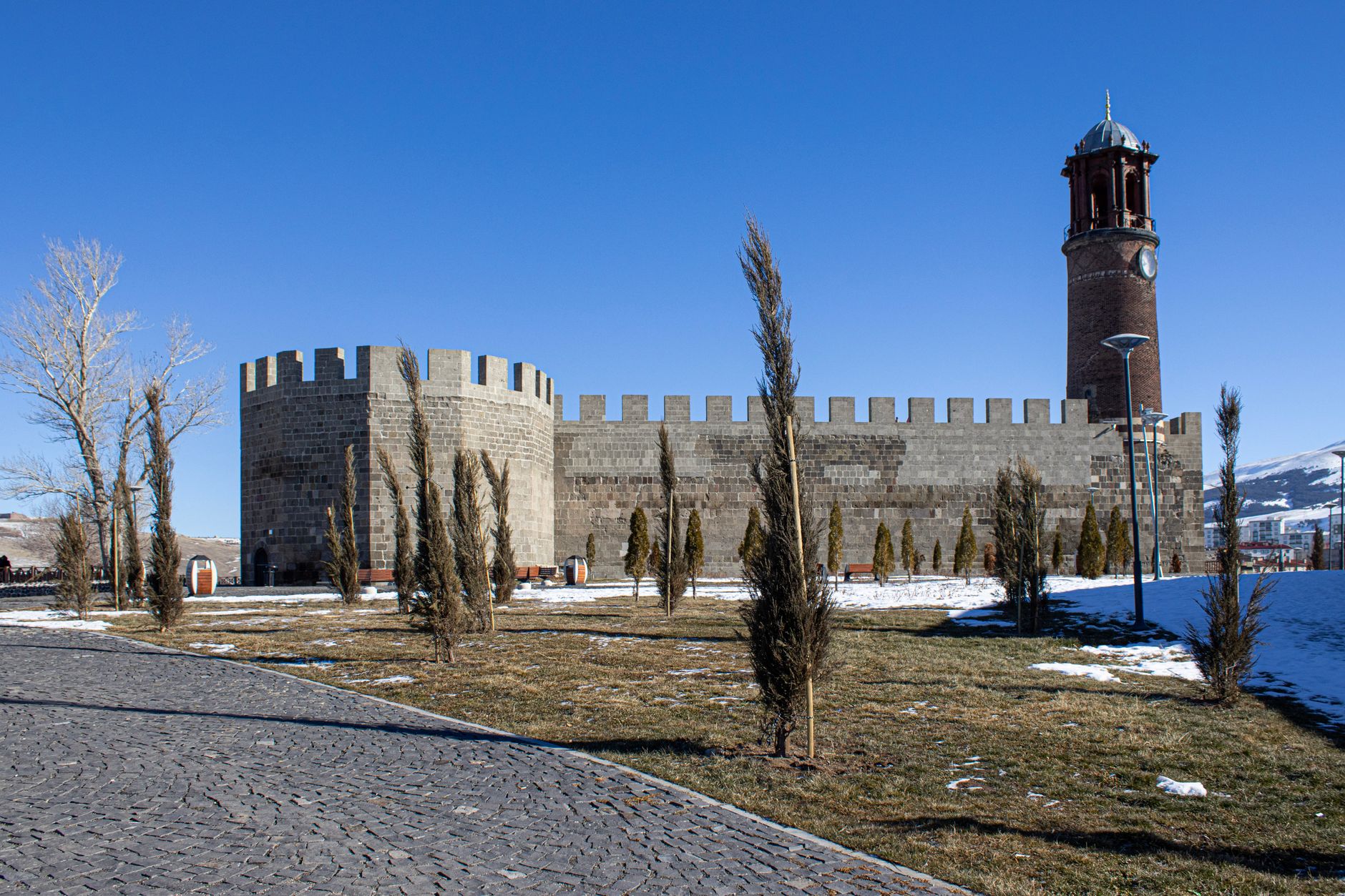
Don't miss the Erzurum Castle and the Çifte Minareli Medrese, a stunning Seljuk monument with twin minarets. The city's bazaars are perfect for picking up souvenirs like oltu taşı (jet stone) jewelry and handwoven carpets. For accommodation, choose from historic hotels in restored caravanserais or modern options near the city center.
Practical Tips for Modern Walkers and Drivers
Distance and Timing: The classic Silk Road route through Türkiye spans roughly 1,200 km from Istanbul to the eastern border. However, for a focused adventure, the section from Konya to Erzurum is about 800 km. Walkers can tackle shorter segments, such as Konya to Aksaray (140 km) or Aksaray to Erzurum (650 km by car, with walking detours). Driving allows you to cover more ground and reach remote caravanserais, while walking lets you immerse in the landscape.
Seasonal Considerations: Spring and autumn are ideal for walking, with comfortable temperatures and fewer crowds. Summer can be hot on the plains but pleasant in the highlands. Winter brings snow to Erzurum and closed passes, so plan accordingly. Always check local weather forecasts and trail conditions.
Accommodation: Türkiye offers a range of options, from luxury hotels to family-run pensions. For an authentic experience, stay in converted caravanserais or traditional Ottoman houses. Booking in advance is recommended during peak season.
What to Pack: Comfortable walking shoes, a sun hat, sunscreen, a refillable water bottle, and a light jacket for cooler evenings. A phrasebook or translation app will help you connect with locals. Most importantly, bring an open mind and a spirit of adventure.
Local Hospitality: The Heart of the Journey
One of the most rewarding aspects of following the Silk Road is the warmth of the Turkish people. Whether you're in a village teahouse or a city bazaar, you'll be greeted with genuine kindness. Shopkeepers may offer you tea, farmers might share fresh fruit, and fellow travelers will exchange stories. This hospitality is a living legacy of the Silk Road, where travelers relied on the goodwill of strangers.
In Konya, I met a retired teacher who invited me to his home for dinner, insisting that I try his wife's mantı (Turkish dumplings). In Aksaray, a group of teenagers proudly showed me their favorite hidden cave church. In Erzurum, a carpet seller spent an hour explaining the symbolism of each pattern. These encounters transformed my journey from a simple walk into a deeply human experience.
Supporting local communities is also a way to contribute to heritage preservation. By staying in family-run guesthouses, eating at local restaurants, and buying handicrafts directly from artisans, you help sustain the traditions that make these routes so special.
Preserving the Past for Future Generations
The caravanserais, bridges, and cobbled roads of the Silk Road are irreplaceable treasures. Organizations like UNESCO and local heritage foundations are working to restore and protect these sites, but tourism can also play a role. By visiting responsibly—staying on marked trails, respecting ancient structures, and avoiding litter—you become part of the preservation effort.
Many caravanserais have been restored and repurposed as cultural centers, hotels, or museums. The Sultanhanı Caravanserai, for example, hosts occasional concerts and exhibitions. Entrance fees often go towards maintenance. Consider making a donation or volunteering with local conservation groups.
As you walk or drive along these ancient routes, remember that you are not just a tourist but a participant in a centuries-old tradition of travel and exchange. The Silk Road was never just about goods; it was about ideas, cultures, and human connections. By following it today, you keep that spirit alive.
Conclusion: Your Silk Road Adventure Awaits
Türkiye's ancient caravan routes offer an unforgettable journey through history, nature, and culture. From the spiritual allure of Konya to the rugged beauty of Erzurum, every step is a discovery. Whether you choose to walk a short segment or drive the entire route, you'll be rewarded with stunning landscapes, fascinating monuments, and the warm hospitality of the Turkish people.
In 2026, with improved trails and facilities, there's never been a better time to explore. So pack your bags, lace up your boots, and set off on an adventure that will stay with you forever. The Silk Road is calling—answer it.
Thinking about a trip to Turkey?
Share your contact details and a vetted local expert will follow up with a plan built around you — free, no obligation.