

Why Türkiye Is Best Read From the Water
Türkiye's Mediterranean and Aegean coasts hold one of the densest concentrations of ancient harbor cities anywhere on earth. Lycians, Carians, Greeks, Romans, Byzantines and Ottomans all built quays, breakwaters, lighthouses and vaulted warehouses along these shores — and then earthquakes, silt and rising sea levels swallowed much of the infrastructure they left behind. The result is an archaeological landscape you can literally float over.
That is the quiet thrill of coastal Türkiye. At Kekova, half-submerged foundations and staircases slide beneath a glassy surface. Off Aperlai, a Roman breakwater breaks the swell in water clear enough to trace its blocks. Near Knidos, two ancient harbors frame a ruined city that once commanded the sea route between the Aegean and the Levant. Sailing and ferry day trips turn these sites from textbook photographs into places with salt on your skin and wind in your ears.
This guide is about experiencing that heritage responsibly by boat — which tours to choose, how to snorkel without harming protected sites, when to sail, and how to build a coastal itinerary that balances famous anchorages with quieter harbors. It is inspiring, but it is also practical: the best moments on this coast come from preparation, not improvisation.
The Star Site: Kekova and the Sunken City of Simena
Kekova is the image most travelers carry home: a drowned city beneath turquoise water, watched over by a hilltop castle. The channel between Kekova Island and the mainland of the Lycian coast holds the ruins of Simena, partly submerged after earthquakes in late antiquity. Foundations, quays and the famous flooded staircase are visible just below the surface in calm weather.
The critical rule is this: swimming and snorkeling over the sunken city itself are prohibited to protect the site. Boats slow to near-idle as they pass, and you view the ruins from the deck. That restriction is not a nuisance — it is the reason the masonry is still legible two thousand years later. Respect it absolutely, and ask your skipper to keep a respectful distance and engine noise low.
Most day trips run from the harbor towns of Kaş, Üçağız and Demre, combining the sunken city with the village of Kaleköy (ancient Simena), where a Lycian necropolis climbs the hillside beneath a Crusader-era castle. Choose a small wooden gulet or a modest family-run boat over a loud, packed party vessel: fewer passengers means less wake, less noise and a better chance to actually see the seabed. A morning departure usually beats the afternoon wind.
Pair the boat day with time ashore. The Lycian Way passes above Kekova, and the villages around Üçağız offer simple guesthouses where the evening light on the drowned walls — seen from land — is a quieter, equally moving experience.
Harbor Towns Where Archaeology Meets the Quay
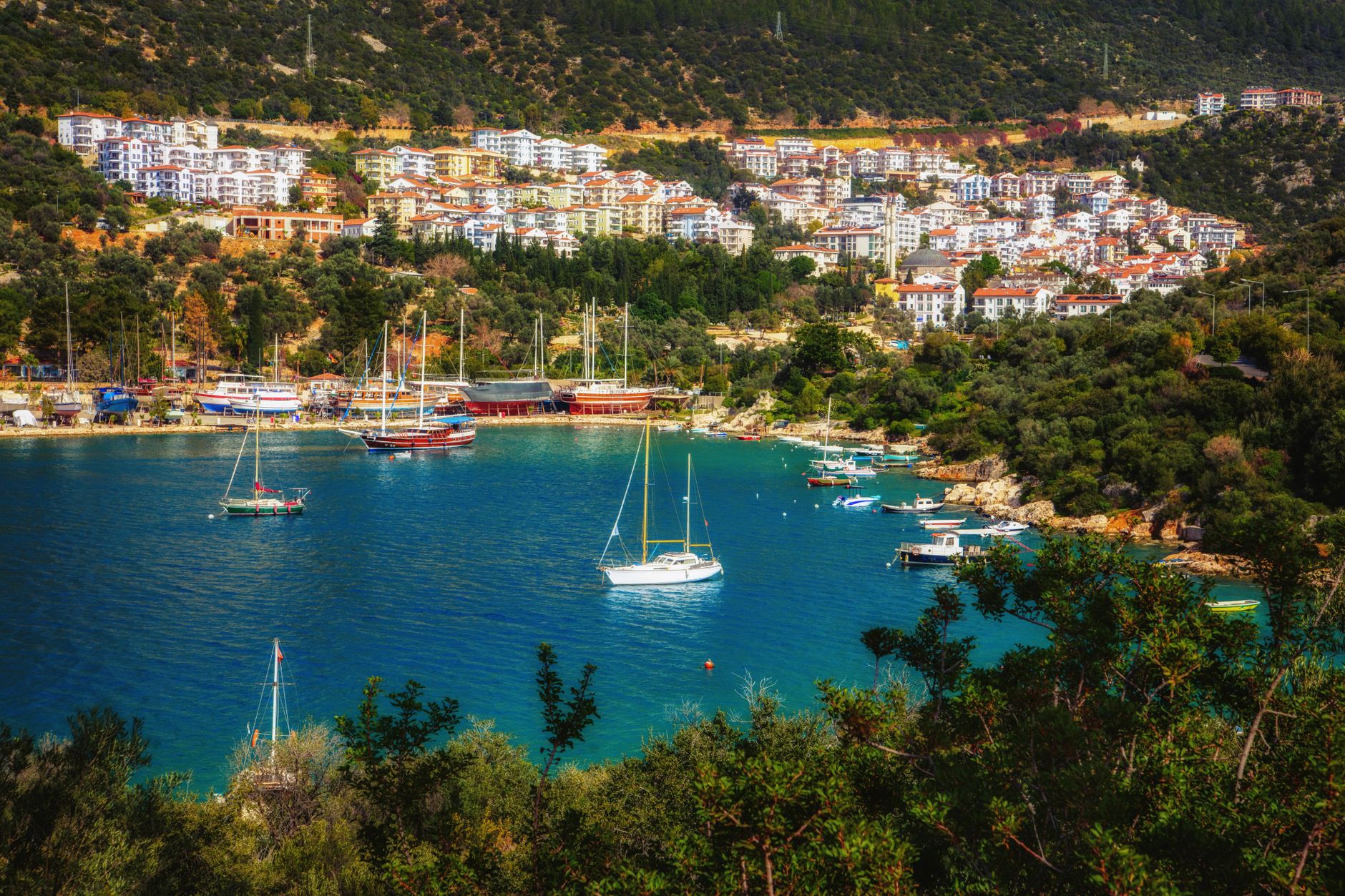
The genius of this coast is that you rarely need a dedicated expedition. Roman and Lycian remains sit inside working harbor towns, often within a short walk of where the ferry docks.
- Kaş (ancient Antiphellos): A lively diving and sailing base with a Hellenistic theater overlooking the sea and Lycian rock tombs carved into the cliff above town. It is the natural hub for Kekova and for quieter Lycian anchorages.
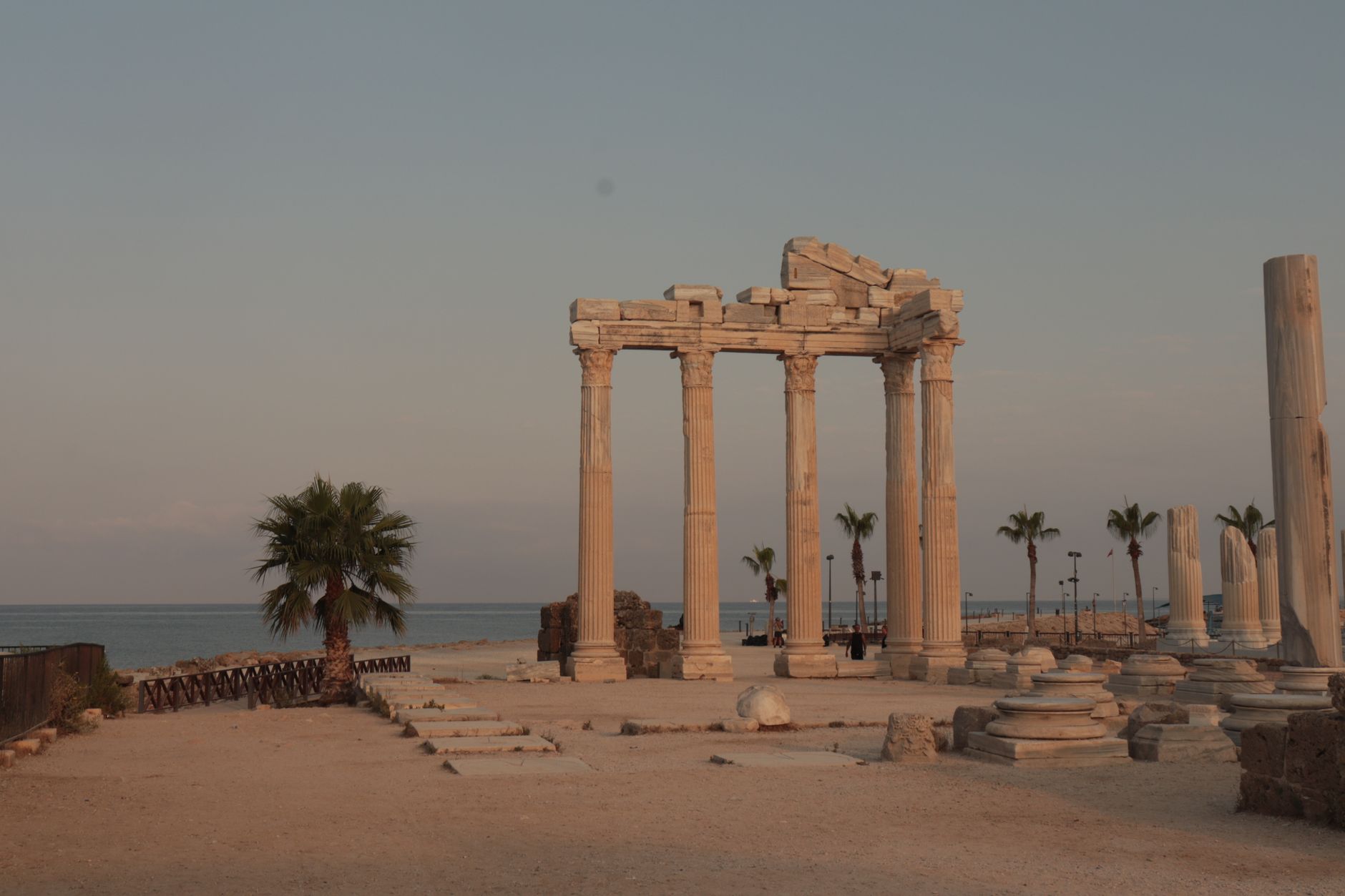
- Side: A resort town built around a Roman harbor and a superb theater, with the Temple of Apollo standing almost at the water's edge — best visited by boat in late afternoon light.
- Knidos (Datça peninsula): A dramatic double-harbor city at the tip of the peninsula, reachable by excursion boat from Datça or by road and a short walk. Arrive early; the site is exposed and the wind picks up.
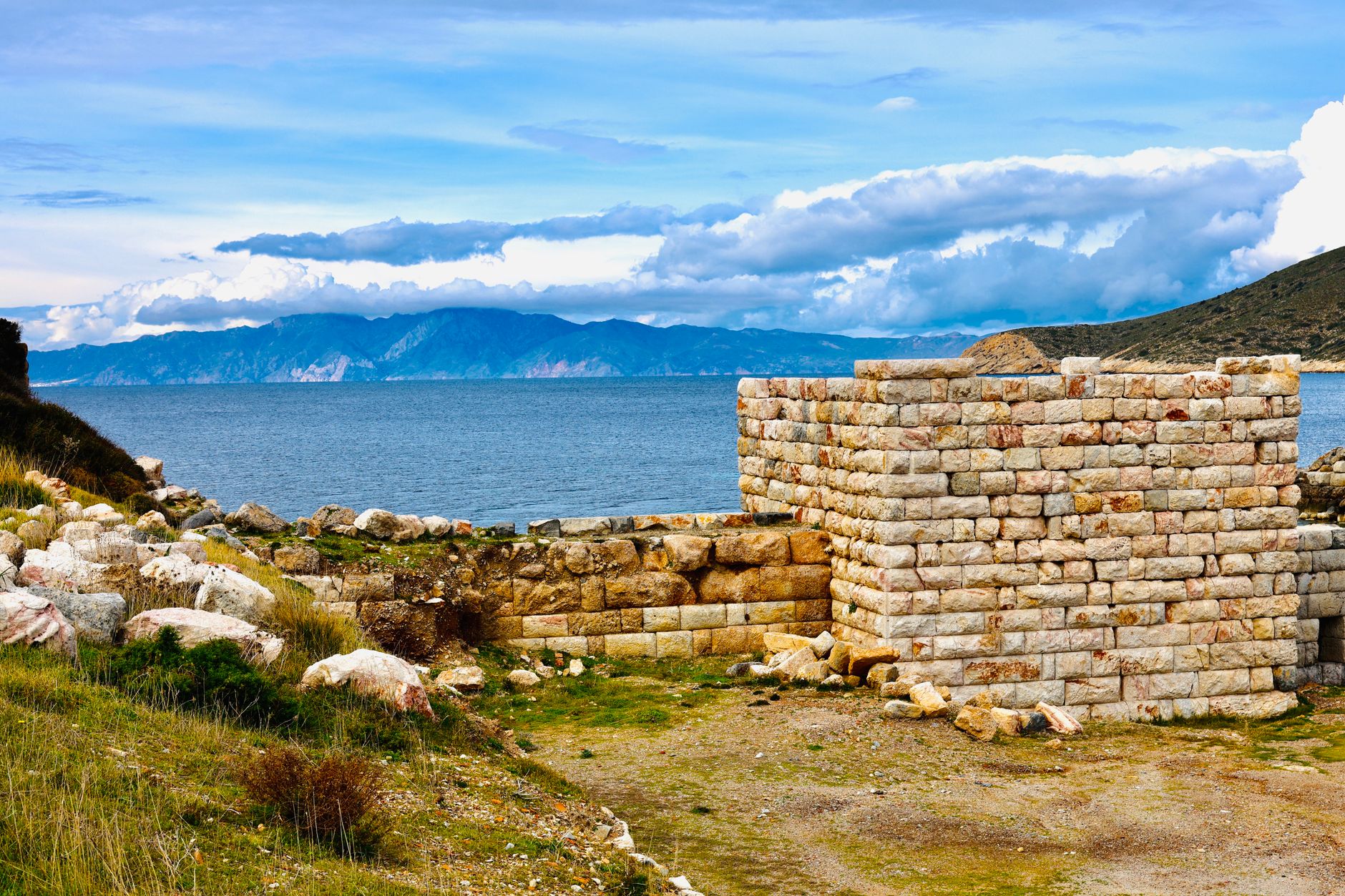
- Antalya's old harbor: The Roman-era harbor walls and the cliffs of the old city frame a bay that ferries and tour boats still use — a reminder that these quays have been in service for millennia.
- Phaselis: Three small ancient harbors, now shallow and fringed with pines, between Antalya and Kemer. Many day boats anchor offshore for swimming near the ruins.
Further east, the Cilician coast around Mersin and Silifke holds Roman harbor traces, cisterns and the great Byzantine site of Kızkalesi — a castle on a tiny island that you view best from the water. Further west, Ephesus and Miletus reward a different approach: reach them by road, but consider a boat excursion on the meandering channels near the old Aegean harbors to understand how silt transformed these ports into inland ruins.
Choosing a Boat: Gulets, Ferries and Licensed Day Trips
There are three main ways to get on the water, and each suits a different kind of traveler.
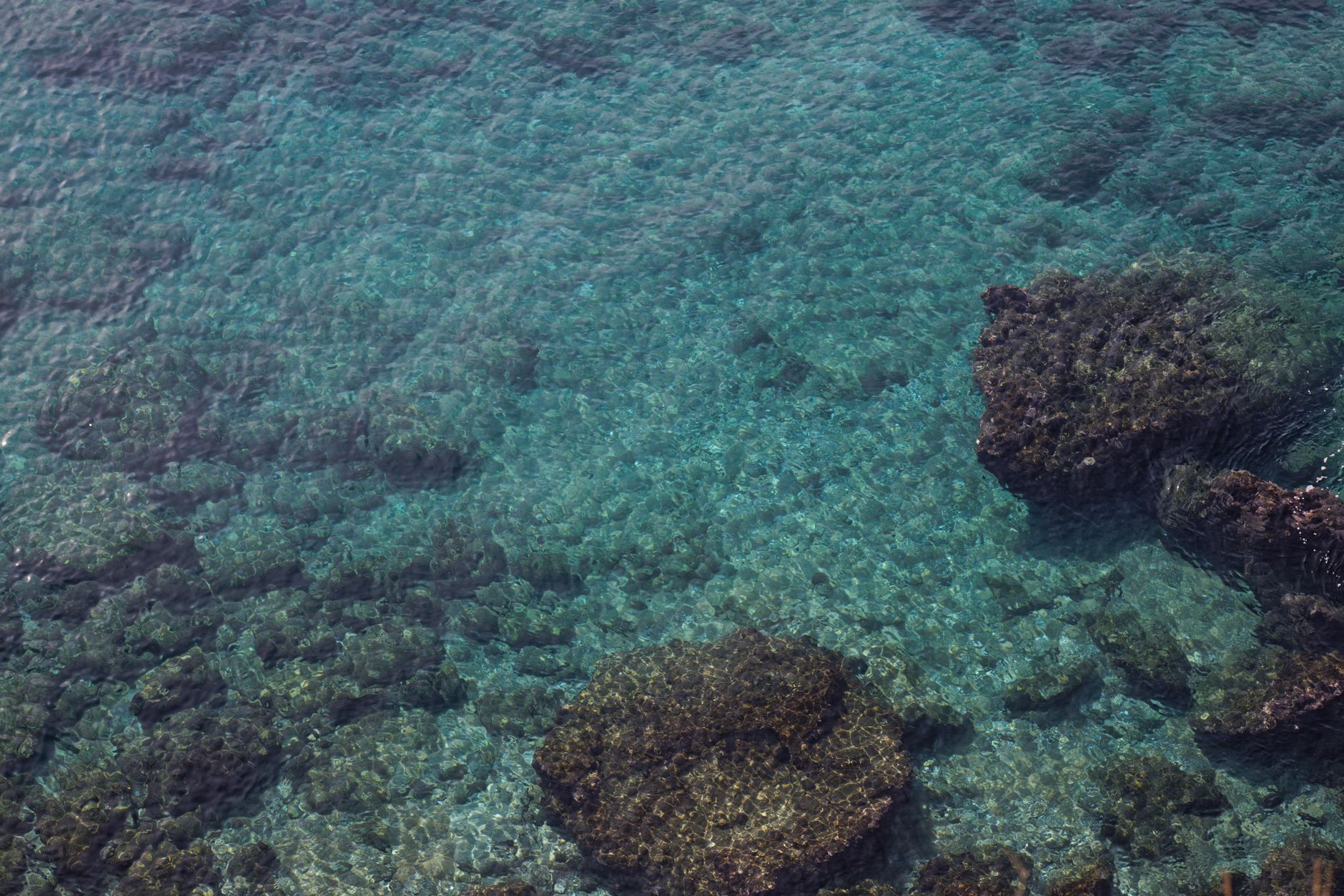
Small group gulet trips are the classic Lycian experience: a wooden sailing vessel, a handful of cabins or a day-only charter, meals cooked on board and anchorages chosen for swimming. For archaeology, ask specifically whether the itinerary includes Kekova, Aperlai or Kaleköy — many generic "sunset cruises" do not.
Licensed day boats from Kaş, Üçağız, Demre, Side and Datça are affordable and easy, but quality varies enormously. Look for vessels with a visible permit, life jackets, a capacity limit and a skipper who is willing to talk about the sites rather than just the lunch menu.
Public ferries and scheduled boats are the unexpectedly romantic option. The Kaş–Kastellorizo (Meis) crossing, seasonal coastal boats and inter-island services give you the harbor-to-harbor rhythm of the coast for the price of a ticket. Sitting on the stern as a Roman breakwater slides past is a far better history lesson than any plaque.
Whatever you choose, confirm the departure point, the swimming stops, whether snorkeling gear is provided, and the policy on protected zones. For planning the wider trip around these days on the water, our itineraries and routes pages can help you sequence the coast, and the trip planner is useful for matching boat days to your dates.
Snorkeling Etiquette at Protected Sites
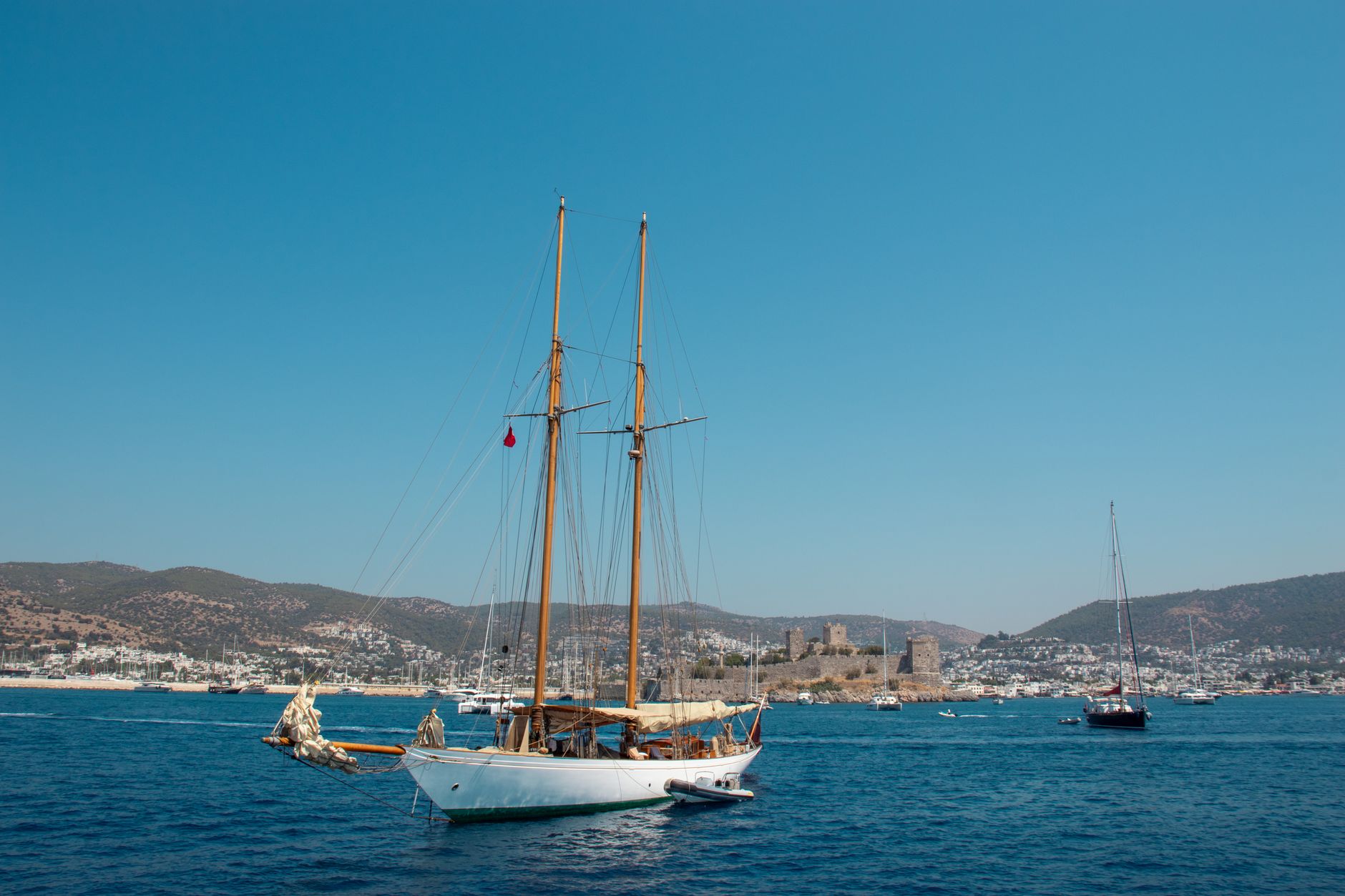
Underwater ruins are fragile in ways that are not obvious from the surface. Mortar softens, algae and marine growth protect the stone, and a single fin kick or an anchor can erase detail that survived two millennia. Treat every submerged structure as you would a museum vitrine.
Practical rules that matter:
- Never touch, stand on or remove anything. No souveniring of pottery, tiles or stone — it is both illegal and destructive.
- Do not anchor over ruins. Ask the skipper to use moorings or anchor in sand and seagrass-free patches; seagrass meadows (Posidonia) are protected and slow to recover.
- Keep fins away from the seabed. Learn a horizontal, quiet kick. If you cannot hover comfortably, view from the surface.
- Respect no-swim zones around Kekova's sunken city and any marked archaeological area.
- Use reef-safe sunscreen and avoid touching marine life. Do not feed fish, and never chase turtles or groupers.
- Follow the skipper's brief. Local guides know which coves are archaeologically sensitive and which are safe for swimming.
If you are new to snorkeling, a short session with a local dive school in Kaş pays off immediately — buoyancy control is the single best protection you can offer a site. Photography is welcome; standing on history is not.
Best Seasons and Weather on the Sailing Coast
The Mediterranean sailing season runs roughly from April to late October, but the character of each month is different.
Late April to June is arguably the sweet spot: warm but not scorching, quieter harbors, reliable morning calm and the coast at its greenest. Water is bracing early in the season but fine by late May.
July and August bring heat, crowds and strong afternoon meltemi winds in the Aegean. Boats depart early, swim stops are glorious, and ancient sites are best seen before 10 a.m. or after 5 p.m. Book gulets and popular day boats well ahead.
September and October are the connoisseur's months: sea still warm, light golden, harbors calmer and the archaeology far less crowded. October can bring the first autumn storms, so check forecasts and choose operators with flexible policies.
Whatever the month, mornings are calmer. For a broader picture of regional weather and shoulder-season trade-offs, see our best time to visit guide. Bring a light windproof layer, a hat with a chin strap, non-slip shoes for slippery ancient stones and a dry bag for your phone.
Building a Coastal Archaeology Itinerary
A satisfying boat-based route strings together a few hubs rather than racing the whole coast. One classic week: fly into Dalaman or Antalya, base in Kaş for three nights (Kekova day boat, a quieter Lycian anchorage, the theater and tombs on foot), then move to the Datça peninsula for Knidos the following day. Another: base in Antalya for Phaselis and Side, then take the long scenic drive or ferry links west.
Leave space in the plan. The best days on this coast are unscripted — a skipper who suggests an empty cove with a submerged quay, a late swim over seagrass, a harbor dinner of grilled fish and meze while the light fades on a Roman breakwater. Build in one buffer day per week for weather.
Above all, travel as a guest of these sites rather than a consumer of them. The drowned harbors of Türkiye survive because generations of sailors, villagers and now visitors chose restraint over spectacle. Sail slowly, look closely, take nothing but photographs, and let the archaeology keep its two thousand years of quiet. For more coastal inspiration and practical guidance, browse our guides, destinations and blog.
Thinking about a trip to Turkey?
Share your contact details and a vetted local expert will follow up with a plan built around you — free, no obligation.