

Stones That Speak: An Epigraphic Adventure Awaits
Imagine walking through a ancient city where every stone has a story to tell—not just to archaeologists, but to you. Türkiye is a treasure trove of inscriptions, with over 30,000 known texts carved in Greek, Latin, Lycian, and Ottoman Turkish. These aren't dusty museum pieces; they're messages from the past, waiting to be deciphered in the open air.
In this guide, we'll explore how to read these talking stones, where to find the best examples, and how to decode a few basics. Whether you're a seasoned epigrapher or a curious traveler, you'll discover that Türkiye's ruins are a living library, and you're invited to browse.
From the curved letters of Lycian on the Lycian Way to the elegant Greek of Ephesus and the flowing Ottoman script of Istanbul, each inscription offers a glimpse into the lives, laws, and loves of ancient peoples. So grab your magnifying glass (or smartphone) and let's begin.
Why Inscriptions Matter: More Than Just Old Writing
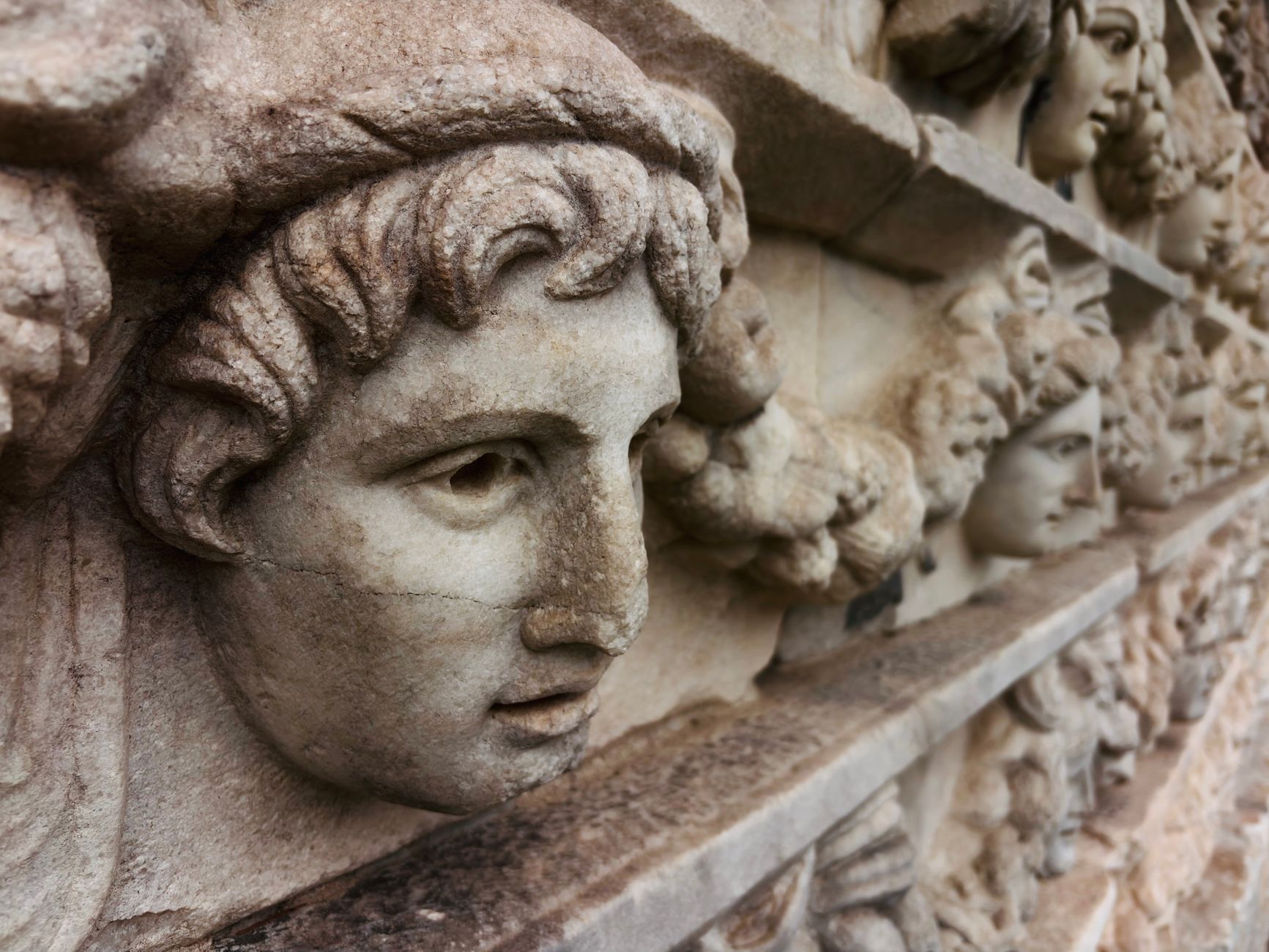
Inscriptions are the ancient world's version of social media—they recorded everything from tax laws and religious dedications to love poems and graffiti. They tell us not just what happened, but how people felt, what they believed, and how they lived. For example, a stone in Aphrodisias might record a gladiator's victory, while one in Ephesus could be a letter from an emperor.
In Türkiye, the sheer variety is staggering. You'll find Greek decrees, Latin milestones, Lycian funerary steles, and Ottoman foundation charters. Each language reflects a different era and culture, layering history like a palimpsest. By learning to read them, you connect directly with the past.
Moreover, inscriptions often provide context that ruins alone cannot. They name buildings, date events, and identify donors. They are the captions to the visual story of archaeology. So next time you see a carved stone, don't just glance—pause, and listen.
Decoding the Basics: Greek, Latin, Lycian, and Ottoman
You don't need to be a linguist to appreciate inscriptions. Here's a quick primer on the four major scripts you'll encounter.
Greek: The Language of the Hellenistic and Roman East
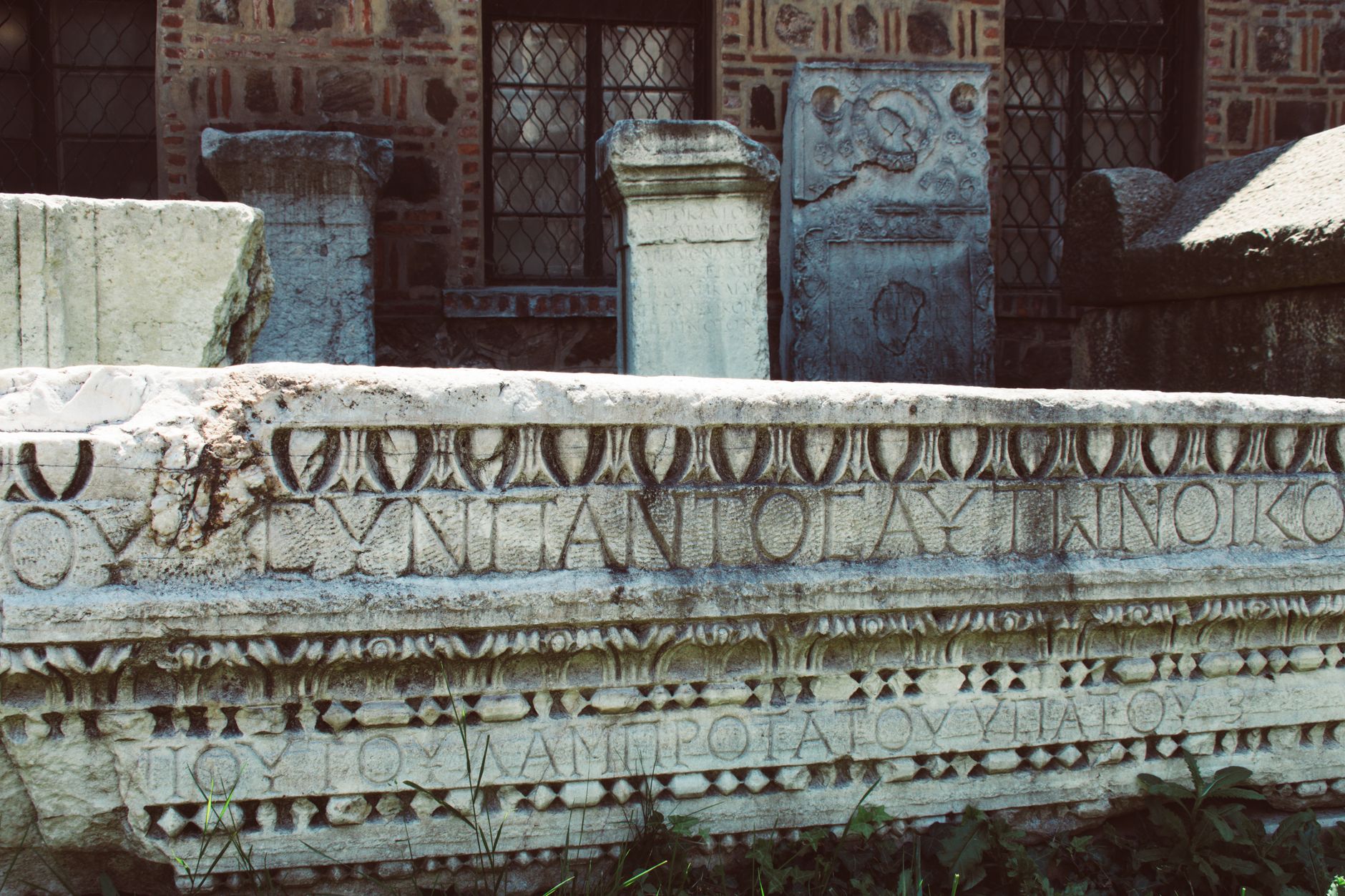
Greek inscriptions are the most common in Türkiye. The alphabet is familiar if you know math or science (think Alpha, Beta, Gamma). Many letters look like our own: A, B, E, Z, I, K, M, N, O, T, Y. Others are distinctive: Λ (L), Π (P), Σ (S), Φ (Ph), Ψ (Ps), Ω (O). Common words include demos (people), boule (council), and theos (god). Look for names like Alexandros or titles like archon (magistrate).
Latin: The Imperial Voice
Latin appears mostly on official monuments, milestones, and military dedications. The alphabet is nearly identical to English, making it easier to spot words like imperator, caesar, or legio (legion). Roman milestones often bear the abbreviation MP (milia passuum—miles). If you see SPQR, you're looking at the Senate and People of Rome.
Lycian: The Enigmatic Script of the Lycian League
Lycian is an Indo-European language written in its own alphabet, used in southwestern Türkiye from the 5th to 3rd centuries BCE. It has about 30 letters, some resembling Greek but with different values. Funerary inscriptions are common, often starting with ebe (this) and tike (tomb). While decipherment is ongoing, you can recognize patterns like mẽti (I am) or trbbẽ (ruler).
Ottoman Turkish: The Elegant Arabic Script
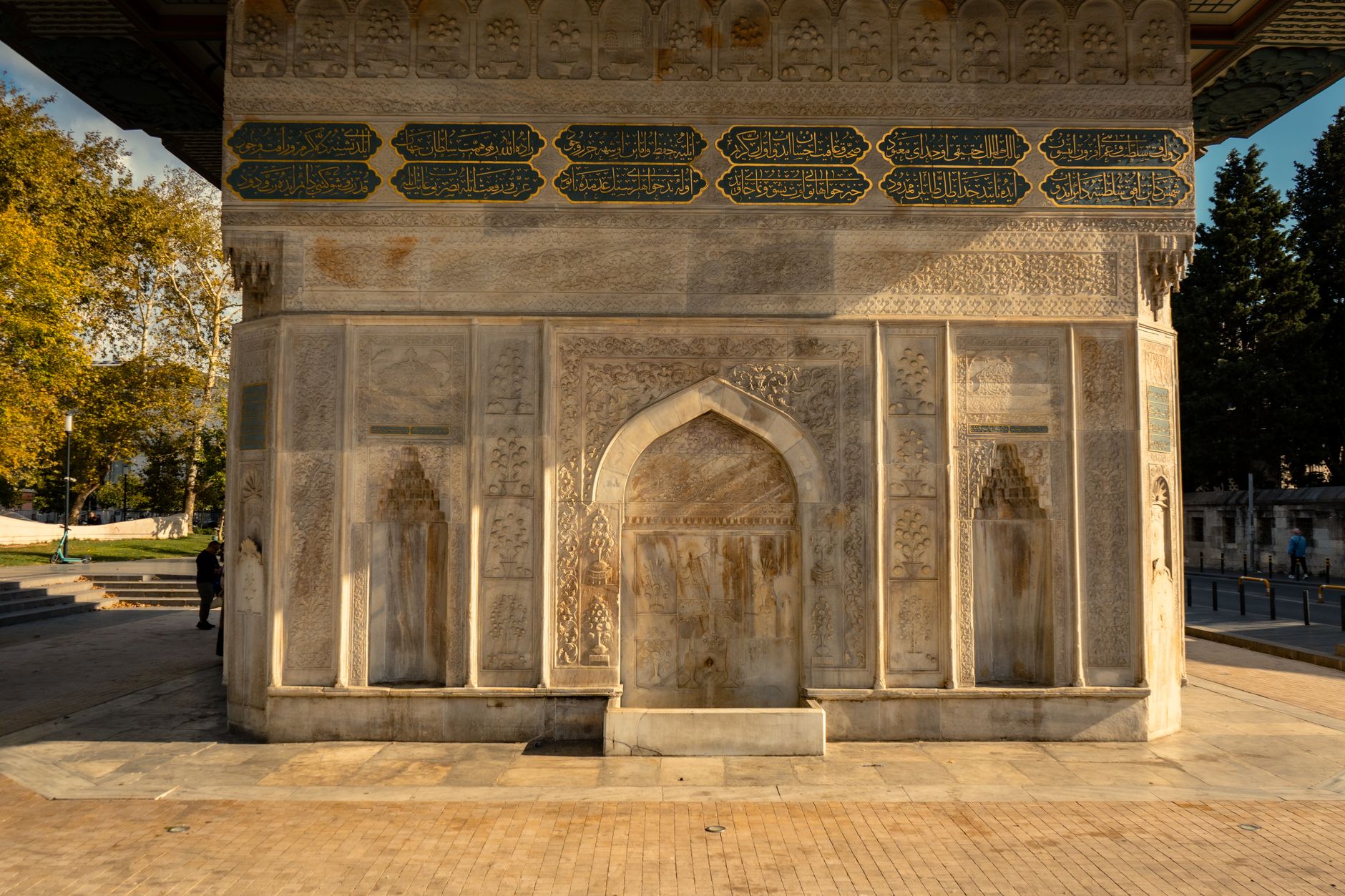
Ottoman Turkish uses the Arabic alphabet, written right to left. It's the language of the empire, found on mosques, fountains, and tombstones. Key words include Allah (God), sultan, and waqf (endowment). The script is cursive, with letters changing form based on position. Look for the tuğra, the sultan's calligraphic signature.
Top Sites for Inscription Spotting in Türkiye
Now that you know the basics, where should you go? Here are the best places to see inscriptions in situ.
Ephesus: The Library of Celsus and Beyond
Ephesus is a goldmine. The Library of Celsus has a bilingual inscription (Greek and Latin) honoring the proconsul Celsus. The Temple of Hadrian features a Latin dedication. Don't miss the Terrace Houses, where graffiti and private letters reveal everyday life. The Great Theater has Greek inscriptions on seats reserving them for specific groups.
Aphrodisias: The Archive Wall
Aphrodisias boasts the Archive Wall, a massive Greek inscription listing imperial letters and decrees. It's like a stone newspaper. Also, the stadium has seats inscribed with names of spectators. The museum displays countless steles with Greek and Latin texts.
Xanthos and Letoon: Lycian Heartland
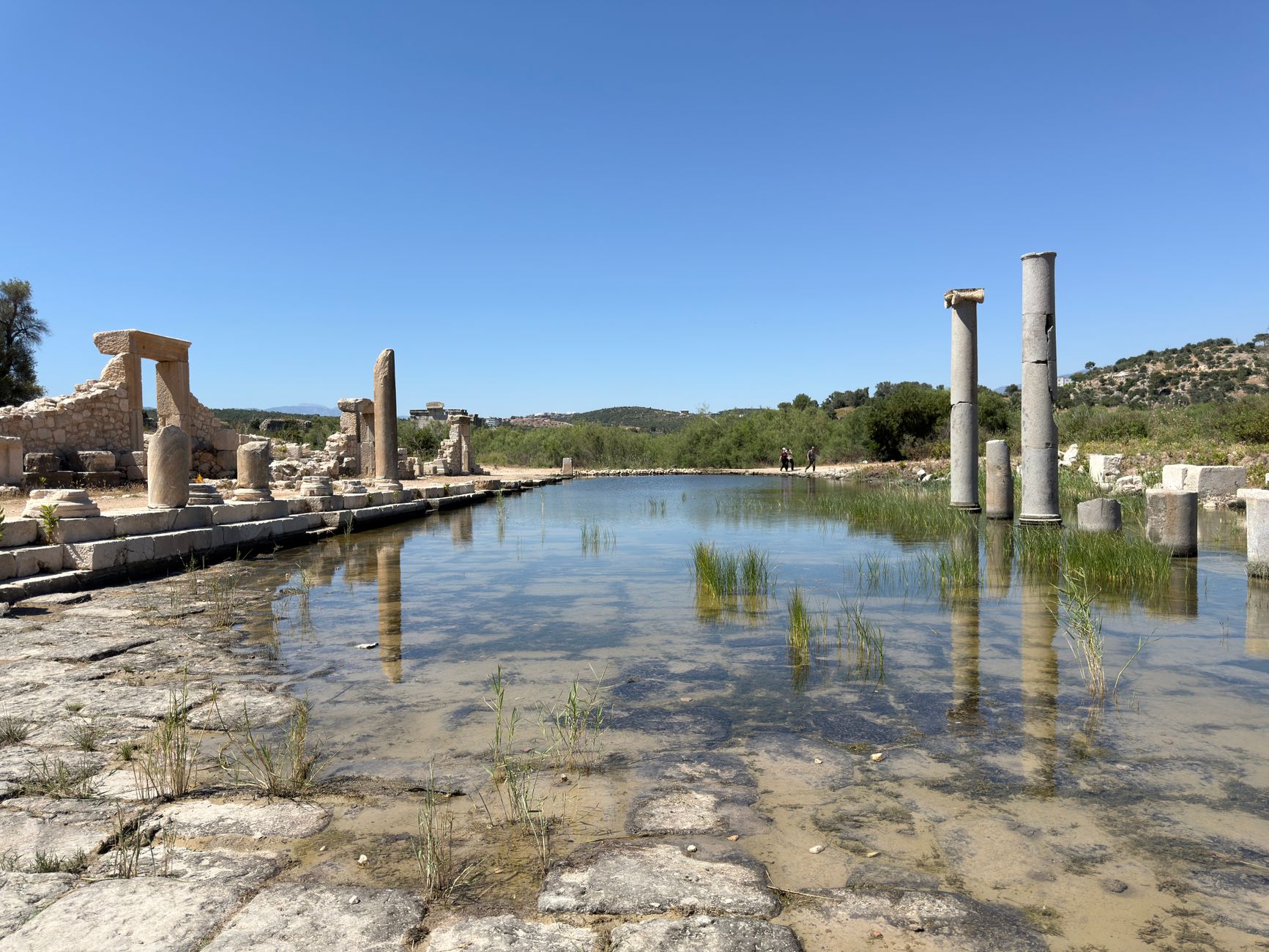
Xanthos, a UNESCO site, features the Xanthos Stele with a trilingual inscription (Lycian, Greek, and Milyan). The Letoon nearby has Greek and Lycian decrees. These are crucial for understanding Lycian language and culture.
Istanbul: Ottoman Inscriptions Everywhere
From the Hagia Sophia's imperial gates to the fountains of Sultanahmet, Ottoman inscriptions are part of the city's fabric. The Egyptian Obelisk in the Hippodrome has Greek and Latin. The Turkish and Islamic Arts Museum has a fine collection of epitaphs.
Other Gems: Pergamon, Side, and Hierapolis
Pergamon's Asclepion has Greek dedications. Side's harbor has Latin milestones. Hierapolis' necropolis is filled with Greek epitaphs. Each site offers unique texts.
Tools of the Trade: Apps, Guides, and Tips
You don't need a degree to read inscriptions on the go. Here are some practical tools.
Translation Apps
Google Translate's camera mode can recognize Greek and Latin, though accuracy varies. For Ottoman Turkish, try Osmanlıca apps. However, these tools are best for gist, not scholarly precision. The Pleco app is excellent for Chinese, not Turkish—so skip it. Instead, use Latin Dictionary or Ancient Greek apps for word lookup.
Online Databases
The Packard Humanities Institute offers searchable Greek and Latin inscriptions. The Trismegistos database covers texts from Egypt and beyond. For Lycian, consult the University of Frankfurt's projects.
Field Tips
Carry a notebook and pencil for rubbings (if allowed). Use a flashlight to highlight shadows. Photograph in raking light for contrast. Learn the Greek alphabet—it's half the battle. And be patient: some inscriptions are worn.
Cultural Etiquette: Respecting the Stones
Inscriptions are fragile and irreplaceable. Never touch carved surfaces—oils from your skin can damage them. Don't climb on inscribed blocks. Avoid making rubbings unless permitted. Follow site rules, and report any vandalism. Remember, these stones have survived millennia; let's keep them for future generations.
Also, be mindful of local customs. Some inscriptions are in active religious sites. Dress modestly and speak softly. If you're unsure, ask a guide or custodian.
Conclusion: Your Epigraphic Journey Begins
Türkiye's inscriptions are more than historical records—they're personal messages across time. Whether it's a Greek merchant's thank-you to a god, a Roman soldier's gravestone, a Lycian prince's decree, or an Ottoman sultan's endowment, each text is a voice. By learning to read them, you become part of a conversation that spans millennia.
So next time you visit a ruin, don't just look at the columns. Look at the stones with writing. Decipher a word, a name, a date. You'll be amazed at how the past comes alive. Happy hunting, and may the stones speak to you.
Thinking about a trip to Turkey?
Share your contact details and a vetted local expert will follow up with a plan built around you — free, no obligation.