

In the hills of western Anatolia, the earth still bears the scars of empire. Here, in quarries like Docimium (İscehisar) and Alabanda, workers once chiseled blocks of marble so pure that emperors demanded them for their palaces. These stones traveled along viae marmoreae—marble roads—to ports and then to Rome, Ephesus, and Aphrodisias. Today, you can walk those same routes, touch half-carved columns abandoned mid‑extraction, and feel the pulse of an ancient industry that turned geology into art. Türkiye is not just a museum of finished masterpieces; it is an open‑air museum of the craftsmanship itself, where every quarry, every unfinished column, and every rutted road tells a story of human ingenuity and imperial ambition.
Why Türkiye Is the World's Greatest Open‑Air Museum of Stone
No other country on Earth offers such a dense, accessible concentration of ancient marble quarries. From the Aegean coast to the Anatolian plateau, the landscape is littered with evidence of an industry that supplied the Mediterranean world for centuries. The Docimium quarries near Afyonkarahisar produced the famous pavonazzetto—white marble with purple veins—that adorned the Temple of Apollo Palatinus in Rome. Further south, Alabanda in Caria was famed for its black‑and‑white marble. Near Ephesus, the Belevi quarries provided stone for the city's grand monuments.
What makes Türkiye unique is not just the quantity but the visibility of the production process. In many quarries, you can see the actual extraction techniques: wedge marks, chisel grooves, and half‑finished columns still attached to the bedrock. These are not ruins in the conventional sense; they are workshops frozen in time. The marble roads that connected quarries to ports like Ephesus and Miletus are often still walkable, their surfaces polished by centuries of cart wheels. This living geology invites travelers to become detectives, tracing the journey of a single stone from mountain to monument.
Moreover, Türkiye's quarries are not isolated sites. They are part of a broader network that includes Aphrodisias, a city that grew around its own marble quarries and became a center for sculpture. The marble road from Docimium to Ephesus, for example, passed through the Maeander Valley, where you can still find milestones and loading platforms. This interconnectedness makes Türkiye an open‑air museum where the entire supply chain is on display, from extraction to transportation to final carving.
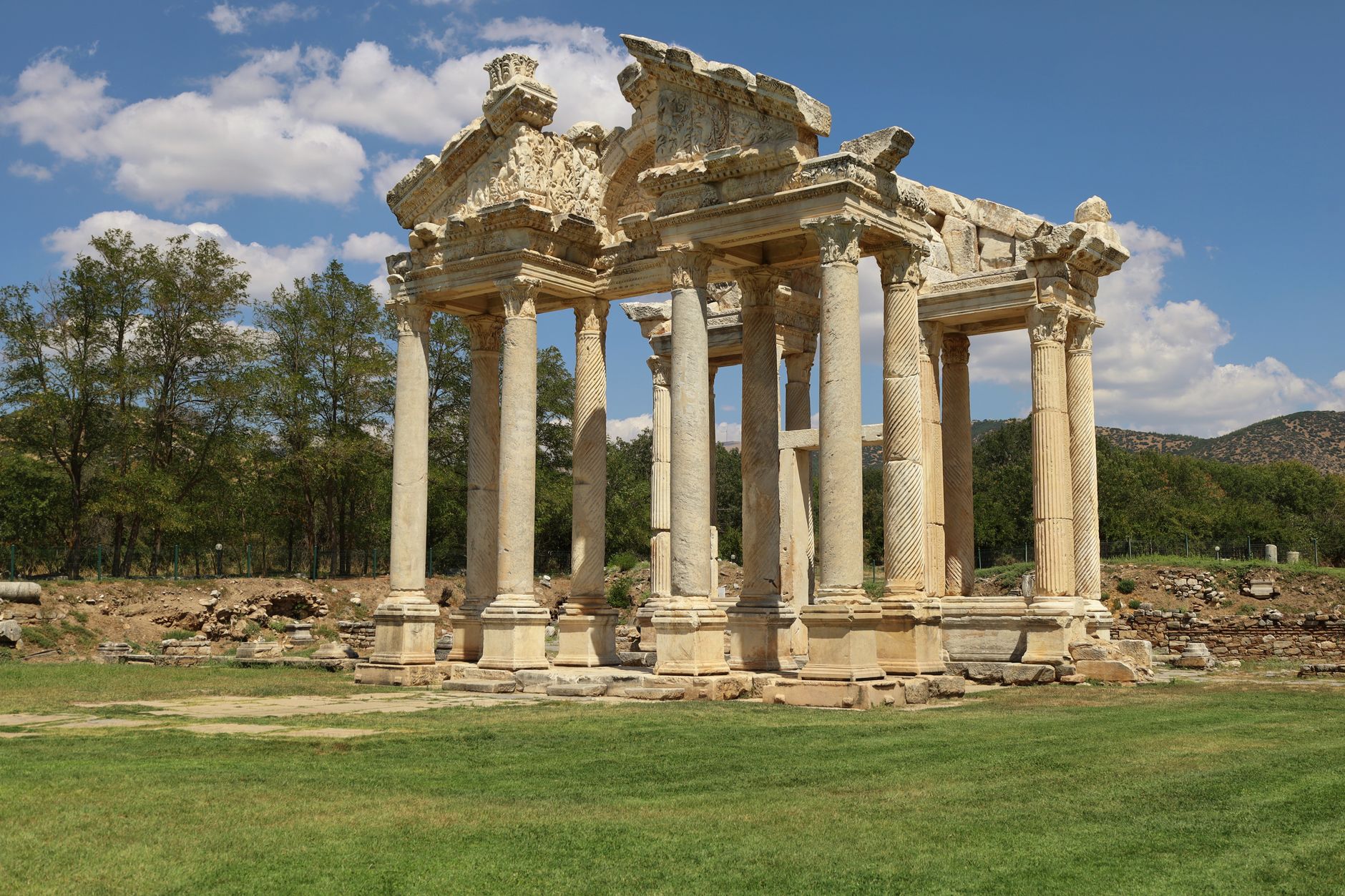
Docimium (İscehisar): The Imperial Quarry of Purple‑Veined Marble
The ancient city of Docimium, modern İscehisar in Afyonkarahisar province, was the Roman Empire's primary source of marmor Phrygium—a white marble with violet and purple veins that resembled the plumage of a peacock. Emperors from Augustus to Hadrian coveted this stone, using it for columns, veneers, and sculptures. Today, the quarry area is a sprawling landscape of ancient pits and modern extraction sites, offering a rare chance to see an industry that has continued for over two millennia.
Start your visit at the İscehisar Marble Museum (also known as the Docimium Quarry Museum), which explains the geology and history of the quarries. Then walk into the ancient pits, where you can still see the stepped terraces where workers cut blocks. Look for the half‑carved columns—massive drums that were abandoned when a flaw was discovered or when demand shifted. These silent giants are among the most evocative remnants of the ancient world.
The quarry is easily accessible by car from Afyonkarahisar (about 30 minutes). Public transport is limited, so hiring a taxi or joining a tour is recommended. The site is open daily during daylight hours, and there is no formal ticket office—entry is free, but respect the active mining areas. Nearby, the town of İscehisar offers simple lokantas where you can try local Afyon cuisine, such as sucuk (spicy sausage) and kaymak (clotted cream).
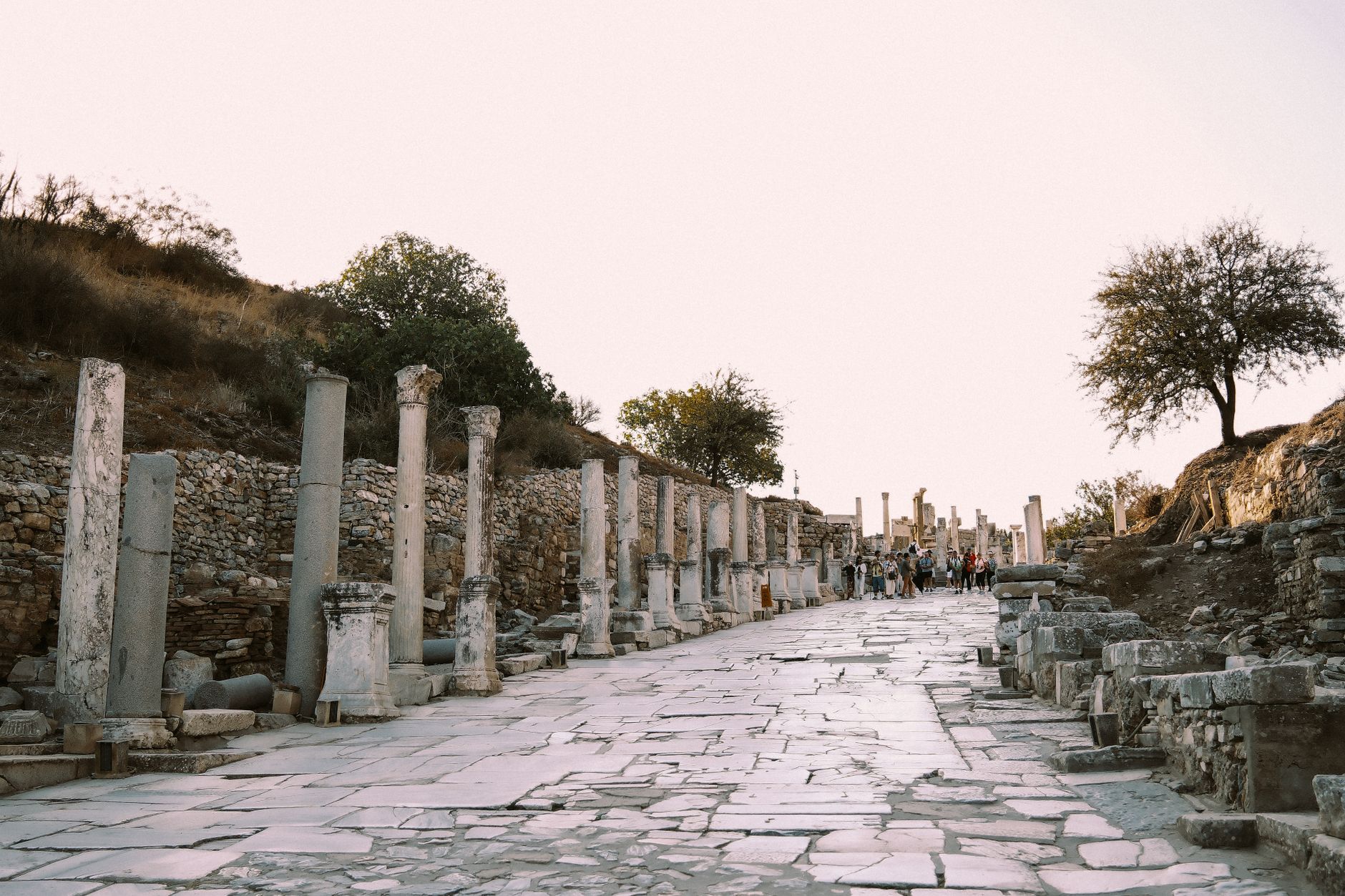
Alabanda: The Black‑and‑White Marble of Caria
In the rolling hills of Caria, near the modern village of Araphisar (in Aydın province), lie the ruins of Alabanda. This ancient city was renowned for its marmor Alabandicum, a striking black‑and‑white marble that was used in Roman interiors and sculpture. The quarries here are less visited than Docimium, but they offer a more intimate experience of ancient extraction.
The site includes the city's agora, theater, and bouleuterion, but the real draw for stone enthusiasts is the quarry area just outside the walls. Here you can see the half‑carved column drums still lying in situ, some with the wedge holes where wooden wedges were hammered and then swollen with water to split the stone. The contrast between the white marble and the dark schist bedrock is visually stunning, especially in the late afternoon light.
Access to Alabanda is by car from Aydın or Çine. The road is paved but narrow; a sturdy vehicle is helpful. There are no facilities at the site, so bring water and snacks. For lunch, head to the town of Çine, about 20 minutes away, where you can enjoy a traditional köfte (meatball) meal at a local esnaf lokantası. The nearby Çine Dam offers a pleasant spot for a picnic, though the quarry itself is the main attraction.
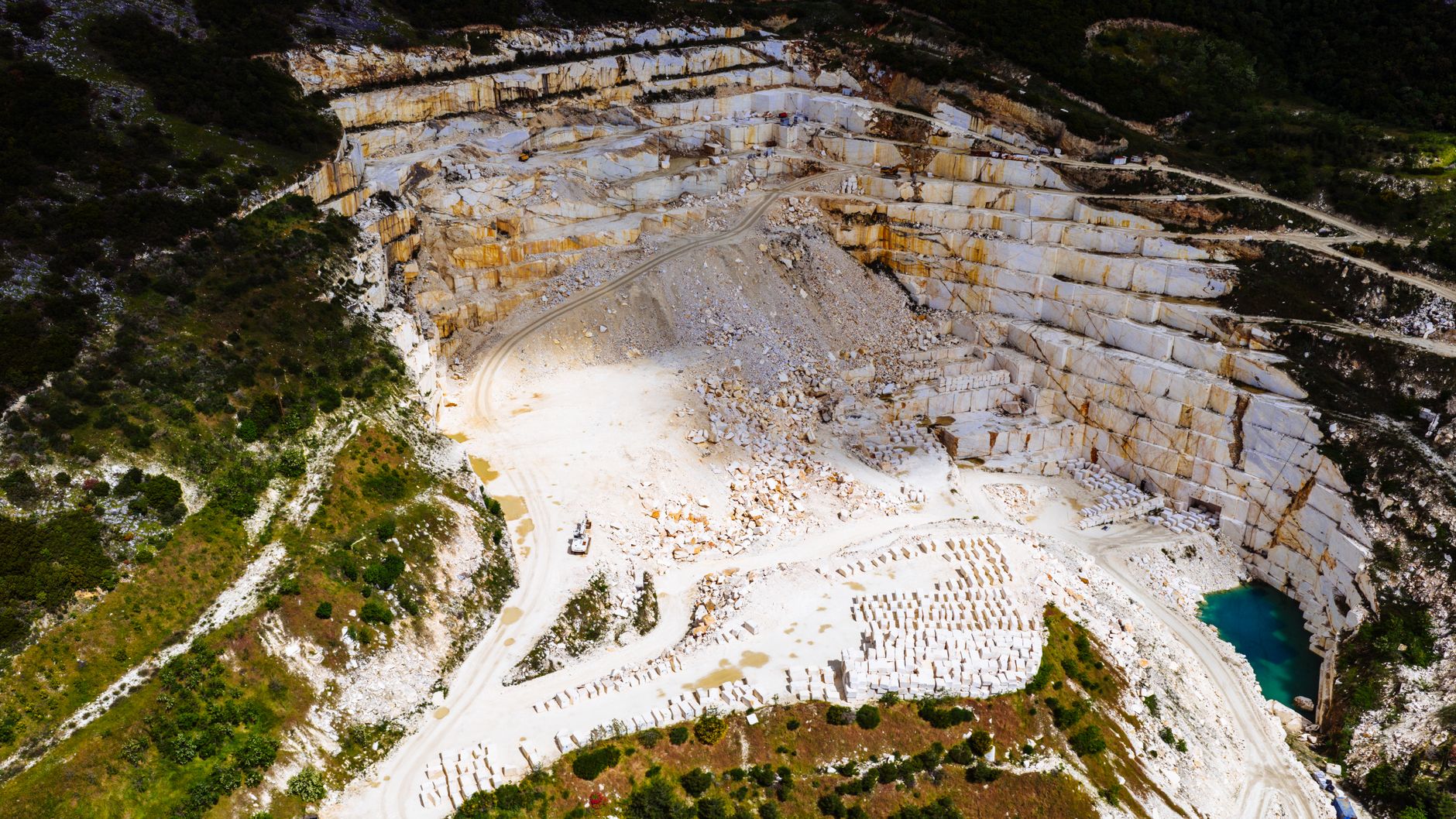
Marble Roads: The Routes That Supplied Ephesus and Rome
The marble from Docimium and other quarries did not move itself. It traveled along a network of specially constructed roads, the viae marmoreae, which were engineered to bear the weight of massive blocks. One of the best‑preserved sections is the road from Docimium to Ephesus, which ran through the Maeander (Büyük Menderes) Valley. This route was essential for supplying the great Artemis Temple and later the Roman city of Ephesus.
Today, you can trace this route by car or, in parts, on foot. Start at İscehisar and drive south towards Dinar, then follow the signs to Denizli and Selçuk. Along the way, you'll pass through Hierapolis (Pamukkale), another city that used local marble. The ancient road itself is not always visible, but you can find milestones and loading docks near Apamea (modern Dinar) and Laodicea. At Laodicea, recent excavations have revealed a marble street and a stoa built with Docimium marble.
For a more immersive experience, join a guided tour that focuses on the marble trade. Companies like Peter Sommer Travels and local guides in Selçuk offer specialized itineraries. Alternatively, drive yourself and use the Tabula Peutingeriana (ancient Roman road map) as a reference—you'll be following in the footsteps of ancient carters. The journey from İscehisar to Ephesus takes about 4 hours by car, but plan a full day to explore the intermediate sites.
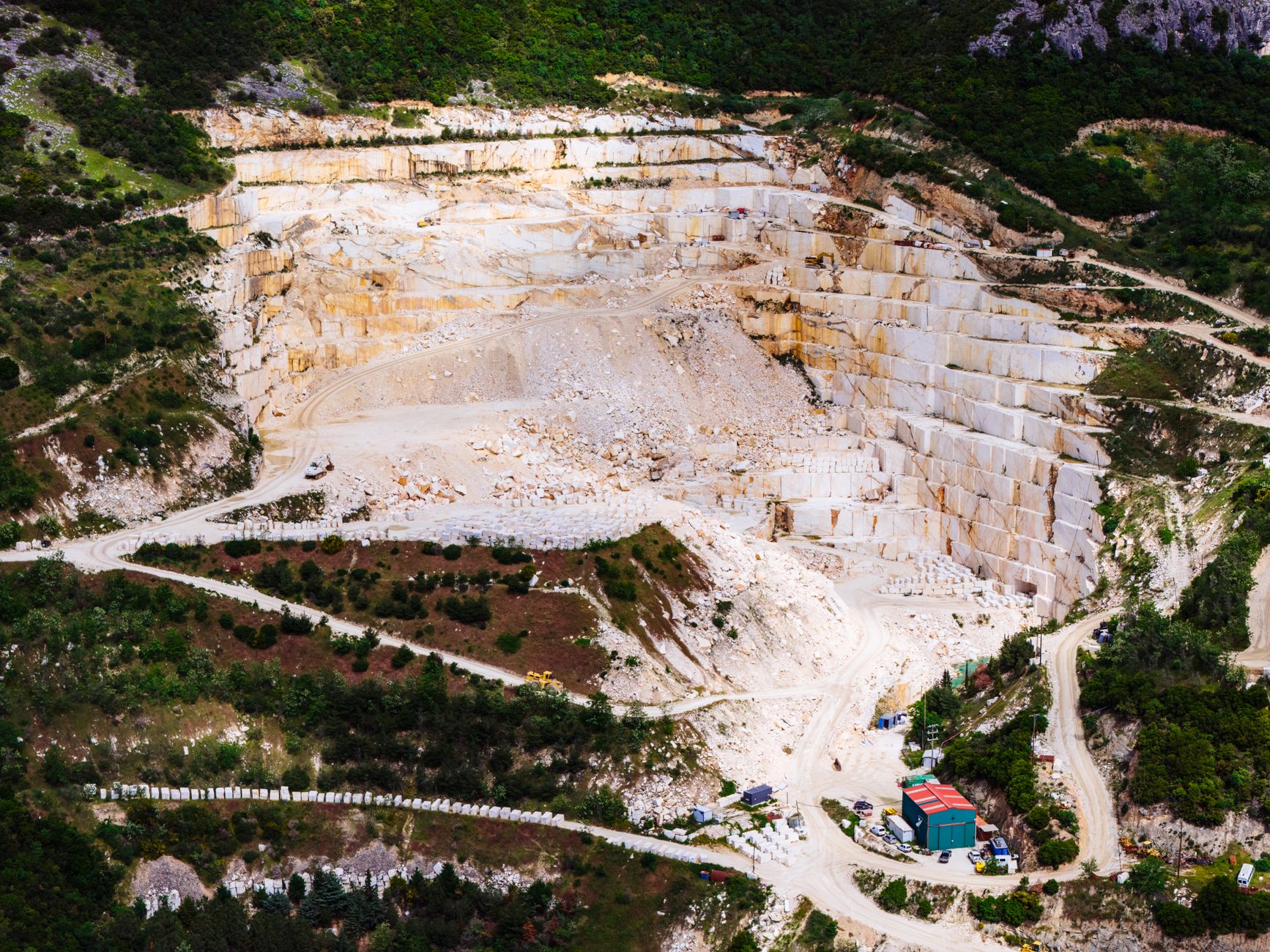
Aphrodisias: The City That Carved Its Own Destiny
No discussion of ancient marble in Türkiye is complete without Aphrodisias, a city that owed its entire existence to the marble quarries in its backyard. Located near the modern village of Geyre in Aydın province, Aphrodisias was a thriving sculptural center from the 1st century BC to the 5th century AD. Its marble was prized for its fine grain and creamy white color, ideal for detailed carving.
The quarries are just a short walk from the city center. You can visit the ancient quarry where you'll see the marks of extraction, including blocks that cracked and were abandoned. The museum at Aphrodisias houses an exceptional collection of sculptures, many of which were found unfinished, offering a unique glimpse into the sculptor's process. Don't miss the half‑carved column in the quarry—it's a perfect metaphor for the city's industry.
Aphrodisias is a major archaeological site with a ticket office, parking, and a café. It's open daily from 8:30 AM to 7 PM (summer) and until 5 PM (winter). To get there, drive from Denizli (about 2 hours) or from İzmir (3 hours). The nearby town of Tavas is famous for its kebab and makes a good lunch stop. For photography, the best light is early morning or late afternoon, when the marble glows against the sky.
Practical Access and Nearby Towns for Lunch
Visiting Türkiye's ancient quarries requires a bit of planning, as many sites are off the beaten path. Renting a car is the most flexible option; roads are generally good, but some quarry access roads are gravel. Public transport exists but is infrequent. For Docimium, base yourself in Afyonkarahisar, a city with hotels and restaurants. Try the local Afyon lokumu (Turkish delight) and sucuk. For Alabanda, stay in Aydın or Çine; Çine has charming lokantas serving Ege cuisine. For Aphrodisias, Tavas is the closest town with good food, and Pamukkale offers more options.
When visiting quarries, wear sturdy shoes, bring water, and be aware that some areas are active mining sites—stay on marked paths. There are no fences at some ancient quarries, so exercise caution. Most sites are free to enter, but Aphrodisias and Hierapolis have entrance fees. Always check local conditions, as some quarry areas may be restricted.
Photography Tips: Capturing Stone and Story
The quarries and marble roads offer incredible photographic opportunities, but the bright white marble can be tricky. Use a polarizing filter to reduce glare and enhance the contrast between the stone and the sky. The best times are the golden hours—early morning and late afternoon—when the low sun casts long shadows and brings out the texture of the marble. At Docimium, the stepped terraces create dramatic leading lines. At Aphrodisias, the half‑carved columns make compelling foreground subjects against the ancient city.
Don't just photograph the ruins; look for details: wedge marks, chisel grooves, and the veins in the marble. These tell the story of craftsmanship. Include a human element—a hand touching the stone, or a person walking along the marble road—to convey scale. If you're shooting the marble road, use a wide‑angle lens to capture the sweep of the landscape. And remember, tripods are allowed at most sites but may be restricted in museums.
For the most iconic shot, visit the Belevi Quarry near Ephesus, where you can photograph half‑finished columns with the Aegean landscape in the background. The quarry is less visited and offers a serene atmosphere. Always respect the sites; do not climb on fragile ruins or remove any stones.
Conclusion: A Journey Through Stone and Time
Türkiye's ancient quarries and marble roads are more than just archaeological sites; they are chapters in a story of human creativity and ambition. By following the stone from mountain to monument, you gain a deeper appreciation for the craftsmanship that built empires. Whether you're standing in the vast pits of Docimium, walking the marble road to Ephesus, or marveling at the unfinished columns of Aphrodisias, you become part of that story. Türkiye is indeed an open‑air museum, and its quarries are the workshops where history was carved.
Thinking about a trip to Turkey?
Share your contact details and a vetted local expert will follow up with a plan built around you — free, no obligation.