

Sleeping on History: The Enduring Charm of the Caravanserai
For centuries, the roads of Anatolia were stitched together by caravanserais—fortress-like inns where merchants, pilgrims, and travelers found shelter, sustenance, and safety. These stone havens, many built by the Seljuk sultans in the 13th century, dotted the Silk Road and the royal roads of the Ottoman Empire. Today, a handful have been lovingly restored into atmospheric guesthouses, allowing you to sleep within walls that have witnessed the passage of countless caravans.
Staying in a caravanserai is not just a night's lodging; it's an immersion into the rhythm of ancient travel. Thick stone walls keep the summer heat at bay, while courtyards invite starlit conversations. Many restored inns offer simple but comfortable rooms, often with modern amenities discreetly woven into the historic fabric. The experience is rustic yet romantic, a chance to disconnect from the modern world and connect with Anatolia's timeless spirit.
But the appeal of Türkiye's rural stays extends beyond these grand monuments. Across the countryside, village guesthouses and mountain lodges offer a more intimate glimpse into local life. Run by families who have lived on the land for generations, these humble abodes provide warm hospitality, home-cooked meals, and a genuine sense of belonging. Whether you're hiking the Lycian Way or driving through the wilds of Eastern Anatolia, these rustic retreats are affordable, characterful alternatives to city hotels—and they might just be the highlight of your trip.
Rustic Stays Along Türkiye's Historic Routes
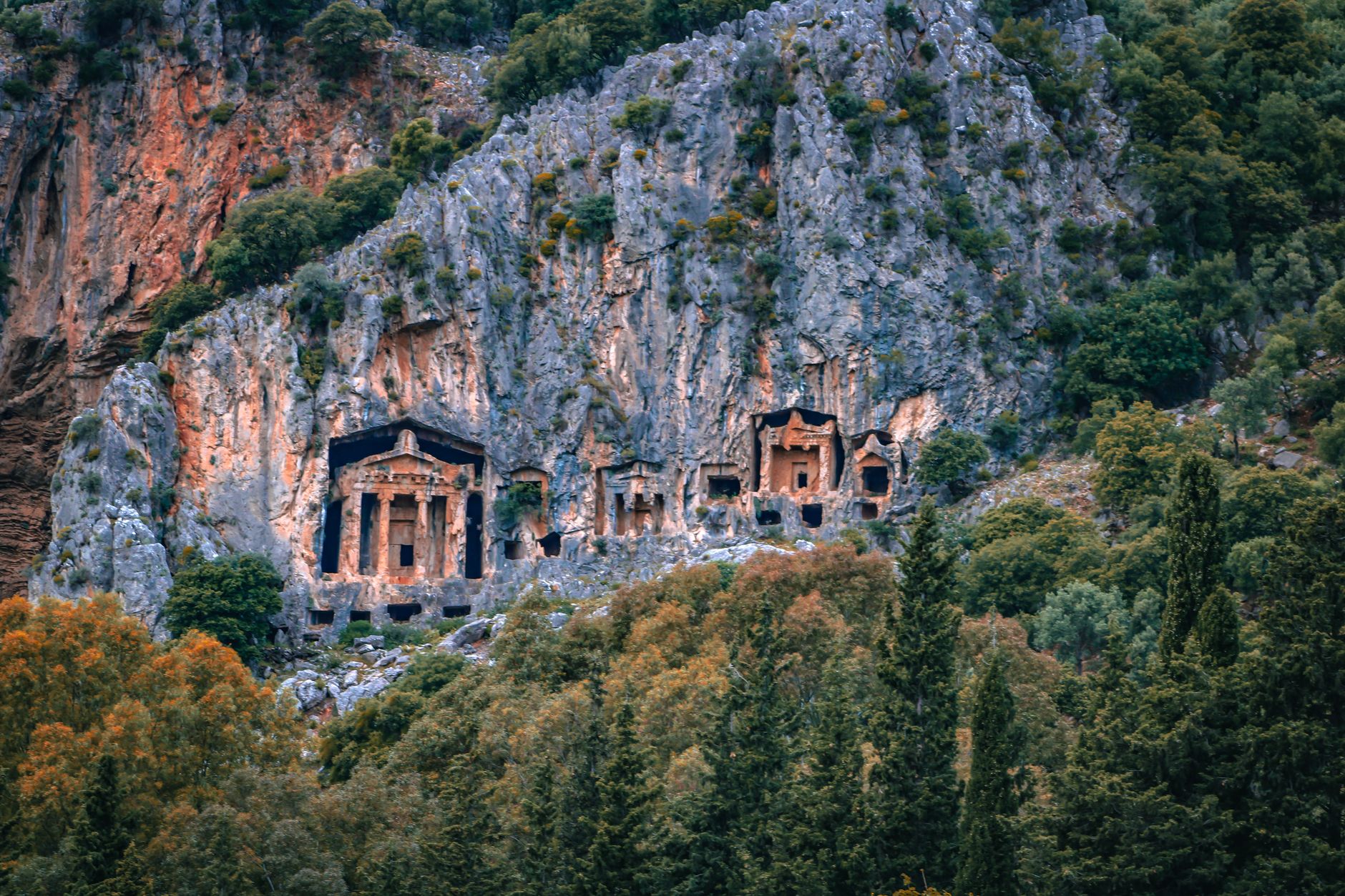
Türkiye's historic routes are as diverse as its landscapes. The Lycian Way, a 540-kilometer hiking trail along the Turquoise Coast, is dotted with village guesthouses and small pensions where hikers can rest their weary legs. Imagine finishing a day of coastal walking and arriving at a stone house in a sleepy village, where your host greets you with homemade lemonade and a spread of mezes. These stays are often simple—a clean room, a shared bathroom, a terrace with a view—but they are rich in warmth and local flavor.
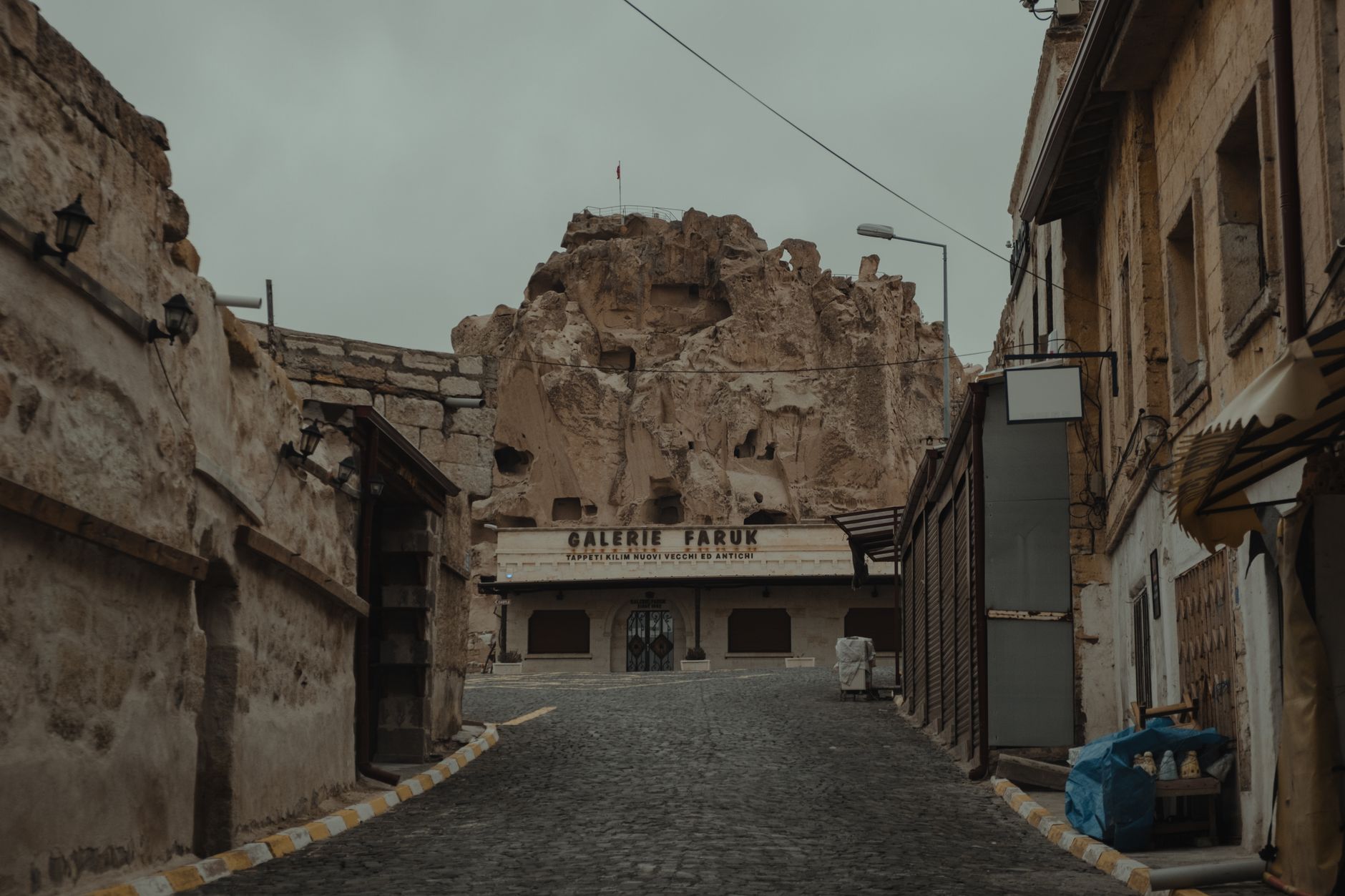
Inland, the Silk Road routes wind through the high plateaus of Central and Eastern Anatolia. Here, you'll find restored caravanserais such as the Rüstem Paşa Caravanserai in the town of Sarıkamış or the Horozlu Han near Konya, some of which offer overnight stays. These are not luxury hotels but monuments brought back to life, where you can almost hear the echoes of traders haggling over silk and spices. For a more personal experience, consider village guesthouses in the Soğanlı Valley or the Ihlara Valley, where cave dwellings and stone houses have been converted into cozy inns.
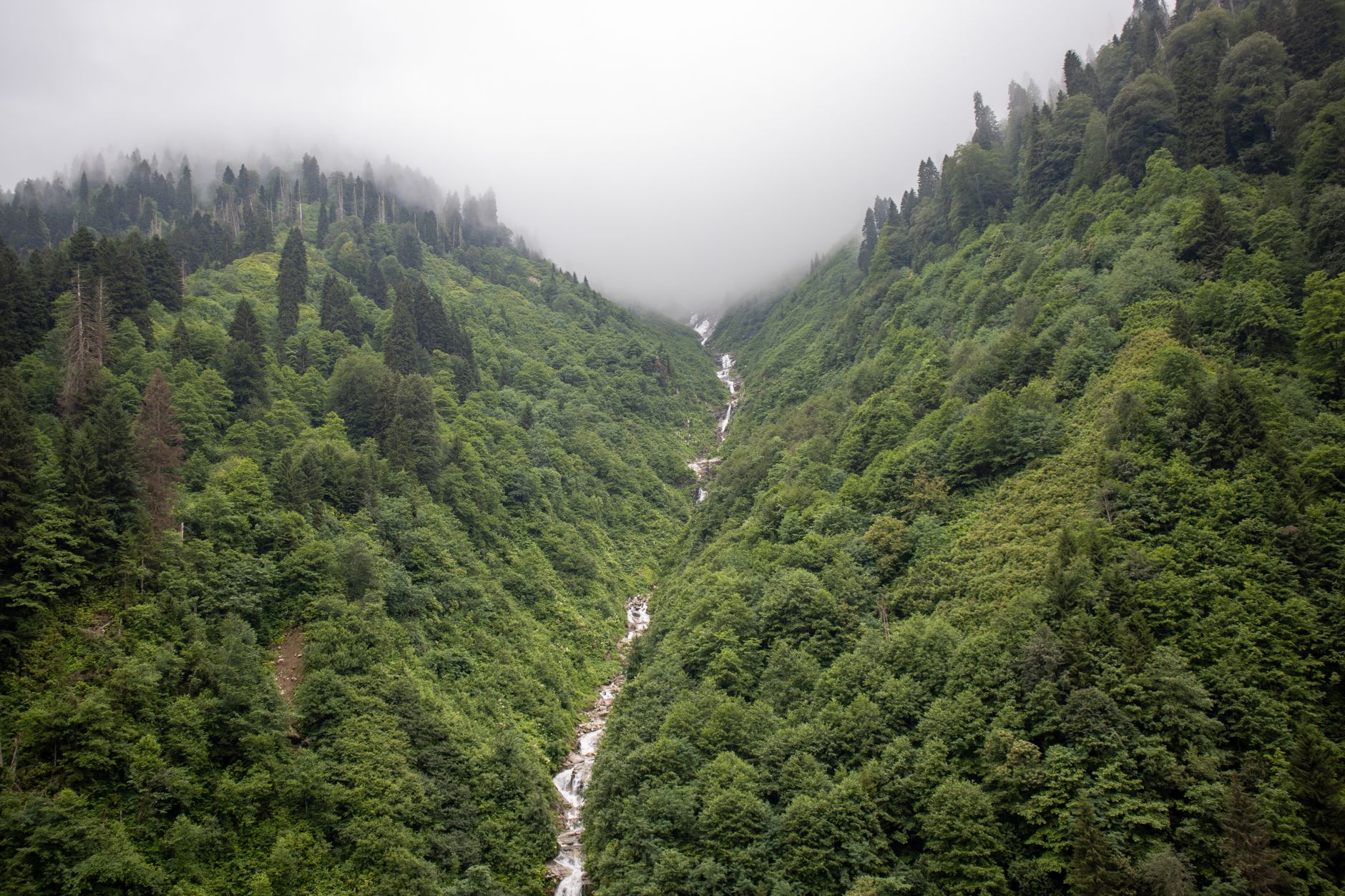
The Black Sea region offers a different kind of rustic charm. In the lush, misty mountains of the Kaçkar Mountains, alpine lodges and village guesthouses provide a base for trekking and exploring traditional yayla (highland) culture. Here, you can stay in wooden houses with balconies overlooking rushing streams, and wake up to the smell of fresh bread and the sound of cowbells. Further west, the Küre Mountains and the Valla Canyon offer similar experiences, with guesthouses that emphasize sustainability and local produce.
For those exploring the Aegean hinterland, the villages around Selçuk and Şirince boast restored stone houses that once belonged to Greek merchants. These guesthouses combine rustic aesthetics with modern comforts, often featuring courtyards filled with bougainvillea and rooms adorned with handwoven textiles. Similarly, in Cappadocia, cave hotels and village inns offer a surreal setting, though many have become quite upscale. For a more authentic rural feel, head to the lesser-known villages of Soğanlı or Güzelyurt, where simple guesthouses still welcome travelers with open arms.
What to Expect: The Anatomy of a Rustic Stay
When you book a village guesthouse or mountain lodge in Türkiye, you're not just reserving a room—you're stepping into a way of life. Most stays include a comfortable bed, often in a simply furnished room with shared or private bathrooms. Linens and towels are typically provided, but it's wise to check in advance, especially in remote areas. Many guesthouses also offer breakfast, which is often a lavish spread of local cheeses, olives, tomatoes, cucumbers, fresh bread, honey, and endless cups of tea. Some hosts also offer home-cooked dinners for an extra fee, featuring regional specialties made with ingredients from their own garden.
Hospitality is the cornerstone of these stays. Your hosts will likely go out of their way to make you feel at home, offering advice on local walks, sharing stories of the village, and sometimes even inviting you to join a family meal. In caravanserais, the experience is more structured but still atmospheric; you might find a restaurant serving traditional dishes in the courtyard, and occasionally, live music or cultural performances in the evenings.
It's important to note that rustic does not mean uncomfortable. Many restored guesthouses have modern plumbing, heating, and Wi-Fi, though in the most remote lodges, you may need to adjust your expectations. Power outages can happen, and hot water might be solar-powered. But these small inconveniences are part of the charm—a reminder that you're far from the beaten path. What you sacrifice in convenience, you gain in authenticity and a profound sense of place.
For those concerned about sustainability, many rural guesthouses operate with a low environmental footprint, using solar energy, recycling, and sourcing food locally. Staying in these places supports local communities and helps preserve traditional architecture and crafts. It's travel that feels good in every sense.
Practical Booking Advice for Rustic Stays
Booking a rural guesthouse or caravanserai requires a bit more planning than reserving a city hotel. Many small establishments do not have websites or appear on major booking platforms, so you'll need to do some digging. Start by checking our destinations section for regional highlights, and use our travel tools to find recommended stays. Word-of-mouth recommendations from fellow travelers, guidebooks, and local tourism offices can also be invaluable.
When you find a place that interests you, reach out directly via phone or email. Be patient—responses may take a few days, especially in rural areas. It's a good idea to confirm the availability of amenities like hot water, Wi-Fi, and meals in advance. Some guesthouses require a deposit via bank transfer, while others may ask you to pay in cash on arrival. Carry enough Turkish lira, as ATMs can be scarce in remote villages.
For caravanserais, some operate more like hotels and can be booked through mainstream platforms. However, the most authentic experiences are often in smaller, family-run places that don't advertise widely. If you're hiking or driving a specific route, consider booking your stays a few days ahead, especially during peak season (June–September). In the off-season, you can often arrive and find a room, but it's always safer to call ahead.
Finally, consider traveling with a local expert who can connect you with trusted hosts and hidden gems. Our experts page can help you find guides and agencies that specialize in rural tourism, ensuring a smooth and enriching experience.
Combining Your Stay with Walking and Driving Itineraries
One of the greatest joys of staying in rural guesthouses is the ability to explore the surrounding landscape on foot or by car. Many guesthouses are located near trailheads or historic sites, making them perfect bases for day hikes or scenic drives. For walkers, the Lycian Way and the Carian Trail offer inn-to-inn hiking, where you can walk between villages and have your luggage transported ahead. Our itineraries page features suggested routes that combine hiking with comfortable rustic stays.
If you prefer driving, consider a loop through the Silk Road caravanserais of Central Anatolia. Start in Konya, visit the Horozlu Han, then drive to Aksaray to explore the Sultanhanı Caravanserai, one of the finest examples of Seljuk architecture. Continue to Nevşehir and Cappadocia, where you can stay in a cave guesthouse. From there, head east to Erzurum and Sarıkamış to see the Rüstem Paşa Caravanserai. Our routes page has detailed driving guides, including maps and stop suggestions.
For a more off-the-beaten-path adventure, explore the Black Sea mountains by car, staying in yayla guesthouses and hiking to alpine lakes. The Kaçkar Mountains offer spectacular driving roads like the Ayder plateau route, where you can stop at village lodges and sample local honey and dairy products. Similarly, the Küre Mountains in the west provide quiet roads and pristine forests, with guesthouses that cater to nature lovers.
Regardless of your mode of travel, the key is to slow down and savor the journey. Waking up in a mountain lodge to the sound of birdsong, or sipping tea in a caravanserai courtyard as the sun sets, are moments that stay with you. These rustic stays are not just accommodations; they are gateways to understanding Türkiye's soul.
Waking Up in Anatolia: A Final Reflection
There is a particular magic to waking up in the Anatolian countryside. The air is crisp, the light is golden, and the day stretches ahead with promise. Whether you're in a stone caravanserai on the Silk Road or a wooden guesthouse in the Black Sea highlands, you'll feel a connection to the generations who have lived and traveled this land for millennia.
Turkish village hospitality is legendary, and it's in these rural stays that you'll experience it most authentically. The kindness of strangers, the simple pleasure of a shared meal, the stories told around a fire—these are the treasures of travel. And as you hit the road again, you'll carry with you not just photographs, but a deeper appreciation for Türkiye's rich heritage and the warmth of its people.
Ready to plan your rustic escape? Explore our guides for more inspiration, check the best time to visit for seasonal tips, and let our trip planner help you craft a journey that combines history, nature, and genuine hospitality. Anatolia is waiting—and its ancient inns and mountain guesthouses are ready to welcome you.
Thinking about a trip to Turkey?
Share your contact details and a vetted local expert will follow up with a plan built around you — free, no obligation.