
Why Türkiye Is One of the World's Great Wine Cradles
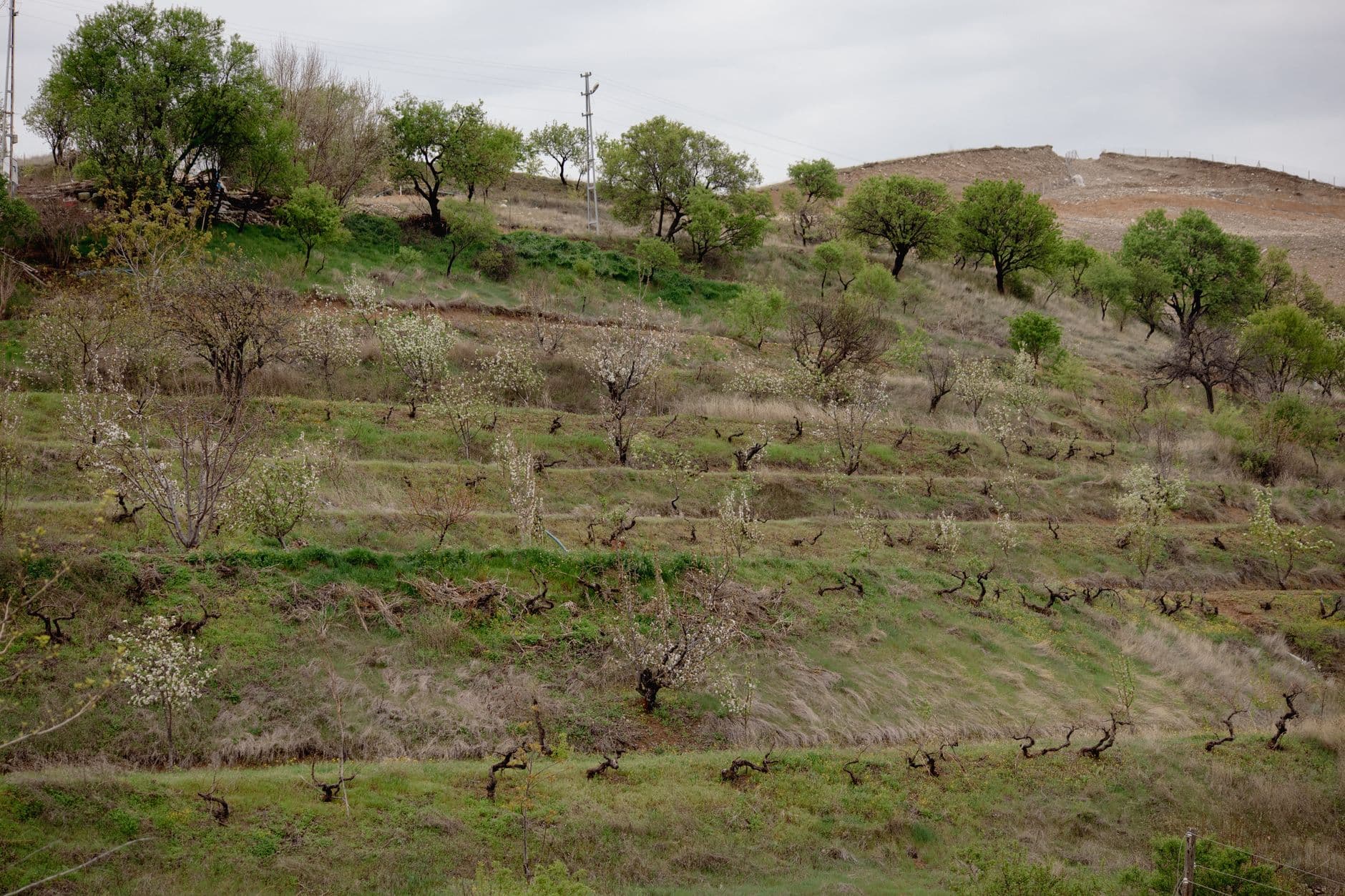
Long before wine was bottled with labels, it was pressed on the warm stone of Anatolia. Türkiye sits at the heart of the vine's homeland, where archaeological sites in the southeast have revealed evidence of grape cultivation and winemaking stretching back millennia. From those deep roots grew a landscape tradition that still shapes the hillsides today: hand-built terraces, hollowed-out pressing basins, and cellars cut straight into soft volcanic rock.
What makes this heritage so joyful to explore is that it is not confined behind museum glass. In the Aegean hinterland and across Thrace, you can hike between rock-cut presses that villagers still call by old names, then sit down with a farming family who will pour you a glass of grapes grown a few hundred metres away. The past is not a ruin here — it is a working landscape.
This guide is a walking heritage tour, designed for travellers who like a good path underfoot, a story in every stone, and a warm welcome at the end of the trail. We will show you how to recognize the presses, where the terraces climb the hills, when to come for the vineyard year at its most beautiful, and how to taste with respect and curiosity. Bring sturdy shoes, an appetite for both history and hospitality, and a willingness to slow down to village pace.
Reading the Landscape: What a Rock-Cut Press Actually Is
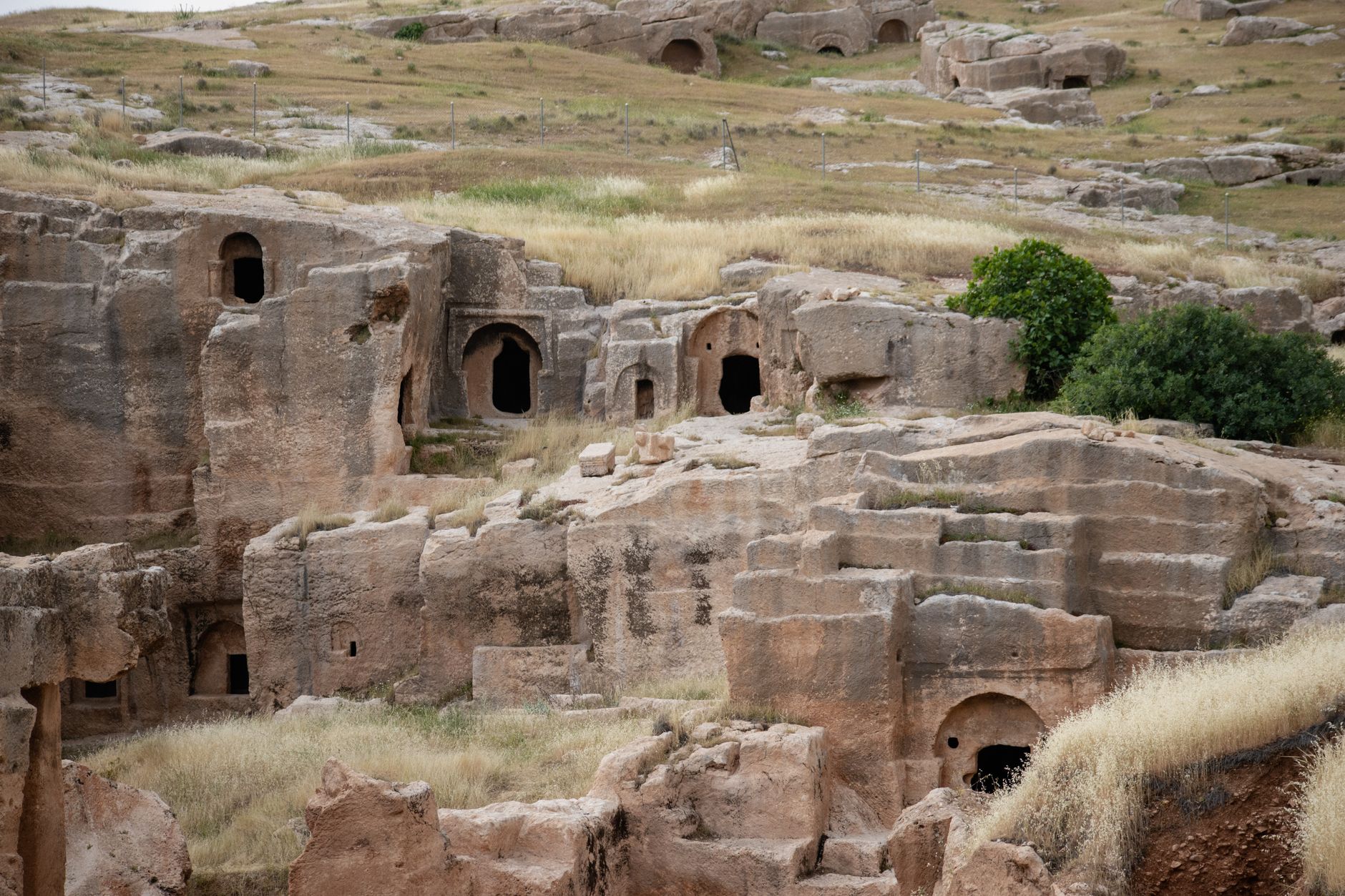
A rock-cut wine press is exactly what it sounds like — a workspace carved directly into a slab of soft rock rather than assembled from masonry. In the tuff and limestone of the Aegean hills, farmers found it far easier to hollow out a flat circular basin for treading, a shallow channel to carry the juice away, and a deeper rectangular vat for collecting and settling it. Many are cut into level outcrops so that gravity does the hard work for you.
Look for the telltale shapes on your walk: a round or oval depression worn smooth by feet, a lip of stone forming a spillway, and a lower basin that once held must (the freshly pressed juice). Beside some presses you may spot square sockets, which once held wooden beams of a lever or screw press. Others are carved inside rock-cut chambers or attached to dovecotes and dry-stone shelters, forming tiny rural workshops.
These presses are rarely fenced off monuments. They are scattered across vineyards, olive groves and village edges, sometimes half-hidden under fig trees. That intimacy is the magic — but it also means you should treat them as someone's land and someone's heritage. Leave no trace, do not climb into fragile basins, and ask before crossing a farmyard. Local hosts are usually delighted to explain the worked stone in their field.
The Aegean Route: Terraces, Thyme and Old Stone
The Aegean countryside is the most rewarding region for a self-guided walking heritage tour. Around the villages of Izmir province, and inland towards Manisa and the slopes that climb above the coast, you will find stepped vineyards, dry-stone retaining walls and presses cut into the same pale rock that forms the landscape. The grape varieties of the region range from well-known white and red classics to rare native grape varieties that families guard with fierce local pride.
A typical day might begin in a village square over tea, follow a lane between fig trees and olive groves, and strike out onto a marked footpath that contours beneath terraced vineyards. You will pass shepherds' shelters, lime kilns and abandoned threshing floors before reaching an outcrop of carved basins. Plan for gentle but steady ascents, uneven stone underfoot, and a route of two to four hours. In summer, start early; the stone holds the heat by lunchtime.
Pair the walk with a family tasting. Small producers across the Aegean welcome visitors with an informality that is hard to find in more commercial wine regions — often by arrangement, sometimes on the spot if the harvest is calm. Expect honest conversation, a plate of cheese and olives, and a chance to taste wines made from heritage varieties. The value is extraordinary compared with big-name regions, and your visit directly supports the farming families keeping these landscapes alive.
Thrace: The Vineyard Terraces of Türkiye's European Corner
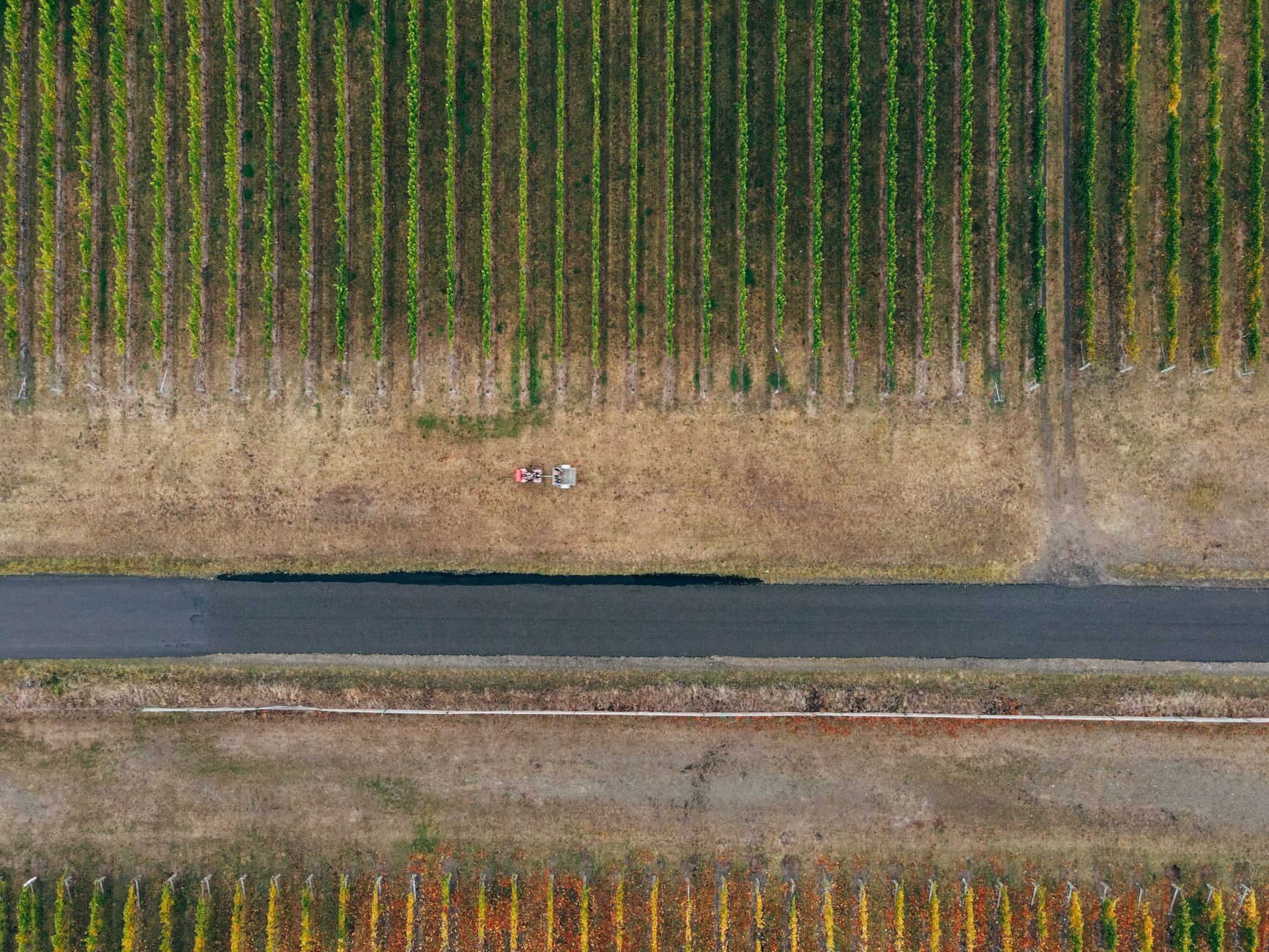
Cross into Thrace, the European corner of Türkiye, and the wine story changes character. Here the terrain rolls rather than plunges, with broad vineyard terraces and small family estates clustered around historic towns and market villages. The region's winemaking tradition stretches back to ancient Thracian culture, and its modern revival has been driven by families who returned to the land and planted grape varieties suited to the continental climate.
Walking in Thrace is an easier affair than in the rugged Aegean — long, level tracks between vine rows, old cart paths, and gentle rises to viewpoints over the plains. It lends itself beautifully to a leisurely itinerary: a morning walk along vineyard boundaries, an afternoon in a village cellar, and a sunset from a terrace with a glass of local red. Several estates welcome visitors for tours and tastings by appointment, and many will happily explain the traditional methods still used alongside modern equipment.
Beyond the vineyards, Thrace rewards curiosity with Roman remains, Ottoman bridges and a layered cultural heritage that is visible in the food as much as the wine. Allow a few days if you can. The scale is human, the roads are quiet, and the pleasure lies in the gentle rhythm of walking from one family's vines to another's cellar door.
Practical Walking Notes: Paths, Pace and Best Seasons
Vineyard landscapes are working countryside, not theme parks. Paths may be tractor tracks, mown corridors between rows, or ancient straight ways worn into the hills. Wear shoes with real tread, carry water and sun protection, and check locally for the latest condition of any trail. Some footpaths cross private land; always follow signs, close gates, and ask permission where the route is unclear. If you prefer structure, a guided day or a themed itinerary can take the guesswork out of navigation — see our itineraries for ideas and the best time guidance for seasonal tips.
Season matters enormously. Spring brings wildflowers, fresh green terraces and warm, freshly tilled soil — a lovely time for walking. Late summer means ripening fruit and the buzz of pre-harvest preparation. Autumn is the star: the harvest, grape must in the air, and golden light across the stone. Winter is quiet and bracing, with the architecture of the terraces visible without foliage, though some family cellars close to visitors. If your goal is to see presses and taste wines together, aim for late August to October.
Distances are modest but heat can be fierce. A comfortable rhythm is a two- to three-hour morning walk followed by a long, shaded lunch and a late-afternoon tasting. Carry cash for small purchases and village cafés, and keep a light layer for evenings — inland Anatolia and Thrace can cool sharply after sunset. Our travel tools page has practical planners to help you organize a multi-stop route.
Tasting Etiquette: How to Be a Gracious Guest
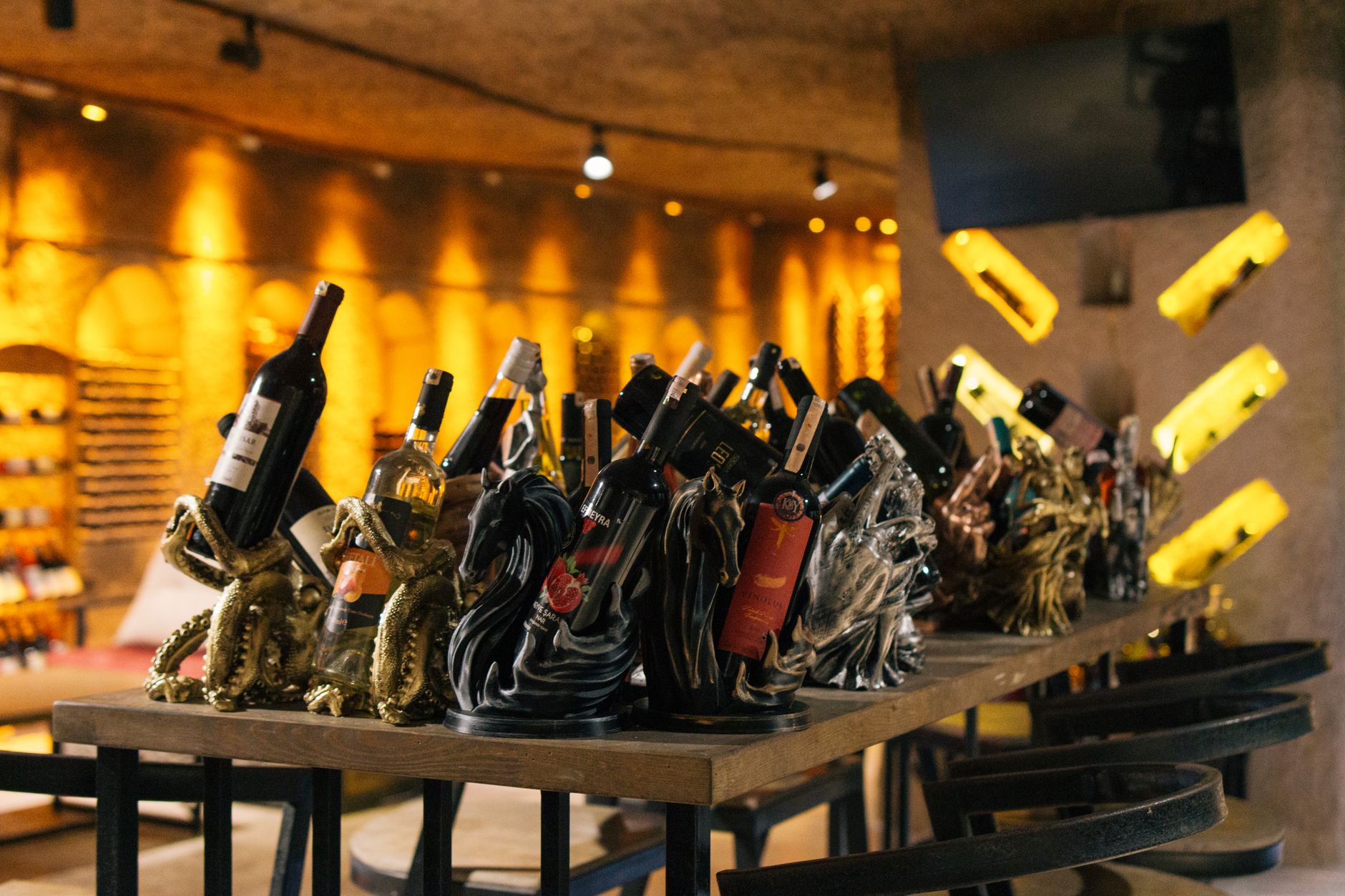
Tasting with a small family producer is an act of hospitality as much as commerce. Arrive with an appointment where possible, and confirm in advance — a phone call or message through your accommodation goes a long way. Many cellars are run alongside farming, so the schedule flexes with weather and harvest. Turn up curious rather than critical, and ask about the family's history, the grape varieties, and how the wine is made. Genuine interest is the entry ticket to the best conversations.
At the table, accept the glass with a smile, taste before commenting, and never feel obliged to finish. Sipping and tipping away the last drops is entirely acceptable; over-indulgence is not. It is polite to taste a few wines and to buy a bottle or two if you have enjoyed the visit — this is the most direct way to support the people preserving these landscapes. Ask before photographing people, machinery or cellars, and ask permission before entering any working building.
Remember that alcohol is not part of every household's life, and the culture around drinking is moderate and social. Eat something alongside the wine, toast with the local word şerefe, and treat the tasting as a conversation. If you are driving afterwards, the answer is simple: don't. Arrange a driver, a taxi, or a village walk home. Respectful visitors are remembered and welcomed back — and often sent away with a jar of olives or a bunch of grapes for the road.
Bringing the Story Home: Why These Small Cellars Matter
The rock-cut presses and terraced vineyards of the Aegean and Thrace tell a story of continuity that is rare in the world. Each carved basin is evidence of generations who worked this exact slope, harvesting, treading and fermenting in step with the seasons. When you walk these routes and sip in these cellars, you are joining a chain of hospitality that is centuries long — and the welcome you receive is its living expression.
Supporting small family tastings is also the most sustainable choice a wine-loving traveller can make. It keeps heritage grape varieties in the ground, maintains dry-stone terraces that would otherwise crumble, and gives rural families a reason to stay. You will often pay a fraction of what a large commercial winery charges, and receive far more in conversation, generosity and sense of place.
So pack your walking shoes, learn a few words of Turkish, and set aside time to get pleasantly lost among the vines. Whether you are planning a focused heritage walk or weaving wine into a wider Turkish journey, start with our guides and routes, and let the stone presses and warm hosts of the Aegean and Thrace show you a side of Türkiye that tastes like sunshine and history together.
Thinking about a trip to Turkey?
Share your contact details and a vetted local expert will follow up with a plan built around you — free, no obligation.