

The Roar of the Ancient Crowd: Türkiye's Sporting Legacy
Close your eyes in the stands of Aphrodisias' stadium, and you can almost hear the roar of 30,000 spectators. The same goes for the Hippodrome in Istanbul, where 100,000 fanatics once screamed for their chariot teams. Türkiye is home to some of the best-preserved ancient sporting venues in the world, and they tell a story not just of Roman engineering but of a culture that has always been obsessed with competition.
Long before football stadiums packed in fans on weekends, this land hosted Olympic-style games, gladiatorial combat, and chariot races that could topple emperors. The stadiums of Anatolia were not peripheral outposts; they were grand arenas where emperors, gods, and athletes converged. Today, they stand as silent but powerful testaments to a sporting heritage that stretches back millennia.
What makes these sites so compelling is not just their size but their state of preservation. Aphrodisias' stadium is arguably the most complete ancient stadium in the Mediterranean world. The Hippodrome's obelisks and serpent column still anchor the heart of Istanbul. And in between, dozens of lesser-known stadia dot the landscape, from Ephesus to Pergamon. This is not a tour of dusty ruins; it's a pilgrimage to the birthplace of the modern sports spectacle.
Aphrodisias: The Crown Jewel of Ancient Stadia
If you visit only one ancient stadium in Türkiye, make it Aphrodisias. Located in the fertile Meander Valley, about 230 kilometers from Izmir, this stadium is a marvel. Built in the first century BC and later modified under the Romans, it could hold an estimated 30,000 spectators. What's astonishing is how much of it remains: the seating tiers, the running track, and the vaulted entrances are all still there, giving you an almost complete sense of the original structure.
The stadium was used for foot races, wrestling, boxing, and even gladiatorial contests. It's also remarkably well-preserved because it was never fully dismantled for building material, a fate that befell many ancient monuments. Instead, it was gradually covered by earth, which protected it until modern excavations began. Walking through its tunnels and emerging onto the track is a spine-tingling experience.
Aphrodisias itself is a UNESCO World Heritage Site, and the stadium is the highlight. The site also features a beautifully preserved theatre, a temple to Aphrodite, and a museum with finds from the stadium. Allow at least half a day here—the stadium alone deserves an hour of quiet contemplation. Bring water, a hat, and your imagination.
Istanbul's Hippodrome: The Circus Maximus of the East
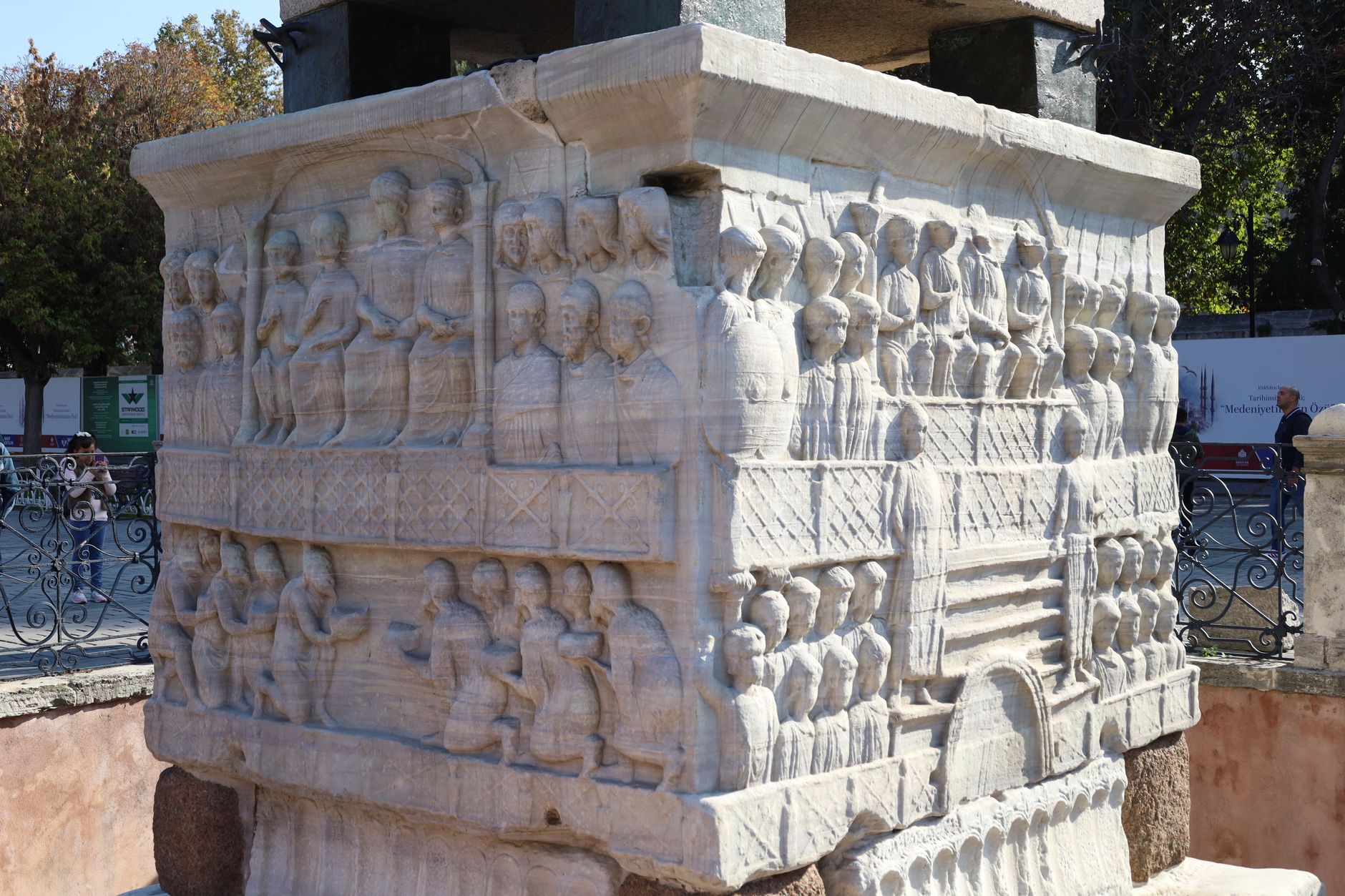
In the heart of Istanbul's historic Sultanahmet district, the Hippodrome once hosted chariot races that could rival Rome's Circus Maximus. Built by Emperor Septimius Severus and expanded by Constantine the Great, it was around 480 meters long and could seat up to 100,000 people. The atmosphere was electric, factional, and often violent—the Blues and Greens were more than sports teams; they were political parties, and their clashes sometimes shook the empire.
Today, the Hippodrome's original structure is largely gone, but its memory is preserved in the square that bears its name. Three monuments still stand on the spina, the central barrier: the Egyptian Obelisk of Theodosius, the Serpent Column from Delphi, and the Walled Obelisk. These were the ancient equivalent of the finish line and the winner's podium. Standing between them, you can almost feel the rumble of chariots.
To dive deeper, visit the nearby Museum of Turkish and Islamic Arts, which has exhibits on the Hippodrome, or the Great Palace Mosaics Museum, which offers a glimpse of the imperial box. The Hippodrome is free to visit and open 24 hours, but go early in the morning to avoid crowds and to catch the best light on the obelisks. It's a perfect starting point for a day of historical exploration.
Ephesus and Beyond: Other Must-See Ancient Stadia
While Aphrodisias and Istanbul take the headlines, Türkiye is dotted with other ancient stadia worth exploring. Ephesus, the most famous archaeological site in the country, boasts a stadium that once held 25,000 spectators. Although less preserved than Aphrodisias, its sheer size and the backdrop of the ancient city make it a compelling visit. You can combine it with a tour of the Library of Celsus and the Great Theatre.
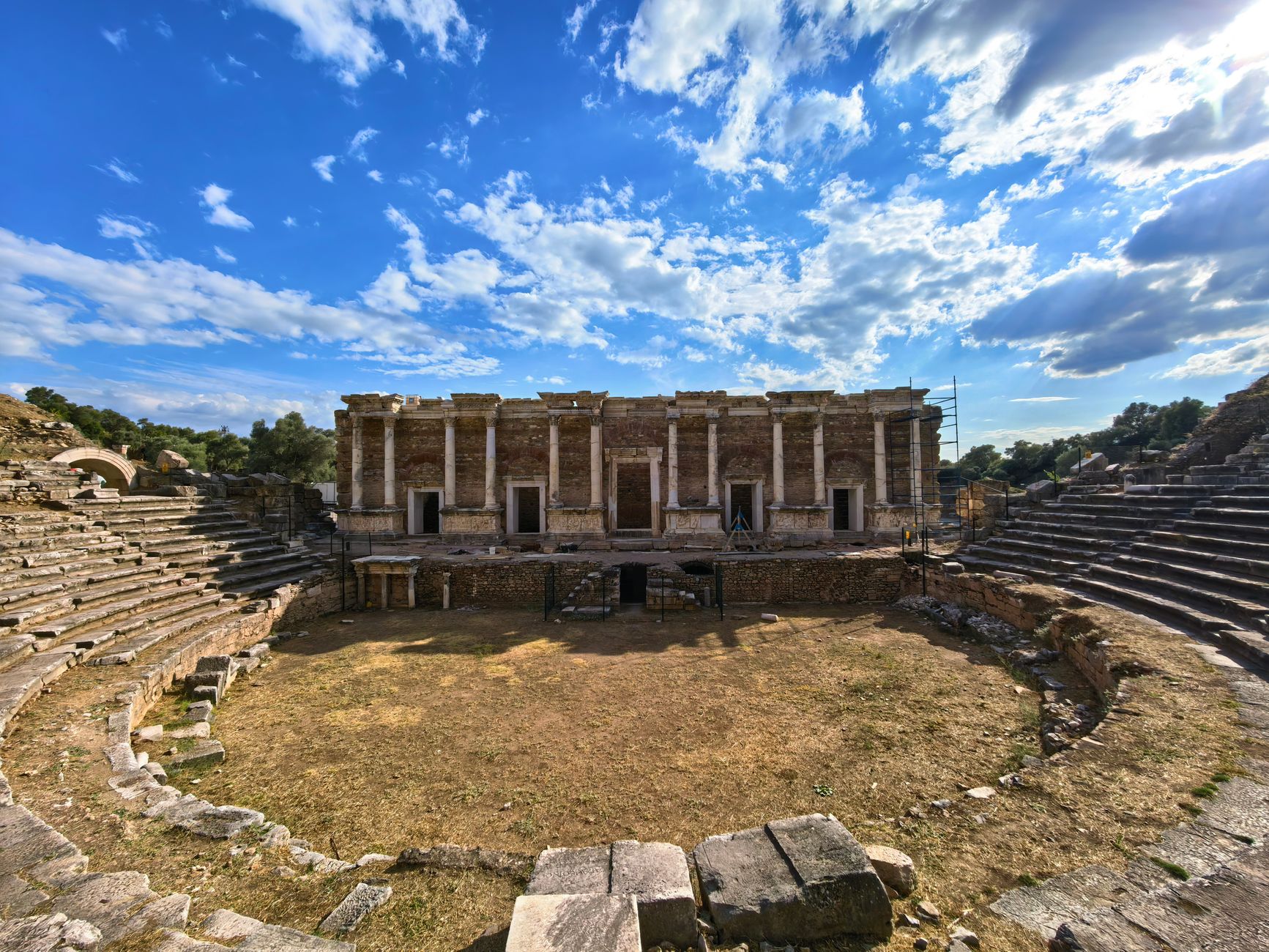
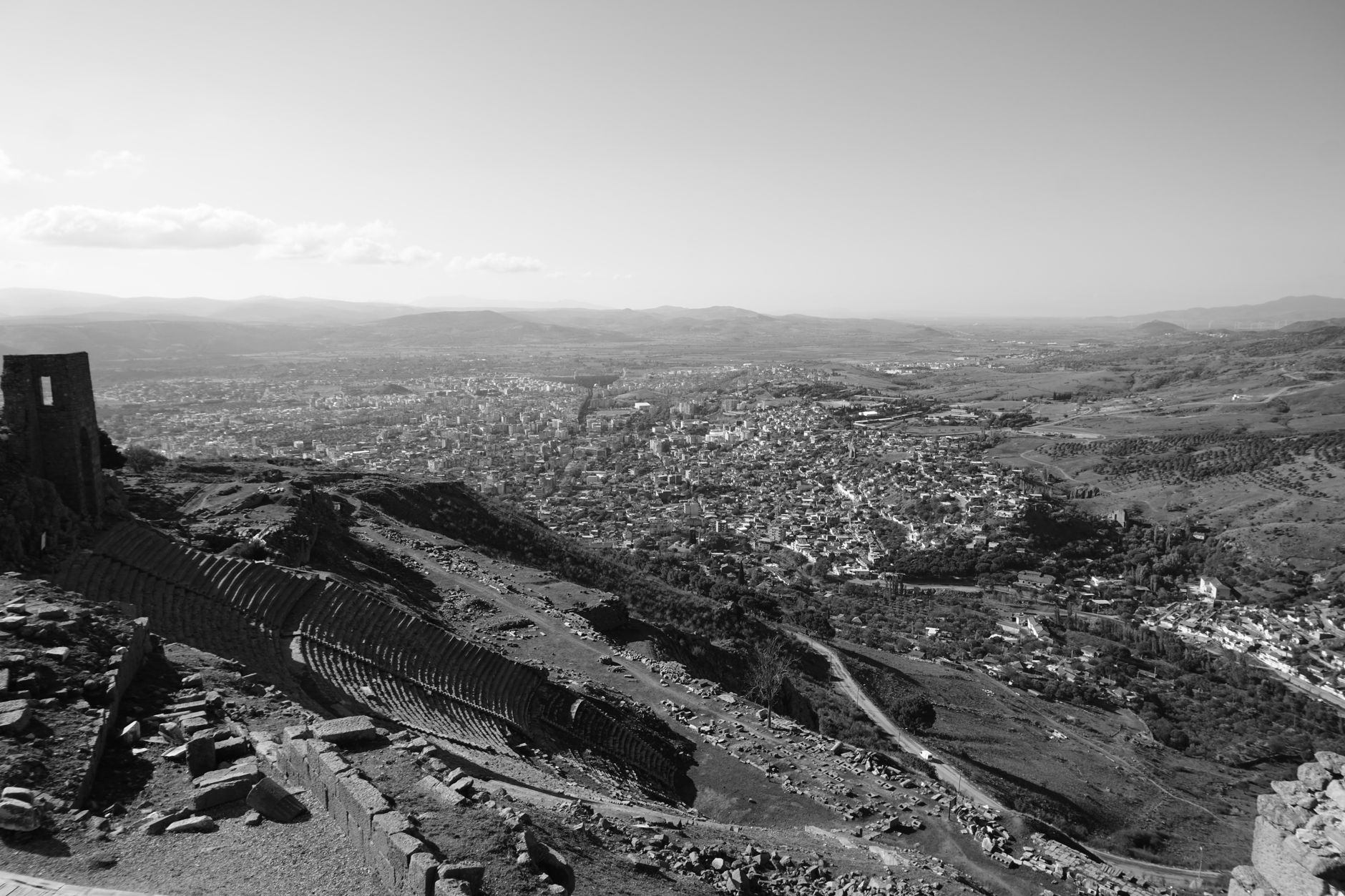
Further north, Pergamon's stadium is dramatically perched on a hillside, with seating that cascades down toward the ancient city. It's one of the steepest ancient stadiums in the world, and the views alone are worth the climb. In contrast, the stadium at Laodicea, near Pamukkale, has been partially restored and offers a more intimate experience. And for a truly off-the-beaten-path adventure, head to Magnesia on the Meander, where the stadium is still being excavated but retains a wild, untouched charm.
Each of these sites has its own character and story. What unites them is the Roman love of spectacle and the Greek tradition of athletic competition. Many of these stadia also hosted local games that were part of a circuit, much like modern leagues. Athletes traveled from city to city, and victors were celebrated like heroes.
From Chariots to Football: Türkiye's Enduring Sports Passion
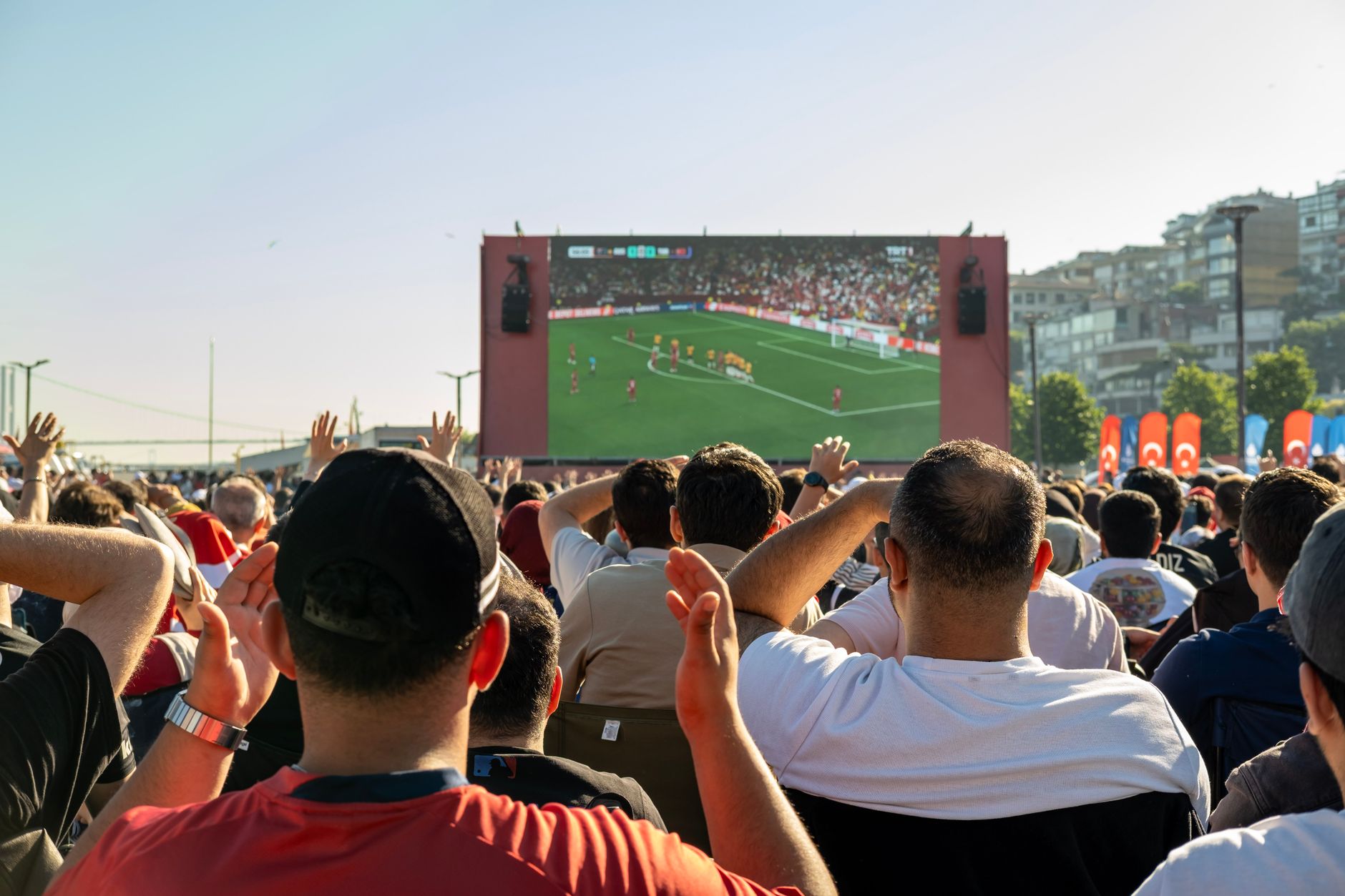
The same fervor that filled ancient stadiums is alive and well in Türkiye today. Football is the undisputed modern passion, with teams like Galatasaray, Fenerbahçe, and Beşiktaş commanding fanatical support. The Istanbul derbies are as intense as any ancient chariot race, complete with colorful banners, deafening chants, and a sense of tribal identity. It's no coincidence that many of these clubs were founded in the same neighborhoods that were once part of the Byzantine and Ottoman capitals.
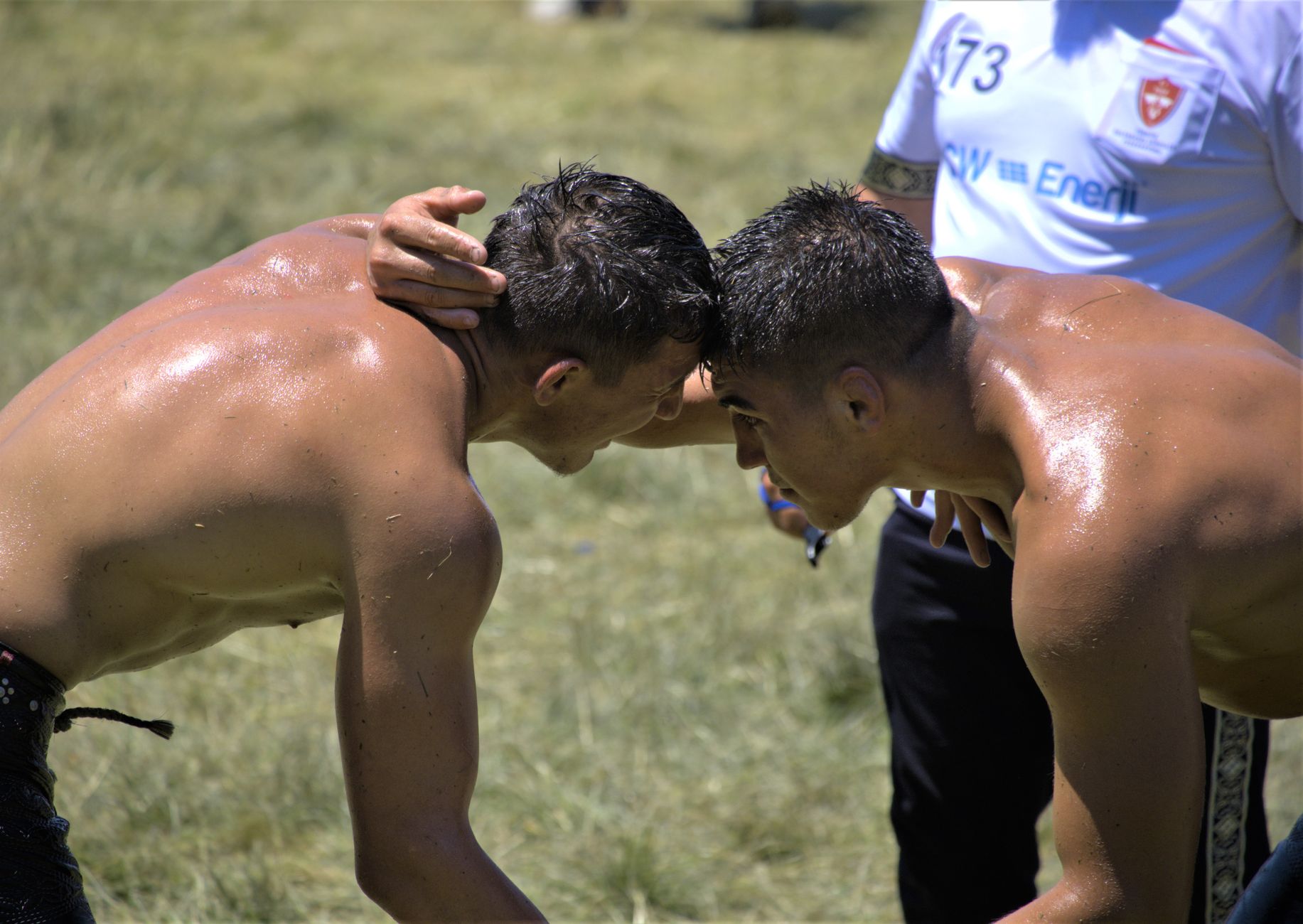
But the sporting heritage goes beyond football. Turkish athletes excel in wrestling—a sport with deep roots in Anatolia—as well as weightlifting, archery, and even the traditional oil wrestling (yağlı güreş), which is a direct descendant of ancient grappling contests. The Kırkpınar oil wrestling festival, held annually in Edirne since the 14th century, is a living link to the ancient athletic traditions. It's recognized by UNESCO as intangible cultural heritage.
Modern stadiums like Istanbul's Atatürk Olympic Stadium and the new Galatasaray Stadium are architectural marvels, but they also echo the past. When fans fill these arenas, they are participating in a ritual that stretches back to the Roman Hippodrome. The scale and passion are different, but the essence is the same: the thrill of competition and the shared experience of victory and defeat.
Planning Your Ancient Stadium Heritage Route
To experience Türkiye's ancient sporting heritage, consider a route that starts in Istanbul and moves through the Aegean and Mediterranean regions. Begin in Istanbul with the Hippodrome and the nearby museums. Then fly to Izmir and drive to Ephesus, Pergamon, and Aphrodisias. From there, continue to Pamukkale (Hierapolis) and Laodicea, and if time permits, extend to Antalya to see the stadium at Termessos, perched high in the mountains.
This route can be done in 7 to 10 days, depending on your pace. Public transportation is available, but renting a car gives you more flexibility, especially for sites like Aphrodisias and Pergamon. Many of these sites are open year-round, but spring (April-May) and autumn (September-October) offer the best weather. Summer can be scorching, so plan visits for early morning or late afternoon.
Entrance fees vary; Aphrodisias and Ephesus charge around 200-300 Turkish Lira, while the Hippodrome is free. Consider buying a Museum Pass if you plan to visit multiple sites. Always carry cash for smaller sites, and wear sturdy shoes—ancient stones can be uneven. Guided tours are available at major sites and can enrich your understanding, but a good guidebook or audio guide works too.
Practical Tips for Visiting Ancient Stadia
When visiting these ancient venues, respect the ruins: don't climb on fragile structures, and stay on designated paths. Many sites have little shade, so bring sunscreen, a hat, and plenty of water. Photography is allowed, but drones are often prohibited. Check opening hours, as some sites close at 5 PM or 7 PM depending on the season.
Accessibility can be a challenge. While some sites like Aphrodisias have relatively flat paths, others like Pergamon involve steep climbs. If you have mobility issues, research ahead or consider virtual tours. Also, note that some sites are remote, so pack snacks and a picnic—there's nothing like lunch with a view of an ancient stadium.
Finally, engage with the local culture. Many towns near these sites have excellent museums and friendly locals who are proud of their heritage. Try regional cuisine—kebabs, mezes, and fresh seafood—and don't miss the chance to sip Turkish tea while contemplating the centuries. The ancient athletes would approve.
Thinking about a trip to Turkey?
Share your contact details and a vetted local expert will follow up with a plan built around you — free, no obligation.