

Why Türkiye Feels Increasingly Familiar for Gulf and Middle East Travelers
Türkiye has always been a natural destination for travelers from the Gulf, the Levant and Iran: a short flight, no visa friction for most passports, a shared horizon of hospitality, and food cultures that overlap far more than they differ. What has changed in recent years is the depth of Arabic and Persian-friendly services on the ground. Istanbul, Antalya and Trabzon now routinely welcome guests who speak Arabic or Persian first, and the infrastructure has grown to match — from restaurant menus printed in three scripts to hotel concierges who can arrange a driver for the whole week.
For many Gulf families, the appeal is practical. You can travel with children and elders, keep your prayer routines, eat confidently, and still experience a country that feels genuinely foreign in its landscapes and history. Türkiye offers Ottoman heritage, Black Sea forests, Mediterranean beaches and Cappadocian rock valleys within one itinerary, and the service layer that used to require research now sits comfortably at hand.
This guide is written for travelers who want to plan a relaxed trip rather than an exhausting one. We will look at where Arabic and Persian services are concentrated, how to find halal dining and multilingual guides, how private drivers work, and how to shape a welcoming itinerary across Istanbul, Antalya and Trabzon. You can browse more options on our destinations page and cross-check seasonal timing with our best-time guide.
Arabic and Persian in Istanbul: Menus, Neighborhoods and Cultural Comfort
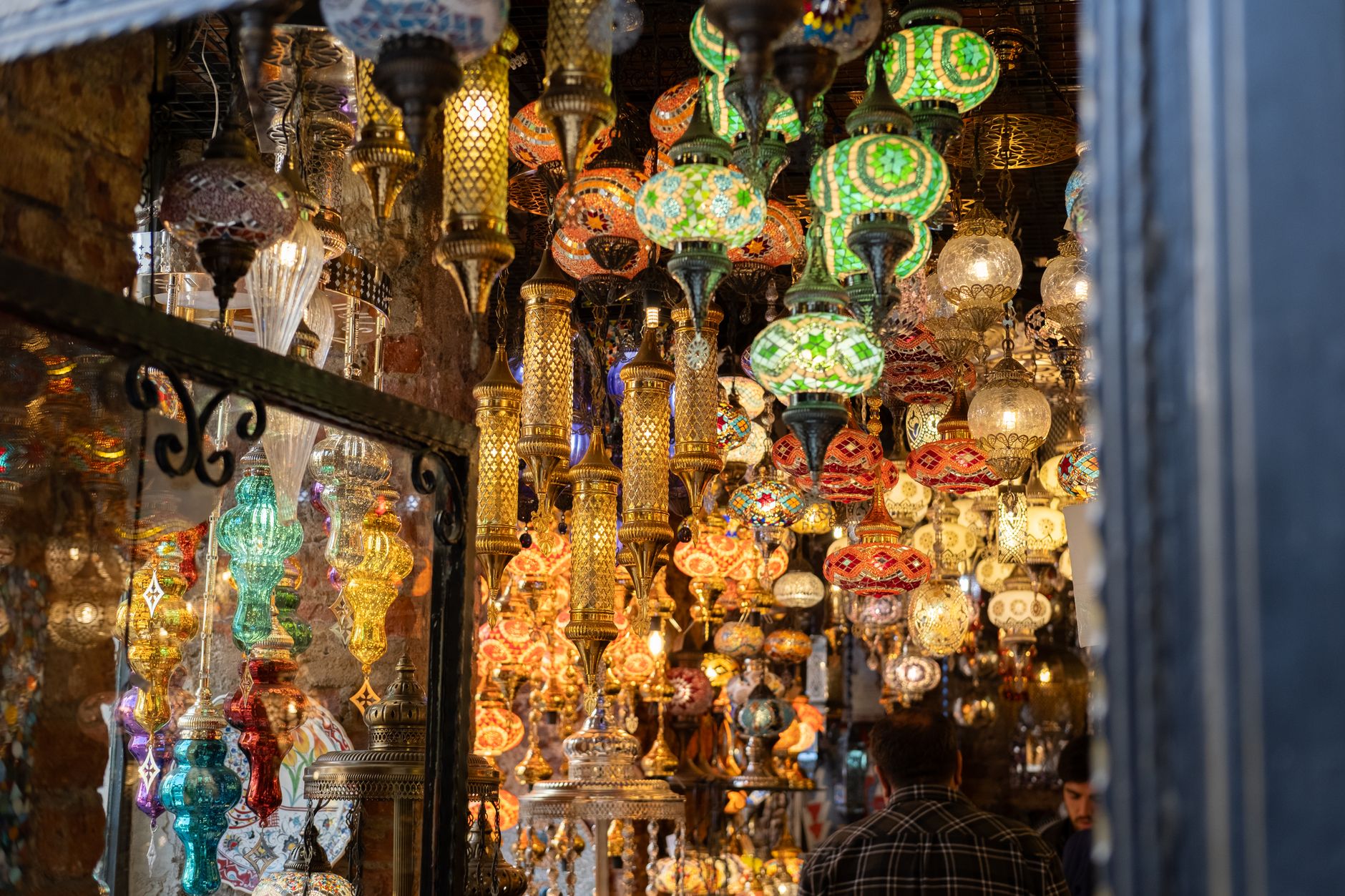
Istanbul is the easiest place in Türkiye to travel entirely in Arabic. Districts around Sultanahmet, Laleli and Fatih have long catered to Arabic-speaking visitors, and signage in Arabic is common along the tram line. Many restaurants in these areas print menus in Arabic, Turkish and English, and staff in hotels near the Grand Bazaar often speak conversational Arabic. For Persian speakers, the area around Taksim and parts of Fatih has a steady Persian-speaking community, with Iranian restaurants and groceries.
The comfort extends beyond language. Halal dining is the norm across Istanbul rather than the exception, so the practical question shifts from “is it halal?” to “which cuisine and price level?” Mixed-grill houses, kebab restaurants, Syrian and Lebanese kitchens, and Turkish esnaf lokantası (tradesmen's canteens) all serve generous halal meals. Alcohol-free venues are common and easily identified, and hotel breakfasts are reliably family-friendly.
For cultural comfort, consider structuring days around prayer times. The Blue Mosque, Hagia Sophia, Süleymaniye and Eyüp Sultan are not just sights but working places of worship with facilities for ablution, and many have women's prayer areas. Friday afternoons are busiest, so plan museum visits for the morning. A multilingual guide is worth the investment here: the layers of Byzantine, Ottoman and Republican history are dense, and hearing them in Arabic or Persian transforms the experience.
Where to find these services: hotel concierges in Sultanahmet and Laleli are the fastest route to an Arabic-speaking guide; travel agencies along Divan Yolu advertise multilingual tours; and tour desks in Taksim frequently list Persian-speaking guides. If you prefer to arrange everything before arrival, our local experts page explains how to connect with vetted guides and planners.
Antalya: Family-Friendly Halal Resorts and Arabic-Speaking Hospitality
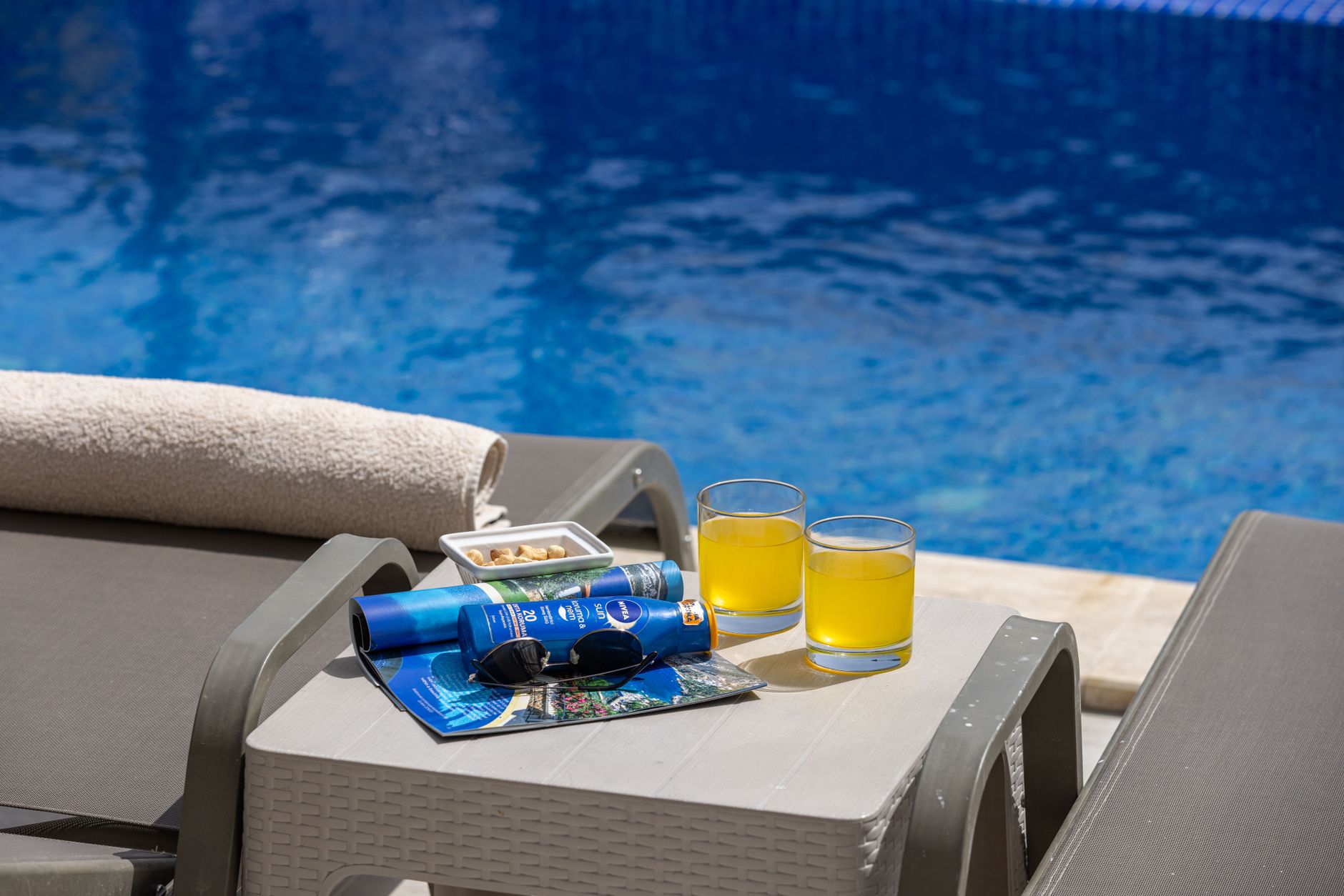
Antalya has become a flagship destination for Gulf families, and the service culture reflects it. Many resorts along the Lara and Belek coasts offer halal-certified kitchens, alcohol-free zones and pools, prayer rooms, and staff who speak Arabic at reception and in kids' clubs. This is not an afterthought: several large hotels run dedicated Arabic guest-relations desks, and some publish their whole activity program in Arabic.
The old town, Kaleiçi, is where independent travelers find smaller hotels and restaurants with Arabic menus, while the Konyaaltı beach strip has a mix of cafes and family restaurants. For day trips, the ancient sites of Perge, Aspendos and Side combine well with a private driver, and the Taurus mountains offer cable-car views and rafting for older children. Halal dining outside resorts is straightforward: look for kebab and pide restaurants, and ask for içkisiz (without alcohol) venues if that matters to you.
Practical pointers for Antalya: book resorts directly or through agencies that confirm halal kitchen certification in writing; ask whether the beach has a women-only swimming area; and check whether the hotel provides Arabic-speaking babysitters. For families with mixed ages, a private driver for two or three day trips is often cheaper and calmer than joining group tours. Our itineraries page includes family-paced options you can adapt.
Trabzon and the Black Sea: Persian-Speaking Travelers and Green Valleys
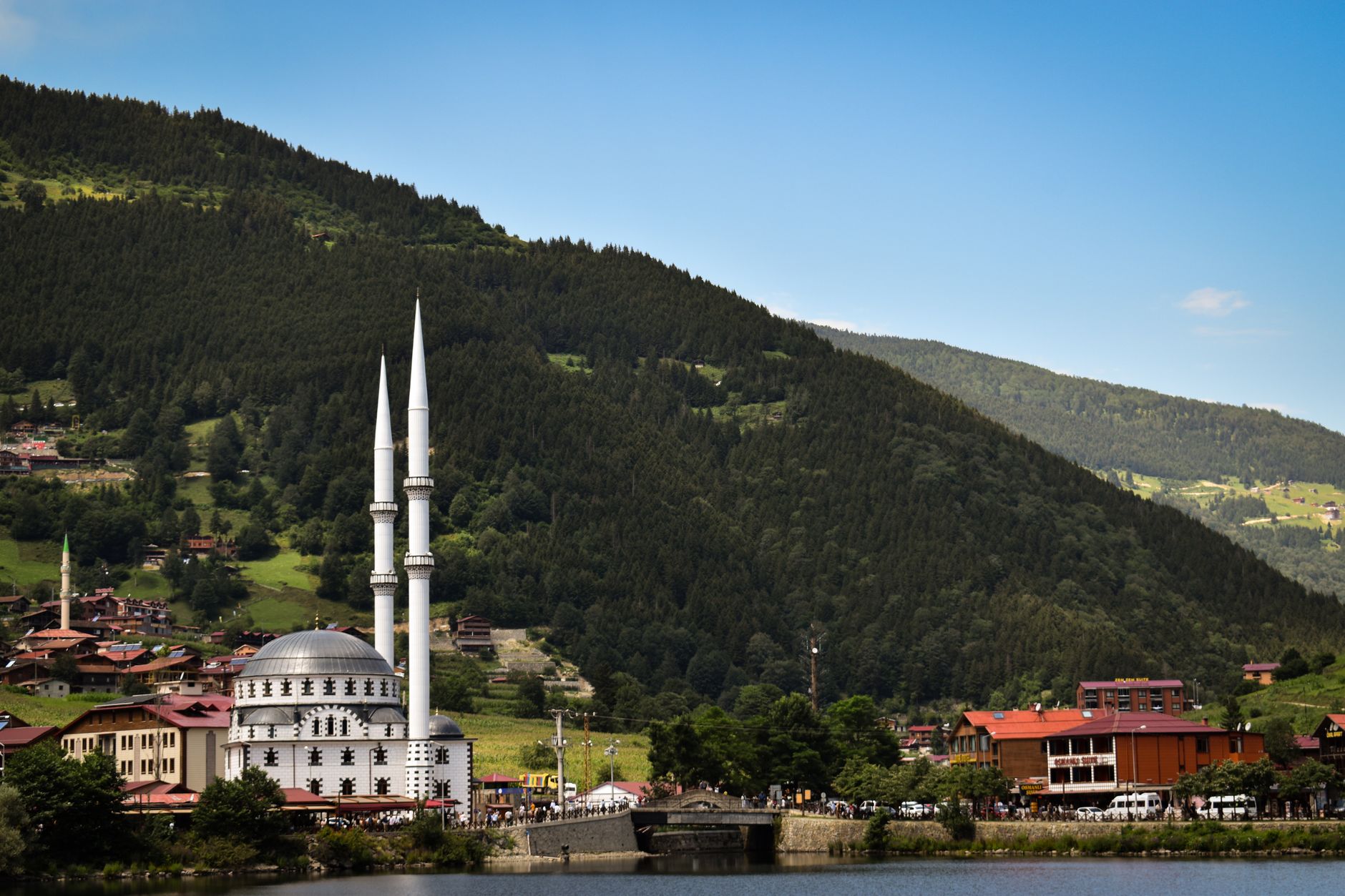
Trabzon has a distinct visitor profile: it draws large numbers of Persian-speaking travelers from Iran, alongside Gulf visitors exploring the Black Sea. The result is a visible Persian-friendly service layer. In central Trabzon and around the bazaar, shopkeepers and restaurant staff often know basic Persian, and a number of hotels and tour operators advertise Persian-speaking guides, particularly for tours to Uzungöl, Ayder and the Sümela Monastery.
The food is a highlight for many Middle Eastern visitors. Black Sea cuisine leans on anchovy (hamsi), corn, greens and dairy, and the region's dairy products and honey are popular purchases. Halal dining is universal in Trabzon, and the local kuymak (a melted cheese and cornmeal dish) is a must-try breakfast. For Persian-speaking families, Uzungöl's lakeside guesthouses and the Ayder plateau are especially appealing in summer, and the mountain air offers a welcome contrast to city heat.
Practical pointers: Trabzon's summer season (July and August) is busy, so book Uzungöl accommodation early; mountain roads are winding, making a private driver the more comfortable choice for families with children or older relatives; and rain is possible in any month, so pack layers. Our guides page covers regional planning in more depth, and routes can help you link Trabzon with Istanbul or Cappadocia.
Halal Dining and Arabic-Friendly Menus: What to Expect and How to Ask
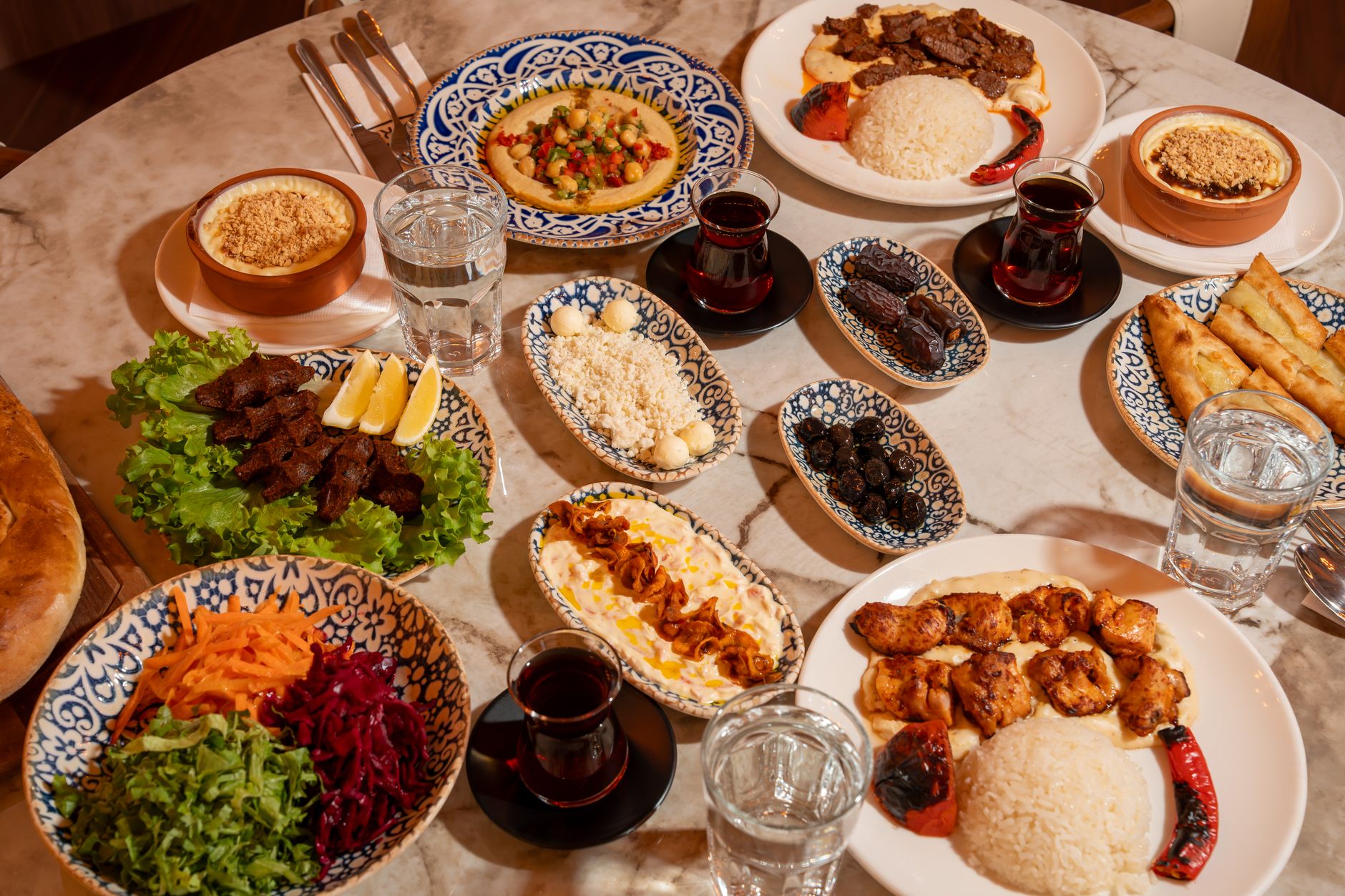
Turkey is a Muslim-majority country, and the overwhelming majority of restaurants serve halal food by default. That said, formal halal certification is more common in hotels and larger chains than in small neighborhood eateries. If certification matters to you, ask for a helal sertifika; many Antalya resorts display theirs prominently. In Istanbul and Trabzon, the practical approach is to choose restaurants that do not serve alcohol, which simplifies the question entirely.
Menus in Arabic are now common in tourist districts of Istanbul (Sultanahmet, Laleli, Taksim) and in Antalya's resort areas. In Trabzon, Persian-language menus and signage are frequently seen near the bazaar and in Uzungöl. Outside these zones, translation apps handle most situations, and Turkish menu vocabulary is easy to learn: ızgara (grill), kebap, pide, lahmacun, çorba (soup), tatlı (dessert).
For families with dietary concerns beyond halal — no pork, low spice, gluten-free — the safest route is to stay in hotels with buffet breakfasts and to use a guide or driver who can explain needs to restaurant staff. If you want to understand the broader food landscape, our blog has food-focused pieces that pair well with this guide.
Private Drivers and Multilingual Guides: How to Arrange Them
A private driver is the single biggest comfort upgrade for Gulf and Middle East families traveling in Türkiye. It removes the friction of taxis, parking and timetables, and it lets you adjust plans around prayer times, meals and children's energy levels. In Istanbul, a driver is most useful for the Asian side, Eyüp, and airport transfers; in Antalya and Trabzon, it opens up day trips to ancient sites, valleys and plateaus that are awkward on public transport.
Booking channels are straightforward: hotels can arrange vetted drivers, local agencies in Sultanahmet, Lara and central Trabzon offer daily hire with Arabic- or Persian-speaking drivers, and pre-arranged transfers can be bundled with guides. Expect to pay by the day or half-day, with fuel and tolls usually included; confirm whether the driver speaks Arabic or Persian and whether the vehicle has child seats. For larger families, request a minivan rather than two cars.
Guides and drivers differ: a licensed guide can enter sites and explain history, while a driver handles logistics. For first-time visitors, combining both for two or three key days works well. Our trip planner and travel tools pages help you organize bookings and compare options, and the pricing page gives a sense of typical costs.
Building a Relaxed, Welcoming Itinerary Across Three Regions
A calm itinerary respects jet lag, heat and family rhythms. A workable pattern for a ten- to fourteen-day trip is four or five days in Istanbul, three or four in Antalya, and three in Trabzon, with domestic flights connecting them. In Istanbul, alternate a heavy sightseeing day (Blue Mosque, Topkapı, Grand Bazaar) with a lighter one (Bosphorus ferry, Gülhane Park, a hammam visit). In Antalya, mix resort downtime with two day trips. In Trabzon, spend one day in the city and two in the mountains.
Schedule around prayer and meals: start sightseeing early, break for lunch and rest in the afternoon heat, and go out again in the evening. Book Friday mornings for museums rather than mosques. Keep one fully free day per region — this is what turns a good trip into a restful one.
Finally, prepare lightly: download offline maps, save hotel and driver contacts, and carry a translation app as backup even if you rely on Arabic- and Persian-speaking staff. Confirm halal arrangements, guide languages and vehicle details in writing before you travel. For more planning support, see our FAQ, trust page and about us, or contact us with specific questions about your family's needs.
Thinking about a trip to Turkey?
Share your contact details and a vetted local expert will follow up with a plan built around you — free, no obligation.