

The Turkish Breakfast: A Nation's Table in Miniature
In Türkiye, breakfast—kahvaltı, literally "before coffee"—is not a meal but a ritual. A proper Turkish breakfast sprawls across the table: slabs of white cheese, golden honeycomb, glistening olives, sun-dried tomato paste, clotted cream, fresh simit, and endless glasses of çay. It is a mosaic of the country's regions, each contributing its own artisan treasures. For travelers, following the breakfast trail is one of the most delicious ways to understand Türkiye's geography and culture.
This guide takes you from the olive groves of Ezine in the Aegean to the high plateaus of Kars in the east, where a radically different cheese culture thrives. Along the way, we'll explore markets, meet producers, and share tips on how to pack these edible souvenirs for the journey home.
Whether you're a cheese obsessive or simply a lover of good mornings, Türkiye's artisan breakfast trail promises a feast that will redefine your first meal of the day.
Ezine and the Aegean Olive Belt: Liquid Gold and Brined Gems
The northwestern Aegean region, centered around the town of Ezine in Çanakkale province, is Türkiye's olive heartland. Here, groves of Memecik and Ayvalık olives stretch to the horizon, and the local economy—and breakfast table—revolves around them. Ezine is particularly famous for its white cheese, a brined, slightly salty cheese similar to feta but with a creamier texture and a Protected Geographical Indication (PGI) status.
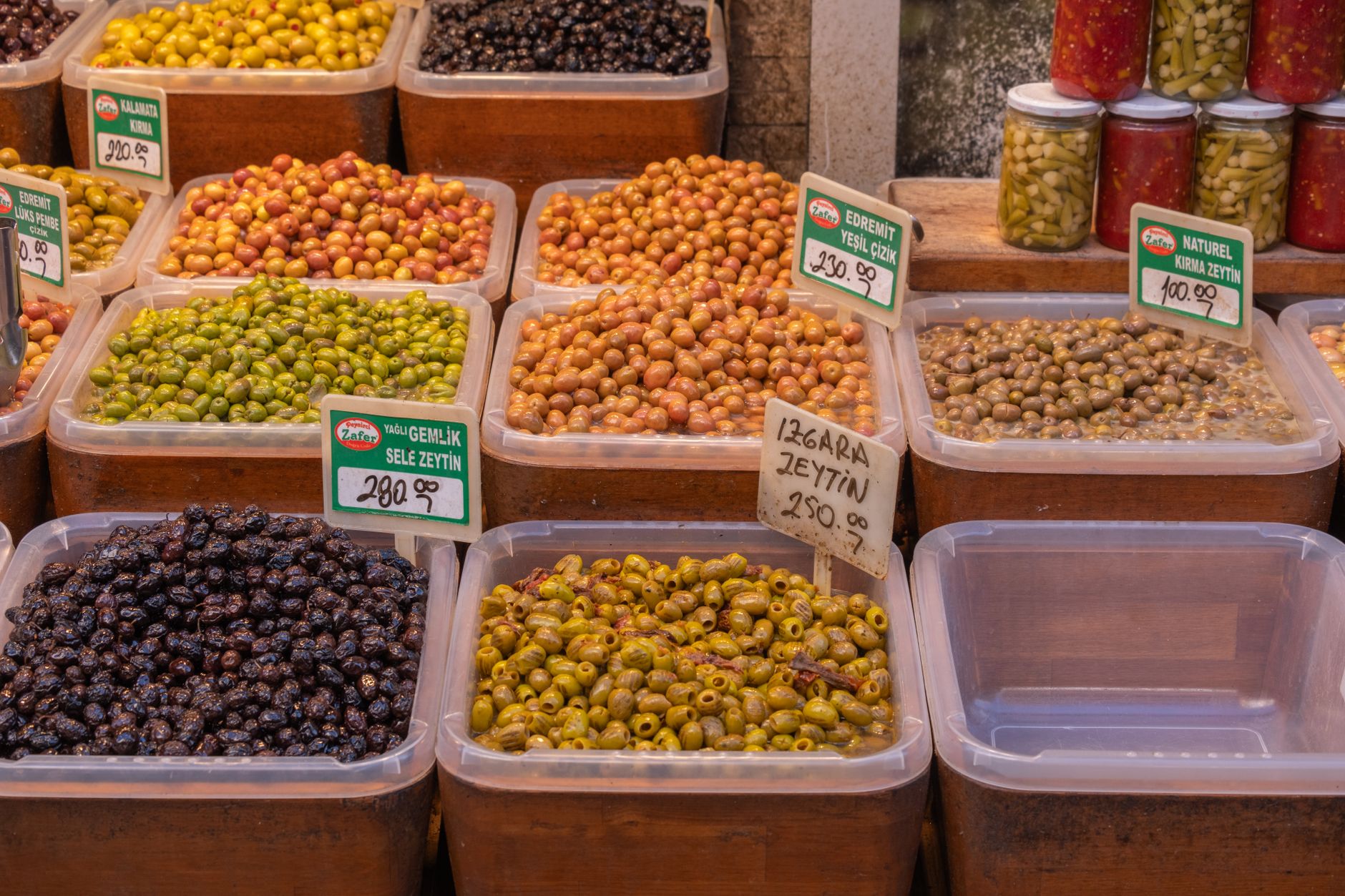
In Ezine, breakfast is a celebration of the olive: green olives cracked with salt, black olives cured in oil, and olive paste (zeytin ezmesi) spread thickly on warm bread. Pair these with Ezine cheese, a drizzle of local olive oil, and a sprinkle of dried oregano. The combination is simple, ancient, and utterly satisfying.
To taste at the source, visit the weekly market in Ezine (typically held on Wednesdays) or the larger Çanakkale market on Saturdays. There, vendors offer samples of olives, cheeses, and honeys from nearby villages. The nearby town of Ayvalık, a short drive south, hosts an olive harvest festival each November, complete with tastings, press tours, and olive oil massages.
For a deeper immersion, book a stay at an olive farm guesthouse in Küçükkuyu or Assos. Many offer breakfasts that showcase their own oil, olives, and cheeses, alongside homemade jams and village eggs. The Aegean olive belt is also home to excellent keçi peyniri (goat cheese) and sepet peyniri (basket cheese), a firmer cheese often grilled or served with watermelon.
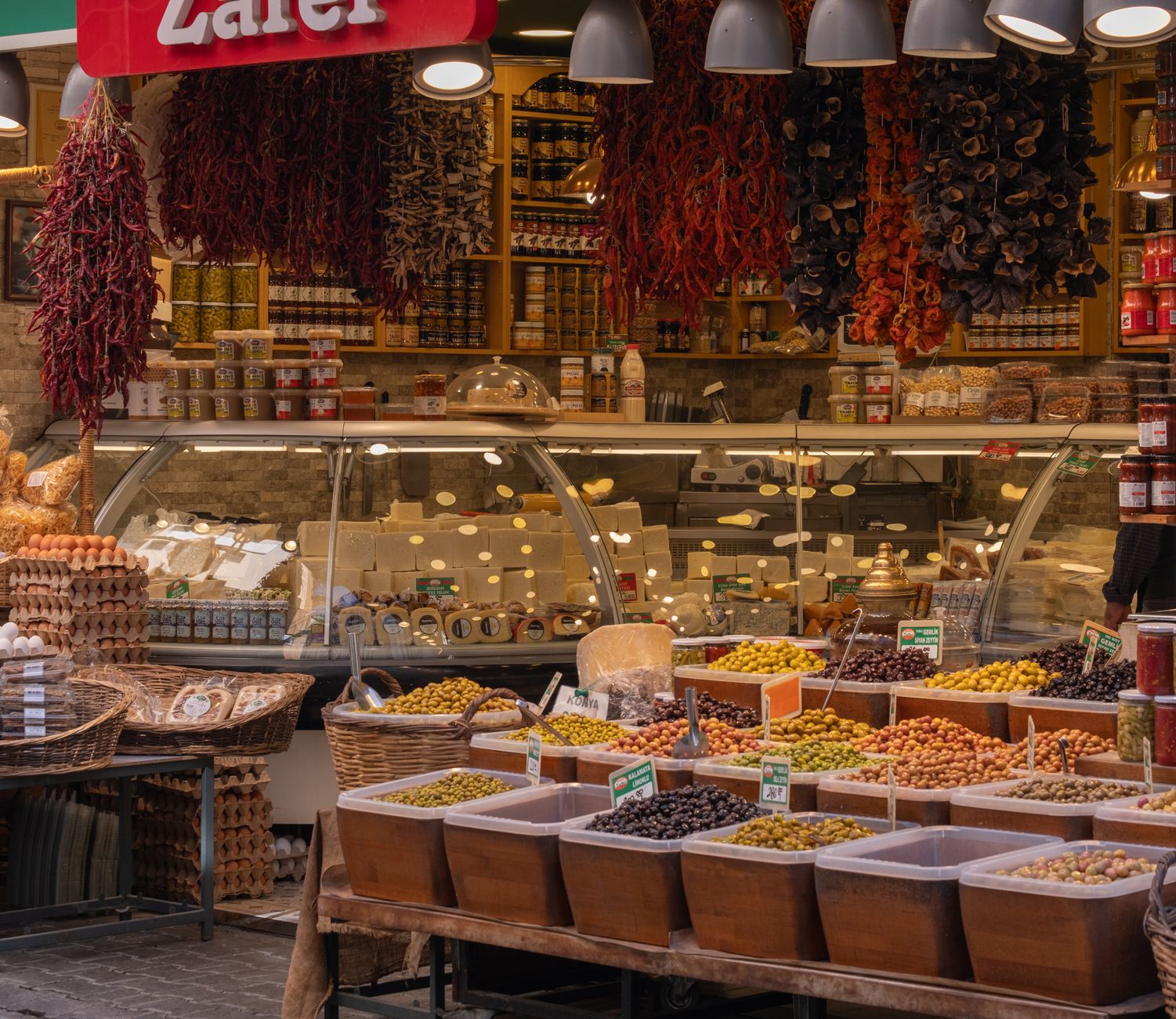
Kars: The Caucasian Cheese Kingdom
Travel east to the high plateau of Kars, near the Armenian border, and you enter a completely different breakfast universe. Kars is renowned for its Kars kaşarı (Kars kashkaval), a yellow, semi-hard cheese with a nutty, slightly sharp flavor, often aged in caves or cellars. It's the star of the eastern breakfast, served melted over bread or simply sliced with honey.
Kars cheese culture reflects the region's history: influenced by Georgian, Armenian, and Caucasian traditions, it includes a variety of cheeses rarely seen in western Türkiye. Look for çeçil peyniri, stringy, braided cheese, and gravyer (Gruyère-style), introduced in the 19th century but now a point of local pride. The Kars Dairy Factory, established in 1955, remains a landmark, but artisan producers in villages like Boğatepe keep traditional methods alive.
Breakfast in Kars is hearty: along with cheese, you'll find kete (a flaky pastry filled with cheese or potatoes), fresh butter, and honey from the surrounding meadows. The region's high-altitude flora yields intensely floral honeys, often sold in reused jars at roadside stands.
To experience Kars at its best, visit during the Kars Cheese Festival, usually held in late September or early October. The festival brings together producers from across eastern Anatolia, with tastings, cheese-making workshops, and a chance to meet the families behind the wheels. Also, don't miss the Saturday market in Kars city, where villagers sell cheese, honey, and preserves.
While in Kars, take a day trip to the ancient city of Ani, and stop at Boğatepe Village, home to the Kars Cheese Museum (Peynir Müzesi) and a cooperative of women producers. Their breakfast spreads, served in a rustic village setting, are unforgettable.
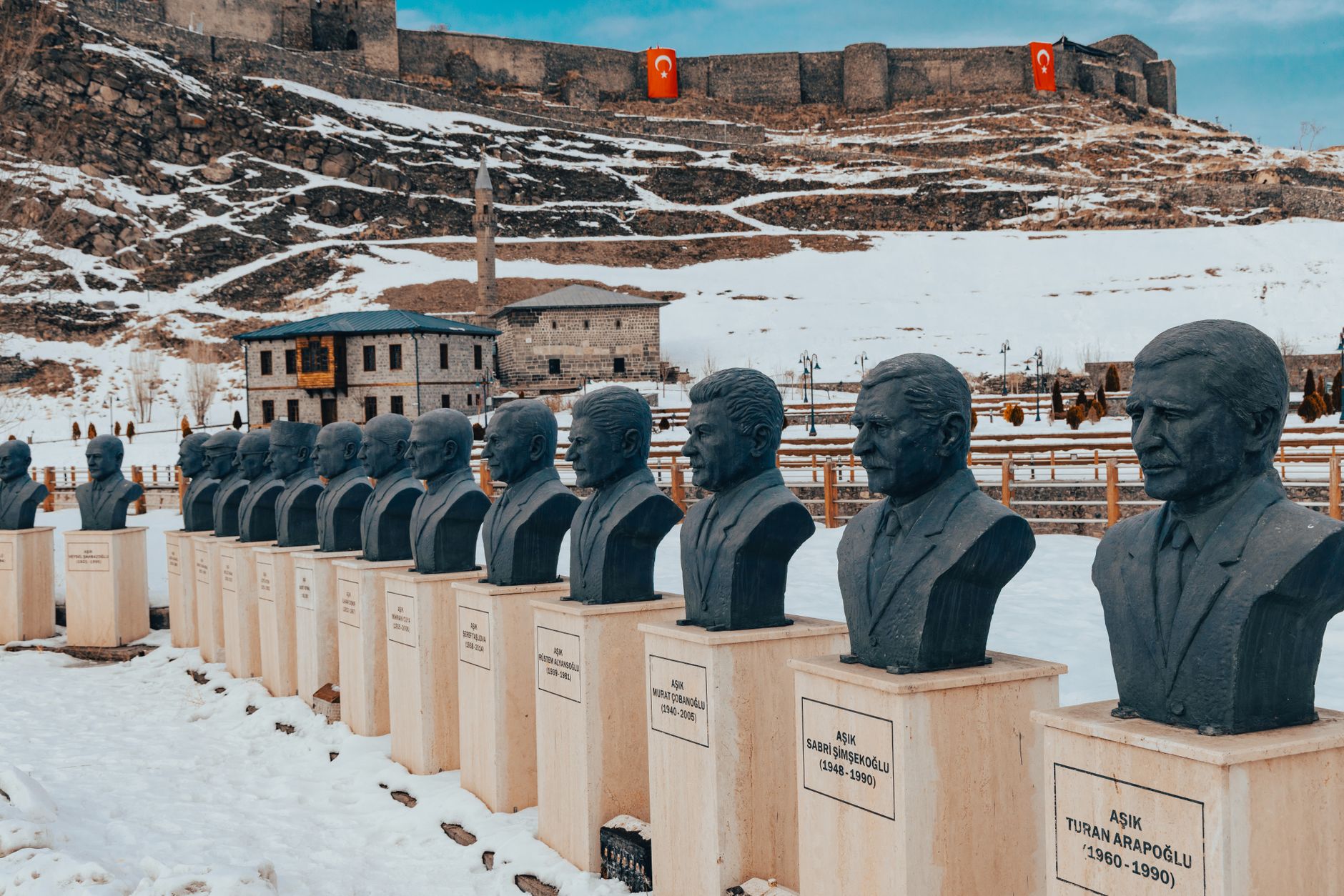
Honey, Preserves, and the Sweet Side of Breakfast
No Turkish breakfast is complete without honey and preserves. Türkiye is one of the world's top honey producers, with regional varieties as diverse as its landscapes. In the Aegean, pine honey (çam balı) from Muğla is dark, malty, and rich in minerals. In the Black Sea region, chestnut honey is robust and slightly bitter. And in Kars, highland flower honey is delicate and aromatic.
Preserves—reçel—are another breakfast staple, often homemade from seasonal fruit. Look for sour cherry, fig, quince, and even green walnut preserves. In the Aegean, you'll find preserves made from mandarin, bergamot, and prickly pear. In eastern Türkiye, rose petal and mulberry preserves are common.
To taste these at the source, visit local markets or cooperatives. In Ezine, the market offers jars of olives and olive oil soaps, but also honey from nearby Mount Ida (Kaz Dağı). In Kars, the Boğatepe cooperative sells honey and preserves made by village women. Many breakfast spots in both regions pride themselves on serving only local products, so ask—producers are often happy to share their sources.
For a truly decadent experience, try kaymak (clotted cream) with honey. In Afyon and Kars, kaymak is made from water buffalo milk and has a thick, almost cheesy texture. Spread it on bread, drizzle with honey, and you have the perfect bite.
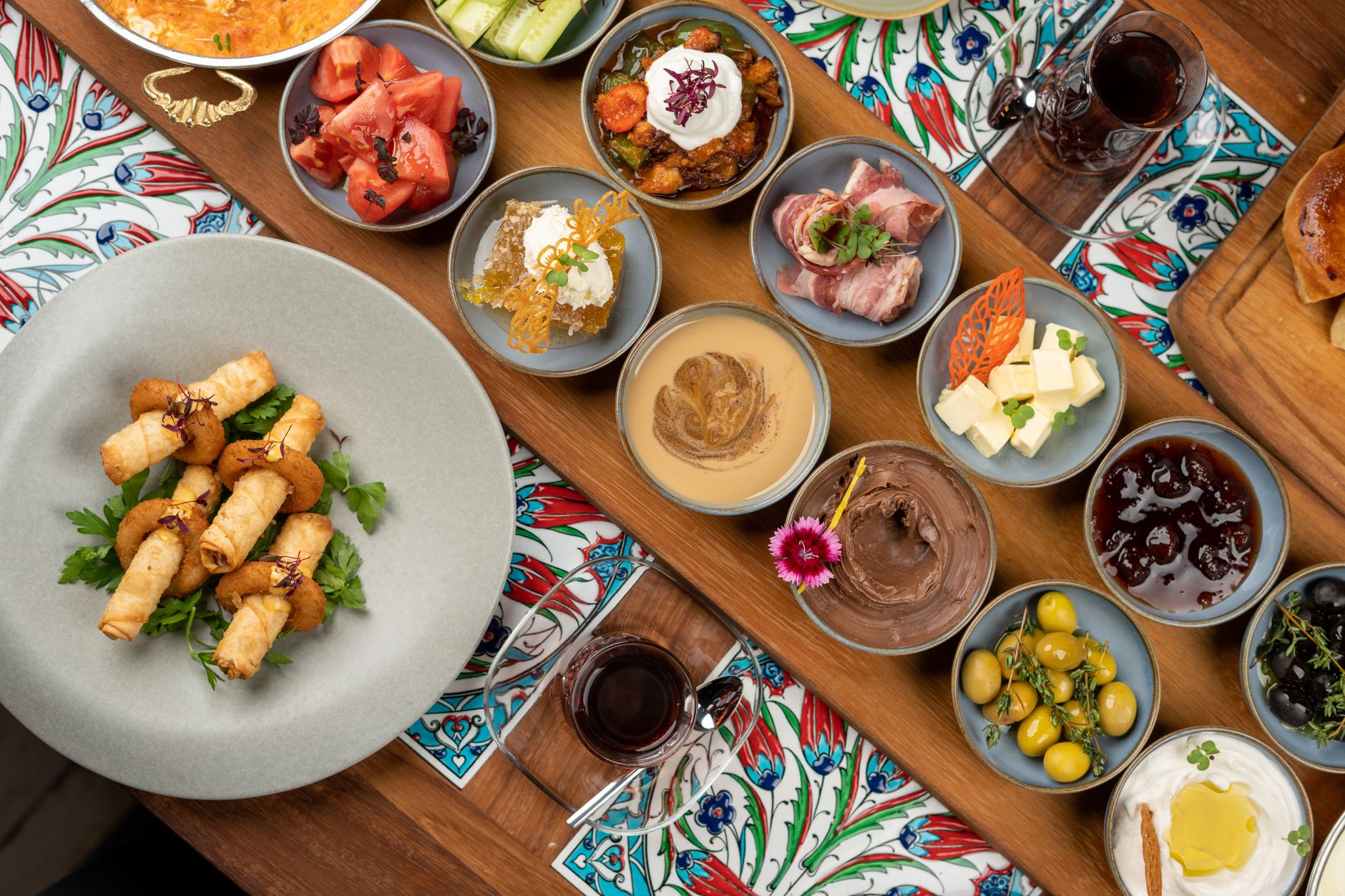
Market Days and Tasting Tips
To fully immerse yourself in Türkiye's artisan breakfast culture, plan your trip around market days. Here are key markets for the regions covered:
- Ezine Market: Wednesdays. Best for Ezine cheese, olives, and olive oil.
- Çanakkale Market: Saturdays. A larger market with regional products from across the Troad.
- Ayvalık Market: Thursdays. Famous for olive oil and seafood, but also great for breakfast goods.
- Kars Market: Saturdays. Stock up on Kars kaşarı, honey, and preserves.
- Boğatepe Village Market: Daily in summer; check locally. A small but authentic cooperative market.
Tasting tips: When buying cheese, ask to sample. Vendors will often offer a small piece. For olives, look for ones that are glossy and firm; avoid shriveled or overly soft specimens. For honey, a simple taste test will reveal floral notes and viscosity—pure honey should crystallize over time, which is a sign of quality, not spoilage.
When in doubt, follow the locals. If a breakfast spot is crowded with Turkish families on a Sunday morning, you're in the right place. And don't be shy about asking questions—producers are proud of their craft and eager to share.
Also, consider joining a food tour. In Istanbul, companies like Culinary Backstreets offer breakfast tours that explain the regional origins of each item. In Izmir, the market in Kemeraltı is a treasure trove of Aegean cheeses and olives. But for the full experience, head to the source villages.
Packing Edible Souvenirs: What to Buy and How to Bring It Home
Bringing a taste of Türkiye home is part of the fun, but you need to pack smart. Here's a guide to edible souvenirs and how to transport them.
Cheese: Hard cheeses like Kars kaşarı and aged gravyer travel well if vacuum-sealed. Ask the vendor to vacuum-pack it for you—most market stalls and cheese shops have a machine. Soft brined cheeses like Ezine can leak, so double-bag them and keep them cool. For long flights, consider buying shelf-stable cheese like tulum (a firm, salty cheese) or dried cheese.
Olives and Olive Oil: Olives are best transported in their brine, but leak-proof containers are essential. Olive oil is easier: buy sealed bottles or tins, wrap them in bubble wrap, and pack in checked luggage. Note that some countries restrict liquid quantities in carry-on, so pack oil in checked bags.
Honey and Preserves: Honey is allowed in checked luggage, but jars can break. Wrap them individually in clothing. Preserves are similar. If you're worried about weight, opt for small jars or honeycomb, which is lighter.
Customs Regulations: Before you travel, check your home country's rules on importing dairy and honey. The US, for example, restricts some dairy products, while the EU has strict rules on animal products. Generally, hard cheeses and honey are allowed for personal use, but always declare them. Vacuum-sealed and commercially packaged products are more likely to pass inspection.
For a hassle-free option, many producers ship internationally. In Ezine and Kars, ask if they offer shipping—some do, especially for olive oil and honey. It might cost more, but it saves luggage space and customs worries.
Where to Stay and Eat: Practical Recommendations
To make the most of your breakfast and cheese trail, choose accommodations that prioritize local food. In Ezine, the Ezine Peynir Çiftliği (Ezine Cheese Farm) offers farm stays with breakfast included. In Assos, boutique hotels like Assos Eden Gardens serve lavish Aegean breakfasts overlooking the sea.
In Kars, the Kars Otel and Güngören Hotel are comfortable bases. For a more immersive experience, stay at the Boğatepe Village guesthouse, where you can join in cheese-making and enjoy breakfast with the cooperative. In Kars city, Hanımeli Konağı is a charming guesthouse serving a traditional Kars breakfast.
For breakfast in Istanbul, head to Van Kahvaltı Evi in Cihangir for eastern-style breakfast, or Çakmak Kahvaltı Salonu in Beşiktaş for a classic Aegean spread. In Izmir, Zeytin & Ateş offers a modern take on Aegean breakfast.
Remember, the best meals are often found in humble village cafés. Follow your nose, trust the locals, and don't be afraid to try something new. Türkiye's artisan breakfasts are a gateway to its soul—one delicious bite at a time.
Thinking about a trip to Turkey?
Share your contact details and a vetted local expert will follow up with a plan built around you — free, no obligation.