
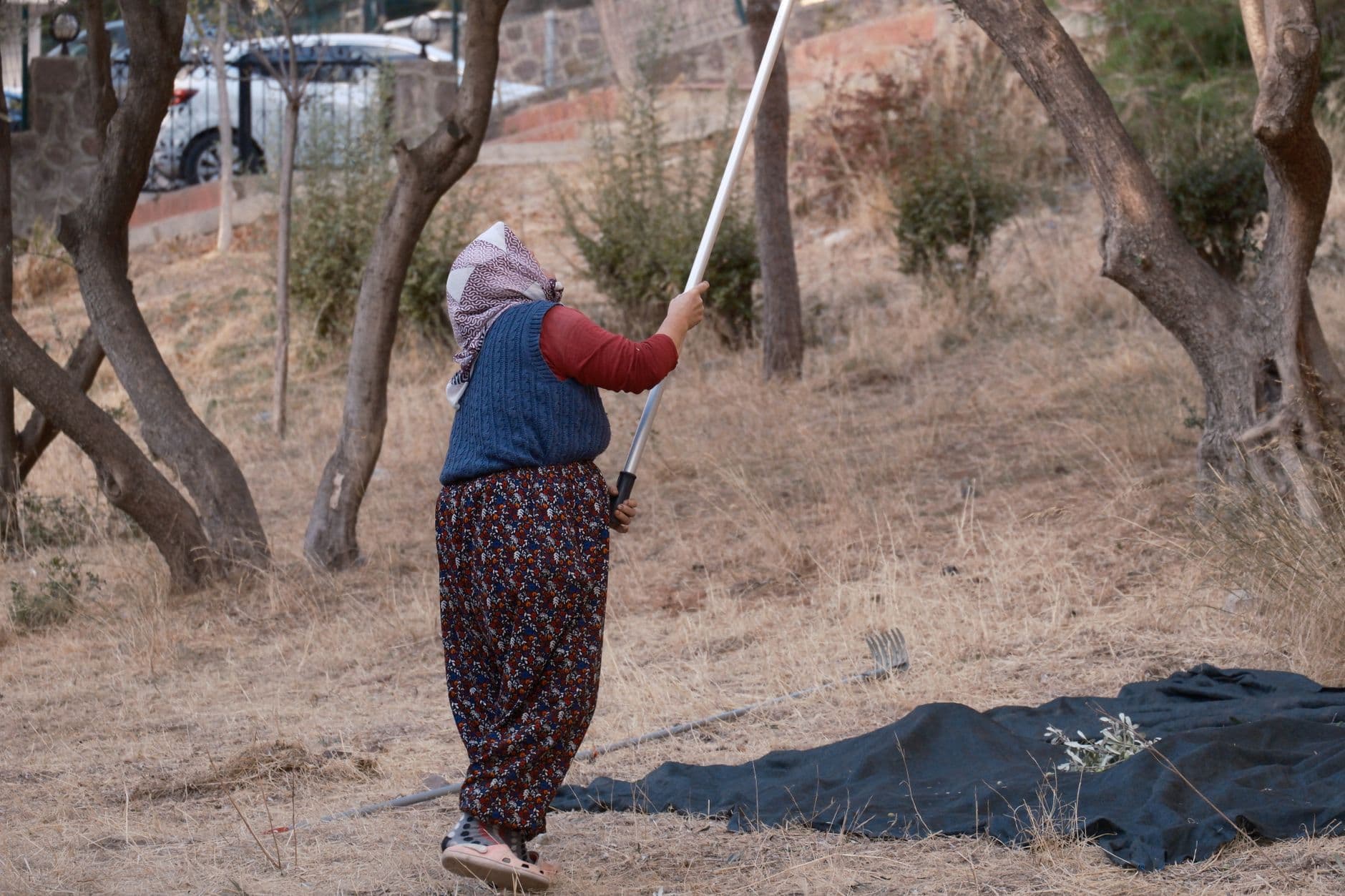
The Idea: Drive the Harvest, Not the Calendar
Autumn in Türkiye is not a season so much as a long, generous exhale. The heat lifts, the light turns the colour of honey, and the country begins to hand over its fruit in waves. In the west, fig trees droop under their own sweetness and vine rows sag with late grapes. Far to the northeast, on the damp green shoulders of the Black Sea, chestnut burrs split open in their thousands and the air in village markets smells of woodsmoke and roasting nuts.
This is a driving route built around that handover. You start on the Aegean, where the Mediterranean and the mountains meet in fig and grape country, and you finish in the chestnut woods above the Black Sea — a journey of roughly a week to ten days if you drive it slowly, linger at markets, and stop whenever a roadside stall looks worth the brake pedal. It is not a checklist of sights. It is a way of eating your way across Anatolia at the exact moment the land is most forthcoming.
Because harvest dates shift with altitude and weather, treat everything below as a rhythm rather than a timetable. The route is designed so you can move with the fruit, not against it. For a broader picture of when to go and what each region offers through the year, our best-time guide is a useful companion.
The Aegean Leg: Figs, Grapes and Sun-Warmed Roads
Begin inland from the coast, in the fig belt that runs through the valleys around Aydın and Nazilli. Figs are Türkiye's quiet national treasure — the country is the world's largest producer — and the dried-fig orchards here have been tended for centuries. Fresh fig season peaks from late August into October; by early autumn the trees are still bearing soft, split-skinned fruit while the drying racks are already filling. A ripe fig picked warm from the branch and eaten on the spot, skin splitting at the stem, is one of the great edible moments of the Mediterranean.
From the fig valleys, drift north and west toward the grape country of Manisa and the Sultaniye vineyards, where late table grapes hang heavy into October. This is also the heartland of pekmez — the thick, dark grape molasses boiled down in village courtyards — and of vine-leaf picking, walnut preserving, and the kind of domestic alchemy that turns a glut into a year of eating. By the time you reach the coast around Urla and the Karaburun peninsula, the roadside has shifted to olive groves and small wineries, but the spirit is the same: abundance, handled well.
Drive with the windows down here. The smell of dust, dry thyme, and something sugary on the breeze is the actual soundtrack of the Aegean autumn. Resist the urge to rush; the best stops are unplanned ones — a stall of figs on a plastic table, a farmer waving you over to taste.
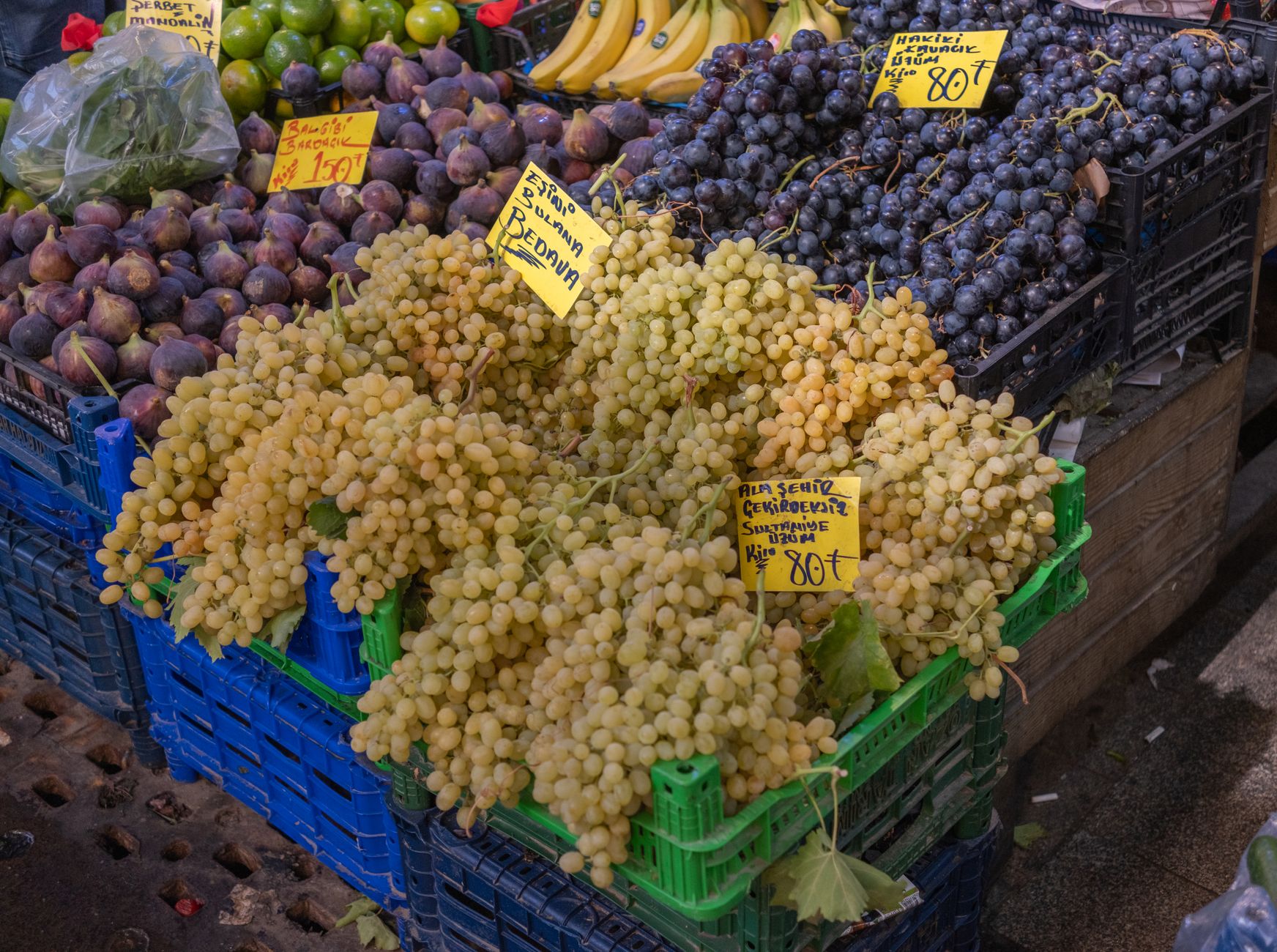
Market Days and Buying Direct on the Aegean
Markets are the pulse of this route, and knowing the local day matters. Village and town markets across the Aegean generally run on a fixed weekly rhythm — one town on Monday, the next on Tuesday, and so on — so it pays to ask at your guesthouse which nearby market falls on your travel day. In towns like Ödemiş and Tire, the sprawling weekly market is as much a social institution as a shopping trip, with producers selling figs, grapes, walnuts, and preserved everything from the backs of trucks and folding tables.
To buy directly from producers, look for the small roadside signs and the unmarked stalls outside town rather than the polished stands on the main highway. A bag of freshly dried figs bought from the family that grew them, still warm from the sun, is a different product entirely from anything in a shop. Ask, gently, whether you can see where they are dried — many families are happy to show you the racks behind the house, and the conversation is often the best part of the purchase.
Pack a few practical things: a canvas bag, small cash in local currency, and a willingness to taste before you buy. For an itinerary that stitches these market stops into a wider Aegean loop, see our itineraries page for inspiration you can adapt to your own pace.
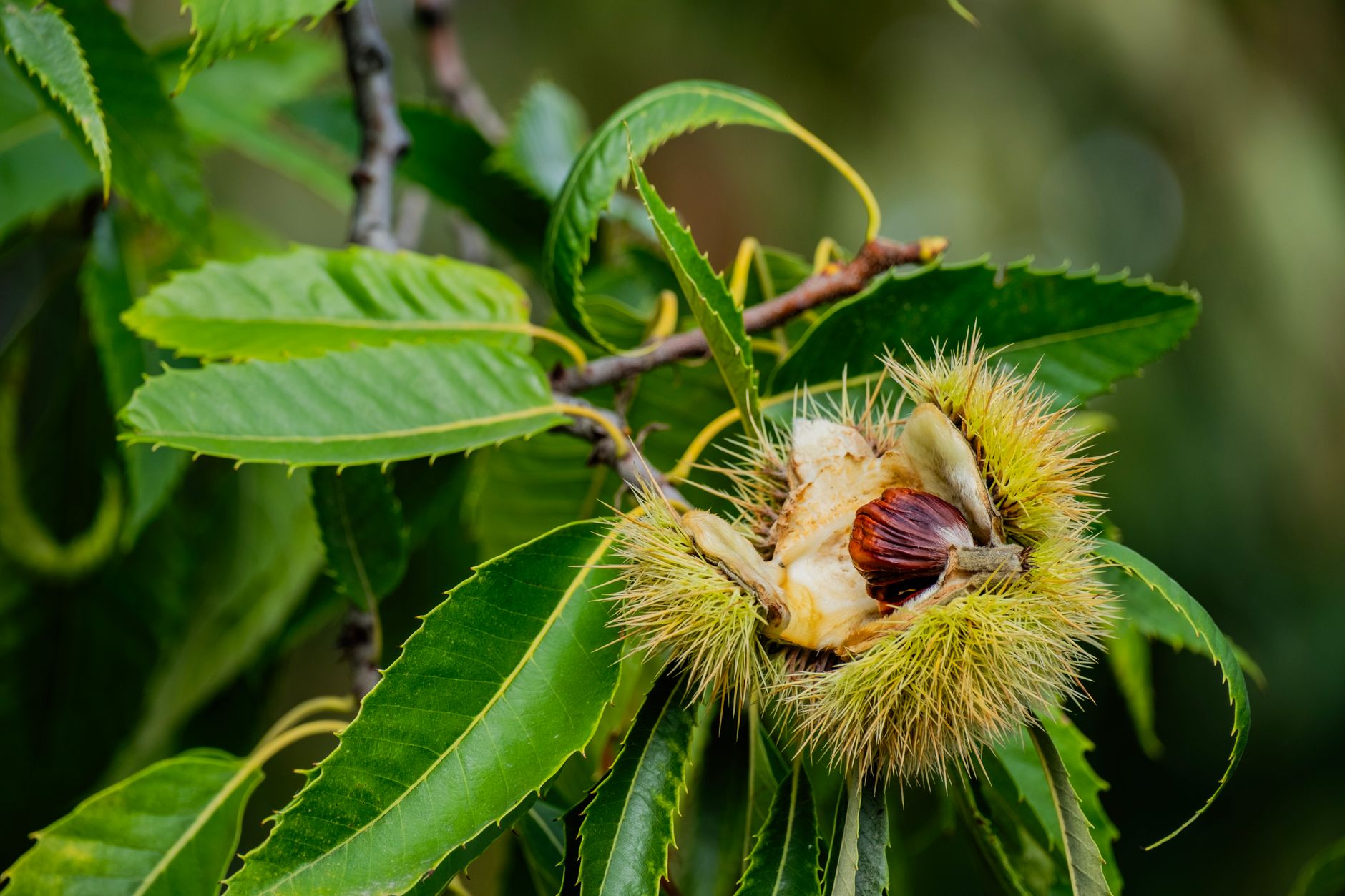
Crossing the Middle: A Bridge of Nuts and Orchards
The long drive from the Aegean toward the Black Sea is the connective tissue of this route, and it deserves to be savoured rather than endured. The landscape lifts from coastal plains into rolling interior hills where apples, pears, and quince come into their own in October, and where roadside vendors sell sacks of walnuts and strings of dried peppers. Quince — that tough, fragrant, almost medieval-looking fruit — is the unsung hero of the Anatolian autumn, poached slowly with sugar until it turns ruby-red and perfumed.
Break the journey at small towns where a bakery sells fresh bread and a çay house offers a place to sit and watch the light change. This middle passage is where the trip shifts from summer warmth to the first real chill of the year, and where the food shifts with it — from fresh figs and grapes to roasted nuts, preserved fruits, and the heavier, comforting dishes of the interior.
Keep an eye on elevation as you go. As you climb, harvest dates for nuts and late fruit push later, which is exactly why driving northeast in autumn works so well — you are, quite literally, following the season uphill.
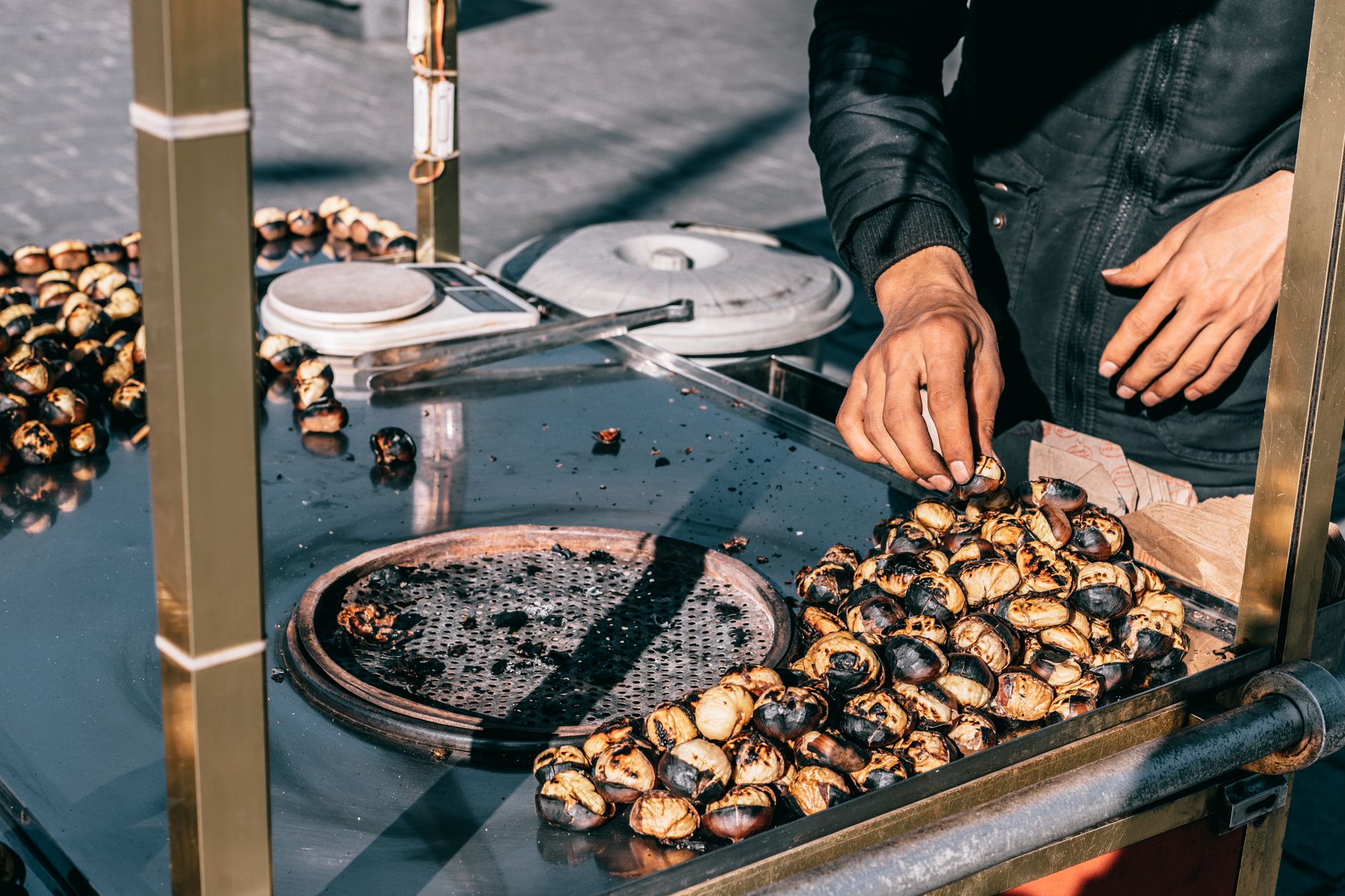
The Black Sea Arrival: Into the Chestnut Woods
Then the road tips over into the Black Sea region, and everything changes. The air turns damp and cool, the hillsides go deep green, and the chestnut forests begin. Türkiye's chestnut country lies in the wet, forested slopes of the northeast, particularly around the valleys inland from the coast and the highland towns above Trabzon and Giresun. Chestnut harvest runs from late September through November depending on altitude, and in a good year the burrs carpet the forest floor while families work the slopes with long poles and gloves.
Chestnuts here are more than food; they are a seasonal ritual. In village markets you will find them raw in their glossy brown shells, boiled and sold in paper cones, and roasted over braziers that perfume whole streets. The smell — sweet, faintly smoky, unmistakably autumn — is the signal that you have arrived at the far end of the route. Buy them hot, burn your fingers, and eat them as you walk.
The Black Sea is also the land of tea and hazelnuts, harvested around the same weeks, and the highland pastures above the tree line where transhumant herders still bring animals down as the cold comes. It is a dramatic, generous, rain-washed world, and it rewards slow travel far more than fast sightseeing. If you want to build a wider route around this region, our routes section has ideas worth stealing.
Black Sea Markets and Buying from the Growers
The market culture here is just as rich as on the Aegean, but the produce tells a different story: chestnuts, hazelnuts, dried beans, corn flour, and dark, tangy local preserves. Weekly town markets in the chestnut valleys are the place to buy direct, and the growers are often the same families who have worked the same forest slopes for generations. Ask where the nuts were gathered, and you will usually get a precise answer — a village name, a hillside, sometimes a specific tree.
Away from market day, watch for signs at farm gates and small roadside sheds where chestnuts and hazelnuts are sold by the kilo, often still in their burrs or freshly shelled. Buying this way is cheaper, fresher, and infinitely more satisfying than a supermarket, and it puts money straight into the hands of the people who did the work. Bring a cloth bag and be ready to chat.
For a deeper look at the culture behind these foods and the people who produce them, our experts and guides pages are good places to dig further. And if you would rather have a route tailored to your own dates and appetite for detours, the trip planner can help you shape it.
Practical Notes for a Harvest Drive
Drive the route roughly west to east and south to north, starting in the Aegean in late September and ending in the Black Sea highlands in late October or early November. Allow seven to ten days; more if you can. Rental cars are easy to arrange from the main coastal cities, and the roads, while sometimes winding, are generally good. Check the specific harvest timing with local producers as you go — the fruit will tell you when it is ready far better than any schedule.
Carry cash for market stalls and roadside producers, a cooler bag for fresh figs and grapes, and layers for the sharp temperature drop as you climb into the Black Sea hills. Book accommodation ahead in the smaller highland towns, where autumn rooms fill with harvest workers and weekend visitors.
Above all, leave room for the unplanned. The best moment of a harvest drive is rarely the one on the itinerary — it is the fig eaten standing in an orchard, the chestnut handed to you still hot from the brazier, the farmer who insists you take a second bag because the first was a gift. Autumn in Türkiye is generous. Drive slowly enough to accept it.
Thinking about a trip to Turkey?
Share your contact details and a vetted local expert will follow up with a plan built around you — free, no obligation.