
Why Türkiye Is the Quiet Rising Star of Wellness Travel
Wellness retreats in Türkiye are not a new fad — they are a rediscovery. For centuries, the Ottoman hammam was a social and spiritual institution, Aegean villagers gathered wild herbs with the same care they gave their olives, and the high plateaus of Anatolia offered a silence so complete it felt medicinal. Today, a new generation of retreat hosts is weaving those traditions together with yoga, Ayurvedic principles, and a distinctly Turkish sense of hospitality.
What sets Türkiye apart from Western European wellness resorts is not just the price — though that helps — but the texture of the experience. You are as likely to start your morning with a hatha yoga session overlooking a Lycian valley as you are to end it with a herbal steam in a 500-year-old hammam. The retreats here feel less like curated luxury and more like being welcomed into someone's family home, albeit one with mountain views and a resident Ayurvedic cook.
The result is a scene that rewards travelers who want substance over polish. You will find simple, beautiful settings, hosts who genuinely care about your wellbeing, and a pace that encourages you to slow down rather than rush from treatment to treatment. And because Türkiye remains significantly more affordable than comparable retreats in Italy, France, or Switzerland, you can often book two weeks for the price of one.
"In Anatolia, silence is not empty — it is full of hospitality." — a common saying among retreat hosts in the Taurus Mountains
The Anatomy of a Retreat Day: What to Expect
Most retreats in Türkiye follow a rhythm that balances structure with spaciousness. A typical day begins early, often around 7:00 or 7:30, with herbal tea or warm lemon water before a 60- to 90-minute yoga session. The style varies — hatha, vinyasa, yin, or a gentle restorative practice — but the emphasis is usually on breath and presence rather than athleticism.
Breakfast is a leisurely affair, featuring regional produce: olives from the Aegean, village cheeses, tomatoes that taste like sunshine, fresh herbs, and perhaps a bowl of warm bulgur porridge. Many retreats incorporate Ayurvedic principles into the menu, balancing doshas with spices like cumin, coriander, and turmeric, often paired with Anatolian staples. After breakfast, there is usually a workshop or free time — a cooking class, a herbal walk, or simply a book and a hammock.
Lunch tends to be light and plant-forward, followed by a rest period during the heat of the day. In the afternoon, you might find a second yoga session, a guided meditation, or a traditional hammam ritual. Dinner is served early, often around 19:00, and is a communal affair — long tables, shared platters, and conversation that lingers. Evenings are quiet: a fire pit, a starry sky, and perhaps a sound healing session or gentle stretching before bed.
What is consistent across most retreats is the flexibility. Hosts understand that guests arrive with different needs, and they rarely insist on a rigid schedule. You can skip a session, take a nap, or wander off on a nearby trail without anyone making you feel guilty. That gentle permission to choose is part of the hospitality.

Where to Go: Five Retreat Settings Worth Knowing
The Lycian Coast (near Fethiye and Kaş) — This is the most established retreat region, offering a mix of sea views and mountain backdrops. Many retreats here are small, family-run establishments with a handful of rooms, a pool, and a yoga shala. The proximity to ancient Lycian ruins and the Lycian Way hiking trail adds a cultural dimension that few wellness destinations can match.
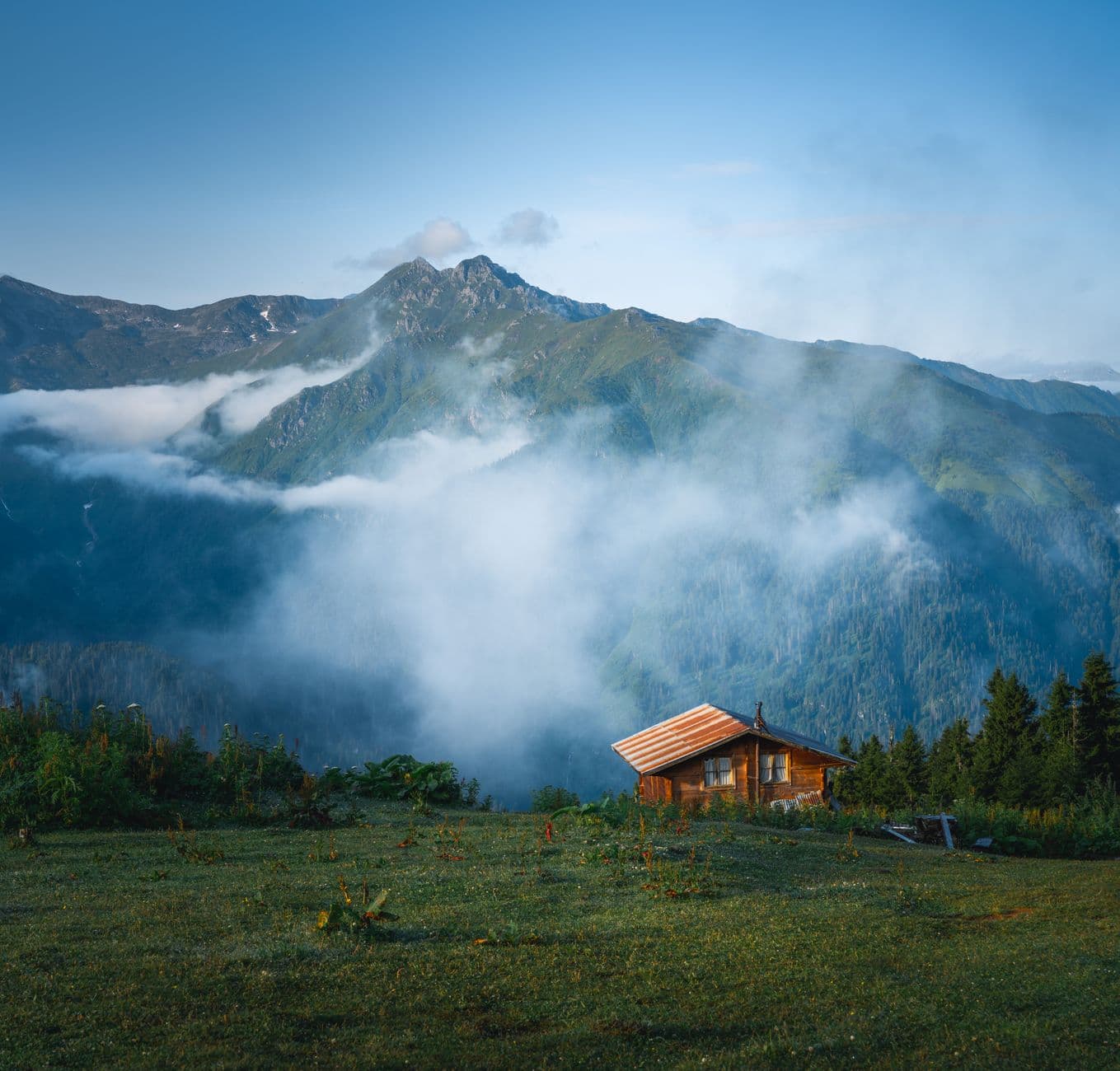
The Taurus Mountains (around Antalya and beyond) — For those seeking silence, the high plateaus deliver. Retreats here are often simpler, with wood-fired meals and a focus on hiking, meditation, and digital detox. Nights are cool even in summer, and the stars are extraordinary.
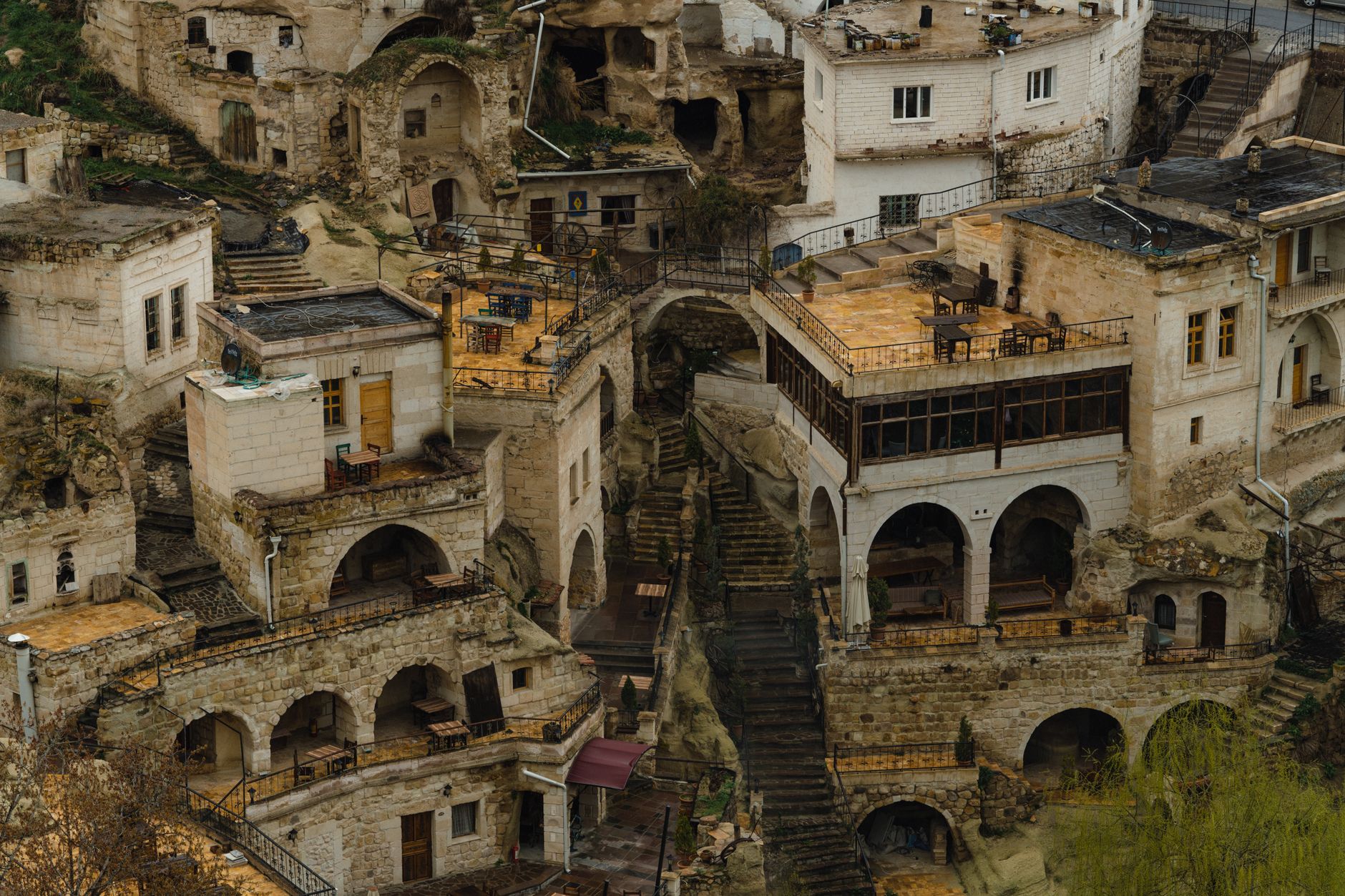
Cappadocia — Yes, the hot air balloons are there, but so are cave hotels that have been converted into tranquil retreat spaces. Yoga on a terrace at sunrise, with the balloons drifting past, is a memory that stays. The region also has a growing number of holistic centers offering Ayurvedic consultations and detox programs.
The Aegean hinterland (near İzmir and the Bodrum peninsula) — This is where herbal traditions are strongest. Retreats here often incorporate wild crafting — foraging for sage, thyme, and oregano — and offer workshops on making herbal oils and tinctures. The influence of Ayurveda is palpable in the use of these local herbs for balancing doshas.
Near Istanbul (the Marmara region) — For those short on time, there are weekend retreats within a two-hour drive of Istanbul, often set in forested valleys or near thermal springs. These are ideal for a reset without a long journey.
Herbal Rituals and Hammam Heritage: The Anatolian Touch
The hammam is not just a bath — it is a ritual of purification that predates Ayurveda's arrival in Türkiye by centuries. In a traditional hammam, you move through spaces of increasing heat, scrubbing away not just physical grime but mental fatigue. Many retreats now incorporate a hammam visit as a cornerstone of their program, often with a modern twist: Ayurvedic oils, herbal steam infused with eucalyptus or sage, and a guided meditation in the hot room.
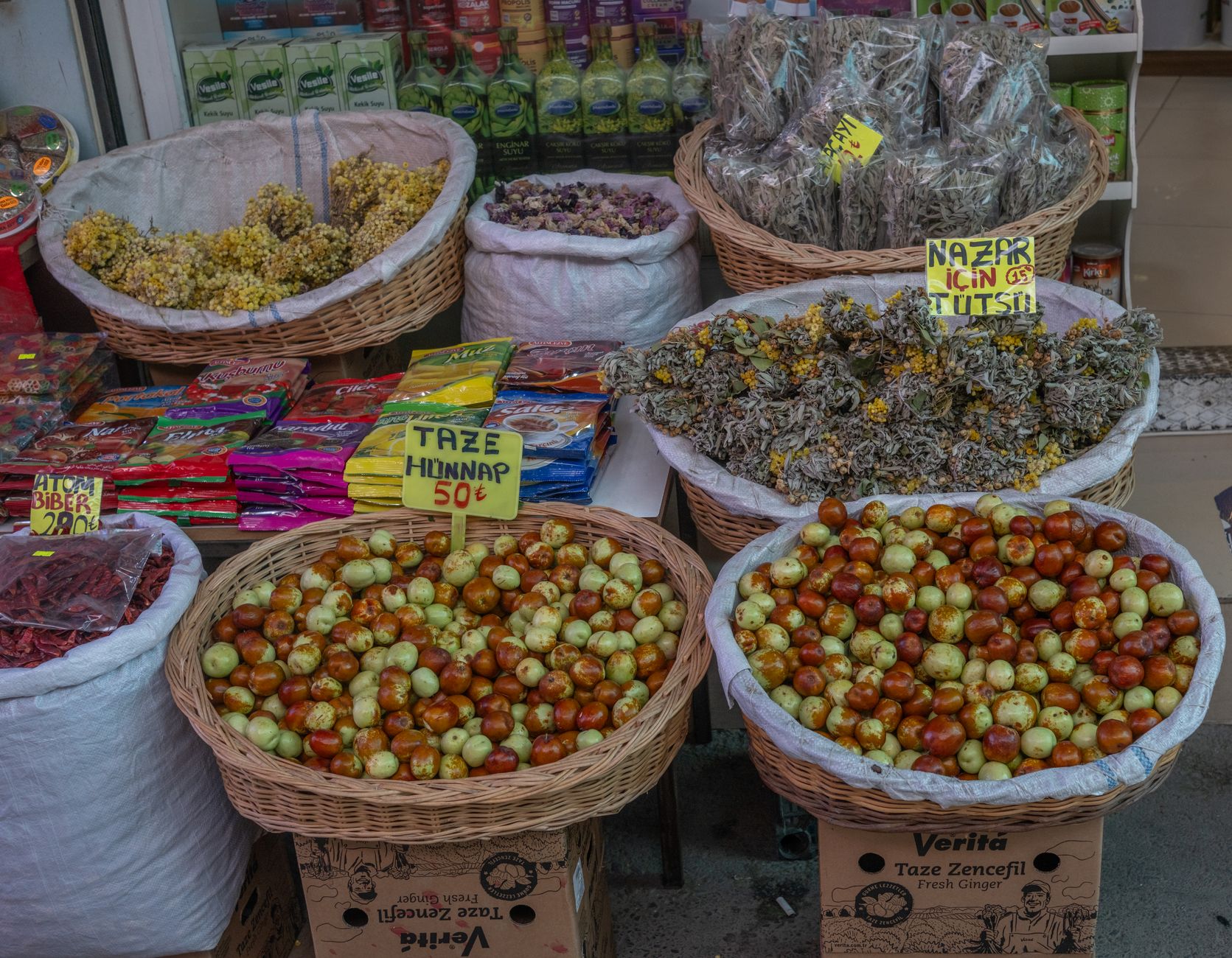
Herbalism is woven throughout. The Aegean and Mediterranean regions are home to an astonishing variety of medicinal plants, many of which have been used in Anatolian folk medicine for millennia. Retreat hosts often lead walks to identify and harvest these plants, teaching guests how to make simple remedies — a thyme infusion for respiratory health, a sage gargle for sore throats, or a chamomile compress for relaxation. When combined with Ayurvedic principles, these local plants become part of a personalized approach to balance.
You might find yourself in a workshop learning to make a poultice from clay and rosemary, or sipping a custom-blended tea based on your dosha while overlooking an olive grove. The interplay between the two traditions feels natural: Ayurveda provides the framework, and Anatolia provides the ingredients.
What is particularly appealing is the lack of dogma. Retreat hosts tend to be pragmatic and warm, offering knowledge without insisting on a single path. You are free to take what serves you and leave the rest.
Best Seasons and Practical Planning
Spring (April to June) and autumn (September to October) are the ideal times for retreats in most of Türkiye. The weather is mild, the landscapes are at their most vibrant, and the crowds are thinner. Summer can be hot, especially on the coast, but mountain retreats remain comfortable. Winter retreats are possible in some regions, particularly near thermal springs, and offer a quiet, introspective atmosphere.
When planning, consider the retreat's focus. Some cater to yoga enthusiasts with multiple daily sessions, while others emphasize detox, silent meditation, or creative writing. Check whether the retreat is suitable for beginners — most are, but it's worth asking. Also, confirm what is included: accommodations, meals, sessions, and airport transfers vary widely. Many retreats offer shared rooms to keep costs down, with private rooms at a supplement.
Prices for a week-long retreat in Türkiye typically range from €600 to €1,500 per person, all-inclusive, depending on the region, season, and level of luxury. This is significantly less than comparable retreats in Western Europe, where prices often start at €1,500 and climb quickly. For a more detailed breakdown of costs and what to expect, see our pricing guide.
Traveling to retreats is straightforward. Most are within a few hours' drive of major airports like Antalya, Dalaman, İzmir, or Istanbul. Many hosts offer transfers for an additional fee. If you're combining a retreat with wider travel, our itineraries can help you plan a route that includes both wellness and exploration.
Hospitality, Value, and the Quiet Luxury of Simplicity
The most memorable aspect of a Turkish retreat is often the hospitality. Turkish culture places a high value on making guests feel at home, and retreat hosts extend this to every detail: remembering your tea preference, checking in on how you slept, or spontaneously offering a bowl of fruit from the garden. It is a warmth that cannot be manufactured, and it transforms a wellness holiday into something more personal.
Value is the other standout. Because labor, produce, and real estate costs are lower than in Western Europe, retreats can afford to be generous — with portions, with time, with attention. You are not paying for marble bathrooms and branded toiletries; you are paying for genuine care, fresh food, and a setting that feels removed from the rush of modern life. For many travelers, that is the definition of luxury.
That said, it is worth managing expectations. Some retreats are rustic, with basic rooms and shared bathrooms. If you need a certain level of comfort, ask questions and read reviews carefully. The experts on our site can help you find a retreat that matches your preferences, and our guides offer deeper dives into specific regions.
Ultimately, Türkiye's wellness retreats offer something increasingly rare: the chance to slow down in a place that feels both foreign and familiar, where ancient rituals and modern needs meet with grace. Whether you are a seasoned yogi or a curious beginner, the mountains, the herbs, and the hammam are waiting.
Thinking about a trip to Turkey?
Share your contact details and a vetted local expert will follow up with a plan built around you — free, no obligation.