

Every morning across Türkiye, before the call to prayer echoes from minarets and long before the first tea glass is filled, neighbourhood bakeries are already alive with the rhythm of kneading, rolling, and baking. The air fills with the warm, nutty aroma of sesame-crusted simit, buttery layers of börek, and soft, pillowy poğaça. This is the daily ritual of Turkish bakery culture — a tradition that binds communities, costs mere pocket change, and offers travellers one of the most authentic and heartwarming experiences in the country.
In this guide, we'll take you on a practical morning bakery trail, teach you the vocabulary you need to order like a local, and share tips on catching baked goods at their peak freshness. Whether you're in Istanbul's bustling backstreets or a sleepy Aegean town, the neighbourhood fırın (bakery) is your gateway to Türkiye's soul.
Why Turkish Bakeries Are the Heart of Every Neighbourhood
In Türkiye, the local bakery is far more than a place to buy bread. It's a social hub, a morning meeting point, and often the oldest continuously operating business on the street. Many bakeries have been run by the same family for generations, their ovens fired up before dawn seven days a week. Locals greet the baker by name, exchange news, and leave with a warm paper bag tucked under their arm.
The communal atmosphere is infectious. You'll see schoolchildren grabbing a simit on their way to class, taxi drivers pausing for a quick poğaça and tea, and elderly neighbours chatting over the day's first loaves. For travellers, stepping into a bakery is an invitation to slow down and participate in a daily rhythm that has remained unchanged for centuries.
What makes this culture so accessible is its affordability. A simit typically costs between 5 and 10 Turkish Lira (roughly $0.15–$0.30 USD), while a filled börek slice might set you back 20–40 Lira. A full breakfast of baked goods and tea rarely exceeds 100 Lira — a fraction of what you'd pay in a tourist restaurant. This means you can eat like a local every single morning without worrying about your budget.
The Holy Trinity: Simit, Börek, and Poğaça
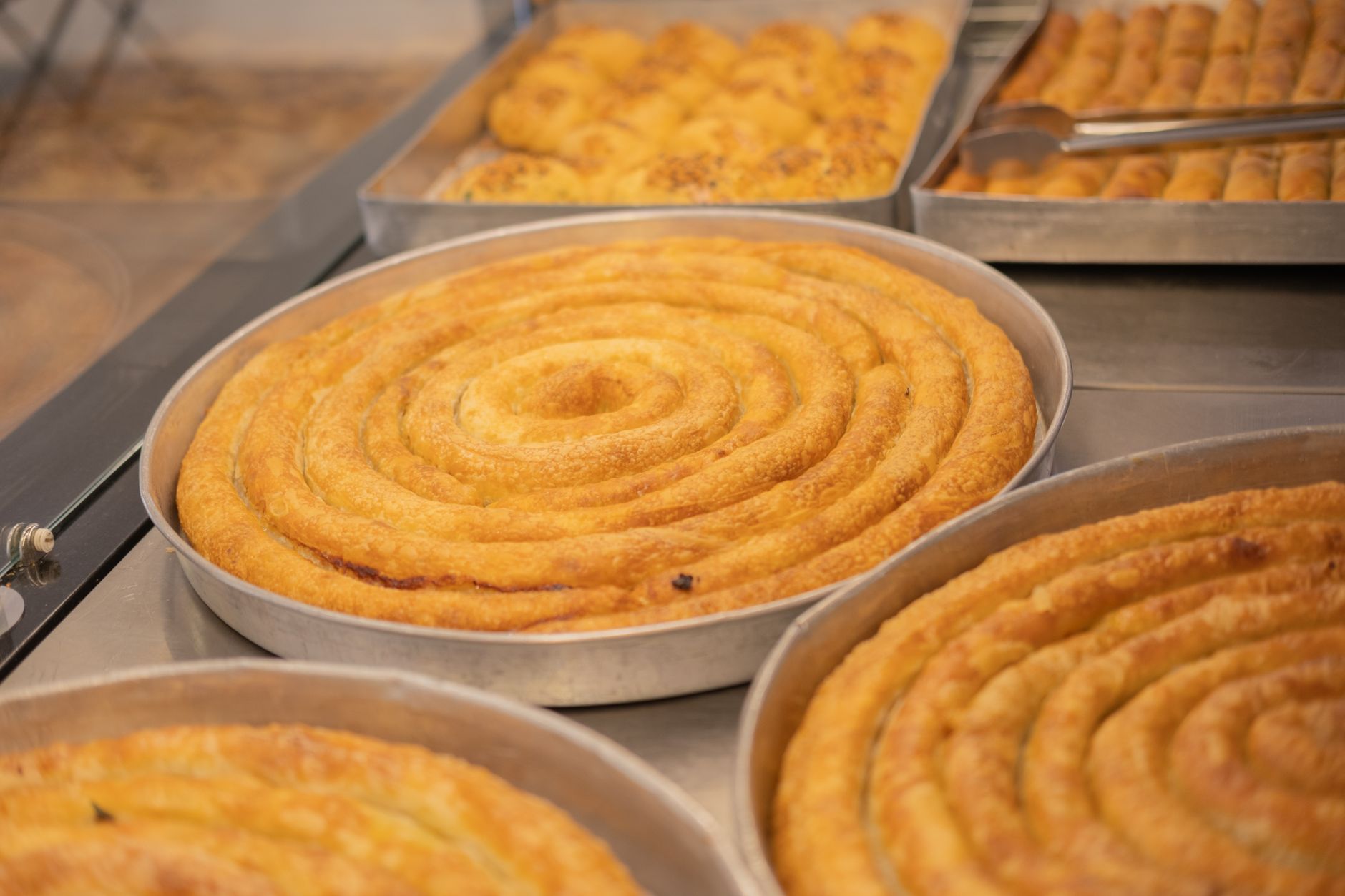
While Turkish bakeries offer a dizzying array of pastries, three staples form the holy trinity of the morning oven: simit, börek, and poğaça. Understanding these is key to navigating any bakery counter with confidence.
Simit: The Sesame-Crusted Ring
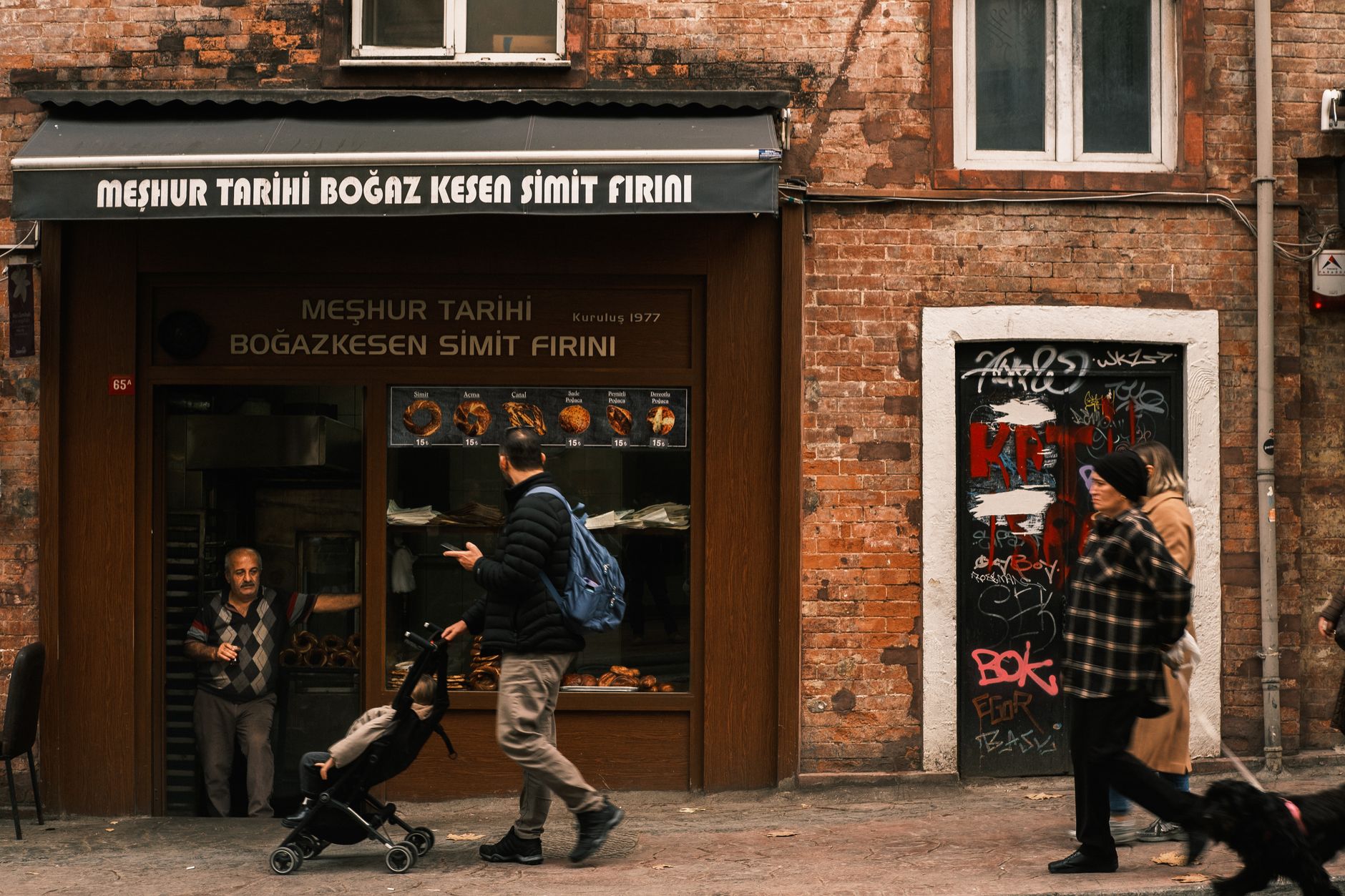
Simit is Türkiye's iconic street food — a circular bread encrusted with sesame seeds, slightly sweet from pekmez (grape molasses) and chewy with a satisfying crust. It's often described as a Turkish bagel, but that undersells its unique texture and flavour. Vendors balance trays of simit on their heads or push red carts through the streets, but the freshest ones come straight from the bakery oven.
Eat it plain, or do as the locals do: pair it with a triangle of white cheese, a few slices of tomato and cucumber, and a glass of çay (Turkish tea). This combination is the classic Turkish breakfast on the go, and it costs next to nothing.
Börek: Layers of Flaky Perfection
Börek is a family of baked or fried pastries made with yufka (thin, phyllo-like dough). The most common varieties include su böreği (boiled börek, with layers of dough, cheese, and parsley), sigara böreği (cigar-shaped rolls filled with cheese or potato), and kol böreği (a large rolled pastry sliced into portions). Each bakery has its own recipe, often passed down through generations.
The best börek is served hot from the oven, its layers shattering crisply as you bite in. A slice of cheese börek with a sprinkle of black pepper is a breakfast of champions.
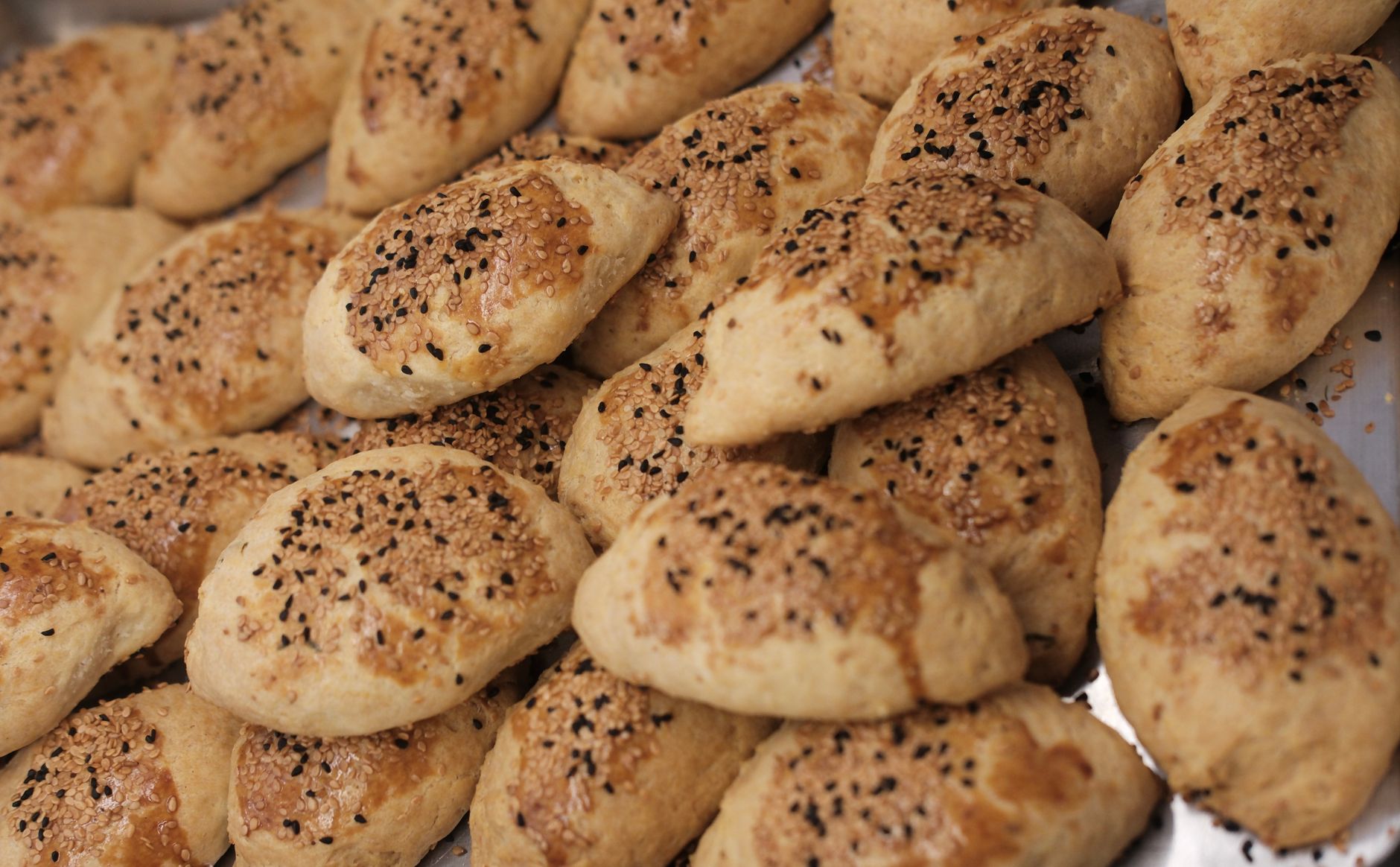
Poğaça: Soft, Savoury, and Irresistible
Poğaça are small, round pastries made from a soft, slightly sweet dough. They're typically filled with white cheese, potato, or minced meat, and sometimes studded with black olives or herbs. They're the perfect grab-and-go snack, and their pillowy texture makes them a favourite among children and adults alike.
Other morning stars include açma (a softer, ring-shaped bread similar to simit but without sesame), gevrek (İzmir's crunchier version of simit), and kandil simidi (a sweeter, ring-shaped biscuit enjoyed on religious holidays).
A Practical Morning Bakery Trail (Any Turkish City)
You don't need a specific address to experience Türkiye's bakery culture — every neighbourhood has its own gems. But to get the most out of your morning, follow this flexible trail, which you can adapt to any city or town.
- Start at 6:30–7:00 AM: The first batch of simit and börek emerges from the oven around this time. Arrive early to catch them at their hottest and to soak up the pre-rush atmosphere.
- Find the busiest bakery: Look for a queue of locals — that's your sign of quality. Don't be shy; join in and watch how others order.
- Order a simit and a slice of börek: Point to what you want if language is a barrier. Ask for "sıcak" (hot) to ensure you get the freshest piece.
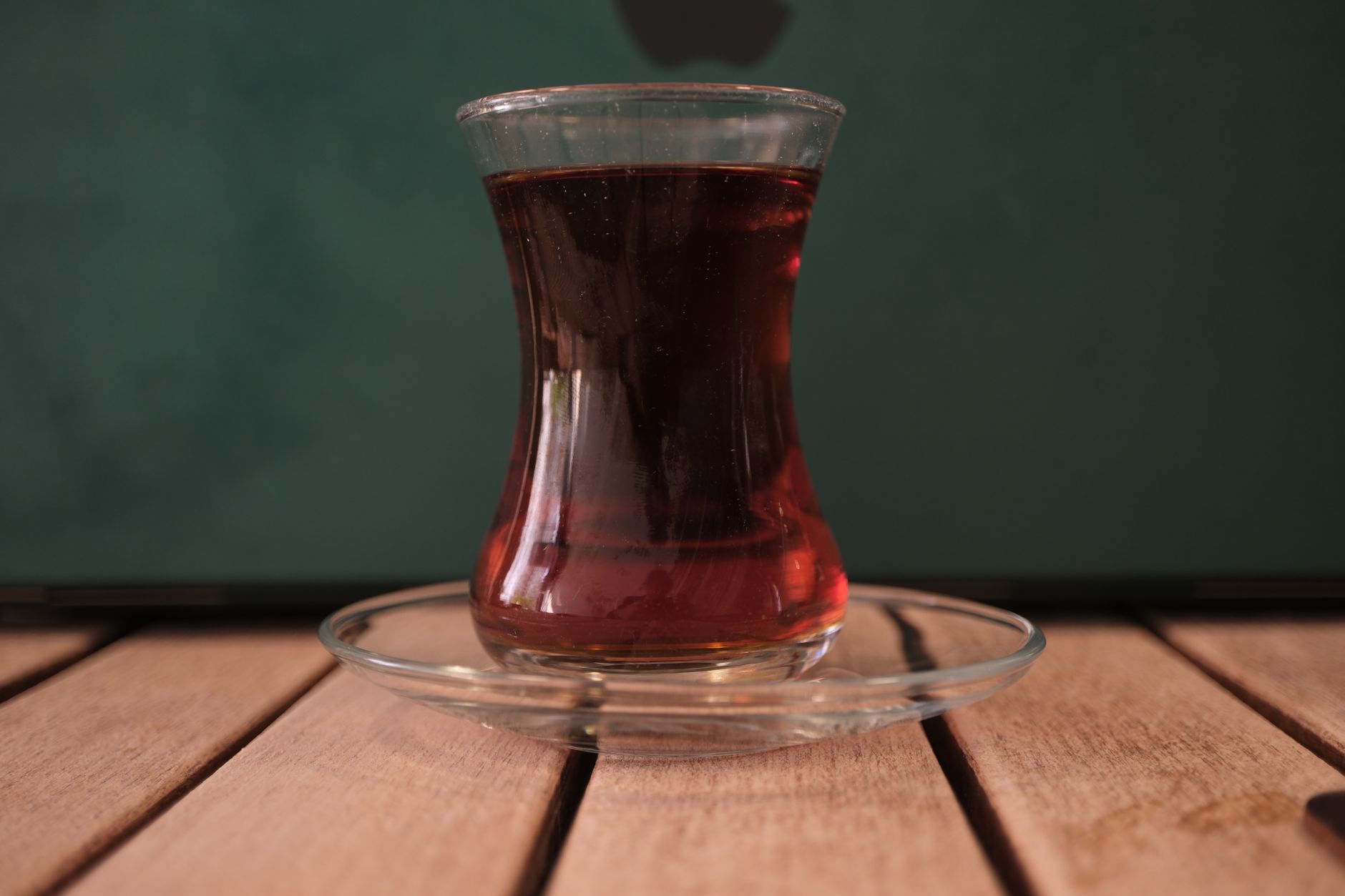
- Grab a glass of tea: Most bakeries have a çay ocağı (tea station) nearby or attached. Tea is served in small tulip-shaped glasses and is refilled endlessly for a few lira.
- Eat like a local: Stand at a high table or sit on a stool outside. Tear off pieces of simit, dip into cheese, and sip your tea. Don't rush — this is a social ritual.
- Take a second round for later: Buy an extra poğaça or açma for a mid-morning snack. They stay fresh for a few hours.
This trail works in Istanbul's Kadıköy or Beşiktaş, İzmir's Alsancak, Ankara's Kızılay, or any small town square. The key is to follow your nose and the locals.
Vocabulary for Ordering Like a Local
While many bakery owners speak a few words of English, knowing a handful of Turkish phrases will endear you to them and make your experience smoother. Here's a quick cheat sheet:
- Fırın — Bakery
- Simit — Sesame-crusted ring bread
- Börek — Layered pastry (ask for "peynirli" for cheese, "patatesli" for potato, "kıymalı" for minced meat)
- Poğaça — Soft filled pastry
- Açma — Soft ring bread without sesame
- Gevrek — İzmir-style simit
- Çay — Tea
- Sıcak — Hot
- Taze — Fresh
- Bir tane, lütfen — One piece, please
- Ne kadar? — How much?
- Afiyet olsun — Enjoy your meal (said by the server or to others)
Don't worry about perfect pronunciation — a smile and a pointed finger go a long way. Turks are generally delighted when foreigners attempt their language.
Peak Freshness Times: When to Catch the Best Bakes
Timing is everything in Turkish bakery culture. The freshest goods come out in waves, and knowing the schedule can elevate your experience from good to unforgettable.
6:00–7:30 AM: The first and most important bake. Simit, poğaça, and börek are at their peak — hot, fragrant, and plentiful. This is also when you'll see the widest selection.
9:00–10:00 AM: A second wave for late risers. Some bakeries bake again to cater to mid-morning customers. Still good, but not quite as hot.
12:00–1:00 PM: Lunchtime börek rush. Many bakeries prepare fresh börek trays for the lunch crowd. This is a great time to try larger portions like kol böreği.
4:00–6:00 PM: Afternoon tea time. Bakeries often bake small batches of poğaça and açma to accompany afternoon tea. The atmosphere is more relaxed, and you can linger.
If you're specifically after simit, note that street vendors often sell them from early morning until evening, but the ones from the bakery oven in the early hours are superior. Ask for "fırından yeni çıktı" (just out of the oven) to get the best.
Bakeries as Community Spaces: Etiquette and Atmosphere
Turkish bakeries are not just shops; they're community living rooms. Understanding the subtle etiquette will make you feel like a regular in no time.
First, greet everyone with a friendly "Günaydın" (good morning) when you enter. It's customary to acknowledge the baker and other customers. If you're standing to eat, don't hog the table — bakeries are fast-paced in the morning. When you're finished, say "Teşekkürler" (thanks) and "Kolay gelsin" (may it be easy) to the baker as you leave.
Another lovely aspect is the sharing culture. It's common for someone to buy an extra simit and offer it to a friend or even a stranger. If someone offers you a piece, accept it with a smile — it's a gesture of goodwill. Similarly, if you're sitting with tea, it's polite to offer a sip to your neighbour, though they'll likely refuse with a gracious nod.
Don't be surprised if the baker strikes up a conversation, even with limited English. They're proud of their craft and curious about travellers. Ask about their oven, their family history, or their favourite pastry — you'll be rewarded with stories and perhaps a free sample.
Affordability and Accessibility: The Traveller's Best Kept Secret
One of the most beautiful things about Turkish bakery culture is how accessible it is. A full breakfast of simit, börek, and tea costs less than a coffee in many Western cities. This makes it ideal for budget travellers, families, and anyone wanting to eat like a local without breaking the bank.
Most bakeries are cash-only, so keep small bills handy. While credit cards are increasingly accepted in tourist areas, neighbourhood bakeries still prefer nakit (cash). Don't worry about tipping — it's not expected, though rounding up is appreciated.
Bakeries are everywhere: on main streets, tucked into alleys, even inside gas stations and bus terminals. In Istanbul, the historic neighbourhoods of Fatih, Balat, and Üsküdar have some of the most atmospheric bakeries. In İzmir, head to Kemeraltı Market for gevrek and boyoz (a flaky, spiral pastry unique to the city). In Gaziantep, don't miss the chance to try katmer, a pistachio-laden breakfast pastry.
For travellers with dietary restrictions, bakeries are generally accommodating. Many pastries are made with vegetable oil, and you can ask if something is "etsiz" (meatless) or "peynirli" (cheese). Vegans should be cautious, as butter and milk are common, but simit is typically vegan-friendly.
Final Thoughts: A Morning Ritual Worth Waking Up For
Türkiye's bakery culture is a reminder that the simplest pleasures are often the most profound. The warmth of a fresh simit in your hand, the crunch of börek, the communal hum of a neighbourhood fırın — these are the moments that stay with you long after your trip ends.
So set your alarm early, step out into the cool morning air, and follow the scent of baking bread. Let the bakery be your first stop of the day, and you'll understand why Turks say "Sabah simidi, günün en tatlı başlangıcıdır" — the morning simit is the sweetest start to the day. Afiyet olsun!
Thinking about a trip to Turkey?
Share your contact details and a vetted local expert will follow up with a plan built around you — free, no obligation.