

Why Türkiye Is a Birdwatcher's Paradise
Türkiye sits at the crossroads of Europe, Asia and Africa, and its skies and wetlands are the stage for one of the world's greatest bird migration spectacles. Twice a year, millions of birds funnel through the country along the Africa-Eurasia flyway, turning places like Lake Bafa and the Gediz Delta into a wildlife lover's dream. From the flamboyant pink of flamingos to the soaring silhouettes of raptors, the sheer variety and volume of birds here is nothing short of breathtaking.
Spring and autumn are the golden months. In spring (March to May), birds are heading north to breed, many in dazzling plumage and full voice. In autumn (August to October), the return journey brings a more relaxed, extended show as birds linger to feed and rest. Both seasons offer spectacular opportunities to see iconic species like Dalmatian pelicans, greater flamingos, white storks, and an array of eagles, harriers and falcons.
What makes Türkiye truly special is not just the quantity but the accessibility. Many of these wetlands are within easy reach of charming towns, comfortable hotels and delicious local cuisine. You don't need to be a hardcore birder to enjoy the show—just a sense of wonder and a good pair of binoculars.
Lake Bafa: Where History Meets Wildlife
Lake Bafa, nestled between the Aegean coast and the Menderes River delta, is a serene freshwater lake with a rich history. Once part of the Aegean Sea, it was cut off by silt deposits from the Menderes River, leaving behind a brackish lagoon that evolved into today's lake. Its shores are dotted with ancient ruins, including the spectacular rock tombs of the Carian city of Herakleia, adding a layer of cultural magic to any birding trip.
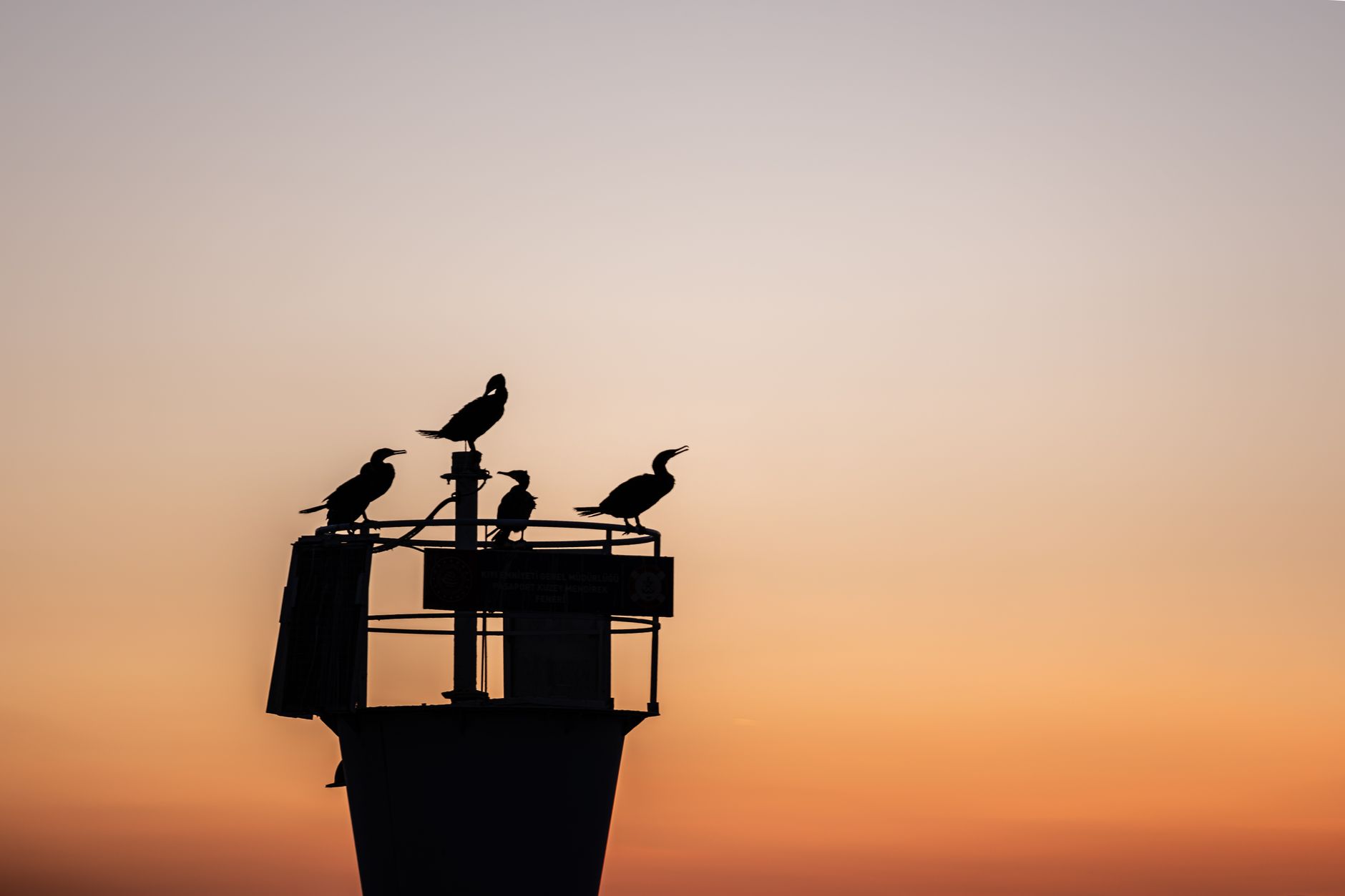
Birdlife at Lake Bafa is abundant and diverse. The lake and its surrounding marshes host over 200 species, including flamingos, great white pelicans, Dalmatian pelicans, cormorants, herons, egrets and terns. In spring and autumn, the lake becomes a vital stopover for migrating waders, gulls and terns. Raptors such as short-toed eagles, lesser kestrels and marsh harriers patrol the skies, while the reedy edges hide warblers, bitterns and crakes.
The best way to explore Lake Bafa is by boat or on foot along the shoreline trails. A boat trip at dawn or dusk offers intimate views of feeding flocks and stunning reflections of the surrounding mountains. The nearby village of Kapıkırı makes a perfect base, with guesthouses and small hotels that cater to nature lovers.
Where to Stay Near Lake Bafa
For an immersive experience, stay in Kapıkırı, where you can wake up to the call of birds and enjoy home-cooked Aegean meals. Alternatively, the larger town of Milas, about 30 minutes away, offers more amenities and easy access to the lake. For a touch of luxury, the coastal resorts of Didim and Kuşadası are within an hour's drive and provide comfortable bases with pools and sea views.
The Gediz Delta: A Ramsar Wetland of Global Importance
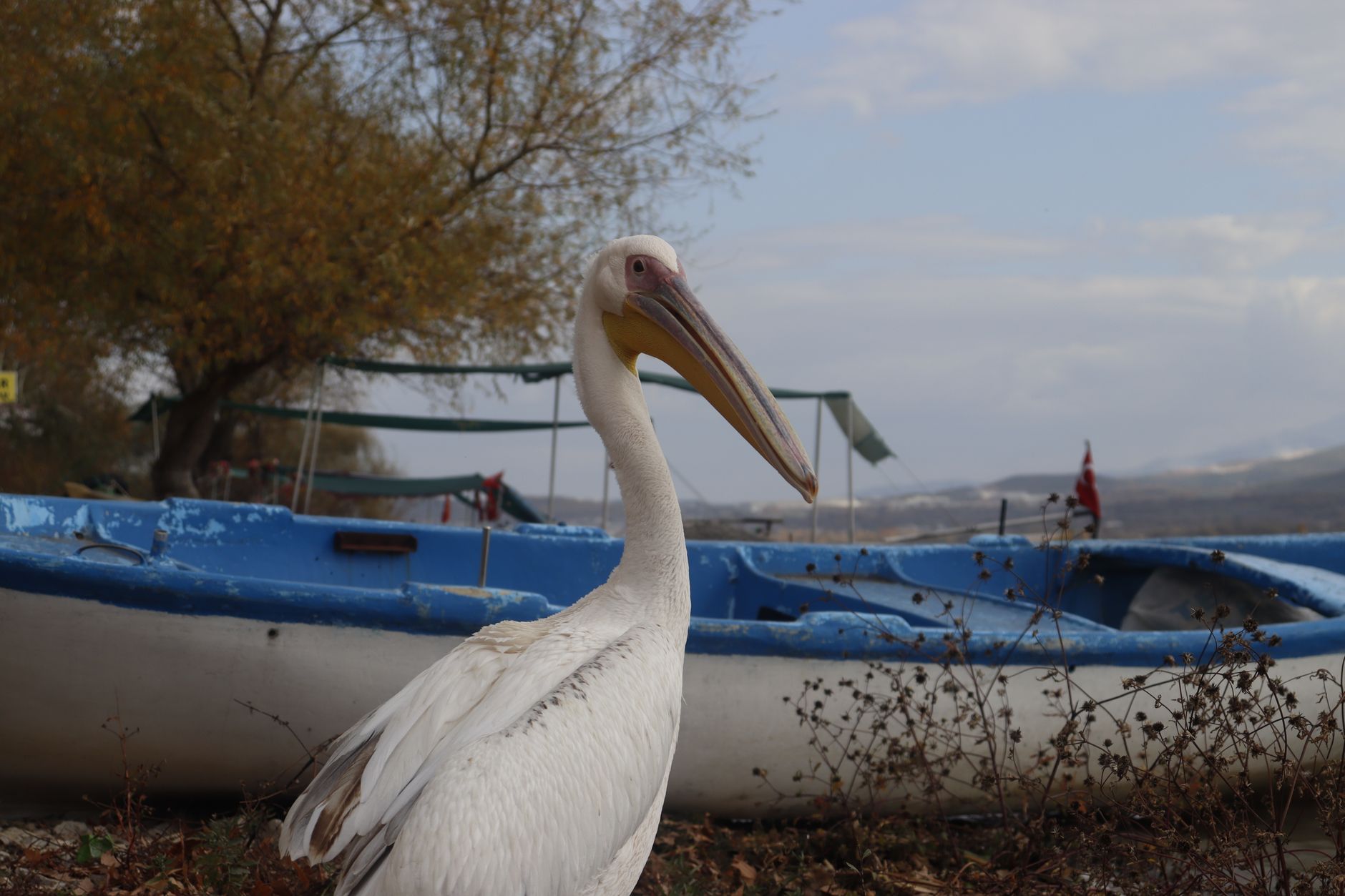
The Gediz Delta, just north of Izmir, is one of the Mediterranean's most important wetlands. Designated a Ramsar site and a Key Biodiversity Area, it comprises salt marshes, lagoons, mudflats and reedbeds that support an astonishing array of birdlife. It is particularly famous for its flamingo colony—one of the largest in the Mediterranean—and for hosting thousands of wintering waterfowl.
During migration, the delta teems with life. Dalmatian pelicans, great white pelicans, spoonbills, glossy ibises, and a multitude of ducks, geese and waders fill the lagoons. Raptors including imperial eagles, spotted eagles, and red-footed falcons pass through, while the reedbeds resonate with the songs of great reed warblers and the booming of bitterns.
The best access points are the İzmir Bird Paradise (Kuş Cenneti) and the nearby Homa Dalyanı. There are observation towers, hides and walking trails that allow respectful viewing without disturbing the birds. Early morning is best for photography and bird activity, while sunset offers dramatic skies over the flamingo flocks.
Where to Stay Near the Gediz Delta
Izmir, Türkiye's third-largest city, is a vibrant base with world-class hotels, restaurants and cultural attractions. The seaside district of Karşıyaka is particularly convenient, just a short drive from the delta. For a quieter option, the town of Menemen offers simple guesthouses and a chance to sample local cuisine. Eco-lodges and farm stays are also emerging in the area, appealing to sustainable travellers.
Beyond Bafa and Gediz: Other Wetland Gems
While Lake Bafa and the Gediz Delta are stars, Türkiye has many more wetland wonders. The Manyas Lake (Kuş Cenneti National Park) near Bandırma is another Ramsar site, famous for its breeding colonies of pelicans, cormorants and herons. Further south, the Göksu Delta near Silifke is a crucial stopover for migrating birds, including flamingos and sea turtles nesting on its beaches.
In the east, Lake Van and its surrounding marshes host endemic species like the Van fish and a variety of waterbirds. The Kızılırmak Delta on the Black Sea coast is a birdwatcher's haven with over 350 recorded species, including white-tailed eagles and pelicans. Each of these destinations offers unique habitats and species, making Türkiye a never-ending exploration for wildlife enthusiasts.
Respectful Wildlife-Watching Etiquette
Watching birds is a privilege, and with it comes responsibility. Always keep a respectful distance, using binoculars or a spotting scope rather than approaching closely. Stay on designated trails and in hides to avoid trampling vegetation or disturbing nesting birds. Never feed the birds—human food can harm them and alter their natural behaviour.
Keep noise to a minimum, especially near nesting colonies. Avoid using flash photography, which can stress birds. If you're with a guide, follow their instructions; they know the local sensitivities. Respect closure signs and protected zones, particularly during breeding season. Remember that disturbing birds can cause them to abandon nests, leaving eggs or chicks vulnerable.
Support conservation by choosing eco-friendly tours and accommodations that contribute to local conservation efforts. Many wetlands in Türkiye are managed by NGOs and government agencies that rely on visitor fees and donations. By being a responsible observer, you help ensure these spectacular gatherings continue for generations.
Conservation Successes and How to Help
Türkiye has made significant strides in wetland conservation. The declaration of Ramsar sites, the establishment of national parks, and the efforts of organisations like Doğa Derneği (BirdLife Turkey) have helped protect critical habitats. The Gediz Delta, once threatened by development, is now a showcase of successful conservation, with flamingo numbers rebounding thanks to active management.
Community-based conservation is also on the rise, with local communities involved in monitoring and eco-tourism. As a visitor, you can contribute by participating in citizen science projects, such as counting birds or reporting sightings on platforms like eBird. Many guides and tour operators also donate a portion of their fees to conservation.
When you choose to travel with responsible operators, stay in eco-friendly accommodations, and respect wildlife, you become part of the solution. The future of Türkiye's birds depends on a collective effort—and every watcher can make a difference.
Planning Your Trip: Best Months and Practical Tips
Spring (March to May) and autumn (August to October) are the prime migration months. Spring offers vibrant breeding plumage and active song, while autumn brings large flocks and a more relaxed pace. Winter (November to February) is excellent for waterfowl, with thousands of flamingos and ducks overwintering in the deltas. Summer can be hot and quiet, though resident species are still present.
Pack binoculars (8x42 or 10x42 are ideal), a spotting scope if you have one, a field guide to birds of Turkey or Europe, sunscreen, a hat, insect repellent, and neutral-coloured clothing. Sturdy walking shoes are essential for muddy trails. A camera with a telephoto lens will capture memorable moments.
Getting around is easy with a rental car, which gives you the freedom to explore at your own pace. Alternatively, guided tours from Izmir or Bodrum can handle logistics and provide expert knowledge. Domestic flights connect major cities, and buses serve smaller towns. Always check local conditions and respect any seasonal closures.
Final Thoughts: A Spectacle Worth Protecting
Türkiye's bird migration is a natural phenomenon that stirs the soul. Standing at Lake Bafa as flamingos paint the water pink, or watching pelicans soar over the Gediz Delta, you feel connected to a timeless rhythm that spans continents. These wetlands are not just stopovers for birds—they are places of beauty, history and hope.
By visiting responsibly, you support the conservation efforts that keep these habitats safe. So pack your binoculars, plan your trip for spring or autumn, and prepare for an adventure that will leave you awe-struck. Türkiye's birds are waiting—and they put on a show you'll never forget.
Thinking about a trip to Turkey?
Share your contact details and a vetted local expert will follow up with a plan built around you — free, no obligation.