

Türkiye: A Crossroads for Birds and Birders
Every spring and autumn, millions of birds pour through Türkiye along the great Afro-Eurasian flyways. Positioned between the Black Sea, the Mediterranean, and the vast steppes of Central Asia, the country acts as a natural bridge — and its wetlands, deltas, and shallow lakes are the rest stops that make the journey possible. For birdwatchers, this is not just a destination; it is a pilgrimage.
Türkiye has designated more than 250 Important Bird Areas (IBAs) and 14 Ramsar wetlands of international importance. These range from the brackish lagoons of the Aegean coast to the reed-fringed deltas of the Black Sea. Each offers a different cast of characters: flamingos, pelicans, spoonbills, eagles, and the elusive marbled duck. And thanks to dedicated conservation efforts, many of these sites are more accessible and better protected than ever before.
In this guide, we will explore three of Türkiye's most rewarding wetland destinations — the Gediz Delta, Lake Manyas (Kuş Lake), and the Kızılırmak Delta — and share practical advice on seasons, hides, and local guides. Whether you are a seasoned lister or a curious beginner, Türkiye's wetlands will leave you spellbound.
The Gediz Delta: Flamingo Capital of the Aegean
Just north of Izmir, where the Gediz River meets the Aegean Sea, lies one of the Mediterranean's most important wetlands. The Gediz Delta is a mosaic of salt pans, lagoons, mudflats, and reedbeds — and it hosts one of the largest breeding populations of greater flamingos in the world. In peak season, tens of thousands of these elegant birds paint the shallow waters pink.
The delta is also a stronghold for Dalmatian pelicans, which nest on artificial platforms installed by conservation teams. Other highlights include slender-billed gulls, Mediterranean gulls, Audouin's gulls, and a impressive array of waders: pied avocets, black-winged stilts, Kentish plovers, and dunlins. In winter, the lagoons fill with thousands of shelducks, pintails, and cormorants.
Birdwatching here is easy and rewarding. The main observation points are around the salt pans near the village of Homa (now officially Güzelyurt) and the Izmir Bird Paradise, a protected area with a visitor center and marked trails. A network of dikes allows you to walk or drive close to the water without disturbing the birds. Early morning is best, when the light is soft and the flamingos are actively feeding.
Conservation efforts in the Gediz Delta have been exemplary. The area is a Ramsar site and a Natura 2000 candidate, and local NGOs work with salt producers to manage water levels for breeding birds. Your visit supports these efforts — ecotourism revenue gives local communities a stake in protecting the delta.
Lake Manyas (Kuş Lake): A Classic Turkish Bird Sanctuary
South of the Sea of Marmara, Lake Manyas — known locally as Kuş Lake, literally "Bird Lake" — is one of Türkiye's oldest and most famous bird sanctuaries. It was declared a national park in 1959 and a Ramsar site in 1994. The lake is shallow and nutrient-rich, fringed by extensive reedbeds and willow groves, creating ideal habitat for breeding and migrating waterbirds.
Over 260 bird species have been recorded here. The stars of the show are the breeding Dalmatian pelicans (one of the largest colonies in the region), pygmy cormorants, and squacco herons. In spring, the reedbeds echo with the booming calls of bitterns and the chattering of great reed warblers. Raptors pass through in good numbers, including lesser spotted eagles and short-toed snake eagles.
The national park has a dedicated visitor center, the Kuş Cenneti (Bird Paradise) Museum, with exhibits and a viewing tower. A well-maintained trail leads through the gallery forest to a series of hides overlooking the lake. These hides are perfect for photography, with slatted windows that allow you to observe without being seen. Local guides from the nearby town of Bandırma can arrange early-morning trips and know exactly where to find rarities.
Conservation at Manyas focuses on maintaining water quality and managing reedbeds. The park authorities and local university teams monitor bird populations and run environmental education programs for schools. It is a heartening example of how a protected area can thrive when science and community work together.
The Kızılırmak Delta: Black Sea Biodiversity Hotspot
On the Black Sea coast near Samsun, the Kızılırmak Delta is the largest and most intact delta wetland in Türkiye. It is a Ramsar site, an Important Bird Area, and a Key Biodiversity Area. The delta comprises freshwater and brackish lakes, marshes, sand dunes, and flooded forests — a rich patchwork that supports an astonishing variety of life.
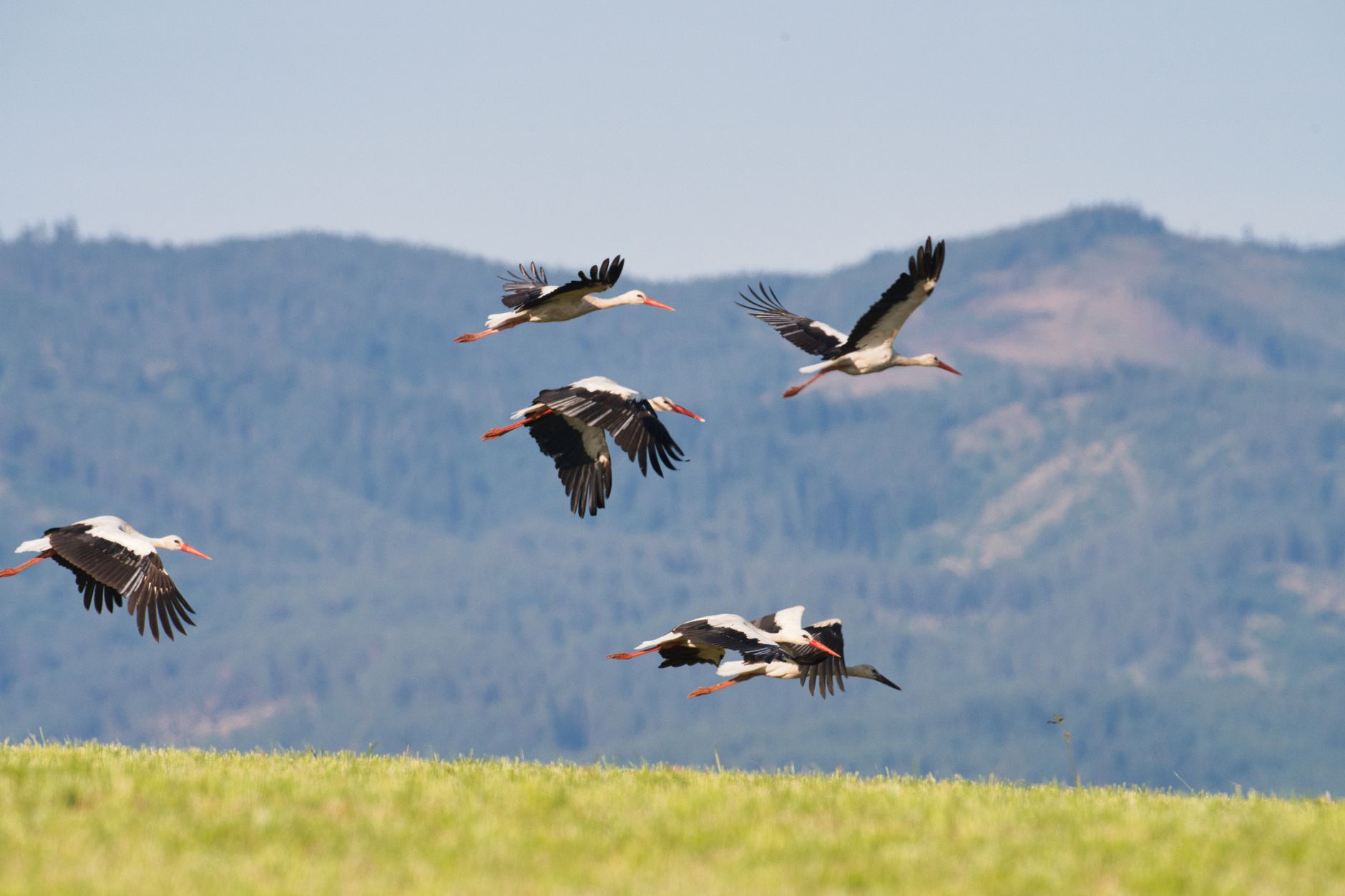
More than 350 bird species have been recorded here, making it one of the top birding sites in the entire Black Sea region. Highlights include the world's northernmost breeding population of the marbled duck, along with ferruginous ducks, white-headed ducks, and red-crested pochards. During migration, the skies fill with pelicans, storks, and raptors, including the majestic white-tailed eagle.
The delta is also a stronghold for the endangered European pond turtle and the endemic Kızılırmak toothcarp. Birdwatchers can explore the area from a series of dikes and observation towers. The best access is via the village of Doğanca, where local guides offer boat trips through the reed channels. These trips are magical: gliding silently through the reeds, you may spot purple herons, little bitterns, and even a basking terrapin.
Conservation in the Kızılırmak Delta has been a success story of collaboration between government agencies, NGOs, and local communities. Sustainable fishing and ecotourism are promoted as alternatives to draining wetlands. The delta is now a model for integrated wetland management in Türkiye.
Seasons and Migration Magic
Türkiye's birding calendar has two peaks: spring and autumn migration. Spring (March to May) is when birds head north to breed. The wetlands come alive with song, courtship displays, and the first chicks. This is the best time to see breeding plumage — flamingos at their pinkest, pelicans with their orange pouches, and warblers in full voice. April and May are especially rewarding.
Autumn migration (August to October) is equally spectacular, as birds move south to wintering grounds. Large flocks of white storks, raptors, and passerines funnel through the deltas. The Kızılırmak Delta is particularly famous for its autumn raptor migration, with thousands of buzzards, harriers, and eagles passing through. September is prime time.
Winter (November to February) offers its own delights. Thousands of waterfowl — geese, ducks, and swans — winter in the milder coastal wetlands. The Gediz Delta hosts impressive numbers of flamingos year-round, but winter flocks of shelducks and pintails are a sight to behold. The weather is cool but often sunny, and there are fewer visitors, making it a peaceful time for photography.
Summer (June to July) is quieter for migration but excellent for breeding species. The heat can be intense, so early mornings and evenings are best. Many local guides offer night walks to spot nocturnal species like night herons and scops owls.
Practical Advice: Hides, Guides, and Etiquette
All three wetlands have established observation infrastructure. At the Gediz Delta, the Izmir Bird Paradise has hides and a visitor center. At Lake Manyas, the national park's hides are well-placed along the lake edge. At the Kızılırmak Delta, the dikes and towers provide excellent vantage points, and boat trips get you deeper into the marshes.
Hiring a local guide is highly recommended. They know the current hotspots, can help with identification, and often have scope and field guides to share. In Bandırma, Izmir, and Samsun, you can find English-speaking guides who specialize in birdwatching. Booking in advance is wise during migration peaks.
Respect wildlife: keep a safe distance, stay in hides or on trails, and avoid playing bird calls to attract species. Dress in muted colors and move slowly. Carry binoculars (8x42 or 10x42 are ideal) and a spotting scope if you have one. A field guide to Turkish birds, such as the Collins Bird Guide, is invaluable.
Local communities benefit from ecotourism. Buy local products, stay in family-run guesthouses, and consider donating to conservation NGOs working in the deltas. Your visit directly supports the protection of these irreplaceable wetlands.
Celebrating Türkiye's Conservation Success
Türkiye has made remarkable strides in wetland conservation. The declaration of Ramsar sites, the establishment of national parks, and the work of NGOs like Doğa Derneği and WWF-Türkiye have safeguarded critical habitats. The Gediz Delta, Lake Manyas, and the Kızılırmak Delta are all shining examples of what can be achieved when governments, scientists, and local people work together.
These efforts are not just about birds. Wetlands store carbon, filter water, and protect coastlines from erosion. They are vital for fisheries and agriculture. By protecting birds, we protect the entire ecosystem — and the communities that depend on it.
As a traveler, you are part of this story. Every visit to a wetland, every night spent in a local guesthouse, every guided tour that values wildlife over disturbance — these choices reinforce the value of conservation. Türkiye's wetlands are a gift, and they are open to anyone willing to look, listen, and marvel.
So pack your binoculars, book your guide, and head to Türkiye's birdwatcher's paradise. The flamingos are waiting.
Thinking about a trip to Turkey?
Share your contact details and a vetted local expert will follow up with a plan built around you — free, no obligation.