

Why Türkiye Is a Surprising Winter Bargain
Most skiers picture the Alps or the Rockies when they think of a powder holiday, yet Türkiye has been quietly building a winter sports scene for decades — and the best value is not at the headline resorts of Erzurum, Kartalkaya or Uludağ. It is at the small, state-supported mountains close to big cities, where a day pass costs less than a mid-range dinner in Western Europe and the longest queue of the day is usually at the waffle stand.
Türkiye sits on a high, dry plateau with mountain ranges running east–west, which means cold, reliable snow and a season that typically runs from December into March, sometimes later at altitude in the east. Because so many resorts are run wholly or partly by the state, the infrastructure has not been priced for international luxury travellers. Lift tickets, rentals and lessons are set with Turkish families in mind, and the numbers are startlingly friendly.
The reward is not just money saved. Smaller resorts are friendlier, less groomed-to-death and often surrounded by scenery that big-name destinations cannot match. You can ski in the morning and be sitting in a 40°C thermal pool by mid-afternoon, eating a plate of gözleme for a fraction of a lift-side lunch anywhere else.
Elmadağ: The Capital's Backyard Ski Hill
Elmadağ rises about an hour east of central Ankara, and it is the closest thing Türkiye has to a neighbourhood ski hill for a capital city of five million people. That makes it an easy first taste of Turkish skiing: no flights, no resort transfers, just a dolmuş or a hire car and a mountain that reaches around 1,850 metres.
There is a modest but honest lift network serving wide, gentle beginner and intermediate runs — perfect for first-timers, families with small children, or anyone who wants a relaxed half-day on snow without paying resort prices. Because it is a day-trip mountain, weekday mornings can be almost empty; you might share a T-bar with a handful of university students and a couple of retired teachers who ski here every winter.
Elmadağ is also a snow-play mountain as much as a ski mountain. Expect sledges, snowball fights and picnic tables. If you are based in Ankara, treat a day here as the warm-up act before heading east to bigger terrain — and use it to test your layering strategy and shake out your gear before committing to a multi-day trip. For broader seasonal planning, our best-time guide helps you weigh snow conditions against crowds.
Ilgaz: National Park Powder and Forest Quiet
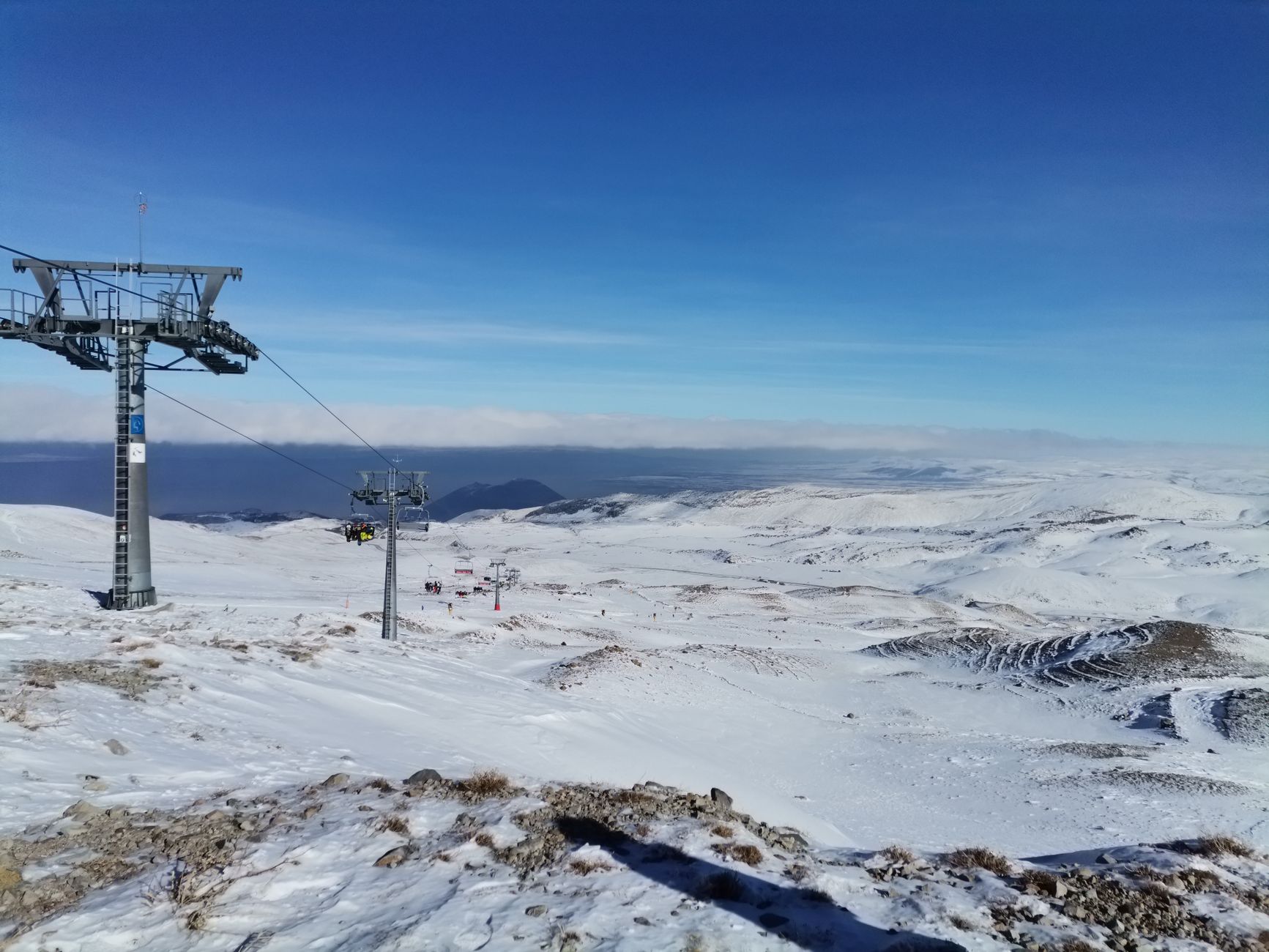
Ilgaz, straddling the border of Kastamonu and Çankırı provinces in the Black Sea hinterland, is the connoisseur's budget pick. The ski area sits inside Ilgaz National Park, so the runs are framed by spruce forest rather than bare rock, and the sense of escape is immediate. The drive from Ankara takes around two and a half to three hours, and the road climbs through pine-scented valleys before the snow line appears.
Ilgaz has a handful of lifts and a compact trail network that suits beginners and confident intermediates. What makes it special is the atmosphere: wooden mountain houses, woodsmoke in the air, and a pace of life that has more in common with an Alpine village of fifty years ago than a modern ski factory. Lift lines are short even at weekends, and the local prices reflect that this is a domestic family destination rather than an international one.
The snow here can be generous — this is the wetter Black Sea side of the mountains — and forest skiing in fresh snow is one of Türkiye's great underrated experiences. Bring a waterproof shell, because Ilgaz powder is often heavier than the dry snow of the east. If you like the idea of combining forested slopes with cultural stops, our route ideas show how to string mountain days into a longer Anatolian journey.
Bitlis: Eastern Powder at Altitude
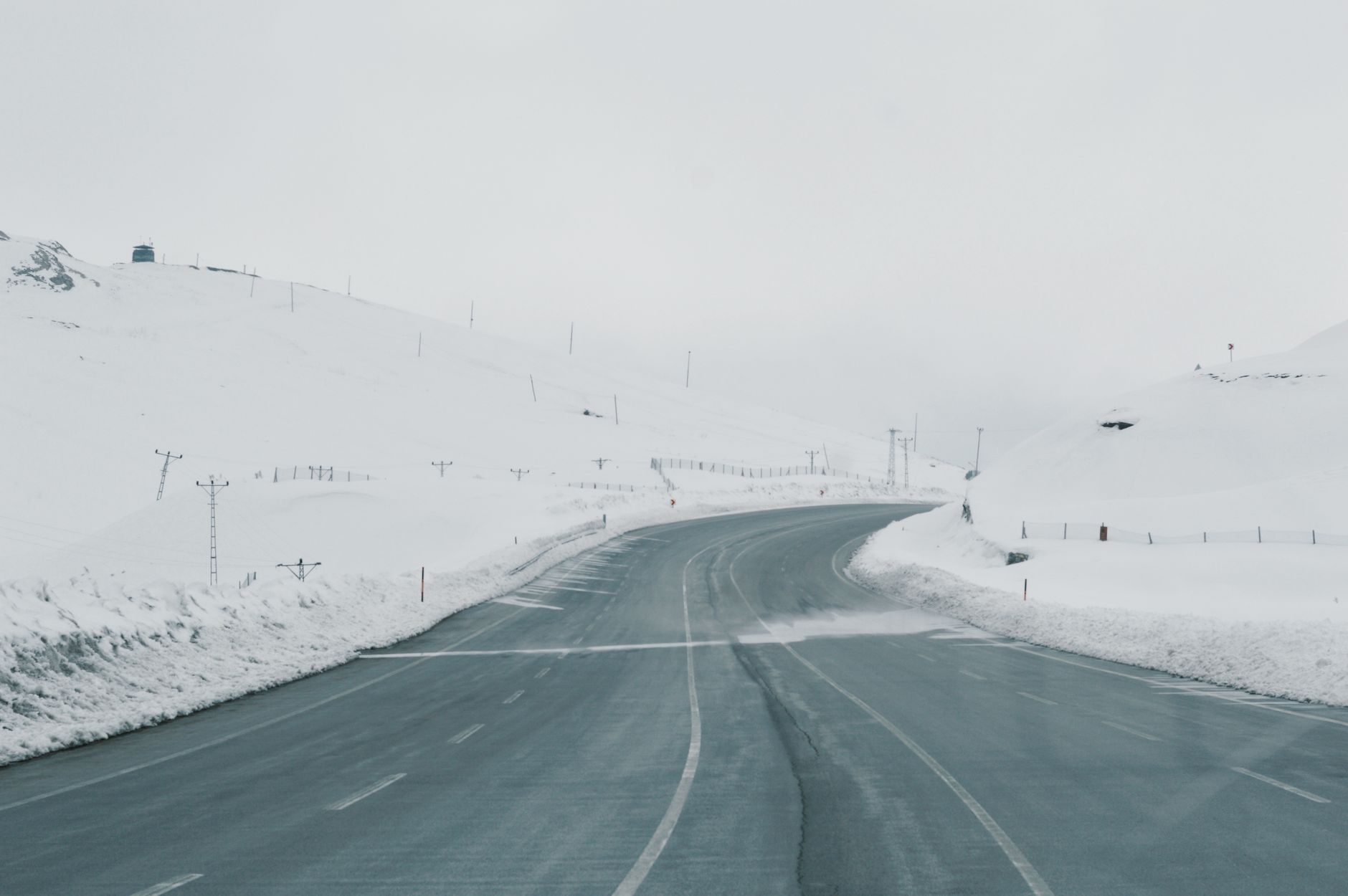
For the adventurous, Bitlis in eastern Türkiye is the real frontier. The province lies between Lake Van and the bitumen-black slopes of Nemrut, and the local ski areas — centred on the slopes above the city and around the Mount Nemrut crater — sit at altitude with dry, light snow and views that stretch to the lake and beyond.
This is not a resort in the packaged sense. Infrastructure is basic, lifts are few, and you may find yourself skiing runs served by a simple tow while a shepherd's tea house offers the warmest possible welcome at the bottom. But that is exactly the appeal: powder without lift queues, at prices that make a week of skiing cheaper than a weekend in a big-name European resort.
Bitlis rewards skiers who bring flexibility and a sense of humour. Snow conditions can change fast, the road up can close after heavy storms, and English is rarely spoken. In exchange you get a genuinely exotic winter experience: Islamic architecture dusted in snow, a crater lake frozen solid, and Turkish hospitality at its most unselfconscious. Fly to Van or Muş and arrange a local transfer; this is a place to base yourself for several days rather than rush.
Gear, Rentals and On-Site Practicalities
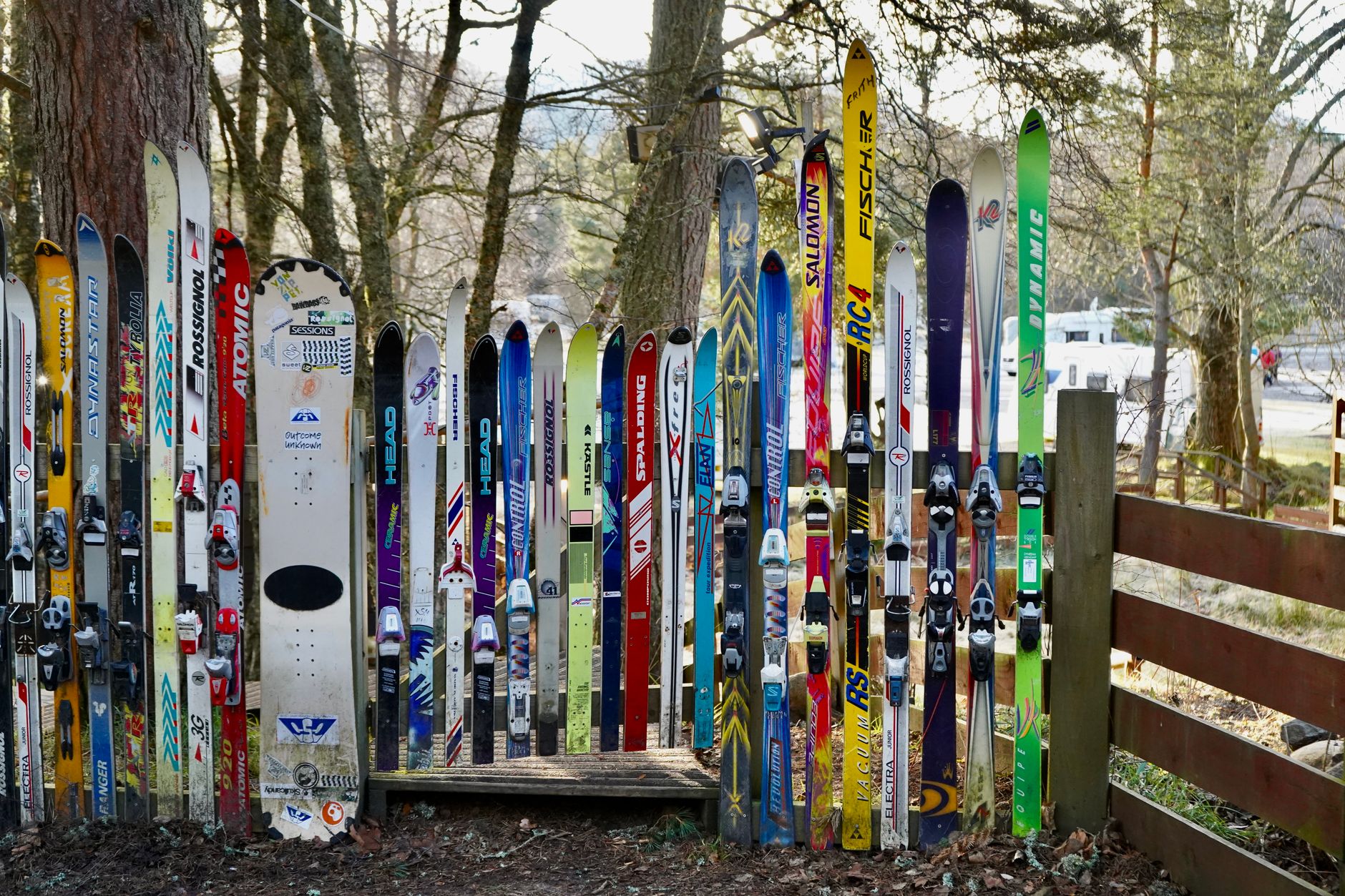
The single strongest argument for Türkiye's small resorts is gear rental. Ski and snowboard sets — boots, skis or board, poles — typically rent for a modest daily rate, and even with a helmet and goggles added you will usually pay less than the bare ski rental alone in a famous Alpine village. Many rental shops at places like Ilgaz and Elmadağ let you swap equipment mid-day if a boot does not fit, and staff are used to first-timers.
Do not expect the newest fleet at every small hill. Quality at the state-run resorts can be functional rather than gleaming, and the best stock goes early in the morning on busy weekends. Arrive before the lifts open, rent the day before if possible, and consider bringing your own boots, helmet and goggles — the items where fit and hygiene matter most — while renting skis on site.
- What to rent: skis or snowboard, boots if yours do not fit the budget, poles.
- What to bring: helmet, goggles, waterproof gloves, ski socks, a warm mid-layer and a shell.
- Lessons: group lessons are inexpensive and instructors are patient with beginners; ask at the rental desk rather than booking online.
- Clothing: the dry cold of the east calls for layers; the Black Sea side calls for waterproofing.
Cash and local cards still dominate at small resorts, so do not rely solely on an international card. Carry some Turkish lira for lift passes, hot drinks and the inevitable post-ski soup, and check opening days in advance — some small areas close on weekdays outside peak season.
Getting There: Transfers Without the Price Tag
Budget skiing in Türkiye starts with smart logistics. Elmadağ is a day trip from Ankara by car or minibus. Ilgaz is best reached by hiring a car in Ankara or Kastamonu, or by taking an intercity bus to the town and arranging a short mountain transfer; many guesthouses will pick you up if you ask when booking. Bitlis is a fly-and-drive proposition via Van, Muş or Erzurum, followed by a scenic road transfer.
Renting a car is the single biggest upgrade to your freedom at these resorts, and winter tyres are essential between December and March — confirm them explicitly with the rental company. For nervous winter drivers, the alternative is a local driver or a shared shuttle organised by your hotel. Turkish intercity buses are comfortable, frequent and cheap, and mountain towns are well served even in winter.
Book accommodation directly with small hotels and guesthouses rather than through large platforms; owners will often help with transfers, rental contacts and lift passes. Off-peak midweek dates bring the lowest prices and the emptiest slopes, while Turkish school holidays (mid-January to early February and the semester break) fill the small resorts quickly. Our travel tools can help you track dates and compare options as you plan.
Après-Ski, Turkish Style: Thermal Soaks and Mountain Food
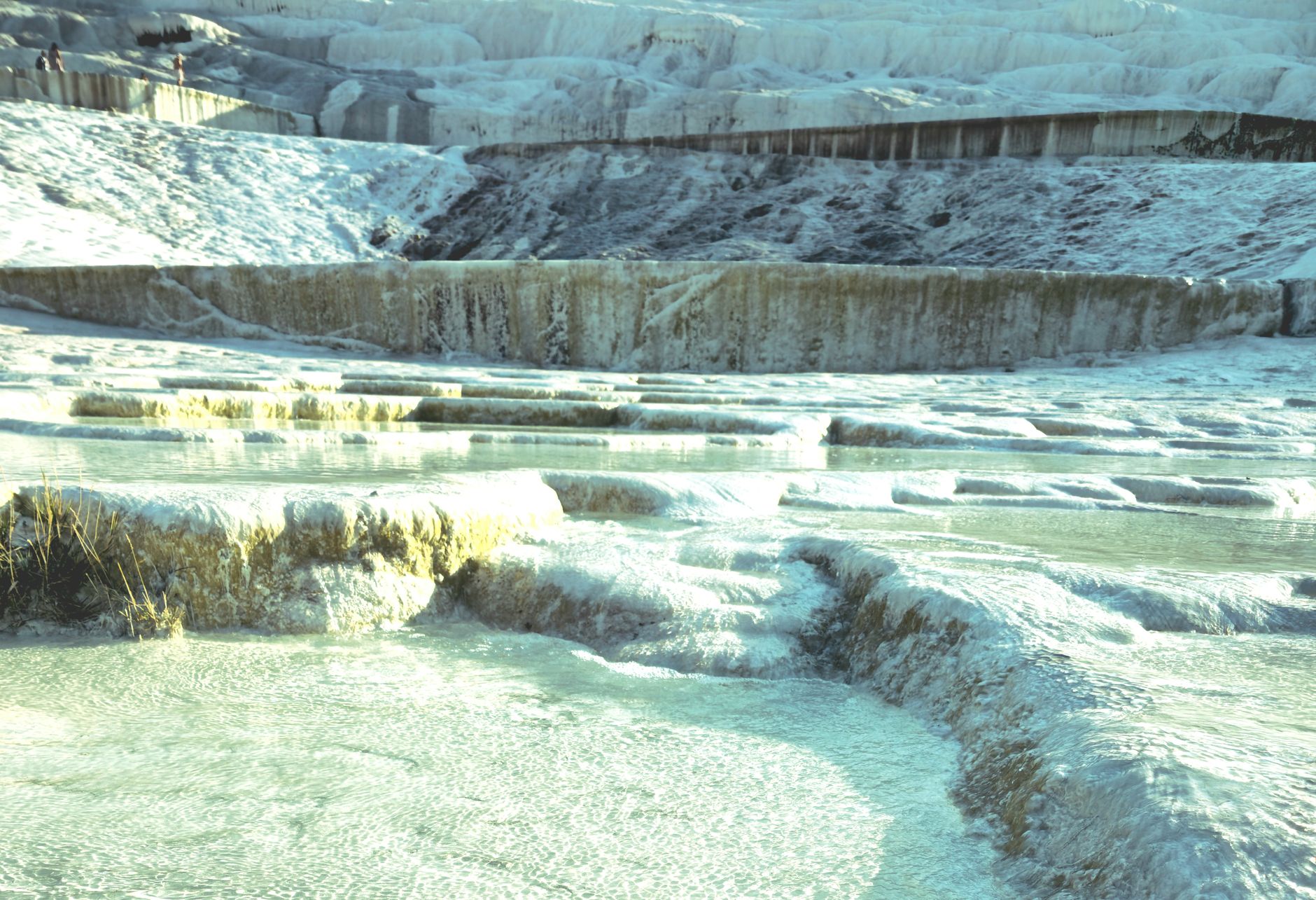
The best reason to ski in Türkiye rather than the Alps is what happens after you unclip. Anatolia is a geothermal wonderland, and many ski mountains sit within easy reach of hot springs. Ilgaz and its surroundings, the Ankara region and the east all offer thermal baths where you can soak tired legs in mineral-rich water while snow falls on the roof above you.
This is winter travel at its most civilised: a morning of powder, an afternoon in a 40°C pool, then a long dinner of kuru fasulye, fresh bread, grilled meat and tea. Thermal facilities range from simple municipal baths to restored hamams, and entry is usually cheap. Bring a swimsuit, a towel and a healthy respect for the Turkish hamam ritual — scrub, rinse, rest, repeat.
Food on the mountain itself is another budget joy. Lift-side cafés serve gözleme, sausages, lentil soup and hot tea at prices that make a mountain lunch affordable for a family. Do not leave without trying the local version of sac kavurma in the east or a plate of Black Sea-style breads near Ilgaz. And when you come back down, explore the towns themselves — castle ruins, mosques and bazaars are often within a short drive of the lifts.
Türkiye's small ski resorts are not trying to compete with the big names, and that is precisely their charm. They offer real snow, real mountains and real hospitality at prices that make winter sports feel possible again. Plan your trip with our in-depth guides, browse more ideas on the blog, and use the trip planner to turn a long weekend into a proper Anatolian snow adventure.
Thinking about a trip to Turkey?
Share your contact details and a vetted local expert will follow up with a plan built around you — free, no obligation.