

Why Türkiye's Islands Are Made for Slow Travel
There is a particular kind of magic that settles over Türkiye's islands when you arrive without a car. The frantic pace of the mainland melts away, replaced by the gentle hum of bicycle wheels on cobblestones, the clip-clop of horse carts, and the distant call of seagulls. On Gökçeada and Bozcaada, the two largest of Türkiye's islands, car-free travel isn't just a practical choice—it's a way to truly inhabit the rhythm of island life.
These islands have long been havens for those seeking simplicity. Gökçeada, the largest Turkish island, is a rugged, mountainous landscape dotted with abandoned Greek villages and sweeping views of the Aegean. Bozcaada, smaller and more polished, is famed for its vineyards, windmills, and charming Greek quarter. Both are easily reached by ferry from the mainland, and both reward visitors who choose to explore on two feet or two wheels.
In this guide, we'll show you how to plan a car-free escape, from ferry timings and bike rentals to gentle routes that suit all ages. We'll also introduce you to the warm hospitality of the islanders and the delicious local food that will make you want to stay longer. So leave the keys behind, pack light, and get ready to pedal into a slower, sweeter way of life.
Getting There: Ferry Routes and Timings
Reaching Gökçeada and Bozcaada is part of the adventure. Ferries run regularly from the mainland, but schedules vary by season, so it's wise to check ahead. For Gökçeada, ferries depart from Kabatepe (near Eceabat on the Gallipoli Peninsula) and from Çanakkale. The crossing from Kabatepe takes about 1.5 hours, while the Çanakkale route is slightly longer. In summer, there are multiple daily departures; in winter, services are fewer, so plan accordingly.
Bozcaada is served by ferries from Geyikli, a short drive from Çanakkale. The crossing is a quick 35 minutes, making it an easy day trip or a longer stay. Ferries typically run several times a day year-round, with more frequent services in peak season. It's advisable to book tickets in advance during July and August, as the islands are popular with Turkish holidaymakers.
If you're traveling without a car, you'll find the ferry terminals accessible by public transport. From Çanakkale, minibuses connect to Kabatepe and Geyikli. Once on the islands, you won't need a car—bicycles and dolmuş (shared minibuses) can take you wherever you need to go. For more detailed ferry schedules and route planning, explore our travel tools section.
Gökçeada: Rugged Beauty and Abandoned Villages
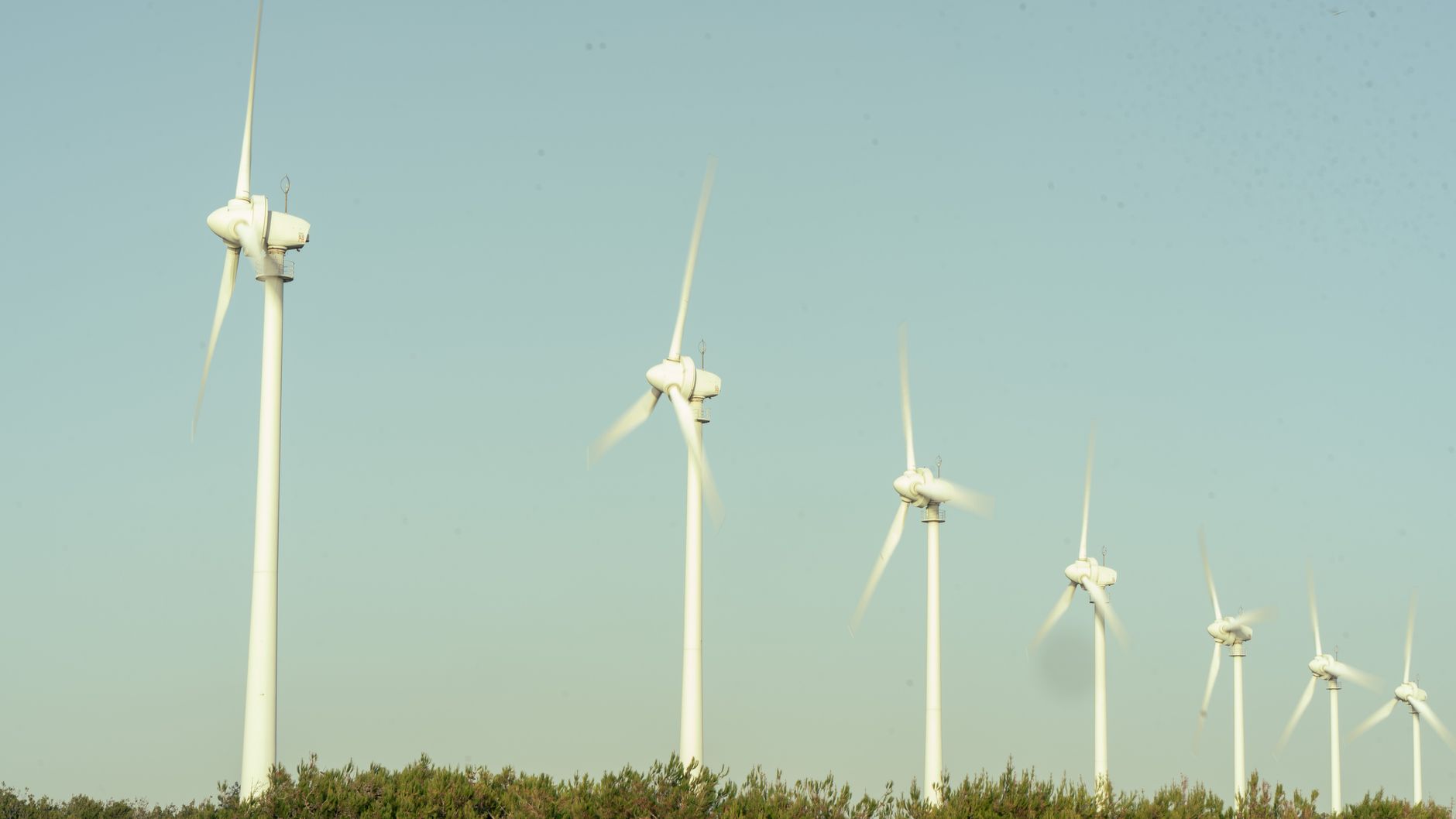
Gökçeada is a place of wild contrasts. Its mountainous interior is covered with pine forests and olive groves, while the coastline alternates between sandy beaches and rocky coves. The island's history is palpable, especially in the abandoned Greek villages like Zeytinliköy (Agios Theodoros) and Tepeköy, where crumbling stone houses stand as silent witnesses to the population exchange of the 1920s. Exploring these villages by bike is a hauntingly beautiful experience.
Cycling on Gökçeada is rewarding but can be challenging due to the hilly terrain. However, there are gentle routes along the coast that suit all ages. A favorite is the ride from Kaleköy (the main port) to the nearby Aydıncık beach, a mostly flat 10-kilometer stretch with stunning sea views. For a more leisurely day, head to the salt lake of Tuz Gölü, where you can spot flamingos in spring and autumn.
Don't miss the opportunity to try the island's organic produce. Gökçeada is known for its olive oil, honey, and cheese, and many local farms welcome visitors for tastings. The island's hospitality is genuine—expect to be offered çay (tea) and homemade treats wherever you stop.
Bozcaada: Vineyards, Windmills, and Greek Charm
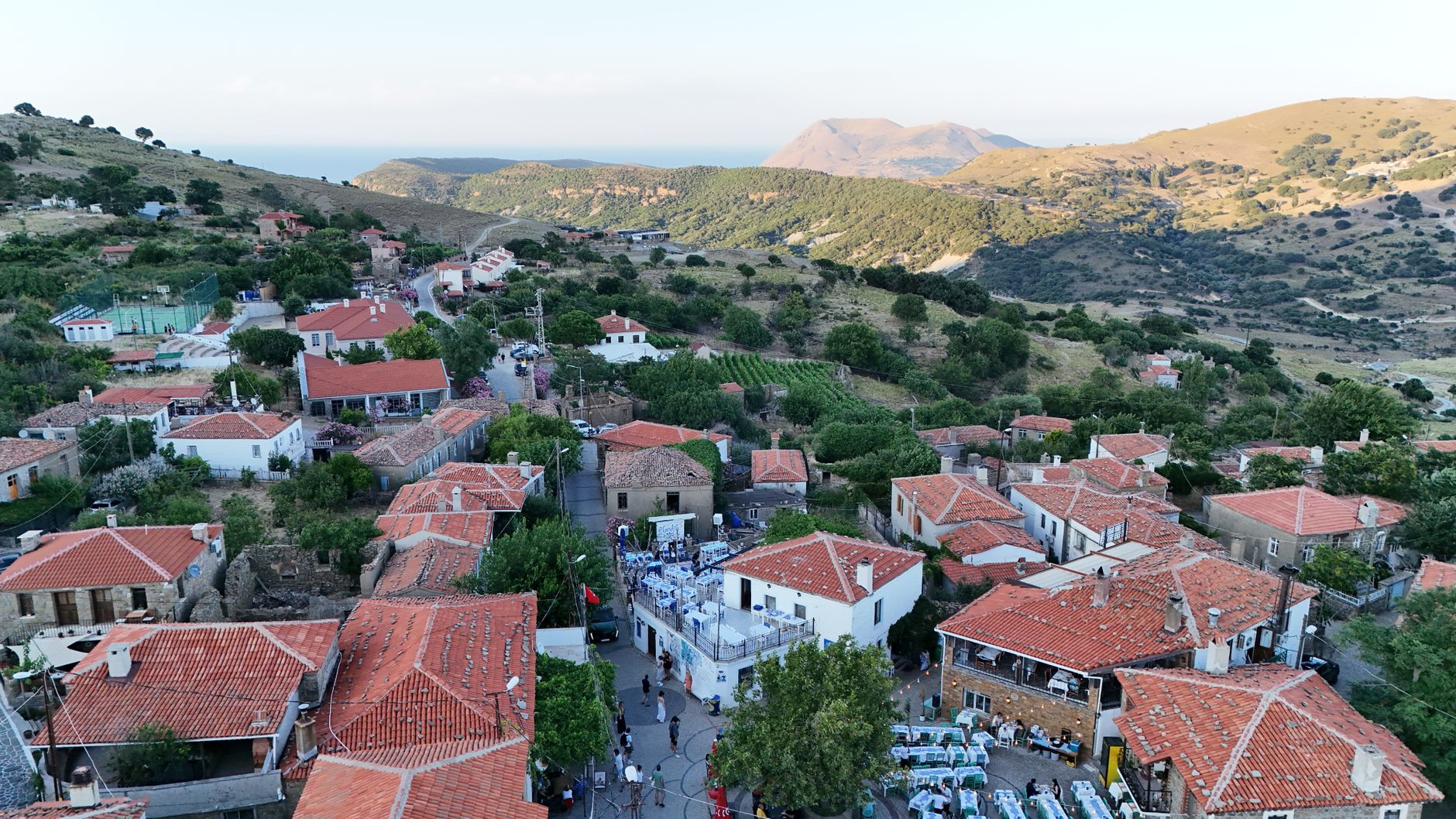
Bozcaada is the postcard-perfect island of your dreams. Its compact size makes it ideal for exploring by bike—you can circle the entire island in a day if you're feeling energetic, but there's no need to rush. The main town is a delight, with cobblestone streets, colorful Greek houses, and a lively harbor lined with restaurants. Rent a bike and pedal out to the vineyards that produce the island's famous wines, or visit the ancient windmills that dot the landscape.
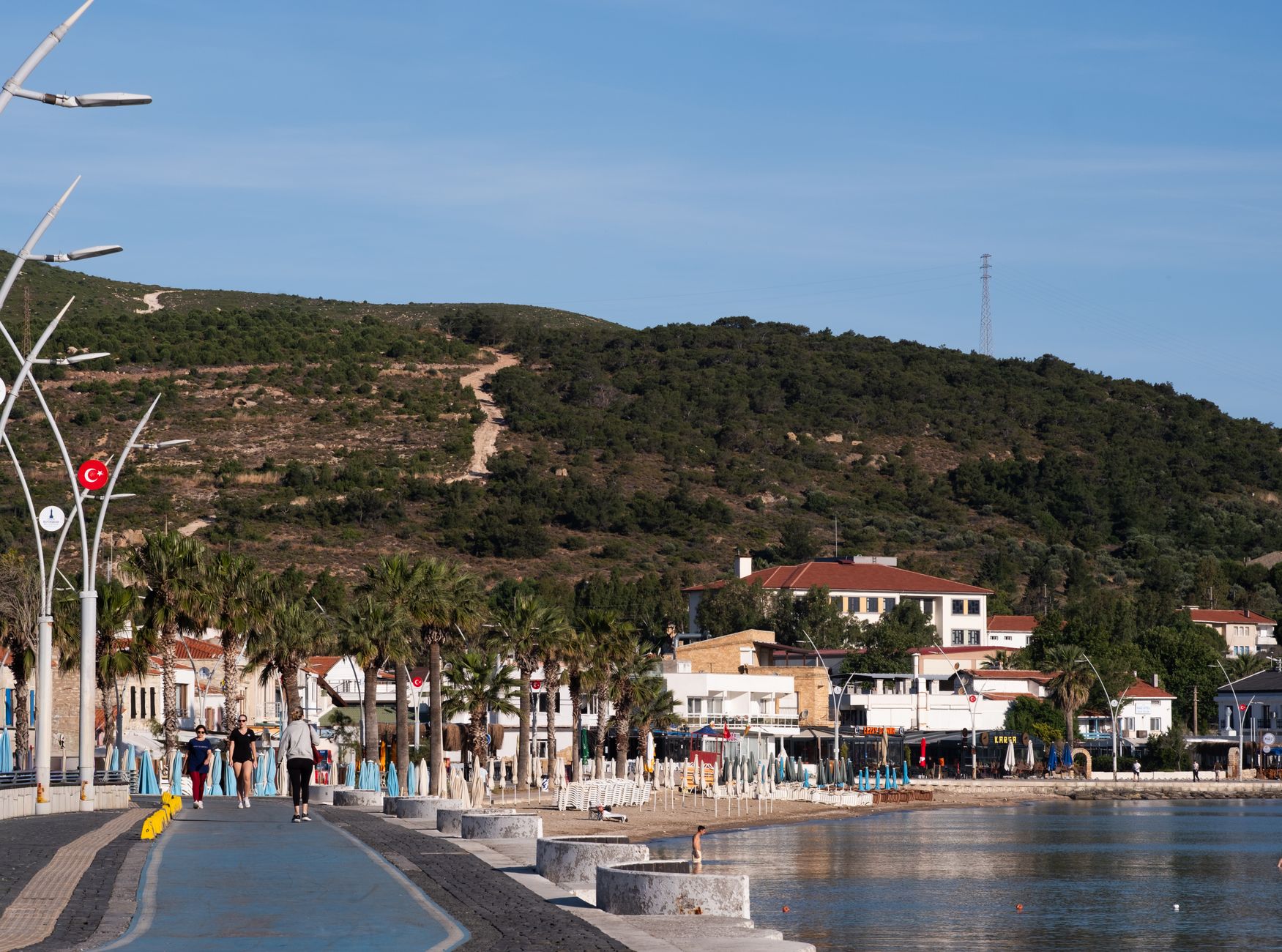
The beaches of Bozcaada are some of the cleanest in the Aegean. Ayazma Beach, with its fine sand and shallow waters, is perfect for families. For a quieter spot, head to Habbele or Poyraz Limanı, where you can swim in crystal-clear waters and enjoy a picnic. Cycling between beaches is easy, as the roads are relatively flat and traffic is minimal.
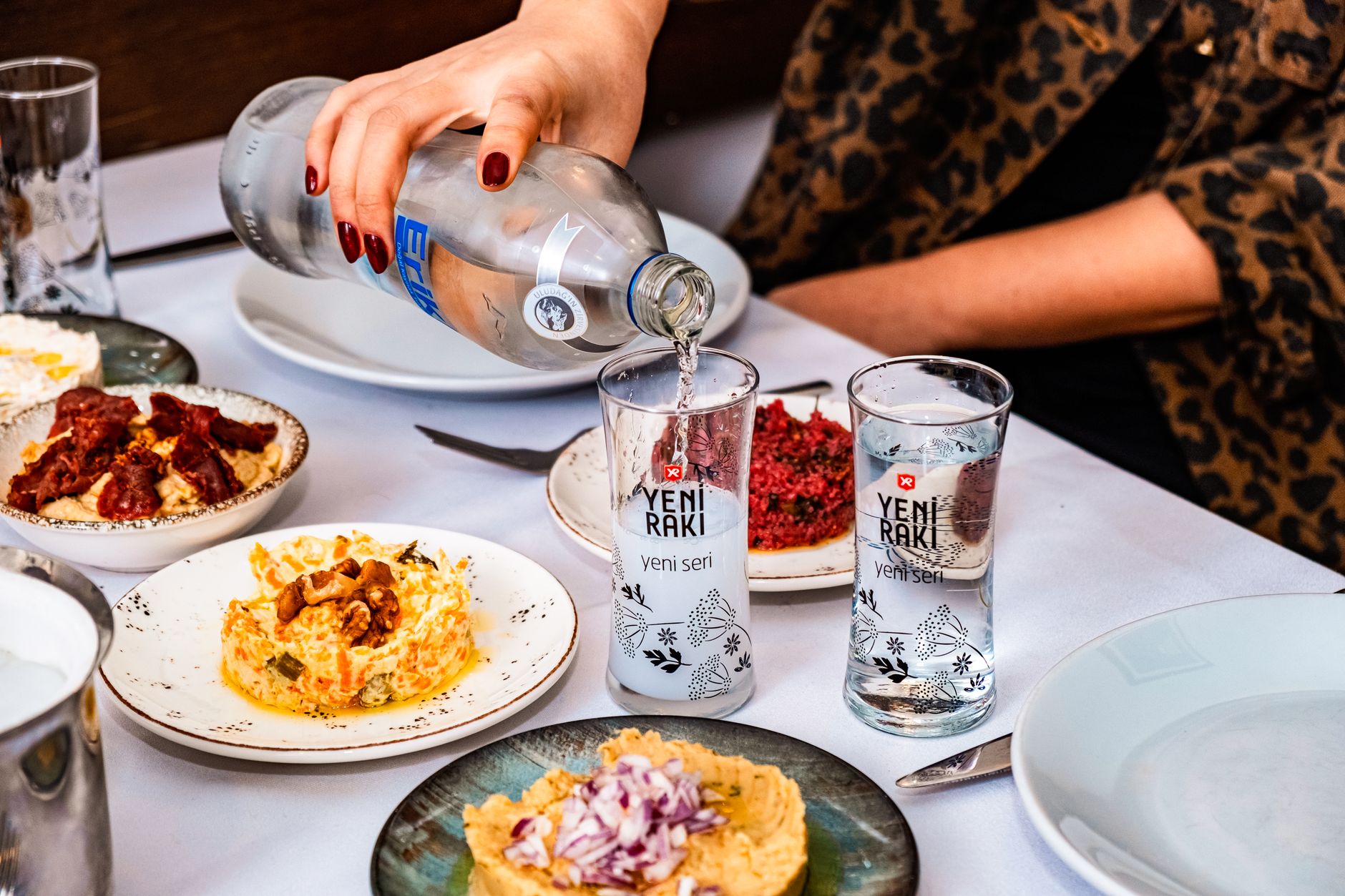
Bozcaada is also a food lover's paradise. The island's cuisine blends Turkish and Greek influences, with fresh seafood, mezes, and locally produced wine. Be sure to try the stuffed zucchini flowers, the grilled octopus, and the island's signature dessert, pekmez (grape molasses) with tahini. And of course, a glass of Bozcaada wine as the sun sets over the Aegean is an experience not to be missed.
Bike Rentals and Gentle Routes for All Ages
Renting a bike on both islands is straightforward. In Gökçeada, you'll find rental shops in Kaleköy and near the ferry terminal. Prices are reasonable, around 50-100 TL per day, and many shops offer helmets and child seats. On Bozcaada, rentals are available in the main town, and some hotels provide bikes for guests. It's a good idea to reserve in advance during high season.
For families with young children or older travelers, there are plenty of gentle routes. On Gökçeada, the coastal road from Kaleköy to Aydıncık is flat and safe, with little traffic. On Bozcaada, the loop from the town to Ayazma Beach is mostly flat and takes about 30 minutes at a leisurely pace. E-bikes are also becoming available, making it easier to tackle hilly terrain without excessive effort.
Remember to bring water, sunscreen, and a hat, as shade can be scarce on some routes. Also, be mindful of the sun—cycling in the midday heat can be taxing, so plan your rides for the morning or late afternoon. For more tips on cycling in Türkiye, check our guides.
Car-Free Culture: Horse Carts, Dolmuş, and Walking
On both islands, you'll notice that life moves at a slower pace. Horse carts are still used in some villages, especially on Gökçeada, where they provide a charming way to get around. Dolmuş minibuses connect the main settlements and beaches, and they're an affordable and convenient option if you don't feel like cycling. But the best way to experience the islands is simply to walk—wander through the narrow streets, chat with locals, and stumble upon hidden corners.
The car-free atmosphere extends to the islands' attitude towards time. Meals are leisurely affairs, and nobody rushes. Embrace this rhythm. Sit at a waterfront café with a glass of tea, watch the fishermen mending their nets, and let the hours slip by. This is the essence of slow travel.
For those interested in history, both islands have fascinating stories to tell. Gökçeada was the site of an ancient Greek city, and you can still see ruins scattered across the landscape. Bozcaada's castle, built by the Venetians and later expanded by the Ottomans, offers panoramic views of the island and the sea.
Local Flavors: What to Eat and Where
The food of these islands is a celebration of the Aegean. Fresh seafood is abundant—try the grilled sea bream, fried calamari, and stuffed mussels. On Gökçeada, the organic farms produce excellent vegetables, and the local cheese, made from sheep's milk, is a must-try. Bozcaada is famous for its tomatoes, which are used in salads and sauces, and for its wine, produced from grapes grown on the island.
Don't leave without sampling the local sweets. On Gökçeada, look for baklava made with local walnuts, and on Bozcaada, try the island's speciality: tomato jam. The islands also have a strong coffee culture—Turkish coffee is served thick and strong, often accompanied by a piece of lokum (Turkish delight).
For a truly memorable meal, seek out the small, family-run restaurants that dot the islands. In Gökçeada, the village of Zeytinliköy has several charming eateries serving home-cooked meals. In Bozcaada, the backstreets of the main town hide delightful meyhanes (tavernas) where you can enjoy a long, convivial dinner.
Practical Tips for a Smooth Car-Free Trip
When planning your car-free getaway, consider the season. Spring and autumn offer mild weather and fewer crowds, making cycling a pleasure. Summer is lively but hot, so plan outdoor activities for early morning or evening. Winter is quiet, and some businesses close, but the islands have a stark beauty all their own.
Accommodation ranges from boutique hotels in restored Greek houses to simple guesthouses. Many are family-run, and your hosts will be happy to share tips and perhaps even lend you a bike. Book ahead, especially for weekends and holidays.
Finally, travel lightly and sustainably. Bring a reusable water bottle, avoid single-use plastics, and respect the islands' natural environment. By choosing car-free travel, you're already treading more lightly. For more inspiration on slow travel in Türkiye, see our blog and routes.
Final Thoughts: The Joy of Leaving the Car Behind
There's a simple pleasure in arriving on an island with nothing but a small bag and a sense of curiosity. Without a car, you notice more—the scent of pine and salt, the laughter of children playing in the square, the way the light changes over the Aegean. Gökçeada and Bozcaada invite you to slow down, to pedal, to walk, to linger.
The warmth of Turkish island hospitality will embrace you. Whether it's a farmer offering you a handful of olives or a café owner refilling your tea, you'll feel like you belong. So leave the car behind, and discover the unhurried beauty of Türkiye's car-free islands. Your journey begins at the ferry terminal—and the rest is up to the wind and your wheels.
Thinking about a trip to Turkey?
Share your contact details and a vetted local expert will follow up with a plan built around you — free, no obligation.