

Introduction: The Living Art of Turkish Carpets
In the heart of Anatolia, where ancient traditions meet modern life, women are keeping alive one of the world's most revered crafts: hand-knotted carpet weaving. From the bustling workshops of Konya to the remote villages of Van, women-led cooperatives and ateliers are not only preserving a heritage that stretches back centuries but also redefining it for a new generation. These are not factories; they are communities where every knot tells a story of patience, artistry, and quiet rebellion.
For travelers, visiting these cooperatives offers a rare chance to step beyond the tourist trail and into the intimate world of the makers. It's an opportunity to learn, to connect, and to purchase a piece of art directly from the hands that created it. This guide will help you navigate this world with respect, curiosity, and confidence—ensuring your carpet-buying experience becomes a cultural exchange rather than a simple transaction.
Konya: Where Tradition Meets Modern Cooperatives
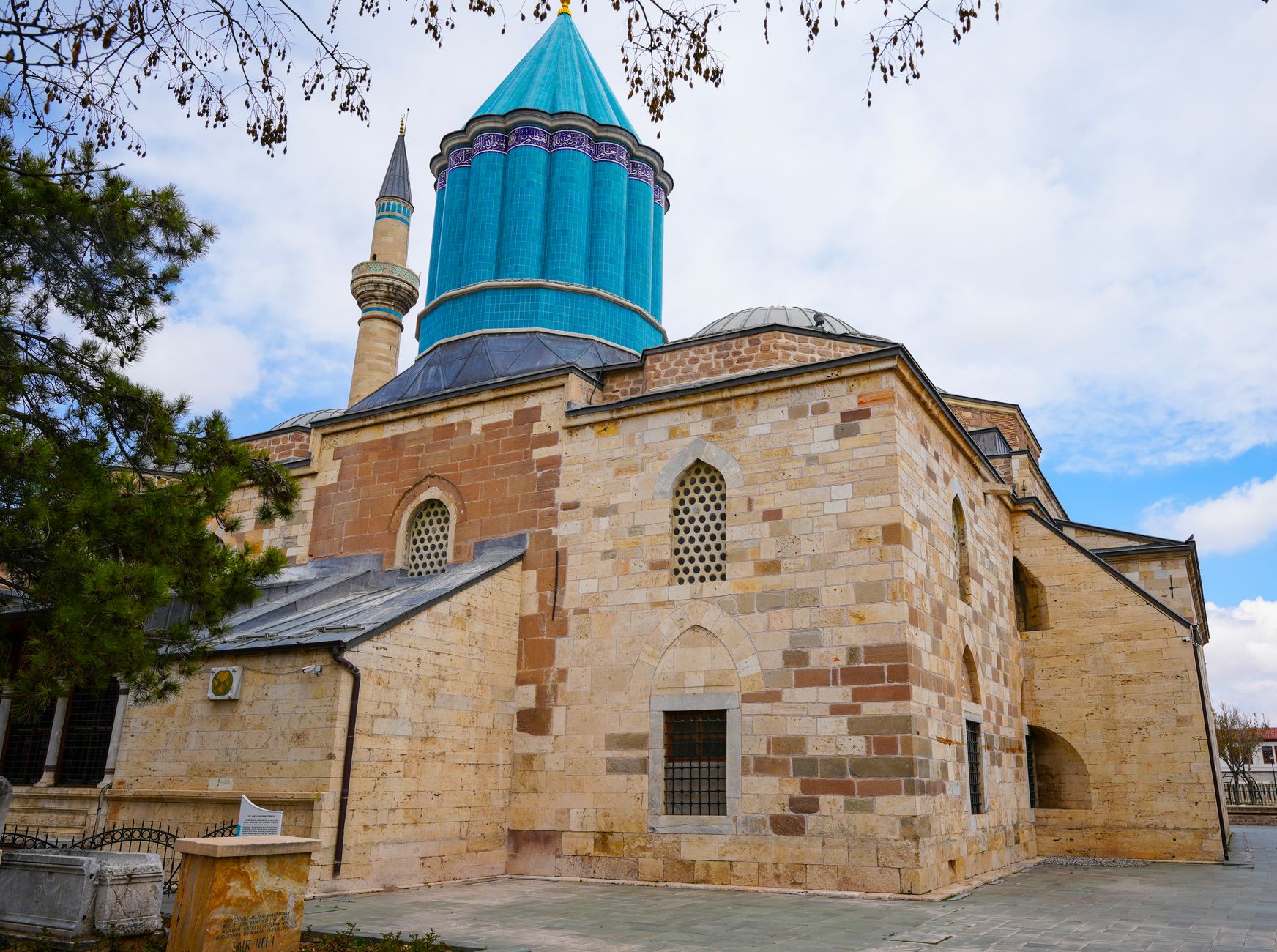
Konya, a city steeped in Seljuk and Ottoman history, is also a powerhouse of carpet weaving. Here, the Konya Women's Weaving Cooperative (Konya Kadın Dokuma Kooperatifi) stands as a beacon of female empowerment. Founded in the early 2000s, the co-op supports over 200 women across surrounding villages, providing them with looms, high-quality wool and silk, and a fair wage. The carpets from this region are known for their tight knots, rich colors from natural dyes, and geometric patterns that echo the tiles of the Mevlana Museum.
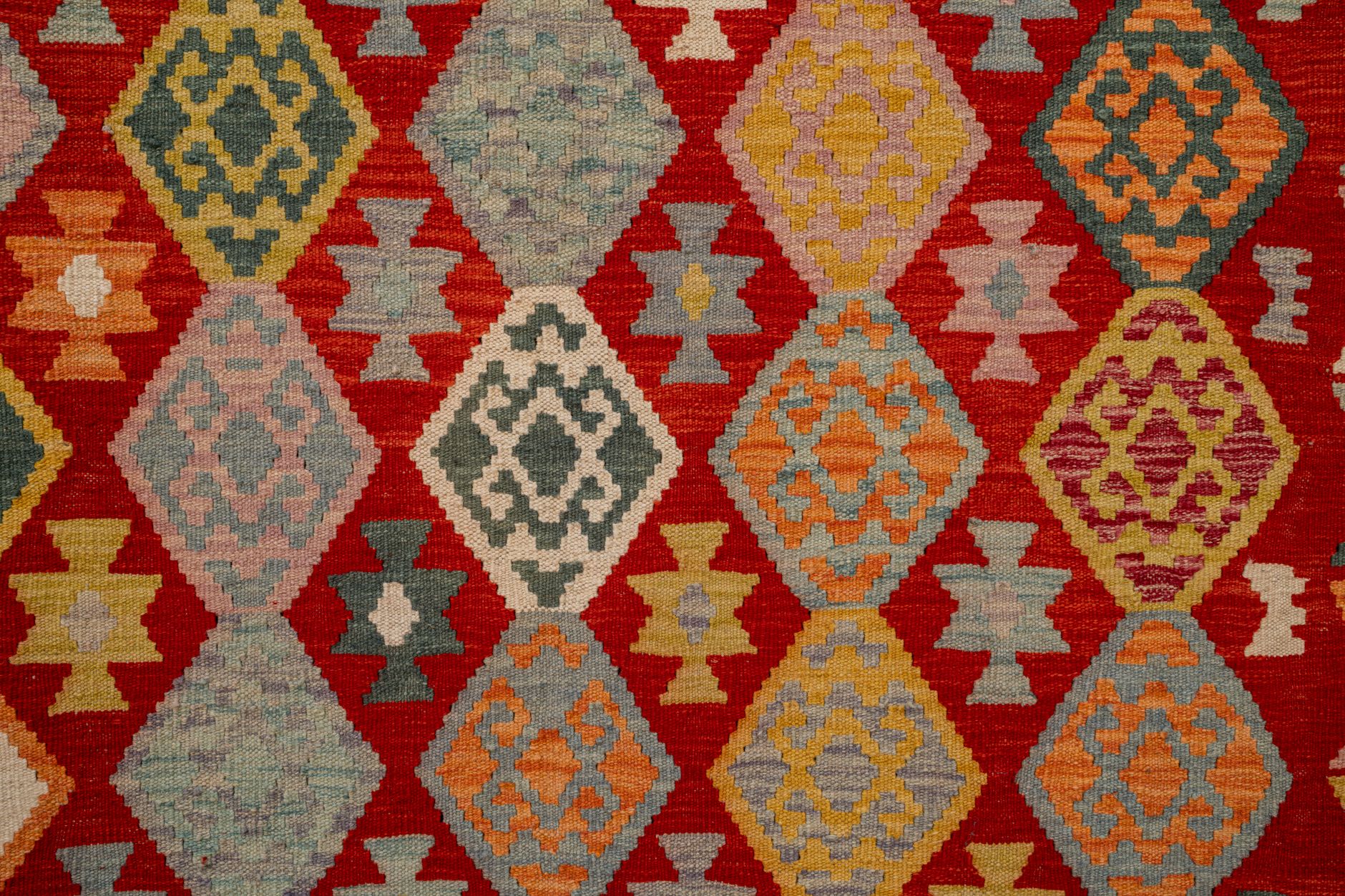
When you visit, you'll be welcomed with tea and a seat beside a loom. The women are proud to demonstrate their technique, which often involves knotting up to 100 knots per square centimeter. They'll explain how motifs like the elibelinde (hands on hips) symbolize fertility and motherhood, or how the koçboynuzu (ram's horn) represents power and protection. The atmosphere is warm and collaborative; many weavers bring their children, and the co-op functions as a second home.
What sets Konya's cooperatives apart is their commitment to education. They offer apprenticeships to young women, ensuring the craft doesn't die out. By purchasing a carpet here, you're directly supporting scholarships, healthcare, and literacy programs. It's a purchase with a purpose.
Van: The Heart of Kurdish Weaving and Resilience
Farther east, near the shimmering waters of Lake Van, another weaving tradition thrives. The Van Women's Weaving Atelier (Van Kadın Dokuma Atölyesi) was established in 2015 to provide economic independence for local Kurdish and Turkish women. The region is famous for its kilims and pile carpets, often featuring bold, tribal designs in deep reds, blues, and greens derived from madder root, indigo, and walnut husks.
The stories here are as powerful as the patterns. Many of the women are refugees or have faced hardship, and the atelier offers a safe space to heal through creativity. Fatma, a master weaver in her fifties, explains, "Each knot is a prayer, a memory, a hope. When I weave, I feel connected to my mother and grandmother." Visitors are invited to try their hand at knotting, though be prepared for humble laughter—it takes years to master.
Van carpets are typically coarser than those from Konya, but their rustic charm and vibrant colors make them highly sought after. The atelier also produces small kilims and cushion covers, perfect for travelers with limited luggage space. Every purchase comes with a certificate of authenticity and a photo of the weaver, so you know exactly who made your piece.

How to Arrange a Loom Visit: Etiquette and Practical Tips
To visit a weaving cooperative, it's best to plan ahead. Many co-ops have websites or social media pages (search for "Konya dokuma kooperatifi" or "Van kilim atölyesi"), but not all are tech-savvy. A better approach is to ask your hotel or a reputable local guide to arrange a visit. Alternatively, contact the Turkish Cultural Foundation or local municipalities, which often support these initiatives.
When you arrive, remember that you are a guest in their workspace. Always ask permission before taking photos, and avoid interrupting a weaver mid-row—it breaks their rhythm. Dress modestly, especially in more conservative areas. Bringing a small gift, like chocolates or pastries from a local bakery, is a kind gesture. Most importantly, be genuinely interested: ask about their families, their inspiration, and the meaning behind the motifs. The women are usually delighted to share.
Visits typically last one to two hours, and many co-ops offer workshops where you can try weaving a few rows yourself. Some, like the Konya co-op, have small showrooms, but there's no pressure to buy. The emphasis is on cultural exchange, not sales.
What Fair Prices Look Like: Understanding Value
Buying a hand-knotted carpet is an investment. Prices vary widely based on size, knot density, materials (wool, silk, or a blend), and the reputation of the weaver. As a rough guide, a small kilim (1x1.5 meters) might start at $200–$400, while a large, finely knotted silk carpet (2x3 meters) can range from $2,000 to $10,000 or more. In a cooperative, prices are usually fixed and fair—the weaver receives a significant portion, often 60–70%, which is far higher than in commercial bazaars.
Don't be afraid to ask how the price is calculated. A transparent co-op will explain the cost of materials, the hours of labor (a single carpet can take months), and the percentage that goes to the weaver. If you're unsure, request a certificate of authenticity that includes the weaver's name and the origin of the dyes. Avoid haggling aggressively; it's disrespectful in this context. Instead, if a piece is beyond your budget, consider a smaller item or simply express your admiration.
Remember that a carpet is not just a commodity—it's a piece of the weaver's soul. Paying a fair price honors her skill and ensures the tradition continues.
Shipping and Logistics: Getting Your Carpet Home
Most cooperatives offer shipping services, both domestic and international. For international shipping, expect to pay around $100–$300 depending on size and destination, with delivery in 2–6 weeks. The co-op will handle customs paperwork, but you may need to pay import duties upon arrival. Always get a tracking number and keep the receipt.
If you prefer to carry your carpet, consider a foldable kilim or a small runner. For larger carpets, airlines may allow them as checked luggage for an extra fee, but check the dimensions. Alternatively, you can use a shipping agent in Istanbul or Ankara. Some co-ops partner with DHL or UPS, but local post (PTT) is cheaper, though slower.
Before you leave, ask for a care guide. Hand-knotted carpets should be vacuumed gently and professionally cleaned every few years. The co-op can recommend cleaners in your home country.
Questions to Ask: Deepening the Exchange
To turn your visit into a meaningful cultural exchange, come prepared with thoughtful questions. Here are some to get you started:
- What inspired this particular pattern? (You'll often hear stories of family, nature, or dreams.)
- How long did this carpet take to weave? (Answers range from weeks to years.)
- What natural dyes do you use, and where do you source them?
- How did you learn to weave? (Many learned from mothers and grandmothers.)
- What challenges do women weavers face today? (You'll gain insight into economic and social issues.)
- How has the cooperative changed your life? (Prepare for heartfelt answers.)
These questions show respect and open the door to genuine connection. Often, the weavers will ask about your life, too—be ready to share.
Finally, consider staying in touch. Many co-ops have email or WhatsApp, and they love receiving photos of their carpets in your home. This ongoing relationship is the true treasure of your visit.
Conclusion: Weaving a Better World
In a world of mass production, Türkiye's women-led weaving cooperatives are a testament to the power of slow craft and community. By visiting, learning, and buying directly from the makers, you become part of their story. You're not just bringing home a carpet; you're carrying a piece of Anatolian heritage, woven with love and resilience.
So go—sit beside a loom, sip tea, and listen. The knots may be tiny, but the impact is immense.
Thinking about a trip to Turkey?
Share your contact details and a vetted local expert will follow up with a plan built around you — free, no obligation.