

Beneath Türkiye's sunlit landscapes lies a hidden world of caves, tunnels and rock-cut chambers that feel like something from a fantasy novel. While Cappadocia gets most of the attention—and rightly so, with its sprawling underground cities—the country is speckled with show caves, sea grottoes and cave hotels that offer a different kind of magic. For families, curious travelers and anyone who loves a little subterranean adventure, these caves are accessible, awe-inspiring and surprisingly comfortable.
This guide takes you beyond the postcard views to explore the best caves you can actually visit: the famous underground cities of Cappadocia, lesser-known show caves like Karain, Damlataş and Ballıca, and the unique experience of dining or sleeping inside a cave. We'll cover practical details—accessibility, lighting, temperatures and family suitability—so you can plan a trip that's as smooth as it is magical.
Why Türkiye Is a Cave Lover's Paradise
Türkiye sits on a geological patchwork of limestone, volcanic tuff and karst landscapes. Over millions of years, water and wind carved out thousands of caves, from vast underground networks to delicate crystal formations. Civilizations as far back as the Hittites, Phrygians and early Christians expanded these natural voids into cities, churches, monasteries and hiding places. That combination of natural wonder and human history makes Turkish caves uniquely compelling.
Today, many of these sites are developed for tourism with walkways, lighting and guided tours. You don't need to be a spelunker to enjoy them. Whether you're traveling with kids, grandparents or a group of friends, there's a cave experience for every comfort level. And because Türkiye is a year-round destination, caves offer a cool retreat in summer and a sheltered escape in winter.
Perhaps the best part? You can pair cave visits with Turkey's famous hospitality—think cave hotels with cozy rooms, and restaurants where you dine by candlelight under centuries-old rock ceilings. It's a family-friendly way to experience geology, history and a touch of mystery all at once.
Cappadocia's Underground Cities: Derinkuyu and Kaymaklı
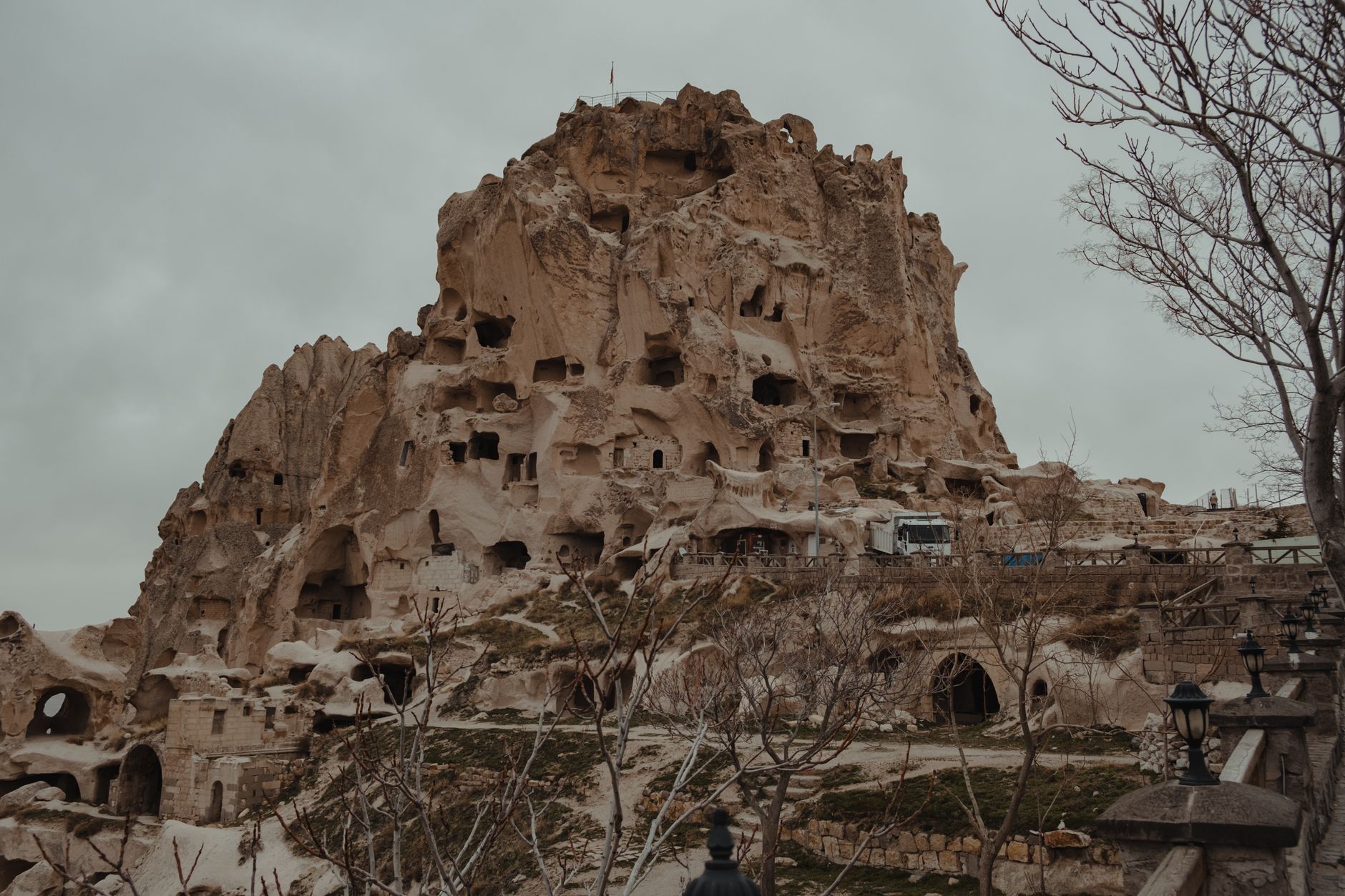
The underground cities of Cappadocia are the undisputed stars of Turkey's cave world. Derinkuyu is the deepest, plunging about 85 meters (280 feet) across multiple levels. It once sheltered up to 20,000 people along with their livestock, with stables, cellars, churches, schools and even a winery. Kaymaklı, the largest, is a labyrinth of tunnels and rooms that feels like a giant anthill carved into soft volcanic rock.
Visiting is straightforward but requires some agility. The passages are narrow, ceilings are low in places, and you'll descend steep stairs. Claustrophobic travelers should take it slow; the good news is that both cities have well-marked routes and you can exit at various points. Lighting is artificial and generally good, though some corners are dim, so watch your step. The temperature inside stays around 13–15°C (55–59°F) year-round—bring a light jacket even in summer.
For families, Derinkuyu and Kaymaklı are fascinating but not stroller-friendly. Toddlers can be carried in a carrier, but the uneven stairs make it tough. Older kids (ages 6+) usually love the adventure, especially the rolling stone doors and secret passages. Plan about 1–1.5 hours per city. If you're short on time, Kaymaklı is slightly easier to navigate; Derinkuyu is more dramatic.
Nearby, the Underground City of Özkonak and Mazı are less crowded alternatives. They offer similar features with fewer tour groups. Whichever you choose, go early in the day to avoid the midday rush, and consider hiring a local guide to bring the history to life.
Show Caves Beyond Cappadocia: Karain, Damlataş and Ballıca
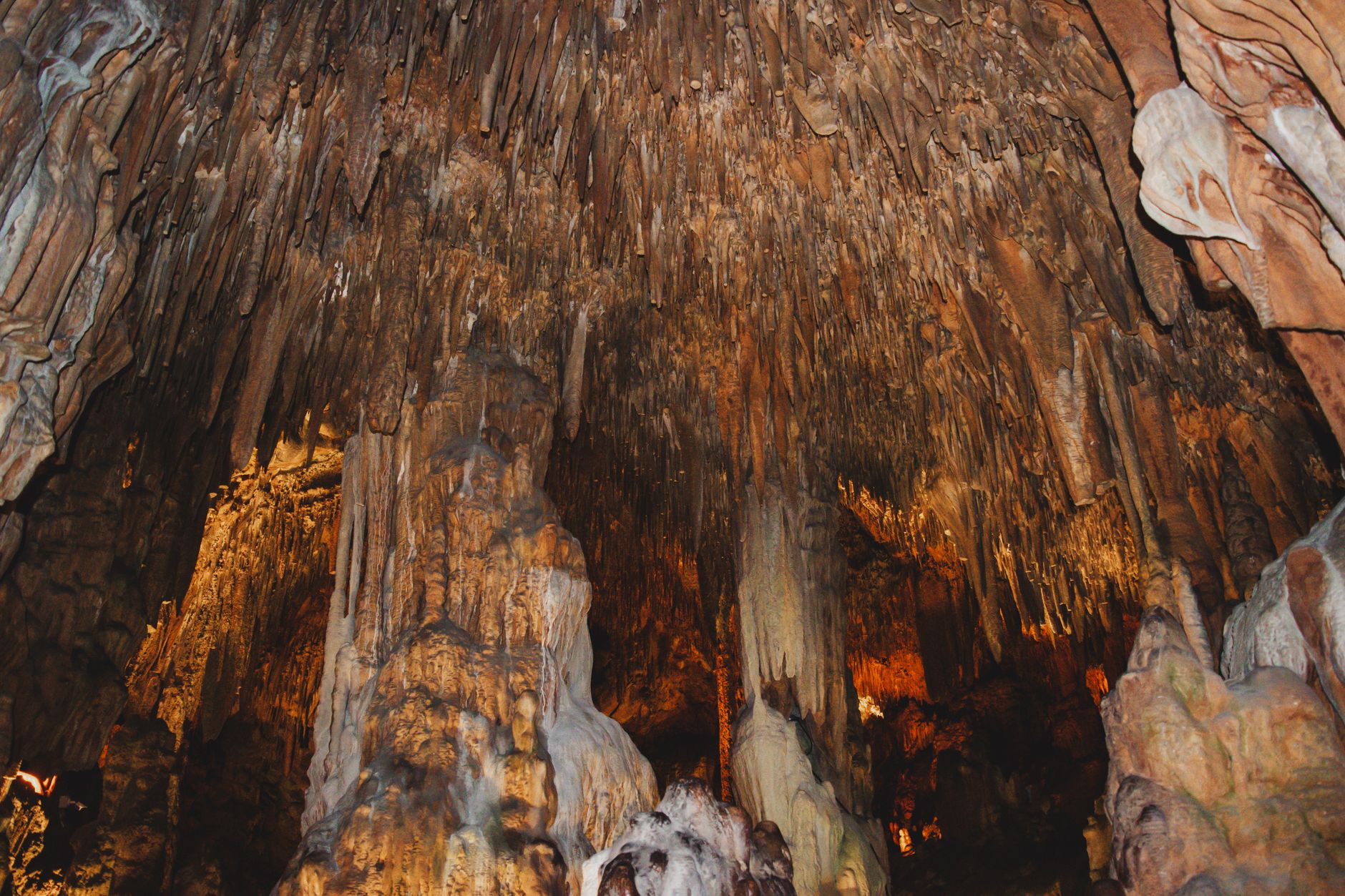
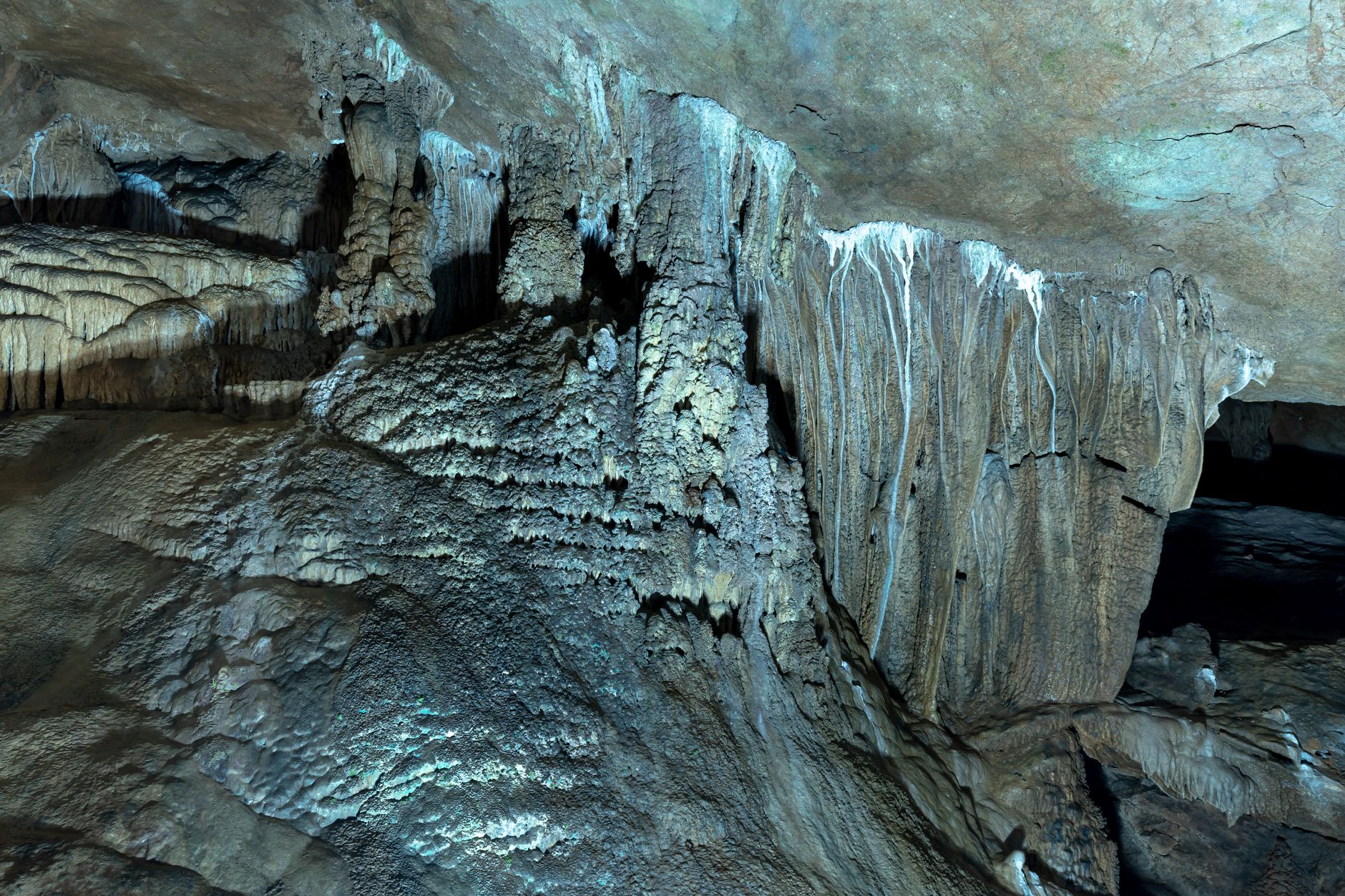
Cappadocia isn't the only place to go underground. Türkiye has a network of show caves—natural caves developed with walkways, lighting and safety rails—that are perfect for families and casual visitors. These caves are cooler, often less crowded, and packed with dramatic stalactites, stalagmites and underground lakes.
Karain Cave: A Prehistoric Home
Located about 27 km northwest of Antalya, Karain Cave is one of Turkey's most important prehistoric sites. Humans lived here as far back as the Paleolithic era, and excavations have uncovered tools, bones and artifacts. The cave itself is a large, dry chamber with a wide entrance that lets in natural light, making it ideal for those who dislike enclosed spaces. The walk up involves a series of steps, but the path is paved. Inside, the temperature is mild (around 15–18°C), and the views over the surrounding valley are lovely. It's a great educational stop for kids, combining fresh air with ancient history.
Damlataş Cave: The Asthma Cave of Alanya
Damlataş Cave sits right in the heart of Alanya, just a short walk from Cleopatra Beach. Discovered in 1948 during quarrying, it's famous for its high humidity (around 95%) and relatively stable temperature (22–23°C). The cave is small but stunning, with thousands of stalactites and a mesmerizing play of light. It's often recommended for asthma sufferers due to the humid, mineral-rich air. The entrance is via a tunnel with steps, and inside there are walkways and railings. It's very family-friendly—you can visit in 30 minutes—and its central location makes it an easy add-on to a beach day. Note that the cave can feel slippery; wear shoes with good grip.
Ballıca Cave: A Fairytale of Formations
Near Tokat in the Black Sea region, Ballıca Cave is widely considered one of Turkey's most beautiful. It's a multi-level wonder with delicate crystal formations, cave pearls, and a famous "mushroom" stalagmite. The lighting is artistic and dramatic, creating a magical atmosphere. The cave is well-developed with wooden walkways and stairs, but it involves a fair amount of climbing—about 300 steps in total. Temperatures hover around 14–16°C. It's suitable for kids who can handle stairs, but not for strollers or those with mobility issues. The site also has a visitor center and café. It's a bit off the beaten path, but worth the detour if you're exploring the Black Sea coast.
Other Notable Caves Worth a Visit
Türkiye's cave portfolio is vast. Here are a few more that deserve a spot on your itinerary:
- Altınbeşik Cave (Antalya): One of the largest underground lakes in the world, accessible by boat. The cave is partially flooded and offers a surreal boat ride through chambers. Best in spring when water levels are high. Not ideal for very young children due to boat safety requirements.
- İnsuyu Cave (Burdur): A large, horizontal cave with easy walking paths, an underground lake and a restaurant at the entrance. Very family-friendly and less claustrophobic.
- Yerköprü Cave (Konya): A massive sinkhole with a turquoise river and a waterfall. You can walk along a suspended platform. It's more of an open-air natural monument than a traditional cave, but spectacular.
- Dupnisa Cave (Kırklareli): A river cave in the Strandja Mountains, famed for its huge entrance and bat population (you'll see them, but they're harmless). The interior is cool and wet; bring a waterproof jacket.
- Cehennem and Cennet Caves (Mersin): Two large sinkholes near Narlıkuyu. Cennet (Heaven) has a church at the bottom and a walkway; Cehennem (Hell) is a sheer pit you view from above. A unique geological experience.
When visiting any show cave, remember that lighting is often timed or motion-activated—avoid touching formations, as oils from your skin can damage them. Also, check opening hours, as some caves close seasonally or during bad weather.
Sleeping in a Cave: Cave Hotels of Cappadocia
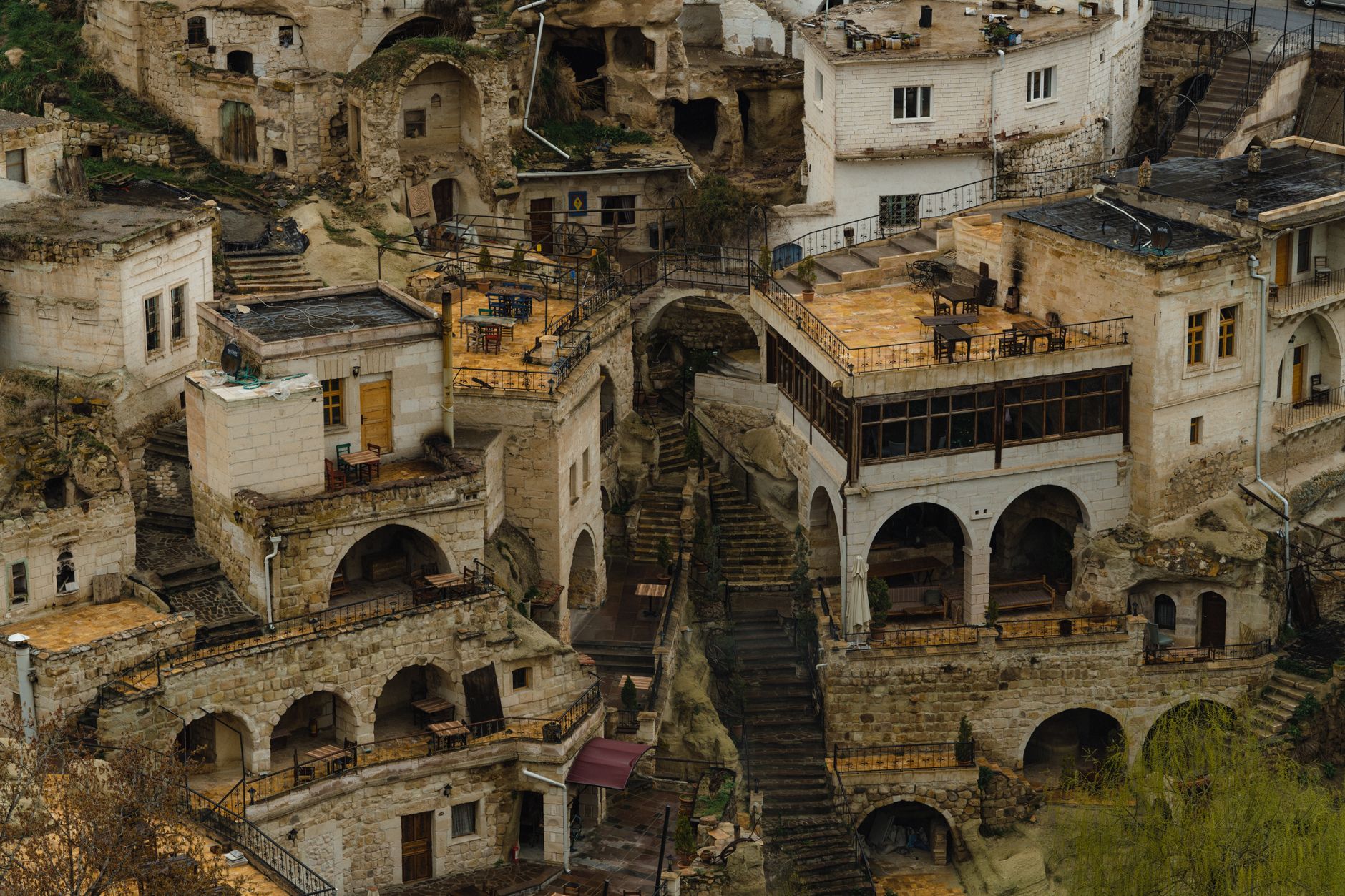
One of the most magical experiences in Türkiye is staying in a cave hotel. Cappadocia is dotted with boutique hotels carved into the soft volcanic rock, offering rooms with arched ceilings, stone walls and modern comforts like Jacuzzis and Wi-Fi. Many are in the towns of Göreme, Uçhisar, Ürgüp and Ortahisar.
These aren't damp, dark holes—they're thoughtfully designed, often with windows, heating and luxurious bedding. Cave rooms stay naturally cool in summer and warm in winter, though some can feel a bit humid. For families, many cave hotels offer family suites and are happy to arrange cribs. The experience is unforgettable: you're sleeping inside a piece of geological history that's thousands of years old.
Prices range from budget-friendly pensions to ultra-luxury suites. Book early in high season (April–June, September–October). If you're traveling with young children, ask about accessibility—some cave rooms have uneven floors or steep stairs. But for most, the thrill of a cave stay outweighs minor inconveniences.
Cave Restaurants: Dining Under Rock Ceilings
You don't have to sleep in a cave to enjoy one. Across Türkiye, especially in Cappadocia and Istanbul, cave restaurants serve everything from traditional Anatolian cuisine to fine dining. In Cappadocia, many restaurants occupy old cave dwellings or rock-cut halls, with flickering candles and live music. The atmosphere is romantic and family-friendly—kids are usually welcome, and the novelty of eating inside a cave is a hit with all ages.
In Istanbul, you'll find cave-themed restaurants like Asitane (near Chora Church) or Khorasani, offering Ottoman and regional dishes in vaulted stone rooms. These are more architectural than natural caves, but they capture the same cozy, historic vibe. For an authentic cave dining experience, head to Göreme or Ürgüp, where restaurants like Seten Anadolu Mutfağı and Topdeck Cave Restaurant serve mezes, kebabs and pottery stews in intimate rock-carved settings.
Reservations are recommended, especially for dinner. Vegetarian and kid-friendly options are plentiful. Be mindful that some cave restaurants have low ceilings and narrow passages—check if you have mobility concerns.
Practical Tips for Visiting Turkish Caves
Accessibility: Many show caves have made efforts to improve access, but few are fully wheelchair-friendly due to stairs and uneven terrain. Derinkuyu and Kaymaklı are not wheelchair accessible. Ballıca and Damlataş have steps. Always check ahead. For those with limited mobility, İnsuyu Cave and Karain Cave are relatively easier, but still involve some walking.
Lighting: Show caves use artificial lighting, often dramatic but sometimes dim. Bring a small flashlight or use your phone. In underground cities, lighting is functional but can be patchy. Never rely on flash photography inside delicate caves—it's often prohibited.
Temperature: Caves maintain a constant temperature year-round, typically 13–18°C (55–65°F). In summer, this feels refreshing; in winter, it's milder than outside but still cool. Wear layers and sturdy shoes. Humidity varies: Damlataş is very humid, while Karain is dry.
Family Suitability: Most show caves are fine for children aged 5 and up. Toddlers can be carried but strollers are impractical. Underground cities can be claustrophobic; gauge your child's comfort. Cave hotels and restaurants are generally very family-friendly.
Best Time to Visit: Spring (April–May) and autumn (September–October) offer mild weather and fewer crowds. Summer is hot above ground but caves remain cool. Winter can be chilly but caves are still accessible, and some, like Ballıca, are open year-round.
Guided Tours: For underground cities and remote caves, a local guide is invaluable. They provide context, ensure safety and can tailor the pace to your group. Many tours are available from Göreme, Antalya, Alanya and Tokat.
Planning Your Cave Adventure
To make the most of Türkiye's caves, consider a route that combines Cappadocia's underground cities with a show cave or two along the coast or in the Black Sea region. For example, fly into Kayseri or Nevşehir for Cappadocia, then drive or fly to Antalya for Karain and Damlataş, and perhaps continue to Alanya for a beach break. If you're heading north, Ballıca is a worthwhile detour from Tokat or Amasya.
Accommodation ranges from cave hotels to regular resorts, so you can mix luxury and adventure. And don't forget to try cave dining—it's a memory-maker. Whether you're a geology buff, a history lover or just looking for a unique family activity, Türkiye's caves deliver a sense of wonder that's hard to match.
So pack a light jacket, comfortable shoes and a sense of curiosity. Türkiye's underground world is waiting—and it's more magical, and more accessible, than you might imagine.
Thinking about a trip to Turkey?
Share your contact details and a vetted local expert will follow up with a plan built around you — free, no obligation.