

Why Türkiye Is a Dream for Families Who Love Festivals
Türkiye has a secret superpower when it comes to family travel: it genuinely adores children. From the moment you arrive, you'll notice kids are welcomed everywhere — at tea gardens, in bazaars, on ferries, and especially at festivals. The country's most famous celebration, April 23 National Sovereignty and Children's Day, is the world's only national holiday dedicated to children, and it sets the tone for a year-round calendar of kid-friendly cultural events.
What makes Türkiye so special for traveling families is the mix of grand public celebrations and intimate local traditions. One day you might watch thousands of children perform in a stadium in Ankara; the next you're in a small Aegean town watching a shadow-puppet show in a courtyard, eating lokma (sweet fried dough) while your toddler claps along. This guide will help you plan around these events, choose age-appropriate activities, find accessible venues, and join in respectfully.
Best of all, most children's festivals are free or very low-cost, and they're designed to include visitors. You don't need special tickets or insider knowledge — just curiosity, a bit of flexibility, and a willingness to clap, dance, and maybe get your face painted.
April 23: National Sovereignty and Children's Day
If you plan only one family trip around a festival, make it this one. On April 23, Türkiye celebrates the founding of its parliament in 1920 and, more joyfully, honors children as the future of the nation. Schools across the country prepare for weeks, and the result is a nationwide explosion of parades, performances, and smiles.
In Ankara, the official heart of the celebrations, children from many countries are invited to stay with Turkish families and perform in traditional costumes. In Istanbul, you'll find huge events in parks and squares, including concerts, dance troupes, and the symbolic tradition where children take over official roles — you might see a kid "mayor" or "governor" for a day. In Izmir, coastal parades and kite-flying events draw crowds. Even small towns host school marches, poetry readings, and street performances.
For parents, the practical magic is this: the entire country is oriented around children for the day. Strollers are welcomed, crowds are generally patient, and there are endless snacks. Arrive early for the biggest parades, claim a shady spot, and bring a light blanket to sit on. If your child is sensitive to noise, pack small ear defenders — drums and horns are part of the fun.
Tip: April 23 falls in spring, so pack layers. Mornings can be cool, afternoons warm, and sudden showers are possible in Istanbul and the Black Sea region.
Puppet Theatres and Shadow Play: Karagöz and Hacivat
Türkiye's traditional shadow puppetry, Karagöz and Hacivat, is a UNESCO-recognized art form and a perfect introduction to Turkish culture for young children. The two characters — clever but cheeky Karagöz and well-spoken Hacivat — trade jokes and riddles behind a lit screen, their silhouettes bouncing to the rhythm of a single puppeteer.
You can find Karagöz performances in Istanbul at cultural centers, in the courtyards of mosques during Ramadan, and at dedicated puppet theatres. Bursa, the city where the tradition is said to have originated, has a Karagöz museum and regular shows. In Ankara, the State Puppet Theatre performs both traditional and modern pieces for kids.
Shows usually last 30–45 minutes, which is ideal for toddlers and preschoolers. The language is often playful and visual, so even if your Turkish is limited, children can follow the action. After the show, many venues let kids peek behind the screen and try handling a puppet — a highlight for budding performers.
Check local listings for gölge oyunu (shadow play) or kukla tiyatrosu (puppet theatre). Tickets are inexpensive, and some municipality-run theatres are free. Arrive 15 minutes early to get front-row floor cushions, where kids can sit close to the action.
Story Festivals and Children's Book Events
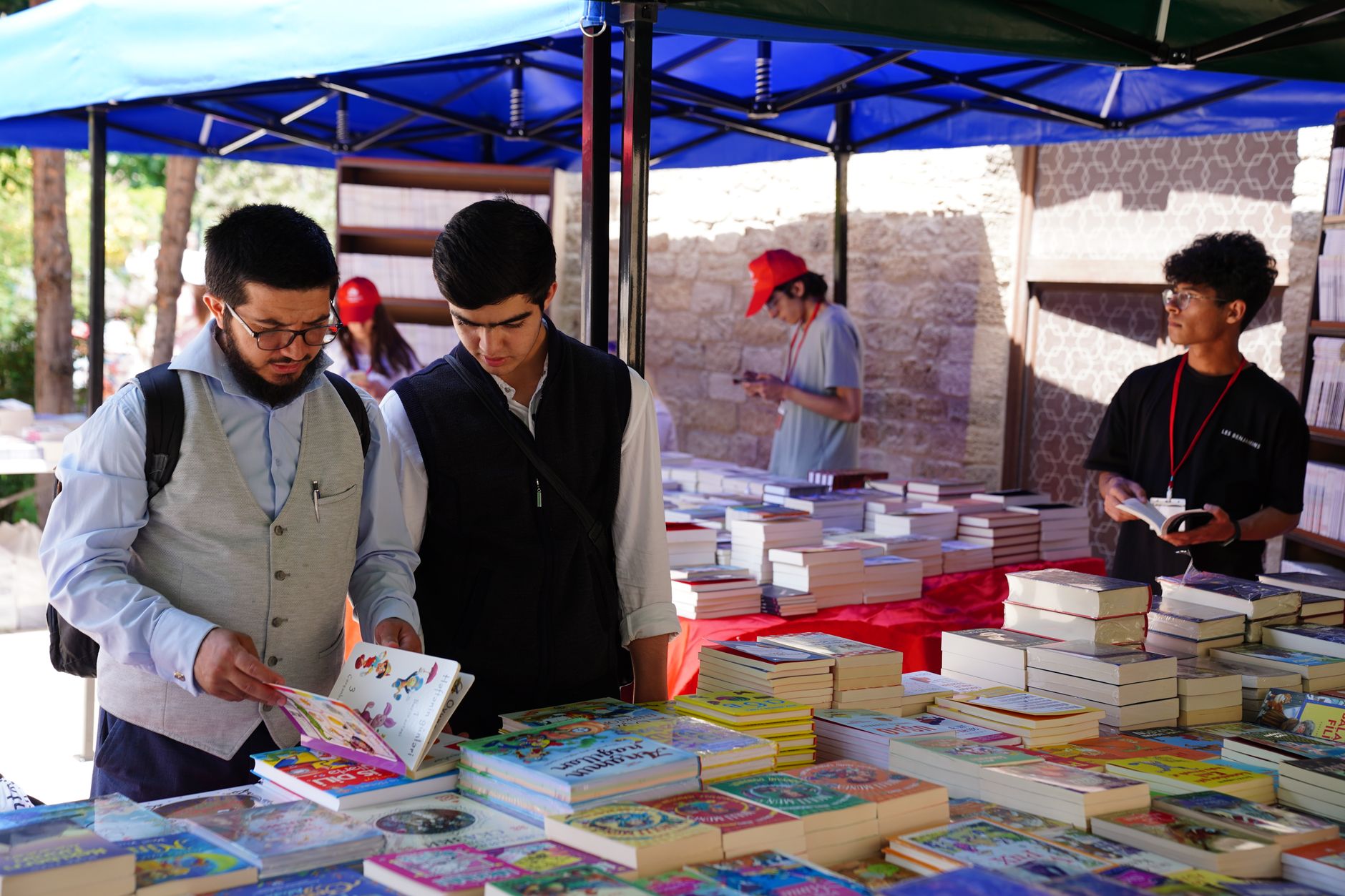
Türkiye's love of storytelling goes far beyond puppets. In recent years, cities across the country have launched children's book festivals and storytelling days that are wonderfully welcoming to visiting families. Istanbul hosts several, often in spring and autumn, with author readings, illustration workshops, and interactive story corners in multiple languages.
In Izmir, the international book fair includes a dedicated children's hall with costume characters, craft tables, and stage performances. Eskişehir, a university city known for its lively arts scene, runs story festivals along its canals, where kids can hop between tents listening to tales from Anatolian folklore. Smaller towns in Cappadocia and the Black Sea region sometimes host weekend story circles in libraries and cultural houses.
These events are usually free and drop-in. They're a great way to meet local families and let your kids play while you sip çay. If a session is in Turkish, don't worry — many storytellers use puppets, songs, and gestures that transcend language. Encourage your child to join in with clapping or repeating refrains; it's warmly received.
For bilingual families, look for events labeled çok dilli (multilingual). Istanbul's larger festivals often include English, Arabic, and Kurdish sessions, reflecting the country's rich mix.
Other Family-Friendly Cultural Events Throughout the Year
Beyond April 23, Türkiye's calendar is dotted with celebrations that welcome children. Ramadan Bayramı (Eid al-Fitr) and Kurban Bayramı (Eid al-Adha) are family-centric holidays when neighborhoods come alive with sweets, visits, and small fairs. Kids receive treats, wear new clothes, and join in the gentle traditions of greeting elders.
Hıdırellez, celebrated on the night of May 5–6, marks the arrival of spring. Families gather around bonfires, jump over flames for good luck, and make wishes. It's magical for children, though parents should supervise closely around fires. In Istanbul, the Ahırkapı Hıdırellez festival is particularly colorful.
Summer brings open-air cinema and children's theatre festivals in coastal towns like Bodrum, Çeşme, and Antalya. Autumn features International Istanbul Biennial family workshops and Ankara's children's film festival. Winter offers New Year's street markets with carol singing and puppet shows.
No matter the season, check with local belediye (municipality) culture desks — they publish free family event calendars. Hotel concierges and family-friendly tour guides can also point you to hidden gems.
Practical Tips for Parents: Ages, Access, and Respectful Participation
Choosing Age-Appropriate Activities
Toddlers (1–3): Short puppet shows, story circles with music, and park-based festivals work best. Skip long parades or loud concerts unless your child enjoys crowds. Bring a stroller and a carrier for naptime flexibility.
Preschoolers (4–6): This is the golden age for Karagöz, face painting, and costume parades. They'll love April 23 school performances. Look for hands-on craft tents where they can make paper puppets or paint tiles.
School-age (7–12): Kids can handle longer events, workshops, and even participating in some festivals. Story festivals with author Q&As, folklore dance classes, and museum kids' clubs are excellent.
Teens: They may prefer music festivals, street art tours, or youth theatre. Many cities have teen-oriented workshops during bigger cultural festivals.
Accessibility and Comfort
Major venues in Istanbul, Ankara, and Izmir are increasingly wheelchair-accessible, with ramps and accessible toilets. However, older buildings and cobblestone streets in historic districts can be challenging. If you need step-free access, contact venues ahead — many will reserve seating and assist.
Baby-changing facilities are common in shopping malls and newer museums but rare in small theatres. Pack a portable changing mat. Most festivals have shaded rest areas; bring water, snacks, and sun hats. In summer, avoid midday events.
Joining In Respectfully
Turkish festivals are inclusive, but a few courtesies go a long way. Ask before photographing other people's children — a smile and a gesture toward your camera usually suffices. During religious holidays, dress modestly when visiting mosques or homes. If you're invited to join a family meal or celebration, it's polite to accept a small taste even if you're full.
Teach your kids a few phrases: merhaba (hello), teşekkürler (thanks), and çok güzel (very nice). Locals will beam. And if your child is handed a sweet or a small gift, accepting it with a smile is the norm.
Finally, remember that festivals are living traditions. Participate with curiosity and warmth, and you'll be welcomed as part of the joy.
Sample Family-Friendly Festival Itinerary
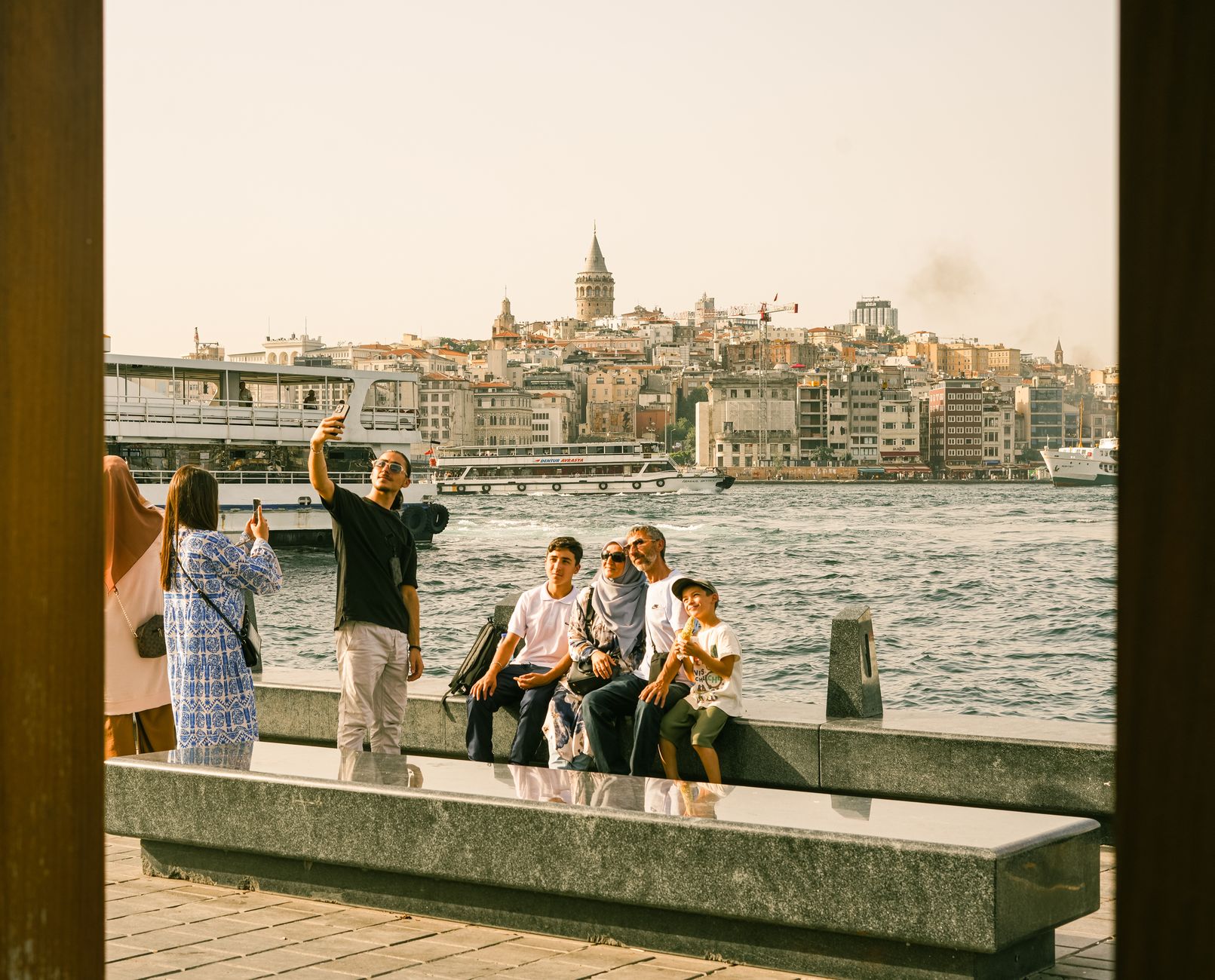
Day 1–2: Istanbul. Arrive and settle in Sultanahmet. Visit the Karagöz puppet theatre at a cultural center, then explore the Museum of Innocence's family workshops. Evening: stroll along the Bosphorus and grab dondurma (ice cream).
Day 3–4: Ankara (if April 23). Take the high-speed train. Join the Children's Day parade, watch international performances, and visit the Puppet Theatre. If not April, enjoy the Rahmi M. Koç Museum's kid-friendly exhibits.
Day 5–7: Izmir. Fly or drive to the coast. Attend a story festival or book fair. Spend an afternoon at the Kültürpark with its playgrounds and small amusement park. Take a day trip to Ephesus — kids love the ancient ruins and storytelling guides.
Day 8–10: Antalya or Bodrum. End with beach time and an open-air children's film or theatre evening. Many resorts run kids' clubs with cultural activities like tile painting or folk dance lessons.
This itinerary balances big festivals with relaxed family time, and it's flexible enough to adjust for nap schedules and moods. The key is to plan one anchor event per day, then leave room for spontaneous discovery — a puppet show you stumble upon, a street musician your child dances to, or a friendly local who invites you to share a plate of baklava.
Türkiye's children's festivals are more than entertainment; they're a window into a culture that treasures its youngest members. Come with an open heart, and your family will leave with memories — and probably a few new friends — to last a lifetime.
Thinking about a trip to Turkey?
Share your contact details and a vetted local expert will follow up with a plan built around you — free, no obligation.