

Ask any parent who has travelled in Türkiye with young children and you will hear the same happy refrain: the country's science centres, planetariums and nature museums are surprisingly affordable, genuinely hands-on, and staffed by people who light up when a six-year-old asks a question. From the moment a child pushes a button to watch a Tesla coil crackle to life or crouches to peer at a dinosaur skeleton, these spaces show how warmly Türkiye welcomes curious kids. This guide gathers the best of them, explains how to plan timing around naps, crowds and heat, and shows how to pair every visit with a nearby park so the day ends in fresh air and ice cream.
Why Türkiye Does Science Centres So Well for Families
Türkiye has invested heavily in science communication over the past two decades, and the result is a network of science centres that sit somewhere between a museum and a playground. Many are run by municipalities, universities or foundations, which keeps ticket prices refreshingly low, and several are free for children under a certain age. Exhibits are usually bilingual, with Turkish and English labels, and explainer staff often speak enough English to guide an enthusiastic child through an experiment.
What families notice first is the tone. These are places built for touching, lifting, cranking and shouting with delight. You will find pulleys to haul yourself into the air, whisper dishes that carry a secret across a room, tornado tubes, earthquake simulators and shadow walls. Planetariums run short dome shows timed for short attention spans, and natural history museums combine taxidermy and fossils with live animals and touch tables.
The practical side is just as welcoming. Family tickets are common, cafes are cheap, strollers fit through most entrances, and staff rarely mind a child revisiting the same exhibit five times. If you are still shaping your trip, our family and practical guides pair nicely with this one, and our trip planner can help slot a science morning into a bigger itinerary.
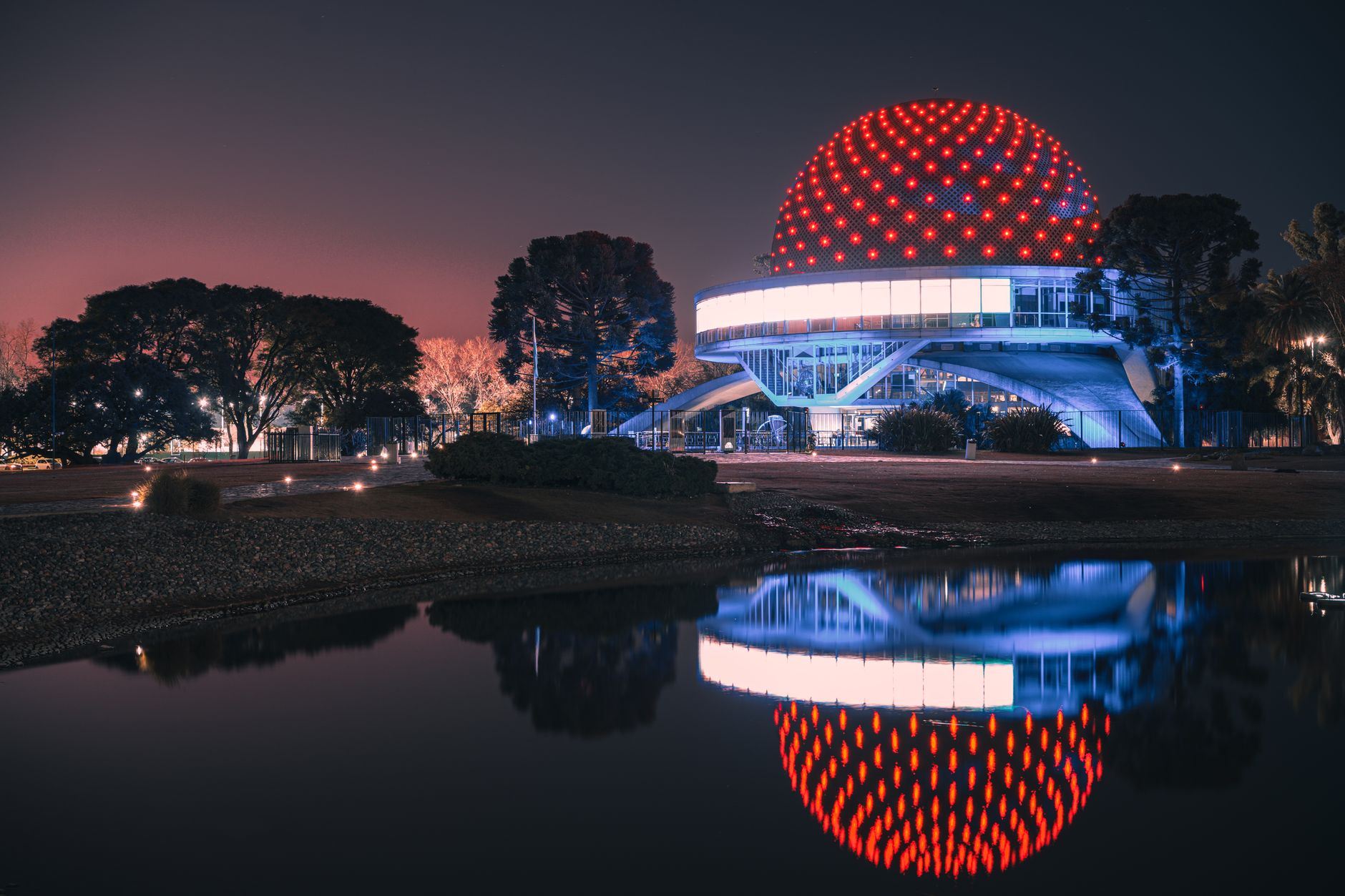
Istanbul: Planetariums, Discovery Centres and Green Escapes
Istanbul is the easiest place to start. The Istanbul Science Center at Hasdal, near the northern end of the metro network, is a purpose-built complex with themed galleries on physics, the human body, space and technology, plus workshops where children build and launch small rockets. A short ride away, the nearby green corridors of the Belgrade Forest area make a natural afternoon follow-up for a picnic and a run around.
On the European side, the Rahmi M. Koç Museum on the Golden Horn is a transport and industry treasure trove where children can climb aboard submarines, trams and planes, with hands-on science corners that reward an hour or two of exploring. It is a short taxi or bus ride from the cafés of Balat, so combine the visit with a wander and a simit stop.
For a shorter, city-centre option, several district municipalities run compact discovery centres with planetarium domes, often free or under a modest fee. Check opening hours the day before, since many close one weekday. Finish by heading to a riverside or seaside park: the lawns around Ortaköy, the gardens of Yıldız Park or the Bosphorus paths near Emirgan all work beautifully after a morning of buttons and buttons.
If you are new to the city, our destination pages give the wider neighbourhood context so you can plan a loop that does not criss-cross the traffic.
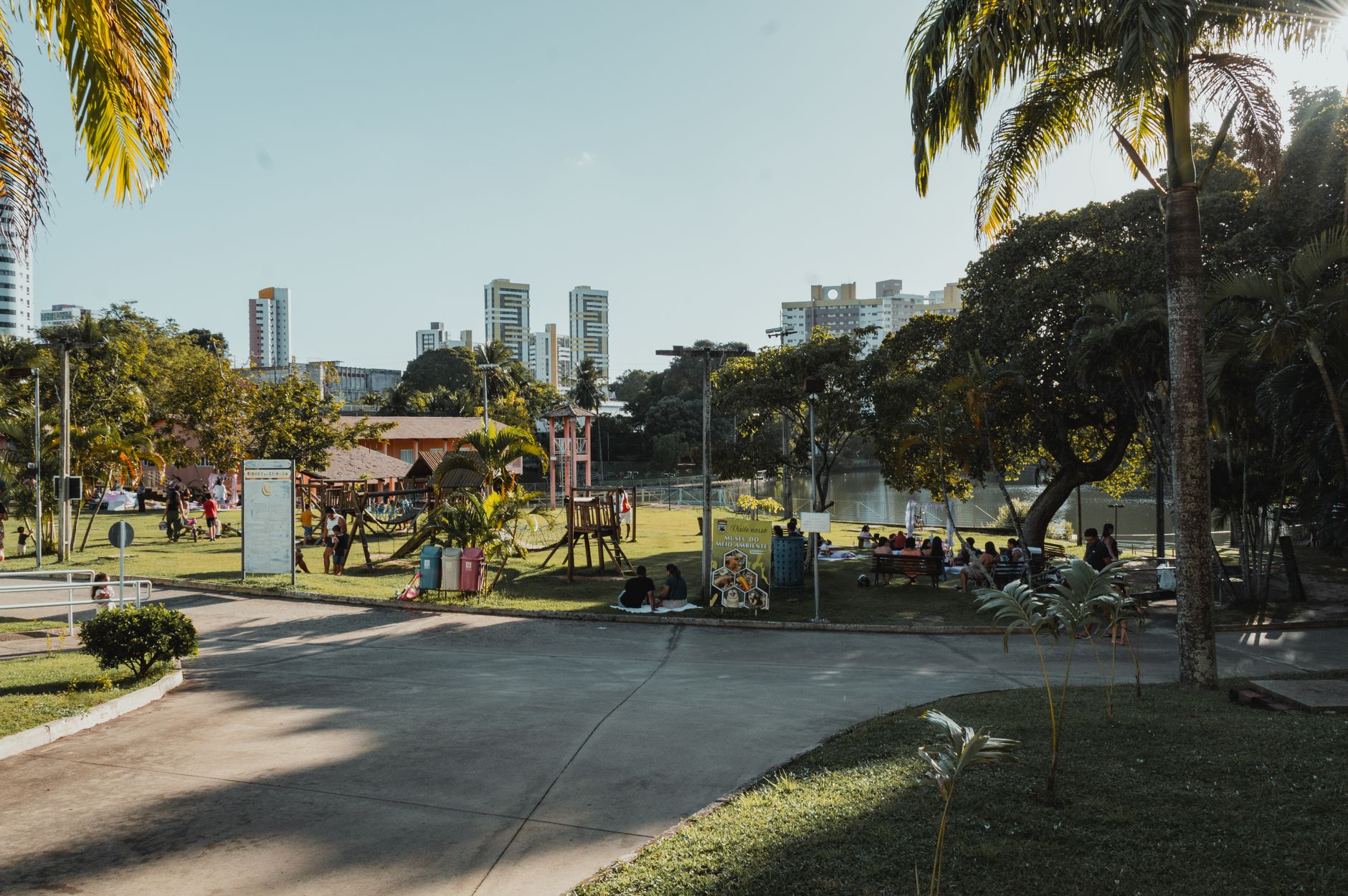
Ankara: The Big, Bold Science and Nature Day
Ankara is a serious contender for the best family science day in the country. The METU Science and Technology Museum on the Middle East Technical University campus has a charming, old-school collection of scientific instruments, motors and models that children can examine closely, and the leafy campus is a wonderful place for a picnic and a scooter ride.
Nearby, the Feza Gürsey Science Center is one of Türkiye's pioneering hands-on science centres, with mechanics, optics and electricity exhibits designed to be operated by visitors. Small planetarium shows and science demonstrations run through the day, and staff are used to school groups, which means they know exactly how to explain a concept to a curious eight-year-old.
Pair that with Ankara's natural history collections and university museums, where fossil casts, minerals and animal specimens give children a sense of scale that no screen can match. Then head outdoors: the Gençlik Parkı and the green expanse of Kızılay's parks and the Atatürk Orman Çiftliği are close enough for a late-afternoon playground stop. For broader city tips, see our blog.
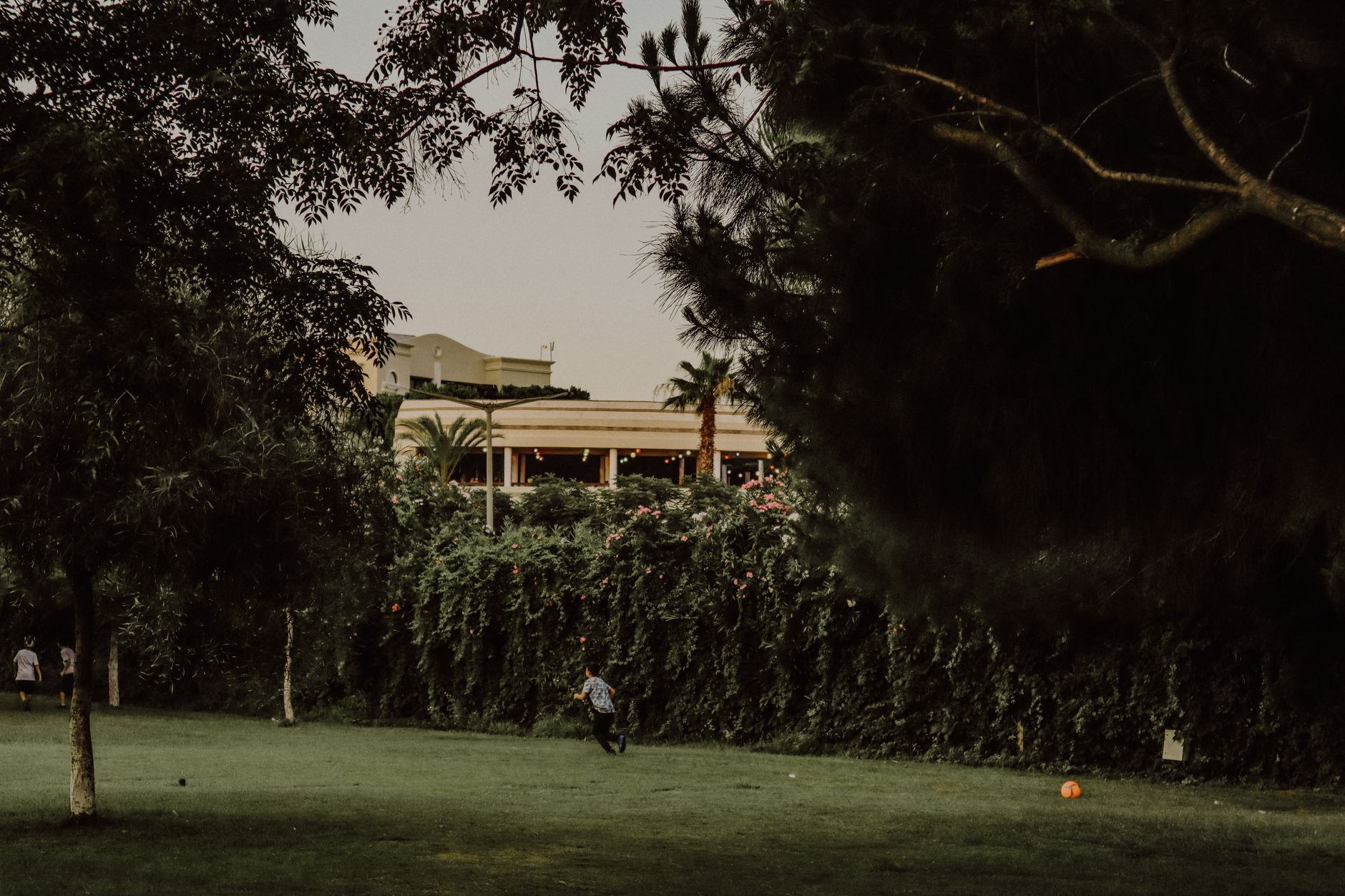
Izmir, Bursa and the Aegean: Seaside Science and Natural History
Izmir is a delight for families who want science with sea air. Municipal science and technology centres in the city run interactive galleries, robotics corners and weekend workshops for children, and the Natural History Museum on the Kültürpark side offers dinosaurs, minerals and dioramas. Kültürpark itself is the perfect pairing: a huge green lung with playgrounds, a small amusement park and plenty of shaded benches.
In Bursa, the science and technology centres run by the metropolitan municipality welcome families with experiment zones and short planetarium shows, and the nearby Bursa Zoo and botanical gardens extend the nature theme. The city's cable car and mountain parks make a magical second half of the day if the children still have energy.
Along the Aegean coast, smaller towns increasingly host nature interpretation centres and museums connected to wetlands, bird migration and marine life. These are low-cost, often free, and wonderful for children who prefer animals to gadgets. Combine with a beach or a birdwatching walk: the wetlands near Izmir and along the Aegean deltas are excellent in spring and autumn, and our best-time guide helps you pick the right season.
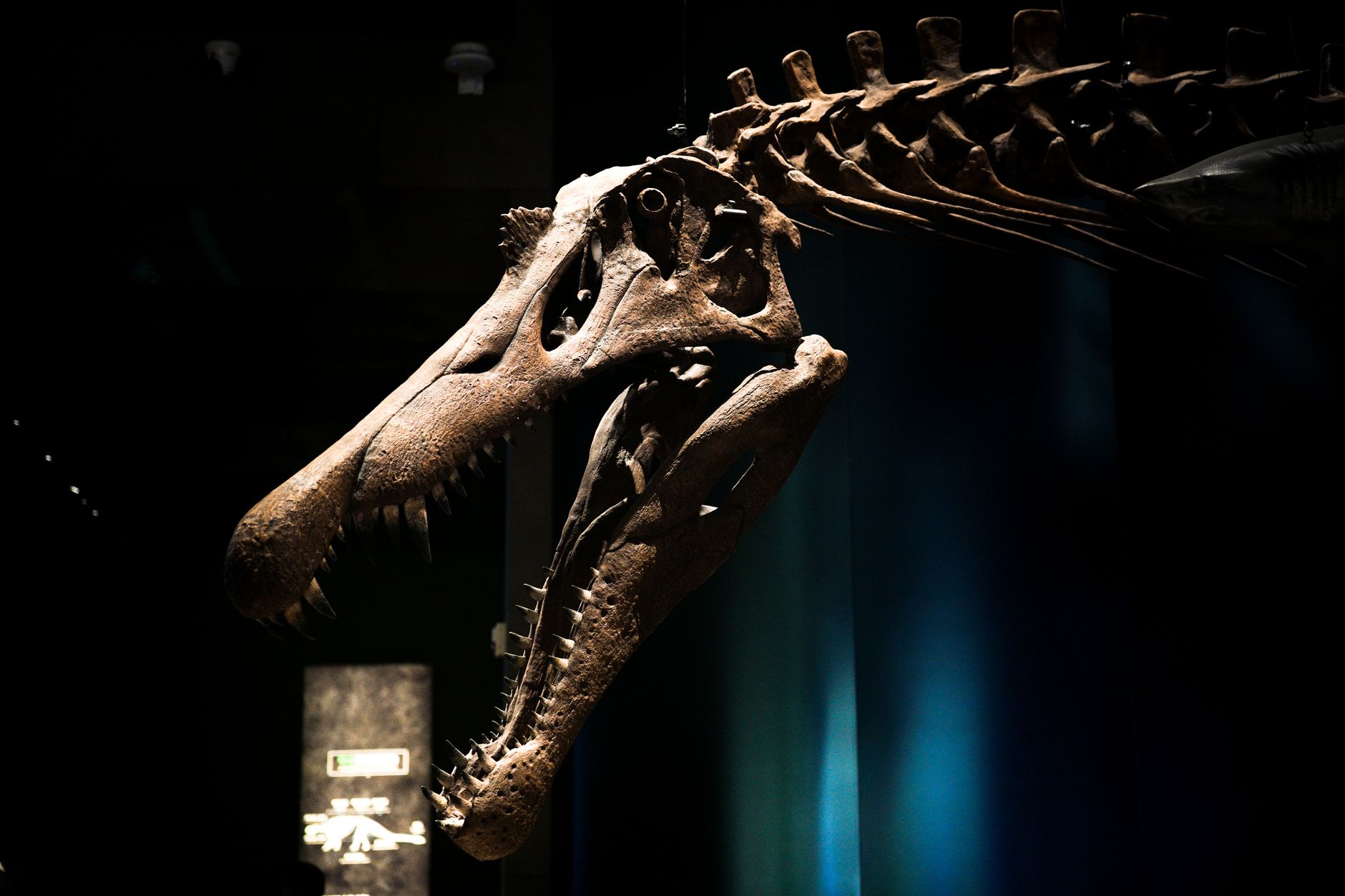
Anatolia's Nature Museums: Fossils, Wildlife and Wetlands
Inland Anatolia rewards families who venture beyond the big cities. Natural history museums in central and eastern cities display fossil replicas, mineral collections and dioramas of steppe wildlife, and local universities often run small museums open to the public. In regions with volcanic landscapes, geology exhibits bring home to children how a landscape is made, and nearby gorges, caves and fairy chimneys become the outdoor lab.
Wetland visitor centres, bird observatories and national park interpretation centres are the unsung heroes of family travel in Türkiye. They are usually free or very cheap, have short, well-marked trails, and offer binoculars or spotting scopes. A child who has just seen a diorama of a flamingo will remember the real thing far longer than any worksheet.
Bring layers and a small backpack: Anatolian mornings are cool even in summer, and a water bottle and snacks make all the difference. Our route ideas can help you string together a nature-and-museum road trip, and our travel tools cover the practical side of car hire and timetables.
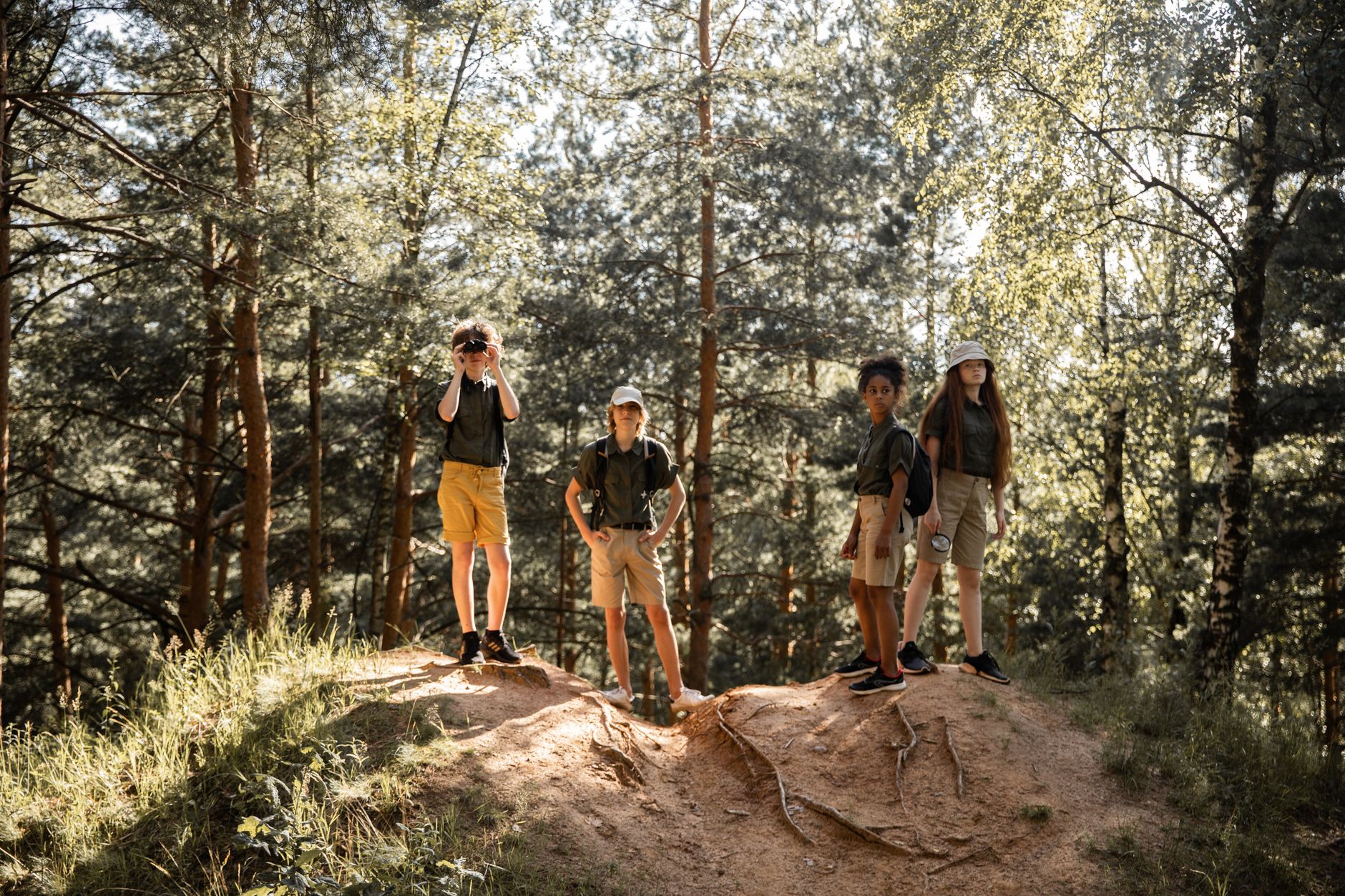
Timing Your Visit: The Golden Rules for Happy Families
Arrive at opening. Science centres fill with school groups between roughly 10:00 and 13:00 on weekdays in term time, and the calmest hours are the first 60 minutes and the last 90 minutes before closing. Many venues close one weekday, so check before you travel, and note that planetarium shows run on fixed schedules, often hourly, with tickets sold at the desk.
Aim for a two-hour exhibition block, a dome show of 20 to 30 minutes, and a workshop if one fits your child's age. Planetarium domes are dark and can frighten toddlers; sit near the exit and choose a short show. Keep an eye on the heat in July and August and plan indoor time between 12:00 and 15:00, when outdoor parks are at their hottest.
Weekends are busy, so go early or late, and buy tickets online where the venue allows. Most centres offer family tickets, and children under a certain age usually enter free. Bring a light cardigan for air-conditioned galleries and a snack for the café queue. Our FAQ answers common family questions about tickets and accessibility.
Pairing Museums with Parks: The Perfect Family Day
The secret to a memorable day is rhythm: intellectual morning, outdoor afternoon, and a gentle evening. Start with a hands-on gallery, break for lunch, then move to a park with a playground or a lakeside path. In Istanbul, combine a science centre with the gardens of Emirgan or the Bosphorus promenade; in Ankara, Gençlik Parkı and the Atatürk Orman Çiftliği; in Izmir, Kültürpark; in Bursa, the zoo and mountain parks.
Pack a simple picnic: bread, cheese, tomatoes, fruit and water. Turkish parks have benches, fountains and often small tea gardens where you can refuel while children run. Carry wet wipes, a spare T-shirt for younger children, and a small nature notebook so they can draw what they saw in the museum.
If you need help turning these ideas into a route, our itineraries and local experts can tailor a family-friendly plan, and the gallery offers inspiration for where to go next. For anyone curious about the country's wider cultural richness, our about page explains how we put these guides together.
Budget, Accessibility and Small Practicalities
Science and nature museums in Türkiye are among the best-value family attractions in the country. Expect modest entry fees, frequent family or combined tickets, and free entry for young children at many venues. Budget for a snack, a planetarium ticket and a taxi or metro fare, and you will still spend far less than a theme-park day.
Accessibility is improving quickly: newer centres have ramps, lifts and accessible toilets, and staff are generally helpful with strollers. Quiet corners exist in most galleries if a child needs a break, and cafés are usually happy to warm a bottle or provide water. Breastfeeding in public is common and accepted.
Finally, let children lead. The joy of these places is that a five-year-old can spend 20 minutes on a single exhibit and learn more than from a whole gallery walked at adult pace. Ask staff for the hands-on highlights, check the day's workshop board on arrival, and leave before anyone is tired. That way, the museum becomes a happy memory and the park becomes the reward. For more family-friendly planning, browse our trust and editorial notes and get in touch with questions. Türkiye's science and nature museums are waiting, and they are wonderfully welcoming to curious children.
Thinking about a trip to Turkey?
Share your contact details and a vetted local expert will follow up with a plan built around you — free, no obligation.