

Why Türkiye's Coast Was Made for Nights Under Canvas
There is a particular magic to sleeping outdoors in Türkiye. The air is soft and pine-scented, the sea glows turquoise even after sunset, and somewhere in the distance a fisherman's kettle whistles or a nightingale insists on one more song. Stretching from the windsurfing bays of Çeşme on the Aegean to the ancient lycian shores of Olympos, this coastline reads like a dream itinerary for campers, treehouse romantics and luxury glampers alike.
What makes it special is the sheer variety. You can pitch a tent between olive trees on a family-run kamping in the Bodrum peninsula, climb into a wooden treehouse beside a babbling stream in Olympos, or drift off in a bell tent with linen sheets and solar lanterns on a cliff above Kaş. All of it is affordable, all of it is welcoming, and almost all of it comes with a glass of çay you didn't ask for but will gratefully accept.
This guide walks you through the very best of coastal camping and glamping between Çeşme and Olympos, with practical advice on booking, facilities, and how to enjoy these fragile places with the respect they deserve.
The Aegean North: Çeşme, Alaçatı and the Windsurf Coast
The journey begins just an hour west of Izmir, where Çeşme juts into the Aegean and the meltemi wind turns the sea into a playground for sailors and windsurfers. Camping here is breezy, sociable and surprisingly elegant. Several family-run sites sit within walking distance of the famous Ilıca beach, where warm spring waters bubble up through the sand and children dig pools until the sun goes down.
Nearby Alaçatı, with its bougainvillea-draped stone houses, has become a hub for stylish glamping. Think canvas safari tents with proper beds, outdoor showers under fig trees, and breakfasts of village cheeses, olives and honey served by hosts who will treat you like a long-lost cousin. Prices are higher in July and August, but shoulder-season rates in May, June and September are wonderfully gentle on the wallet.
Facilities in this region tend to be polished: electricity hook-ups, hot showers, laundry, and shaded pitches. If you're travelling with a caravan or campervan, this is one of the easiest stretches of the Turkish coast to navigate.
Bodrum Peninsula: Olive Groves, Coves and Family-Run Kamping
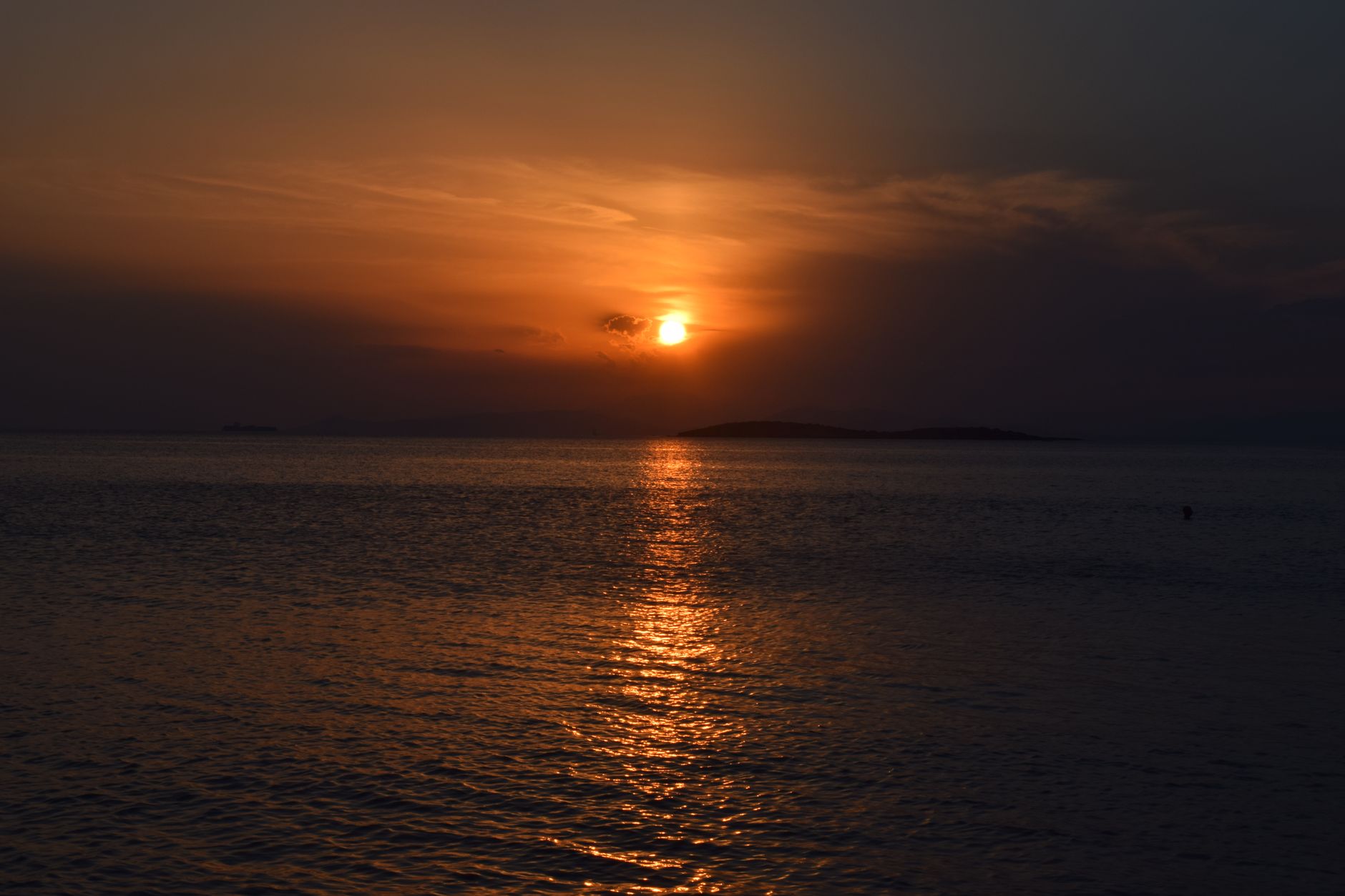
South of Izmir, the Bodrum peninsula serves up a lattice of quiet coves, whitewashed villages and campsites tucked into olive groves. Places like Ortakent, Bitez and Gümüşlük balance easy access to Bodrum's nightlife with the calm of a hammock strung between two trees.
The family-run sites here are the heart of Turkish camping culture. You'll often find a mother cooking gözleme on a griddle, a father fixing a bicycle, and teenagers who will happily teach your children to fish off the jetty. Hospitality isn't a transaction here — it's an instinct. Expect invitations to dinner, offers to drive you to the market, and a genuine concern for whether you slept well.
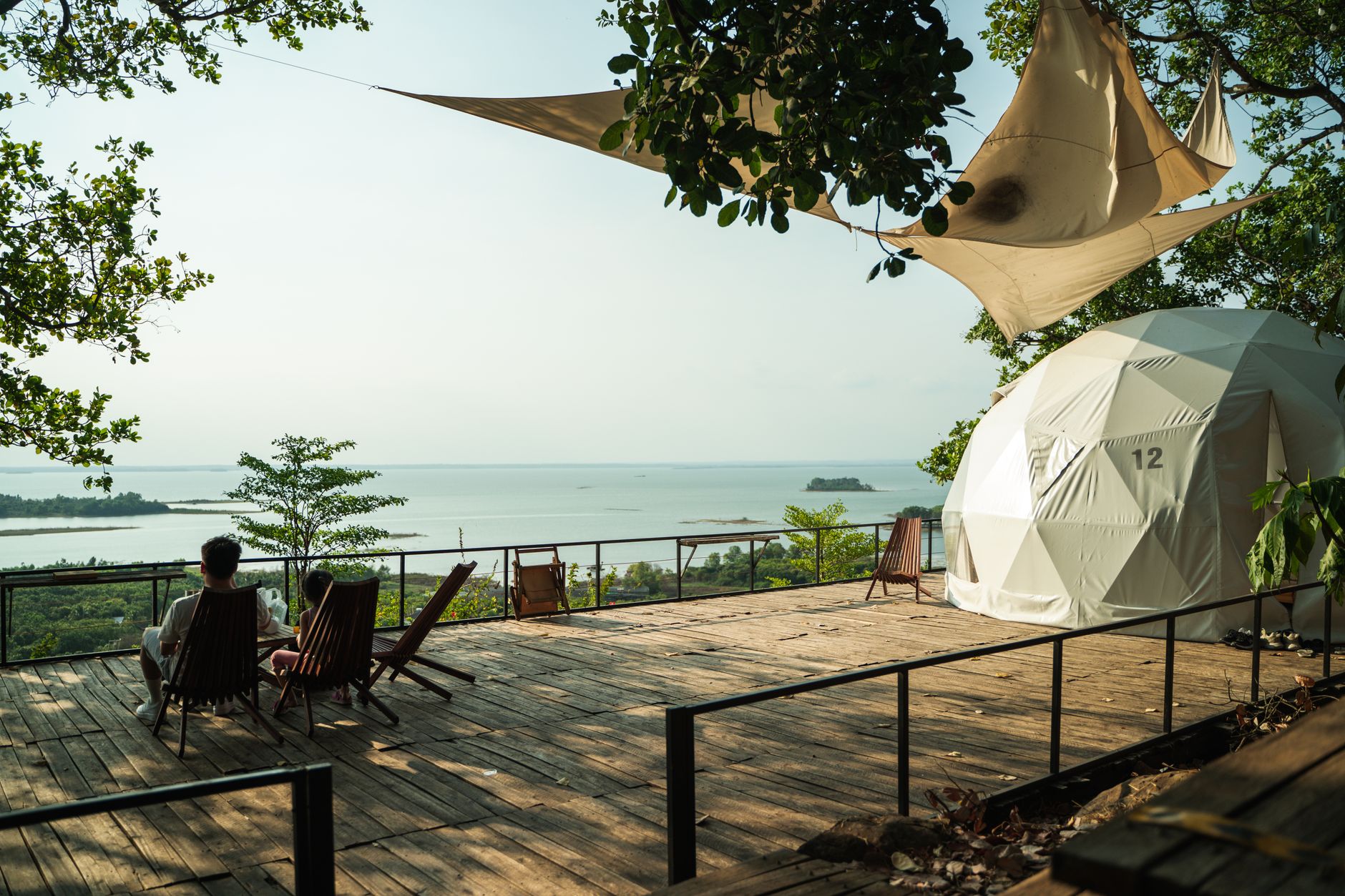
Glamping is flowering here too. Boutique camps with wooden platform tents, yoga decks and sunset views over the Greek islands are appearing along the western shore. Many operate seasonally from April to October, and booking direct by phone or WhatsApp is common — and often rewarded with a better pitch.
The Turquoise Coast: Fethiye, Ölüdeniz and Butterfly Valley
As you move east, the Aegean gives way to the fabled Turquoise Coast, and the scenery turns cinematic. Around Fethiye, the famous Ölüdeniz lagoon spills its impossible blues beneath Mount Babadağ, and campsites line the pine-covered slopes above the water. This is paragliding country, so mornings are punctuated by colourful canopies drifting down from the summit — a sight best enjoyed from your tent's doorstep with a coffee in hand.
Boat trips run from Fethiye harbour to the secluded Butterfly Valley, a canyon reached only by sea, where basic camping lets you stay overnight after the day-trippers leave. The reward is an evening of absolute stillness, the flutter of hundreds of butterflies, and a sky so full of stars it feels almost indecent. Facilities here are deliberately simple — bring water, take your rubbish with you, and treat the valley as the sanctuary it is.
Further along, the Lycian Way long-distance trail connects many of these spots, so walkers and campers overlap happily. Guesthouses along the route often allow tents in their gardens, an inexpensive and sociable option.
Kaş and the Kekova Coast: Glamping Above Ancient Waters
Kaş is the kind of town travellers plan a few days in and end up staying a few weeks. Its steep amphitheatre streets tumble down to a tiny harbour, and the surrounding coastline hides sunken cities, sea caves and some of the most beautiful glamping in Türkiye.
On the cliffs nearby, eco-camps offer canvas tents with real mattresses, solar-powered lighting and infinity views over the Greek island of Meis. Others are simpler, with shared kitchens and a communal fire pit — perfect for families who want adventure without roughing it too hard. Prices range from budget-friendly to indulgent, so there's a rung on the ladder for everyone.
A short drive away, the Kekova region lets you kayak over the submerged ruins of ancient Dolchiste, with Lycian sarcophagi rising from the shallows. Staying overnight in a nearby camp or glampsite means you can paddle at dawn, before the tour boats arrive, when the water is glass and the only sound is your paddle dipping into history.
Olympos: Treehouses, Fireflies and the End of the Road
Finally, we reach Olympos — perhaps the most beloved camping destination in all of Türkiye. Hidden in a valley near the ancient city of the same name, this little community of treehouse guesthouses has been welcoming travellers for decades. Accommodation is charmingly rustic: wooden huts perched in the trees, hammocks slung between trunks, and meals served at long communal tables.
Days here are spent on the pebble beach, exploring the ruins of Olympos with its crumbling temples and rock-cut tombs, or hiking to the eternal flames of Yanartaş on Mount Chimaera, where gas seeps from the earth and burns without ever going out. Nights bring fireflies, guitar music and the scent of pine smoke drifting through the valley — a combination that has turned countless visitors into lifelong fans.
Facilities at Olympos treehouses are simple but sufficient: shared bathrooms, mosquito nets, and meals included in many packages. It's an experience best embraced with an easy-going attitude and a good book.
Practical Advice: Booking, Facilities and Packing
Booking: Coastal campsites and glampsites fill quickly in July and August, especially on the Aegean. Book at least a month or two ahead for popular spots, and consider May, June, September or early October for warm seas and far lighter crowds. Many family-run sites still take reservations by phone or WhatsApp; a friendly message in English (or a few words of Turkish) usually gets a warm reply.
Facilities: Turkish campsites range from full-service resorts with pools, restaurants and air-conditioned glamping tents to basic sites offering little more than a tap and a toilet. Check what's included before you go: electricity, hot water, Wi-Fi, kitchen access and laundry vary widely. Treehouse stays in Olympos typically include breakfast and dinner; glampsites in Çeşme and Kaş may offer yoga, breakfast baskets or airport transfers.
Packing: Bring mosquito repellent, a headlamp, reef-safe sunscreen, a refillable water bottle, and layers — coastal evenings can be surprisingly cool even in summer. A sarong doubles as towel, beach mat and shade. Cash is useful for small sites and village markets.
Respecting nature and locals: Türkiye's coast is beautiful precisely because it has been cared for. Use designated fire pits only (wildfires are a real risk in summer), never leave litter, avoid single-use plastics where you can, and respect archaeological sites — they are not climbing frames. Learn a few Turkish words, ask before photographing people, and remember that many of these sites are family homes as much as businesses.
And finally: slow down. Order the çay. Watch the light change over the water. Türkiye's coastal camps are not just places to sleep — they are invitations to live a little more gently, under one of the kindest skies in the Mediterranean.
Thinking about a trip to Turkey?
Share your contact details and a vetted local expert will follow up with a plan built around you — free, no obligation.