

Why This Drive Deserves a Spot on Your Bucket List
The road from Antalya to Fethiye hugs the Turquoise Coast, a ribbon of asphalt that twists between pine-clad mountains and water so blue it looks edited. This is the D400, and it's easily one of the most rewarding coastal drives on the planet. The good news? You don't need to be a rally driver or a logistics wizard to enjoy it. With a few easy stages, a reliable rental car, and a loose plan, independent road travel in Türkiye is smooth, affordable, and genuinely fun.
We're talking about roughly 300 kilometers of pure Mediterranean drama. The trick is not to rush it. Break the journey into two or three relaxed days, stop often, and let the light change the landscape as you go. The road is well maintained, signposted in Latin script, and dotted with gas stations, markets, and roadside tea gardens.
This guide covers the practical stuff — rental cars, fuel, tolls, parking in tiny harbors — plus the viewpoints worth pulling over for, the guesthouse towns that make perfect overnights, and how to weave in boat trips or ancient ruins without turning your holiday into a marathon.
Planning Your Stages: Slow Is the Whole Point
The direct drive takes about five hours without stops. But why would you do that? The coast between Antalya and Fethiye is the destination. A comfortable itinerary splits the route into two or three days, with overnights in Kaş and Ölüdeniz or Fethiye. If you have more time, add a night in Adrasan or Çıralı.
Stage 1: Antalya to Kaş (about 190 km, 3.5–4 hours with stops). Leave Antalya after breakfast and follow the D400 west. You'll pass through the citrus-scented plains around Finike before the road climbs and begins its spectacular coastal ballet. Stop at the ancient city of Phaselis for a swim among ruins, then continue to Demre for the Church of St. Nicholas. Arrive in Kaş by late afternoon — perfect for a sunset harbor stroll.
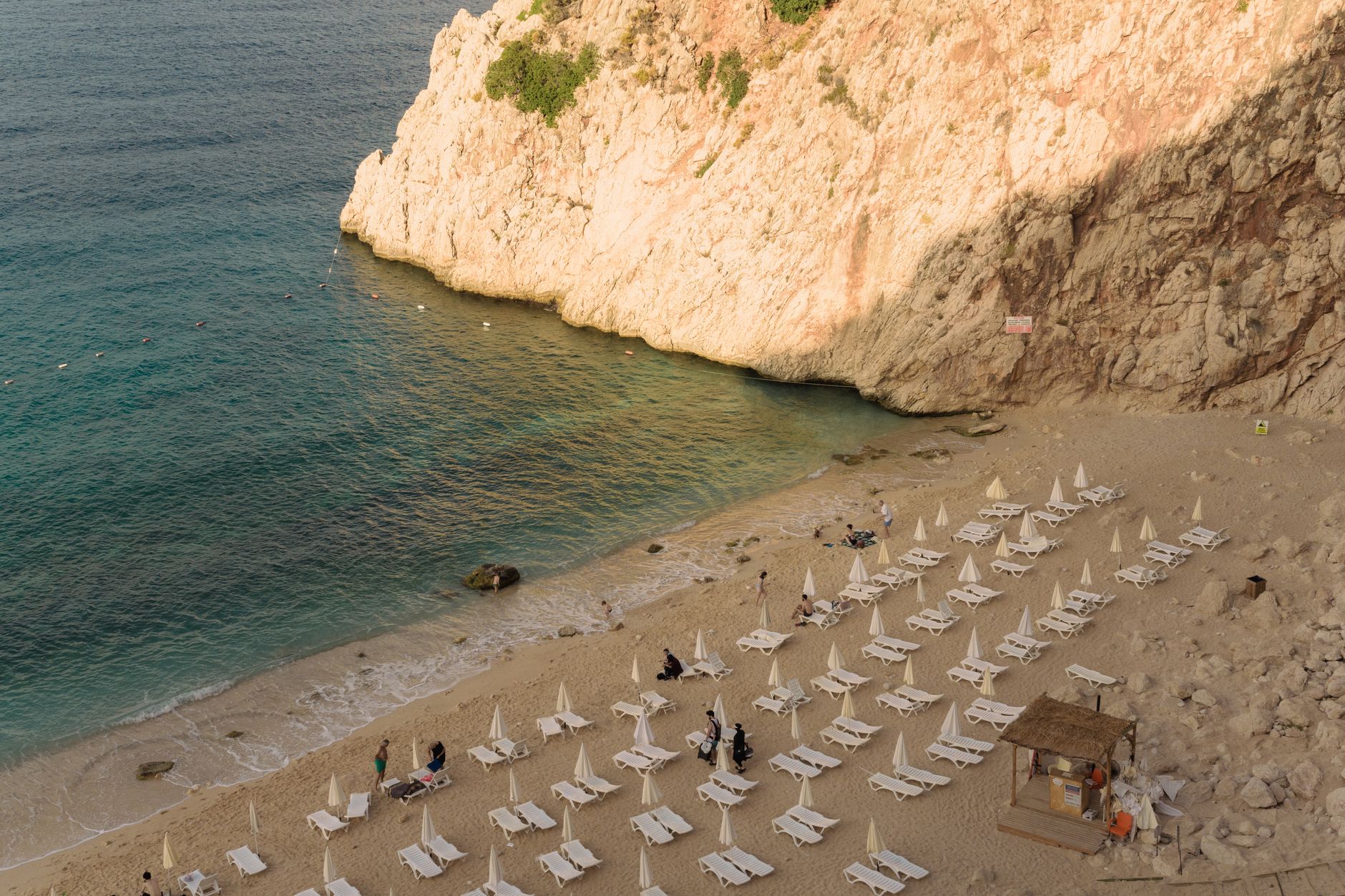
Stage 2: Kaş to Ölüdeniz/Fethiye (about 110 km, 2.5–3 hours with stops). This is the most dramatic stretch. The road clings to cliffs above the sea, with Kaputaş Beach's famous blue cove appearing like a mirage. Stop at Kalkan for lunch, then push on to Ölüdeniz. If you're based in Fethiye, you'll end the day in a lively harbor city with excellent restaurants.
Feeling leisurely? Add a third stage: Antalya to Çıralı (with a night in a treehouse-style bungalow), then Çıralı to Kaş, then Kaş to Fethiye. This lets you fully absorb the Lycian Way trailheads, hidden beaches, and ancient sites without ever feeling rushed.
Rental Car Tips: What to Book and What to Check
Renting a car in Antalya is easy. The airport has all the major international brands plus reputable local companies. For this drive, a compact car is fine — the D400 is paved and wide — but a slightly larger vehicle with good air conditioning makes the summer heat more bearable. Automatic transmission is worth the extra cost if you're not comfortable with manual gearboxes on winding roads.
Book ahead in peak season (June–September), and always check the insurance policy. Turkish rental agencies often offer a mandatory third-party liability plus optional collision damage waiver. Your credit card may cover some of it, but read the fine print. Also confirm whether the car comes with an HGS toll transponder (more on that below).
Before you drive off, do a slow walk-around with your phone camera. Note every scratch, dent, and missing hubcap. Check the spare tire, jack, and warning triangle. Turkish law requires reflective vests and a first-aid kit; make sure they're present. Finally, save your rental company's emergency number in your phone — though honestly, you're unlikely to need it.
Fuel, Tolls, and Driving Etiquette
Fuel stations are plentiful along the D400, especially near towns. Benzin (gasoline) and motorin (diesel) are widely available. Most stations are full-service — an attendant will pump for you, clean your windshield, and maybe offer you a glass of çay. Tipping isn't expected but a small coin is appreciated. Prices fluctuate, but expect to pay a bit more than in Europe or the US. Fill up before long stretches, especially between Demre and Kaş where stations are less frequent.
Tolls: Some sections of the D400 and connecting highways use the HGS electronic toll system. Your rental car should have a transponder; the toll is automatically deducted. If not, you can buy an HGS sticker at post offices (PTT) or some gas stations. Tolls are inexpensive — think a few lira per segment. Don't worry about exact change; the system handles it.
Driving etiquette in Türkiye is relaxed but assertive. Use turn signals, yield to pedestrians, and don't be surprised if locals overtake on curves. Speed limits are 50 km/h in towns, 90 km/h on rural roads, and 120 km/h on motorways. Radar traps are common, so keep an eye on your speedometer. Also, avoid driving after dark if you're not used to unlit mountain roads — the scenery is better in daylight anyway.
Viewpoints Worth Stopping For (and Parking Tips)
The Antalya–Fethiye route is a highlight reel. Here are the stops that justify pulling over, plus practical parking advice for each.
- Kaputaş Beach: The iconic postcard view. There's a small parking area on the inland side of the road; it fills up by mid-morning. Arrive before 9 a.m. or after 4 p.m. to snag a spot. The staircase down to the beach is steep but worth it.
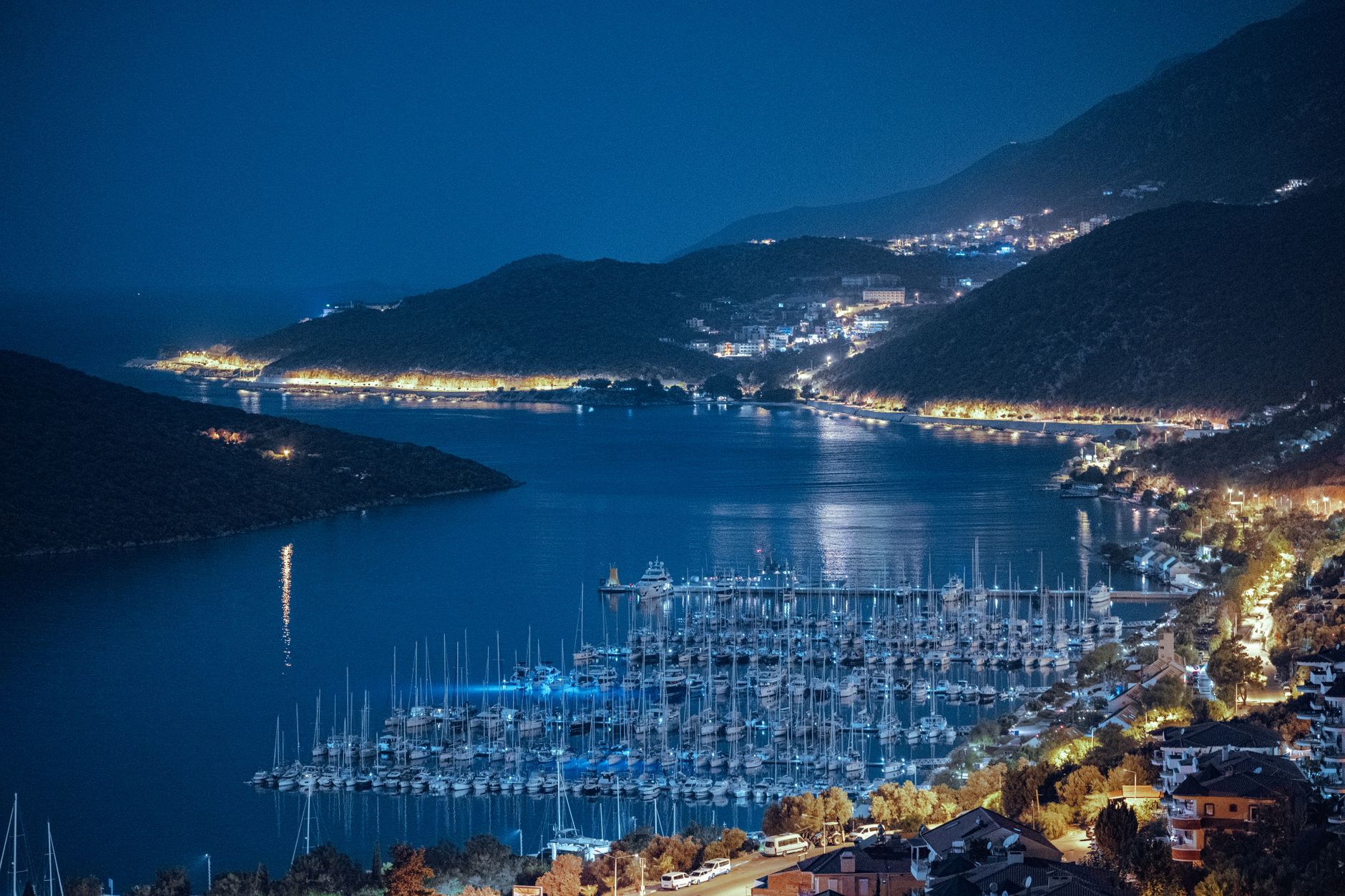
- Kaş Peninsula viewpoints: As you approach Kaş from the east, several laybys offer panoramic views over the town and its islands. Parking is free but limited. Pull in, snap your photos, and move on.
- Kalkan: The road into Kalkan descends steeply with hairpin turns. There's a dedicated viewpoint just before the town with a small car park. In town, harbor parking is tight — use the paid lots on the upper streets and walk down.
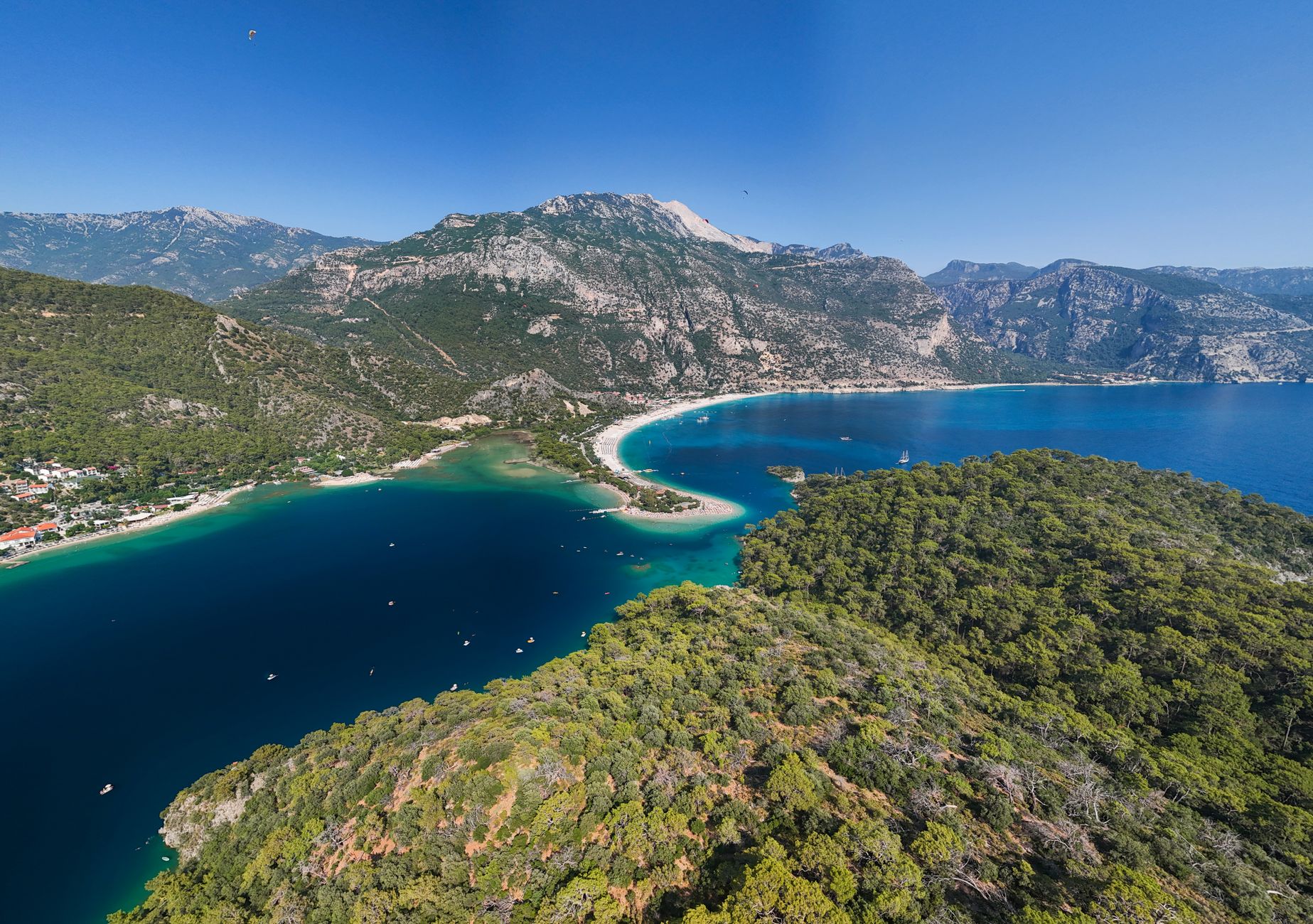
- Ölüdeniz Blue Lagoon: The main beach has a large paid parking lot. It's a short walk to the lagoon. For the famous aerial view, drive up to the paragliding launch site on Babadağ — the road is paved but narrow, and parking at the top is limited to a few dozen cars. Go early or book a paragliding tour that includes transport.
- Butterfly Valley (Kelebekler Vadisi): Accessible only by boat, but you can park at Ölüdeniz and take a shuttle boat. The parking lot at the beach is your best bet.
In small harbor towns, street parking is often free but scarce. Look for signs saying otopark (parking lot). These are usually cheap — 20–50 TL per day. Avoid blocking driveways or pedestrian crossings; you will be towed. When in doubt, ask your guesthouse host where to leave the car. They're always happy to help.
Guesthouse Towns That Steal Your Heart
One of the joys of this drive is sleeping in places that feel like secrets. Here are the towns where you should book a night (or three).
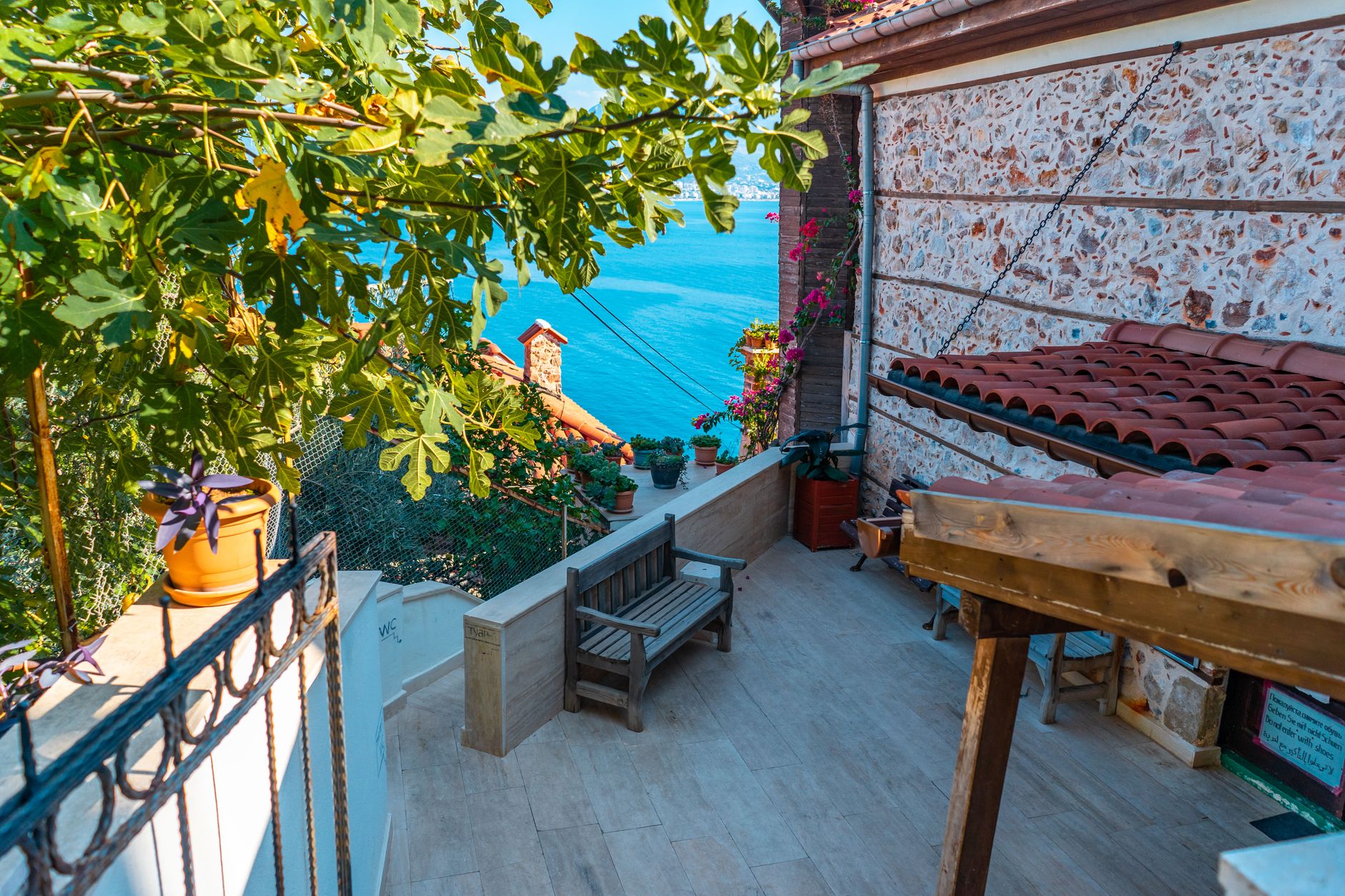
Kaş: A former fishing village turned bohemian hangout. Cobblestone streets tumble down to a small harbor lined with cafés. Guesthouses are plentiful, many with rooftop terraces overlooking the sea. It's the perfect base for sea kayaking over the sunken city of Kekova or taking a boat to the Greek island of Meis (Kastellorizo).
Kalkan: More polished than Kaş, with whitewashed houses climbing a steep hill. It's known for its upscale restaurants and boutique hotels. The harbor is small but charming, and the views from the upper terraces are knockout. Parking is easier on the outskirts.
Çıralı: A protected beach village where log cabins and family-run pensions sit behind a long stretch of sand. It's quiet, organic-farm-to-table friendly, and the starting point for the Lycian Way. The nearby Yanartaş (Chimera) eternal flames are a must-see at dusk.
Ölüdeniz: Famous for its lagoon and paragliding, this is more resort than village. But staying here means you can swim in the Blue Lagoon before the day-trippers arrive. Choose a guesthouse on the hillside for quieter nights.
Fethiye: A proper Turkish city with a lively market, a marina, and excellent seafood. It's a great final stop — you can drop your rental car here (most companies allow one-way rentals for a fee) and continue by bus or boat.
Blending the Drive with Boat Trips and Ancient Sites
The Turquoise Coast is layered with history and water. You don't have to choose between driving and exploring; the two go hand in hand.
Boat trips: From Kaş, join a day cruise to Kekova Island to see the submerged ruins of a Lycian city. From Ölüdeniz, take a boat to Butterfly Valley or the Blue Cave. From Fethiye, the classic 12-island tour is a full-day affair with swimming stops. Most boats leave around 10 a.m. and return by 5 p.m. — perfect to fit between driving stages. Book the day before at the harbor.
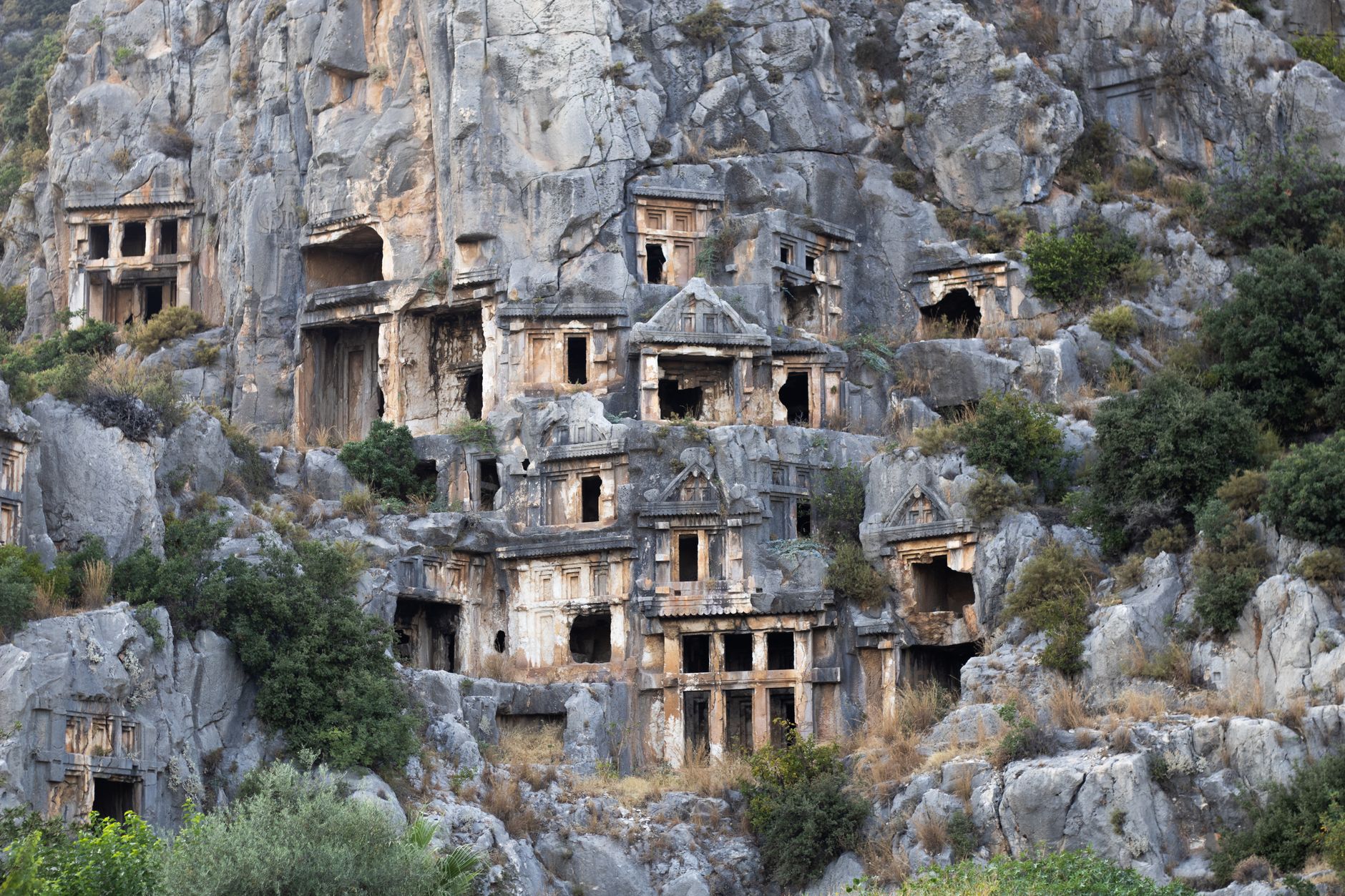
Ancient sites: The Lycian civilization left remarkable ruins right along this route. Phaselis (near Kemer) has a Roman aqueduct and a theater right by the beach. Myra (near Demre) features rock-cut tombs that look like temple facades. Xanthos and Letoon (near Kalkan) are UNESCO World Heritage sites. Patara has both a magnificent beach and a ruined city. Most sites are open daily, with modest entry fees. You can easily visit one or two per day without feeling like you're in a museum marathon.
My favorite combo: Drive from Kaş to Kalkan in the morning, park at Kaputaş for a quick swim, then spend the afternoon exploring Patara's ruins and beach. End the day with dinner in Kalkan's harbor. That's a perfect coastal day.
Practicalities: When to Go, What to Pack, and Final Advice
Best time to drive: Spring (April–May) and autumn (late September–October) offer warm seas, mild air, and fewer crowds. Summer is hot and busy but still magical if you start early and embrace the siesta. Winter can be rainy, but the coast is quiet and guesthouses are cheap.
What to pack: Sunscreen, a hat, swimwear, and quick-dry towels. Bring a light jacket for evenings, especially in spring and autumn. A universal adapter for Turkish outlets (Type C/F, 230V). Cash for small purchases — though credit cards are widely accepted, some family-run guesthouses and parking lots prefer lira.
Language: English is spoken in tourist areas, but a few Turkish phrases go a long way. Merhaba (hello), teşekkürler (thank you), and ne kadar? (how much?) will earn you smiles.
Safety: The route is safe for independent travelers. Keep your valuables out of sight in the car, lock doors when parked, and don't leave anything on the seats. Drive defensively, especially on blind curves.
Ultimately, the Antalya–Fethiye drive is about freedom. You set the pace, choose your detours, and stop when a view demands it. Türkiye's coastal highway makes that easy — and the memories will last far longer than the tan lines. So rent that car, pack your sense of adventure, and point your wheels toward the Turquoise Coast. You won't regret a single kilometer.
Thinking about a trip to Turkey?
Share your contact details and a vetted local expert will follow up with a plan built around you — free, no obligation.