

The Magic of Turkish Coastal Mornings
As the first light spills over the Aegean and Mediterranean, Türkiye's coastal towns stir with a quiet energy that travelers rarely witness. Before the tour buses arrive and the beaches fill, harbors hum with the clatter of fishing boats returning with the night's catch, and market squares come alive with the colors and aromas of sunrise produce. This is the authentic heart of coastal Turkey—a world of friendly shouts, spirited bargaining, and the unmistakable scent of salt air mixed with fresh herbs.
Mornings here are not just about commerce; they are a social ritual. Fishermen greet each other with hearty laughter as they haul in their nets, farmers arrange pyramids of tomatoes and peppers with pride, and juice vendors crank their presses, filling the air with the tang of citrus. For the traveler willing to rise early, these moments offer a genuine connection to local life that no afternoon excursion can match.
Whether you find yourself in a bustling city like Izmir or a sleepy village along the Lycian Way, the morning markets and harbor auctions are a feast for the senses. In this guide, we'll walk you through the best experiences, from the thrill of a fish auction to the simple pleasure of a freshly squeezed orange juice, and share practical tips to help you navigate these vibrant scenes with confidence and respect.
Sunrise Produce Stalls: A Feast for the Senses
By 6:30 AM, the first produce stalls are already brimming with the day's harvest. Village women in traditional headscarves lay out bundles of parsley, dill, and mint, while farmers stack crates of gleaming eggplants, cucumbers, and tomatoes that taste of sunshine. The colors are intense—deep purple, bright red, emerald green—and the air is perfumed with the sweetness of ripe fruit.
Many markets are set up in central squares or along waterfront promenades, making them easy to find. In smaller towns, look for the pazar (market) signs or simply follow the crowds of locals carrying mesh bags. The earlier you arrive, the better the selection and the more relaxed the atmosphere. By 8 AM, the pace quickens, and by noon, most stalls are packing up.
Don't be shy about sampling—vendors often offer a taste of their best peaches or olives. A simple “Teşekkür ederim” (thank you) goes a long way. Remember that prices are sometimes negotiable, especially if you buy larger quantities, but a friendly smile is your best bargaining tool.
Harbor Auctions: Where the Catch Meets the Crowd
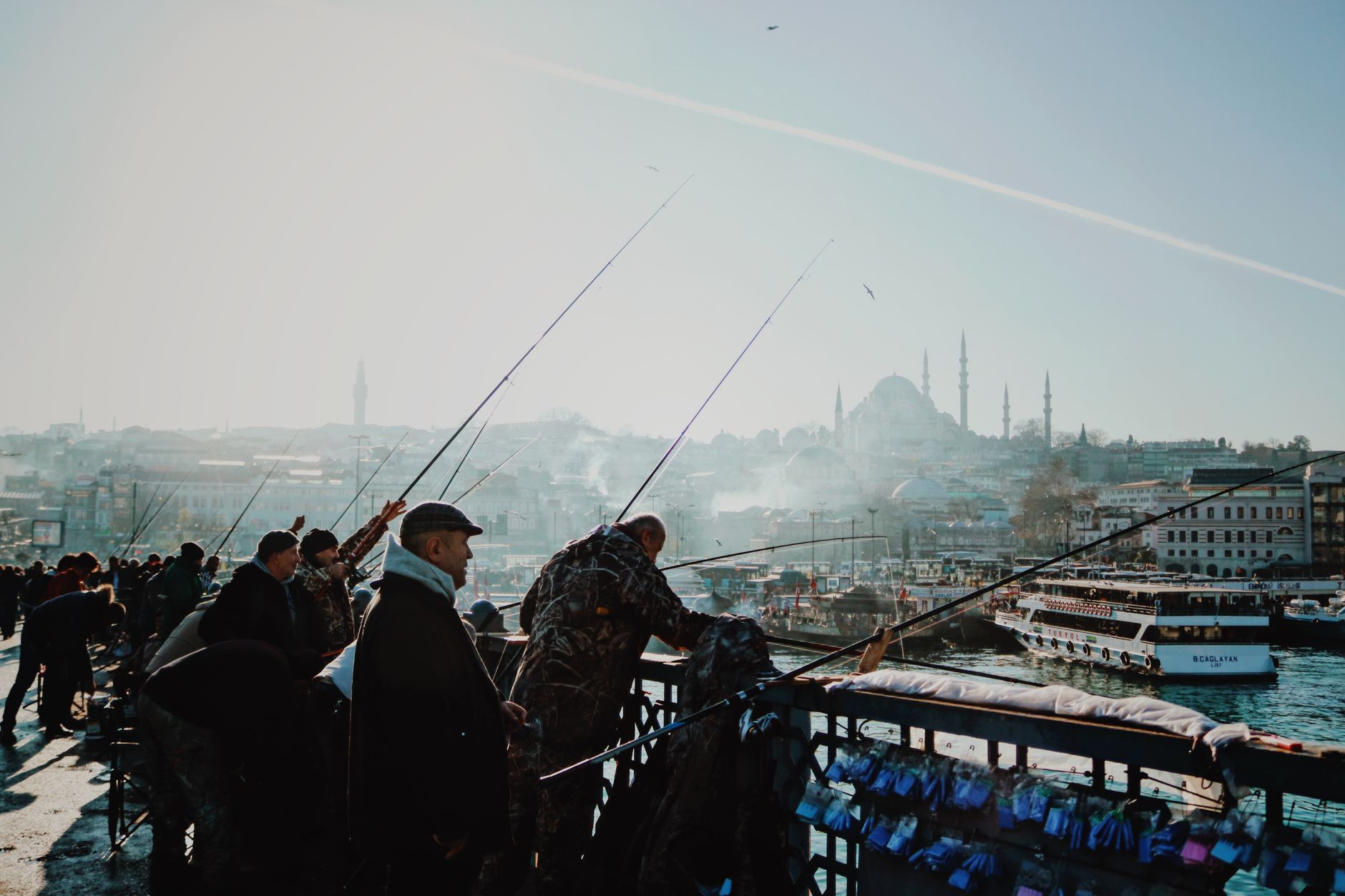
The harbor auction is perhaps the most captivating morning spectacle. In ports like Foça, Çeşme, and Antalya's old harbor, fishermen auction their catch right off the boats. The scene is lively: auctioneers call out prices in rapid-fire Turkish, buyers inspect fish for freshness, and the whole affair is punctuated by gestures and laughter.
Auctions typically start around 7 AM, but arrive by 6:30 to see the boats unloading. The best spots are near the fish market (balık hali) or where you see crates of ice being hauled. You don't need to buy to enjoy the show—just stand back and observe. If you do want to purchase, ask a local to help you bid or wait until the auction ends, when remaining fish are often sold at bargain prices.
Etiquette matters: avoid blocking the path of porters, and always ask before taking photos. Fishermen are generally proud of their trade and happy to chat if you show interest. A few words of Turkish—“Merhaba” (hello) and “Maşallah” (an expression of admiration)—will warm the interaction.
Fresh-Squeezed Juice Stands: A Taste of Turkish Hospitality
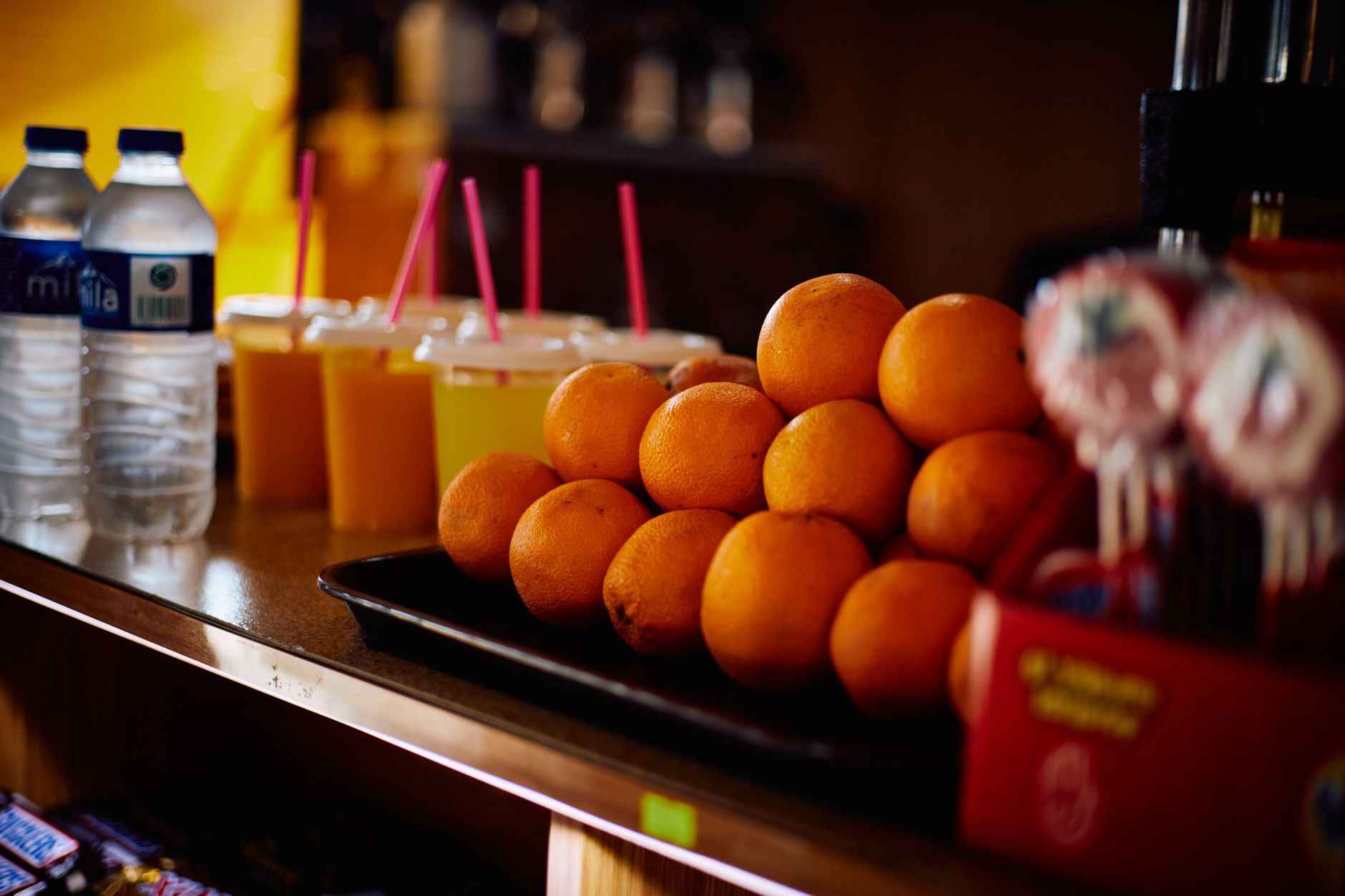
No coastal morning is complete without a glass of freshly squeezed juice. Stands pop up near markets and harbors, often run by entrepreneurial locals who press pomegranates, oranges, and grapefruits on the spot. The juice is vibrant, pulpy, and served in plastic cups or glasses—perfect for sipping as you wander.
Pomegranate juice (nar suyu) is a favorite, tart and refreshing, while orange juice is sweet and universally loved. Prices are reasonable, typically 10–20 TL per glass. Look for stands with a hand-cranked press or a small electric machine—freshness is guaranteed when you see the fruit being squeezed right before your eyes.
These stands are also great for people-watching. Strike up a conversation with the vendor; they often share tips about the best local breakfast spots or hidden beaches. It's a small exchange that embodies the warmth of Turkish hospitality.
Practical Tips for Arrival and Etiquette
Arrival times: Aim to reach markets by 6:30–7:00 AM for the full experience. Auctions start early, so set your alarm. If you're not a morning person, consider staying overnight in a coastal town to make the early start easier.
Photography etiquette: Always ask before photographing people, especially in markets and auctions. A gesture of your camera and a questioning look usually suffices. Respect if someone declines. Avoid using flash, which can disrupt the scene.
Buying and cooking your catch: If you purchase fish at auction or market, ask the vendor to clean it for you (they often do this for free or a small fee). Look for fish with clear eyes and firm flesh. To cook like a local, try grilling with olive oil, lemon, and herbs, or ask your hotel or guesthouse to prepare it—many are happy to oblige. For a deeper dive into Turkish cuisine, explore our food guides.
Respect local customs: Dress modestly, especially in rural areas. Greet people with a smile and a “Günaydın” (good morning). When bargaining, keep it light-hearted. And always carry small cash—many vendors don't accept cards.
Exploring Beyond the Markets
After the markets wind down, take time to explore the surrounding area. Many coastal towns have charming old quarters, ancient ruins, and stunning viewpoints. For itinerary ideas that include morning market visits, check our itineraries and destinations pages.
If you're planning a longer trip, consider visiting multiple coastal towns to compare their morning scenes—each has its own character. The best time to visit for markets is spring and autumn when produce is abundant and the weather is pleasant.
For more practical advice on traveling in Turkey, including transportation and cultural tips, see our travel tools and FAQ sections. And if you want personalized recommendations, our local experts can help you plan an unforgettable morning market tour.
Thinking about a trip to Turkey?
Share your contact details and a vetted local expert will follow up with a plan built around you — free, no obligation.