

Turkish cooking teachers are, almost without exception, the most patient hosts you will meet on your travels. Many grew up folding mantı beside a grandmother, rolling yufka on a low table with cousins underfoot, and stirring lokum while a sibling argued over the wooden spoon. They expect children to be curious, to make a mess, to taste raw dough and to ask why the onion is crying. That lived experience is why family cooking classes in Türkiye so rarely feel like a formal lesson and so often feel like being welcomed into a household for the afternoon.
This guide looks at how those workshops actually run with children and mixed-age groups, which dishes are genuinely achievable for small hands, what to bring, and how to budget so that a cooking class becomes the highlight of a family trip rather than an expensive gamble. It covers the three places where the choice is richest: Istanbul, Gaziantep and Cappadocia.
Why Turkish Cooking Teachers Are So Good With Children
Hospitality is not a performance in Türkiye, it is a default setting. A teacher who sees a shy six-year-old at the edge of the workbench will not push them forward; they will put a small bowl of dough within arm's reach and wait. Ten minutes later the child is flour to the elbows. Parents frequently describe the same rhythm: tea first, introductions, a demonstration nobody is obliged to watch closely, then a gradual drift towards the table as confidence arrives.
Most instructors in family-friendly classes have taught children before, and many are parents or grandparents themselves. They know that a five-year-old's attention span on a cooking task is roughly twelve minutes, and they build the class around that rather than fighting it. You will often see what looks like improvisation — a child handed a rolling pin, another given the job of counting dumplings — but it is usually a deliberate rotation of small, achievable tasks.
Language is rarely the barrier families fear. Kitchen Turkish is concrete: aç (open), kapat (close), bastır (press), yuvarla (roll). Teachers demonstrate with exaggerated gestures, and children pick up the vocabulary faster than their parents. Many Istanbul and Cappadocia schools run classes in English, while in Gaziantep you may have a translator or a bilingual host from the family.
The result is a very particular kind of afternoon: unhurried, slightly chaotic, generous with tea and snacks, and ending with everyone seated together eating what the children made. It is one of the easiest ways to give a family a genuine cultural encounter without a museum queue in sight.
The Best Kid-Friendly Dishes: Mantı, Gözleme and Lokum
Not every Turkish dish suits small hands. Grilled kebabs involve heat, baklava demands paper-thin phyllo and a steady wrist, and anything involving hot sugar syrup needs an adult. The three classics below are the sweet spot: tactile, forgiving, and enjoyable at every stage from raw dough to final bite.
Mantı — the dumpling that rewards small fingers
Mantı is the ideal first Turkish cooking task. Children tear off pieces of dough, flatten them with a thumb, place a pinch of spiced minced meat in the middle and pinch the corners together. Perfection is not the point; in many Anatolian households the tiny, neat dumplings are a mark of skill, but a family class will celebrate every shape including the ones that look like small boats. The waiting time while they boil is filled with setting the table and preparing the garlicky yogurt sauce.
In Gaziantep, mantı is a point of civic pride and the local version is small and delicate. Teachers usually adjust the class so children make larger, easier dumplings while adults attempt the tiny ones — a good-natured competition that keeps teenagers engaged. Vegetarian families should ask in advance; many schools offer a lentil or potato filling.
Gözlepe and gözleme — flatbread on the saç
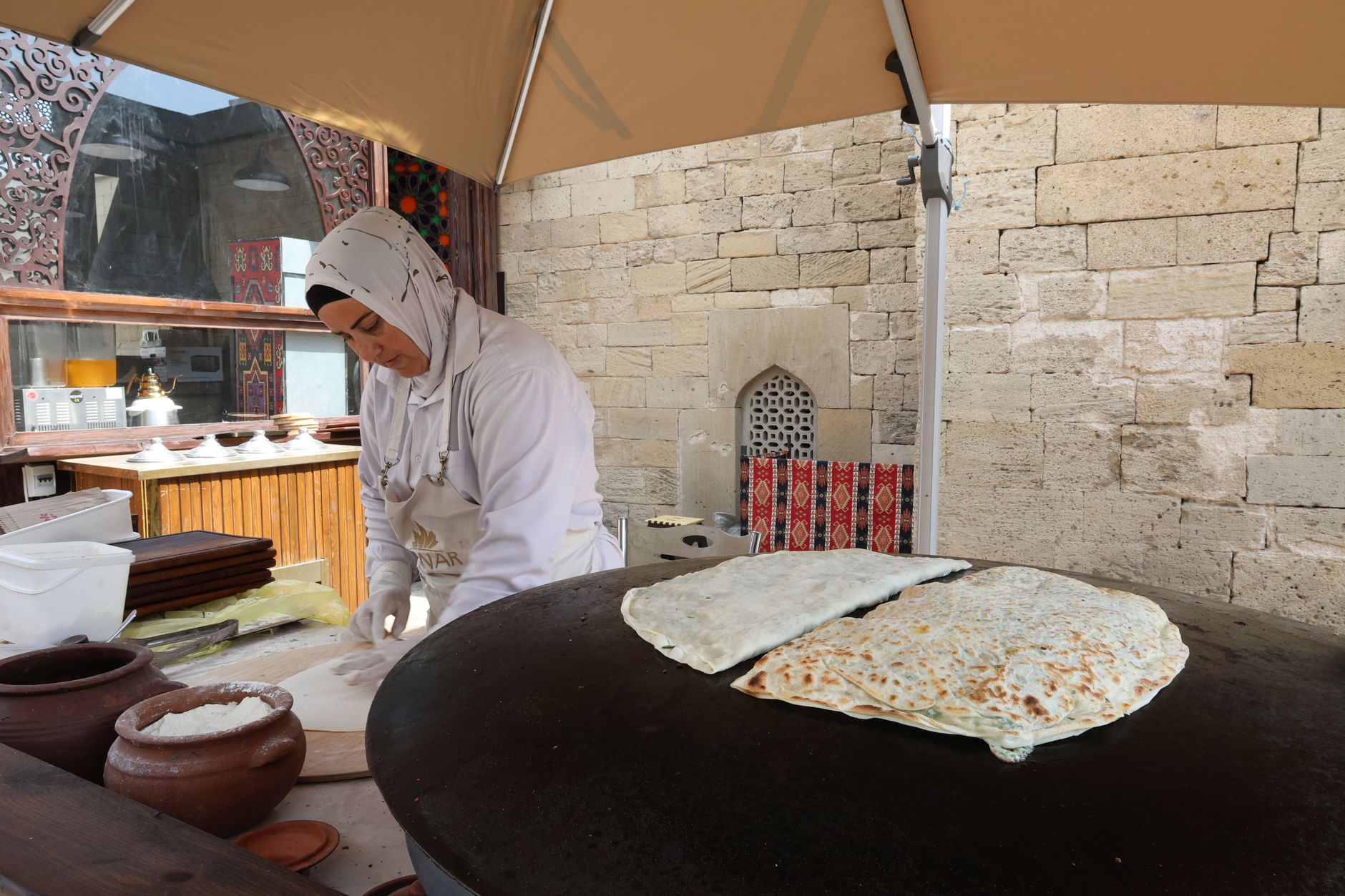
Gözleme is the most theatrical of the family options because it involves the saç, the convex griddle. Children roll and shape the dough and choose fillings — cheese and parsley, potato, spinach — while an adult handles the cooking. In Cappadocia, village gözleme is cooked over an open fire in a garden or courtyard, and children are often invited to watch the dough puff and blister at close but safe range.
Teachers are relaxed about spills here, and the rolling stage is robust enough for a three-year-old to participate meaningfully. Because gözleme is eaten warm, straight off the griddle, the class tends to break into an informal standing picnic, which suits restless children far better than a seated tasting menu.
Lokum — the sweet finish
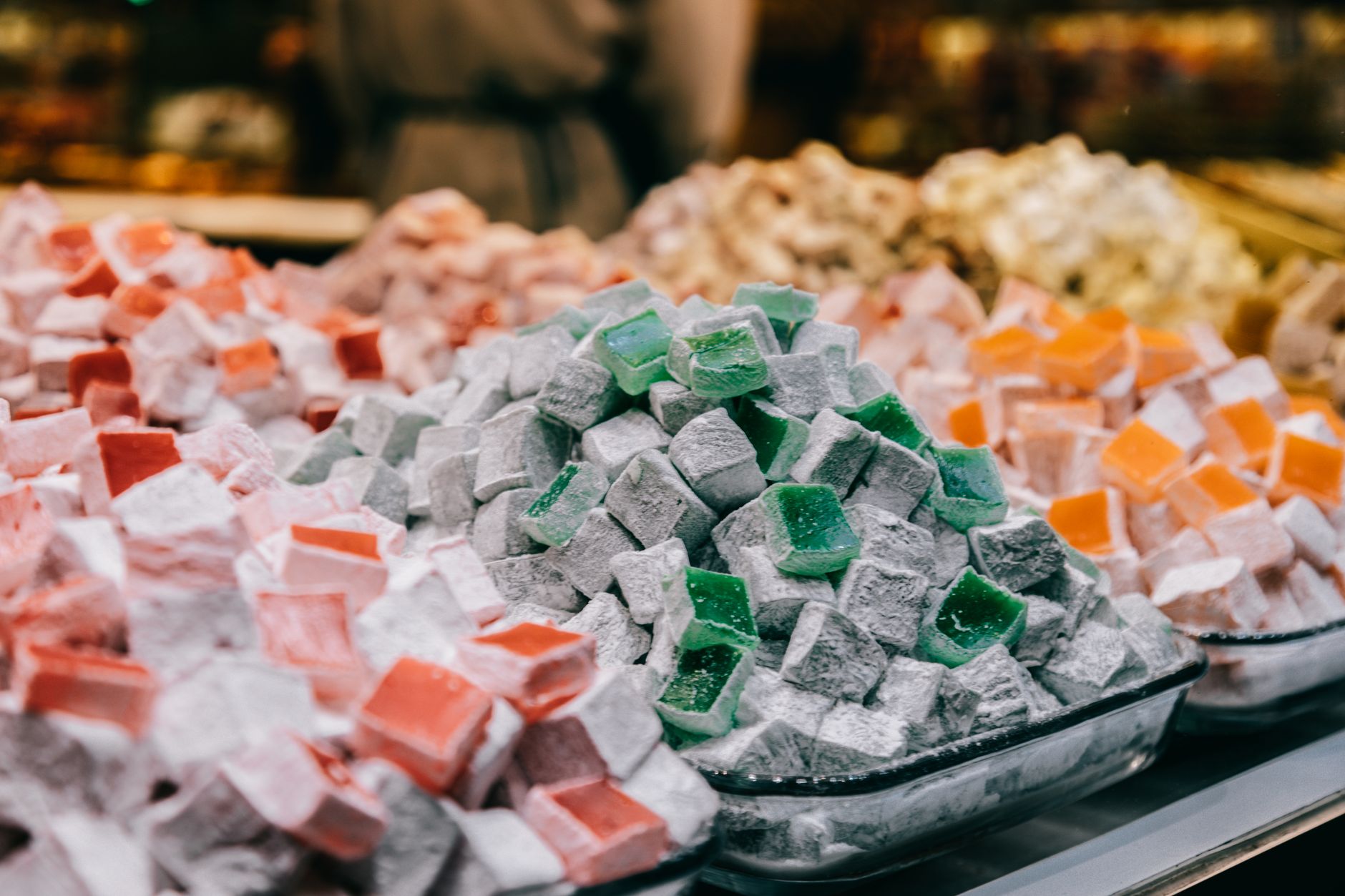
True Turkish delight requires hours of stirring hot sugar, so most family workshops either demonstrate it while children watch from a safe distance or use a simplified, cool-handling version where children shape and dust the finished lokum in powdered sugar and coconut. The dusting station is a reliable hit. Some Istanbul schools pair lokum-making with a short Turkish coffee demonstration for the adults, which keeps the class balanced across generations.
Ask when booking whether lokum is made from scratch or finished and shaped, because the answer changes the age suitability considerably.
Istanbul: Cooking Schools for Urban Families
Istanbul has the widest choice and the most flexible scheduling, which matters when you are juggling jet lag and a family of five. Classes cluster in Sultanahmet and Beyoğlu, with a growing number of neighbourhood kitchens in Kadıköy and Balat that feel more like someone's home than a school.
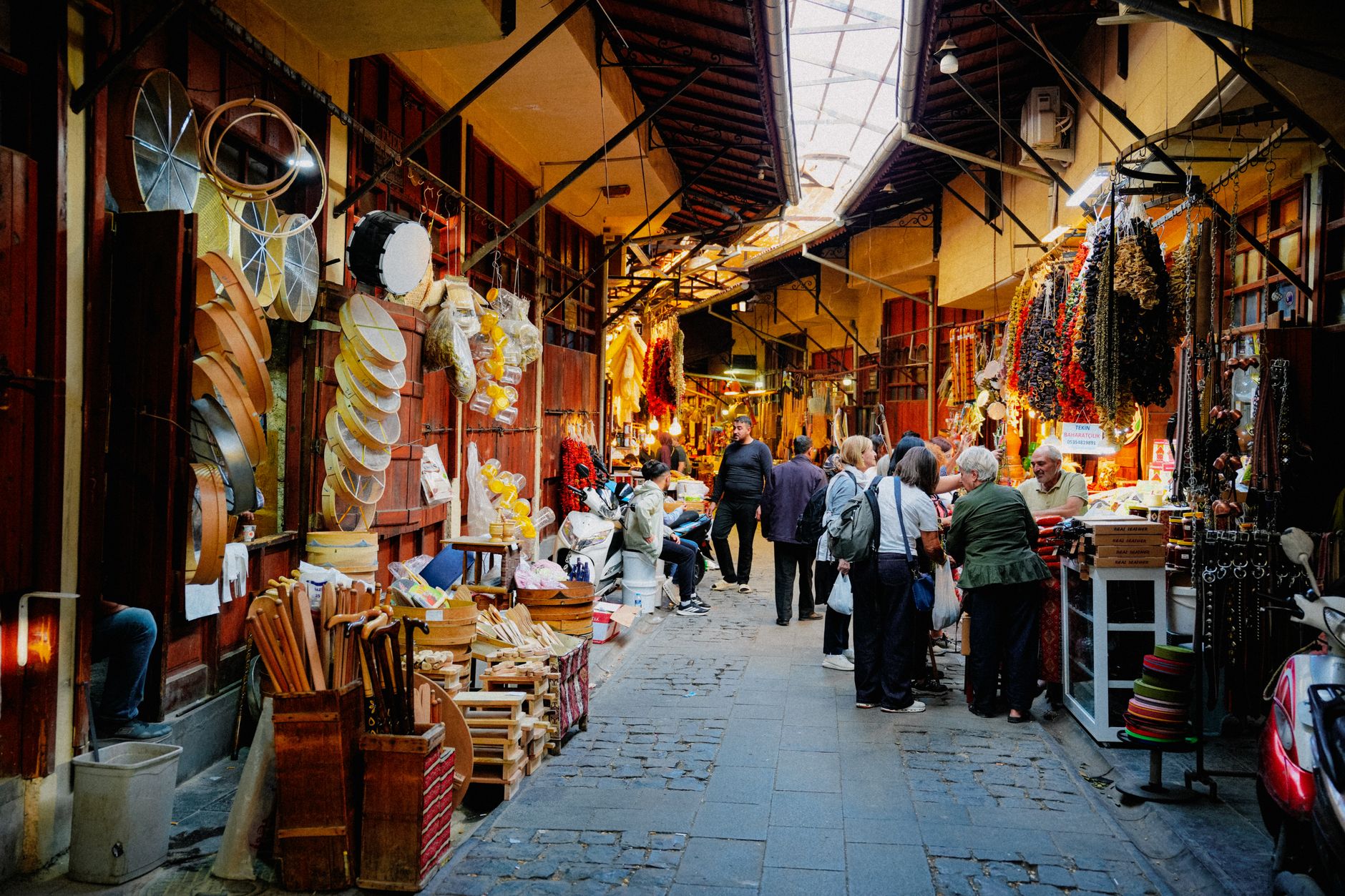
For families, look for classes that run two to three hours and include a market visit. A guided walk through Kadıköy Market or the spice stalls near the Egyptian Bazaar, with children given the job of choosing herbs and counting produce, front-loads the fun before anyone has to sit still. Teachers on these routes are used to children asking to touch everything, and they generally encourage it.
Mixed-age groups work well in Istanbul because most schools cap classes at eight to twelve people, meaning a family of six can effectively book a semi-private session. Ask specifically for a table with a low section or a sturdy stool for younger children; some kitchens in Beyoğlu are in historic buildings with awkward heights.
A practical pattern many families adopt: a morning cooking class, lunch from what you made, then a gentle afternoon. If you want help slotting that into a wider trip, our itineraries page shows how a half-day class fits alongside the main sights, and best time to visit explains why spring and autumn afternoons are the most comfortable for kitchen work.
Gaziantep: Mantı and Baklava in Türkiye's Food Capital
Gaziantep is UNESCO-listed as a City of Gastronomy, and it takes food seriously in a way that is warm rather than intimidating. Family classes here are often run by home cooks and small culinary associations rather than commercial schools, and the teaching style reflects that: you are a guest in a kitchen, not a student in a laboratory.
Mantı classes are the flagship. Expect a slow, sociable session with tea, a long table, and an instructor who will physically guide a child's fingers through the first three dumplings and then leave them to it. Because Gaziantep's culinary identity is bound up with family and hospitality, children are treated as full participants, and it is not unusual for a teacher to send everyone home with a small packet of dried mint or red pepper flakes.
Baklava workshops exist and are spectacular, but they are better suited to children over ten: the phyllo is delicate and the syrup is hot. Several schools offer a family-friendly compromise where children assemble a simpler tray of künefe or shape cookies while adults handle the baklava.
Budget-wise, Gaziantep is meaningfully cheaper than Istanbul — often 30 to 40 percent less for a comparable family session — and the food you eat afterwards will be among the best of your trip. Pair a class with the city's copper workshops and the mosaic museum for a full, unhurried day.
Cappadocia: Village Kitchens, Tandır and Gözleme
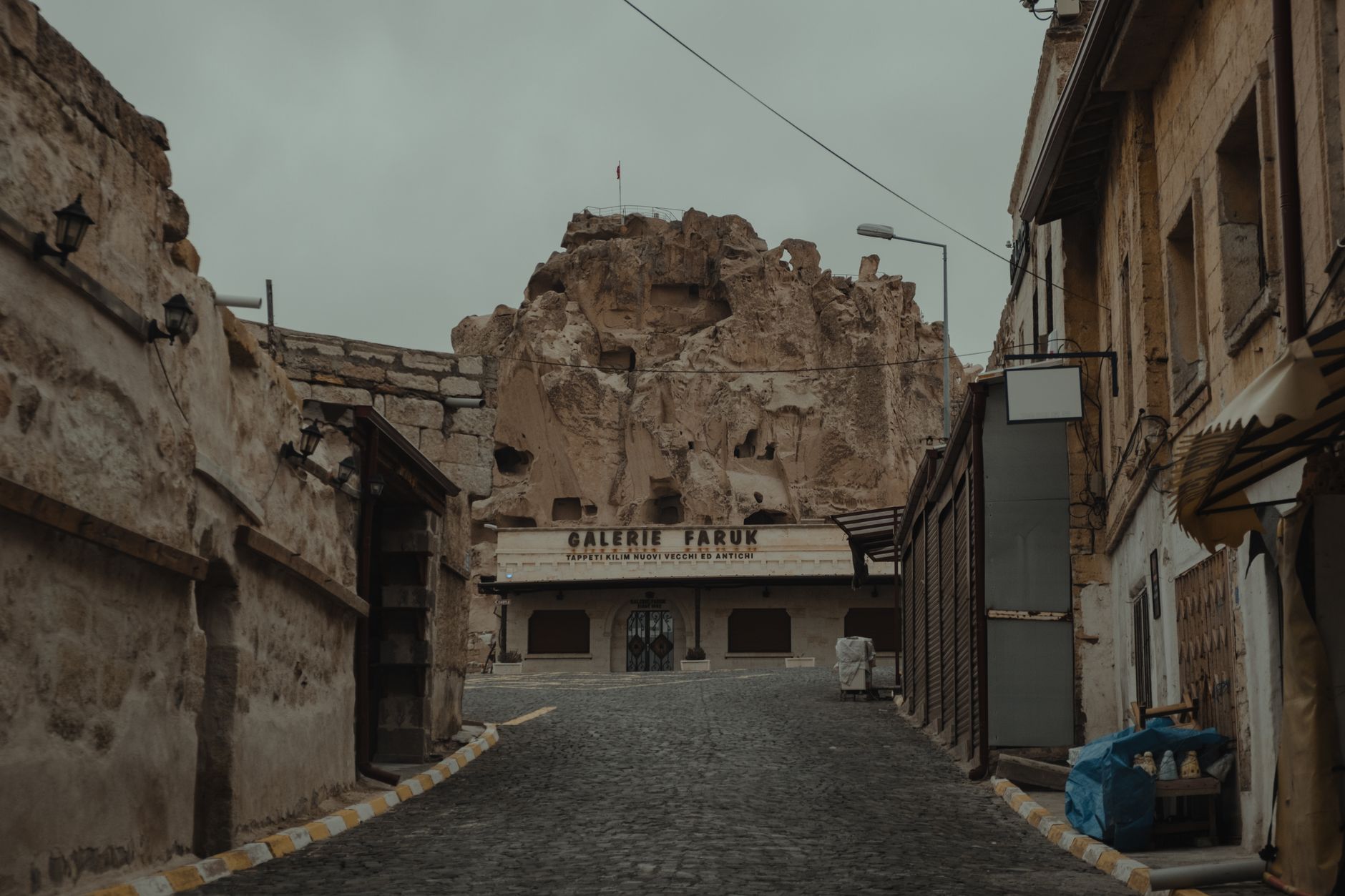
Cappadocia offers something the cities cannot: cooking in a village courtyard with the valley behind you. Many classes take place in restored stone houses in places like Ayvalı, Çavuşin or Mustafapaşa, and the format is deliberately slow. Children collect eggs, knead dough on a low wooden table and watch bread being slapped onto the wall of a tandır oven.
The tandır itself is the main safety consideration. Teachers are careful and consistent about it — a marked line on the ground, an adult always present, no leaning over the opening — and in most family classes children watch the baking rather than participate. Everything before that stage, from rolling to filling to shaping, is entirely theirs.
Cappadocia classes often run late morning, which suits families who have been up at dawn for a balloon flight. A common and very pleasant rhythm is balloon launch at sunrise, breakfast, a gözleme and pastry class from late morning to early afternoon, then a nap. Our experts page can help match a class to your dates if you are travelling in peak season, when the good village kitchens book out weeks ahead.
Note that some Cappadocia cooking experiences are sold as part of a broader cultural evening with music and dancing. Those can be wonderful for older children but are long and loud for toddlers; ask for a daytime, kitchen-only option if you have little ones.
What to Bring and How to Prepare Children
Packing for a cooking class is simple, but a few items make a real difference:
- Aprons or old clothes: Most schools provide aprons, but they are adult-sized. Bring a child's apron or dress children in clothes you do not mind staining — flour, tomato and red pepper paste are persistent.
- Hair ties and a spare shirt: Long hair should be tied back for hygiene and safety near heat.
- Wet wipes and a small towel: Handwashing facilities vary, and sticky dough travels.
- A refillable water bottle: Kitchens are warm and children drink more than adults expect.
- A container: Many teachers will insist you take leftovers; a small lidded box saves a plastic bag.
- Allergy and dietary notes, written in Turkish: A short note saying fıstık alerjisi (nut allergy) or vejetaryen removes any ambiguity.
Prepare children by watching a short video of mantı being folded or gözleme being cooked before you go. Talk about the heat of the griddle and the oven in advance so the safety rules feel ordinary rather than sudden. It also helps to agree on a tasting rule: everyone tries one bite, and nobody has to finish anything.
For children who are shy about unfamiliar food, ask the teacher at the start whether a plain version can be set aside — a cheese-only gözleme or unsauced mantı. In our experience Turkish cooking teachers offer this before you ask.
Budgeting for a Family Cooking Afternoon
Prices vary widely by city and by whether you join a group or book privately. As a rough 2026 guide for a two-to-three-hour family class, expect to pay per person rather than per family, with discounts for children under twelve and under-sixes often free.
- Istanbul: roughly €45–€80 per adult and €25–€45 per child in a group class; private family sessions commonly start around €200–€350 for the household.
- Gaziantep: roughly €30–€55 per adult and €15–€30 per child, with home-cook-led classes at the lower end.
- Cappadocia: roughly €40–€70 per adult and €20–€40 per child, with village experiences including transport priced higher.
Add a realistic buffer for extras: a market visit with ingredients (€10–€20), tea and soft drinks (usually included), tips (five to ten percent is appreciated but not obligatory), and transport — a family taxi across Istanbul can easily cost €15 each way. A market visit plus class plus taxi often lands a family of four between €150 and €300 in Istanbul and comfortably under €150 in Gaziantep.
Ways to keep it memorable without overspending: choose one class rather than three, book directly with small schools instead of resellers, take the morning slot when prices are sometimes lower, and treat the food you make as lunch rather than booking a restaurant afterwards. Full pricing guidance sits on our pricing page, and our travel tools include a simple budget planner for building a family day.
Making the Afternoon Stick
The measure of a good family cooking class is not the number of dishes produced but what happens a month later, at home, when a child asks to make mantı. Teachers know this, which is why so many hand out handwritten recipe cards and insist on demonstrating the folding technique three times. Take photographs of each stage, not just the finished plate — the rolling, the pinching, the floury hands — because that is what children remember.
If your family catches the bug, our guides cover food regions across the country in more depth, and our destinations pages show where else a cooking morning fits naturally into a route. For anyone still deciding where to base a family trip, the planner is a good starting point, and the FAQ answers the practical questions families ask most, from minimum ages to vegetarian options.
Above all, arrive hungry, arrive curious, and do not worry about the mess. In a Turkish kitchen, the mess is the point, and the welcome is always warmer than you expect.
Thinking about a trip to Turkey?
Share your contact details and a vetted local expert will follow up with a plan built around you — free, no obligation.