

Pamukkale: Where Nature Sculpts a Cotton Castle
Imagine a hillside draped in cascading white terraces, each filled with warm, mineral-rich water that shimmers turquoise under the Anatolian sun. This is Pamukkale—literally "Cotton Castle" in Turkish—a UNESCO World Heritage Site that looks like a frozen waterfall of snow, yet feels like a warm embrace from the earth itself. For millennia, calcium-rich springs have flowed down this slope near Denizli, depositing travertine and creating a surreal landscape that has drawn travelers since antiquity.
Standing at the base of the terraces, you'll understand why Pamukkale is a bucket-list wonder. The white cliffs glow pink at sunrise, blindingly white at noon, and golden at sunset. It's not just a pretty sight—it's a geological masterpiece and a historical treasure trove, with the ancient Roman spa city of Hierapolis sprawled across the plateau above.
In this handbook, we'll guide you through the best times to visit, how to capture its beauty, what to wear, and how to combine your trip with the nearby red springs of Karahayıt. Get ready to be awe-struck.
The Travertines: A Geological Wonder Up Close
The travertine terraces of Pamukkale were formed by the deposition of calcium carbonate from the hot springs. The water, saturated with minerals, cools as it flows over the cliff edge, leaving behind white deposits that harden into Travertine. This process has been ongoing for hundreds of thousands of years, and the result is a series of natural pools that look like they were designed by a divine architect.
To protect this fragile wonder, visitors are required to walk barefoot on the terraces. The experience is part of the magic: the warm water caressing your feet, the slightly rough texture of the travertine, and the breathtaking views over the Menderes Valley. It's a sensory delight that connects you directly to the earth's creative forces.
Swimming in the antique pools is allowed in designated areas, but note that some pools are off-limits to preserve their integrity. The main terrace, known as the "Cleopatra Pool" (not to be confused with the Antique Pool), is a popular spot for photos, but the true ancient pool is located within the Hierapolis ruins.
Hierapolis: The Ancient City Above the Clouds
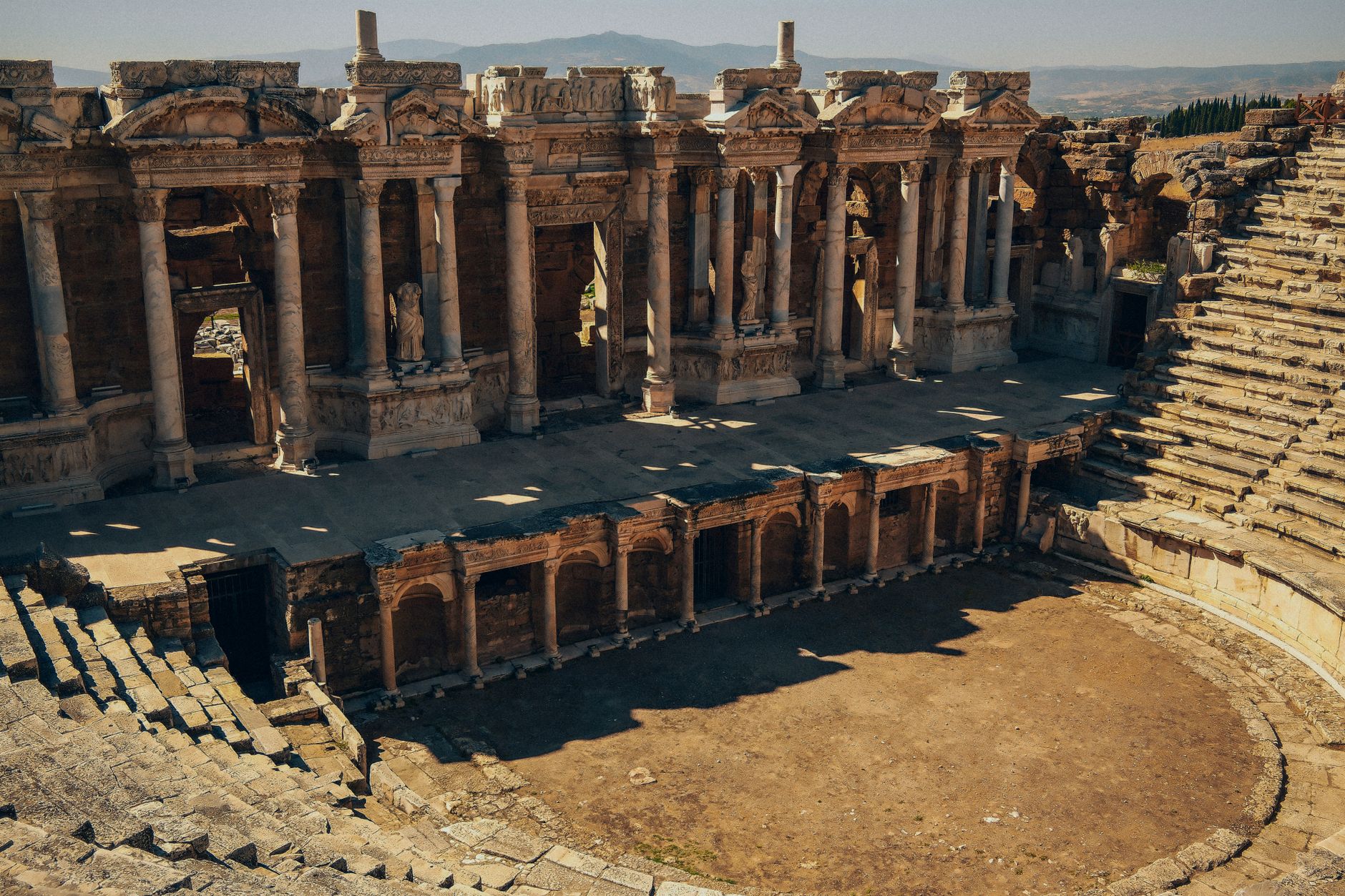
Perched on the plateau above the travertines, Hierapolis was founded as a thermal spa in the 2nd century BC by the Attalid kings of Pergamon. It flourished under Roman and Byzantine rule, and today its ruins are a sprawling archaeological park that rivals Ephesus in grandeur. Walking through its streets, you'll encounter a well-preserved theater, a monumental gate, a necropolis with thousands of tombs, and the legendary Antique Pool.
The Antique Pool, also known as Cleopatra's Pool, is where you can swim among submerged Roman columns. According to legend, Cleopatra herself bathed here, and the water is said to have healing properties. The pool is fed by the same hot springs that create the travertines, and swimming in it is a surreal experience—floating over ancient ruins with the sun filtering through the water.
Don't miss the Plutonium, a cave once considered the gateway to the underworld, and the Martyrium of St. Philip, a pilgrimage site for early Christians. The museum, housed in a former Roman bath, displays artifacts from the site, including statues and sarcophagi. Give yourself at least half a day to explore Hierapolis properly.
Best Times to Visit: Weather, Crowds, and Magic Hours
Pamukkale is beautiful year-round, but the experience varies dramatically with the seasons. Spring (April to June) and autumn (September to November) offer mild temperatures, ideal for walking barefoot on the terraces and exploring the ruins. Summer (July and August) can be scorching, with temperatures exceeding 40°C (104°F), and the terraces can become uncomfortably hot underfoot. Winter (December to February) brings fewer crowds and a chance to see the terraces dusted with snow—a magical sight—but some pools may be cooler.
To avoid the crowds, arrive early in the morning when the gates open (usually around 8:00 AM). The tour buses typically arrive mid-morning, so you'll have the terraces almost to yourself for the first hour. Alternatively, visit in the late afternoon for golden hour, when the light is softer and the terraces glow. Overnight stays in Pamukkale village allow you to experience the site at sunrise and sunset, which are the most photogenic times.
Note that the terraces are sometimes closed for maintenance or when water flow is reduced. Check local conditions before your visit, especially in dry summer months.
Photography Tips: Capturing the White Wonder
Pamukkale is a photographer's dream, but its high contrast and reflective surfaces can be tricky. For the classic postcard shot of the terraces, head to the viewpoint near the south entrance, where you can capture the entire cascade with the valley behind. Use a polarizing filter to reduce glare and enhance the blue of the water. Early morning or late afternoon light is best; midday sun can blow out highlights.
For a unique perspective, photograph the terraces from above, near the ancient theater, looking down. The patterns of the pools create abstract compositions. Don't forget to capture details: the texture of the travertine, the play of light on water, and the reflections of people wading. If you're lucky, you might catch a hot air balloon floating over the site at sunrise—a spectacular addition to your frame.
Remember to protect your camera from water splashes and steam. A microfibre cloth is essential. And while it's tempting to bring a drone, be aware that drone flights are restricted in the protected area; check regulations in advance.
What to Wear and Bring: Practical Advice for a Comfortable Visit
Footwear is crucial: you'll be walking barefoot on the travertines, so bring a comfortable bag to carry your shoes. The travertine can be rough and slippery in places, so tread carefully. Water shoes with grip can be useful for the Antique Pool, where the bottom is uneven with submerged columns.
Wear a swimsuit under your clothes if you plan to swim in the Antique Pool or the terraces. Bring a towel, sunscreen (reef-safe if possible), a hat, and sunglasses. The white terraces reflect the sun intensely, so sun protection is vital. A waterproof phone pouch is handy for photos near the water.
Stay hydrated—there are cafes and shops at the site, but carrying a reusable water bottle is eco-friendly. And don't forget a secure bag for your belongings when you swim; lockers are available at the Antique Pool for a fee.
Karahayıt: The Red Springs and Thermal Retreat
Just a 10-minute drive from Pamukkale, the village of Karahayıt offers a contrasting thermal experience. Here, the springs are rich in iron and other minerals, giving the water and the surrounding earth a striking reddish hue. The red springs are said to have different healing properties, particularly for skin conditions and rheumatism. Several hotels in Karahayıt have their own thermal pools, and the public springs are free to visit.
Combining Pamukkale with Karahayıt is easy: many tours include both, or you can take a local minibus (dolmuş) from Pamukkale. After a day of walking on the white terraces, soaking in the warm red waters of Karahayıt is a perfect way to relax. The village also has a lively market and traditional restaurants where you can sample local Denizli cuisine, like tandır kebab and gözleme.
For the ultimate thermal experience, consider staying overnight in Karahayıt or Pamukkale. Many hotels offer thermal pools and spa services, allowing you to soak under the stars after a day of exploration.
Getting There and Around: Logistics Made Easy
Pamukkale is easily accessible from major cities. The nearest airport is Denizli Çardak (DNZ), about 65 km away, with flights from Istanbul. Alternatively, you can fly to Izmir (ADB) and take a bus (about 3.5 hours) or drive. Buses from Istanbul take around 10 hours overnight, and from Izmir about 4 hours. The nearest bus station is in Denizli, from where minibuses run frequently to Pamukkale (about 20 minutes).
Once in Pamukkale village, you can walk to the travertines and Hierapolis. The site has two entrances: the south entrance (near the Antique Pool) and the north entrance (near the travertines). Most visitors start at the north entrance, walk down the terraces, and then explore Hierapolis. Taxis and dolmuşes are available for local transport.
If you're driving, there is ample parking at both entrances. The site is well-signposted, and roads are in good condition.
Where to Stay and Eat: Recommendations for Every Budget
Pamukkale village has a range of accommodations, from budget hostels to boutique hotels with thermal pools. Staying overnight allows you to experience the terraces at sunrise and sunset, and many hotels offer free shuttles to the site. For a more luxurious experience, consider the spa hotels in Karahayıt, which often include thermal pools and wellness facilities.
Food in Pamukkale is hearty and affordable. Try local specialties like Denizli kebab, çöp şiş (small skewers), and homemade yogurt. The village has numerous restaurants along the main street, many with rooftop views of the terraces. For a memorable meal, dine at a restaurant overlooking the white cliffs as the sun sets.
Vegetarians will find plenty of options, including mezze, salads, and vegetable dishes. Don't miss the chance to try Turkish delight and local wines from the Denizli region.
Respecting the Site: Conservation and Etiquette
Pamukkale is a fragile natural and historical site, and visitors are asked to follow a few simple rules. Walk only on designated paths and terraces; climbing on the travertine walls is prohibited. Do not use soap or shampoo in the thermal pools, as this can damage the ecosystem. Littering is strictly forbidden; use the bins provided.
When swimming in the Antique Pool, avoid touching the submerged columns. They are ancient artifacts and should be preserved for future generations. Photography is allowed, but drones and professional equipment may require permits. Be mindful of other visitors and keep noise to a minimum, especially in the necropolis and religious sites.
By respecting the site, you help ensure that Pamukkale remains a wonder for generations to come. It's a privilege to walk where Romans once walked and to bathe in waters that have healed for millennia.
Conclusion: A Journey Through Time and Nature
Pamukkale and Hierapolis together offer one of the most extraordinary travel experiences on Earth. Where else can you walk barefoot on a cotton castle, swim in an ancient pool, and explore a Roman city—all in one day? The combination of geological wonder and historical depth is unmatched, and the nearby red springs of Karahayıt add a perfect finale to your adventure.
Whether you're a photographer, history buff, or simply seeking awe, Pamukkale will leave you breathless. Plan your visit with this handbook, and prepare to be amazed by Türkiye's geological and historical treasures. As you stand on the white terraces, watching the sun set over the Menderes Valley, you'll understand why this place has captivated travelers for thousands of years. It's not just a destination; it's a journey through time and nature.
Thinking about a trip to Turkey?
Share your contact details and a vetted local expert will follow up with a plan built around you — free, no obligation.