

Why Türkiye Is a Remarkable Destination for Christian Heritage Travel
Türkiye holds a unique place in the history of Christianity. From the earliest apostolic journeys to the great ecumenical councils, from the cave churches of Cappadocia to the majestic Hagia Sophia, this land is woven into the very fabric of the faith. For Christian travelers, a journey here is not just a sightseeing trip—it is a pilgrimage into the living roots of the Church.
The depth and accessibility of these sites are extraordinary. Many are UNESCO World Heritage Sites, well-preserved and thoughtfully presented, yet they remain places of quiet reverence rather than crowded tourist traps. Whether you are a scholar, a seeker, or a traveler with a spiritual curiosity, Türkiye offers a rare opportunity to walk where saints and apostles walked.
What makes Türkiye especially appealing is the ease of travel. Modern highways, comfortable accommodations, and a growing network of guides specialized in faith-based tourism mean you can explore these treasures without sacrificing comfort. The country is safe, welcoming, and increasingly attuned to the needs of Christian pilgrims.
Key Faith Heritage Circuits: Ephesus, Cappadocia, and Beyond
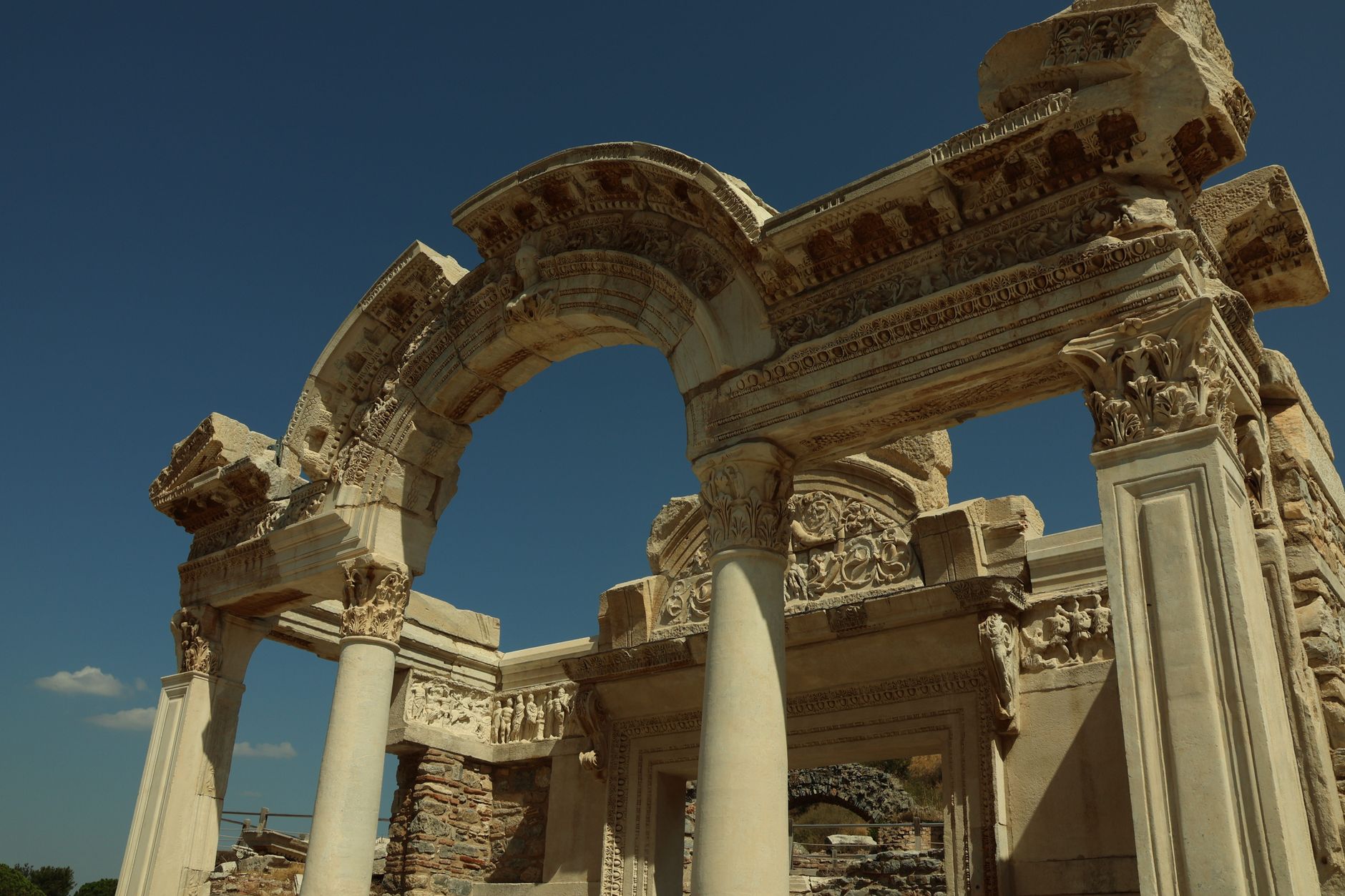
The most celebrated circuit begins in Ephesus, near the modern town of Selçuk. Here, the House of the Virgin Mary—a modest stone building nestled on Mount Koressos—is a place of deep devotion. Nearby, the Basilica of St. John, built by Justinian over the apostle's tomb, and the ancient city of Ephesus itself, with its Great Theatre where Paul preached, offer a profound immersion into early Christian life.
Moving inland, the Seven Churches of Revelation circuit takes you through the Aegean countryside to sites like Pergamum, Thyatira, Sardis, Philadelphia, and Laodicea. Each has its own archaeological wonders and biblical resonance, and many are surprisingly uncrowded.
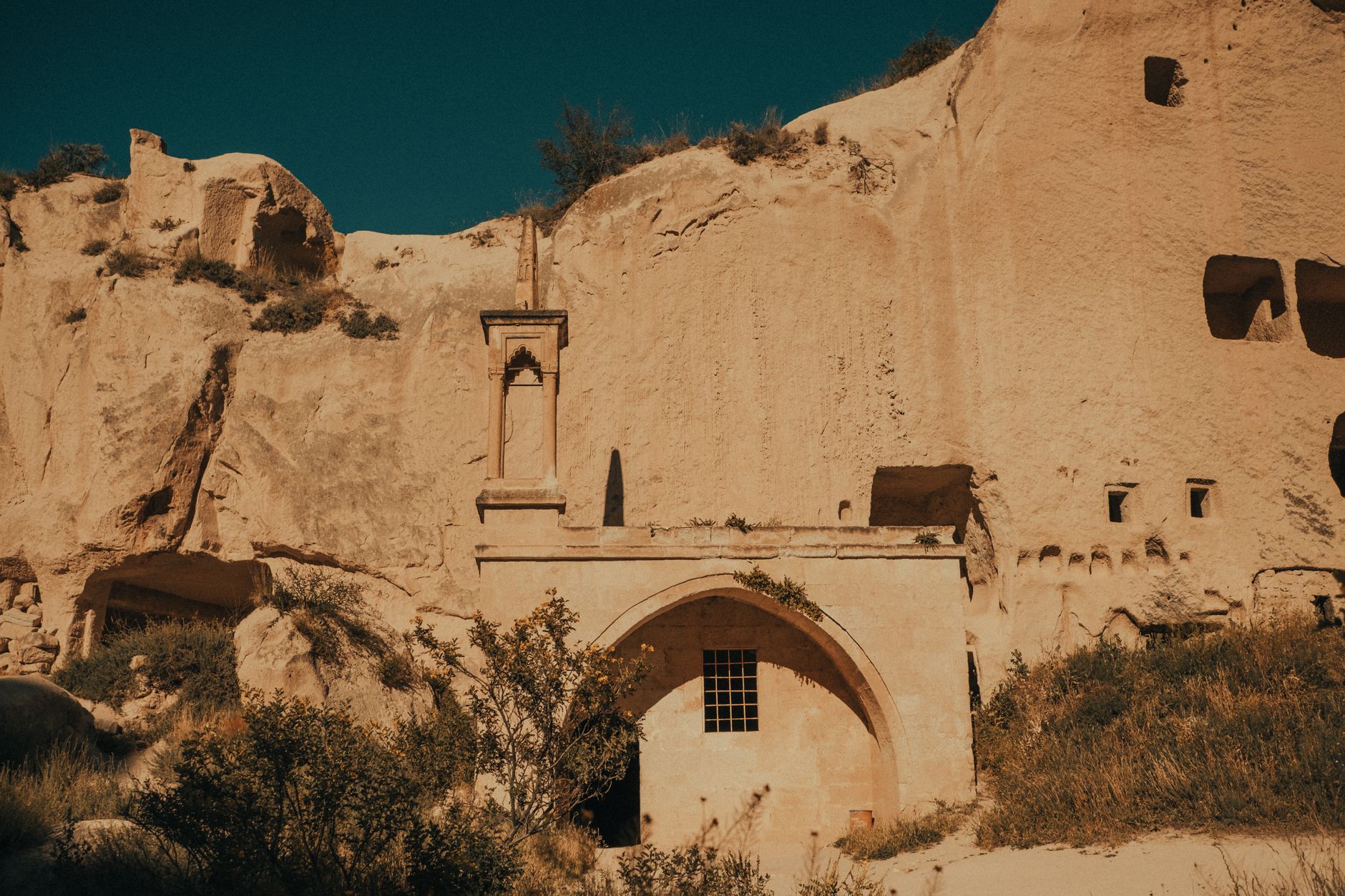
In Cappadocia, the landscape itself seems otherworldly, but it is the rock-cut churches and monasteries that draw Christian pilgrims. The Göreme Open Air Museum, a UNESCO site, contains a stunning collection of Byzantine frescoes in cave churches such as the Dark Church and the Buckle Church. Further afield, the underground cities of Kaymaklı and Derinkuyu reveal the resilience of early Christian communities.
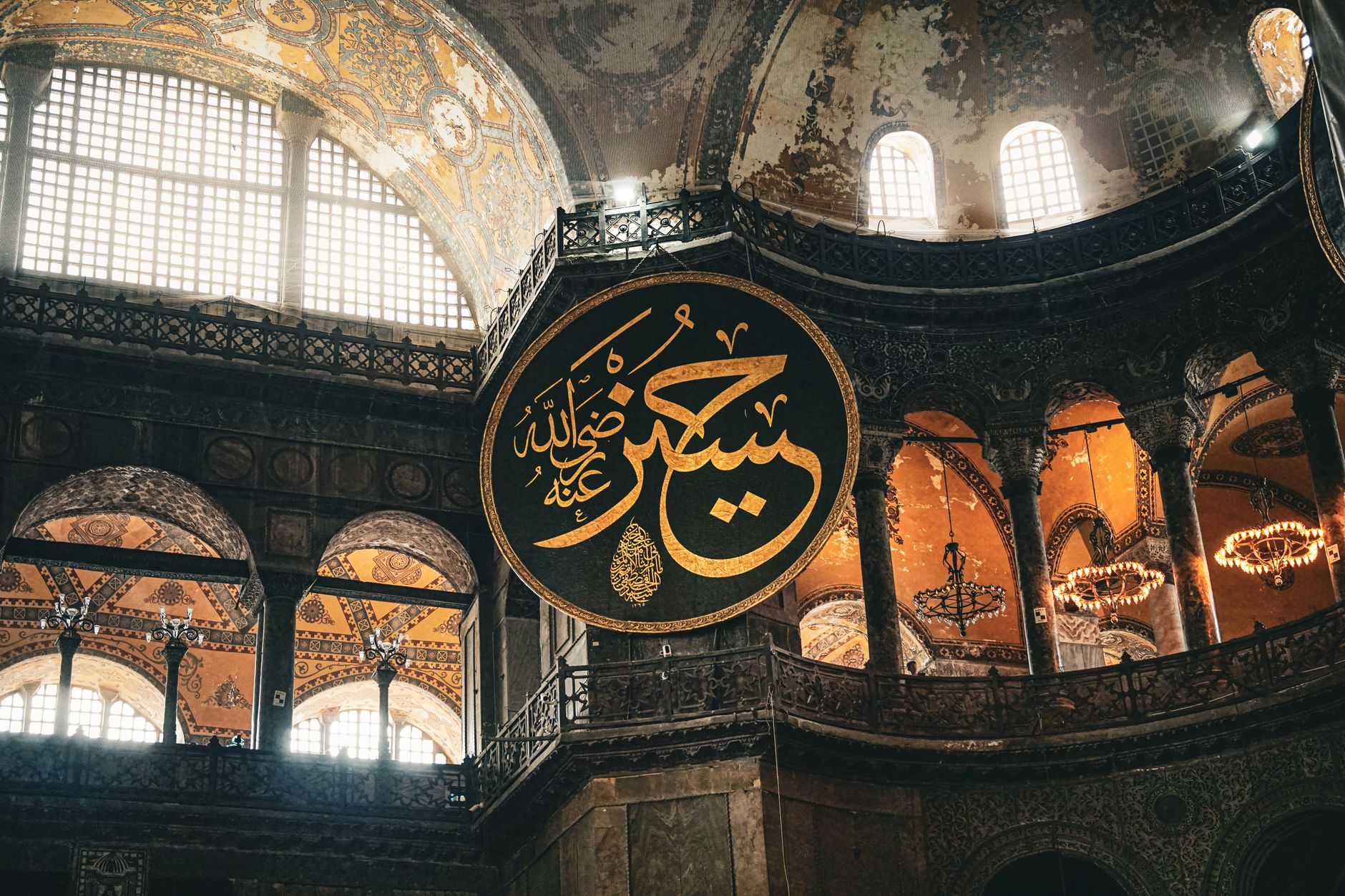
Another essential stop is Istanbul (ancient Constantinople), where Hagia Sophia, the Chora Church, and the Ecumenical Patriarchate in Balat offer layers of Christian history spanning nearly two millennia. For those with more time, the route can extend to Antioch (Antakya), where followers of Christ were first called Christians, and to Miletus, where Paul addressed the Ephesian elders.
Visiting with Respect: Practical Tips for Christian Travelers
Türkiye is a secular country with a predominantly Muslim population, but it has a rich tradition of religious tolerance. When visiting Christian sites, remember that some are active places of worship—particularly the House of the Virgin Mary, which is a shrine maintained by both Christian and Muslim caretakers. Dress modestly, speak softly, and refrain from climbing on ruins or touching frescoes.
Photography is often allowed but check for signs; flash is usually prohibited in frescoed churches to protect the art. In some sites, a small donation or entrance fee supports conservation. As a sign of respect, ask before photographing worshippers or clergy.
During Ramadan or other Islamic holidays, opening hours may vary, so plan ahead. It's also wise to carry a scarf for women when entering active mosques that were former churches, such as Hagia Sophia. Above all, approach each site with a spirit of humility and curiosity—this is holy ground for many.
Group Tours vs. Independent Travel: Options for Every Style
For those who prefer structure and companionship, group tours specializing in Christian heritage are abundant. Companies like Tutku Tours and PETRA are known for their expert guides and carefully paced itineraries that include daily Mass or devotional time. These tours often handle logistics, from transportation to hotel bookings, and provide context that enriches the experience.
Independent travelers, on the other hand, can enjoy flexibility and solitude. Türkiye's public transportation is excellent—buses connect major cities, and car rentals are affordable. Many sites are accessible by dolmuş (shared minibuses) or taxi. If you go independently, consider hiring local guides at major sites for deeper insight, and use our trip planner to map your route.
For those seeking a middle ground, small-group or private tours can be arranged through our local experts. They can tailor the pace and focus to your interests, whether you want to spend hours in quiet reflection at a site or cover more ground.
Comfortable Pacing: How to Plan a Fulfilling Journey
Christian heritage travel can be intense, both emotionally and physically. To avoid burnout, aim for a balanced itinerary that allows time for rest and reflection. A classic route might start in Istanbul (2-3 days), fly to Izmir for Ephesus and the Seven Churches (4-5 days), then fly to Cappadocia (3-4 days). This gives you a taste of the major highlights without rushing.
Consider the seasons: spring (April-May) and autumn (September-October) offer mild weather and fewer crowds. Summer can be hot, especially in the south, while winter in Cappadocia brings snow and a magical atmosphere but requires warm clothing.
Build in rest days or half-days. For example, after a morning exploring Göreme, spend the afternoon in a cave hotel or visit a local pottery workshop. Hydrate frequently, wear comfortable shoes for uneven terrain, and don't underestimate the altitude in Cappadocia.
For a more detailed itinerary, see our itineraries and check the best time to visit for seasonal advice.
Beyond the Circuit: Hidden Gems and Local Encounters
While the main sites are unforgettable, Türkiye's Christian heritage extends to lesser-known places. In Antakya, the Church of St. Peter (Cave Church) is one of the oldest Christian worship sites, carved into the mountainside. In Mardin, the Syriac Orthodox monasteries of Deyrulzafaran and Mar Gabriel offer a glimpse into a living ancient tradition.
In Izmir (ancient Smyrna), the Agora and St. Polycarp Church recall the early martyrdom. Along the Black Sea coast, the Sumela Monastery clings to a cliff face, a testament to Byzantine monasticism.
Take time to interact with local Christians—small communities still exist, especially in Istanbul and Mardin. Attend a Sunday service at the Ecumenical Patriarchate or a Syriac liturgy if you can; it will deepen your connection to the land and its people.
For more inspiration, browse our destinations and guides.
Practical Information: Entry, Health, and Connectivity
Most visitors to Türkiye need a visa, which can be obtained online (e-Visa) for many nationalities. Check the official website for requirements. The local currency is the Turkish lira, and credit cards are widely accepted, but carry cash for smaller sites and rural areas.
Türkiye has a modern healthcare system, but travel insurance is recommended. Tap water is generally safe in cities, but bottled water is preferable in rural areas. Mobile coverage is excellent, and Wi-Fi is common in hotels and cafes.
When visiting religious sites, dress modestly (shoulders and knees covered) and carry a scarf for women. Learn a few Turkish phrases—"Merhaba" (hello) and "Teşekkür ederim" (thank you) go a long way.
For more tips, see our travel tools and FAQ.
Conclusion: A Journey of Faith and Discovery
Türkiye's Christian heritage is vast, accessible, and deeply moving. Whether you join a group or travel independently, whether you focus on the well-known sites or seek out hidden gems, you will find a land that welcomes pilgrims with warmth and reverence. The depth of history here—from the apostles to the Byzantine era—offers a profound opportunity to connect with your faith in a tangible way.
Plan your journey with care, respect the local culture, and allow yourself time to absorb the spiritual richness of this remarkable country. For assistance, our team is here to help, and you can read more about our approach on our about page.
Thinking about a trip to Turkey?
Share your contact details and a vetted local expert will follow up with a plan built around you — free, no obligation.