

History With Sandals On: Why Türkiye Is Made for Young Explorers
Most parents picture a heritage holiday the way it looks in a textbook: velvet ropes, whispered warnings, and a nine-year-old slowly sliding down a display case. Türkiye breaks that mould completely. This is a country where the greatest hits of human civilisation are not sealed behind glass but scattered across mountaintops, beaches, olive groves and village lanes, still smelling of dust and wild thyme.
Here, a child can climb the very ramparts of Troy, walk through a Hittite capital older than Rome, scramble over Lycian tombs carved into sea cliffs, and then finish the day with an ice cream in an Ottoman caravanserai. History stops being a subject and becomes a place you can touch, hide behind and race across.
The secret is choosing the right sites, timing them well, and framing each stop as a treasure hunt rather than a lesson. On this heritage trail you will follow three great civilisations — the Hittites, the Lycians and the Ottomans — but your children will remember it as the holiday where they were spies, tomb raiders, chariot drivers and sultans.
Hattuşa: Become Hittite Explorers on a Mountain Capital
Start deep in the Anatolian heartland, near the village of Boğazkale, where the Hittites ruled an empire that rivalled Egypt's around 3,300 years ago. Hattuşa is a UNESCO World Heritage Site, but forget hushed galleries: this is a sprawling open-air city of temples, royal residences and colossal stone gateways spread over a hillside you can roam freely.
Children adore the Lion Gate and the King's Gate, where enormous stone creatures guard the passage. Give each child a torch — or a phone light — and the dark, sloping tunnel of Yerkapı becomes an instant adventure, especially when you explain it may once have been used for ceremonial processions. Hand them a simple checklist: find a lion, find a sphinx, find a wall built from cyclopean stones, count the steps of the great pyramid-like ramp.
The nearby museum in Boğazkale is small enough to hold short attention spans, and the reconstructed section of the city wall gives a clear, physical sense of scale. Pair the visit with a picnic among the wildflowers — there are shaded benches and open grassy areas around the site, and the elevated position means breezes even in high summer.
Practical notes: the terrain is uneven and rocky, so a sturdy carrier beats a stroller here. Wear closed shoes, bring hats and water, and aim for early morning or late afternoon when the light is golden and the site is quiet. If your family loves mapping a route before you go, our route ideas are a good place to sketch an itinerary around the central Anatolian sites.
Troy: Myth, Wooden Horses and a City of Nine Layers
Few names fire a child's imagination like Troy. At the site near Tevfikiye, in the Çanakkale region, you can stand on the mound where archaeologists uncovered not one city but nine, stacked like layers of a giant cake over thousands of years. Point out the different stoneworks and ask your children to guess which layer belongs to which age — it turns stratigraphy into a game.
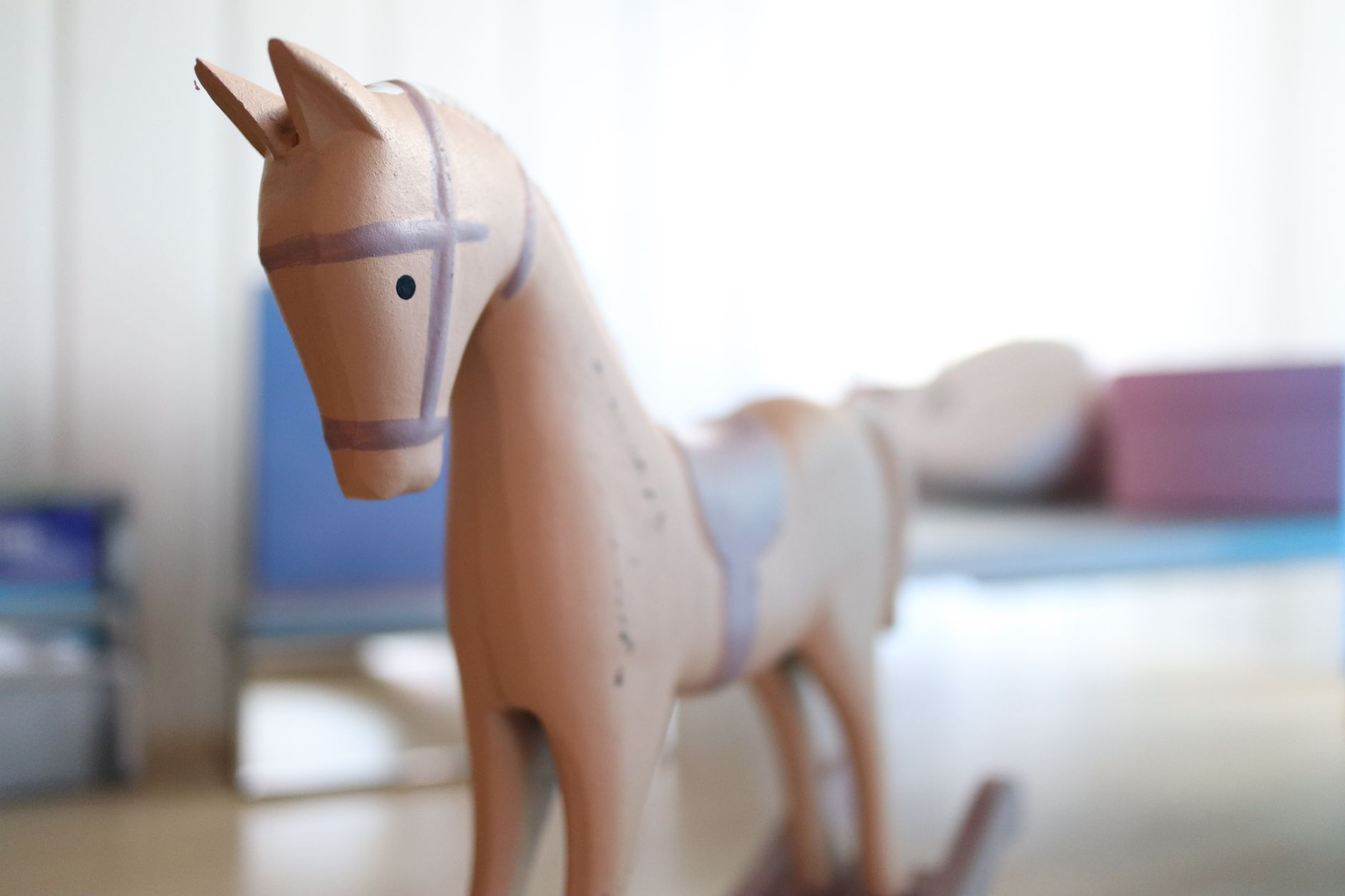
The star attraction for families is the replica wooden horse at the entrance, which you can climb inside. It is unashamedly theatrical and gloriously fun, and it gives you the perfect hook to tell the story of the Trojan War on the spot. Bring a simplified version of the Iliad, or better still, let your children retell it to you while you walk the circuit.
The site itself is compact, mostly level paths with gentle slopes, and manageable in an hour to ninety minutes — ideal for younger legs. Shade is limited, so plan around the middle of the day, and combine the visit with the nearby museum for models, artefacts and air conditioning.
If your family enjoys planning around stories and legends, browsing our travel guides can help you build a narrative arc for the whole trip, from Troy's myth to the Lycian coast and on to Ottoman cities.
Olympos and the Lycian Coast: Tombs, Fire and Pirates
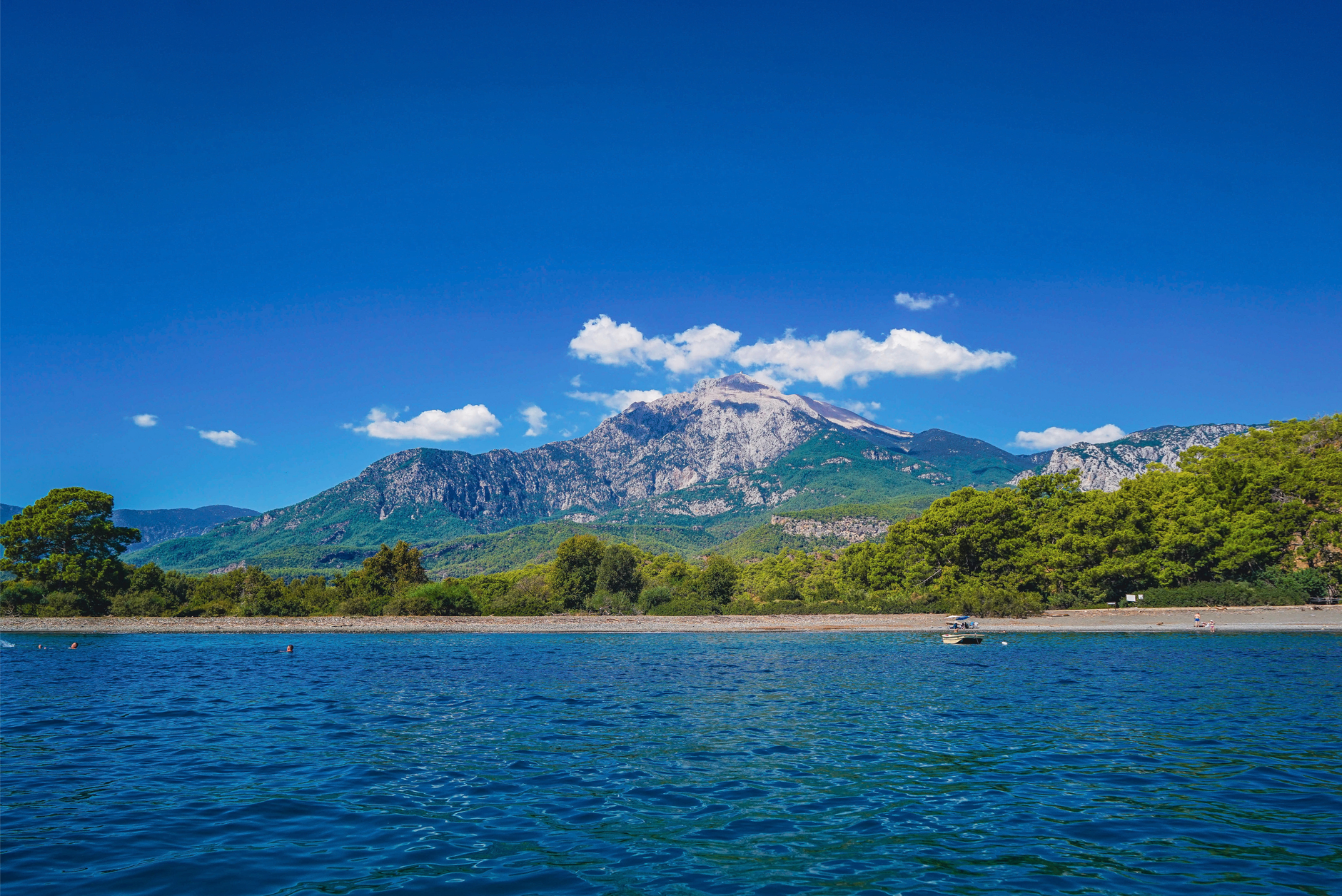
Head south to the turquoise coast and you enter Lycian territory, where an ancient civilisation left behind rock-cut tombs, hilltop citadels and a coastline so beautiful it feels invented. Olympos is the perfect family introduction: a laid-back beach village, a pebbly cove, and a ruined city half-swallowed by vines, reached by a short walk along a stream.
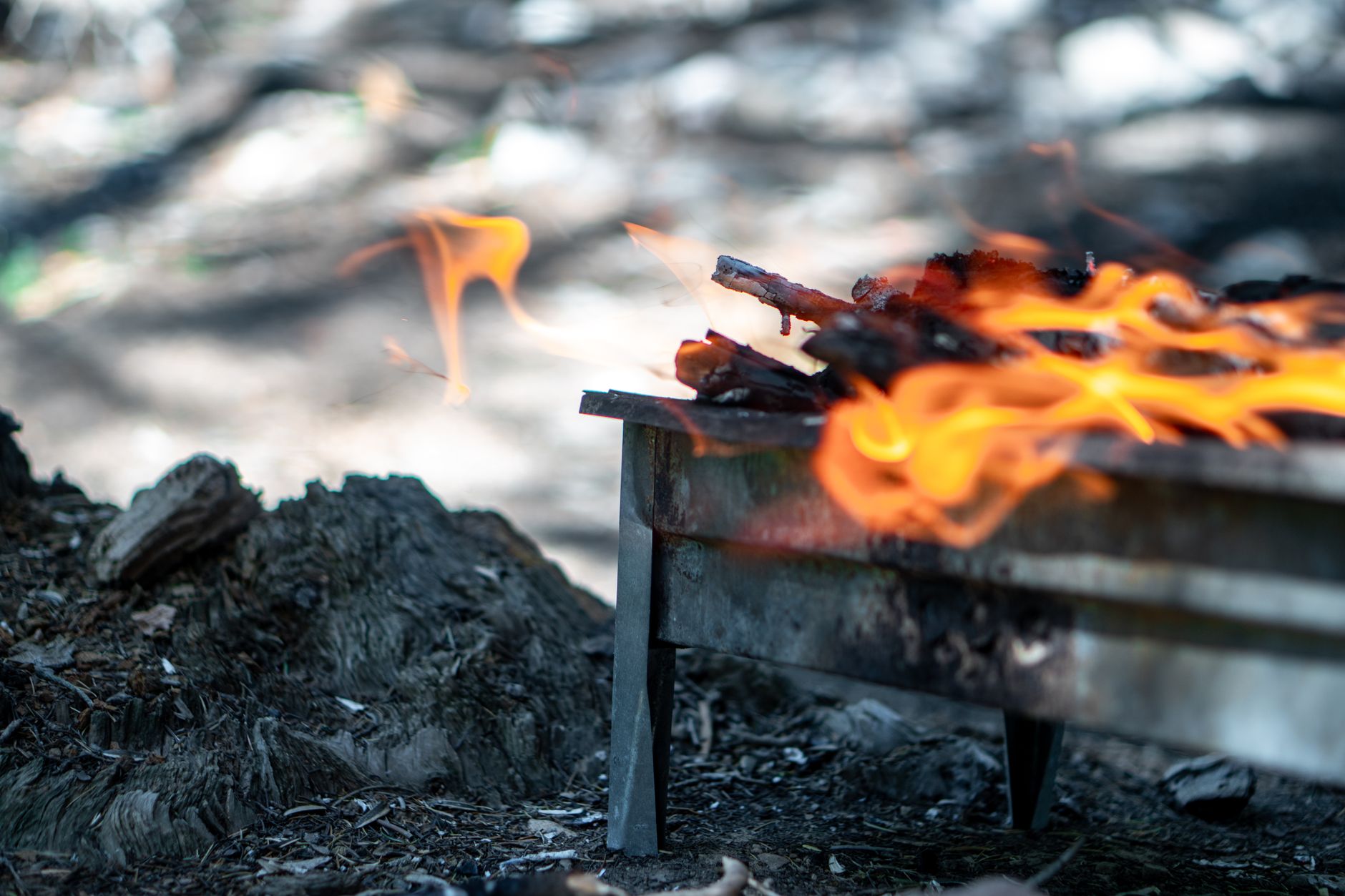
Children love the sense of discovery here because the ruins are not fenced off in a sterile way. They can wander between crumbling walls, spot carved sarcophagi, and imagine pirates and Roman sailors. Nearby, the eternal flames of Yanartaş — the Chimaera — burn from vents in the hillside and are best visited at dusk with a torch and a sense of drama. The flames have been burning for thousands of years and inspired legends of a fire-breathing monster; tell the story as you climb.
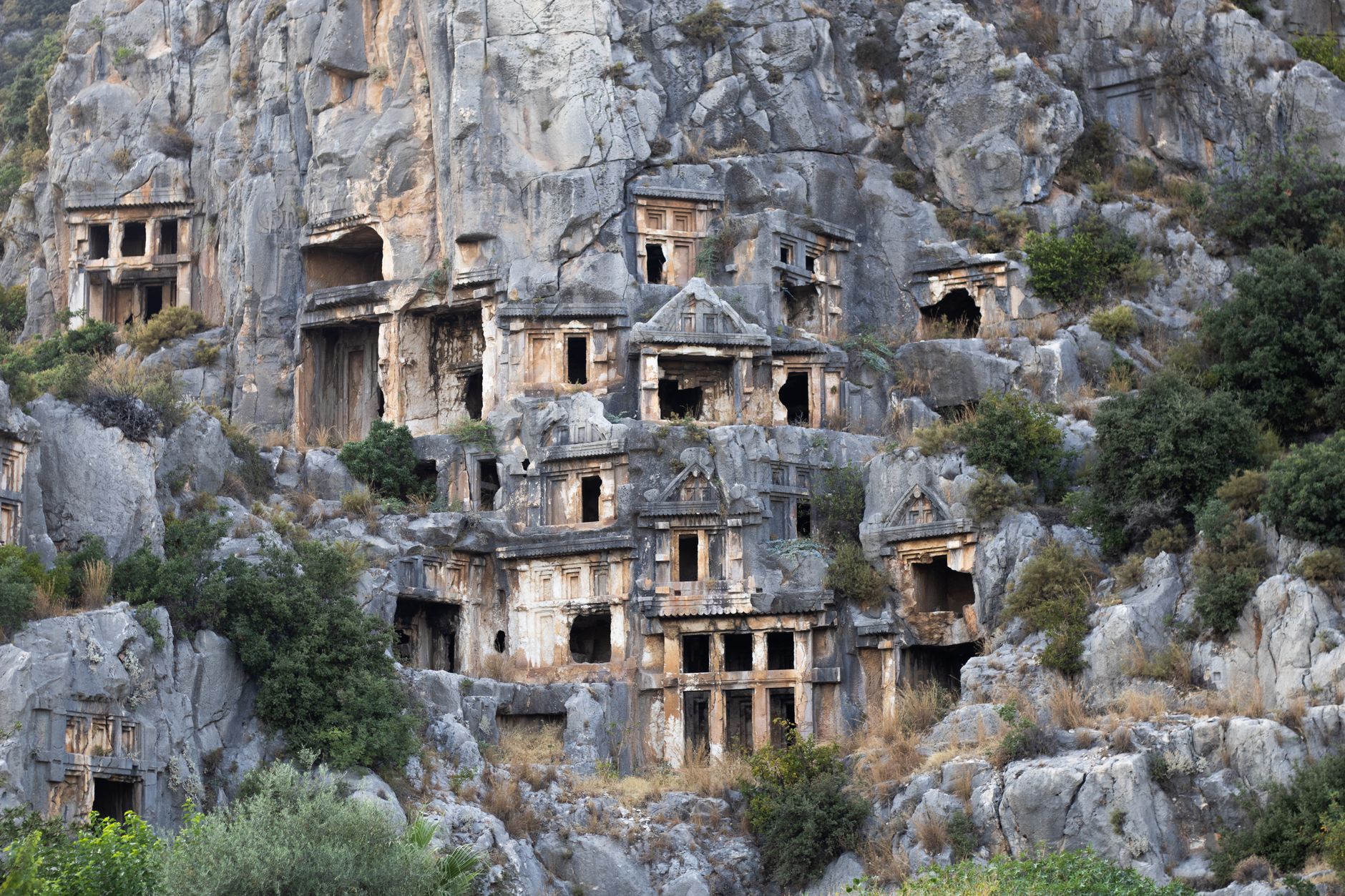
Further along the coast, the Lycian Way offers short, family-friendly sections that combine walking with swimming stops, and places like Kayaköy — an abandoned Greek village of stone houses — are wonderfully atmospheric for older children who enjoy imagining vanished lives. Myra's rock tombs, carved high into the cliff face, are another highlight; the amphitheatre below gives children a stage to perform on.
This stretch of coast is also where you can slow down. Balance serious sightseeing with boat trips, sea kayaking and lazy beach afternoons so that nobody hits history overload. Our destinations pages cover the broader region if you want to link the Lycian coast with the rest of your route.
Ottoman Cities: Palaces, Bazaars and Living History
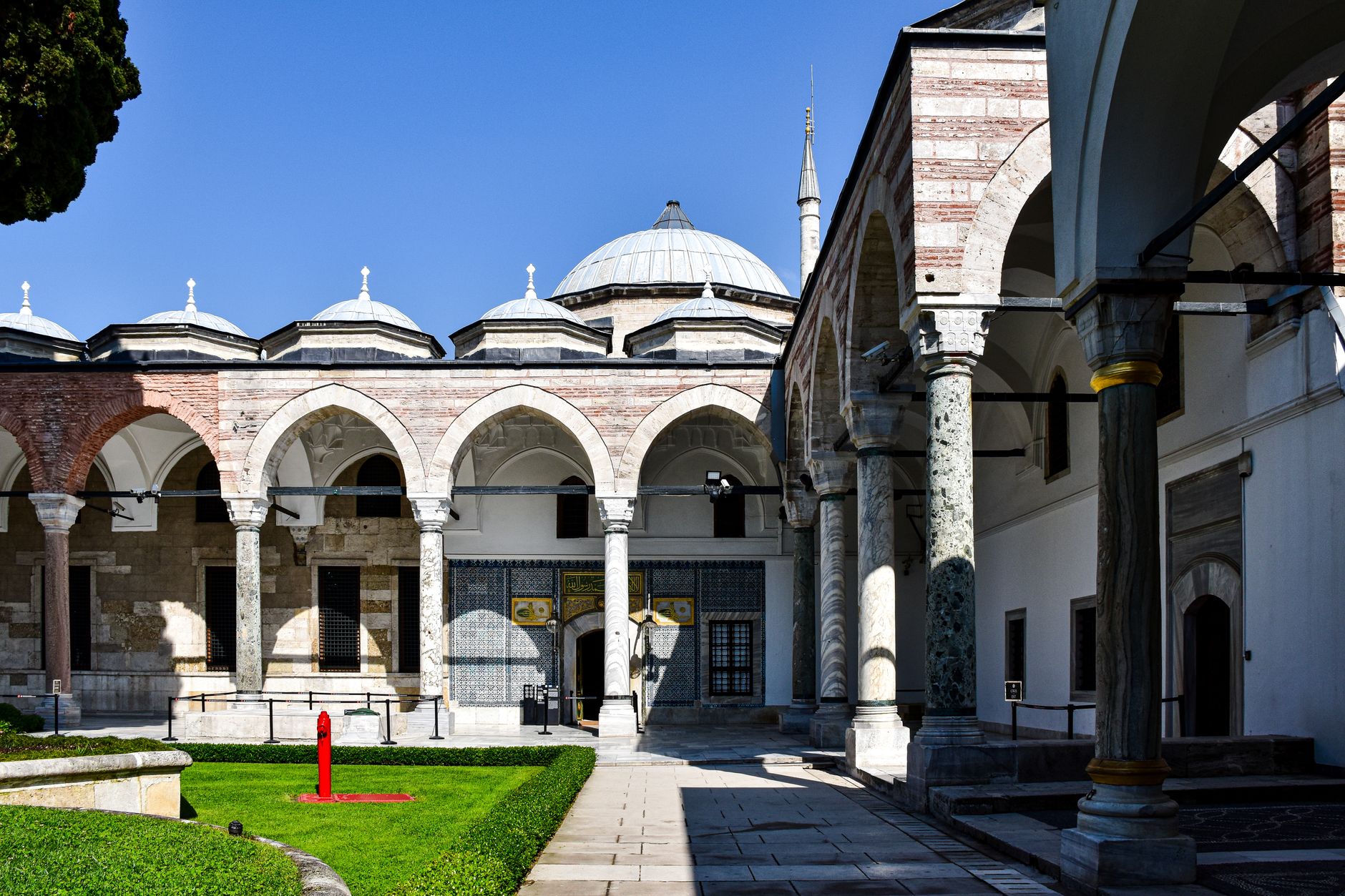
Ottoman heritage is the easiest layer for children to grasp because it is still alive all around them. In Istanbul, Topkapı Palace becomes a treasure hunt through courtyards, kitchens and the harem, with tales of sultans, jewels and secret passages. The Grand Bazaar is a sensory maze where children can practise haggling for a small souvenir, and the Spice Bazaar turns smells into memories.
Further afield, cities like Bursa, Edirne and Safranbolu offer gentler, less crowded Ottoman experiences. Safranbolu's timber-framed houses and cobbled lanes feel like a film set, and many restored mansions are open as museums where children can see how a wealthy Ottoman family actually lived. In Bursa, the Green Mosque and the covered bazaar are close together, making a manageable half-day.
Ottoman caravanserais are a brilliant family stop: many have been converted into cafés or hotels, so you can sip tea in a courtyard where merchants once tethered their camels, and let the children run along stone arcades. It is history served with cake.
Try to time an Ottoman city visit with a local festival or a whirling dervish performance — the music and movement hold attention far better than any plaque. Pair the experience with a visit to a hamam (many cities have family-friendly sessions) for a fully immersive day.
Practical Tips: Strollers, Shade and Junior Audio Guides
Family logistics can make or break a heritage trip, so plan around your children's energy rather than the map. Many major sites — Troy, Ephesus's main avenue, parts of Istanbul's palace gardens — have relatively smooth, stroller-friendly paths, but Hattuşa, Olympos and Myra do not. A lightweight carrier and a compact stroller cover most situations; leave the heavy pram at home.
Shade and water are your best friends. Mediterranean summers are fierce, so schedule outdoor ruins for early morning or after 4 p.m., and keep midday for museums, bazaars or the beach. Picnic spots are plentiful: the grassy areas around Hattuşa, the pine groves near Olympos, and the gardens of Istanbul's palaces all welcome a blanket and a bag of simit.
Audio guides are a secret weapon. Many sites now offer family or junior versions in English, often shorter and story-driven, and private guides can be booked for a couple of hours to bring a site to life for children specifically. If a junior guide is not available, download a child-friendly podcast or create your own quiz in advance — ten questions, a small prize at the end.
Our travel tools section can help you organise timings and packing lists, and if you want a second opinion on pacing, our local experts can suggest family-tested itineraries. For the best months to travel with children, check our best time to visit advice before you book.
Making It Stick: Games, Stories and Slow Days
The difference between a magical heritage trip and a tiring one is usually pacing. Aim for one major site per day, with a swimming pool, beach or playground afternoon in between. Children remember what they do, not what they are told, so build in hands-on moments: pottery workshops in Avanos, mosaic-making, archery, or a cooking class where they learn to fold dolma.
Turn each site into a story before you arrive. Tell the myth of the Trojan Horse the night before Troy, the legend of the Chimaera before Yanartaş, and the tale of a Hittite king before Hattuşa. Children who know the plot engage with the ruins far more deeply.
Finally, let them lead sometimes. Hand over the map, let them choose the next turn, and watch how ownership transforms a walk through ancient stones into an expedition. Türkiye's layered past is not a museum to be endured — it is a landscape to be explored, and your children are exactly the right age to fall in love with it.
When you are ready to plan, start with our itineraries for route inspiration and our trip planner to pull the pieces together. If you have questions about travelling with kids, our FAQ covers the practicalities, and our about page explains how we build family-friendly journeys. For inspiration before you go, browse our gallery with your children and let them pick the places that spark their curiosity.
Thinking about a trip to Turkey?
Share your contact details and a vetted local expert will follow up with a plan built around you — free, no obligation.