

Why Shop at Women's Cooperatives and Village Markets?
Travelers to Türkiye often come for the landscapes and the history, but they leave talking about the people. Nowhere is that warmth more palpable than at the small farmers' cooperatives and women's producer markets scattered across the Aegean and Anatolian countryside. Here, the transaction is only half the story: you are invited to sit, share tea, taste olive oil straight from the press, and hear how the honey was harvested or the kilim was woven. Shopping becomes a conversation, and souvenirs become memories with a face.
These cooperatives are also a force for good. Many are run by women's associations that provide training, income and social support in rural areas. When you buy directly from the maker, you help keep traditional crafts alive, support sustainable farming, and contribute to the economic independence of women who might otherwise have few opportunities. The money goes straight to the producer, not to middlemen, so your purchase has a tangible impact.
In this guide, we'll take you to some of the most inspiring cooperatives and markets, explain how to shop fairly and knowledgeably, and share tips for getting fragile items home safely. Whether you're roaming the back roads of the Aegean or exploring the high plateaus of Anatolia, you'll find that the generosity of the people you meet is as memorable as the products themselves.
The Aegean's Liquid Gold: Olive Oil Cooperatives
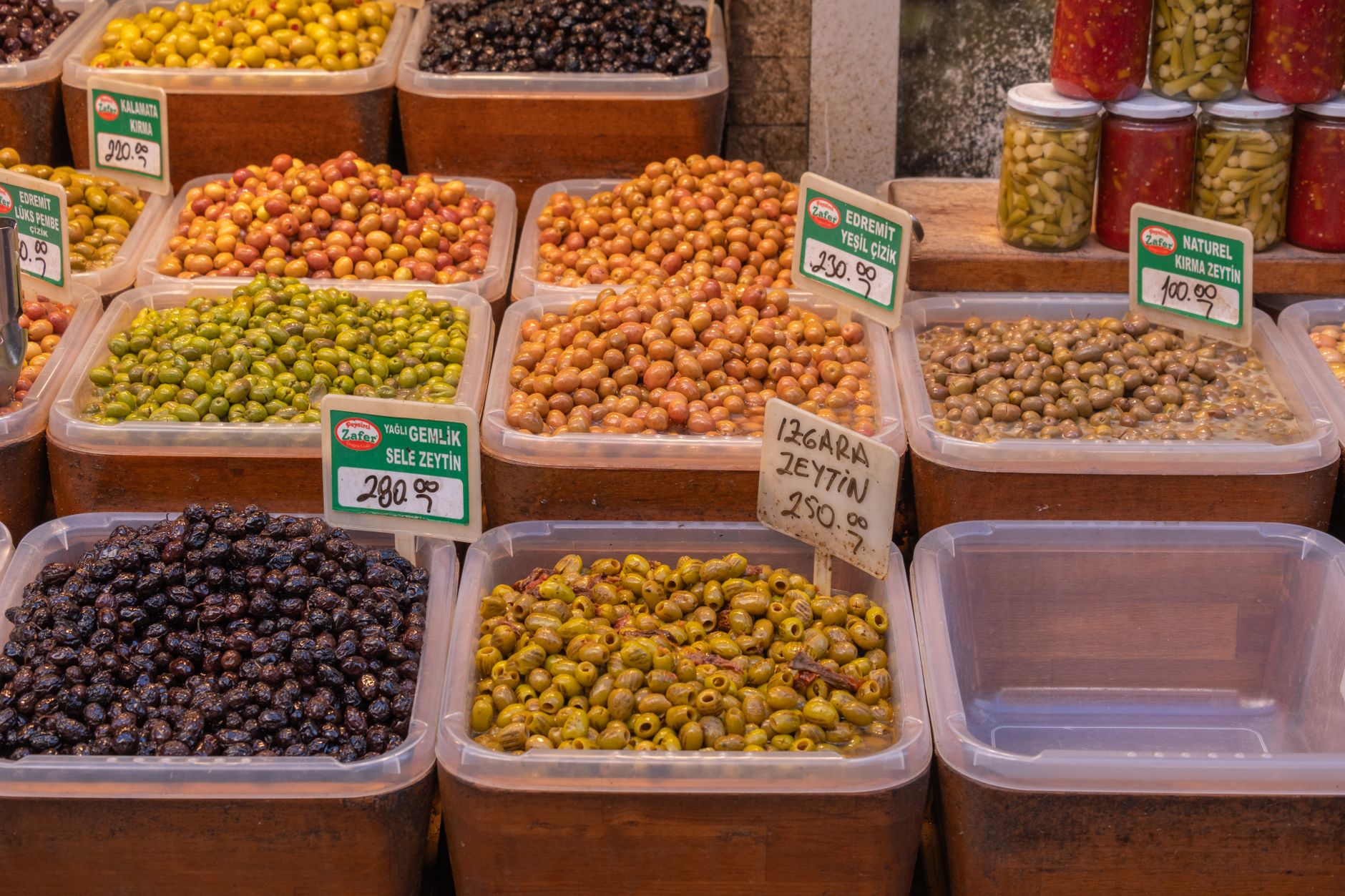
The Aegean coast is olive country. Groves stretch for miles, and in autumn the roads are lined with burlap sacks of freshly picked olives waiting to be pressed. Many villages have their own oil cooperatives, often family-run for generations. A visit to one of these is a sensory feast: the earthy smell of olives, the hum of machinery, and the proud smile of the farmer as he pours you a glass of cloudy, peppery zeytinyağı.
Look for cooperatives in areas like Ayvalık, Edremit and Küçükkuyu, where the famous Ayvalık olive variety thrives. Some offer tours and tastings; others simply have a small shop by the roadside. Don't be shy — ask questions about the harvest, the pressing method, and the acidity level. A good extra virgin olive oil should have a bright green hue, a fruity aroma, and a peppery finish that catches the back of your throat. Prices vary, but expect to pay between 150 and 300 TL per liter for high-quality artisanal oil. It's worth every kuruş.
If you're driving the Aegean coast, make a detour to the village of Tımar near Ayvalık, where a women's cooperative produces organic olive oil and olives. They also run a small café serving gözleme and fresh bread. The setting is rustic, the welcome genuine, and the oil exceptional. Bring cash — many small cooperatives don't accept cards.
Honey, Preserves and Village Breakfasts
No Turkish breakfast is complete without honey, and the Anatolian highlands produce some of the finest. From the pine forests of Muğla to the high plateaus of the Black Sea, beekeepers tend hives that yield complex, aromatic honey. Women's cooperatives often sell honey alongside homemade jams, preserves and pekmez (grape molasses). A jar of chestnut honey from the Black Sea or pine honey from the Aegean makes a wonderful gift, but it's the story behind it that you'll remember.
In the village of Kuyucak near Aydın, a cooperative of women grows and sells lavender products — honey, soap, essential oil and even lavender ice cream. The fields bloom in June and July, painting the landscape purple. Another gem is Cumalıkızık near Bursa, a historic village where women sell homemade preserves, raspberry vinegar and erikli (plum) jam from stalls outside their Ottoman-era houses. The village itself is a UNESCO-listed site, so you can combine a history fix with a preserve-buying spree.
When buying honey, look for crystallized varieties — that's a sign of raw, unprocessed honey. Ask if it's been pasteurized; artisanal honey usually hasn't. For preserves, check the seal and look for jars that are clean and free of cracks. And if you're lucky, the vendor might invite you for a glass of tea and a slice of bread slathered with the very preserve you're considering. Accept it — it's part of the experience.
Textiles and Crafts: From Looms to Loofahs
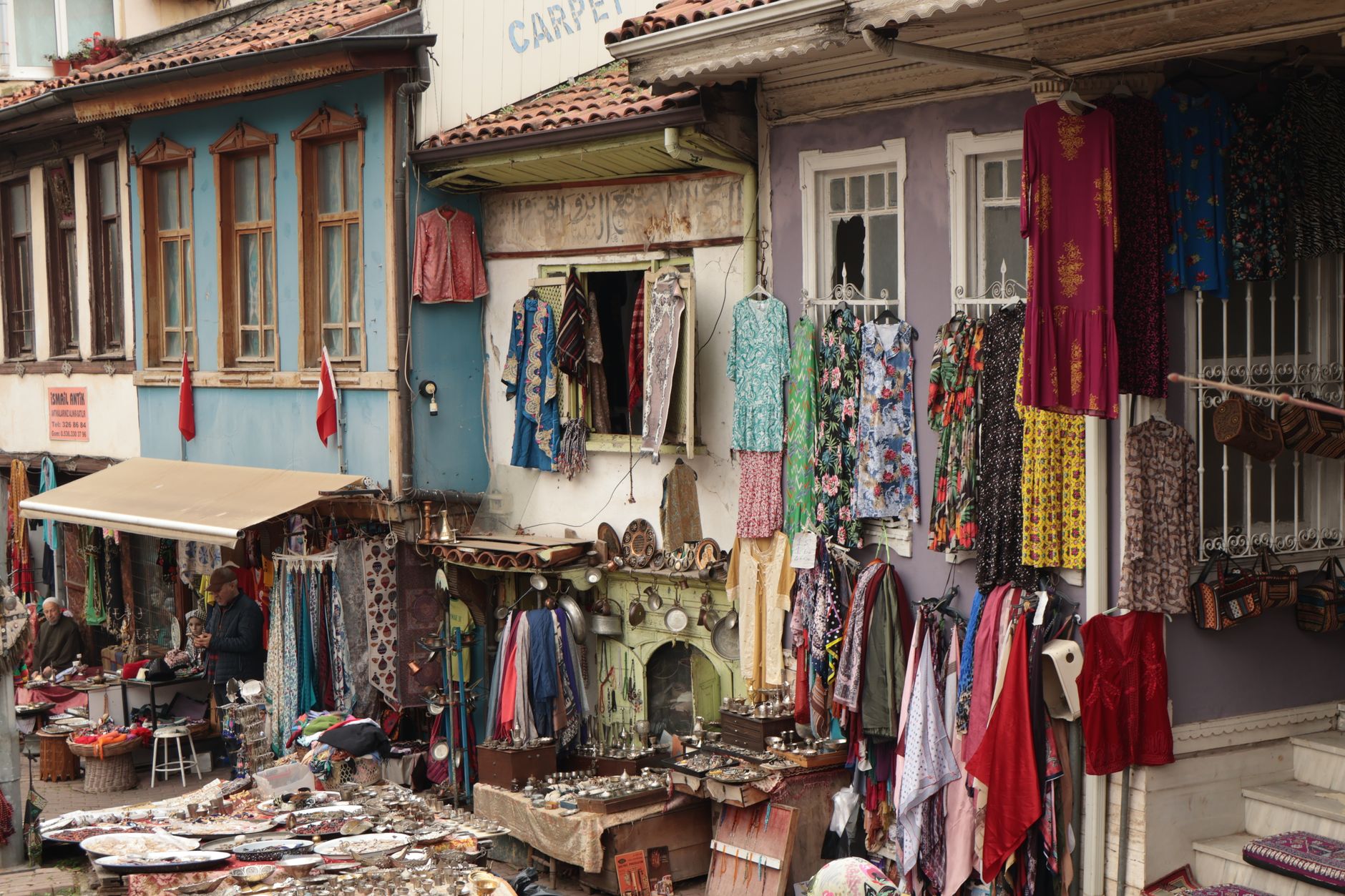
Textiles are where the artistry of Turkish women truly shines. In the Aegean town of Buldan, known for its cotton, women's cooperatives weave peştemal (traditional bath towels), scarves and clothing on wooden looms. The quality is superb, and the patterns are often inspired by nature or local tradition. A hand-woven towel or scarf is lightweight and makes a practical, beautiful souvenir. Prices start around 200 TL for a small towel and go up for larger pieces; it's fair for hours of skilled labor.
Further inland, in the village of Kızılcahamam near Ankara, a cooperative of women produces felt and wool crafts, reviving a dying art. You'll find everything from felt hats to decorative pillows. And in the Aegean village of Şirince near Selçuk, women sell hand-embroidered linens and lace. The village is touristy, but the cooperative stalls on the back streets offer genuine handmade goods. Look for irregularities — they're a sign of handwork — and don't be afraid to ask about the materials and dyes used.
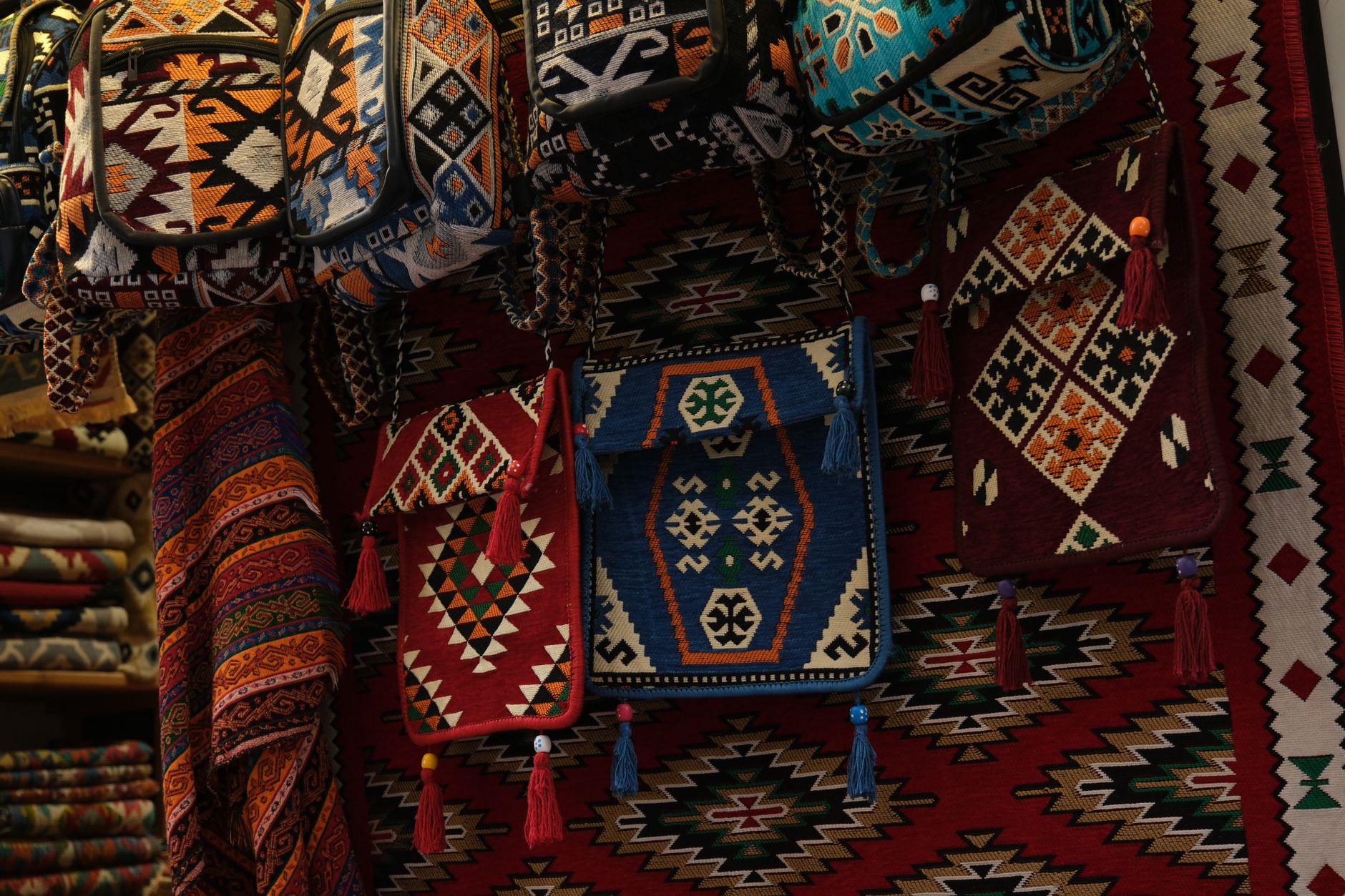
Beyond textiles, cooperatives produce a range of crafts: ceramics in Avanos, soap in the Aegean, and loofahs and natural sponges along the coast. When shopping, ask about the origin of the materials and the process. A genuine handwoven item will often have a story, and the maker will be happy to share it. Prices for crafts vary widely, but as a rule of thumb, if a piece takes a day to make, paying 300–500 TL is fair. Remember that bargaining is not customary in cooperatives; prices are usually fixed and fair.
Fair Prices and What to Look For
Shopping at cooperatives is not about getting the cheapest deal; it's about paying a fair price for quality goods and supporting the makers. Unlike in tourist bazaars, prices at cooperative shops are generally fixed, and haggling is not expected. So how do you know if a price is fair? First, compare within the same region — a jar of honey in a village cooperative should cost less than in a city gift shop. Second, consider the time and skill involved. A hand-knitted sock takes hours; if it's priced at 100 TL, that's reasonable.
Look for authenticity: handmade items often have slight imperfections, and natural products may vary in color and texture. Ask about certifications if you're buying organic — many cooperatives are certified, but not all can afford the label. Also check labels for added sugar or preservatives in preserves. And when buying textiles, feel the fabric: pure cotton or wool will feel different from synthetic blends. Don't hesitate to ask what the item is made of and how to care for it.
Bring cash in small denominations. Many small cooperatives lack card machines, and even if they accept cards, cash is easier for them. If you're unsure about a product, ask for a small taste or sample. And if you find something you love, buy it — you may not pass this way again. But also resist the urge to overbuy; quality over quantity is the motto here.
Shipping Fragile Items Home
Olive oil bottles, honey jars, ceramic bowls and glassware are beautiful but fragile. If you're flying, remember that liquids over 100 ml must go in checked luggage. Wrap each item individually in bubble wrap or clothing, and place them in a sturdy box. Many cooperatives will pack items for you if you ask, sometimes for a small fee. For extra protection, use a hard-shell suitcase and fill gaps with soft items. Alternatively, consider shipping items home by cargo. Turkish post (PTT) offers international parcels, but for fragile items, private couriers like DHL or UPS are more reliable, though pricier. Expect to pay around 300–500 TL for a small parcel to Europe or the US.
If you're shipping, declare the contents accurately and keep receipts. Some countries have restrictions on food items, so check your home country's customs rules before sending honey or preserves. For textiles, vacuum bags can save space and protect from moisture. And always keep fragile items in your carry-on if they're small and valuable, like a ceramic trinket.
Before you leave the cooperative, ask if they have experience shipping. Some women's cooperatives have partnerships with local shipping agents and can arrange everything for you. This is often the safest option, as they know how to pack their own products. It also means you're supporting the cooperative twice.
The Warmth of Turkish Hospitality
What travelers consistently mention about these markets is not just the products, but the generosity. You'll be offered tea, fresh fruit, or a slice of bread with cheese before you even ask. Vendors will proudly show you how their loom works or explain the healing properties of the honey. In many cooperatives, you'll be invited to sit and chat, and you may leave with new friends. This is the heart of Turkish hospitality — misafirperverlik — and it's genuine.
Don't be surprised if you're invited to a village wedding or offered a place at the family table. If you're traveling with children, they'll be doted on. And if you buy something, you might receive a small gift — a sprig of lavender, a handful of olives — as a token of appreciation. Accept it graciously. This is not a sales tactic; it's a cultural norm.
To make the most of your visit, learn a few words of Turkish: merhaba (hello), teşekkürler (thank you), ne kadar? (how much?). Even a clumsy attempt will be met with smiles. And remember that in these rural areas, dress modestly, especially when visiting villages or religious sites. A scarf for women is useful.
Finally, slow down. The best experiences happen when you linger, ask questions, and show genuine interest. You might arrive for a jar of honey and leave with a recipe, a weaving lesson, and an open invitation to return. That's the magic of shopping with heart.
Thinking about a trip to Turkey?
Share your contact details and a vetted local expert will follow up with a plan built around you — free, no obligation.