
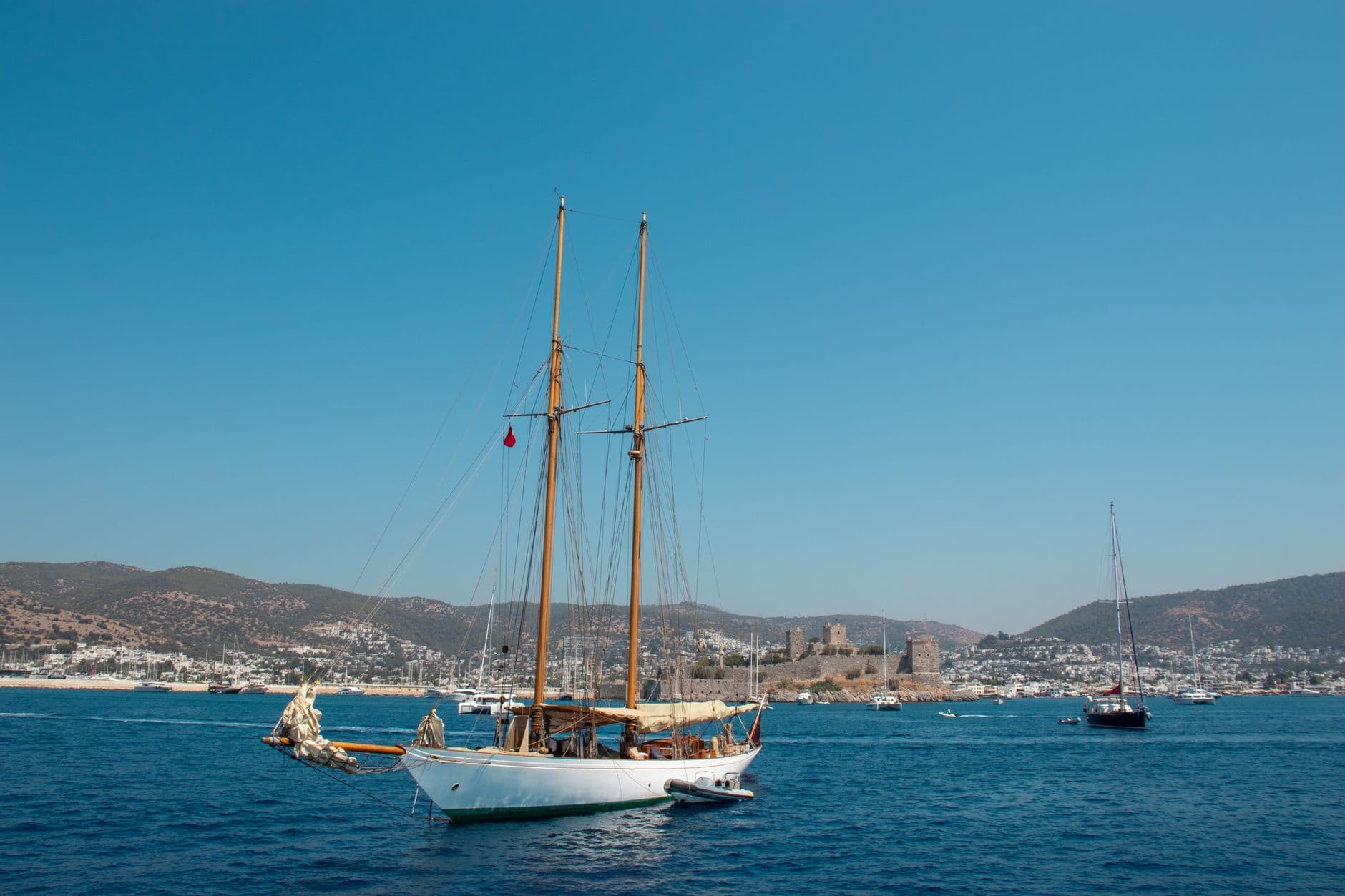
Two Continents, One Short Boat Ride
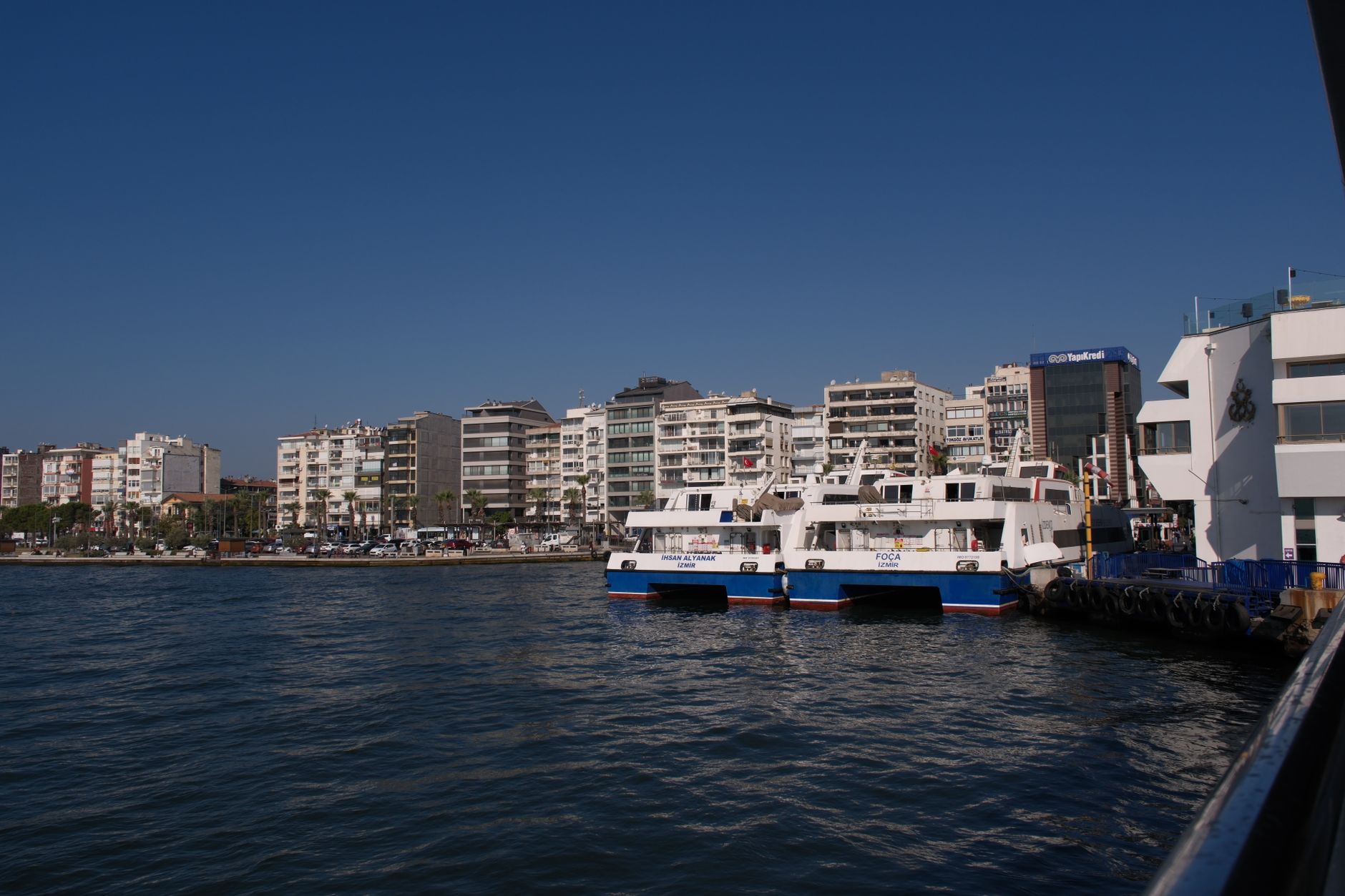
Türkiye's Aegean coast is not just a place to lie on a beach and look west — it is a working bridge. From Bodrum, Kuşadası and Çeşme, fast ferries and catamarans slip across the water to Greek islands in as little as twenty minutes. You board in Asia, order a coffee, watch a castle or a mountain shrink behind you, and step off in Europe. No airports, no long transfers, no drama.
This is one of the great underrated pleasures of travelling in the region. The distances are tiny. Bodrum to Kos is roughly 20 kilometres of water; Kuşadası to Samos is about the same; Çeşme to Chios is barely a stone's throw by ferry standards. The crossings are scenic, the sea is usually calm in summer, and the whole experience feels less like international travel and more like taking a boat to the next neighbourhood.
Because Greece and Türkiye are both in the Schengen area's outer orbit — Greece inside Schengen, Türkiye outside it — these little hops do involve real border formalities. That is the one part travellers underestimate. The good news is that the procedures are well practised, the ports are used to day-trippers, and with a little preparation the crossing is smooth and genuinely enjoyable.
This guide covers the three main ferry corridors, how ticketing actually works, what happens at passport control in each direction, and how to stitch the crossings into a comfortable combined itinerary rather than a rushed one. If you are still deciding where to base yourself, our destinations section is a good place to compare the coast with the rest of the country.
The Three Classic Ferry Corridors
Bodrum to Kos
Bodrum and Kos face each other across a narrow strait, and the link is the busiest and most tourist-friendly of the three. Hydrofoils and catamarans run in high season most days, often in the morning, with a return in the late afternoon. The crossing takes around 45 minutes to an hour depending on the vessel and the number of stops.
Kos itself is compact and flat around the harbour, with a crusader castle, Roman ruins and long beaches within easy reach. It is the ideal first island for anyone nervous about the idea of crossing borders by boat. Bodrum's castle of St Peter, built partly with stone from the Mausoleum, gives you a wonderful last look back as you leave.
Kuşadası to Samos (Vathy)
Kuşadası is the cruise-ship town of the central Aegean, and its ferry link runs to Vathy, the capital of Samos. The crossing is longer — typically one and a half to two hours — but the reward is one of the greenest, most mountainous islands in the eastern Aegean, with vineyards, mountain villages and the famous tunnel aqueduct of Eupalinos.
Because Samos is larger and less beach-focused than Kos, it rewards an overnight stay rather than a day trip. Sailings are less frequent than on the Bodrum–Kos line and are more seasonal, so check schedules before you build a plan around them.
Çeşme to Chios
Çeşme sits at the western tip of the peninsula opposite Izmir, and the strait to Chios is so narrow that you can read the Greek hills from the Turkish beach. Ferries run to Chios town, with the crossing often under an hour. Chios is famous for mastic villages, wild beaches and a quieter, more local rhythm than Kos.
Çeşme itself is a stylish resort with thermal springs, a handsome castle and excellent windsurfing, so a two- or three-night stay on each side works beautifully. This corridor is also popular with Turkish travellers doing weekend shopping and eating trips, which gives the crossing a pleasantly ordinary, non-touristy feel.
Tickets, Timetables and What to Book in Advance
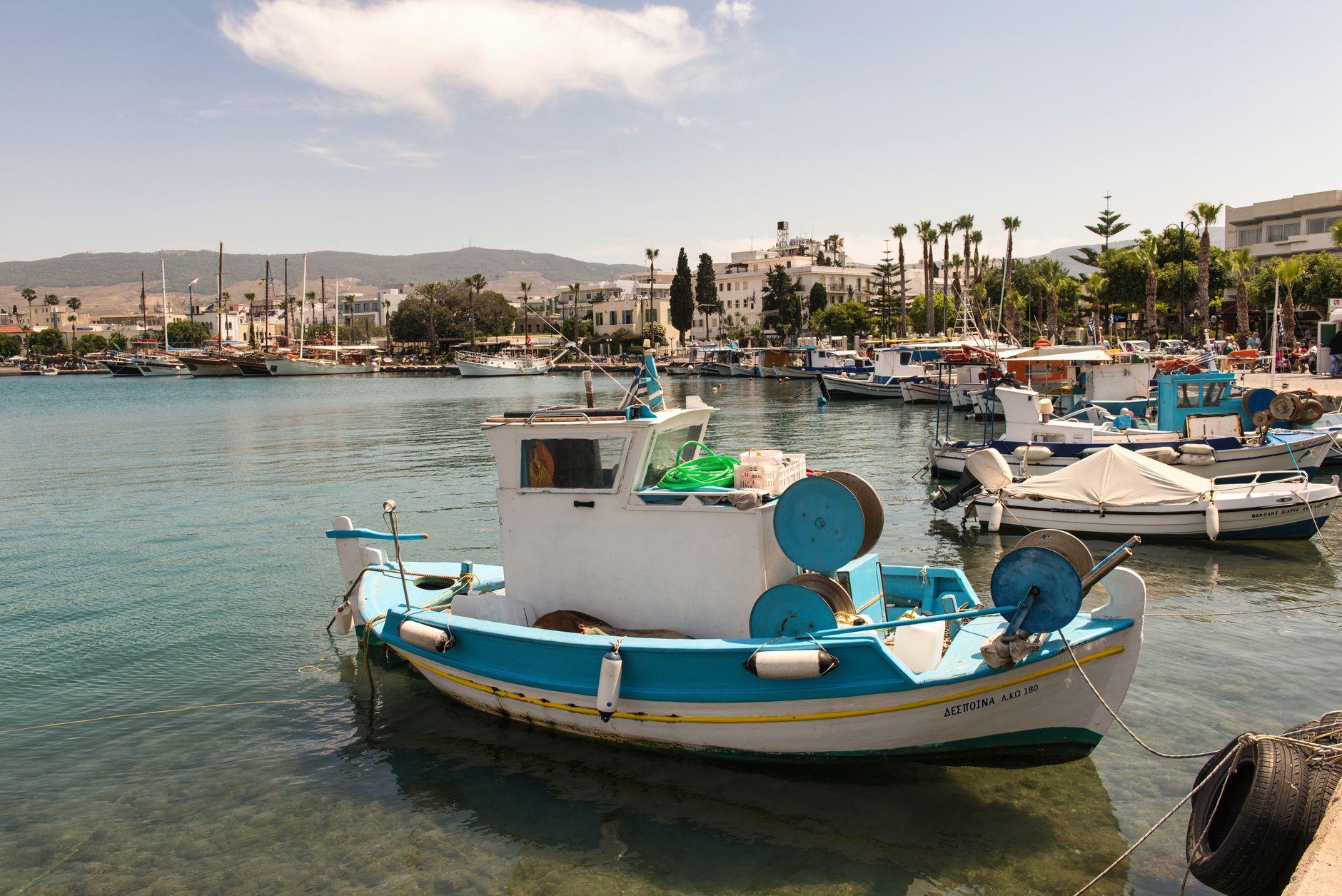
Ferry tickets on these routes are sold by private operators — think fast catamarans and hydrofoils rather than big car ferries — plus a handful of international booking platforms. In high season (roughly June to September) the popular morning departures do sell out, especially at weekends and around Greek and Turkish public holidays. Book two to four weeks ahead if your dates are fixed; book earlier if you are travelling in August.
In the low season, schedules thin out dramatically. Some routes drop to a few sailings a week, and the Çeşme–Chios and Kuşadası–Samos links can pause entirely in winter. Always confirm the current timetable with the operator rather than relying on last year's guidebook. Our best-time guide explains how the seasons shift along the coast.
Ticket types are simple: foot passengers, and on some routes vehicles. For a short island hop you almost certainly want to walk on. On the Greek side, some operators sell open returns, but many tickets are date- and time-specific, so if you are not certain when you will come back, buy the return leg separately or choose a flexible fare.
Prices vary with season, fuel surcharges and speed of vessel, but these are short crossings and should be treated as a modest line item in your budget — comparable to a nice dinner rather than a flight. Keep your booking confirmation offline on your phone, and note that names on tickets must match passports.
Tip: for a day trip, choose the earliest outbound and the latest sensible return. Four to six hours on Kos or Chios is enough for a harbour lunch and a swim, but not for the whole island.
Passport Control, Visas and the Reality of Border Day-Trippers
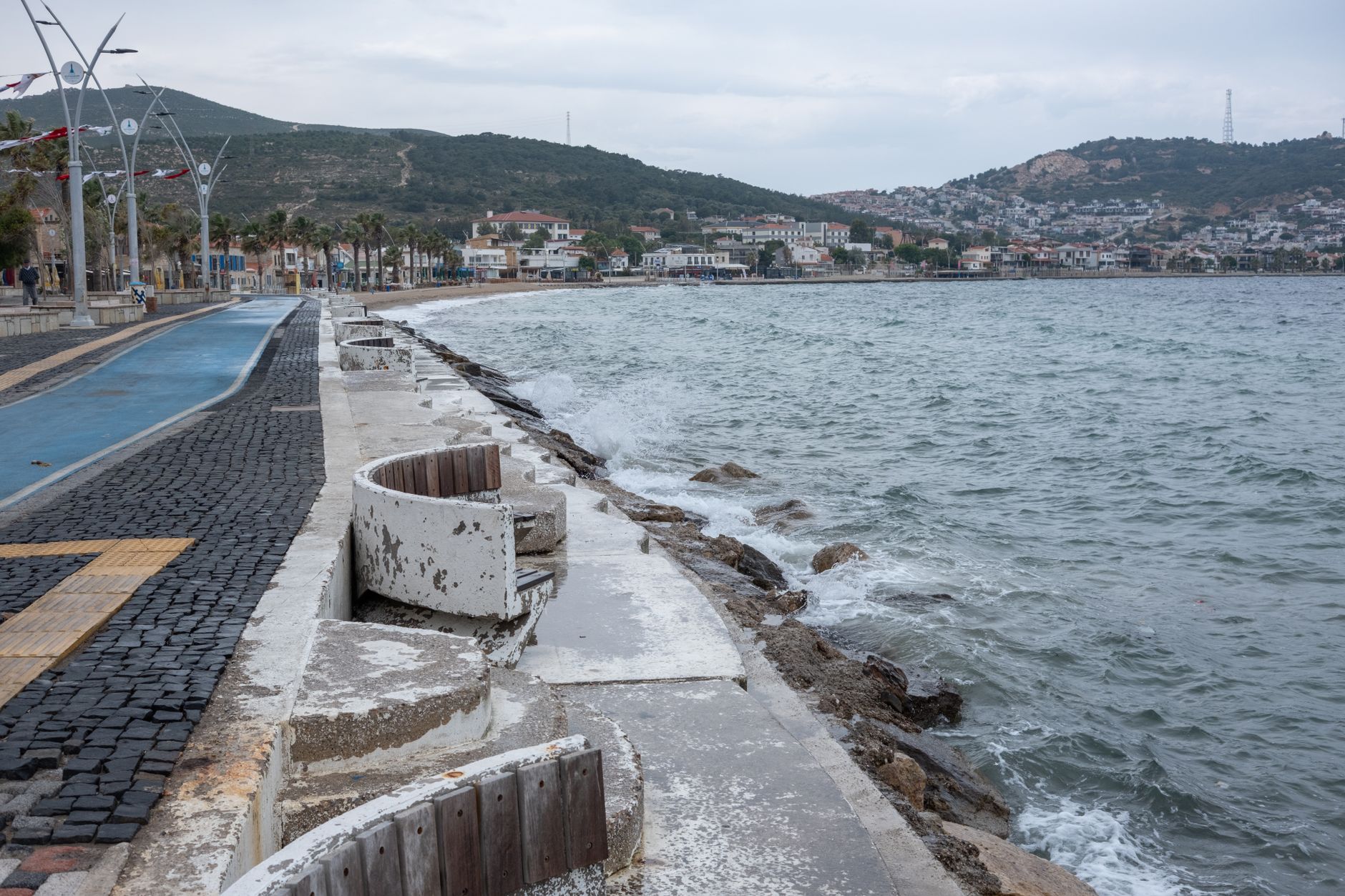
Here is the part that matters. Greece is in the Schengen area; Türkiye is not. Crossing from Bodrum to Kos means entering Schengen, and crossing back means leaving it and entering Türkiye. Both directions involve passport checks, sometimes queues, and occasionally a stern look at your stamps.
Nationals of many countries, including the UK, US, Canada, Australia and much of the EU, can enter Greece and Türkiye without a pre-arranged visa for short tourist visits, but the rules are not identical and they change. Check your own nationality's requirements for both countries before booking — particularly Schengen entry conditions and Türkiye's e-visa system. If you hold a passport that needs a Schengen visa, do not assume a short island hop is exempt; it is a full Schengen entry, and you will need the correct visa.
At the port, expect the classic sequence: security scan of bags, exit formalities on the Turkish side, then a short sail, then entry formalities on the Greek side. Some routes process both in the same terminal before boarding, depending on the operator and the port layout. Keep your passport in your hand, not at the bottom of a rucksack, and have your accommodation address ready for the arrival form if asked.
There are practical quirks worth knowing. Some Greek islands apply different customs allowances to day-trippers, and duty-free purchases in Türkiye before departure can be limited. Also remember that if you re-enter Türkiye, you are subject to Turkish entry rules again — including the 90-in-180-day limits that apply to many nationalities. A week of casual island hopping counts as multiple entries, so track your days. Our FAQ covers common passport and entry questions, and it is worth a read if you hold an unusual nationality or a residence permit.
Building a Comfortable Combined Itinerary
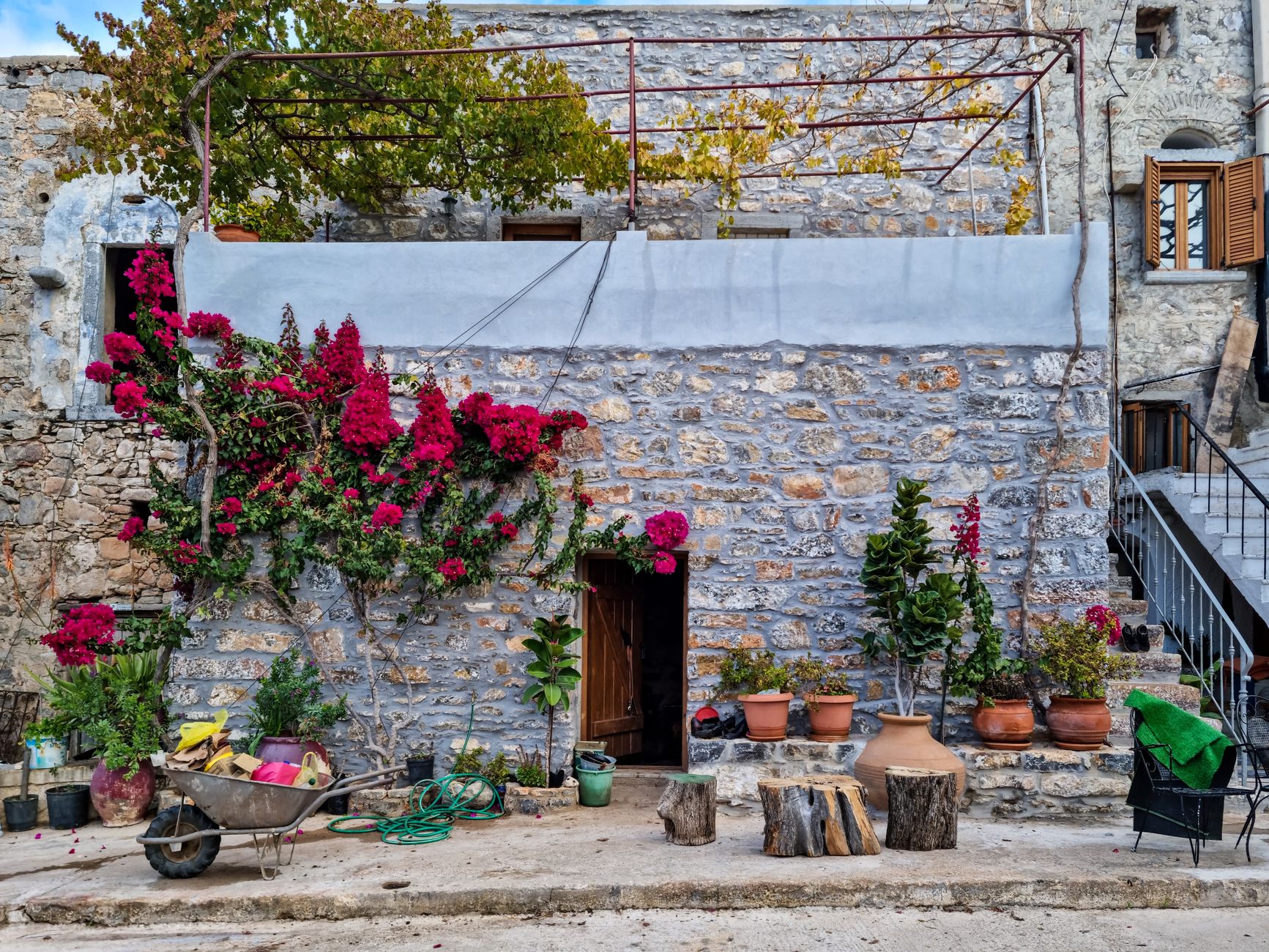
The mistake people make is trying to "do" both coasts in a week on a series of day trips. These crossings are easy precisely because they are short — so use them to slow down, not to cram. A comfortable pattern is two or three nights on the Turkish coast, an overnight (or two) on a Greek island, then back, with the ferry as a scenic interlude rather than a commute.
A very pleasant ten-day line runs: fly into Izmir or Bodrum, spend two nights in Çeşme, ferry to Chios for two nights of mastic villages and quiet beaches, return to Çeşme, drive or transfer down the coast to Kuşadası or Bodrum for a few nights, then take a second crossing to Kos or Samos. Two crossings in one trip is the sweet spot — enough to feel like you have visited two countries, not so many that you spend your holiday in queues.
Alternatively, keep it to one corridor and go deeper. Bodrum plus Kos is a perfect week: the Turkish side for the castle, the marina, the peninsula beaches and the nightlife; the Greek side for a gentler version of the same sea. Çeşme plus Chios is the quieter, food-and-wine version. Kuşadası plus Samos is for walkers and mountain lovers.
Factor in the weather. Meltemi winds in midsummer can make afternoon crossings choppy, so morning boats are usually the calmer choice. In May, June, September and early October you get warm seas, thinner crowds and more forgiving schedules. See our itineraries for ready-made versions of these coast-and-island combinations, and use the planner to sketch your own dates around ferry timetables.
Practical Comfort: Ports, Packing and Local Etiquette
All three Turkish departure ports are compact and easy. Bodrum's ferry pier is a short walk from the centre; Kuşadası's terminal is close to the cruise port; Çeşme's is right by the town. Arrive at least an hour before departure in high season, and remember that some operators require check-in before a cut-off time — typically 30 to 60 minutes — even if you already hold a ticket.
Pack for a boat, not a flight. A light layer for the wind, a hat, water, and a soft bag rather than a rigid suitcase, because these are small vessels with limited racks. Bring some euros for the Greek side and some lira for the Turkish side; cards are widely accepted in both but small island tavernas and taxis can be old-fashioned. Many travellers rely on cards and a travel-friendly bank, so check fees before you go — our travel tools page has useful pointers.
Etiquette is easy: Greeks and Turks share hospitality, a love of long lunches and a suspicion of rushing. At passport control, be patient and quiet; at the taverna, take your time. Learn a few words on each side — teşekkürler in Türkiye, efharisto in Greece — and you will be treated like a returning friend.
The real joy of these crossings is how ordinary they feel. Locals commute, families do weekend shopping, students go home. You get the romance of an international voyage with the logistics of a bus ride. That combination — Asia to Europe in under an hour, coffee in hand, castle fading astern — is the reason the Aegean ferry bridge belongs near the top of any Türkiye itinerary. For deeper context on the region's history and culture, browse our guides.
Thinking about a trip to Turkey?
Share your contact details and a vetted local expert will follow up with a plan built around you — free, no obligation.