

Turkish dramas have conquered screens from Madrid to Santiago, Cairo to Seoul. Millions of viewers have fallen for the Bosphorus sunsets, the fairy chimneys of Cappadocia, and the stone alleys of the Aegean coast — often without realizing that these are real, visitable places. This guide maps the scenery of Türkiye's most beloved series and films, so you can walk the same cobblestones, sip tea on the same terraces, and stand where your favourite characters stood.
Why Turkish Series Are Drawing the World to Türkiye
Turkish television exports now reach more than 150 countries, making Türkiye one of the world's largest exporters of scripted content. Series like Diriliş: Ertuğrul, Kara Sevda, Çukur, and Yargı have built massive fan bases across Latin America, the Middle East, the Balkans, and Asia. For many travellers, the first glimpse of Istanbul's skyline or the Lycian coast came not from a guidebook but from a season finale.
The result is a new kind of pilgrimage: fans arriving in Türkiye specifically to see where their favourite stories were filmed. They book tours of studio backlots, hunt down the exact café from a memorable scene, and time their trips to catch film festival screenings. The Turkish government and local municipalities have embraced this enthusiasm, with some cities now offering official location maps and even dedicated set visits.
What makes this trail so rewarding is the sheer variety of landscapes. In a single trip you can move from Ottoman-era mansions in Istanbul to the surreal rock valleys of Cappadocia, then down to the turquoise Aegean, all connected by the same creative industry. Whether you're a devoted fan or simply curious about how screen stories shape travel, this route delivers.
Istanbul: The Eternal Backlot
Istanbul is the beating heart of Turkish film and TV. Its layered history — Byzantine, Ottoman, and modern — provides an endlessly versatile backdrop. Many production companies have headquarters here, and the city's streets double for everything from 19th-century dramas to contemporary thrillers.
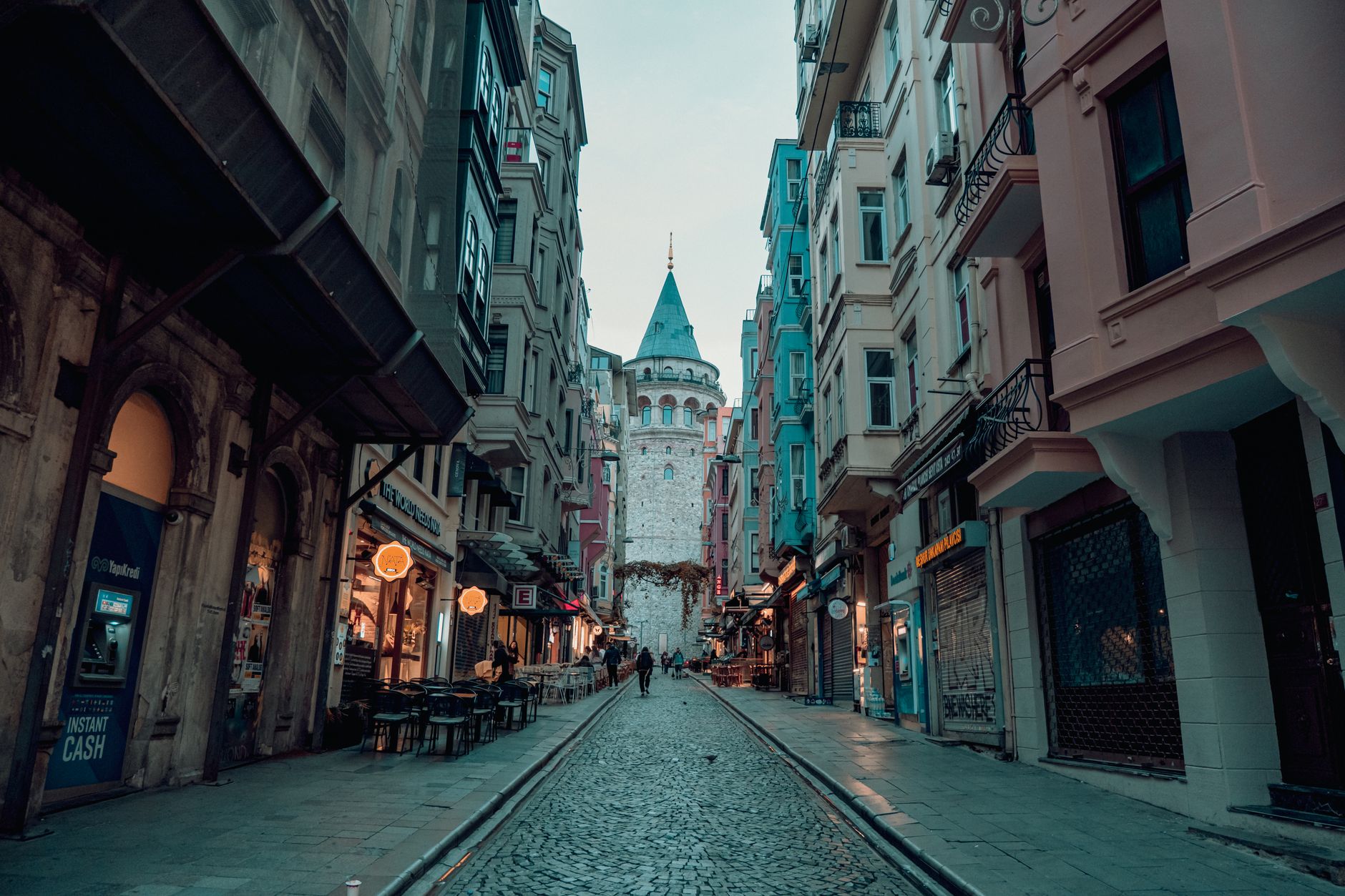
Start in the historic peninsula. The Sultanahmet district, with Hagia Sophia and the Blue Mosque, appears in countless period pieces. Wander the cobblestone lanes of Akbıyık and you'll recognize rooftops and wooden houses used in series like Muhteşem Yüzyıl (Magnificent Century). For a more contemporary vibe, head to Galata and Beyoğlu. The famous Galata Tower and the steep streets of Galip Dede Caddesi have framed romantic scenes in Kara Sevda and many others. The nostalgic İstiklal Avenue tram is a recurring star, and a ride on it feels like stepping into a montage.
On the Asian side, Kadıköy and Üsküdar offer a more local flavour, often used for family homes and neighbourhood stories. The Ortaköy Mosque with the Bosphorus Bridge behind it is one of the most photographed spots in Turkish cinema — arrive at sunset for that golden-hour shot.
For behind-the-scenes access, several production studios around Istanbul offer limited tours, especially during film festivals. Check local listings for Istanbul Film Festival events in April, which often include talks with directors and screenings in historic venues like the Atlas Cinema on İstiklal. Even without a tour, simply café-hopping in Beyoğlu puts you in the middle of the action — many crews film impromptu scenes in these very cafés.
Cappadocia: Where Fantasy Meets the Screen
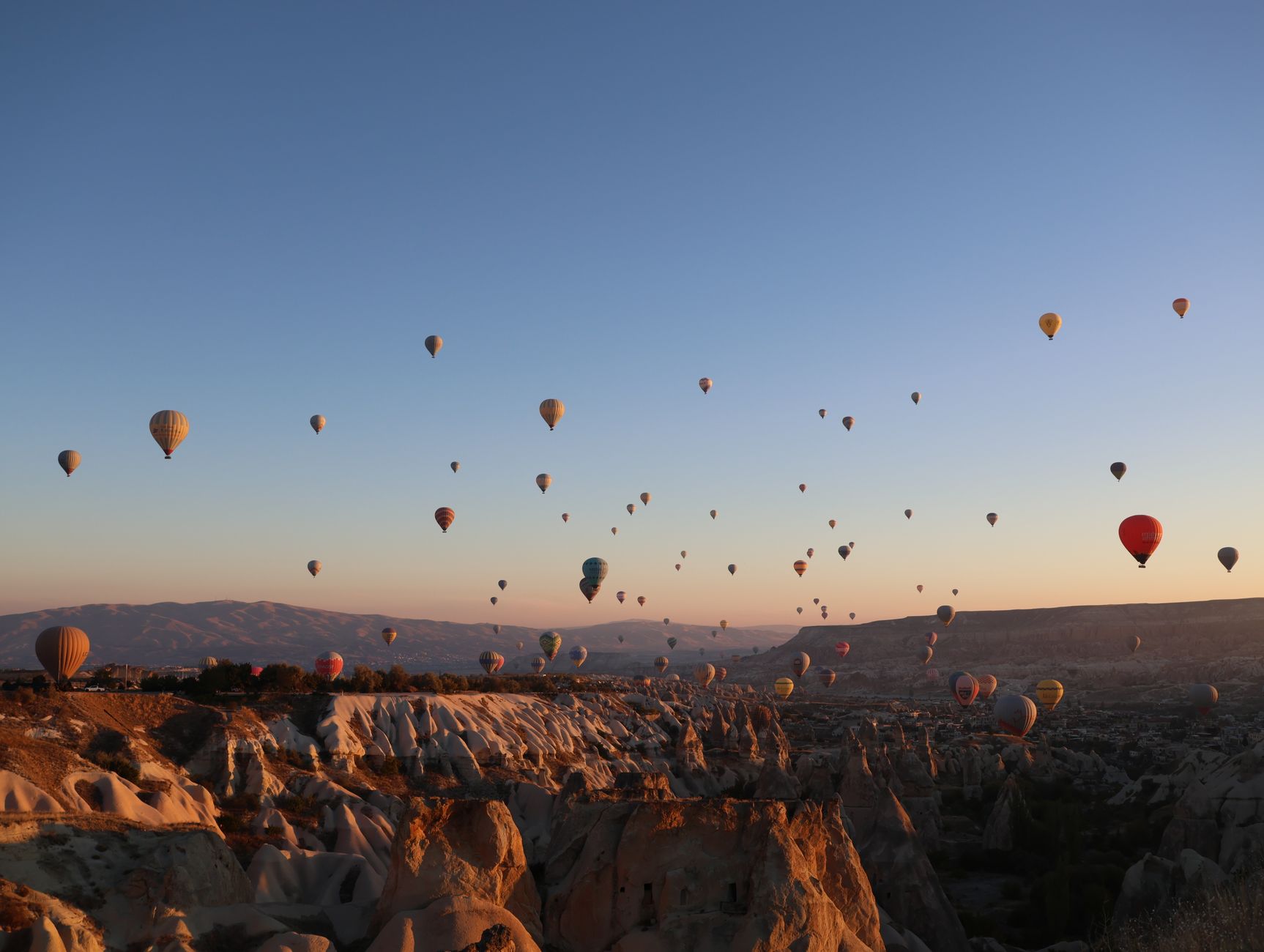
If Istanbul is the backlot, Cappadocia is the fantasy set. Its otherworldly rock formations, cave dwellings, and hot-air balloons have appeared in countless Turkish series and films, from historical epics to romantic dramas. The region's unique geology makes every frame look cinematic, and fans flock here to recreate iconic shots.
The town of Göreme is the main hub. Its Göreme Open Air Museum and the surrounding valleys — Love Valley, Rose Valley, and Pigeon Valley — have been used as backdrops for everything from horseback chases to quiet confession scenes. Many series shoot at sunrise, when balloons dot the sky; you can join a balloon flight for a bird's-eye view of the landscapes you've seen on screen.
Uçhisar Castle and the nearby Ürgüp and Avanos villages offer more recognizable locations. Some cave hotels, like those in Göreme, have hosted cast and crew and now market themselves as 'film-friendly'. For a truly immersive experience, book a stay in a cave room — it's exactly as dramatic as it looks on TV.
Cappadocia also hosts the International Cappadocia Film Festival in some years, with open-air screenings against the fairy chimneys. Even if you miss the festival, guided 'film location tours' are available in Göreme, pointing out specific scenes from popular series. Don't forget your camera: the combination of hot-air balloons and ancient rock churches is unbeatable at dawn.
The Aegean Coast: Sun, Sea, and Storylines
The Aegean coast provides the sun-drenched, romantic backdrop for many summer series and soap operas. Its whitewashed villages, ancient ruins, and azure bays have a timeless quality that translates beautifully to screen. From Izmir down to Bodrum, you'll find locations that feel both exotic and familiar.
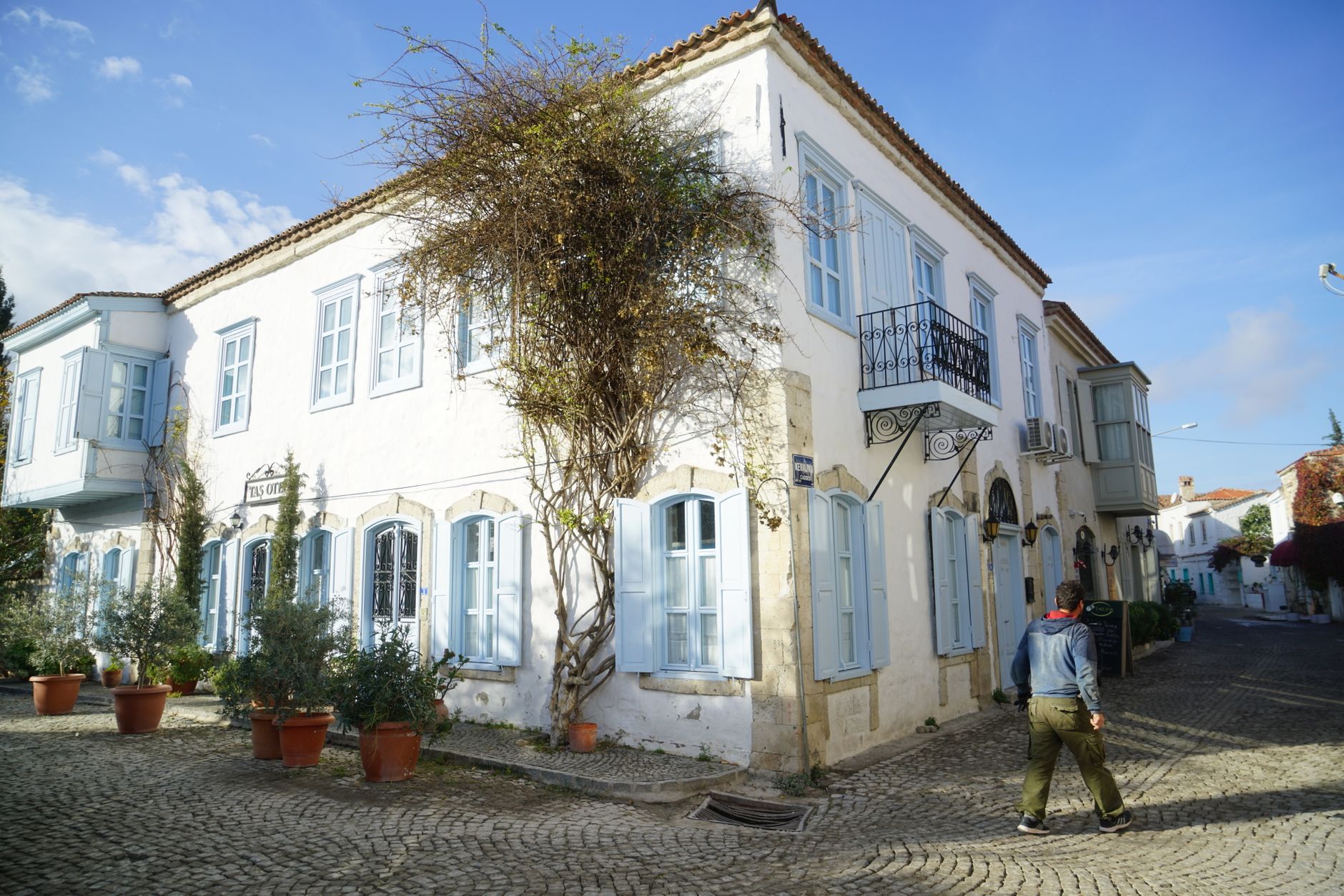
Alaçatı, with its cobbled streets, bougainvillea-covered houses, and windmills, is a favourite for romantic dramas. Its boutique hotels and seaside cafés often appear in series about young love and family secrets. Nearby Çeşme and its Ilıca Beach offer the classic turquoise-water shots that open many episodes.
Further south, Bodrum and Marmaris are regulars in adventure and mystery series. The Bodrum Castle and the bustling marina have framed chase scenes and emotional reunions. Fethiye and Ölüdeniz are famous for paragliding, but they also double as paradise in TV series — the Blue Lagoon is as stunning in person as on screen. For history buffs, Ephesus near Selçuk has appeared in both Turkish and international productions, its Library of Celsus instantly recognizable.
Many coastal towns host local film festivals in summer, often with outdoor screenings. In Izmir, the International Izmir Film Festival is a key event. Even without a festival, the region's film-friendly cafés and hotels often display photos from shoots, giving you a taste of the production world.
Beyond the Big Three: Hidden Gems on the Location Trail
While Istanbul, Cappadocia, and the Aegean get most of the attention, other regions have their own screen credits. The Black Sea region, with its lush mountains and misty plateaus, has been used for moody dramas and historical series. Trabzon and the Uzungöl lake are particularly photogenic, often standing in for Alpine landscapes.
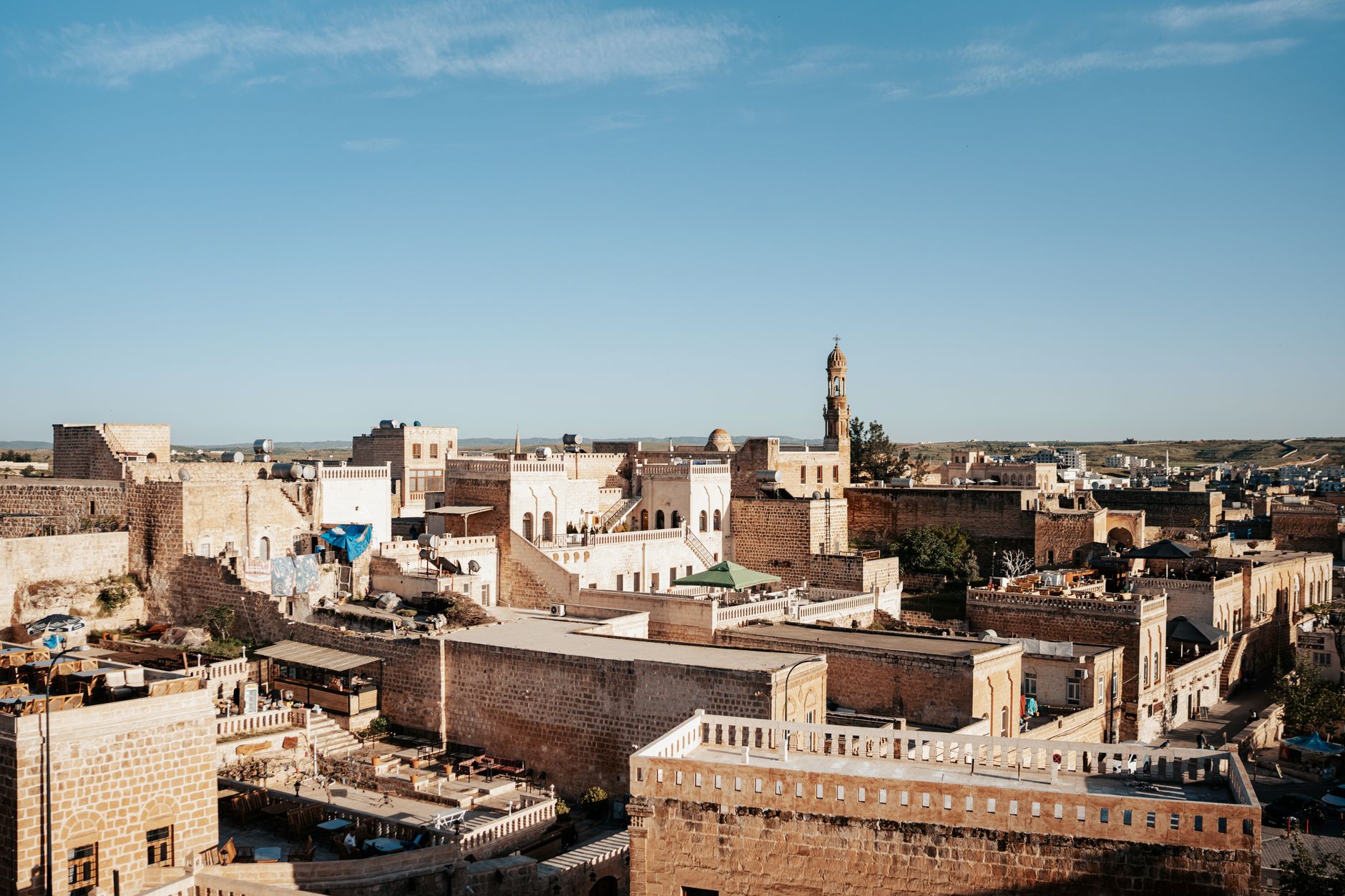
In the southeast, Mardin and Şanlıurfa offer ancient stone architecture that has appeared in series about faith and history. Mardin's honey-coloured houses and narrow alleys are a cinematographer's dream. The Kahta region, home to Mount Nemrut, has been featured in documentaries and epics alike.
The Lycian Way along the Mediterranean coast is not just a hiking trail; it's also a location for adventure series. The ancient city of Olympos and the flames of Yanartaş (Chimera) have a mythical quality that filmmakers love. For something completely different, the surreal salt flats of Lake Tuz near Ankara provide a minimalist backdrop for dream sequences.
These lesser-known locations are perfect for travellers who want to avoid crowds and discover the diversity of Türkiye's landscapes. Many local guides are happy to point out where specific scenes were shot, and some even organize themed tours.
Practical Tips for Your Film and TV Location Adventure
Planning a location trail requires a bit of research, but it's half the fun. Start by identifying your favourite series and searching for their filming locations online; fan communities often map them meticulously. Once you have a rough list, use our trip planner to build a route that balances screen spots with other attractions.
The best time to visit depends on your priorities. Spring (April–May) and autumn (September–October) offer comfortable weather and fewer crowds, and they coincide with many film festivals. Summer is ideal for the Aegean coast but can be hot and busy. Winter can be magical in Istanbul and Cappadocia, especially if you don't mind the cold.
When visiting active sets or studios, always respect boundaries and ask before taking photos. Many production companies offer official tours; others don't, so check in advance. For festival screenings, book tickets early — popular events sell out quickly. And don't forget to try local cuisine while you're location-spotting; a scene is always better with a glass of çay or a plate of mezes.
Finally, consider hiring a local guide who specializes in film tourism. They can take you to hidden spots, share behind-the-scenes stories, and introduce you to industry insiders. Our experts can help you find the right guide for your interests. With a little planning, your trip can be as dramatic and memorable as the series that inspired it.
Sample Itineraries for the Ultimate Screen-Inspired Trip
If you have one week, focus on Istanbul and Cappadocia. Spend four days in Istanbul exploring Sultanahmet, Galata, and Beyoğlu, then fly to Cappadocia for three days of balloons, cave hotels, and valley hikes. This combination covers the most iconic locations and is easy to manage.
For two weeks, add the Aegean coast. After Cappadocia, fly to Izmir and drive down to Alaçatı, Bodrum, and Fethiye. This route lets you experience both the historical and the coastal screen landscapes, with plenty of time for relaxation. If you have three weeks, include Mardin and the southeast for a truly comprehensive trail.
Our itineraries section has more detailed suggestions, and you can customize them based on your favourite series. Remember to check the best time to visit for each region to avoid extreme weather.
Whichever route you choose, you'll be following in the footsteps of stars and discovering why Türkiye's landscapes are so irresistible to filmmakers — and now to travellers like you.
Thinking about a trip to Turkey?
Share your contact details and a vetted local expert will follow up with a plan built around you — free, no obligation.