

Welcome to Türkiye — Your Arrival Starts with Hospitality
Landing in a new country can feel like a whirlwind, especially when you're jet-lagged. But here's the good news: Türkiye is one of the most welcoming places on earth, and its hospitality begins the moment you step off the plane. This guide is designed to be your calm companion for the first 48 hours. We'll walk you through airport transfers, getting a SIM card, using the Istanbulkart, handling cash, and even suggest a gentle first-evening walk and dinner so you can ease into your trip without stress.
Whether you're arriving in Istanbul, Antalya or İzmir, the principles are similar, though each city has its own rhythm. We'll highlight the differences so you know exactly what to expect. Remember, you don't have to do everything at once. The goal is to get connected, get to your accommodation, and then enjoy a slow, pleasant evening. Türkiye rewards those who take their time.
Before we dive in, a quick note: Turks are incredibly helpful to travelers. If you look lost, someone will likely offer assistance — sometimes before you even ask. Accept it with a smile and a "teşekkürler" (thank you). That small exchange will set the tone for your entire trip.
Arriving at the Airport: What to Expect
All major Turkish airports — Istanbul Airport (IST), Sabiha Gökçen (SAW), Antalya (AYT), and İzmir Adnan Menderes (ADB) — are modern, clean, and well-signposted in English. After passport control and baggage claim, you'll exit into the arrivals hall. Here you'll find currency exchange offices, ATM machines, SIM card vendors, and car rental desks. If you need cash immediately, ATMs are your best bet for a decent rate, but we'll cover money more thoroughly later.
If you're arriving at Istanbul Airport, note that it's massive — one of the largest in the world. Follow the signs for "Exit" or "Ground Transportation." For Sabiha Gökçen, which is on the Asian side, the layout is smaller and easier to navigate. Antalya Airport is compact and close to the city, while İzmir's Adnan Menderes is also straightforward. In all cases, the arrivals level is where you'll find the official taxi ranks, bus stops, and metro stations (in Istanbul and İzmir).
One important tip: ignore the men who approach you inside the terminal asking if you need a taxi. They are not official. Always use the designated taxi queue outside or pre-book a transfer. The official taxis are yellow and metered. If you feel overwhelmed, take a deep breath, find a seat, and organize yourself before heading out. There's no rush.
Getting from the Airport to the City: Transfers Made Simple
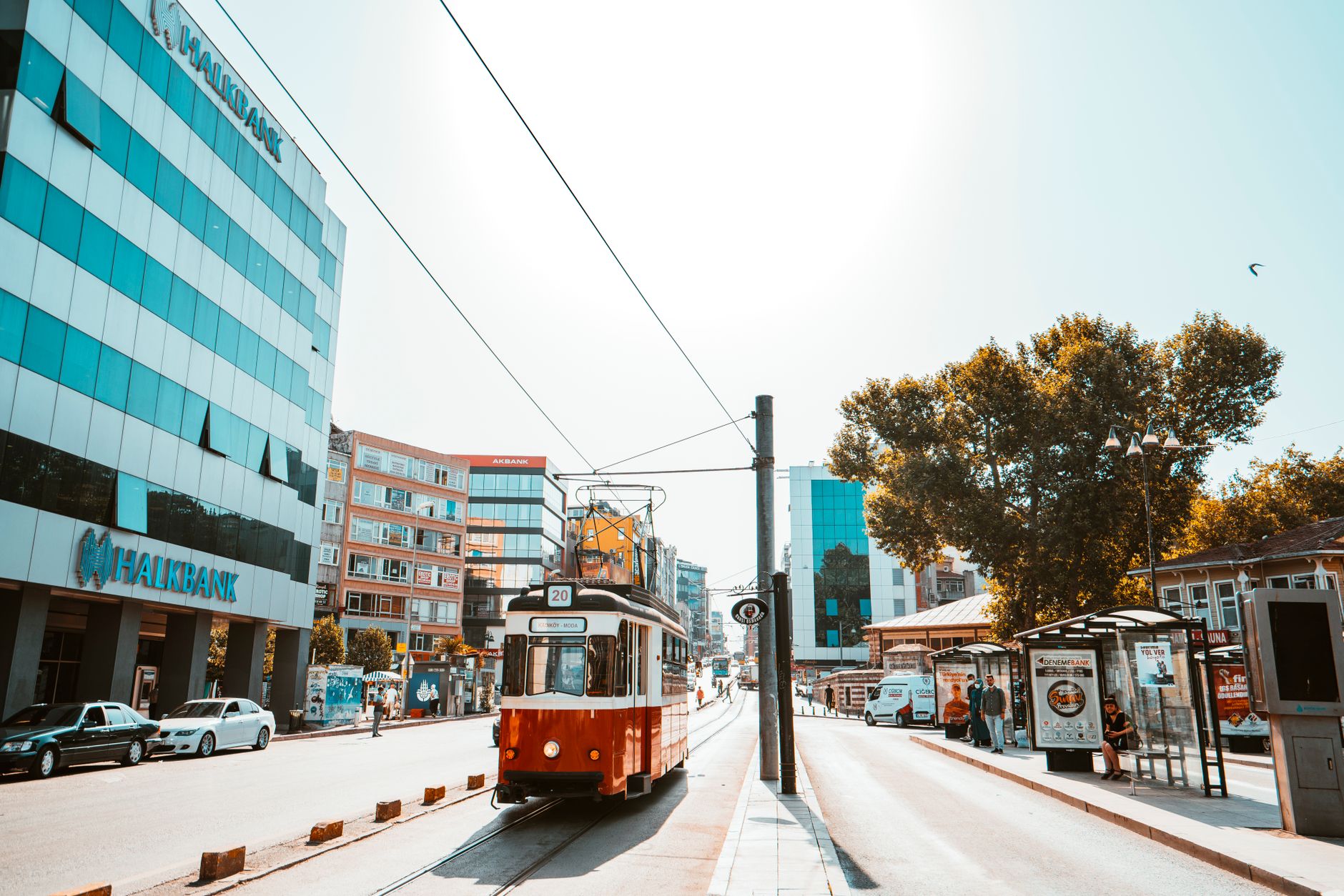
Your transfer options depend on your arrival city. In Istanbul, you have several choices. The Havaist buses run from both airports to various points in the city, including Taksim, Sultanahmet, and Besiktas. They're comfortable, affordable, and have luggage storage. The metro is also an option: from Istanbul Airport, the M11 line connects to the city, and from Sabiha Gökçen, the M4 line takes you to Kadıköy and beyond. Taxis are convenient but can be expensive and subject to traffic — Istanbul traffic is notorious.
In Antalya, the airport is just 13 kilometers from the city center. You can take the Antray light rail (a tram) directly to the old town area, or hop on a taxi for a quick ride. There are also Havaş buses that go to the bus terminal and city center. In İzmir, the airport is about 18 kilometers from the center. The İZBAN commuter train connects the airport to Alsancak and other central stations, and it's very efficient. Taxis and ride-hailing apps like Bitaksi (in Istanbul and İzmir) and BiTaksi (in Antalya) are also available, but traditional taxis are plentiful.
If you're arriving late at night or feeling particularly jet-lagged, consider pre-booking a private transfer through your hotel or a reputable service. It costs more but eliminates decision fatigue. Alternatively, use public transport if you're up for it — it's a great way to see the city on a budget. Just make sure you have cash or a transit card ready.
Staying Connected: eSIM vs. Physical SIM Cards
You'll want internet access soon after landing — for maps, translation, and messaging. The easiest option is an eSIM, which you can purchase and install before you even leave home. Providers like Airalo, Holafly, and Nomad offer Türkiye-specific plans. This means you're connected the moment you land, and you avoid the hassle of finding a SIM vendor. eSIMs are perfect for short trips and those who don't need a local phone number.
If you prefer a physical SIM card or need a Turkish number for longer stays, you can buy one at the airport or in the city. Vodafone, Turkcell, and Türk Telekom are the main carriers. At the airport, you'll pay a premium; in the city, you'll get better rates. You'll need your passport to register the SIM. Note that your phone must be unlocked to use a foreign SIM. Also, Turkish SIM cards expire after a certain period if not used, but for a typical vacation, that's not an issue.
A quick note on coverage: Turkcell generally has the best coverage, followed by Vodafone and Türk Telekom. For most travelers, any of them will work fine in cities and major tourist areas. If you're heading to remote regions, Turkcell is your safest bet. And if you're relying on Wi-Fi, it's widely available in hotels, cafes, and restaurants, but speeds can vary.
Money Matters: Cash, Cards, and ATMs
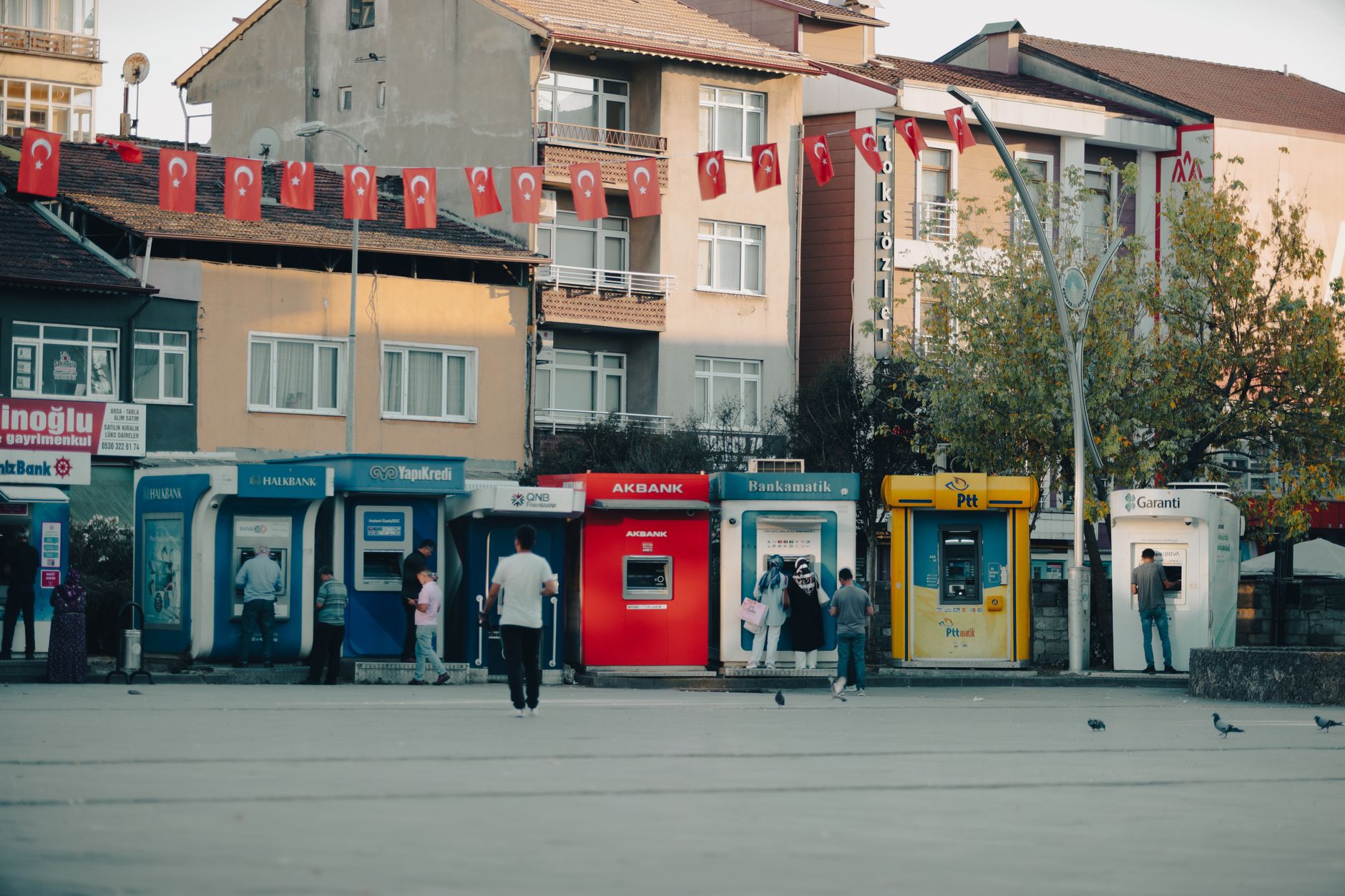
The Turkish lira (TRY) is the official currency. While credit cards are accepted almost everywhere in cities and tourist areas, it's wise to carry some cash for small purchases, markets, and rural areas. ATMs are plentiful and usually offer English menus. Use bank ATMs like Ziraat, İş Bankası, Garanti, or Yapı Kredi — they generally have lower fees than standalone machines. Withdrawing larger amounts at once can minimize fees.
Currency exchange offices (döviz bürosu) are common and often offer better rates than airports or hotels. Check the rates before exchanging, and avoid exchanging money on the street. If you're arriving with foreign cash, exchange only what you need for the first day or two, then use ATMs for better rates. Credit cards like Visa and Mastercard are widely accepted; American Express is less common. Contactless payments are standard.
It's also a good idea to have a small amount of cash in Turkish lira before you arrive — maybe 500-1000 TL — for immediate needs like a taxi or a snack. But don't stress if you don't; you can withdraw at the airport. Just be aware that airport ATMs may have higher fees. And always keep some coins for public toilets, which sometimes charge a small fee.
Mastering Public Transport: The Istanbulkart and Beyond
In Istanbul, the Istanbulkart is your key to buses, trams, metros, ferries, and funiculars. You can buy it at vending machines in metro stations and major transit hubs. The card itself costs a small fee (non-refundable), and you load money onto it. One card can be used for multiple people, but each person needs to tap separately. You can also use the mobile app "Istanbulkart" for a digital version, but physical cards are more reliable for tourists.
For Antalya, you'll want the Antalya Kart, available at kiosks near tram stops. In İzmir, the İzmirim Kart works on buses, metro, and ferries. These cards are similar in concept: buy, load, tap. Fares are affordable, and you can top up at machines or via mobile apps. In all three cities, you can also use contactless credit cards on some lines, but it's not universal, so a transit card is safer.
When using public transport, always validate your card or ticket. Inspectors do check, and fines are hefty. Also, during peak hours, buses and metros can be crowded — if you're jet-lagged, consider traveling outside rush hour. Google Maps works well for public transport directions in Türkiye, and apps like Moovit are helpful too. Don't hesitate to ask locals for help; they're usually happy to point you in the right direction.
A Gentle First Evening: Walk and Dinner Suggestions
After you've settled in, resist the urge to do too much. A gentle walk and a good meal will help you acclimate. In Istanbul, if you're staying in Sultanahmet, take a stroll through the Hippodrome and towards the Blue Mosque as the sun sets. The area is magical in the evening light, and it's flat and easy to navigate. For dinner, try a cozy meyhane (tavern) in Kumkapı or a rooftop restaurant with a view of the Bosphorus. Order a few mezze, grilled fish, and a glass of rakı if you're feeling adventurous. If you're in Taksim, walk down İstiklal Caddesi, pop into a lokanta for home-style cooking, or grab a döner at a reputable shop.
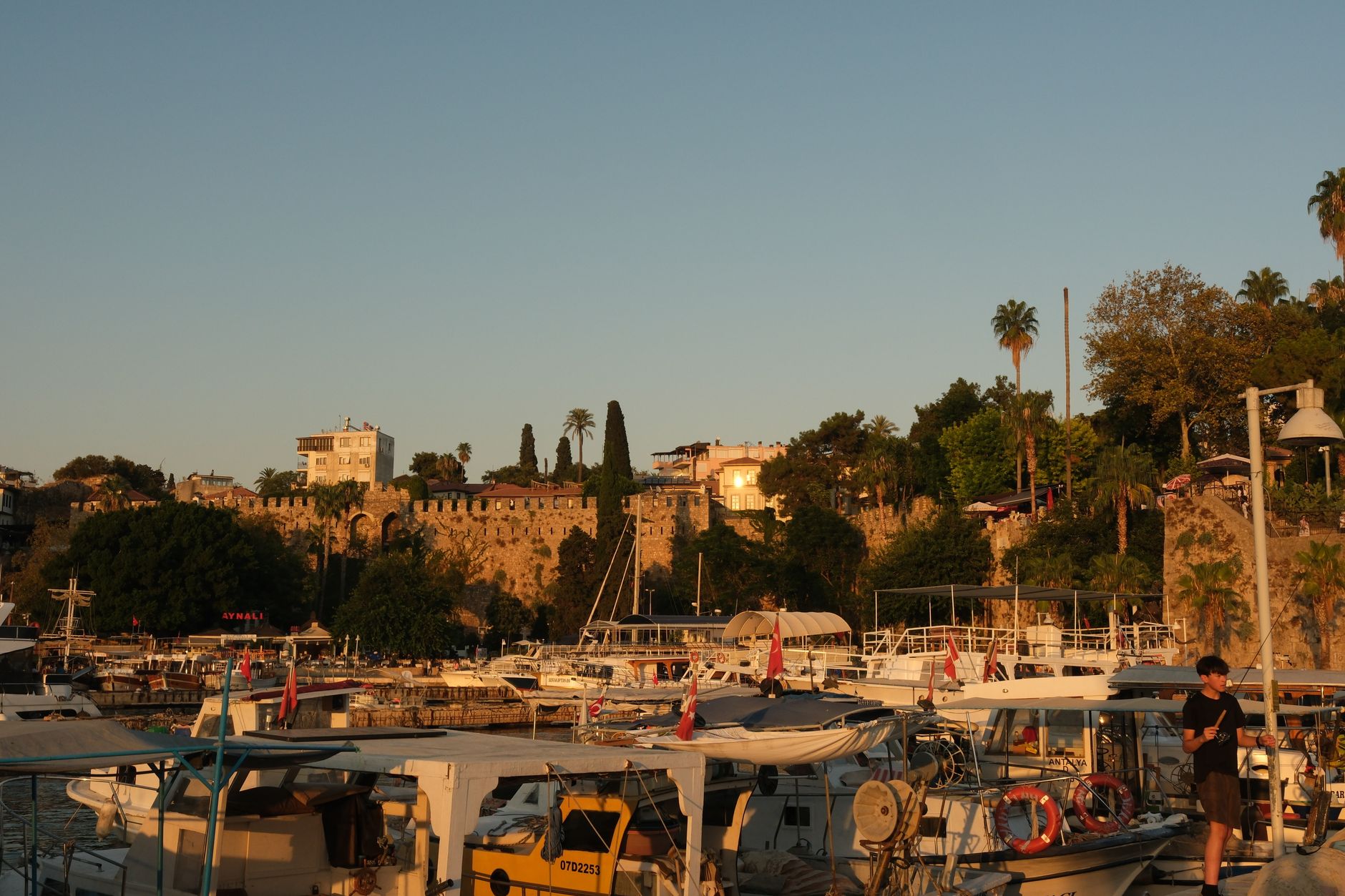
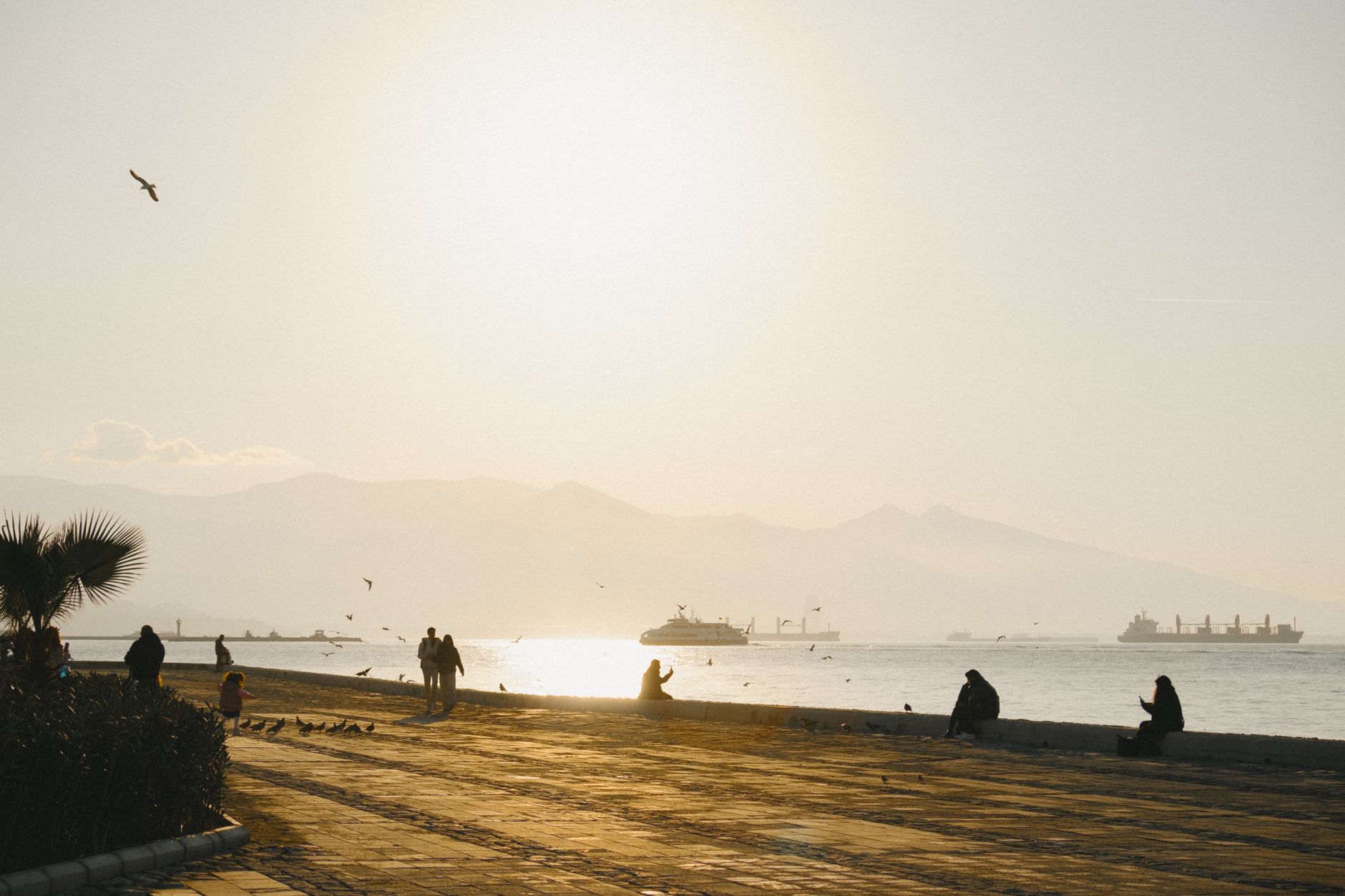
In Antalya, head to Kaleiçi (the old town) and wander its narrow, cobbled streets. The atmosphere is relaxed, and you'll find plenty of restaurants with outdoor seating. For a gentle dinner, try a seafood restaurant overlooking the harbor, or a casual kebab house. In İzmir, the Kordon (waterfront promenade) is perfect for an evening walk. Watch the sunset, then dine at a restaurant in Alsancak or Konak. İzmir is famous for its kumru (a sandwich with cheese, tomato, and sausage) and boyoz (a flaky pastry) — great for a light bite.
Regardless of where you are, keep dinner simple and early. Jet lag can make you sleepy by 8 PM, so aim to eat around 6:30 or 7. Try a bowl of lentil soup (mercimek çorbası) to start — it's comforting and easy on the stomach. Then share a few plates. Don't overdo it on alcohol, as it can worsen jet lag. End with a cup of Turkish tea or a small dessert like baklava. Then head back to your hotel, take a warm shower, and get a good night's sleep. Tomorrow, you'll be ready to explore with fresh eyes.
Final Tips for a Smooth First 48 Hours
Keep your passport and important documents in a secure place. Make copies or digital scans. Learn a few Turkish phrases: "Merhaba" (hello), "Teşekkürler" (thank you), "Lütfen" (please), "Evet" (yes), "Hayır" (no). Locals appreciate the effort. If you're unsure about anything, ask at your hotel reception — they're used to helping travelers. And remember, it's okay to take it slow. The first 48 hours are about adjusting, not conquering.
Türkiye is a country of contrasts, and you'll have plenty of time to explore its wonders. By following this guide, you'll start your journey with confidence and calm. Welcome — hoş geldiniz! Enjoy your first evening, and may your travels be filled with warmth and discovery.
Thinking about a trip to Turkey?
Share your contact details and a vetted local expert will follow up with a plan built around you — free, no obligation.