

Türkiye as a Culinary Continent
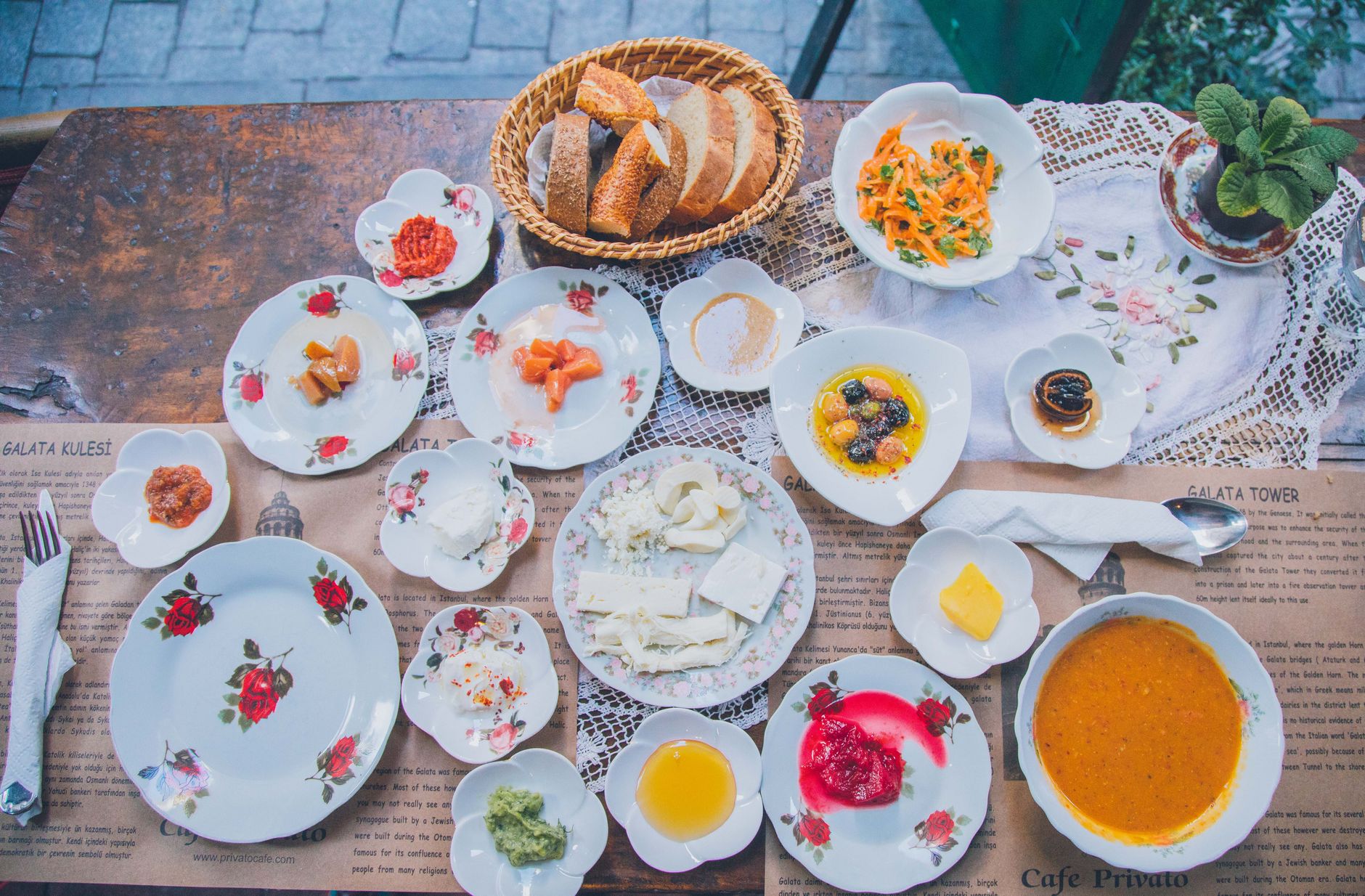
Few countries can claim a culinary map as layered as Türkiye's. Stretching from the vine-covered plains of Thrace to the pistachio groves outside Gaziantep, the country folds together Mediterranean, Anatolian, Armenian, Kurdish, Greek, and Ottoman cooking into something that belongs to no single tradition and to all of them at once. This is a land where breakfast can last three hours, where olive oil is discussed like wine, and where a plate of kebabs may sit beside a bowl of yogurt so thick you can stand a spoon in it.
What makes Türkiye especially rewarding for a gourmet road trip is that its food regions are also wine regions, olive regions, and market regions — and they line up almost perfectly along a west-to-southeast arc. You begin in Thrace, where Turkey's modern wine industry was reborn; roll south through the Aegean, home of olive groves and herb-scented mezes; cross the high plateau to Cappadocia, where volcanic tuff soils and ancient grape varieties are being rediscovered; and finish in Gaziantep, arguably the most exciting food city in the country and a UNESCO City of Gastronomy.
This guide maps that route with concrete stops, tasting advice, market timing, and practical notes on shipping bottles home. It is designed to be driven over two to three weeks, though you can easily carve out a single region as a standalone trip. Bring an appetite, a corkscrew, and a willingness to say yes to one more plate.
Thrace: Where Turkish Wine Reawakened
Thrace, the European corner of Türkiye between the Marmara and Black Seas, is where the country's modern wine story began in earnest. French-trained enologists and local families planted international varieties here in the late twentieth century, and today the region around Tekirdağ, Şarköy, and Mürefte produces some of the country's most confident reds and crisp whites. The climate is Mediterranean-leaning with strong maritime influence, which gives wines freshness and structure.
Start in Tekirdağ, a breezy port city on the Sea of Marmara, famous for its köfte (grilled meatballs) and its rakı culture. Visit wineries such as the historic Doluca and the pioneering Sarafin, then eat along the waterfront where balık ekmek (grilled fish in bread) and fried mussels are sold from boats. Inland, the village of Mürefte and the Şarköy coast offer smaller, family-run estates with tasting rooms overlooking vineyards that tumble toward the sea.
Pair Thracian wines with the region's food: hard sheep's milk cheeses, cured meats, and the local specialty tekirdağ köftesi, seasoned with garlic and grilled over charcoal. Autumn is the moment to go — September and October bring harvest, when wineries host crush events and the vineyards turn gold. Ask about bağ bozumu (grape harvest) festivals, which often include grape-stomping, folk music, and long communal dinners.
Practical note: Many wineries require reservations for tastings, especially on weekends. A rental car is essential, and roads between Tekirdağ and Şarköy are scenic but winding; designate a driver or hire a local guide for the day.
The Aegean: Olive Groves, Herbs, and Slow Tables
Driving south along the Aegean coast, the landscape shifts to silver-green olive groves, pine forests, and whitewashed villages. This is the heart of Turkish olive oil culture, and the triangle between Ayvalık, Urla, and Bodrum defines the country's finest oils and most refined mezes. The Aegean table is lighter and more herbaceous than elsewhere: artichokes, wild greens, fava beans, octopus, and countless ot (wild herb) dishes dressed simply with oil and lemon.
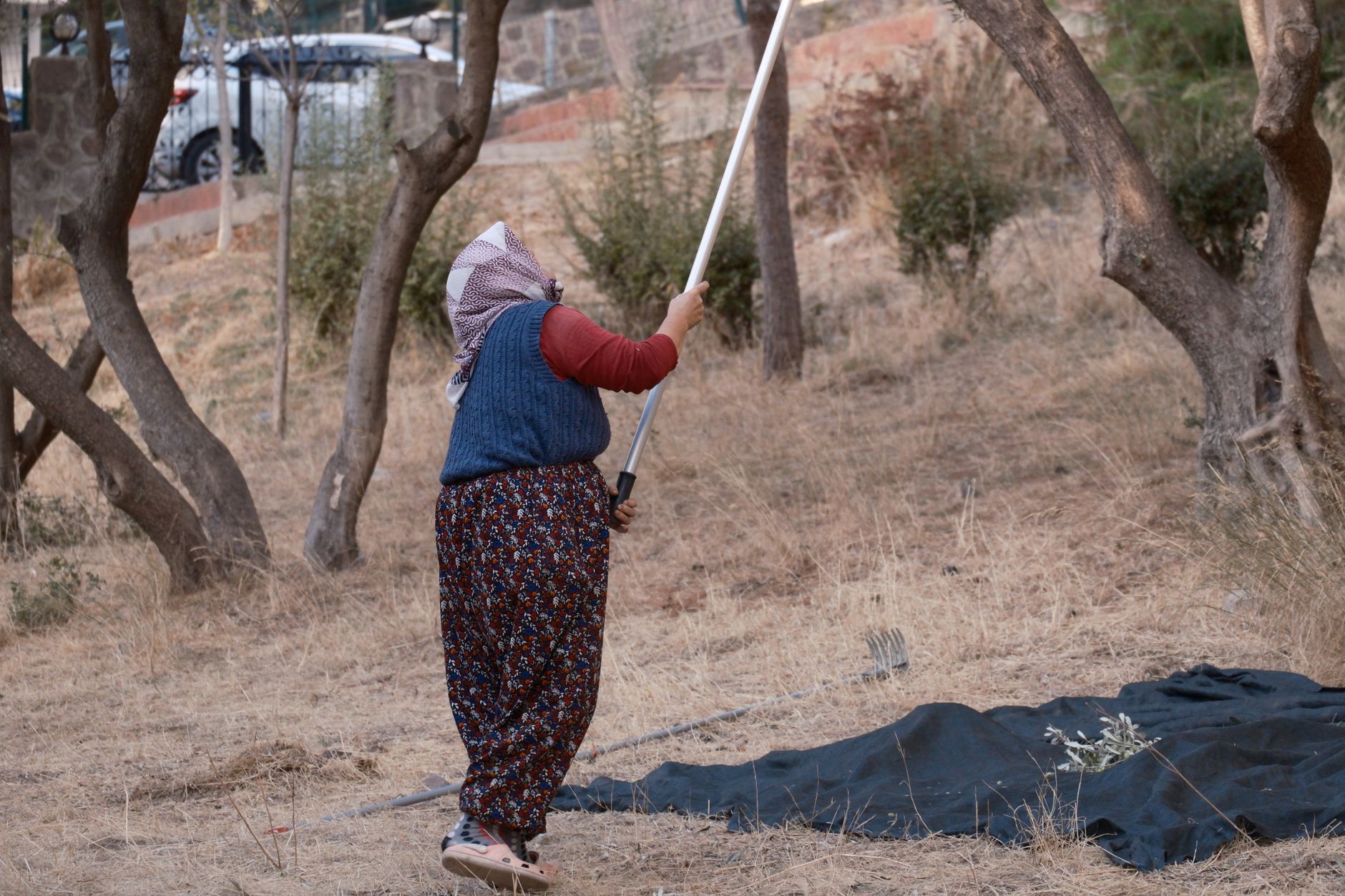
Base yourself in Urla, just west of Izmir, a town that has become a gastronomic hub. Visit olive oil producers like Köklü and Oleastra for tastings, then dine at farm-to-table restaurants where the menu changes with what was foraged that morning. In Ayvalık, tour an olive oil factory and taste the buttery, low-acidity oils the region is prized for; late October through November is the olive harvest, when presses run day and night and the smell of fresh oil fills the air.
Don't miss the weekly markets. The Tuesday market in Urla and the Ayvalık market overflow with olives, cheeses, herbs, and seafood. For wine, the Aegean offers crisp whites from the Urla and Çeşme peninsulas — look for Narince, bornova misketi, and Sultaniye — plus elegant reds from the Denizli and Manisa areas. Çeşme's wineries, including Çamlıbağ and Urlice, make for a pleasant coastal tasting day.
Extend the route to Bodrum for its fish restaurants and the nearby village of Gümüşlük, where you can eat grilled seafood with your feet almost in the water. Pair everything with a glass of rakı, the aniseed spirit that is the true national drink, and let the meal stretch into the night.
Cappadocia: Volcanic Soils and Ancient Grapes
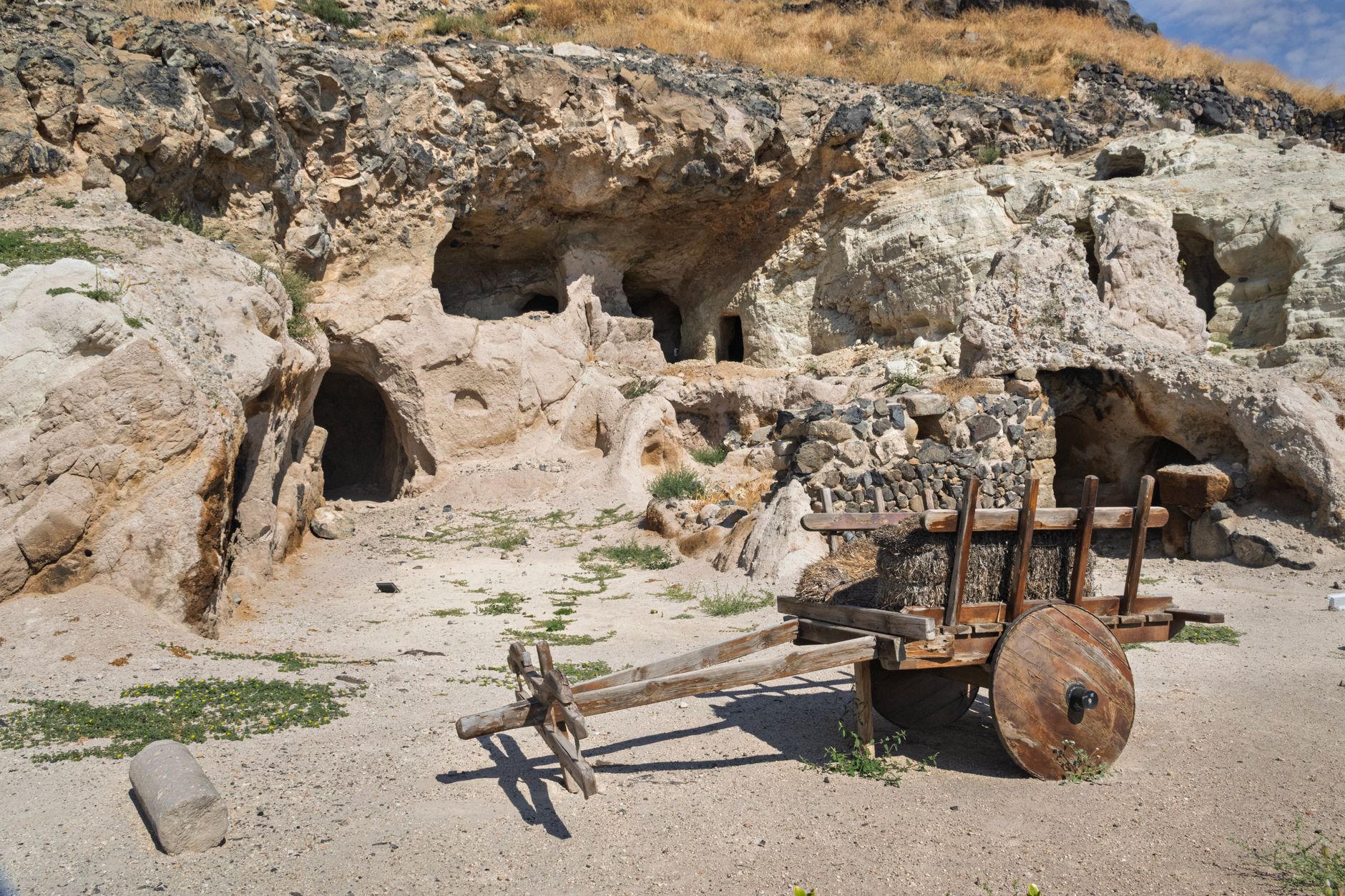
Cappadocia is famous for its fairy chimneys and cave hotels, but it is quietly becoming one of Türkiye's most interesting wine destinations. The volcanic tuff soil, high altitude, and dramatic temperature swings produce grapes with concentrated flavor and bright acidity. The region around Ürgüp, Uçhisar, and Nevşehir grows red varieties like Emir, Kalecik Karası, Öküzgözü, and the local Narince, plus experimental plantings of international grapes.
Wineries such as Turasan, Kocabağ, and the boutique Fesleğen offer tastings in atmospheric settings — some in carved cave cellars that stay naturally cool. Book a tasting during the grape harvest in late August and September, when you can see the crush and taste fermenting juice straight from the tank. Many producers also run vineyard walks that explain how the region's ash-rich soils shape the wines.
Beyond wine, Cappadocia's food is hearty and comforting: testi kebabı, a stew cooked in a sealed clay pot that is cracked open at the table; mantı, tiny dumplings with yogurt and butter; and apricot-stuffed desserts. Eat in a village restaurant in Mustafapaşa or Sinasos, where Greek and Turkish culinary influences meet.
Pair your glass with local cheese and honey from the region, and consider a sunrise balloon flight — not for the faint of heart, but an unforgettable way to see the vineyards sprawling below. Note that Cappadocia is high, dry, and cold at night; pack layers even in early autumn.
Gaziantep: The Culinary Capital of the Southeast
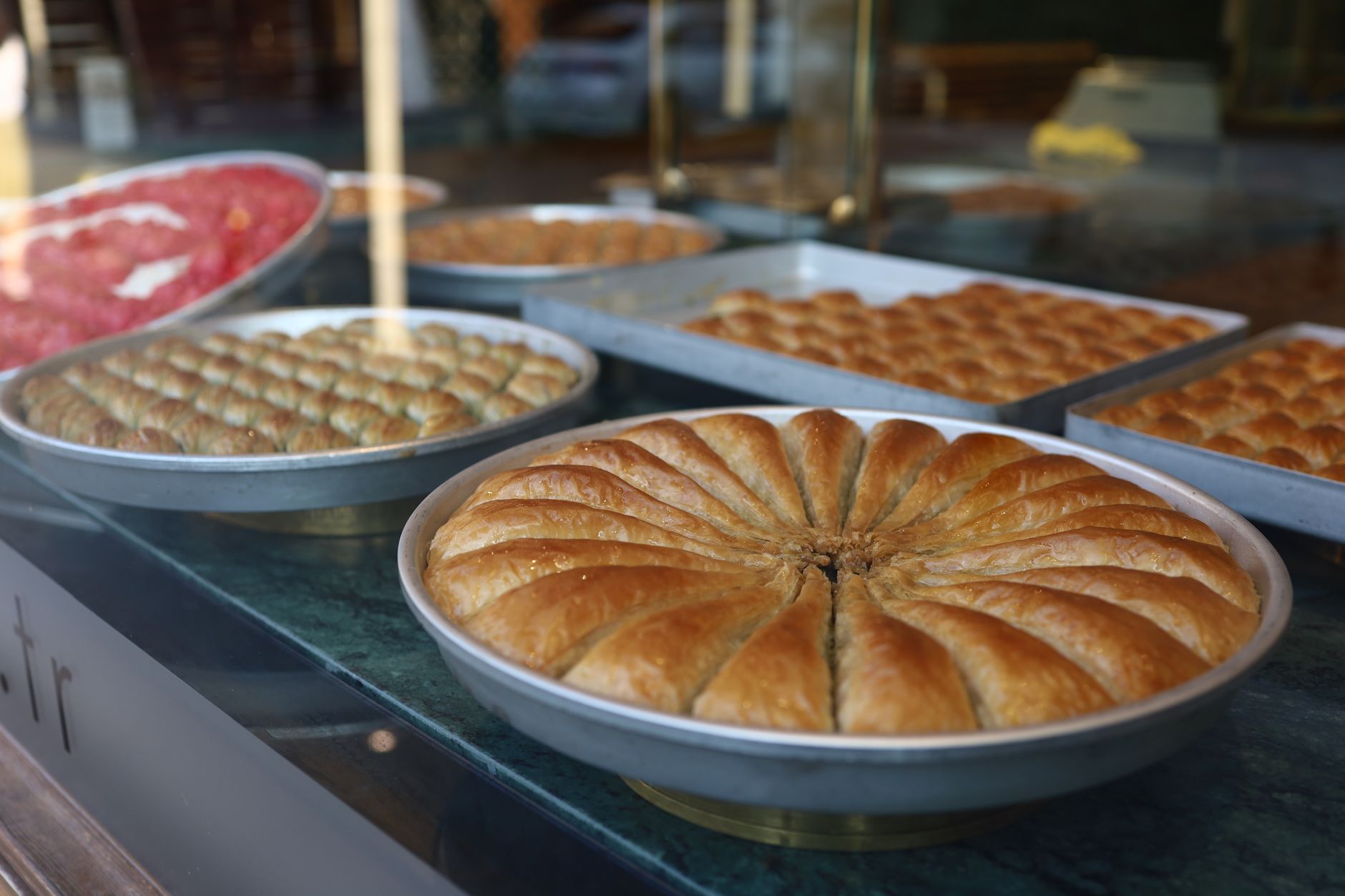
If there is one city in Türkiye that food lovers should build a trip around, it is Gaziantep. A UNESCO Creative City of Gastronomy, it sits near the Syrian border and blends Turkish, Arab, and Kurdish cooking into a cuisine of extraordinary depth. This is the land of pistachios, of baklava made with paper-thin pastry and clarified butter, and of kebabs so refined they are almost delicate.
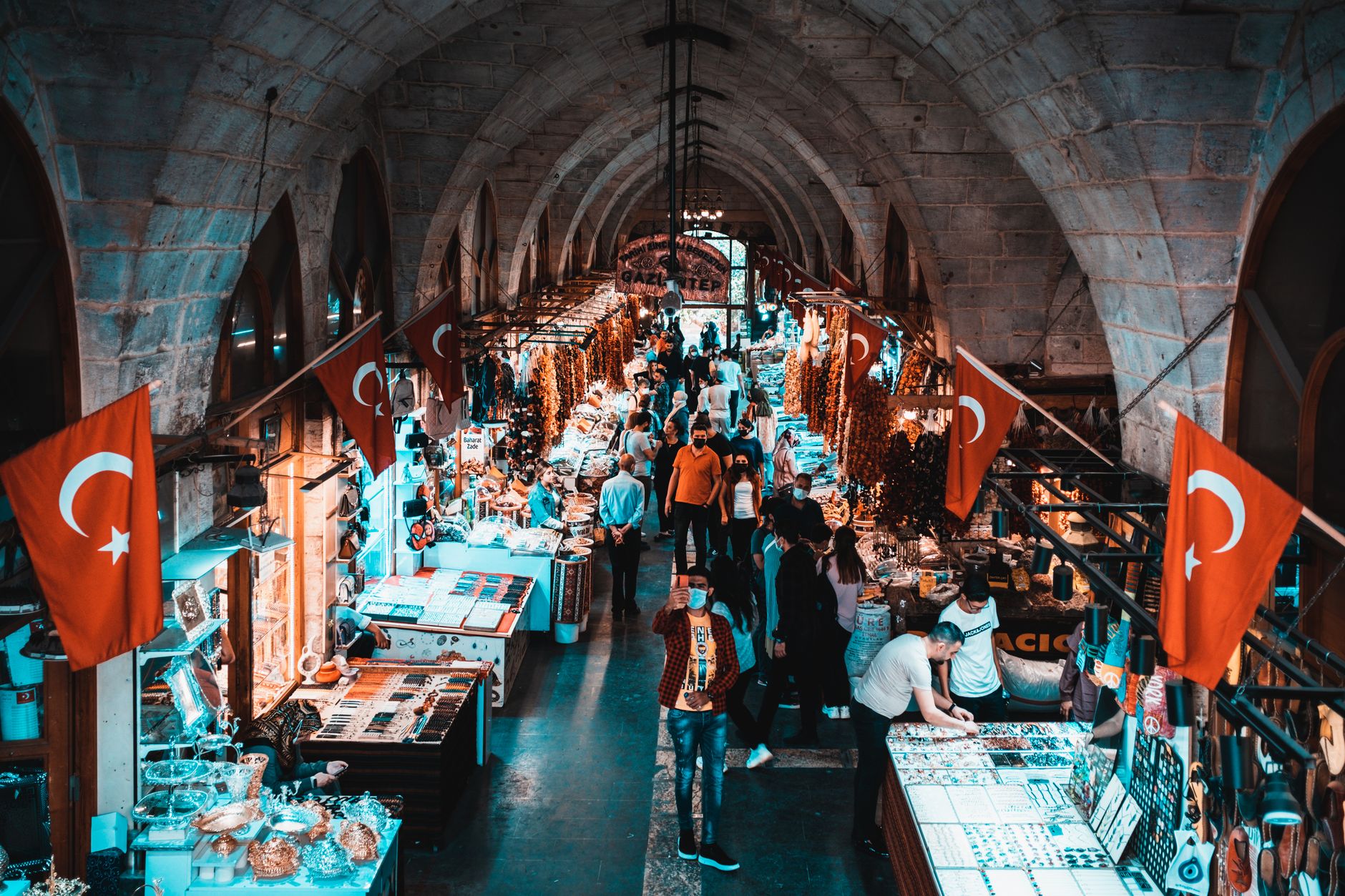
Begin at the Elmacı Pazarı and the surrounding markets, where vendors sell pistachios, dried vegetables, spice blends, and sucuk (spiced sausage). Stop at a baklava shop like Koçak or İmam Çağdaş and watch the layers being assembled; the best baklava uses Antep pistachios harvested in late summer and early autumn. Eat lahmacun, içli köfte (bulgur shells stuffed with minced meat), and beyran çorbası, a spicy lamb soup that is a Gaziantep signature.
For a full meal, head to a traditional restaurant such as Metanet or Çağdaş and order the kebap platter, followed by künefe, a hot cheese dessert soaked in syrup and topped with pistachio. The city is also the source of some of Türkiye's best salça (tomato and pepper paste), which you can buy to take home. Consider a cooking class to learn how to fold içli köfte — it is harder than it looks.
Gaziantep pairs naturally with a stop in nearby Şanlıurfa, known for its çiğ köfte and grilled meats, and with Kilis, just west, for olive oil and more pistachios. Autumn is ideal: the pistachio harvest runs from August to October, and the weather cools enough to enjoy long meals on shaded terraces.
Mapping the Route and Timing the Harvest
A full west-to-east gourmet drive of Türkiye can be done in roughly two to three weeks, though it rewards a slower pace. A practical itinerary: fly into Istanbul, drive to Thrace for three days, continue south to the Aegean for four to five days, fly or drive to Cappadocia for three days, then fly to Gaziantep for three to four days. Domestic flights connect Istanbul, Izmir, Kayseri/Nevşehir, and Gaziantep efficiently, so you can combine driving with short hops.
Harvest timing matters. Thrace and the Aegean harvest grapes in late August through September, with olive harvest in October and November. Cappadocia picks grapes in late August and September. Gaziantep's pistachio harvest runs from August into October. If you want to see active harvest, plan your trip between mid-August and early November, and always confirm dates with individual producers, as weather shifts the calendar.
Shoulder seasons — late spring and early autumn — offer the best balance of weather, crowds, and produce. Summer along the Aegean is hot and busy; winter in Cappadocia is cold, though cave hotels and indoor tastings remain appealing. Wherever you go, book tastings and restaurants in advance, especially in Gaziantep, where the best tables fill up quickly.
Tastings, Markets, and Shipping Bottles Home
Tastings in Türkiye are usually generous and informal. Expect to pay a modest fee, often waived if you buy a bottle, and to taste five to eight wines. Many wineries speak some English, but learning a few phrases — şerefe (cheers), hesap (the bill), ne önerirsiniz? (what do you recommend?) — goes a long way. At markets, taste before you buy: olives, cheeses, and dried fruits are almost always offered freely.
Shipping wine home requires planning. Turkish wine is rarely exported in quantity, so bottles you love may be hard to find abroad. Airlines generally allow alcohol in checked luggage within customs limits, but rules vary by country. In the US, you can typically bring back one liter duty-free per adult, with additional bottles subject to duty; in the EU, allowances are higher. Use sturdy wine sleeves or a padded wine suitcase, and declare everything. Some wineries can arrange international shipping, but it is expensive and not always available.
For olive oil, pistachios, and salça, vacuum-sealing and careful packing are your friends. Buy small bottles of oil and wrap them in clothing. Pistachios and dried goods travel easily. If you are serious about collecting, consider a wine-check service or shipping through a specialist courier — and always check your home country's import limits before you buy.
Above all, travel with curiosity and appetite. Türkiye's tables are warm, generous, and built for sharing; the best moments often come when you accept an unexpected invitation to sit, eat, and talk. Raise a glass of local wine, tear off a piece of bread, and let the country feed you.
Thinking about a trip to Turkey?
Share your contact details and a vetted local expert will follow up with a plan built around you — free, no obligation.